EU’s 2035 Combustion Engine Ban Faces Potential Delay

European 2035 Engine Ban Under Review

Significant discussions are underway in Brussels that could reshape the European Union’s landmark automotive legislation. The 2035 deadline for ending sales of new internal combustion engine (ICE) vehicles is now being reconsidered, with a potential five-year extension on the table. This pivotal shift is not a simple postponement but is reportedly contingent upon member states meeting a stringent set of new conditions.

Strict Criteria for Any Postponement

Sources indicate that any delay to the 2035 ban would be strictly conditional. The core requirement would be the accelerated and verifiable deployment of electric vehicle (EV) charging infrastructure across all member states. The European Commission is said to be drafting binding targets for the density of public charging points, particularly along major highways and in urban areas, to ensure practicality for all drivers.

Furthermore, the conditions would likely include guarantees on the affordability and accessibility of electric vehicles for the mass market, addressing current concerns about price parity. Progress on the sustainability of battery supply chains and advancements in renewable energy capacity to power the new electric fleet are also key factors in the negotiations.

Industry and Environmental Implications

This potential policy adjustment reflects the immense complexity of the green transition for the automotive sector. While some industry groups have lobbied for more time to adapt manufacturing and supply chains, environmental organizations warn that any delay risks undermining the EU’s climate objectives. The debate centers on finding a feasible path that maintains industrial competitiveness without sacrificing emission reduction targets.

The final decision will signal Europe’s practical approach to climate policy, balancing ambition with infrastructural and economic realities. The coming months of negotiation will be critical in determining the final timeline and the rigid conditions that may accompany any revised deadline for the phase-out of new petrol and diesel cars.

Verkor’s Dunkirk Gigafactory Powers French EV Ambition

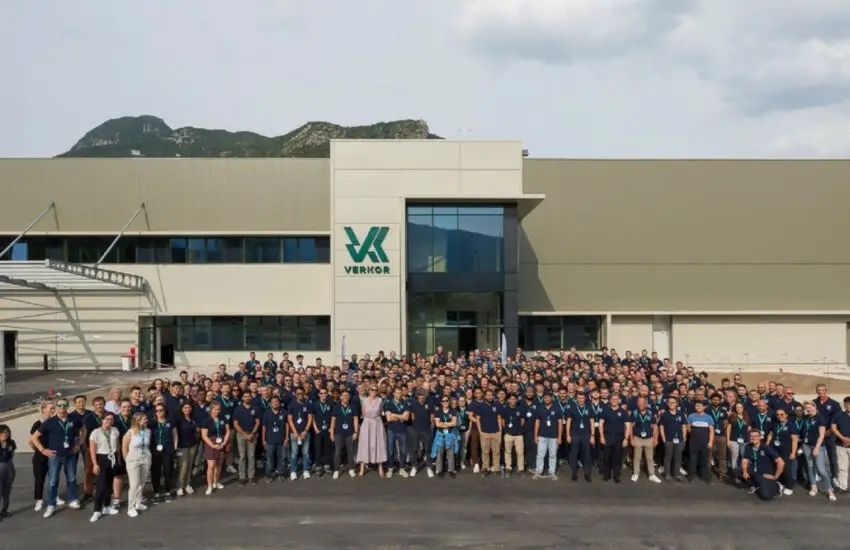
Verkor’s Dunkirk Battery Plant: A Milestone for European Industry

Verkor has officially inaugurated its first battery gigafactory in Dunkirk, marking a pivotal moment for French and European industrial sovereignty. This strategic move aims to secure a domestic supply chain for electric vehicle (EV) batteries, reducing reliance on imports and strengthening the continent’s competitive edge in the global green transition.

Strategic Location and Ambitious Scale

The choice of Dunkirk is no accident. Located in a major European port and industrial hub, the site benefits from existing infrastructure, access to renewable energy, and a skilled workforce. The facility represents a multi-billion euro investment and is designed for high-volume production. While not yet at full capacity, its inauguration signals Verkor’s successful leap from pilot projects to large-scale industrial manufacturing, a critical step often referred to as “gigafactory scaling.”

Driving Innovation and Sustainability

Verkor’s approach focuses on producing high-performance, lower-carbon battery cells. The company emphasizes innovative manufacturing processes and a commitment to sustainability, aiming to set new standards for the environmental footprint of battery production within Europe. This focus aligns with stringent future EU regulations and caters to automakers seeking cleaner supply chains for their electric models.

Impacting the European Automotive Landscape

The activation of this gigafactory is a cornerstone of Europe’s “Battery Alliance” strategy. It directly supports major automotive players by providing a local, secure source of advanced battery cells. This development is expected to catalyze further investments across the battery value chain, from raw material processing to component manufacturing, fostering a robust and resilient European EV ecosystem.

By bringing cutting-edge battery production to French soil, Verkor is not just building a factory; it is powering a broader industrial ambition. The success of this venture is crucial for Europe’s goal of becoming a leader in the next generation of automotive technology.

OBD2 Code P1476 Buick: EVAP Leak Detection Pump Circuit Explained

Understanding the P1476 Diagnostic Trouble Code in Your Buick

The OBD2 diagnostic trouble code P1476 is a manufacturer-specific code for General Motors (GM) vehicles, including Buick models. It is defined as “EVAP Leak Detection Pump Circuit”. This code indicates that the vehicle’s Powertrain Control Module (PCM) has detected an electrical fault within the circuit of the Leak Detection Pump (LDP), a critical component of the Evaporative Emission Control (EVAP) system. Unlike generic EVAP codes pointing to leaks, P1476 specifically targets the pump’s electrical integrity—its wiring, connectors, or the pump motor itself. Ignoring this code can lead to a failed emissions test and potentially cause other driveability issues.

Technical Causes of the P1476 Buick Code

The P1476 code sets when the PCM sees a voltage level on the Leak Detection Pump control circuit that falls outside the expected normal operating range. This malfunction prevents the EVAP system from performing its mandatory self-tests, compromising the vehicle’s ability to monitor for fuel vapor leaks. The root causes are typically electrical or mechanical failures within a specific subsystem.

Primary Electrical Faults

  • Failed Leak Detection Pump (LDP): The most common cause. The electric motor inside the pump can burn out due to age, heat, or moisture intrusion, creating an open or short circuit.
  • Damaged Wiring or Connectors: Wires in the LDP circuit can become chafed, corroded, or broken. The electrical connector at the pump itself is vulnerable to corrosion from road salt and water splash.
  • Blown Fuse: The LDP is powered through a dedicated fuse in the vehicle’s underhood fuse block. A blown fuse will immediately disable the pump.
  • Faulty PCM (Less Common): Although rare, an internal failure within the Powertrain Control Module could prevent it from properly controlling the LDP circuit.

Related System Issues

  • Severe EVAP System Blockage: A completely blocked vent hose or solenoid can cause the LDP to overwork, potentially leading to its premature electrical failure.
  • Physical Damage to the LDP: Impact from road debris or improper handling during other service can crack the pump housing or damage its internal components.

Symptoms and Diagnostic Procedure for P1476

A Buick with a stored P1476 code may exhibit subtle symptoms, as the issue is primarily electrical and monitored during key-on or specific drive cycles, not continuous operation. However, the consequences of an inoperative EVAP system are significant for emissions compliance.

Common Symptoms

  • Illuminated Check Engine Light (MIL): This is the primary and often only immediate symptom.
  • Failed Emissions Inspection: The vehicle will not pass a state emissions test because the EVAP monitor will be “incomplete” or “failed.”
  • Possible Fuel Odor: While not directly caused by P1476, a compromised EVAP system due to an inoperative LDP may occasionally allow fuel vapors to escape.
  • No noticeable driveability issues: The engine will typically run normally, as this code does not directly affect fuel trim or ignition.

Step-by-Step Diagnostic Approach

Warning: Always consult your Buick’s specific service manual for wiring diagrams, connector locations, and precise values. Safety first: disconnect the battery before performing electrical tests.

Step 1: Preliminary Checks

Visually inspect the Leak Detection Pump (usually located near the fuel tank or EVAP canister). Check its electrical connector for corrosion, bent pins, or looseness. Trace the wiring harness back for obvious damage. Locate and check the relevant fuse in the underhood fuse box.

Step 2: Electrical Circuit Testing

Using a digital multimeter (DMM):

  • Power and Ground: With the connector disconnected and ignition ON, check for battery voltage at the power wire. Check for continuity to ground on the ground wire.
  • Pump Resistance: Disconnect the LDP and measure its internal motor resistance across its terminals. Compare to manufacturer specification (often between 10-30 ohms). An infinite reading (open) or a very low reading (short) confirms a bad pump.
  • Circuit Integrity: Perform a voltage drop test on the control circuit from the PCM to the LDP connector to identify high resistance in the wiring.

Step 3: Functional Test

With a scan tool that has bidirectional controls, you can command the LDP ON and OFF. Listen for a distinct clicking or humming sound from the pump. No sound suggests a faulty pump, lack of power, or a bad ground. A scan tool can also monitor the LDP command and feedback signals for irregularities.

Repair Solutions and Prevention

Repairing a P1476 code is generally straightforward once the faulty component is identified. The fix is almost always component replacement rather than adjustment.

Common Repair Procedures

  • Replacing the Leak Detection Pump: This is the most frequent repair. The pump is typically held by bolts or clips. After replacement, clear the codes and perform an EVAP monitor drive cycle to verify the repair.
  • Repairing Wiring: Solder and seal any repaired wires. Replace damaged connectors entirely using OEM-style repair kits for a reliable, weatherproof connection.
  • Replacing a Blown Fuse: If a fuse is blown, replace it. If it blows again immediately, you have a confirmed short to ground in the circuit that must be found and repaired before installing a new pump.

Preventive Maintenance Tips

  • During routine undercarriage inspections, glance at the LDP and its wiring harness for damage or corrosion.
  • Avoid pressure washing the EVAP components directly, as forcing water into connectors can lead to corrosion.
  • Address other EVAP-related codes (like small leak codes) promptly, as they may cause the LDP to run more frequently, increasing wear.

Clearing the Code and Verification

After completing the repair, use your OBD2 scanner to clear the diagnostic trouble codes from the PCM’s memory. Simply disconnecting the battery is not recommended, as it will also reset adaptive learning data. To fully verify the repair, the vehicle must complete an EVAP monitor drive cycle. This is a specific set of driving conditions (coolant temp, fuel level, speed, and time) that allows the PCM to test the system. Once the monitor runs and passes, the Check Engine Light will remain off, confirming a successful fix for the P1476 Buick code.

Fiat Topolino Hits €7,990 in Major Electric City Car Deal

Massive Price Drop for Fiat’s Tiny Electric Car

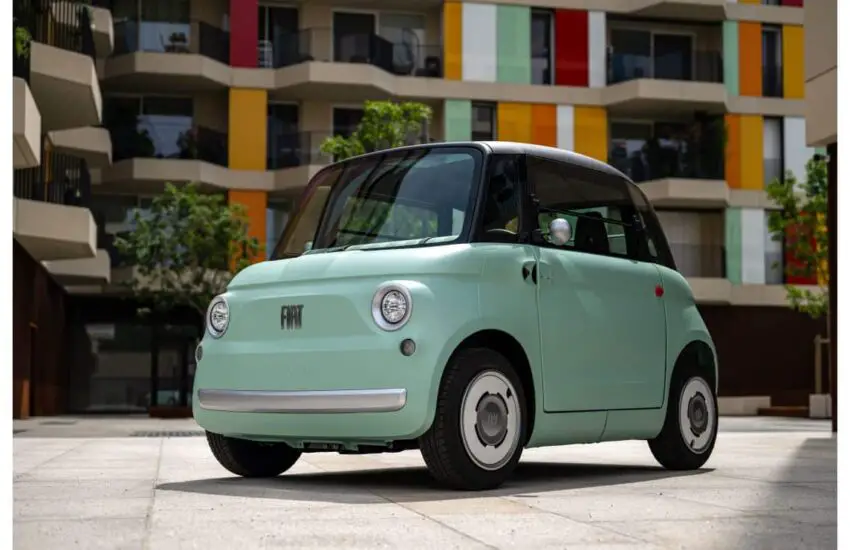
The Fiat Topolino, the charming electric quadricycle, is making waves with a stunning promotional price point. This move significantly lowers the barrier to entry for zero-emission urban mobility, positioning the Topolino as one of the most accessible new electric vehicles on the market.

Fiat Topolino parked on a narrow European city street

Retro Design Meets Modern Electric Mobility

Drawing clear inspiration from Fiat’s iconic past, the Topolino’s retro aesthetic is a key part of its appeal. Its compact dimensions and minimalist design are perfectly suited for navigating dense city centers with ease. As a close relative of the Citroën Ami, it shares a practical platform but carves out its own unique identity through distinctive Italian styling cues and branding.

Understanding the Quadricycle Category

It is crucial to recognize the Topolino’s classification as a light quadricycle. This category allows for a simplified driving license requirement in many European countries, often making it accessible to younger drivers. The vehicle offers a tailored solution for short daily commutes, errands, and urban exploration, with a top speed and range designed specifically for city use.

A Strategic Move in the EV Market

This aggressive pricing strategy is more than just a sale; it’s a strategic play to accelerate electric adoption in urban environments. By offering a stylish and affordable zero-emission option, Fiat is targeting a growing demographic seeking sustainable, cost-effective alternatives to traditional cars and public transport. The promotion highlights the increasing competition and innovation within the lightweight electric vehicle segment.

What the Promotion Means for Buyers

For potential buyers, this price point transforms the Topolino from a niche novelty into a serious practical consideration. It presents an opportunity to enter the electric vehicle ecosystem with minimal upfront investment. The total cost of ownership, considering charging versus fuel costs and minimal maintenance, becomes exceptionally compelling at this reduced purchase price.

Renault’s Mobilize Duo Axed in Strategic Setback

Renault’s Electric Quadricycle Halted Abruptly

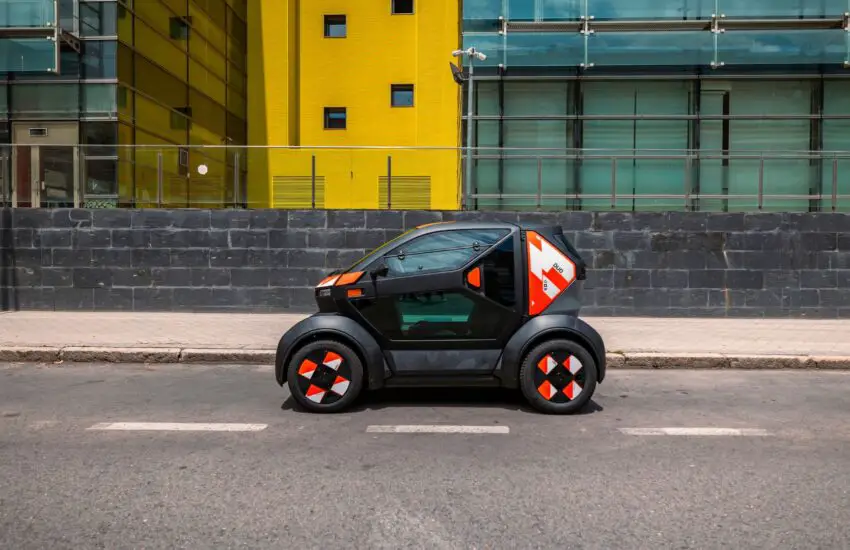
Renault has made the surprising decision to terminate production of its Mobilize Duo electric quadricycle shortly after its market launch. This move by the group’s executive management represents a significant strategic reversal for the diamond brand in the competitive light electric vehicle segment. The premature end of this project raises serious questions about the future direction of the Mobilize sub-brand and the viability of its urban mobility solutions.

Understanding the Mobilize Duo’s Market Failure

The Mobilize Duo was engineered as a compact, two-seater vehicle intended for short urban trips and car-sharing fleets. Its design prioritized minimal footprint and cost-effectiveness. However, market reception appears to have fallen short of internal projections. Analysts point to several potential factors for its failure, including a pricing structure that may not have offered sufficient advantage over more conventional small electric cars, and a specific design that limited its appeal to a narrow commercial audience, primarily fleet operators.

Mobilize Duo electric quadricycle parked in an urban setting

Broader Implications for Renault’s Mobility Strategy

This setback extends beyond a single product flop. The Mobilize brand was conceived as a cornerstone of Renault’s transformation towards new, service-oriented mobility models. The Duo’s cancellation forces a reevaluation of this strategy. It highlights the intense challenges in the micro-mobility sector, where consumer adoption rates, regulatory environments, and fierce competition from scooters, e-bikes, and small EVs create a complex landscape. The group must now analyze whether the issue was with this specific product execution or with the underlying market assumptions for such quadricycles.

What This Means for the Electric Vehicle Sector

Renault’s experience with the Duo serves as a cautionary tale for the entire automotive industry as it diversifies into electric urban mobility. It underscores that electrification alone is not a guaranteed success formula. Product-market fit, clear consumer value proposition, and competitive pricing remain paramount. Other manufacturers developing similar light electric vehicles (LVs) will be watching closely, potentially recalibrating their own projects based on the market signals that led to the Duo’s demise.

BMW P1476 Code: Secondary Air Injection System Flow Fault Explained

Understanding the BMW P1476 Fault Code

The OBD2 diagnostic trouble code P1476 is a manufacturer-specific code for BMW vehicles, indicating a fault within the Secondary Air Injection (SAI) system. In generic terms, it translates to “Secondary Air Injection System Flow Fault.” This system is a critical component of your BMW’s emissions control strategy, specifically during a cold engine start. Its primary function is to inject fresh air into the exhaust manifold to promote more complete combustion of unburned hydrocarbons, rapidly heating up the catalytic converters. This process significantly reduces cold-start emissions. When the Engine Control Module (DME) detects that the actual airflow from the SAI system does not match the expected parameters, it logs code P1476 and illuminates the Check Engine Light (CEL).

How the BMW Secondary Air Injection System Works

The system operates for a short period, typically 30 to 90 seconds, immediately after starting a cold engine (coolant temperature below a specific threshold, often 40-50°C). The DME activates the system by:

  • Powering the Secondary Air Pump (SAP), which draws in fresh air.
  • Opening the Secondary Air Injection Valve (a vacuum-operated valve), allowing the pumped air to flow into the exhaust ports or manifold.

The DME monitors the system’s effectiveness indirectly, often by observing the signal from the downstream oxygen sensors after the catalytic converter. A properly functioning SAI system will cause the post-cat O2 sensors to show a lean condition almost immediately.

Common Symptoms of a P1476 Code

While the car may drive normally, several signs can accompany this fault:

  • Illuminated Check Engine Light (MIL) on the dashboard.
  • Possible rough idle or slightly elevated idle speed during the cold-start phase.
  • No noticeable change in driving performance or fuel economy under normal conditions.
  • In some cases, a whining or buzzing noise from the secondary air pump may be heard (if it’s failing).
  • The vehicle will fail an emissions test due to the active fault code.

Diagnosing the Causes of P1476 in Your BMW

Pinpointing the exact cause of a P1476 code requires a systematic approach. The fault lies in an insufficient airflow, which can be due to blockages, mechanical failures, or control issues. The following components are the usual suspects and should be inspected in a logical order.

Primary Suspects: The Air Pump and Valves

1. Faulty Secondary Air Pump (SAP): Located in the engine bay, often behind the front bumper or near the wheel well. Over time, the electric motor can wear out, the internal bearings can fail (causing noise), or the impeller can break. A simple test is to activate the pump using a diagnostic scanner or by applying 12V directly; you should feel strong airflow from its outlet hose.

2. Failed or Stuck Secondary Air Injection Valve (Combination Valve): This vacuum-operated valve controls the passage of air from the pump to the exhaust. It can become stuck closed due to carbon buildup or internal corrosion, or its diaphragm can rupture. A ruptured diaphragm often allows exhaust gases to backflow, damaging the air pump and its hoses.

3. Clogged Secondary Air Check Valve: This one-way valve prevents hot exhaust gases from flowing back into the air pump and hoses. It can become clogged with carbon, locking in either the open or closed position, blocking airflow.

Vacuum and Electrical Control Issues

4. Vacuum Supply Problems: The air injection valve is actuated by engine vacuum. A cracked, disconnected, or collapsed vacuum hose will prevent the valve from opening. Check the vacuum line from the source (often the intake manifold) to the valve.

5. Faulty Vacuum Solenoid (if equipped): Some BMW models use an electrically controlled solenoid to manage the vacuum to the air injection valve. This solenoid can fail electrically or become clogged.

6. Electrical Issues: Problems such as a blown fuse (check the SAP fuse in the glove compartment or trunk fuse panel), damaged wiring, or a faulty relay for the secondary air pump can prevent it from receiving power.

Less Common but Possible Causes

  • Cracked or Leaking Hoses: The large corrugated hose from the pump to the valve, or the pipe from the valve to the exhaust manifold, can crack, melt, or become disconnected, causing massive air leaks.
  • Severe Carbon Buildup: In rare cases, the passages in the cylinder head or exhaust manifold where the air is injected can become completely clogged with carbon deposits.
  • Software/ECU Glitch: A very rare possibility is a corrupted software map in the DME, but always rule out physical faults first.

Step-by-Step Repair Guide for P1476

Follow this structured diagnostic and repair sequence to efficiently resolve the P1476 code. Always begin with a visual inspection, as it can quickly reveal obvious issues.

Step 1: Initial Visual and Auditory Inspection

With the engine cold, start the vehicle and listen carefully near the front bumper/fender. You should hear the distinct sound of the secondary air pump running for about a minute. If it’s silent, the pump isn’t getting power or is dead. If it’s excessively loud or grinding, the pump is failing. Visually inspect all related hoses and electrical connectors for cracks, disconnections, or melting.

Step 2: Testing the Secondary Air Pump

Disconnect the outlet hose from the pump. Start the cold engine. You should feel a strong, consistent flow of air from the pump’s outlet. No air or weak airflow confirms a faulty pump, a blown fuse, or a wiring issue. Use a multimeter to check for power and ground at the pump’s connector when the system is commanded on via a scan tool.

Step 3: Checking the Valves and Vacuum System

Check Valve: Blow through it in the direction of airflow (from pump towards engine). Air should pass freely. Try to suck air back through; it should be completely blocked. If air passes both ways or is blocked both ways, replace it.

Air Injection Valve: With the engine off, disconnect the vacuum hose from the valve and apply vacuum (using a hand-held vacuum pump). The valve should hold vacuum and you should be able to blow through the valve’s ports. If it doesn’t hold vacuum (ruptured diaphragm) or is stuck shut, it needs replacement.

Trace the vacuum line back to its source for any leaks.

Step 4: Clearing the Code and Verification

After replacing any faulty components, clear the P1476 code with your OBD2 scanner. The most reliable test is to perform a cold-start cycle. Let the car sit for several hours (or overnight) to cool completely. Upon starting, the SAI system should activate. If the code does not return after several drive cycles, the repair was successful.

Conclusion and Pro Tips

Code P1476 is a common issue on many BMW models, including the E46 3 Series, E39 5 Series, E90 3 Series, and others with engines like the M54, N52, and N62. While it doesn’t typically affect drivability, it is an emissions fault that will cause a state inspection failure.

Important Considerations for a Lasting Fix

  • Replace in Pairs: If the secondary air pump fails due to age, and the check valve or combination valve is original, it is highly recommended to replace the valve(s) as well. A faulty check valve often leads to premature pump failure.
  • Quality Parts: Use OEM or high-quality aftermarket parts. Cheap, non-branded pumps and valves have a very high failure rate and may not last.
  • Complete the Circuit: When diagnosing electrical issues, remember to check the relay and fuse. The pump’s circuit is protected, and a failing pump can sometimes blow the fuse.
  • Software Updates: In some instances, a BMW dealer can perform a DME software update that modifies the sensitivity of the SAI system monitor, but this does not fix a broken physical component.

By methodically working through the potential causes—starting with the most common and easily accessible components like the pump, hoses, and valves—you can successfully diagnose and repair the P1476 code, restoring your BMW’s emissions system to proper function and extinguishing the Check Engine Light.

Hankook iON i*cept: The Winter Tire for EV Range & Comfort

Mastering Winter Roads with Electric Precision

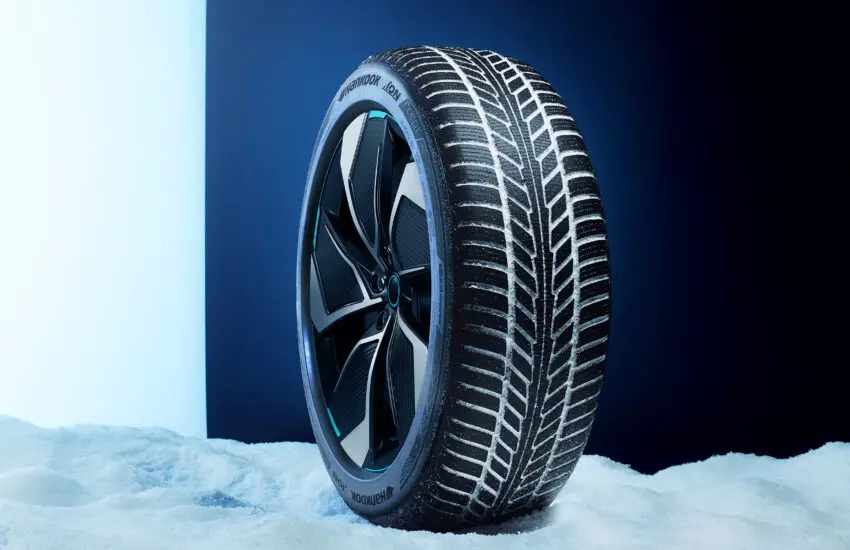
Winter driving presents a unique set of challenges for electric vehicle owners. The cold weather’s impact on battery efficiency, combined with the need for supreme safety on slippery surfaces, makes tire selection more critical than ever. The Hankook iON i*cept is engineered as a dedicated winter solution, specifically designed to address the distinct demands of electric mobility during the colder months.

Engineered for Electric Vehicle Efficiency

At the core of the iON i*cept’s design is a commitment to preserving driving range. The tire incorporates a specialized compound and an optimized tread pattern that reduces rolling resistance. This efficient design helps mitigate the range loss commonly experienced in winter, allowing drivers to travel further on a single charge. The tread pattern is also meticulously designed to provide stable handling and reliable grip on snow-covered and icy roads, ensuring safety does not come at the expense of efficiency.

Enhanced Comfort for a Quiet Ride

Electric vehicles are renowned for their quiet operation, which makes road noise from tires more noticeable. Hankook has addressed this with noise-reduction technology in the i*cept. By minimizing pattern noise and vibrations, the tire contributes to a notably quieter and more comfortable cabin experience. This focus on acoustic comfort allows passengers to fully enjoy the serene driving character of their EV, even in harsh winter conditions.

A Tire Built for EV Demands

The Hankook iON i*cept represents a significant step in tire technology, moving beyond a one-size-fits-all approach. It acknowledges the heavier weight and instant torque delivery of electric vehicles by featuring a reinforced construction that ensures even wear and durable performance. For drivers seeking a winter tire that actively supports their EV’s strengths—long range, quiet operation, and confident traction—the iON i*cept stands as a purpose-built choice.

OBD2 Code P1476 Audi: Secondary Air Injection System Malfunction

Understanding the P1476 Code in Your Audi

The OBD2 diagnostic trouble code P1476 is a manufacturer-specific code for Volkswagen Group vehicles, including Audi. It is defined as “Secondary Air Injection System – Bank 1 – Flow Rate Too Low”. This code is directly related to your Audi’s emissions control system, specifically the Secondary Air Injection (SAI) system designed to reduce cold-start emissions. When this code triggers, it indicates the Engine Control Module (ECM) has detected insufficient airflow from the SAI pump into the exhaust manifold during its brief operational cycle after a cold engine start.

What is the Secondary Air Injection (SAI) System?

The SAI system is an emissions device with a single, critical purpose: to introduce fresh, ambient air into the exhaust stream immediately after a cold engine start. This extra oxygen helps ignite and burn unburned hydrocarbons in the exhaust manifold, creating a rapid temperature increase. This “afterburn” serves two key functions:

  • Reduces Cold-Start Emissions: Burns off harmful pollutants before they exit the tailpipe.
  • Heats the Catalytic Converter Faster: Brings the catalytic converter up to its optimal operating temperature (light-off temperature) more quickly, improving its efficiency and reducing overall emissions.

How the Audi SAI System Works

The system operates for only about 90-120 seconds after starting a cold engine. The process is a coordinated dance between several components:

  • The ECM activates a relay to power the electric Secondary Air Pump.
  • Simultaneously, a vacuum solenoid valve opens, allowing engine vacuum to actuate the Secondary Air Injection Valve (Combi Valve).
  • The pump forces air through the open valve, directly into the exhaust ports or manifold.
  • Upstream oxygen sensors monitor the change in exhaust gas composition to verify system operation.

Code P1476 sets when the ECM’s expected airflow model does not match the actual readings, indicating a blockage, leak, or component failure.

Common Causes of the P1476 Code on Audi Vehicles

Diagnosing P1476 requires a systematic approach, as the fault can lie in electrical, mechanical, or vacuum-controlled parts. The following are the most frequent culprits, ranked from most to least common.

1. Failed Secondary Air Pump

The electric air pump itself is a common failure point. Located typically in the front fender well or engine bay, it is exposed to moisture, road salt, and debris. Failure modes include:

  • Seized or Worn Motor: The pump does not spin or spins too slowly.
  • Corroded Electrical Connector: Causes poor power or ground connection.
  • Internal Vanes Broken: Results in no airflow despite the motor running.

2. Faulty or Clogged Secondary Air Injection Valve (Combi Valve)

This valve is the gateway between the pump and the exhaust. It can fail mechanically or become clogged with carbon and moisture residue from the exhaust, preventing it from opening or allowing air to pass.

3. Vacuum System Failures

The valve is opened by engine vacuum. Issues here include:

  • Failed Vacuum Solenoid: The ECM-controlled switch that directs vacuum to the valve.
  • Cracked or Disconnected Vacuum Hoses: A leak prevents the valve from opening fully.
  • Faulty One-Way Check Valve: Allows exhaust gases to backflow into the vacuum system.

4. Blocked Air Hoses or Intake

The rubber hoses connecting the pump to the valve can collapse internally, melt, or become clogged with debris. The pump’s intake filter (if equipped) can also become blocked.

5. Electrical Issues

Problems such as a blown fuse, faulty relay, damaged wiring, or poor grounds can prevent the pump from receiving power or the ECM from controlling the system.

Step-by-Step Diagnostic Procedure for P1476

A proper diagnosis prevents unnecessary parts replacement. Follow this technical procedure, assuming you have a basic scan tool and a multimeter.

Step 1: Active Command Testing with a Scan Tool

Use a scan tool capable of performing output tests or actuator commands. With the engine cold, command the secondary air system to activate. You should clearly hear the pump run loudly and feel it vibrating. If you hear nothing, the pump, its power, or the relay is faulty.

Step 2: Inspect the Vacuum Actuation

While the system is activated via scan tool (or immediately after a cold start), locate the vacuum hose on the Combi Valve. It should have strong vacuum. Disconnect it carefully; you should hear the valve close (a distinct click) and the pump sound should change as it’s now pumping against a closed valve. No vacuum indicates a solenoid or hose issue.

Step 3: Physical and Visual Inspection

Thoroughly inspect all system components:

  • Hoses: Check for cracks, melting, or disconnections.
  • Pump: Look for severe corrosion. Check the intake for blockage.
  • Valve: Inspect for carbon buildup at the outlet. Listen for exhaust leaks.
  • Electrical: Check the pump connector for green corrosion, bent pins, or moisture.

Step 4: Electrical Testing

If the pump is silent during activation:

  • Check the fuse and relay (often in the under-hood fuse box). Swap the relay with an identical one (e.g., for the horn).
  • With a multimeter, check for 12V and ground at the pump connector during activation. If power and ground are present but the pump doesn’t run, the pump is defective.

Step 5: Testing Airflow and Valve Integrity

For advanced DIYers: Disconnect the outlet hose from the pump. With the system activated, you should feel a strong blast of air. If airflow is weak, the pump is failing. You can also apply vacuum (using a hand pump) directly to the Combi Valve to ensure it opens and holds vacuum, indicating the diaphragm is intact.

Repair Solutions and Important Considerations

Once the faulty component is identified, proceed with repair. Here are the common fixes and critical notes for Audi models.

Replacing the Secondary Air Pump

When replacing the pump, it is highly recommended to also replace the Combi Valve. A failing pump often sends moisture and debris toward the valve, shortening its life. Installing a new pump with an old, marginal valve often leads to a quick recurrence of P1476. Use quality OEM or reputable aftermarket parts.

Repairing Vacuum Lines and Solenoid

Replace any cracked or soft vacuum hoses with proper vacuum-rated tubing. Test the solenoid’s resistance with a multimeter (specs vary by model) and listen for an audible click when energized with 12V. If in doubt, replace it.

Clearing the Code and Completing a Drive Cycle

After repairs, clear the DTC with your scan tool. The Check Engine Light will remain off only after the ECM successfully runs a complete monitor test for the SAI system. This requires a specific cold-start drive cycle. Refer to your vehicle’s service information for the exact parameters, which typically involve starting the engine below a specific temperature and allowing the system to complete its ~90-second cycle without interrupting the engine.

Can You Drive with a P1476 Code?

Yes, you can typically drive the vehicle. The SAI system only affects cold-start emissions. Drivability, fuel economy, and performance are not impacted. However, you will fail an emissions (smog) inspection. The main long-term risk is that a stuck-open Combi Valve could allow exhaust gases or moisture to backflow into the pump and vacuum system, causing further damage.

Addressing the P1476 code promptly is essential for maintaining your Audi’s emissions compliance and preventing potential collateral damage to related components. A methodical diagnosis is key to an efficient and lasting repair.

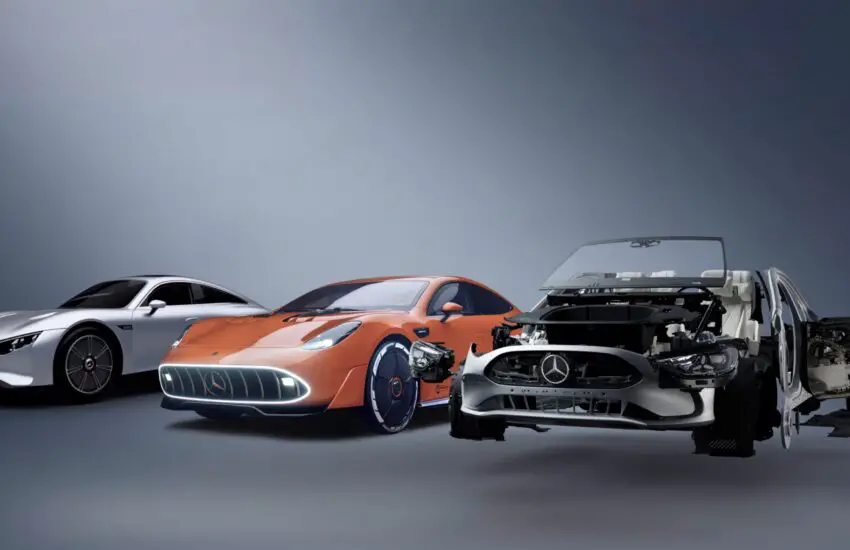
Mercedes Charts a Course for Carbon-Neutral Mobility

Mercedes-Benz’s Ambitious Decarbonization Blueprint

German automotive giant Mercedes-Benz has unveiled a comprehensive technological strategy aimed at drastically reducing the carbon footprint of its vehicles. Dubbed “Tomorrow XX,” this wide-ranging program represents a holistic effort to transform the entire automotive value chain. The initiative targets every phase of a vehicle’s lifecycle, from initial design and material sourcing to production, usage, and ultimately, end-of-life recycling.

Engineering a Greener Lifecycle

The core of the Tomorrow XX strategy lies in addressing emissions beyond just the tailpipe. Mercedes is focusing on innovative engineering solutions to incorporate more recycled and renewable materials into its vehicles. This includes developing new generations of battery technology with a significantly lower carbon footprint in their production. Furthermore, the company is intensifying efforts to power its global production network with renewable energy, aiming for a fully green manufacturing process.

The Path to Net-Zero

This systematic approach underscores a clear, long-term objective: achieving carbon neutrality across its product portfolio. By meticulously analyzing and optimizing each step, from raw material extraction to final assembly, Mercedes seeks to minimize embedded carbon. The strategy also encompasses advancing electric vehicle efficiency and expanding circular economy principles, ensuring that materials are recovered and reused at the end of a vehicle’s service life.

This move signals a profound shift in how premium automakers define sustainability, making the entire lifecycle a critical metric for environmental responsibility. The Tomorrow XX program positions Mercedes-Benz at the forefront of an industry-wide transition, setting a new benchmark for decarbonization in the luxury automotive sector.

Xiaomi’s Auto Ambition Expands Beyond Electric Vehicles

Xiaomi Plots a Multi-Powertrain Automotive Future

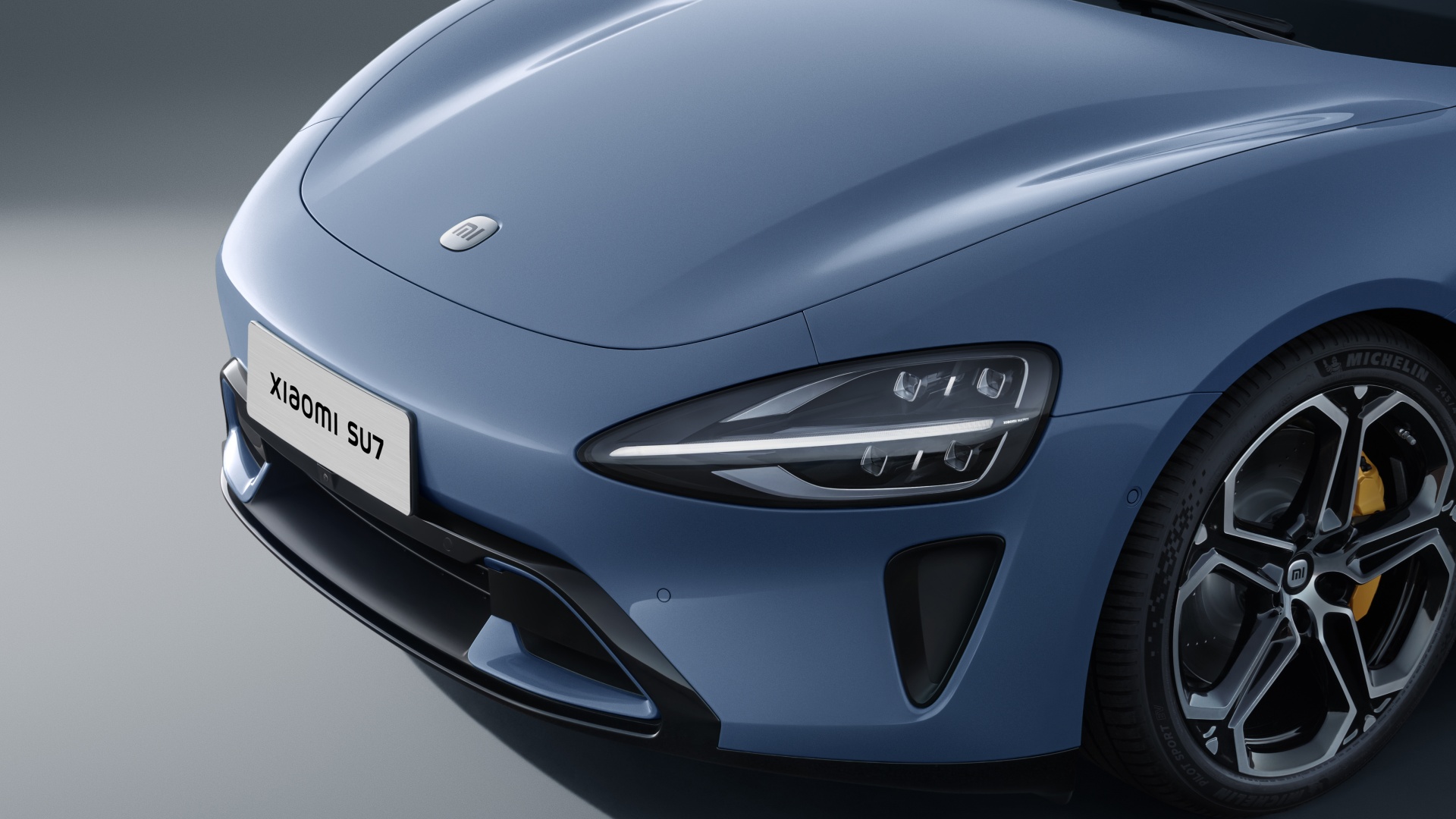
Xiaomi SU7 electric sedan driving on a road

The automotive strategy of tech giant Xiaomi is entering a new, more expansive phase. Having made a significant impact with its all-electric SU7 sedan, the company is now preparing to diversify its vehicle portfolio beyond a sole focus on battery-electric powertrains. This strategic pivot signals Xiaomi’s intent to compete across multiple segments of the global auto market.

Beyond the Electric Debut

Xiaomi’s successful launch of the SU7 proved its capability to design, engineer, and market a compelling electric vehicle. However, relying solely on pure electric models limits market reach, especially in regions with developing charging infrastructure or where consumer preferences vary. By exploring alternative powertrains, Xiaomi aims to mitigate these limitations and appeal to a broader customer base from the outset.

Exploring Hybrid and Extended-Range Options

Industry analysts suggest that Xiaomi’s diversified roadmap likely includes plug-in hybrid (PHEV) and extended-range electric vehicles (EREV). These technologies offer a practical bridge for consumers, combining electric driving for daily commutes with the flexibility of a fuel engine for longer journeys. This approach can accelerate adoption by alleviating range anxiety and is aligned with current purchasing trends in many key markets, including China.

A Broader Competitive Vision

This move positions Xiaomi more directly against established automakers that offer a wide spectrum of electrified vehicles. It demonstrates a pragmatic, market-driven strategy rather than a purely idealistic one. For Xiaomi, cars represent another smart device ecosystem, and a varied powertrain lineup ensures this ecosystem can integrate into diverse user lifestyles and environments globally. The coming years will reveal how quickly this tech giant can translate its software and connectivity prowess into a full spectrum of automotive products.