
P0797 Pressure Control Solenoid C Stuck

What Does It Mean?


This is a generic diagnostic trouble code (DTC) and generally applies to OBD-II equipped vehicles with an automatic transmission.

This can include, but is not limited to, vehicles from Ford, Mercury, Lincoln, Jaguar, Chevrolet, Toyota, Nissan, Allison/Duramax, Dodge, Jeep, Honda, Acura, etc. Although generic, the exact repair steps may vary depending on the year, make, model, and powertrain configuration.

When the OBD-II fault code P0797 is set, the Powertrain Control Module (PCM) has detected a problem with the transmission pressure control solenoid “C”. Most automatic transmissions have at least three solenoids, which are solenoids A, B, and C. Fault codes related to solenoid “C” are codes P0795, P0796, P0797, P0798, and P0799. The code set is based on the specific malfunction that alerts the PCM and illuminates the Check Engine light.

Transmission pressure control solenoids are designed to control fluid pressure for the proper operation of an automatic transmission. The PCM receives an electronic signal based on the pressure inside the solenoids. An automatic transmission is controlled by bands and clutches that shift gears by having fluid pressure in the right place at the right time. Based on signals from associated devices monitoring vehicle speed, the PCM commands the pressure solenoids to direct fluid at the appropriate pressure to various hydraulic circuits that change the transmission ratio at the correct time.

The P0797 code is set by the PCM when the pressure control solenoid “C” is stuck in the “On” position.

How Severe Is This DTC?


The severity of this code normally starts as moderate, but it can escalate to a more severe level quickly if not corrected in a timely manner.
What Are Some of the Symptoms of the Code?

Symptoms of a P0797 fault code may include:

Vehicle enters limp mode
Transmission slips when shifting gears
Transmission overheating
Transmission shifts harshly
Reduced fuel economy

Symptoms

Potential misfires
Check Engine light illuminated

What Are Some of the Common Causes of the Code?

Causes

of this P0797 transmission code may include:

Faulty pressure control solenoid
Dirty or contaminated fluid
Dirty or clogged transmission filter
Faulty transmission pump
Faulty transmission valve body
Restricted hydraulic passages
Corroded or damaged connector
Faulty or damaged wiring
Faulty PCM

What Are the Troubleshooting Steps for P0797?


Before starting the troubleshooting process for any malfunction, you should research Technical Service Bulletins (TSBs) for the specific vehicle by year, model, and transmission. In some circumstances, this can save you a lot of time in the long run by pointing you in the right direction. You should also check the vehicle’s records to verify the last time the filter and fluid were changed, if possible.
Fluid and Wiring Inspections

The first step is to check the fluid level and examine the condition of the fluid for contamination. Before changing the fluid, you should check the vehicle’s records to verify the last time the filter and fluid were changed.

A detailed visual inspection to check the condition of the wiring for obvious defects is next. Check the connectors and connections for security, corrosion, and damaged pins. This should include all wiring and connectors for the transmission pressure control solenoids, transmission pump, and PCM. Depending on the configuration, the transmission pump may be electric or mechanical.
Advanced Steps

Advanced steps always become very vehicle-specific and require appropriate advanced equipment to perform accurately. These procedures require a digital multimeter and the vehicle-specific technical references. You must obtain the troubleshooting guidelines specific to your vehicle before proceeding with the advanced steps. Voltage requirements can be very specific to the particular vehicle model. Fluid pressure requirements will also vary depending on the transmission design and configuration.
Continuity Checks

Unless otherwise indicated in the technical data, normal readings for wiring and connections should be 0 ohms of resistance. Continuity checks should always be performed with the power disconnected from the circuit to avoid shorting the circuit and causing further damage. Resistance or lack of continuity is an indication of faulty wiring that is open or shorted and must be repaired or replaced.
What Are the Common Repairs for This Code?

Replacing fluid and filter
Replacing the faulty pressure control solenoid
Repairing or replacing a faulty transmission pump
Repairing or replacing the faulty transmission valve body
Flushing the transmission to clean the passages
Cleaning corrosion from connectors Repairing or replacing wiring
Reprogramming or replacing the PCM

Possible misdiagnosis may include:

Engine misfire problem
Transmission pump problem
Internal transmission problem
Transmission problem

I hope the information in this article has helped point you in the right direction to correct the issue with your pressure control solenoid fault code. This article is strictly informational, and the technical data and service bulletins specific to your vehicle should always take priority.
P0798 Electric Pressure Control Solenoid C

What Does It Mean?


This is a generic diagnostic trouble code (DTC) and generally applies to OBD-II equipped vehicles with an automatic transmission.

This may include, but is not limited to, vehicles from Ford, Mercury, Lincoln, Jaguar, Chevrolet, Toyota, Nissan, Allison/Duramax, Dodge, Jeep, Honda, Acura, etc. Although generic, the exact repair steps may vary by year, make, model, and powertrain configuration.

When the OBD-II fault code P0798 is set, the Powertrain Control Module (PCM) has detected a problem with the transmission pressure control solenoid “C”. Most automatic transmissions have at least three solenoids, which are solenoids A, B, and C. Fault codes related to solenoid “C” are codes P0795, P0796, P0797, P0798, and P0799. The code set is based on the specific malfunction that alerts the PCM and illuminates the Check Engine light.

The purpose of transmission pressure control solenoids is to control fluid pressure for the proper operation of an automatic transmission. The PCM receives an electronic signal based on the pressure inside the solenoids. An automatic transmission is controlled by bands and clutches that shift gears by having fluid pressure in the right place at the right time. Based on signals from associated devices monitoring vehicle speed, the PCM commands the pressure solenoids to direct fluid at the appropriate pressure to various hydraulic circuits that change the gear ratio at the right moment.

Code P0798 is set by the PCM when pressure control solenoid “C” experiences an electrical malfunction.

How Severe Is This DTC?


The severity of this code normally starts as moderate, but it can escalate to a more severe level quickly when not corrected in a timely manner.
What Are Some of the Symptoms of the Code?

Symptoms of a P0798 fault code may include:

Vehicle enters limp mode
Transmission slips when shifting gears
Transmission overheating
Transmission shifts harshly
Reduced fuel economy

Symptoms

Potential misfires
Check Engine light illuminated

What Are Some of the Common Causes of the Code?

Causes

of this P0798 transmission code may include:

Faulty pressure control solenoid
Dirty or contaminated fluid
Dirty or clogged transmission filter
Faulty transmission pump
Faulty transmission valve body
Restricted hydraulic passages
Corroded or damaged connector
Faulty or damaged wiring
Faulty PCM

What Are the Troubleshooting Steps for P0798?


Before starting the troubleshooting process for any malfunction, you should research Technical Service Bulletins (TSBs) for the specific vehicle by year, model, and transmission. In some circumstances, this can save you a lot of time in the long run by pointing you in the right direction. You should also check the vehicle’s records to verify the last time the filter and fluid were changed if possible.
Fluid and Wiring Inspections

The first step is to check the fluid level and examine the condition of the fluid for contamination. Before changing the fluid, you should check the vehicle’s records to verify the last time the filter and fluid were changed.

A detailed visual inspection to check the condition of the wiring for obvious defects is next. Check the connectors and connections for security, corrosion, and damaged pins. This should include all wiring and connectors for the transmission pressure control solenoids, transmission pump, and PCM. Depending on the configuration, the transmission pump may be electric or mechanical.
Advanced Steps

Advanced steps always become very vehicle-specific and require appropriate advanced equipment to perform accurately. These procedures require a digital multimeter and the vehicle-specific technical references. You must obtain the troubleshooting guidelines specific to your vehicle before proceeding with the advanced steps. Voltage requirements can be very specific to the particular vehicle model. Fluid pressure requirements will also vary depending on the transmission’s design and configuration.
Continuity Checks

Unless otherwise indicated in the technical data, normal readings for wiring and connections should be 0 ohms of resistance. Continuity checks should always be performed with the power disconnected from the circuit to avoid shorting the circuit and causing more damage. Resistance or lack of continuity is an indication of faulty wiring that is open or shorted and must be repaired or replaced.
What Are the Common Repairs for This Code?

Replacing fluid and filter
Replacing the faulty pressure control solenoid
Repairing or replacing a faulty transmission pump
Repairing or replacing the faulty transmission valve body
Flushing the transmission to clean the passages
Cleaning corrosion from connectors
Repairing or replacing wiring
Reprogramming or replacing the PCM

Possible misdiagnosis may include:

Engine misfire problem
Transmission pump problem
Internal transmission problem
Transmission problem

I hope the information in this article has helped point you in the right direction to correct the issue with your pressure control solenoid fault code. This article is strictly informational, and the technical data and service bulletins specific to your vehicle should always take priority.

P0799 Intermittent Pressure Control Solenoid C

What Does It Mean?


This is a generic diagnostic trouble code (DTC) and generally applies to OBD-II equipped vehicles with an automatic transmission.

This can include, but is not limited to, vehicles from Ford, Mercury, Lincoln, Jaguar, Chevrolet, Toyota, Nissan, Allison/Duramax, Dodge, Jeep, Honda, Acura, etc. Although generic, the exact repair steps may vary by year, make, model, and powertrain configuration.

When the OBD-II fault code P0799 is set, the Powertrain Control Module (PCM) has detected a problem with the transmission pressure control solenoid “C”. Most automatic transmissions have at least three solenoids, which are solenoids A, B, and C. Fault codes related to solenoid “C” are codes P0795, P0796, P0797, P0798, and P0799. The code set is based on the specific malfunction that alerts the PCM and illuminates the Check Engine light.

The purpose of transmission pressure control solenoids is to control fluid pressure for the proper operation of an automatic transmission. The PCM receives an electronic signal based on the pressure inside the solenoids. An automatic transmission is controlled by bands and clutches that shift gears by having fluid pressure in the right place at the right time. Based on signals from associated devices monitoring vehicle speed, the PCM commands the pressure solenoids to direct fluid at the appropriate pressure to various hydraulic circuits that change the transmission ratio at the correct time.

Code P0799 is set by the PCM when the pressure control solenoid “C” is operating intermittently.

How Severe Is This DTC?


The severity of this code normally starts as moderate, but it can escalate to a more severe level quickly if not corrected in a timely manner.
What Are Some of the Symptoms of the Code?

Symptoms of a P0799 fault code may include:

Vehicle enters limp mode
Transmission slips when shifting gears
Transmission overheating
Transmission shifts harshly
Reduced fuel economy

Symptoms

Potential misfires
Check Engine light illuminated

What Are Some of the Common Causes of the Code?

Causes

of this P0799 transmission code may include:

Faulty pressure control solenoid
Dirty or contaminated fluid
Dirty or clogged transmission filter
Faulty transmission pump
Faulty transmission valve body
Restricted hydraulic passages
Corroded or damaged connector
Faulty or damaged wiring
Faulty PCM

What Are the P0799 Troubleshooting Steps?


Before starting the troubleshooting process for any malfunction, you should research Technical Service Bulletins (TSBs) for the specific vehicle by year, model, and transmission. In some circumstances, this can save you a lot of time in the long run by pointing you in the right direction. You should also check the vehicle’s records to verify the last time the filter and fluid were changed if possible.
Fluid and Wiring Inspections

The first step is to check the fluid level and examine the condition of the fluid for contamination. Before changing the fluid, you should check the vehicle’s records to verify the last time the filter and fluid were changed.

A detailed visual inspection to check the condition of the wiring for obvious defects is next. Check connectors and connections for security, corrosion, and damaged pins. This should include all wiring and connectors for the transmission pressure control solenoids, transmission pump, and PCM. Depending on the configuration, the transmission pump may be electric or mechanical.
Advanced Steps

Advanced steps always become very vehicle-specific and require appropriate advanced equipment to perform accurately. These procedures require a digital multimeter and the vehicle-specific technical references. You must obtain the troubleshooting guidelines specific to your vehicle before proceeding with the advanced steps. Voltage requirements can be very specific to the particular vehicle model. Fluid pressure requirements will also vary depending on the transmission design and configuration.
Continuity Checks

Unless otherwise indicated in the technical data, normal readings for wiring and connections should be 0 ohms of resistance. Continuity checks should always be performed with the power disconnected from the circuit to avoid shorting the circuit and causing further damage. Resistance or lack of continuity is an indication of faulty wiring that is open or shorted and must be repaired or replaced.
What Are the Common Repairs for This Code?


Replacing fluid and filter
Replacing the faulty pressure control solenoid
Repairing or replacing a faulty transmission pump
Repairing or replacing the faulty transmission valve body
Flushing the transmission to clean passages
Cleaning corrosion from connectors Repairing or replacing wiring
Reprogramming or replacing PCM

Possible misdiagnosis may include:

Engine misfire issue
Transmission pump problem
Internal transmission problem
Transmission issue

I hope the information in this article has helped point you in the right direction to fix the issue with your pressure control solenoid fault code. This article is strictly informational, and the technical data and service bulletins specific to your vehicle should always take priority.

P079A Transmission Friction Element A Slip Detected

What Does It Mean?


This is a generic powertrain diagnostic trouble code (DTC) and generally applies to OBD-II vehicles with automatic transmissions. This may include, but is not limited to, vehicles from Chevrolet, GMC, Toyota, VW, Ford, Honda, Dodge, Chrysler, etc. Although generic, the exact repair steps may vary by year, make, model, and powertrain configuration.

Transmission friction element. A rather vague description given that there are many friction elements involved when considering the mechanical operation of an automatic transmission (A/T). Not to mention manual transmissions also use similar friction materials (i.e., clutch).

In this case, I suspect we are talking about an A/T. Symptoms and causes vary significantly depending on many things, but it is important to note that the first thing to consider is the overall health of the automatic transmission and particularly your ATF (Automatic Transmission Fluid).

Issues with the internal friction materials in the A/T will most likely lead to erratic driving conditions regarding shift timing, torque output, among countless other consequences of this fault. Abnormally matched tires, underinflated tires, things of that nature tend to cause internal slipping given the asymmetric circumstances. That being said, keep this in mind when reviewing transmission functionality and troubleshooting faults. Installed a recently used tire? Same size? Check the tire sidewall to verify. Sometimes minor differences can cause indirect issues like this.

Typically, when the ECM (Engine Control Module) activates this P079A code and related codes, it proactively monitors and adjusts other sensors and systems to ensure proper self-diagnosis. So, rest assured, you need to address this issue before your daily driving needs consequently cause other potential problems. This could be a simple fix, certainly possible. That said, it could also be a complex internal electrical malfunction (i.e., short, open, water intrusion). Make sure to get help accordingly here; even pros make easily overlooked mistakes that cost thousands, speaking from experience here.

In this case, the letter “A” may refer to a few different possible distinctions. You could be facing a specific circuit/wire or a specific friction element within the transmission. That said, always refer to your service manual for specific locations, distinctions, and other specifications.

The P079A code is logged by the ECM when it detects slippage in the internal friction element “A” inside the transmission.
How severe is this DTC?


As explained earlier, this is not something I would leave unattended, especially if you are actively using the vehicle with the aforementioned faults. You absolutely should prioritize this. Well, if driving your vehicle is a necessity, every day.

What are some of the symptoms of the code?

Symptoms of a P079A trouble code may include:

Uneven handling
Transmission slipping
Irregular shifting
Abnormal shifting patterns
Harsh shift selection
ATF (Automatic Transmission Fluid) leak
Low torque
Abnormal power output

What are some common causes of the code?

Causes

of this P079A friction element slippage code may include:

Low ATF
Worn friction element (internal)
Dirty ATF causes
Wiring issue (e.g., open, short, chafing, heat damage)
Uneven tire dimensions
Issue causing uneven rotational speed/circumference (e.g., low tire pressure, stuck brake, etc.)
TCM (Transmission Control Module) problem
ECM (Engine Control Module) problem
Water damage to the module and/or harness

What are the troubleshooting steps for P079A?


The first step in the troubleshooting process for any malfunction is to search technical service bulletins for known issues with the specific vehicle.

Advanced diagnostic steps become very vehicle-specific and may require the appropriate advanced equipment and knowledge to operate accurately. We include the basic steps below, but refer to a year/make/model/powertrain-specific repair guide for steps specific to your vehicle.
Basic Step #1

It is imperative that you follow basic maintenance procedures accordingly at this stage; regarding transmission health, start with the fluid. Your ATF (Automatic Transmission Fluid) should be clean, free of debris, and also, proper maintenance schedules should be followed to prevent further failures like this in the future. If you don’t remember the last transmission service (i.e., filter + fluid + gasket), it’s a good idea to proceed before continuing. Who knows, there might be some debris in your oil that’s trapped inside. It might only take a simple service, so make sure you are aware of the last A/T service you had done.

NOTE: ensure you are using the correct ATF for your specific make and model.
Basic Step #2

Most likely, when trying to locate the connector/harness for this system, you will need to find a junction connector. There might be a “master” connector, so make sure you are working with the correct one by referring to your manual. Ensure the connector itself is properly installed to guarantee a good electrical connection. When the connector is located on the A/T, it may be subject to vibrations that could loosen connections or physically damage them. Not to mention, the possibility of ATF saturating the connectors and wires causing future or current issues.
Basic Step #3

It is always wise to know the overall condition of your vehicle. Since, as in this case, other systems can directly affect other systems. Uneven tires, worn suspension parts, incorrect wheels, all of this can and will cause issues in this system and perhaps others, so even if things are going smoothly, and you can get rid of this code.

This article is strictly for informational purposes only, and technical data and service bulletins for your specific vehicle should always take priority.

P079B Transmission Friction Element B Slip Detected

What Does It Mean?


This is a generic powertrain diagnostic trouble code (DTC) and generally applies to OBD-II vehicles with an automatic transmission. This may include, but is not limited to, vehicles from Chevrolet, GMC, Toyota, VW, Ford, Honda, Dodge, Chrysler, etc. Although generic, the exact repair steps may vary depending on the year, make, model, and powertrain configuration.

Transmission friction element. A rather vague description given that there are many friction elements involved when considering the mechanical operation of an automatic transmission (A/T). Not to mention manual transmissions also use similar friction materials (i.e., clutch).

In this case, I suspect we are talking about an A/T. Symptoms and causes vary significantly depending on many things, but it is important to note that the first thing to consider is the overall health of the automatic transmission and particularly your ATF (Automatic Transmission Fluid).

Problems with the internal friction materials in the A/T will most likely lead to erratic driving conditions regarding shift timing, torque output, among countless other consequences of this fault. Abnormally matched tires, underinflated tires, things of that nature tend to cause internal slipping given the asymmetric circumstances. That being said, keep this in mind when examining transmission functionality and troubleshooting faults. Installed a recently used tire? Same size? Check the tire sidewall to verify. Sometimes minor differences can cause indirect issues like this.

Typically, when the ECM (Engine Control Module) activates this P079B code and related codes, it monitors and proactively adjusts other sensors and systems to ensure proper self-diagnosis. So, rest assured, you need to resolve this issue before your daily driving needs consequently cause other potential problems. This could be a simple fix, certainly possible. That said, it could also be a complex internal electrical malfunction (i.e., short, open, water intrusion). Make sure to get help accordingly here, even pros make easily overlooked mistakes that cost thousands, speaking from experience here.

In this case, the letter “B” may refer to a few different possible distinctions. You could be facing a specific circuit/wire or a specific friction element within the transmission. That said, always refer to your service manual for specific locations, distinctions, and other specifications.

The P079B code is logged by the ECM when it detects slippage in the internal friction element “B” inside the transmission.
How severe is this DTC?


As explained earlier, this is not something I would leave unattended, especially if you are actively using the vehicle with the aforementioned faults. You absolutely should prioritize this. Well, if driving your vehicle is a necessity, every day.

What are some of the symptoms of the code?

Symptoms of a P079B trouble code may include:

Uneven handling
Transmission slipping
Irregular shifting
Abnormal shifting patterns
Harsh shift selection
ATF (Automatic Transmission Fluid) leak
Low torque
Abnormal power output

What are some common causes of the code?

Causes

of this P079B friction element slippage code may include:

Low ATF
Worn friction element (internal)
Dirty ATF causes
Wiring issue (e.g., open, short, chafing, heat damage)
Uneven tire dimensions
Issue causing uneven rotational speed/circumference (e.g., low tire pressure, stuck brake, etc.)
TCM (Transmission Control Module) problem
ECM (Engine Control Module) problem
Water damage to the module and/or harness

What are the troubleshooting steps for P079B?


The first step in the troubleshooting process for any malfunction is to search technical service bulletins for known issues with the specific vehicle.

Advanced diagnostic steps become very vehicle-specific and may require the appropriate advanced equipment and knowledge to operate accurately. We include the basic steps below, but refer to a year/make/model/powertrain-specific repair guide for steps specific to your vehicle.
Basic Step #1

It is imperative that you follow basic maintenance procedures accordingly at this point; regarding transmission health, start with the fluid. Your ATF (Automatic Transmission Fluid) must be clean, free of debris, and also, proper maintenance schedules should be followed to prevent further failures like this in the future. If you don’t remember the last time the transmission was serviced (i.e., filter + fluid + gasket), it’s a good idea to proceed before continuing. Who knows, there might be some debris in your oil that is trapped inside. It might only take a simple service, so make sure you are aware of the last A/T service you had done.

NOTE: ensure you are using the correct ATF for your specific make and model.
Basic Step #2

Most likely, when trying to locate the connector/harness for this system, you will need to find a junction connector. There might be a “master” connector, so make sure you are working with the correct one by referring to your manual. Ensure the connector itself is properly installed to ensure a good electrical connection. When the connector is located on the A/T, it may be subject to vibrations that could loosen connections or physically damage them. Not to mention, the possibility of ATF saturating the connectors and wires causing future or current problems.
Basic Step #3

It is always wise to know the overall condition of your vehicle. Since, as in this case, other systems can directly affect other systems. Uneven tires, worn suspension parts, incorrect wheels, all of this can and will cause problems in this system and perhaps others, so even things, and you might get rid of this code.

This article is strictly for informational purposes only, and technical data and service bulletins for your specific vehicle should always take priority.

P079C Transmission Friction Element C Slip Detected

What Does It Mean?


This is a generic powertrain diagnostic trouble code (DTC) and generally applies to OBD-II vehicles with automatic transmissions. This may include, but is not limited to, vehicles from Chevrolet, GMC, Toyota, VW, Ford, Honda, Dodge, Chrysler, etc. Although generic, the exact repair steps may vary depending on the year, make, model, and powertrain configuration.

Transmission friction element. A rather vague description considering there are many friction elements involved when considering the mechanical operation of an automatic transmission (A/T). Not to mention manual transmissions also use similar friction materials (i.e., clutch).

In this case, I suspect we are talking about an A/T. Symptoms and causes vary significantly depending on many things, but it is important to note that the first thing to consider is the overall health of the automatic transmission and particularly your ATF (Automatic Transmission Fluid).

Problems with the internal friction materials in the A/T will most likely lead to erratic driving conditions regarding shift timing, torque output, among countless other consequences of this fault. Abnormally matched tires, underinflated tires, things of that nature tend to cause internal slipping given the asymmetric circumstances. That being said, keep this in mind when reviewing transmission functionality and troubleshooting faults. Installed a recently used tire? Same size? Check the tire sidewall to verify. Sometimes minor differences can cause indirect issues like this.

Typically, when the ECM (Engine Control Module) activates this P079C code and related codes, it proactively monitors and adjusts other sensors and systems to ensure proper self-diagnosis. So, rest assured, you need to address this issue before your daily driving needs consequently cause other potential problems. This could be a simple fix, certainly possible. That said, it could also be a complex internal electrical malfunction (i.e., a short, open, water intrusion). Make sure to get help accordingly here; even pros make easily overlooked mistakes that cost thousands, speaking from experience here.

In this case, the letter “C” may refer to a few different possible distinctions. You could be facing a specific circuit/wire or a specific friction element within the transmission. That said, always refer to your service manual for specific locations, distinctions, and other specifications.

The P079C code is logged by the ECM when it detects slippage in the internal friction element “C” inside the transmission.
How severe is this DTC?

As explained earlier, this is not something I would leave unattended, especially if you are actively using the vehicle with the aforementioned faults. You should absolutely prioritize this. Well, if driving your vehicle is a necessity, every day.

What are some of the symptoms of the code?

Symptoms of a P079C trouble code may include:

Uneven handling
Transmission slipping
Irregular shifting
Abnormal shifting patterns
Harsh shift selection
ATF (Automatic Transmission Fluid) leak
Low torque
Abnormal power output

What are some of the common causes of the code?

Causes

of this P079C friction element slippage code may include:

Low ATF
Worn friction element (internal)
Dirty ATF causes
Wiring issue (e.g., open, short, chafing, heat damage)
Uneven tire dimensions
Issue causing uneven rotational speed/circumference (e.g., low tire pressure, stuck brake, etc.)
TCM (Transmission Control Module) problem
ECM (Engine Control Module) problem
Water damage to the module and/or harness

What are the troubleshooting steps for P079C?


The first step in the troubleshooting process for any malfunction is to check the technical service bulletins for known issues with the specific vehicle.

Advanced diagnostic steps become very vehicle-specific and may require the appropriate advanced equipment and knowledge to operate accurately. We include the basic steps below but refer to a year/make/model/powertrain-specific repair guide for steps specific to your vehicle.
Basic Step #1

It is imperative that you follow basic maintenance procedures accordingly at this stage; regarding transmission health, start with the fluid. Your ATF (Automatic Transmission Fluid) must be clean, free of debris, and also, proper maintenance schedules should be followed to prevent further failures like this in the future. If you don’t remember the last time the transmission was serviced (i.e., filter + fluid + gasket), it’s a good idea to proceed before continuing. Who knows, there might be some debris in your oil that is trapped inside. It might only take a simple service, so make sure you are aware of the last A/T service you had done.

NOTE: ensure you are using the correct ATF for your specific make and model.
Basic Step #2

Most likely, when trying to locate the connector/harness for this system, you will need to find a junction connector. There might be a “master” connector, so make sure you are working with the correct one by referring to your manual. Ensure the connector itself is properly installed to ensure a good electrical connection. When the connector is located on the A/T, it may be subject to vibrations that could loosen connections or physically damage them. Not to mention, the possibility of ATF saturating the connectors and wires causing future or current problems.
Basic Step #3

It is always wise to know the general condition of your vehicle. Since, as in this case, other systems can directly affect other systems. Uneven tires, worn suspension parts, incorrect wheels, all of this can and will cause problems in this system and perhaps others, so even things, and you might get rid of this code.

This article is strictly for informational purposes only, and the technical data and service bulletins for your specific vehicle should always take priority.

Serial Communication Link P0600

What Does It Mean?

This is a generic powertrain diagnostic trouble code (DTC), meaning it covers all makes/models from 1996 onward. However, specific troubleshooting steps vary by vehicle.

This code indicates a malfunction in the wiring link between the Electronic Control Module (ECM) and one of its supported control modules. The On-Board Diagnostic (OBD) trouble code P0600 is generic by design and applies to all computer-controlled vehicles.
Explanation of OBD Code P0600

Your vehicle’s ECM or Powertrain Control Module (PCM) has lost control over one or more actuator modules. Most vehicles have up to 18 actuators controlled by the main ECM. It does this via a Controller Area Network (CAN Bus Automotive Network), which is a series of wiring harnesses running from the ECM to the controllers.

The controllers operated by the ECM, called modules, control the majority of your vehicle’s functions. Code P0600 is set when the ECM recognizes a loss of communication and control over one or more of these modules for eight consecutive ignition cycles.
ECM and Associated Control Modules

Here is a list of the main control modules operated by the ECM:

Fuel injection system
SRS ignition system
Variable camshaft timing
Turbocharger
Emission systems
Air conditioning
Transmission shift points
Body control
ABS brakes
Cruise control
Anti-theft system
Sunroof and seat position
Power windows
Traction control systems
Proximity alerts

These are just a few, not to mention all the computer-controlled options available today.

Symptoms

This is a code often misdiagnosed as it can cause misleading symptoms. Always keep in mind that code P0600 indicates a communication failure. For example—a failure in the ignition system or a faulty fuel injector can cause a misfire.

An inexperienced technician might start by trying to diagnose the affected system rather than the communication loss. If the ECM is not controlling the ignition control module or not grounding the fuel injector, a misfire will occur.

This is not a fault with the system itself, but with the control of the system. Depending on the location of the failure, the following symptoms may be present:

Check engine light on accompanied by an additional code,
ABS light illuminated,
Transmission light on (vehicle may not move properly),
Significant drop in fuel economy,
Drivability issues such as stalling at idle, rough running, and poor acceleration, or
Problems with a particular system indicating a possible loss of communication in that area.

Potential Causes

Experience has shown that a poor connection or a failing ECM driver is the primary cause of this code. For the most part, the ECM serves as the ground to control these components and modules rather than providing them with power.

A loose or corroded connector is more likely than a frayed or broken wire between the two devices. Poor grounds are another plausible cause. The ECM, as well as the activation module, require a good ground to function.

The wiring harness or bus line may be faulty and have a short to ground or an open wire.
Diagnostic and Repair Procedures

The best advice regarding diagnosing and repairing this particular code is to entrust the vehicle to a professional technician with an Autohex or Tech II diagnostic computer.

If you disconnect the ECM or associated wiring and then probe the terminals, your bank account could suffer extreme consequences.

Most vehicles require a memory saver to be installed before disconnecting the battery to preserve the ECM’s memory. If the ECM loses its memory due to power loss, the vehicle will not start until it is reprogrammed at the dealership.

Testing the wiring must be done systematically using the wiring diagram and pin values. If you probe the wrong terminal, the ECM and/or its associated module will be destroyed.

A skilled technician will program your vehicle’s information into their Autohex or similar diagnostic computer in preparation for diagnosing code P0600. They will then start the vehicle and monitor all systems in real time. The tool displays pin values and operating modules and indicates any anomalies. It is an essential tool for diagnosing wiring or computer issues without risking damage to components.

If you’re lucky, symptoms or an additional code following the P0600 code will point you to the system in question that is experiencing the communication failure.

When identifying the system through symptoms or an additional code, check the connections for anomalies such as loose or corroded terminals. A service manual with wiring diagrams, pin values, connector locations, precautions, and procedures is imperative.

P0601 Internal Control Module Memory Checksum Error

Explanation of Code P0601 and Related Information


Meaning of Code P0601

Code P0601 is a generic OBD-II code related to the Powertrain Control Module (PCM). It indicates an internal PCM failure, often due to a communication issue between its electronic components. In some vehicles (like Chrysler/Dodge), this code specifically means that serial communication failed at least 6 times within the PCM.


Symptoms

  • Check Engine Light On: This is the main symptom.
  • No Other Visible Symptoms: The vehicle may operate normally (no power loss, gauges working).
  • In rare cases, intermittent malfunctions (e.g., stalling, hard starting) may occur if the PCM is severely damaged.

Possible Causes

  1. Internal PCM Failure:
  • Short circuit or defective electronic component in the PCM.
  • Firmware issue or software corruption.
  1. Incorrect Handling:
  • Disconnecting PCM connectors without disconnecting the battery (risk of power surge).
  1. External Electrical Issues:
  • Damaged wiring or electrical interference affecting the PCM (less common).

Recommended Solutions

  1. Thorough Diagnosis:
  • Use an advanced OBD-II scanner to check related codes and real-time data.
  • Inspect wiring and connectors linked to the PCM to rule out external causes.
  1. PCM Reset or Reprogramming:
  • Some dealerships can “reflash” the PCM (software update).
  • If the code returns after reset, the PCM is likely defective.
  1. PCM Replacement:
  • Most common solution for P0601.
  • The new PCM must be reprogrammed to match the vehicle (requires specialized equipment, often available at a dealership).
  1. Warranty Check:
  • This defect may be covered by the emissions warranty (typically valid for 8 years/130,000 miles in the U.S., varies by country).

PCM-Related Codes

  • P0600: Serial communication problem.
  • P0602: PCM programming error.
  • P0603: KAM (Keep Alive Memory) failure.
  • P0604/P0605: RAM/ROM memory error.

Important Recommendations

  • Avoid DIY Repairs: The PCM is a critical and complex component. Entrust diagnosis and replacement to a professional or dealership.
  • Prefer Original Parts: An incompatible replacement PCM can cause malfunctions.
  • Technical Documentation: Consult the specific workshop manual for your model for exact procedures.

Conclusion

Code P0601 signals a serious issue with the PCM, often resolved by its replacement. Although costly, this repair is essential to ensure proper vehicle operation. If you suspect this code, avoid driving the vehicle long distances and promptly consult a qualified garage.

P0602 Control Module Programming Error

This diagnostic trouble code (DTC) is a generic powertrain code, meaning it applies to vehicles equipped with OBD-II (Dodge Ram Cummins, Chevy GMC Duramax, Isuzu, Volvo, Vauxhall, VW, etc.). Although generic, specific repair steps may vary by make/model.

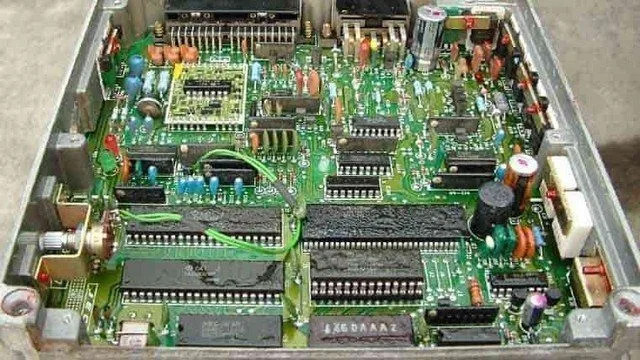
Photo of a PCM with the cover removed:

If your OBD II-equipped vehicle has stored a P0602 code, it means the Powertrain Control Module (PCM) has detected an internal programming error. The programming error applies to the PCM itself.

When you look at a PCM, you may only see a metal box, but what’s inside is crucial for effective engine operation. Essential information for engine management is factory-programmed using Electronically Erasable Programmable Read-Only Memory (EEPROM).

Vehicle-specific settings for engine and transmission management are programmed into the EEPROM for each vehicle leaving the factory. The EEPROM not only helps manage engine efficiency and performance but also serves to recognize and interact with other onboard vehicle control modules.

If the PCM detects inconsistencies with the EEPROM, or if it does not recognize the EEPROM program, a P0602 code will be stored and a Malfunction Indicator Lamp (MIL) may illuminate. Depending on the severity of the malfunction, several ignition cycles (with a malfunction) may be required for MIL illumination.

Other internal control module error codes include:

P0601 Internal Control Module Memory Checksum Error
P0603 Internal Control Module Keep Alive Memory (KAM) Error
P0604 Internal Control Module Random Access Memory (RAM) Error
P0605 Internal Control Module Read Only Memory (ROM) Error

Code Severity and Symptoms

A stored P0602 code should be classified as severe because the conditions that caused its storage can significantly affect engine management.

Symptoms of a P0602 code may include:

No-start condition
Multiple driveability issues
Harsh or erratic automatic transmission shifting
Reduced fuel economy
Engine may stall or idle roughly

Possible causes of this code include:

  • PCM programming error
  • New or incorrect PCM
  • Aftermarket (high-performance) PCM program installed
  • Blown ECM/PCM fuse
  • Faulty ECM/PCM power relay
  • Defective ECM/PCM
  • Open or shorted wiring or connectors in the CAN harness
  • Unsecured control module ground strap or broken ground wire

Diagnostic and Repair Procedures

Diagnosing a P0602 code can be challenging, even for the most experienced and well-equipped technician. Nevertheless, there are some preliminary tests that can be performed before throwing up your hands and passing the problem to someone else.

As usual, I would start my diagnosis with a visual inspection of the engine management wiring harnesses and connectors. Any damaged or burnt wiring and connectors should be repaired or replaced. Next, I would connect the scanner to the vehicle’s diagnostic connector and retrieve all stored codes and freeze frame data. Before clearing the codes, I would note them down in case it turns out to be an intermittent code. A P0602 code must be diagnosed and repaired before diagnosing and repairing any other stored codes, as other stored codes are likely false. Now clear the codes in the hope that the P0602 was stored in error.

If the P0602 immediately resets, check the battery voltage at the PCM. The PCM requires battery voltage to operate correctly. If the battery terminals are corroded or loose, inadequate voltage may reach the PCM. Check the PCM relays and fuses for battery voltage with the circuit loaded. Corroded fuses may look normal until a load is applied to the circuit and their fault is revealed.

Obviously, if the PCM has been recently replaced, the likelihood of it being incorrectly programmed or not programmed at all is high. Additionally, a controller from another vehicle can only be used if it has been reprogrammed specifically for the vehicle in question, and aftermarket (high-performance) programmers may not be recognized by other controllers (especially initially), resulting in the storage of a P0602.

Incorrectly programmed or replaced controllers can be reprogrammed with a factory scanner. If you cannot access such a scanner, most dealerships offer PCM programming for a modest fee. Some aftermarket PCM manufacturers offer pre-programmed controllers for certain models. Check with your auto parts supplier and have the vehicle identification number, mileage, and other relevant data available.

Additional Diagnostic Notes:

New or used, a replacement PCM will need to be programmed to match the vehicle in question
Aftermarket or high-performance programmers will often need time for other controllers to recognize them – if they do at all

P0603 Keep Alive Memory (KAM) Error of Internal Control Module

What does it mean?

This code is a generic powertrain code. It is considered generic because it applies to all makes and models of vehicles (1996 and newer), although specific repair steps may vary slightly by model.

The keep-alive memory is the memory stored in the Powertrain Control Module (PCM) regarding driving cycles. This memory is constantly evolving based on driving inputs and sensor inputs. When you disconnect your battery, this memory is erased, and the computer goes into a “dumb” mode because it uses built-in settings to operate the engine rather than the learned values based on inputs and driving habits as well as what the engine sensors detect.

This is different from “limp” mode because the PCM does not detect a fault. The PCM memory has not adapted to the required engine parameters. As mentioned, these are NOT the programmed values but the constantly evolving values that contribute to fuel economy, proper operation, easier starts, etc. These data are an adaptive formula used by the PCM to improve engine performance, fuel changes, fuel trims, etc.

Other internal control module error codes include:

P0601 Internal Control Module Memory Checksum Error
P0602 Internal Control Module Programming Error
P0604 Internal Control Module Random Access Memory (RAM) Error
P0605 Internal Control Module Read Only Memory (ROM) Error

Photo of a PCM with the cover removed:

Symptoms

Symptoms of a DTC P0603 will include the MIL (Malfunction Indicator Lamp) illuminating, although there may be other symptoms, including but not limited to engine stalling, various warning lights on the dashboard, module communication codes, no-start conditions.

Causes

Potential causes may include:

Corrosion of battery terminals or loose connections
Keep Alive Power (KAPWR) circuit wiring routing
Open wire in the KAPWR circuit
Damaged PCM, water intrusion/internal fault
Charging system failure
Ignition system fault causing secondary ignition voltage interference
Internal PCM programming error

Possible Solutions

This is a fairly difficult issue to isolate. In my experience, it is both a wiring issue and a PCM issue. It could be interference from a component that fried the PCM.

Inspect the battery cables. It could be as simple as a heavily corroded terminal or a loose connection. Also check all grounds and connections at the fuse box and PCM.

Check the charging system. Run the car with the alternator disconnected. There may be interference from the alternator. Does the code return with the alternator disconnected?

Inspect wiring harnesses that run near the ignition system. Interference from these components can be “projected” into the circuit. Also check spark plug wires, the coil for cracks, or anywhere ignition voltage might “leak.”

Using a voltmeter, check the PCM power circuits. Monitor voltages while wiggling, bending, and shaking the harness around the engine and fuse boxes.

In many vehicles, the PCM is located in an isolated spot. This means there is a chance that water may have entered the PCM housing. Also a chance of vibration transfer. If no fault is found, there may be an issue with the PCM itself.

Finally, if your vehicle has an aftermarket chip or program, this could be the problem. Additionally, many manufacturers constantly update the software available for your computer; the code may be fixed with a reflash.