OBD2 Code P1478 Audi: Comprehensive Guide to Diagnosis & Repair

Understanding OBD2 Code P1478 on Your Audi

When your Audi’s check engine light illuminates and a scan reveals the generic OBD2 code P1478 – Leak Detection Pump Circuit Malfunction, you’re dealing with a specific fault in the vehicle’s Evaporative Emission Control (EVAP) system. This system is designed to capture and recycle fuel vapors, preventing them from escaping into the atmosphere. In Audi and Volkswagen vehicles, this code is almost exclusively related to the Leak Detection Pump (LDP), a critical component that pressurizes the fuel system to check for leaks. A malfunction can affect vehicle performance, emissions, and cause you to fail a smog inspection.

What is the Leak Detection Pump (LDP)?

The Leak Detection Pump is an electrically-operated pump, often combined with a solenoid valve, that is controlled by the Engine Control Module (ECM). Its primary function is not to run continuously but to perform a self-test. During specific driving conditions, the ECM activates the LDP to pressurize the sealed fuel tank and vapor lines. By monitoring the pressure or vacuum decay, the ECM can determine if there is a leak larger than a regulated threshold (typically 0.5mm). Code P1478 is set when the ECM detects an electrical fault in the LDP’s circuit—such as an open, short to ground, or short to power—not necessarily a physical leak itself.

Common Audi Models Affected by P1478

This code is prevalent in many Audi models from the late 1990s through the 2010s that utilize this specific EVAP monitoring strategy. Commonly affected platforms include:

  • Audi A4 (B6, B7, B8 chassis)
  • Audi A6 (C5, C6 chassis)
  • Audi Q5 (8R chassis)
  • Audi TT (8J chassis)
  • Volkswagen Passat, Golf, Jetta (shared technology)

Symptoms and Causes of Audi P1478 Code

Unlike a misfire code, P1478 may not cause obvious drivability issues. However, ignoring it can lead to other problems and will keep your vehicle from being emissions-compliant.

Primary Symptoms

  • Illuminated Check Engine Light (MIL): The most common and often the only symptom.
  • Failed Emissions Test: The vehicle will not pass a state or local smog inspection due to an active EVAP fault.
  • Possible Rough Idle or Slight Hesitation: In rare cases, a severe short circuit could affect other engine management functions.
  • No noticeable performance change: The car may drive perfectly normally, leading owners to ignore the light.

Root Causes of the Circuit Malfunction

The diagnosis should follow a logical path from the simplest electrical checks to component replacement.

  • Failed Leak Detection Pump (LDP): The internal motor or solenoid has burned out or seized. This is the most frequent cause.
  • Damaged Wiring or Connectors: Corrosion, rodent damage, or chafed wires in the harness leading to the LDP (often located near the charcoal canister).
  • Blown Fuse: Check the vehicle’s fuse diagram for a fuse dedicated to the EVAP system or emission controls.
  • Faulty Engine Control Module (ECM): Rare, but a failed driver circuit within the ECM itself can cause this code.
  • Clogged or Frozen LDP Lines: Dirt, debris, or moisture can block the vacuum/pressure lines connected to the pump, causing it to overwork and fail.

Step-by-Step Diagnostic Procedure for P1478

Proper diagnosis requires a basic multimeter and, ideally, a scan tool capable of performing output tests or activating the LDP. Always consult your specific Audi service manual for wiring diagrams and exact component locations.

Step 1: Preliminary Checks & Visual Inspection

Begin with a thorough visual inspection. Locate the Leak Detection Pump (common locations include under the vehicle near the fuel tank, behind the rear wheel well liner, or in the engine bay). Check for:

  • Obvious physical damage to the pump or its mounting bracket.
  • Cracked, disconnected, or pinched vacuum hoses.
  • Corrosion or green residue on the electrical connector pins.
  • Signs of water intrusion or road salt damage.

Step 2: Electrical Circuit Testing

Disconnect the electrical connector from the LDP. With the ignition ON (engine off), use a multimeter to check for:

  • Power Supply (12V+): One pin should show battery voltage (typically via a fuse).
  • Ground Path: Check for a clean ground connection on another pin.
  • Control Signal: Using a scan tool’s output test function, command the LDP ON. You should see the voltage on the control pin from the ECM change (e.g., pulse or provide 12V).

If power and ground are present but the control signal is missing, suspect an ECM or wiring issue. If the control signal is present, the pump itself is likely faulty.

Step 3: Testing the Leak Detection Pump Itself

You can perform a bench test. Carefully apply direct battery voltage and ground to the pump’s terminals (be sure of the correct polarity). A functioning pump will make a distinct clicking or humming sound as it activates. No sound indicates a failed pump. Also, check the pump’s resistance across its terminals with a multimeter; compare the reading to factory specifications (often between 10-30 ohms). An open circuit (infinite resistance) or a short (near 0 ohms) confirms pump failure.

Repair, Replacement, and Cost Considerations

Once the faulty component is identified, the repair can be planned.

Replacing the Leak Detection Pump

Replacement is generally straightforward. After disconnecting the battery, disconnect the electrical connector and the vacuum lines from the old LDP. Remove the mounting bolts or bracket, install the new unit, and reconnect everything. Use only high-quality OEM or reputable aftermarket parts (like Bosch, which often supplies Audi). Cheap, non-branded pumps have a high failure rate.

Clearing the Code and Performing a Drive Cycle

After repair, clear the P1478 code with your scan tool. The check engine light will turn off. However, for the vehicle’s monitors to reset and for it to be ready for an emissions test, you must complete a specific drive cycle. This involves a mix of city and highway driving under varying conditions to allow the ECM to run all self-tests, including the EVAP leak test.

Estimated Repair Cost

Costs can vary widely based on model and labor rates:

  • DIY Repair: Part cost ranges from $80 to $250 for a quality LDP.
  • Independent Shop: $250 – $450 total (parts and 1-1.5 hours of labor).
  • Audi Dealership: $400 – $700+ due to higher parts markup and labor rates.

While P1478 is not typically an urgent, car-stopping code, addressing it promptly ensures your Audi remains environmentally compliant and prevents potential complications from a compromised EVAP system. Following a methodical diagnostic approach saves time and money by accurately pinpointing the fault before replacing parts.
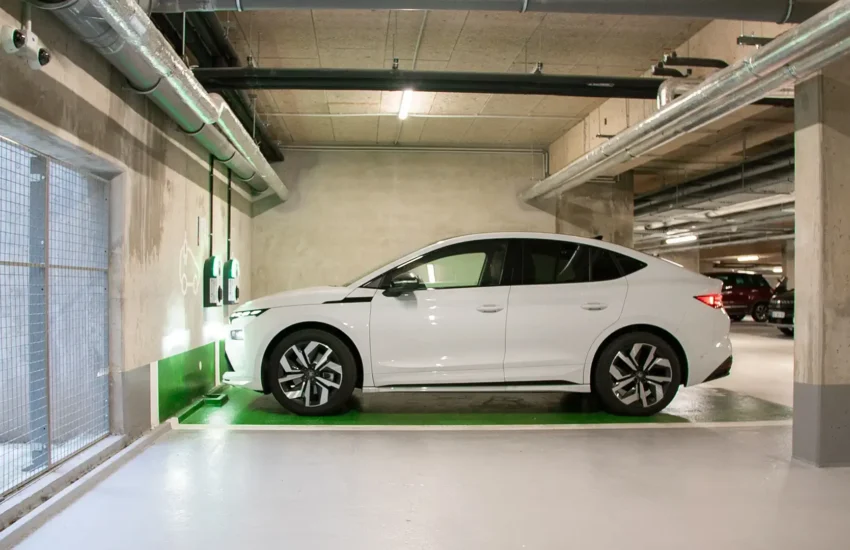
SNCF Powers Up: 5,000 EV Chargers for Fleet Electrification

SNCF Commits to a Major EV Charging Infrastructure Rollout

The French national railway company, SNCF, is launching a monumental project to install 5,000 electric vehicle (EV) charging stations across its properties. This strategic infrastructure investment is the cornerstone of a broader plan to rapidly electrify its extensive fleet of service and corporate vehicles. By building a robust, private charging network, SNCF aims to remove a key barrier to adoption and accelerate its own energy transition.

Building the Backbone for a Green Fleet Transition

Electrifying a large vehicle fleet requires more than just purchasing new EVs; it demands a reliable and accessible charging ecosystem. SNCF’s deployment will strategically place thousands of charging points at its various facilities, including maintenance depots, administrative offices, and train stations. This ensures that drivers have convenient access to charging during work hours, optimizing fleet operations and minimizing downtime. The scale of this initiative underscores a long-term commitment to sustainable mobility, extending beyond its core rail business to its entire road operations.

Strategic Impact on Corporate Sustainability Goals

This move directly supports ambitious corporate environmental targets. By transitioning its fleet to electric power, SNCF will significantly reduce its direct carbon emissions and local air pollutants. The project also aligns with national and European Union objectives for transport decarbonization. Furthermore, investing in this infrastructure future-proofs the company’s operations against evolving regulations and rising fossil fuel costs, ensuring both ecological and economic resilience.

A Catalyst for Broader Electric Mobility Adoption

While primarily for internal use, this vast network could have wider implications. The installation of such a significant number of charging points contributes to the densification of France’s overall EV infrastructure. It demonstrates a scalable model for other large enterprises and public institutions looking to green their fleets. SNCF’s initiative serves as a powerful signal of the tangible steps major players are taking to electrify transport, potentially influencing broader market confidence and adoption trends.

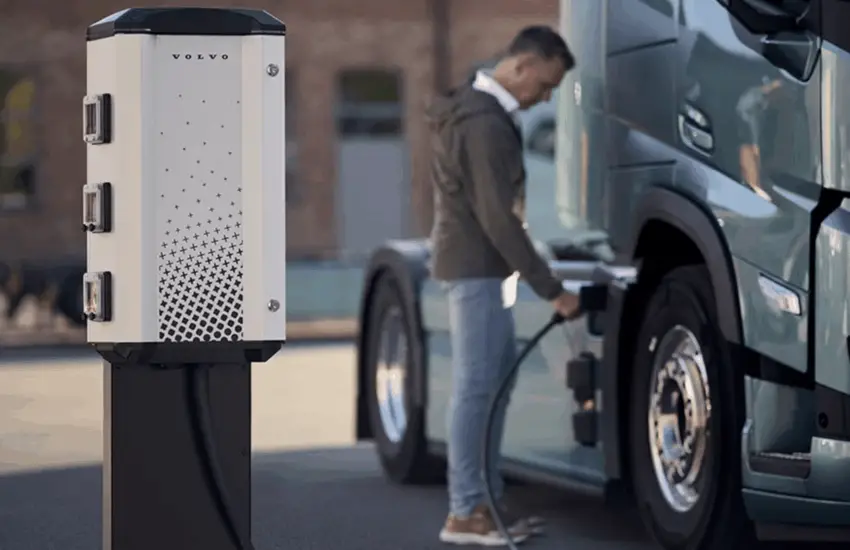
Trucking’s Electric Shift: Batteries Find a New Road

The Road to Electrification Takes a Detour

The global push for sustainable transportation is undeniable. However, the journey toward electrification is encountering unexpected speed bumps in the passenger vehicle segment. Concerns over cost, charging infrastructure, and raw material constraints have prompted a strategic rethink. In response, a compelling new direction is gaining traction: redirecting battery innovation and resources toward the electrification of trucks.

Why Trucks Are the New Battery Champions

Heavy-duty trucks present a surprisingly efficient use case for current battery technology. Unlike personal cars which require vast, dispersed charging networks, commercial trucks often follow predictable, fixed routes. This allows for centralized depot charging, simplifying infrastructure needs. Furthermore, fleet operators can achieve significant economies of scale, making the higher upfront investment in electric trucks more manageable through lower lifetime operating costs.

Overcoming Hurdles on the Highway

The shift toward electric trucks addresses several core challenges facing the battery industry. The larger physical size of trucks can accommodate bigger battery packs without compromising design, easing energy density pressures. This sector also benefits from more predictable duty cycles, allowing for optimized battery management and longevity. By focusing on commercial fleets, the industry can streamline production, drive down battery costs through volume, and build a more robust supply chain.

A Catalyst for Broader Change

Prioritizing truck electrification does not mean abandoning electric cars. Instead, it creates a powerful catalyst for the entire ecosystem. Advancements in battery durability, fast-charging solutions, and recycling pioneered for the demanding trucking sector will inevitably trickle down to passenger vehicles. This strategic pivot could accelerate the overall transition to sustainable mobility by building industrial strength and public confidence in electric drivetrains where it makes the most immediate operational and environmental sense.

OBD2 Code P1478: EVAP Leak Detection Pump Control Circuit Explained

Understanding OBD2 Code P1478: A Technical Deep Dive

When your vehicle’s check engine light illuminates and a scan tool reveals the diagnostic trouble code (DTC) P1478, you are dealing with a specific fault within the Evaporative Emission Control (EVAP) system. Technically defined as “EVAP Leak Detection Pump Control Circuit,” P1478 is a manufacturer-specific code, most commonly associated with Chrysler, Dodge, Jeep, and Nissan vehicles. This code indicates that the Powertrain Control Module (PCM) has detected an irregularity in the electrical control circuit for the Leak Detection Pump (LDP). Unlike codes pointing to a physical leak (like P0442), P1478 is primarily an electrical or control circuit diagnosis challenge. The EVAP system is crucial for preventing fuel vapors from escaping into the atmosphere, and the LDP is its self-diagnostic heart, making this code important to address accurately.

Primary Causes and Symptoms of a P1478 Fault

A P1478 code is triggered when the PCM sees a voltage level or signal frequency on the LDP control circuit that falls outside its expected parameters. This can be due to a fault in the component itself, the wiring that connects it, or the control module.

Common Causes of Code P1478

  • Faulty Leak Detection Pump (LDP): The most common culprit. Internal motor failure, seized pump, or internal electrical short/open circuit within the pump assembly.
  • Damaged Wiring or Connectors: Corroded, broken, shorted, or frayed wires in the harness between the PCM and the LDP. Poor electrical connections at the pump’s connector are frequent issues.
  • Blown Fuse: A dedicated fuse supplying power to the LDP or its control circuit may be blown.
  • Faulty Powertrain Control Module (PCM): Although less common, a failure within the PCM’s driver circuit responsible for controlling the LDP can set this code. This is typically a last-resort diagnosis.
  • Physical Damage or Vacuum Line Issues: While P1478 is circuit-focused, a severely damaged LDP housing or disconnected vacuum line can sometimes lead to a related circuit fault.

Recognizable Symptoms of P1478

  • Illuminated Check Engine Light (MIL): The primary and often only symptom. The light may be steady or, in some cases, flashing if a misfire is also detected due to a severe vacuum leak.
  • Failed Emissions Test: The vehicle will not pass a state emissions inspection with an active EVAP system code.
  • Possible Fuel Odor: If the EVAP system is compromised due to the inoperative LDP, you might occasionally smell fuel vapors.
  • No Driveability Issues: Crucially, the engine will typically run normally. You likely will not notice any performance, fuel economy, or starting problems directly from this code alone.

Step-by-Step Diagnostic Procedure for P1478

An effective diagnosis follows a logical progression from simple, low-cost checks to more complex ones. Always begin with a visual inspection and consult the vehicle’s specific service manual for wiring diagrams and connector locations.

Step 1: Preliminary Visual and Basic Checks

Locate the Leak Detection Pump (common locations include near the fuel tank, behind a rear wheel well, or in the engine bay). Perform a thorough visual inspection:

  • Check the LDP electrical connector for corrosion, bent pins, or looseness. Disconnect and reconnect it several times to clean the contacts.
  • Inspect the wiring harness for obvious damage, chafing, or burns from the exhaust.
  • Verify all vacuum lines connected to the LDP are securely attached and not cracked or brittle.
  • Locate and check the relevant fuse in the power distribution center (refer to your owner’s manual).

Step 2: Electrical Circuit Testing

With a digital multimeter (DMM), you can test the circuit’s integrity. You will need to back-probe the connector (with it connected) or use a breakout box.

  • Power Supply: Check for battery voltage (typically 12V) at the LDP’s power wire with the ignition ON.
  • Ground Circuit: Check the continuity of the ground wire from the LDP connector to a known good ground.
  • Control Signal: This is an advanced test. The PCM uses a pulse-width modulated (PWM) signal to control the pump. Using a DMM set to frequency or a duty cycle meter, you can check if the PCM is sending a signal. An oscilloscope provides the best view of this signal’s health.

Step 3: Component Testing and Final Verification

If power, ground, and the control signal are present, the LDP itself is likely faulty. You can perform a bench test by applying direct battery voltage and ground to the pump’s motor terminals (not the control circuit). A functioning pump will run. Warning: Do not apply power to the wrong pins. If the pump fails the bench test, replacement is required. After any repair, clear the code and perform a complete EVAP system monitor drive cycle to ensure the code does not return and the monitor runs to completion.

Repair Solutions and Professional Considerations

Once the root cause is identified, the repair path becomes clear. The complexity can range from a simple connector repair to a more involved component replacement.

Common Repair Procedures

  • Replacing the Leak Detection Pump: This is the most frequent repair. The procedure involves disconnecting the electrical connector and vacuum lines, unbolting the pump (often 2-3 bolts), and installing the new unit. Always use a high-quality OEM or reputable aftermarket part.
  • Repairing Wiring Harness: For damaged wires, solder and heat-shrink tubing is the professional, permanent repair. Never use twist-on connectors or electrical tape alone in automotive environments.
  • Replacing a Blown Fuse: If a fuse is blown, replace it with one of the exact same amperage. Investigate why it blew—a short circuit in the harness or a failing pump motor could be the cause.

When to Seek Professional Help

While a competent DIYer with electrical diagnostic skills can tackle P1478, consider professional assistance if:

  • You lack advanced diagnostic tools like a multimeter or scan tool with bi-directional controls.
  • The wiring diagrams for your specific vehicle are unavailable or unclear.
  • Diagnosis points to a potential PCM fault. PCM diagnosis and programming require specialized equipment and knowledge.
  • The repair involves complex harness repairs in hard-to-reach areas.

Addressing a P1478 code promptly restores your EVAP system’s integrity, ensures your vehicle passes emissions testing, and prevents potential issues with fuel vapor containment. By following a structured diagnostic approach, you can efficiently resolve this circuit-based EVAP fault.

Perodua QV-E: Malaysia’s Electric Answer to Chinese Rivals

Malaysia’s Automotive Shield: The Perodua QV-E Debuts

Malaysia’s automotive landscape is charging up for a significant shift. Perodua, the nation’s best-selling carmaker, has unveiled its first battery-electric vehicle (BEV), the QV-E. This launch is far more than a routine model introduction; it represents a strategic national move to fortify the local industry against the rapidly expanding influence of Chinese automakers in the Southeast Asian market.

More Than a Car: A Symbol of Industrial Strategy

The Perodua QV-E emerges as a direct response to the growing market share held by affordable and tech-savvy Chinese EVs. For years, brands from China have made significant inroads, appealing to consumers with competitive pricing and advanced features. The QV-E is Malaysia’s counterplay, engineered to leverage Perodua’s deep understanding of local preferences, its extensive service network, and strong brand loyalty. It symbolizes a deliberate effort to ensure domestic players remain central to the country’s electric transition.

Specifications and Market Positioning

While full technical specifications are still forthcoming, the QV-E prototype suggests a compact SUV designed for urban mobility. It is expected to offer a practical driving range suitable for city commuting and daily use. The vehicle’s design and projected pricing strategy indicate a focus on the mass market, aiming to provide a trusted, accessible electric alternative for Malaysian drivers. This positioning is crucial to directly compete with similarly priced Chinese models that have gained popularity.

The Road Ahead for National Automotive Ambitions

The success of the Perodua QV-E is pivotal. It tests the strength of homegrown innovation and manufacturing in an era dominated by global EV giants. A strong reception could galvanize the entire Malaysian automotive ecosystem, encouraging further investment in local EV supply chains and technology. The QV-E is not merely Perodua’s first electric step; it is a litmus test for national industrial resilience in the face of intense international competition, setting the course for the future of Malaysian mobility.

Decoding Volkswagen P1477: Secondary Air Injection System Flow Fault

Understanding the Volkswagen P1477 Diagnostic Trouble Code

The OBD2 diagnostic trouble code P1477 is a manufacturer-specific code primarily associated with Volkswagen (VW), Audi, and other vehicles within the Volkswagen Group. In simple terms, this code indicates a malfunction within the vehicle’s Secondary Air Injection System (SAIS). The system’s primary function is to reduce cold-start emissions by injecting fresh air into the exhaust manifold during the initial 90-120 seconds after a cold engine start. This extra oxygen helps the catalytic converter heat up faster and burn off unburned hydrocarbons more efficiently, ensuring the vehicle meets stringent emissions standards. When the Engine Control Module (ECM) detects that the actual airflow from this system does not match its expected parameters, it logs code P1477, illuminating the check engine light.

How the Secondary Air Injection System Works

To diagnose P1477 effectively, understanding the system’s operation is crucial. Upon a cold start, the ECM activates the system in a precise sequence:

  • The ECM energizes a Secondary Air Injection (AIR) Pump Relay, which provides power to the electric air pump.
  • The Secondary Air Injection Pump (often a loud, whirring component under the hood) begins forcing ambient air into the system.
  • Simultaneously, the ECM opens a Secondary Air Injection Valve (or combi valve). This valve prevents exhaust gases from back-flowing into the pump and directs the fresh air into the exhaust ports or manifold.
  • An air flow sensor or the ECM’s monitoring of pre- and post-catalytic converter oxygen sensors verifies the increased oxygen content in the exhaust, confirming proper system flow.

A fault in any part of this chain can trigger the P1477 code.

Common Symptoms and Causes of P1477 in Volkswagen Vehicles

While a Volkswagen with a P1477 code may sometimes drive normally, ignoring it can lead to failed emissions tests and potential long-term damage to the catalytic converter. Recognizing the symptoms is the first step in diagnosis.

Primary Symptoms of Code P1477

  • Illuminated Check Engine Light (MIL): The most common and often the only initial symptom.
  • Abnormal Noise on Cold Start: A loud whirring or grinding noise from the engine bay (if the pump is failing mechanically) or complete silence when the pump should be running.
  • Failed Emissions Test: Elevated hydrocarbon (HC) and carbon monoxide (CO) levels during a smog check due to an inefficient warm-up cycle of the catalytic converter.
  • Rough Idle or Slight Performance Loss: Less common, but possible if the ECM enters a conservative fuel trim strategy.

Root Causes of a P1477 Fault Code

The P1477 code points to an “insufficient flow” condition. This can be caused by a failure in the electrical, mechanical, or pneumatic parts of the system.

  • Failed Secondary Air Pump: The electric motor burns out, seizes, or the impeller breaks. Corrosion from water ingress (common due to placement low in the engine bay) is a frequent killer.
  • Faulty Secondary Air Injection Valve (Combi Valve): The valve can stick shut, fail to open, or its diaphragm can rupture. It can also become clogged with carbon deposits.

  • Electrical Issues: A blown fuse, faulty AIR pump relay, broken wiring, or corroded connectors can prevent the pump or valve from receiving power or ground.
  • Blocked or Leaking Hoses: The rubber hoses connecting the pump, valve, and engine can crack, leak, collapse internally, or become blocked by debris or ice in winter.
  • Faulty ECM or Software Glitch: Rare, but possible. The control module itself may have an internal driver failure, or a software update may be required.

Step-by-Step Diagnostic and Repair Guide for P1477

Diagnosing P1477 requires a methodical approach, starting with the simplest checks. You will need a basic toolset and a quality OBD2 scanner capable of reading live data and activating components.

Step 1: Initial Inspection and Live Data Check

Begin with a visual inspection. Check all related fuses (refer to your owner’s manual for locations). Inspect the AIR pump, valve, and all connecting hoses for obvious damage, cracks, or disconnections. Next, use your scan tool to monitor live data. Look for parameters like “Secondary Air System Status” or “AIR Pump Activation.” On a cold start, you should see the system activate for a short period. If it shows “OFF” when it should be “ON,” you have an electrical or control issue.

Step 2: Testing the Secondary Air Pump and Electrical Circuit

Locate the AIR pump (often near the front bumper or fender well). With the engine cold, have an assistant start the vehicle while you listen and feel for pump operation—it should run loudly for about 90 seconds. If silent:

  • Check for power and ground at the pump connector during activation using a multimeter.
  • If no power, check the relay and fuse. You can swap the AIR relay with an identical one (like the horn relay) to test.
  • If power is present but the pump doesn’t run, the pump motor is faulty and needs replacement.

If the pump runs but sounds weak, grinds, or screeches, the internal bearings or impeller are likely failing.

Step 3: Testing the Secondary Air Injection Valve and Hoses

If the pump runs, the fault lies downstream. Disconnect the hose from the pump to the valve and check for strong airflow when the system is active (be careful of hot components). If airflow is good, the issue is with the valve or the hose to the engine.

  • Remove and inspect the combi valve. Manually check if the valve flap moves freely or if the diaphragm holds vacuum (if applicable).
  • Blow through the valve in the direction of flow; it should pass air easily when open.
  • Inspect the final hose to the engine for blockages or leaks.

A clogged or stuck valve is a very common cause of P1477.

Common Repair Solutions and Parts Replacement

Based on your diagnosis:

  • Replace the Secondary Air Pump: A common repair. Use OEM or high-quality aftermarket parts. Ensure the new unit is mounted correctly to avoid water damage.
  • Replace the Combi Valve: Often sold as a kit with new gaskets and hoses. Cleaning is rarely a permanent fix.
  • Repair Wiring or Connectors: Solder and seal any broken wires. Clean corroded terminals with electrical contact cleaner.
  • Replace Cracked Hoses: Use reinforced hose designed for high temperatures.

After repairs, clear the code with your scanner and perform several cold-start cycles to allow the ECM to run a complete self-test. The monitor should set to “Ready” and the code should not return.

Technical Considerations and Long-Term Reliability

The Secondary Air Injection System is a critical emissions component, and its failure directly impacts your vehicle’s environmental footprint and legality on the road. In some regions, disabling the system is illegal. While some owners opt for a software “delete” via an ECU tune to permanently turn off the system and the associated fault codes, this is strictly for off-road use and will cause an automatic failure in any OBD2-based emissions test.

Preventative Maintenance Tips

To extend the life of your VW’s SAIS:

  • Avoid driving through deep puddles, which can submerge and ruin the often-low-mounted air pump.
  • Use your vehicle regularly; long periods of inactivity can cause the air valve to seize from corrosion.
  • Address any related codes (like P0411) immediately, as they can point to early-stage failures.
  • During major engine work, take care not to damage the often-brittle plastic air hoses.

By understanding the P1477 code, its causes, and following a logical diagnostic path, you can effectively restore your Volkswagen’s emissions system to proper working order, ensuring reliable performance and compliance.

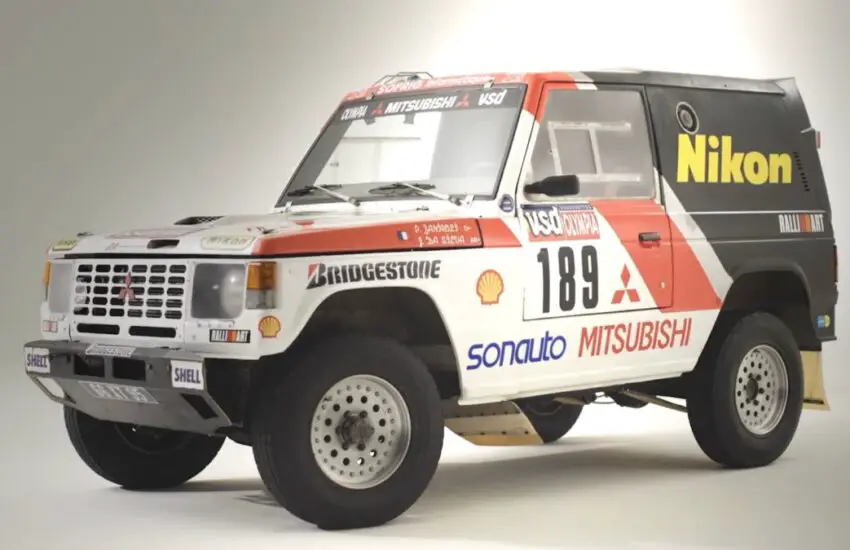
Mitsubishi Revives Its First Dakar-Winning Pajero Legend

A Rally Legend Reborn

In a move that celebrates a golden era of motorsport, Mitsubishi has meticulously restored the very first Mitsubishi Pajero to conquer the Dakar Rally. This historic vehicle, long absent from the spotlight, marks the beginning of one of the most dominant streaks in off-road racing history. Its restoration reconnects the brand with a legacy of engineering prowess and rugged endurance that defined an epoch.

The Dawn of a Dynasty

This specific Pajero is far more than a classic SUV; it is the progenitor of a racing dynasty. Its initial victory on the world’s most grueling off-road stage proved the model’s exceptional capabilities and paved the way for an unprecedented era of success. The Pajero platform would go on to secure a staggering twelve Dakar Rally victories, including a legendary seven-year winning streak from 2001 to 2007. This restoration project focuses on the vehicle that ignited that global reputation for invincibility.

Preserving Motorsport Heritage

The restoration process involved returning the champion Pajero to its original, race-winning specification. Specialists dedicated countless hours to sourcing period-correct parts and reviving the vehicle’s mechanical and aesthetic details to their former glory. This project underscores the importance of preserving tangible pieces of automotive history, serving as a physical testament to the engineering innovation and driver skill required to master the Dakar’s brutal challenges.

For enthusiasts and historians, the revived Pajero stands as a powerful symbol of a time when Mitsubishi was a formidable force in international rally competition. Its return is a tribute to the engineers, drivers, and teams whose achievements left an indelible mark on off-road racing lore.

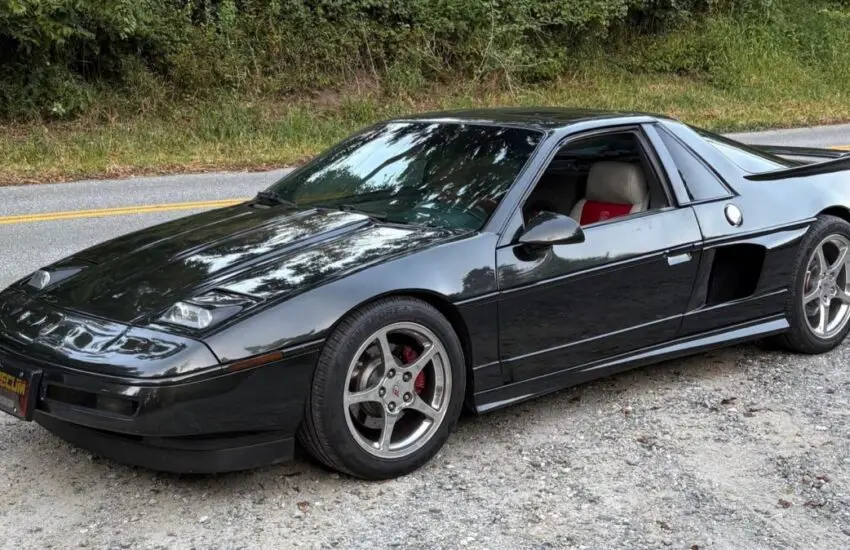
The Stretched Pontiac Fiero with a Cadillac V8 Heart

The Radical V8-Powered Pontiac Fiero Transformation

The Pontiac Fiero was a bold, mid-engine experiment from General Motors that captured imaginations in the 1980s, despite its brief production run. While it was never a powerhouse from the factory, one enthusiast asked a daring question: what if you gave it the heart of a Cadillac V8? The answer is a spectacular, elongated custom build that pushes the boundaries of automotive modification.

An Engineering Marvel

This radical transformation began with a 1984 Pontiac Fiero. To accommodate the substantial Cadillac Northstar V8 engine, the car’s chassis was significantly lengthened. This extensive modification was necessary not just for the engine itself, but also for the proper weight distribution and cooling required by the powerful new powertrain. The result is a unique silhouette that retains the Fiero’s iconic styling cues while becoming something entirely new.

Performance Reborn

Swapping the original four-cylinder engine for a Cadillac Northstar V8 represents a complete rebirth in performance. The Northstar engine, known for its smooth power and durability, transforms the Fiero from a peppy commuter into a genuine performance machine. This upgrade addresses the most common critique of the original car—its lack of power—in the most dramatic way possible.

A Legacy of Customization

This build highlights the Fiero’s enduring legacy as a favorite canvas for custom car builders. Its mid-engine layout and affordable starting price have long made it a popular candidate for engine swaps, though few are as extreme as this V8 conversion. The project demonstrates a deep understanding of automotive engineering and a passion for creating a truly one-of-a-kind driving experience, blending American V8 muscle with the handling characteristics of a mid-engine sports car.

Antarctic Mechanic: Life at the World’s Coldest Garage

The Essential Guardians of Polar Science

In the vast, frozen expanse of Antarctica, where temperatures can plummet to -80°C and storms isolate communities for weeks, a vehicle breakdown is more than an inconvenience—it’s a potential crisis. The scientists conducting vital research on climate change, astronomy, and ecosystems rely on a fleet of specialized machinery to survive and work. The individuals who keep this equipment running are the unsung heroes of the continent: the Antarctic mechanics.

A Workshop Like No Other

An Antarctic mechanic’s garage is a world apart from a typical auto shop. The “clientele” includes massive snow tractors, fleets of snowmobiles, rugged tracked vehicles, and aircraft like the iconic Twin Otter. The primary adversary is the extreme cold, which makes metal brittle, seals crack, and hydraulic fluid turn to sludge. Standard procedures, like a simple oil change, become complex logistical operations requiring heated spaces and specialized cold-weather lubricants. Problem-solving often requires profound ingenuity, as waiting for a spare part can mean a delay of months.

More Than Just Technical Skill

Mastering wrenches and diagnostics is just the beginning. These mechanics must be prepared for extreme isolation, enduring months of perpetual darkness in winter or constant daylight in summer. They work as part of a small, tight-knit team where every member’s role is critical for community safety and mission success. Physical resilience is paramount, as repairs might need to be conducted in blinding blizzards or punishing winds. The role demands a unique blend of technical expertise, mental fortitude, and a spirit of adventure.

The Ultimate Test of Endurance

Choosing this career path means accepting a life at the very edge of human habitation. It is a profession defined by immense challenge but also by unparalleled reward. These mechanics are the vital enablers of polar science, ensuring that researchers can reach remote field sites, supplies are delivered, and everyone returns safely to base. Their work, performed in the planet’s most extreme garage, is fundamental to unlocking the secrets held within the Antarctic ice.

OBD2 Code P1477 MINI: Secondary Air Injection System Malfunction

Understanding OBD2 Code P1477 in Your MINI

When your MINI’s check engine light illuminates and a scan tool reveals the diagnostic trouble code (DTC) P1477, it indicates a specific fault within the vehicle’s emissions control system. Officially defined as “Secondary Air Injection System, Bank 1,” this code is prevalent in BMW-produced MINI Cooper models (R50, R52, R53, R56, etc.) equipped with this emission-reducing technology. The system’s primary role is to reduce cold-start hydrocarbon emissions by injecting fresh air into the exhaust manifold, helping the catalytic converter reach its optimal operating temperature faster. A P1477 code signifies that the vehicle’s Engine Control Module (ECM) has detected a malfunction in this circuit, potentially leading to increased emissions and, in some regions, a failed emissions test.

Technical Function of the Secondary Air Injection System (SAIS)

To effectively diagnose a P1477 code, a clear understanding of the SAIS’s operation is crucial. This system is active for a brief period (typically 30-90 seconds) immediately after a cold engine start.

Core System Components

  • Secondary Air Pump (SAP): An electric pump that draws in fresh ambient air.
  • Secondary Air Injection Valve (Combination Valve): A vacuum or electrically-operated valve that directs the air from the pump into the exhaust ports.
  • Vacuum Solenoid / Valve: Controls vacuum supply to the air injection valve (on vacuum-operated systems).
  • Check Valves: Prevent hot exhaust gases from flowing back into the pump and hoses.
  • ECM / DME: The engine computer that monitors the system via sensors (like pre-cat oxygen sensors) and activates the pump and solenoid.

How the System Works

Upon a cold start, the ECM energizes the secondary air pump and opens the air injection valve. Fresh air is pumped into the exhaust stream upstream of the catalytic converter. This additional oxygen promotes further combustion of unburned hydrocarbons in the hot exhaust manifold, creating an exothermic reaction that rapidly heats the catalytic converter. The ECM verifies system operation by monitoring the signal from the pre-catalytic converter oxygen sensor(s). If the expected lean condition (excess oxygen) is not detected, the ECM will log code P1477.

Common Causes and Symptoms of P1477

A P1477 code can stem from electrical, mechanical, or vacuum-related failures. Accurate diagnosis is key to an efficient repair.

Primary Symptoms

  • Illuminated Check Engine Light (MIL).
  • Possible rough idle immediately after a cold start (though often not noticeable).
  • No audible “whirring” sound from the secondary air pump during the first minute after a cold start.
  • Increased hydrocarbon (HC) emissions, which may cause an emissions test failure.
  • The code may be accompanied by other related codes like P0410 or P0411.

Most Frequent Causes

  • Failed Secondary Air Pump: The electric motor burns out, seizes, or becomes clogged with debris.
  • Faulty or Clogged Combination Valve / Injection Valve: The valve diaphragm can rupture, the valve can stick shut, or it can become clogged with carbon.
  • Vacuum Leaks or Faulty Solenoid: Cracked vacuum hoses or a failed solenoid prevent the valve from opening.
  • Electrical Issues: Blown fuses (common on MINI Coopers), corroded wiring, bad connectors, or a faulty relay supplying power to the pump.
  • Leaking or Failed Check Valves: Allows exhaust gases to enter and damage the air pump and hoses.
  • Crushed, Cracked, or Disconnected Air Hoses: The rubber hoses connecting the pump to the valve and engine can deteriorate over time.

Step-by-Step Diagnostic Procedure for P1477

Follow a logical diagnostic sequence to pinpoint the root cause. Always begin with a visual inspection and basic electrical checks.

Phase 1: Preliminary Inspection

Locate the secondary air pump (usually near the front bumper or wheel well) and the associated hoses and valve. Listen for the pump’s operation during a cold start. Visually inspect all related components for:

  • Obvious physical damage or corrosion.
  • Cracked, melted, or disconnected vacuum and air hoses.
  • Check the relevant fuse (consult your MINI’s manual for location, often in the glove compartment or engine bay fuse box).

Phase 2: Electrical and Functional Testing

Use a multimeter and a vacuum gauge/pump for these tests.

  • Pump Power Test: Check for battery voltage (approx. 12V) at the pump connector during a cold start activation period. If voltage is present but the pump doesn’t run, the pump is faulty.
  • Pump Ground Test: Verify a clean ground connection for the pump circuit.
  • Solenoid Test: Check for power and ground signals to the vacuum solenoid. Listen for an audible click when activated.
  • Vacuum Test: Ensure engine vacuum reaches the solenoid and that the solenoid can pass vacuum to the combination valve. Apply vacuum directly to the valve to see if it holds.

Phase 3: Component-Specific Checks

  • Test the Combination Valve: Remove it if possible. Apply vacuum to the port; it should open and allow air to flow through. Release vacuum; it should snap closed. Blow through the exhaust port; air should not pass toward the pump side.
  • Check Air Hoses: Ensure they are not clogged and are securely connected at all points.
  • ECM Scan: Use a professional-grade scanner to monitor the ECM’s commanded state for the SAP and solenoid, and observe the pre-cat O2 sensor response during a cold start.

Repair Solutions and Cost Considerations

Once the faulty component is identified, repairs can range from simple to moderately complex.

Common Repairs and Parts

  • Replacing the Secondary Air Pump: A common fix. Aftermarket pumps are available, but ensure quality. Installation involves removing the wheel liner or other underbody panels.
  • Replacing the Combination Valve: Often recommended to replace when replacing the pump, especially if original. Prevents premature new pump failure.
  • Repairing Vacuum Lines: Replacing cracked or brittle vacuum hoses with OEM-spec tubing.
  • Fixing Electrical Faults: Repairing damaged wiring, cleaning connectors, or replacing a blown fuse or relay.
  • Complete Hose Kit Replacement: Kits are available that include all necessary hoses, clamps, and sometimes check valves.

Estimated Repair Costs

Costs vary widely based on the failed part and labor rates.

  • DIY (Parts Only): Secondary Air Pump: $100 – $300. Combination Valve: $50 – $150. Hose Kit: $50 – $100.
  • Professional Repair (Parts & Labor): Total cost at an independent shop typically ranges from $350 to $700+, depending on the component(s) replaced. Dealership costs will be significantly higher.

Important Note: After repairs, clear the P1477 code with your OBD2 scanner and perform a drive cycle to ensure the code does not return and that the monitors reset.