
P070C Low Value in Transmission Fluid Level Sensor Circuit

What does it mean?


This generic diagnostic trouble code (DTC) for the powertrain group generally applies to OBD-II equipped vehicles that have a transmission fluid level sensor. Vehicle makes may include, but are not limited to, GM, Chevrolet, Ford, Dodge, Ram, Toyota, Hyundai, etc. This code is not common.

The Transmission Fluid Level (TFL) sensor is used to illuminate a warning light on the dashboard in case of low fluid level.

When the fluid level is within an acceptable range, the switch is grounded. When the transmission fluid drops below a predetermined level, the switch opens and a “low transmission fluid level” warning appears on the dashboard.

TFL sensors receive a reference voltage from the PCM. The PCM monitors the circuit and when it recognizes that the switch has opened, it activates the low fluid level warning on the instrument cluster.

Code P070C is set when the PCM detects a low transmission fluid level sensor signal. This typically indicates that the circuit is short-circuited. Related codes include P070A, P070B, P070D, P070E, and P070F.

Code Severity and Symptoms
The severity of this transmission code is moderate to severe. In some cases, this code and related codes may indicate a low transmission fluid level which, if left unaddressed, can damage the transmission. It is a good idea to address this code as soon as possible.

Symptoms of a P070C fault code may include:

Low transmission fluid warning light illuminated
Check engine light
Transmission performance issues
Common causes of this DTC code

Causes

Possible causes of this code may include:

Faulty transmission fluid level sensor
Low transmission fluid level
Wiring problems
Faulty PCM
Diagnostic and Repair Procedures
Start by checking the transmission fluid level and condition according to the manufacturer’s recommendations. Then, inspect the transmission fluid level sensor and its corresponding wiring. Look for loose connections, damaged wiring, etc. If damage is detected, repair as necessary, clear the code, and see if it returns. Next, check for Technical Service Bulletins (TSBs) related to the issue. If nothing is found, you will need to proceed with step-by-step diagnosis of the system.

The following is a generalized procedure, as tests for this code vary by vehicle. To accurately test the system, you will need to refer to the manufacturer’s diagnostic flowchart.

Check the wiring
Before continuing, you will want to consult factory wiring diagrams to determine which wires are which. Autozone offers free online repair manuals for many vehicles, and ALLDATA offers single-vehicle subscriptions.

Check the reference voltage side of the circuit
Ignition on, use a digital multimeter set to DC volts to check the reference voltage (usually 5 or 12 volts) from the PCM. To do this, connect the negative meter lead to ground and the positive meter lead to the sensor B+ terminal on the harness side of the connector. If no reference signal is present, set the meter to ohms (ignition off) between the reference voltage pin on the TFL and the reference voltage pin on the PCM. If the meter reads out of limits (OL), there is an open circuit between the PCM and the sensor that will need to be located and repaired. If the meter reads a numerical value, there is continuity.

If everything is okay up to this point, you will want to verify that the PCM is powered. To do this, turn the ignition on and set the meter to DC volts. Connect the positive multimeter lead to the PCM’s reference voltage terminal and the negative lead to ground. If there is no reference voltage from the PCM, the PCM is likely faulty. However, PCMs rarely fail, so it’s a good idea to double-check your work up to this point.

Check the ground side of the circuit
Ignition off, use a digital multimeter set to ohms to check for continuity. Connect the meter between the transmission fluid level sensor’s ground terminal and chassis ground. If the meter reads a numerical value, there is continuity. If the meter reads out of limits (OL), there is an open circuit between the PCM and the sensor that will need to be located and repaired.

Check the sensor
If everything checks out at this point, the sensor is likely faulty. To check this, turn the ignition off and set your multimeter to read ohms. Remove the connector from the transmission fluid level sensor and connect the meter to the sensor’s terminals. If the meter reads out of limits (OL), the sensor is internally open and must be replaced.
P070D High Value in Transmission Fluid Level Sensor Circuit

What does it mean?

This generic diagnostic trouble code (DTC) for the powertrain group generally applies to OBD-II equipped vehicles that have a transmission fluid level sensor. Vehicle makes may include, but are not limited to, GM, Chevrolet, Ford, Dodge, Ram, Toyota, Hyundai, etc. This code is not common.

The transmission fluid level (TFL) sensor is used to illuminate a warning light on the dashboard in case of low fluid level.


When the fluid level is within an acceptable range, the switch is grounded. When the transmission fluid drops below a predetermined level, the switch opens and a “low transmission fluid level” warning appears on the dashboard.

TFL sensors receive a reference voltage from the PCM. The PCM monitors the circuit and when it recognizes that the switch has opened, it activates the low fluid level warning on the instrument cluster.

Code P070D is set when the PCM detects a high transmission fluid level sensor signal. This usually indicates an open circuit. Related codes include P070A, P070B, P070C, P070E, and P070F.

Code Severity and Symptoms
The severity of this transmission code is moderate to severe. In some cases, this code and related codes may indicate a low transmission fluid level which, if left unchecked, can damage the transmission. It is a good idea to address this code as soon as possible.

Symptoms of a P070D fault code may include:

Low transmission fluid warning light illuminated
Check engine light
Transmission performance issues
Common causes of this DTC code

Causes

Possible causes of this code may include:

Faulty transmission fluid level sensor
Low transmission fluid level
Wiring issues
Faulty PCM
Diagnostic and repair procedures
Start by checking the transmission fluid level and condition according to the manufacturer’s recommendations. Then, inspect the transmission fluid level sensor and its corresponding wiring. Look for loose connections, damaged wiring, etc. If damage is detected, repair as necessary, clear the code, and see if it returns. Next, check for technical service bulletins (TSBs) regarding the issue. If nothing is found, you will need to proceed with step-by-step diagnosis of the system.

The following is a generalized procedure, as tests for this code vary by vehicle. To accurately test the system, you will need to refer to the manufacturer’s diagnostic flowchart.

Check the wiring
Before continuing, you will want to consult factory wiring diagrams to determine which wires are which. Autozone offers free online repair manuals for many vehicles, and ALLDATA offers single-vehicle subscriptions.

Check the reference voltage side of the circuit
Ignition on, use a digital multimeter set to DC volts to check the reference voltage (usually 5 or 12 volts) from the PCM. To do this, connect the negative meter lead to ground and the positive meter lead to the sensor B+ terminal on the harness side of the connector. If no reference signal is present, set the meter to ohms (ignition off) between the reference voltage pin on the TFL and the reference voltage pin on the PCM. If the meter reads out of limits (OL), there is an open circuit between the PCM and the sensor that will need to be located and repaired. If the meter reads a numerical value, there is continuity.

If everything is okay up to this point, you will want to verify that the PCM is powered. To do this, turn the ignition on and set the meter to DC volts. Connect the positive multimeter lead to the PCM’s reference voltage terminal and the negative lead to ground. If there is no reference voltage from the PCM, the PCM is likely faulty. However, PCMs rarely fail, so it’s a good idea to double-check your work up to this point.

Check the ground side of the circuit
Ignition off, use a digital multimeter set to ohms to check for continuity. Connect the meter between the transmission fluid level sensor’s ground terminal and chassis ground. If the meter reads a numerical value, there is continuity. If the meter reads out of limits (OL), there is an open circuit between the PCM and the sensor that will need to be located and repaired.

Check the sensor
If everything checks out at this point, the sensor is likely faulty. To verify this, turn the ignition off and set your multimeter to read ohms. Remove the connector from the transmission fluid level sensor and connect the meter to the sensor’s terminals. If the meter reads out of limits (OL), the sensor is internally open and must be replaced.

Lincoln P1442 Code: EVAP System Vent Control Circuit Explained

Understanding the Lincoln P1442 Diagnostic Trouble Code

When your Lincoln’s check engine light illuminates and a diagnostic scan reveals code P1442, you’re dealing with a specific issue within the Evaporative Emission Control (EVAP) system. This code indicates a malfunction in the vent control circuit, a critical component for managing fuel vapors and preventing their release into the atmosphere. The P1442 code is manufacturer-specific, primarily affecting Lincoln and other Ford Motor Company vehicles, making precise diagnosis essential for an effective repair.

What is the EVAP System and Its Role?

The Evaporative Emission Control system is a sealed network designed to capture and store fuel vapors from the fuel tank, preventing them from escaping into the environment. This system includes several key components:

  • Charcoal canister for vapor storage
  • Vent control valve/solenoid
  • Purge control valve/solenoid
  • Fuel tank pressure sensor
  • Network of hoses and seals

The system works by temporarily storing fuel vapors in the charcoal canister and then purging them into the engine intake manifold to be burned during normal combustion, making it both an environmental and efficiency feature.

Technical Definition of Code P1442

According to OBD2 standards, P1442 is defined as “Evaporative Emission Control System Vent Control Circuit.” This trouble code specifically points to an electrical or functional problem within the circuit controlling the vent solenoid or valve. The Powertrain Control Module (PCM) monitors this circuit for proper voltage, resistance, and operational response. When the PCM detects an irregularity that falls outside predetermined parameters, it stores the P1442 code and illuminates the check engine light.

Common Symptoms and Causes of P1442 in Lincoln Vehicles

Recognizing the symptoms associated with code P1442 can help you identify the issue early and prevent potential complications. While some symptoms may be subtle, others can significantly impact your Lincoln’s performance and emissions compliance.

Primary Symptoms of P1442

  • Illuminated Check Engine Light (MIL)
  • Possible fuel odor near the vehicle
  • Failed emissions test
  • Decreased fuel efficiency
  • Rough idle in some cases
  • Difficulty refueling (clicking off fuel nozzle)

Root Causes of P1442 Code

The P1442 code can result from various issues within the EVAP vent control system. Understanding these potential causes is crucial for an accurate diagnosis:

  • Faulty Vent Control Solenoid/Valve: The most common cause, where the solenoid fails electrically or mechanically.
  • Electrical Circuit Issues: This includes broken wires, poor connections, corrosion, or damaged connectors in the vent control circuit.
  • PCM Programming or Failure: In rare cases, the Powertrain Control Module itself may be faulty or require reprogramming.
  • Blocked or Damaged Vent Hose: Physical obstructions or damage to the vent hose can prevent proper operation.
  • Charcoal Canister Contamination: If the canister becomes saturated with fuel or contaminated, it can affect vent operation.

Professional Diagnostic and Repair Procedures

Diagnosing and repairing a P1442 code requires a systematic approach using proper tools and technical knowledge. Following a structured diagnostic procedure can save time and prevent unnecessary part replacements.

Step-by-Step Diagnostic Procedure

Begin with a visual inspection of the EVAP system components and wiring. Look for obvious damage, disconnected lines, or corroded connectors. Then proceed with these technical steps:

  • Use an advanced OBD2 scanner to confirm the code and check for additional codes
  • Perform a visual inspection of the vent solenoid, wiring, and related components
  • Test the vent solenoid resistance with a multimeter (compare to manufacturer specifications)
  • Check for proper voltage and ground signals at the solenoid connector
  • Inspect the vent hose for blockages, kinks, or damage
  • Perform a smoke test to identify potential leaks in the system

Repair Procedures and Technical Specifications

Once the faulty component is identified, proceed with the appropriate repair. Common repairs for P1442 include:

  • Vent Control Solenoid Replacement: Locate the solenoid (typically near the fuel tank or charcoal canister), disconnect the electrical connector and vent hoses, and replace with a genuine Lincoln part.
  • Wiring Repair: Repair or replace damaged wires using proper soldering and heat shrink techniques. Ensure all connections are secure and protected from moisture.
  • PCM Reprogramming: In some cases, a PCM update may be required to address software-related issues. This requires specialized diagnostic equipment.
  • System Testing Post-Repair: After repairs, clear the codes and perform a complete system test to ensure proper operation and that the code doesn’t return.

Preventive Maintenance and Cost Considerations

Preventing P1442 codes involves regular maintenance and awareness of your Lincoln’s EVAP system. Keep the area around the fuel tank and canister clean, address any fuel odors promptly, and ensure all maintenance is performed according to schedule. Repair costs for P1442 can vary significantly:

  • Vent solenoid replacement: $150-$400 (parts and labor)
  • Wiring repair: $100-$300 depending on complexity
  • Charcoal canister replacement: $300-$600 if needed
  • Diagnostic fees: $80-$150 typically

While P1442 doesn’t typically cause immediate drivability concerns, addressing it promptly is important for emissions compliance, fuel efficiency, and preventing potential damage to other EVAP system components. Always consult with a qualified technician for accurate diagnosis and repair, especially given the specialized nature of EVAP systems in Lincoln vehicles.

P070E Intermittent / Erratic Transmission Fluid Level Sensor Circuit

What does it mean?


This generic powertrain diagnostic trouble code (DTC) generally applies to OBD-II equipped vehicles that have a transmission fluid level sensor. Vehicle makes may include, but are not limited to, GM, Chevrolet, Ford, Dodge, Ram, Toyota, Hyundai, etc. This code is rare.

The Transmission Fluid Level (TFL) sensor is used to illuminate a warning light on the dashboard in case of low fluid level.


When the fluid level is within an acceptable range, the switch is grounded. When the transmission fluid drops below a predetermined level, the switch opens and a “low transmission fluid level” warning appears on the dashboard.

TFL sensors receive a reference voltage from the PCM. The PCM monitors the circuit and when it recognizes that the switch has opened, it activates the low fluid level warning on the instrument cluster.

Code P070E is set when the PCM detects an intermittent problem with the transmission fluid level sensor circuit. Related codes include P070A, P070B, P070C, P070D, and P070F.

Code Severity and Symptoms
The severity of this transmission code is moderate to severe. In some cases, this code and related codes may indicate a low transmission fluid level which, if left unaddressed, can damage the transmission. It is a good idea to address this code as soon as possible.

Symptoms of a P070E trouble code may include:

Low transmission fluid warning light illuminated
Check engine light
Transmission performance issues
Common causes of this DTC code

Causes

Possible causes of this code may include:

Faulty transmission fluid level sensor
Low transmission fluid level
Wiring problems
Faulty PCM
Diagnostic and Repair Procedures
Start by checking the transmission fluid level and condition according to the manufacturer’s recommendations. Then, inspect the transmission fluid level sensor and its corresponding wiring. Look for loose connections, damaged wiring, etc. If damage is detected, repair as necessary, clear the code, and see if it returns. Next, check for Technical Service Bulletins (TSBs) related to the issue. If nothing is found, you will need to proceed with step-by-step diagnosis of the system.

The following is a generalized procedure, as tests for this code vary by vehicle. To accurately test the system, you will need to refer to the manufacturer’s diagnostic flowchart.

Check the wiring
Before continuing, you will want to consult factory wiring diagrams to determine which wires are which. Autozone offers free online repair manuals for many vehicles and ALLDATA offers single-vehicle subscriptions.

Check the reference voltage side of the circuit
Ignition on, use a digital multimeter set to DC volts to check the reference voltage (usually 5 or 12 volts) from the PCM. To do this, connect the negative meter lead to ground and the positive meter lead to the sensor B+ terminal on the harness side of the connector. If no reference signal is present, set the meter to ohms (ignition off) between the reference voltage pin on the TFL and the reference voltage pin on the PCM. If the meter reads Out of Limits (OL), there is an open circuit between the PCM and the sensor that will need to be located and repaired. If the meter reads a numerical value, there is continuity.

If everything is okay up to this point, you will want to verify that the PCM is powered. To do this, turn the ignition on and set the meter to DC volts. Connect the positive multimeter lead to the PCM’s reference voltage terminal and the negative lead to ground. If there is no reference voltage from the PCM, the PCM is likely faulty. However, PCMs rarely fail, so it is a good idea to double-check your work up to this point.

Check the ground side of the circuit
Ignition off, use a digital multimeter set to ohms to check for continuity. Connect the meter between the transmission fluid level sensor’s ground terminal and chassis ground. If the meter reads a numerical value, there is continuity. If the meter reads Out of Limits (OL), there is an open circuit between the PCM and the sensor that will need to be located and repaired.

Check the sensor
If everything checks out up to this point, the sensor is likely faulty. To check this, turn the ignition off and set your multimeter to read ohms. Remove the connector from the transmission fluid level sensor and connect the meter to the sensor’s terminals. If the meter reads Out of Limits (OL), the sensor is internally open and must be replaced.

P070F Transmission Fluid Level Too Low

What Does It Mean?


This generic powertrain diagnostic trouble code (DTC) generally applies to OBD-II equipped vehicles that have a transmission fluid level sensor. Vehicle makes may include, but are not limited to, GM, Chevrolet, Ford, Dodge, Ram, Toyota, Hyundai, etc. This code is rare.

The Transmission Fluid Level (TFL) sensor is used to illuminate a warning light on the dashboard in case of low fluid level.

When the fluid level is within an acceptable range, the switch is grounded. When the transmission fluid drops below a predetermined level, the switch opens and a “low transmission fluid level” warning appears on the dashboard.

TFL sensors receive a reference voltage from the PCM. The PCM monitors the circuit and when it recognizes that the switch has opened, it activates the low fluid level warning on the instrument cluster.

Code P070F is set when the PCM detects that the transmission fluid level is too low. Related codes include P070A, P070B, P070C, P070D, and P070E.

Code Severity and Symptoms
The severity of this transmission code is moderate to severe. In some cases, this code and related codes may indicate a low transmission fluid level which, if left unaddressed, can damage the transmission. It is a good idea to address this code as soon as possible.

Symptoms of a P070F trouble code may include:

Low transmission fluid warning light illuminated
Check engine light illuminated
Transmission performance issues
Common causes of this DTC code

Causes

Possible causes of this code may include:

Faulty transmission fluid level sensor
Low transmission fluid level (extremely likely)
Wiring issues
Faulty PCM
Diagnostic and repair procedures
Start by checking the transmission fluid level and condition according to the manufacturer’s recommendations. Then, inspect the transmission fluid level sensor and its corresponding wiring. Look for loose connections, damaged wiring, etc. If damage is detected, repair as necessary, clear the code, and see if it returns. Next, check for Technical Service Bulletins (TSBs) related to the issue. If nothing is found, you will need to proceed with step-by-step diagnosis of the system.

The following is a generalized procedure, as tests for this code vary by vehicle. To accurately test the system, you will need to refer to the manufacturer’s diagnostic flowchart.

Check the wiring
Before continuing, you will want to consult factory wiring diagrams to determine which wires are which. Autozone offers free online repair manuals for many vehicles, and ALLDATA offers single-vehicle subscriptions.

Check the reference voltage side of the circuit
Ignition on, use a digital multimeter set to DC volts to check the reference voltage (usually 5 or 12 volts) from the PCM. To do this, connect the negative meter lead to ground and the positive meter lead to the sensor B+ terminal on the harness side of the connector. If no reference signal is present, set the meter to ohms (ignition off) between the reference voltage pin on the TFL and the reference voltage pin on the PCM. If the meter reads out of limits (OL), there is an open circuit between the PCM and the sensor that will need to be located and repaired. If the meter reads a numerical value, there is continuity.

If everything is okay up to this point, you will want to verify that the PCM is powered. To do this, turn the ignition on and set the meter to DC volts. Connect the positive multimeter lead to the PCM’s reference voltage terminal and the negative lead to ground. If there is no reference voltage from the PCM, the PCM is likely faulty. However, PCMs rarely fail, so it is a good idea to double-check your work up to this point.

Check the ground side of the circuit
Ignition off, use a digital multimeter set to ohms to check for continuity. Connect the meter between the transmission fluid level sensor’s ground terminal and chassis ground. If the meter reads a numerical value, there is continuity. If the meter reads out of limits (OL), there is an open circuit between the PCM and the sensor that will need to be located and repaired.

Check the sensor
If everything checks out at this point, the sensor is likely faulty. To check this, turn the ignition off and set your multimeter to read ohms. Remove the connector from the transmission fluid level sensor and connect the meter to the sensor’s terminals. If the meter reads out of limits (OL), the sensor is internally open and must be replaced.

P0720 Output Speed Sensor Circuit Malfunction

What does it mean?

On electronically controlled transmissions, the output shaft speed (OSS) sensor is located at the transmission end before the drive axles or driveshaft to read the output shaft speed, which can be used to determine shift programming, torque converter clutch engagement timing, and Electronic Pressure Control (EPC) within the transmission. The Powertrain Control Module / Engine Control Module (PCM / ECM) has determined there is a malfunction with the OSS sensor. The PCM / ECM can substitute values based on other sensors to determine shift timing, torque converter operation, and EPC pressure if the OSS sensor information is unavailable. The OSS sensor is also commonly used for the speedometer.

Note: On some vehicles, the OSS sensor is aligned with the Transmission Fluid Temperature (TFT) sensor; if the TFT sensor or its associated wiring fails, the OSS sensor may also malfunction. If there is another code associated with the TFT sensor along with the OSS sensor, suspect a possible issue with either sensor or the wiring between them.

This code is similar to codes P0721, P0722, and P0723.

Symptoms

Symptoms of a P0720 trouble code may include:

Delayed shifts
Speedometer not working
Check Engine Light on (Malfunction Indicator Lamp)
Potential causes

Causes

of this DTC may include:

Output shaft speed sensor
Electrical wiring or connections
Transmission fluid temperature sensor

Diagnostic steps

/ repair
Output shaft speed sensor – The OSS sensor operates by passing an electric current through the sensor; when the reluctor ring or gear at the transmission output shaft end rotates, the voltage changes according to speed. It is typically displayed as a frequency or voltage corresponding to the shaft’s rotational speed. Some vehicles use a plastic gear at the OSS sensor end. Remove the OSS sensor from the transmission end and check the gear’s condition to see if teeth are missing or worn, replacing the gear if necessary. Check the wiring harness for any signs of damaged wiring or loose connections. Check the OSS resistance by disconnecting the harness connector and using a digital volt-ohm meter (DVOM) set to the ohms scale, with one lead on each of the terminal connectors. The resistance should meet the specifications determined by the factory service manual.

If the resistance is out of range or above the limit (OL), replace the sensor. Verify that power is reaching the sensor and at the PCM harness connector using a factory wiring diagram as a reference. If the OSS sensor is in line with the TFT sensor, the voltage will vary based on transmission fluid temperature. Use a graphing voltmeter or oscilloscope set to the duty cycle scale with the positive lead on the signal side of the sensor, either after the sensor or at the PCM/ECM harness connector, and the negative lead to a known good ground. The duty cycle only displays when the vehicle is moving or the tires are rotating. If the duty cycle shows voltage drops or the voltage is outside manufacturer specifications, suspect excessive resistance in the TFT sensor, wiring harness, or the OSS sensor itself. If an advanced scan tool is available, the OSS sensor signal can also be monitored while driving the vehicle.

Electrical wiring – Check that the wiring harness has no loose connections, loose wiring, or dirty terminals. Disconnect each of the harness connections from the vehicle’s wiring harness, the output shaft speed sensor, the TFT sensor if applicable, and the PCM/ECM. Using the DVOM set to the ohms scale, with one lead at each end of the harness connectors using the factory wiring diagram as a reference, check for excessive resistance. If the resistance is very high, trace the wiring through the circuit between each connector to determine the cause. If the resistance indicates an upper limit reading (OL), look for any broken or damaged wiring. Check for a short to ground in the wiring harness sections by moving the positive or negative lead to a known good ground.

The voltmeter should read OL; if there is resistance, there may be a short to ground, and the wiring harness should be checked for pinched or damaged wiring or areas that might be rubbing against the vehicle chassis. Check for a short to power by switching the DVOM to the volts scale, with the positive lead on the wire being checked and the negative lead on a known good ground with the key in the on or run position. No voltage should be present; if voltage is present, there may be a short to power – check the wiring harness for any pinched or damaged wires that might have come into contact with each other.

Transmission fluid temperature sensor – On vehicles equipped with a TFT sensor in line with the OSS sensor, the TFT sensor can be checked for resistance using the DVOM set to the ohms scale. With the transmission wiring harness connector, using the factory wiring diagram as a reference to locate the appropriate wires for the TFT sensor on the transmission side of the connector and the positive and negative leads on one of the two wires, the DVOM should read resistance according to factory specifications. If the reading is out of specifications or above the limit (OL), replace the TFT sensor inside the transmission.

Check for a short to ground by moving one of the leads to a known good ground; the voltmeter should read very high resistance or an upper limit (OL); if you find very little resistance, suspect a short to ground or a short inside the transmission’s internal wiring harness. Check the vehicle side of the transmission harness connector for PCM/ECM power using the factory wiring diagram as a reference. Set the DVOM to a volts scale with the positive lead on the PCM/ECM power wire and the negative lead on a known good ground; the voltage reading should be battery voltage or 5-volt reference voltage. If the voltage is not within specifications, suspect a possible short to ground, a faulty PCM/ECM, or a wiring issue between the transmission and the PCM/ECM.

P0721 Output Speed Sensor Range / Performance

What Does It Mean?

This is a generic powertrain diagnostic trouble code (DTC) that applies to OBD-II vehicles. This may include, but is not limited to, vehicles from VW, BMW, Mercedes, Chevrolet, GMC, Allison, Duramax, Dodge, Ram, Ford, Honda, Hyundai, Audi, etc. Although generic, the exact repair steps may vary depending on the year, make, model, and powertrain configuration.

The OBD-II trouble code P0721 is associated with the transmission output speed sensor.


When the powertrain control module (PCM) detects a malfunction in the output speed sensor circuit, a wide variety of codes can be triggered depending on the specific vehicle and automatic transmission.

Some of the most common code responses associated with transmission output speed sensor issues are codes P0720, P0721, P0722, and P0723, depending on the specific malfunction that alerts the PCM to set the code and activate the Check Engine light.

The purpose of the transmission output speed sensor is to provide the PCM with a signal indicating the rotational speed of the transmission output shaft. The PCM uses these readings to control the shift solenoids. The solenoids direct fluid between different hydraulic circuits and change the gear ratio at the appropriate time. Depending on the vehicle and transmission configuration, the output speed sensor may also control the speedometer reading. An automatic transmission is controlled by bands and clutches that shift gears by having fluid pressure in the right place at the right time. This process begins with the transmission output speed sensor.

Code P0721 is set by the PCM when the output speed sensor is out of range or not functioning properly.

How severe is this DTC?


The severity of this code normally starts as moderate, but it can escalate to a more severe level quickly if not corrected in a timely manner.

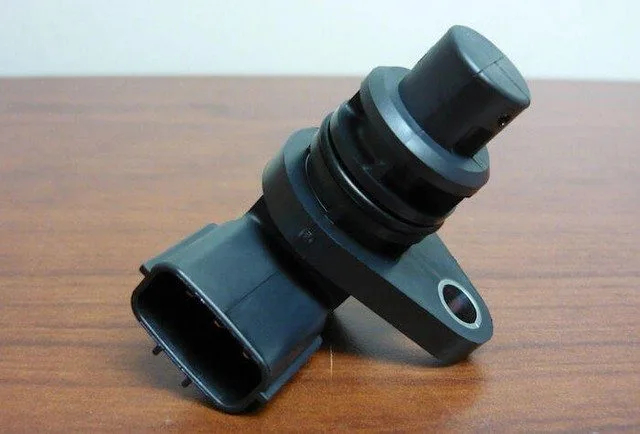
Photo of a transmission speed sensor:
P0721 Transmission Speed Sensor

What are some of the symptoms of the code?
Symptoms of a P0721 trouble code may include:

Poor fuel economy
Check Engine light on
Transmission not shifting
Transmission shifting roughly

Symptoms

Potential misfires
PCM puts the engine in limp mode
Speedometer displays an incorrect or erratic reading
What are some of the common causes of the code?

Causes

of this P0721 transmission code may include:

Faulty output speed sensor
Dirty or contaminated fluid
Dirty or clogged transmission filter
Faulty coolant temperature sensor
Faulty transmission valve body
Restricted hydraulic passages
Faulty shift solenoid
Corroded or damaged connector
Faulty or damaged wiring
Faulty PCM
What are the troubleshooting steps for P0721?
Before starting the troubleshooting process for any malfunction, you should research the technical service bulletins (TSBs) for the specific vehicle by year, model, and transmission. In some situations, this can save you a lot of time in the long run by pointing you in the right direction.

The first step is to ensure the fluid level is correct and inspect the condition of the fluid for any contamination. You should also check the vehicle records to verify the last time the filter and fluid were changed, if possible. A thorough visual inspection to check the associated wiring for obvious defects such as scraping, rubbing, bare wires, or burn spots is next. Check the connectors and connections for security, corrosion, and damaged pins. This should include all wiring and connectors for the output speed sensor, transmission solenoids, transmission pump, and PCM. Depending on the configuration, the transmission linkage should be inspected for security and freedom of movement.

Advanced Steps
Advanced steps become very vehicle-specific and require appropriate advanced equipment to perform correctly. These procedures require a digital multimeter and vehicle-specific technical references. You must follow the troubleshooting guidelines and sequence specific to your vehicle. Voltage requirements can vary greatly depending on the specific vehicle model and transmission configuration.

Continuity Checks
Continuity checks are always performed with the power disconnected from the circuit to avoid short-circuiting and causing more damage. Unless otherwise indicated in the technical data, normal readings for wiring and connections should be 0 ohms of resistance. Resistance or lack of continuity indicates faulty wiring that is open or short-circuited and must be repaired or replaced.

Common Repairs
Replacing fluid and filter
Replacing a faulty output speed sensor
Repairing or replacing a faulty shift solenoid
Repairing or replacing a faulty transmission valve body
Flushing the transmission to clean passages
Cleaning corrosion from connectors
Repairing or replacing wiring
Flashing or replacing PCM
Common Misdiagnosis
Engine misfire issue
Internal transmission problem
Transmission problem
I hope the information in this article has helped point you in the right direction to correct the issue with your transmission output speed sensor trouble code. This article is strictly informational, and the technical data and service bulletins specific to your vehicle should always take precedence.

Lexus P1442 Code: Diagnosing the EVAP Secondary Vent Valve

Understanding the Lexus P1442 Diagnostic Trouble Code

When your Lexus’s check engine light illuminates and you retrieve the OBD2 code P1442, you’re dealing with a specific issue within the vehicle’s Evaporative Emission Control System (EVAP). This code is manufacturer-specific, meaning its exact definition can vary, but for most Lexus models, it indicates a malfunction in the secondary vent valve control circuit. The EVAP system is critical for preventing fuel vapors from escaping into the atmosphere, and a P1442 code signifies that the Engine Control Module (ECM) has detected an irregularity in the electrical circuit controlling the secondary vent valve, also known as the Vacuum Switching Valve (VSV) for the vent control.

What is the EVAP System and Its Role?

The Evaporative Emission Control (EVAP) system is a sealed network designed to capture and store fuel vapors from the fuel tank, preventing their release into the atmosphere. It consists of several key components:

  • Fuel Tank: The source of the gasoline vapors.
  • Charcoal Canister: A container filled with activated charcoal that absorbs and stores fuel vapors.
  • Vent Valve: Allows fresh air to enter the system.
  • Purge Valve: Controls the flow of stored vapors from the canister to the engine intake to be burned during combustion.
  • Fuel Tank Pressure Sensor: Monitors pressure within the EVAP system.

The secondary vent valve is a crucial part of this system, typically a solenoid-operated valve controlled by the ECM.

Technical Definition of Code P1442

In technical terms, Diagnostic Trouble Code (DTC) P1442 is defined as “Secondary Vent Valve Circuit Malfunction.” The ECM monitors the voltage and electrical characteristics of the circuit that powers the secondary vent valve solenoid. If the signal falls outside a predetermined expected range—for instance, indicating an open circuit, a short to ground, or a short to power—the ECM will set this code and illuminate the check engine light. This is a circuit code, not a mechanical failure code, meaning the problem is primarily electrical.

Common Symptoms and Causes of P1442 on a Lexus

Recognizing the symptoms and understanding the underlying causes are the first steps toward an effective repair. While a Lexus with a P1442 code may sometimes drive normally, the illuminated check engine light is the most consistent symptom.

Primary Symptoms of a P1442 Fault

  • Illuminated Check Engine Light (MIL): This is the primary and most common indicator.
  • Failed Emissions Test: A active P1442 code will cause an immediate failure during a state emissions inspection.
  • Possible Fuel Odor: In some cases, a stuck-open vent valve can lead to a faint smell of gasoline around the vehicle.
  • No Observable Driveability Issues: It is very common for there to be no noticeable change in engine performance, fuel economy, or drivability.

Root Causes of the P1442 Code

The causes for a P1442 code are typically electrical or component-related. A systematic approach is required to pinpoint the exact issue.

  • Faulty Secondary Vent Valve/Solenoid: The most common cause. The internal coil of the solenoid can burn out or short, failing to open or close.
  • Open or Shorted Wiring: Damaged, corroded, or broken wires in the harness connecting the vent valve to the ECM.
  • Poor Electrical Connections: A corroded, bent, or loose connector at the vent valve or the ECM.
  • Blown Fuse: A fuse protecting the ECM or the vent valve circuit may have blown.
  • Faulty Engine Control Module (ECM): This is a rare cause, but a malfunctioning ECM that cannot properly control the valve circuit can trigger the code.

Step-by-Step Diagnostic Procedure for P1442

Diagnosing a P1442 code requires a digital multimeter (DMM), a reliable vehicle information source for wiring diagrams, and a methodical approach. Always begin with a visual inspection before performing electrical tests.

Step 1: Preliminary Visual Inspection

Start with a thorough visual check of the EVAP system components, focusing on the secondary vent valve. The valve is often located on or near the charcoal canister, which is typically found under the vehicle near the fuel tank.

  • Inspect the wiring harness connected to the vent valve for any obvious damage, chafing, or burns.
  • Check the valve’s electrical connector for corrosion, bent pins, or signs of being loose.
  • Look for any cracked or broken vacuum hoses connected to the valve.

Step 2: Electrical Testing of the Vent Valve Solenoid

Disconnect the electrical connector from the secondary vent valve. Using your multimeter, set it to measure resistance (Ohms).

  • Measure the resistance across the two terminals of the valve solenoid itself.
  • Consult your vehicle’s service information for the specific resistance specification. A typical range is often between 20 and 40 ohms at room temperature.
  • An infinite reading (OL) indicates an open coil (bad solenoid). A reading of zero or near-zero ohms indicates a shorted coil (bad solenoid). Any reading significantly outside the specified range means the valve is faulty and needs replacement.

Step 3: Checking Power and Ground to the Valve

With the valve connector still disconnected, turn the ignition key to the “ON” position (engine off).

  • Back-probe the connector and use your multimeter to check for battery voltage (approx. 12V) at the power wire. If no voltage is present, check the related fuse and trace the wiring back.
  • Check the ground circuit by setting your multimeter to continuity or resistance. Place one probe on the suspected ground terminal of the connector and the other on a known good ground point on the chassis. You should have very low resistance (less than 5 ohms). A high resistance indicates a bad ground circuit.

Step 4: Checking for ECM Command Signal

This test requires a helper. Reconnect the connector to the vent valve. Back-probe the control wire (the wire that goes to the ECM) with your multimeter set to DC Volts.

  • With the engine idling, have your helper use a professional scan tool to command the vent valve “ON” and “OFF”.
  • You should observe the voltage on the multimeter change (typically from 12V to 0V or vice-versa) as the command is given. If the voltage does not change, there is likely a fault in the wiring to the ECM or the ECM itself.

Repair and Prevention Strategies

Once the root cause has been identified through diagnosis, the repair is typically straightforward. After any repair, the code must be cleared and the system monitored to ensure the fix was successful.

Common Repair Procedures

  • Replacing the Secondary Vent Valve: If the solenoid fails the resistance test, replacement is the only option. This is the most common fix for P1442.
  • Repairing Wiring: If damaged wires are found, they must be repaired by splicing in new wire and sealing the connection properly with heat-shrink tubing.
  • Cleaning Connectors: If corrosion is found, clean the connector terminals with electrical contact cleaner and a small brush.
  • Replacing a Blown Fuse: If a fuse is blown, replace it. It is critical to diagnose *why* the fuse blew to prevent a recurrence.

Clearing the Code and Verifying the Repair

After completing the repair, clear the DTCs using an OBD2 scanner. The best practice is to drive the vehicle through a complete “drive cycle” to allow the ECM to run all its self-tests, including the EVAP monitor. If the code does not return, the repair was successful. A persistent code indicates that the underlying issue has not been fully resolved, and the diagnostic process should be revisited.

P0722 Output Speed Sensor No Signal

What Does It Mean?


This is a generic powertrain diagnostic trouble code (DTC) that applies to OBD-II vehicles. This may include, but is not limited to, vehicles from VW, BMW, Mercedes, Chevrolet, GMC, Allison, Duramax, Dodge, Ram, Ford, Honda, Hyundai, Audi, etc. Although generic, the exact repair steps may vary depending on the year, make, model, and powertrain configuration.

The OBD-II fault code P0722 is associated with the transmission output speed sensor.

When the powertrain control module (PCM) detects a malfunction in the output speed sensor circuit, a wide variety of codes can be triggered depending on the specific vehicle and automatic transmission.

Some of the most common code responses associated with transmission output speed sensor issues are codes P0720, P0721, P0722, and P0723, depending on the specific malfunction that alerts the PCM to set the code and activate the Check Engine light.

The purpose of the transmission output speed sensor is to provide the PCM with a signal indicating the rotational speed of the transmission output shaft. The PCM uses these readings to control the shift solenoids. The solenoids direct fluid between different hydraulic circuits and change the gear ratio at the appropriate time. Depending on the vehicle and transmission configuration, the output speed sensor may also control the speedometer reading. An automatic transmission is controlled by bands and clutches that shift gears by having fluid pressure in the right place at the right time. This process begins with the transmission output speed sensor.

The P0722 code is set by the PCM when it does not see a signal from the output speed sensor.

How Severe Is This DTC?

What Are Some of the Symptoms of the Code?
Symptoms of a P0722 fault code may include:

Poor fuel economy
Check Engine light on
Transmission not shifting
Transmission shifting roughly

Symptoms

Potential misfires
PCM puts the engine in limp mode
Speedometer displays an incorrect or erratic reading
What Are Some of the Common Causes of the Code?

Causes

of this P0722 transmission code may include:

Faulty output speed sensor
Dirty or contaminated fluid
Dirty or clogged transmission filter
Faulty coolant temperature sensor
Faulty transmission valve body
Restricted hydraulic passages
Faulty shift solenoid
Corroded or damaged connector
Faulty or damaged wiring
Faulty PCM
What Are the Troubleshooting Steps for P0722?
Before starting the troubleshooting process for any malfunction, you should research the technical service bulletins (TSBs) for the specific vehicle by year, model, and transmission. In some situations, this can save you a lot of time in the long run by pointing you in the right direction.

The first step is to ensure the fluid level is correct and inspect the condition of the fluid for any contamination. You should also check the vehicle records to verify the last time the filter and fluid were changed, if possible. A thorough visual inspection to check the associated wiring for obvious defects such as scraping, rubbing, bare wires, or burn points is next. Check the connectors and connections for security, corrosion, and damaged pins. This should include all wiring and connectors for the output speed sensor, transmission solenoids, transmission pump, and PCM. Depending on the configuration, the transmission linkage should be inspected for security and freedom of movement.

Advanced Steps
Advanced steps become very vehicle-specific and require appropriate advanced equipment to function properly. These procedures require a digital multimeter and vehicle-specific technical references. You must follow the troubleshooting guidelines and sequence specific to your vehicle. Voltage requirements can vary greatly depending on the specific vehicle model and transmission configuration.

Continuity Checks
Continuity checks are always performed with the power disconnected from the circuit to avoid short-circuiting and causing further damage. Unless otherwise indicated in the technical data, normal readings for wiring and connections should be 0 ohms of resistance. Resistance or lack of continuity is an indication of faulty wiring that is open or short-circuited and must be repaired or replaced.

Common Repairs
Replacing fluid and filter
Replacing a faulty output speed sensor
Repairing or replacing a faulty shift solenoid
Repairing or replacing a faulty transmission valve body
Flushing the transmission to clean passages
Cleaning corrosion from connectors
Repairing or replacing wiring
Flashing or replacing PCM
Common Misdiagnosis
Engine misfire issue
Internal transmission problem
Transmission issue
I hope the information in this article has helped point you in the right direction to correct the issue with your transmission output speed sensor fault code. This article is strictly informational, and the technical data and service bulletins specific to your vehicle should always take precedence.

P0723 Intermittent Output Speed Sensor

What does it mean?


This is a generic powertrain diagnostic trouble code (DTC) that applies to OBD-II vehicles. This may include, but is not limited to, vehicles from VW, BMW, Mercedes, Chevrolet, GMC, Allison, Duramax, Dodge, Ram, Ford, Honda, Hyundai, Audi, etc. Although generic, the exact repair steps may vary depending on the year, make, model, and powertrain configuration.

The OBD-II fault code P0723 is associated with the transmission output speed sensor.

When the powertrain control module (PCM) detects a malfunction in the output speed sensor circuit, a wide variety of codes can be triggered depending on the specific vehicle and automatic transmission.

Some of the most common code responses associated with transmission output speed sensor issues are codes P0720, P0721, P0722, and P0723, depending on the specific malfunction that alerts the PCM to set the code and turn on the Check Engine light.

The purpose of the transmission output speed sensor is to provide the PCM with a signal indicating the rotational speed of the transmission output shaft. The PCM uses these readings to control the shift solenoids. The solenoids direct fluid between different hydraulic circuits and change the transmission ratio at the appropriate time. Depending on the vehicle and transmission configuration, the output speed sensor may also control the speedometer reading. An automatic transmission is controlled by bands and clutches that shift gears by having fluid pressure in the right place at the right time. This process begins with the transmission output speed sensor.

The P0723 code is set by the PCM when it does not see a regular and consistent signal from the output speed sensor.

How severe is this DTC?

What are some of the symptoms of the code?
Symptoms of a P0723 fault code may include:

Poor fuel economy
Check Engine light on
Transmission not shifting
Transmission shifting roughly

Symptoms

potentially missed shifts
PCM puts the engine in limp mode
Speedometer displays an incorrect or erratic reading
What are some of the common causes of the code?

Causes

of this P0723 transmission code may include:

Faulty output speed sensor
Dirty or contaminated fluid
Dirty or clogged transmission filter
Faulty coolant temperature sensor
Faulty transmission valve body
Restricted hydraulic passages
Faulty shift solenoid
Corroded or damaged connector
Faulty or damaged wiring
Faulty PCM
What are the troubleshooting steps for P0723?
Before starting the troubleshooting process for any malfunction, you should research the technical service bulletins (TSBs) for the specific vehicle by year, model, and transmission. In some situations, this can save you a lot of time in the long run by pointing you in the right direction.

The first step is to ensure the fluid level is correct and inspect the fluid’s condition for any contamination. You should also check the vehicle’s records to verify the last time the filter and fluid were changed, if possible. A thorough visual inspection to check the associated wiring for obvious defects such as scraping, rubbing, bare wires, or burn spots is next. Check the connectors and connections for security, corrosion, and damaged pins. This should include all wiring and connectors for the output speed sensor, transmission solenoids, transmission pump, and PCM. Depending on the configuration, the transmission linkage should be inspected for security and freedom of movement.

Advanced Steps
Advanced steps become very vehicle-specific and require appropriate advanced equipment to function correctly. These procedures require a digital multimeter and vehicle-specific technical references. You must follow the troubleshooting guidelines and sequence specific to your vehicle. Voltage requirements can vary greatly depending on the specific vehicle model and transmission configuration.

Continuity Checks
Continuity checks are always performed with the power disconnected from the circuit to avoid short-circuiting and causing further damage. Unless otherwise specified in the technical data, normal readings for wiring and connections should be 0 ohms of resistance. Resistance or lack of continuity indicates faulty wiring that is open or short-circuited and must be repaired or replaced.

Common Repairs
Replacing fluid and filter
Replacing a faulty output speed sensor
Repairing or replacing a faulty shift solenoid
Repairing or replacing a faulty transmission valve body
Flushing the transmission to clean passages
Cleaning corrosion from connectors
Repairing or replacing wiring
Flashing or replacing PCM
Common Misdiagnosis
Engine misfire issue
Internal transmission problem
Transmission issue
I hope the information in this article has helped point you in the right direction to correct the issue with your transmission output speed sensor fault code. This article is strictly informational, and the technical data and service bulletins specific to your vehicle should always take precedence.