Knocking Noise in Car: Causes and Diagnosis

A clicking noise heard while driving is one of the most common problems that drivers report to our mechanics. Among common noise nuisances are squeaks, groans, knocks, and of course, clicks. With daily wear and tear, your car can develop various noise nuisances. These noises can come from multiple places: the suspension, steering, engine, tires, or even the air conditioning system. For example, a clicking noise may occur when driving on uneven roads, which could indicate a problem with the suspension. A common issue is the car clicking noise, which requires special attention. Early detection of this car clicking noise is crucial to avoid costly repairs. If you hear this car clicking noise, it is imperative to consult a professional to diagnose the problem. This could save you additional expenses in case of aggravated breakdown.

What are the causes of a clicking noise?

It is essential to understand that noises such as clicking are not just nuisances but can also be indicators of serious mechanical problems. Ignoring these noises could lead not only to costly repairs but also compromise your safety on the road. That is why it is necessary to regularly inspect your vehicle and pay attention to any unusual noise.

It is important not to ignore a car clicking noise, as it could indicate more serious underlying problems that require immediate attention. For example, a clicking noise coming from the engine may signal a problem with internal parts, which could lead to major repairs if not addressed in time.

It is important to note that driving conditions can also influence the appearance of these noises. For example, driving on poor roads can worsen the wear of suspension and steering system components, leading to additional clicking noises. Furthermore, temperature variations can affect certain materials, causing unexpected noises.

In addition to the mentioned problems, the air conditioning compressor is another element to watch. If the clicking noise occurs when the air conditioning is activated, it may be a sign that the compressor clutch is failing. In this case, it is important to consult a mechanic for a diagnosis before the problem worsens.

Several worn or defective components can be the cause of a clicking noise. The symptom is often related to these elements:

Regarding the braking system, it should be mentioned that the clicking noise can also be caused by worn brake pads. Pads that are too thin or poorly installed can cause knocking noises when you brake. Be sure to check your brake pads regularly to avoid safety issues.

Additionally, it is advisable to have your vehicle inspected regularly to identify potential problems before they become serious. For example, a semi-annual check can help you detect wear on suspension components and avoid unpleasant clicking noises while driving.

It is also useful to know that clicking noises can be present even when the vehicle is stationary. This can happen when the engine is idling and internal parts begin to wear. Be attentive to any noise that occurs when your vehicle is parked, as it could be a problem requiring immediate attention.

Air conditioning compressor and its clutch

As for the timing chain, it is imperative to know that incorrect tension can not only cause a clicking noise but also cause internal engine damage. Preventive diagnosis can save you from major and costly repairs.

A click can indicate a failing air conditioning compressor or a problem with its clutch.

In conclusion, it is essential to keep in mind that regular maintenance of your car is the best way to prevent clicking noises. By being proactive in your checks, you can not only improve the longevity of your vehicle but also ensure your safety on the road.

Braking system

Loose brake parts, requiring lubrication or tightening, can produce this type of noise. The brake hardware could also be broken.

Stabilizer bar (anti-roll bar)

Worn stabilizer bar links or bushings are very common potential causes of clicking, especially on rough roads.

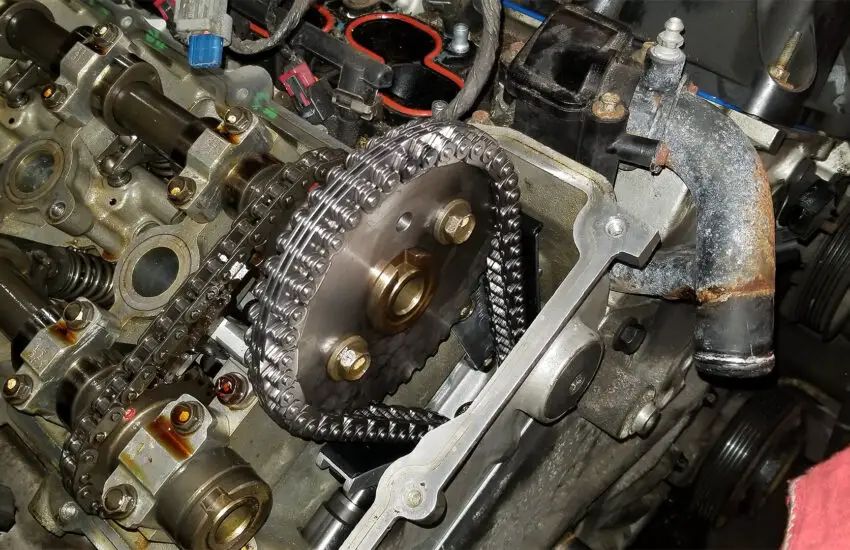
Timing chain

A loose timing chain can create a characteristic clicking noise when it taps against the guides and tensioners.

Other parts, such as control arms, steering bushings, and tie rod ends, can also wear out over time and require replacement. On some models, like Hyundai and Kia, a technical service bulletin (TSB) exists regarding the steering coupler causing a clicking noise while steering. Sometimes, the source is not mechanical: an object stuck in the cabin vents can also be the cause.

How to diagnose a clicking noise?

Identifying the source of a clicking noise can take multiple avenues. Our automotive technicians perform an accurate diagnosis to target the system involved and the specific culprit. For example, they may use a diagnostic tool to scan error codes, which can provide clues about the origin of the noise. To refine the search, they first inspect obvious problems (loose, worn, or broken parts), then use information from the customer – such as when the noise occurs (braking, using the A/C, going over bumps, acceleration) – to try to reproduce the problem. It is often helpful to take a road test with the technician to precisely indicate the noise you hear. A quick and accurate diagnosis can make a big difference in resolving the problem without incurring excessive costs.

Identifying the source of a clicking noise can take multiple avenues. Our automotive technicians perform an accurate diagnosis to target the system involved and the specific culprit. To refine the search, they first inspect obvious problems (loose, worn, or broken parts), then use information from the customer – such as when the noise occurs (braking, using the A/C, going over bumps, acceleration) – to try to reproduce the problem. It is often helpful to take a road test with the technician to precisely indicate the noise you hear.

Associated warning signs

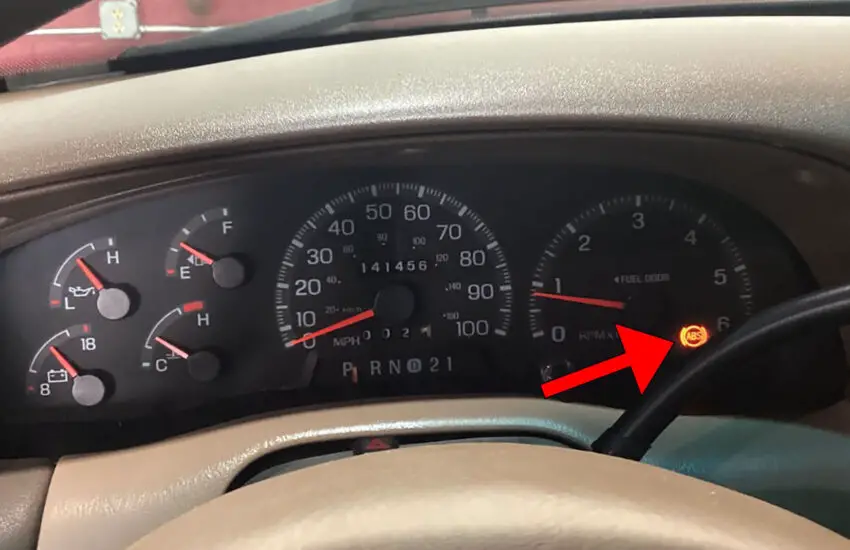
Sometimes, warning lights illuminate on the dashboard concurrently with the noise. A steering or suspension problem can activate the ABS or traction control light. It is crucial to check the dashboard for any additional warning lights that might indicate an underlying issue. A click coming from the engine, on the other hand, can trigger the check engine light. Communicating all these details to the garage, even if they seem trivial to you, is crucial for a quick and effective diagnosis. By noting these warning lights, you can help mechanics resolve the problem more effectively.

Sometimes, warning lights illuminate on the dashboard concurrently with the noise. A steering or suspension problem can activate the ABS or traction control light. A click coming from the engine, on the other hand, can trigger the check engine light. Communicating all these details to the garage, even if they seem trivial to you, is crucial for a quick and effective diagnosis.

HomeTowne Auto Repair & Tire is an auto center located near Lake Ridge, Virginia. We perform all types of repairs on all makes and models, including oil changes, brakes, alignments, inspections, and computerized engine diagnostics. If you are facing a car clicking noise, do not hesitate to contact us for a thorough diagnosis and reliable repairs.

Red Brake Witness Light On: Causes and Diagnosis | Expert Guide

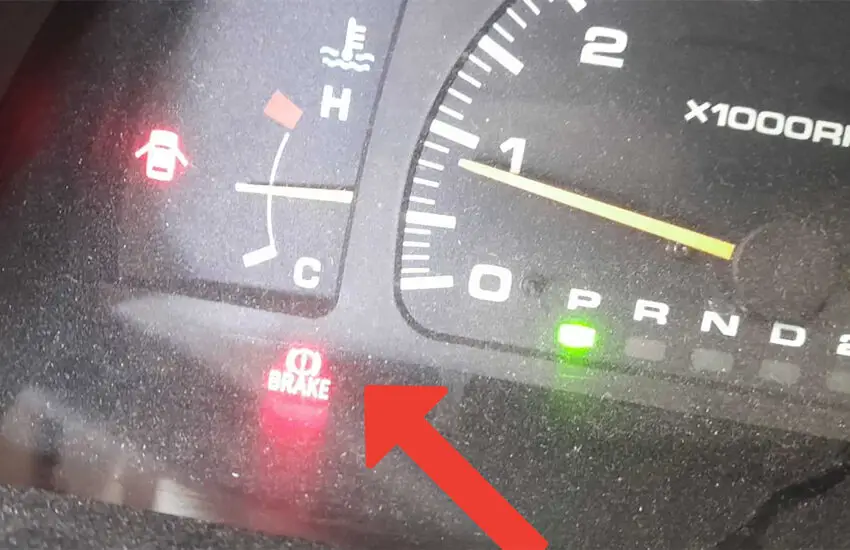
The red brake warning light illuminated on your dashboard is an alarm signal that should never be ignored. While it normally lights up when the parking brake is engaged, its persistence after disengagement often indicates an underlying issue requiring mechanical expertise. It is important to understand the implications of the red brake light.

Why is my brake light staying on?

The red brake light is a crucial indicator for your vehicle’s safety.

Several malfunctions can explain the untimely activation of the red brake light. An accurate diagnosis is essential to identify the root cause.

Parking Brake Problem

A faulty switch at the parking brake lever or pedal can send an incorrect signal to the computer, indicating that the parking brake is still activated, even when it is not.

Low Brake Fluid Level

Brake fluid plays a crucial role in the system. A level that is too low, often due to a leak, immediately activates the warning light. An empty reservoir, as seen on the Toyota 4Runner we repaired, is a critical sign.

ABS System Failure

On modern vehicles, a failure of the Anti-lock Braking System (ABS) can cause several warning lights to illuminate simultaneously, including the brake light, as well as the traction control and ABS lights themselves.

Worn Brake Pad Sensors

European vehicles are often equipped with wear sensors integrated into the brake pads. When the friction material becomes critically thin, the sensor triggers the warning light to alert you of the need for replacement.

Electrical Problem

With onboard electronics, a simple issue with the positioning of the electric parking brake motor can be enough to activate the warning.

How is a brake light diagnosis performed?

Our diagnostic process always begins with carefully listening to the symptoms reported by the customer. Our certified technicians then follow a rigorous methodology.

The initial checks always focus on the most common causes: the proper physical disengagement of the parking brake and the brake fluid level. Reading the error codes using a diagnostic scanner is then performed to obtain valuable clues from the vehicle’s computers.

If the fluid level is low, we search for a potential leak, either external (at a brake line, hose, or caliper) or internal (at the master cylinder, where fluid leaks into the brake booster and is burned by the engine without any visible sign).

Resolving Braking Problems

An illuminated warning light is sometimes accompanied by other symptoms: a spongy or hard brake pedal, increased braking distance, pulsations in the steering wheel or pedal, or grinding noises. It is imperative to entrust the investigation to a professional to ensure your safety and that of other road users. Remember that the red brake light is a vital indicator of your vehicle’s condition.

Car Starting Problems: 4 Little-Known Causes You Absolutely Must Know

Car starting problems: we often think of a dead battery, a faulty alternator, or a worn-out starter. But sometimes, the causes are much more obscure and technical, related to unexpected electronic or mechanical failures. It is essential to understand these car starting problems to avoid costly repairs.

A concrete case: the Audi A5 that refused to restart

Our workshop encountered an intriguing case: an immobilized Audi A5, displaying multiple error codes, including one related to the high-pressure injection pump and another to the crankshaft timing. Despite replacing these parts, the vehicle remained silent.

The real culprit? A short-circuited water pump sensor. On this engine, the crankshaft sensor, the camshaft sensor, and others operate with the same 5-volt reference. By disconnecting the water pump, which was starting to leak, the engine restarted instantly. Replacing it permanently solved the problem, a case so rare that our manager had never seen one in 20 years of his career.

Faulty sensors: the invisible culprits

Crankshaft and camshaft sensors are the most common causes of a no-start condition. The engine control unit uses them to synchronize ignition and injection. If it receives incorrect or missing information, it can block the starting process to prevent engine damage.

Problems with the tone ring

The tone ring is a toothed wheel read by sensors to determine the position and rotational speed. If it is misaligned, damaged, or if the tooth sequence is incorrect – for example, after an engine replacement – the data becomes inconsistent. The control unit, “confused,” then refuses to start.

Chewed cables: an unexpected scourge

Rodents appreciate the rubber insulation of electrical wiring harnesses. A car parked for a few days is enough for them to settle in the engine compartment, attracted by the heat, and gnaw on the cables. Several times a year, we discover nests responsible for phantom breakdowns, with no error codes, resolved simply by repairing the damaged cable.

How to diagnose a complex breakdown?

When faced with a no-start condition, start with the basics: test the battery and listen for a click when turning the key. If the problem persists, an electrical diagnosis and a scan with a professional tool are essential to read the error codes and trace the faulty circuit, especially in the absence of an obvious cause. In summary, car starting problems can be multiple and varied.

Car Vibrations: Causes and Diagnostics of Abnormal Behaviors

One of our customers driving their Hyundai Sonata noticed abnormal behavior: the engine RPM seemed unusually high when stopped at a red light.

After performing a smoke test on the intake system and cleaning the throttle body, no issues were detected. The vehicle was operating within normal parameters at the workshop. This idle increase was likely due to very low outside temperatures. Once the engine reached operating temperature, the RPM returned to normal.

What Causes Car Vibrations?

During winter, we service several vehicles that shake abnormally. The vibration may be felt in the steering wheel, at different speeds (such as between 60 and 80 km/h), or even when stationary.

Potential Sources of Vibrations

The origins of car vibrations are multiple:

  • Drive axles and shafts
  • Brake discs: If vibration occurs only during braking.
  • Drive shafts: Faulty CV joints or support bearings could be the cause.
  • Hydraulic engine mounts: Lack of fluid can cause vibrations.
  • Wheels and tires: Unbalanced wheel weights or snow accumulation in the wheels during winter are common causes.
  • Transfer case: A vibration symptom may result from failure of the transfer case connecting the transmission and front axle.

The Vibration Diagnostic Process

Vibration diagnosis follows a precise methodology, similar to that used for abnormal noises:

  1. Information gathering: We precisely note the driver’s concerns.
  2. Visual inspection: Tires and wheels are checked first.
  3. Fault reproduction: Our technicians try to reproduce the conditions under which the vibration appears (testing at specific speeds, when stationary, etc.).

The more precise you are in describing the problem (when, how, where it occurs), the faster and more effective the diagnosis will be. Don’t hesitate to ask your garage what diagnostic steps they plan for your situation.

ABS Light On: Causes, Diagnosis and Solutions | Complete Guide

The illuminated ABS warning light on your dashboard is an alert signal that should not be ignored. This crucial system, constantly active during braking, turning, or acceleration, ensures that your tires properly grip the road. Its role is to maintain a consistent relative speed between the wheels and prevent them from locking up in emergency situations.

How the ABS System Works

The Anti-lock Braking System (ABS) relies on a network of sensors located at each wheel. These sensors, equipped with a magnetic element, monitor the rotational speed via a tone ring housed in the hub or bearing. This data is transmitted in real-time to the Engine Control Module (ECM) or Powertrain Control Module (PCM).

If the computer detects an anomaly, such as a wheel slowing down abruptly during braking (for example, dropping from 40 km/h to 22 km/h), it activates the ABS modulator. This component pulses the brake fluid to release the wheel and prevent it from locking, allowing you to maintain steering control.

Why Does the ABS Light Come On?

Several malfunctions can trigger the ABS warning light:

Main Causes

Low brake fluid level: An insufficient level is a common cause, especially on certain models.
Wheel sensor failure: A faulty or dirty sensor sends incorrect information to the computer.
Tone ring problem: A damaged or corroded tone ring cannot be read correctly by the sensor.
ABS computer fault: A failure of the electronic module itself.
Connection issues: Oxidized connectors, damaged wires, or a blown fuse.

Other Possible Origins

The system can also be deactivated by a problem related to traction control, with which it is often inseparable. Sometimes, excessive corrosion around a sensor can slightly displace it, moving it away from the tone ring. The computer then interprets a signal that is too weak as an “unrealistic” situation and illuminates the warning light.

How to Diagnose an ABS Problem?

Diagnosis always begins with checking the basics: battery voltage, condition of connections, and cleanliness of terminals. A technician then uses a diagnostic tool to read the fault codes recorded by the computer. These codes serve as a starting point for investigating in the right direction: testing sensors, inspecting tone rings, checking modulators, etc.

If your vehicle’s ABS warning light is on, it is essential to entrust the diagnosis to a professional to ensure your safety and the proper functioning of the system.

Top 10 Essential BMW Accessories | Owner’s Guide

Owning a BMW is much more than driving a car; it’s embracing a unique experience. Synonymous with luxury, performance, and technical excellence, BMWs embody the precision of German engineering. For many owners, enhancing this experience involves investing in the right accessories – elements that add comfort and style while improving practicality and protecting the vehicle’s value.

1. BMW Floor Mats and Trunk Liner

Protecting your vehicle’s interior is one of the smartest investments. Genuine BMW floor mats and trunk liners are specifically designed to perfectly fit each model, offering superior coverage and unmatched durability.

2. Phone Mounts and Advanced Infotainment

Enhance your BMW’s connectivity with accessories like wireless charging stations, approved smartphone mounts, or upgraded interfaces that enable retrofitting Apple CarPlay or Android Auto on older models.

3. BMW Performance Parts

For those looking to amplify the driving experience, performance accessories are essential. Consider sport exhaust systems for a richer sound, performance air filters for better breathing, or sport suspension kits for optimized handling.

4. Stylish Alloy Wheels

Wheels make all the aesthetic difference. Investing in a set of premium alloy wheels not only sharpens your BMW’s look but also contributes to its driving performance.

5. Roof Racks and Storage Solutions

Essential for weekend getaways, BMW roof racks and roof boxes, bike racks, or surfboard carriers offer added practicality without sacrificing aerodynamics.

6. Interior Accessories

Customize your cabin with ambient lighting kits, carbon fiber inserts for a sporty feel, or seat covers to preserve the premium materials.

7. Onboard Cameras and Security

For enhanced security, BMW dashcams integrate discreetly with no visible wires. Also consider tire pressure monitoring systems or advanced parking sensors.

8. Protective Covers

A custom-fit protective cover offers excellent defense against dust, UV rays, rain, and impacts, preserving your vehicle’s paint.

9. Enhanced Lighting Systems

LED headlights for better visibility, Laserlight upgrades (on certain models), or interior LED kits for a premium ambiance.

10. Maintenance and Care Kits

Specialized care products formulated for your BMW’s premium surfaces (bodywork, wheels, leather, glass) are essential for maintaining it in impeccable condition.

Choosing BMW accessories means investing in the ultimate driving experience. From practical items to performance upgrades, they help you get the most out of your vehicle while protecting your long-term investment.

Car Warning Symbols and Indicators: Complete Guide to Their Meaning

Car warning symbols and indicators are essential indicators of your vehicle’s health. Modern automobiles are equipped with a multitude of electronic features, and the dashboard now integrates many warning lights of different colors. Understanding these warnings is crucial for your safety and the preservation of your vehicle. Generally, a red light signals an urgent problem requiring immediate action, while an orange or yellow light indicates a malfunction to monitor. A blue or green light is often informative. This guide deciphers the meanings of the most common indicators.

1. Engine Oil Pressure Warning Light

Engine oil pressure warning light

This light, often represented by an oil can, illuminates in case of loss of oil pressure in the engine. Causes can be oil level too low, a leak, an oil pump problem, or a clogged oil filter. This is a critical alert. Continuing to drive can lead to severe and irreversible engine damage. Stop the vehicle as soon as it is safe to do so and check the oil level.

2. Engine Temperature Warning Light

Engine overheating warning light

Symbolized by a thermometer dipping into waves, this light signals engine overheating. The coolant temperature has exceeded the normal limit. Frequent causes are insufficient coolant level, a faulty fan, a stuck thermostat, or a leak in the cooling circuit. Stop the vehicle immediately, turn off the engine, and wait for it to cool down before opening the hood and inspecting the coolant level. Driving with an overheating engine causes very serious damage.

3. Door Ajar Warning Light

Car door ajar warning light

This pictogram, which represents a car with open doors, displays when one or more doors, as well as the trunk or hood, are not properly closed. On some models, the display even specifies which door is concerned. Make sure all closures are properly locked before starting.

4. Battery Charge Warning Light

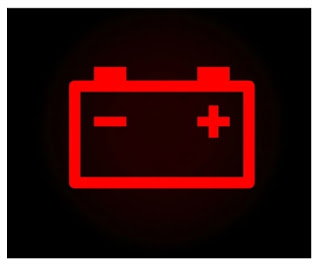
Battery and alternator warning light

This battery-shaped light indicates a problem with the vehicle’s charging system. The alternator is no longer producing enough electricity to recharge the battery and power the equipment. The cause can be a broken alternator belt, a faulty alternator, or loose or corroded battery cables. If this light comes on, turn off all non-essential electrical equipment (air conditioning, car radio) and go to a garage without turning off the engine, at the risk of not being able to restart.

5. Parking Brake and Brake Fluid Warning Light

Parking brake and brake fluid warning light

An exclamation point inside a circle surrounded by parentheses is the symbol for the braking system. If it illuminates while the parking brake is released, it indicates a brake fluid level that is too low, often due to worn brake pads or a leak. This is a major safety issue that requires immediate inspection by a professional.

6. Seat Belt Warning Light

Seat belt not fastened warning light

This universal pictogram of a person wearing a seat belt lights up to remind the driver and passengers to fasten their seat belts. On many models, an audible warning accompanies the light.

7. Airbag Malfunction Warning Light

Airbag malfunction warning light

Depicting a seated figure facing an inflated airbag, this light signals a malfunction in the Supplemental Restraint System (airbags). If it stays on after starting or illuminates while driving, it means the airbags might not deploy in an accident. Consult an authorized garage for a diagnosis.

8. Engine Malfunction Warning Light (Check Engine)

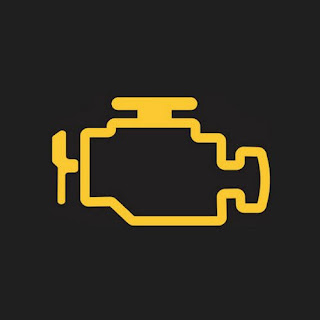
Check engine warning light

Often called the “check engine” light, this orange, engine-shaped light illuminates when a fault is detected by the engine control unit. The cause can be minor (a loose gas cap) or more serious (ignition problem, catalytic converter, oxygen sensor). Although the vehicle often remains operational, a prompt consultation with a mechanic is recommended to avoid worsening the problem.

9. Low Fuel Level Warning Light

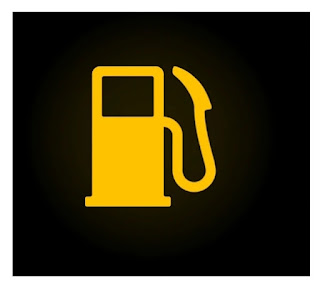
Low fuel level warning light

This universal gas pump symbol signals that the fuel level is low and it’s time to refuel. It often starts flashing when the reserve level is reached.

10. Diesel Fuel Filter Warning Light (Diesel Vehicles)

Diesel fuel filter water warning light

Specific to diesel engines, this light indicates that the fuel filter has accumulated an excess of water (from condensation). The water must be drained or the filter must be replaced to avoid damage to the very sensitive injection system.

Conclusion

Understanding your car’s warning symbols and indicators is fundamental for safe driving and preserving your vehicle’s longevity. If in doubt about the meaning of a warning light, especially if it is red, consult the owner’s manual or an automotive professional without delay. Never risk ignoring a critical alert.

How to Change a Flat Tire: 5 Easy and Safe Steps

Changing a flat tire is one of the most common roadside breakdowns. A simple nail or sharp object can quickly turn a peaceful journey into a stressful situation. Whether it’s a standard or tubeless tire, it is absolutely not recommended to continue driving on a flat tire, as it risks severely damaging the rim, suspension, or even causing loss of vehicle control.

However, many people do not know how to proceed, even though all the necessary equipment – spare tire, jack, and lug wrench – is usually found in the trunk. This article guides you step by step to safely replace a flat tire yourself in just 10 to 15 minutes.

Step 1: Find a Flat, Stable, and Safe Location

As soon as you notice a loss of pressure or abnormal vehicle behavior, immediately turn on your hazard lights (warning) to alert other drivers. Drive gently to pull over to the side of the road, preferably choosing a parking area, lot, or a clear emergency stopping lane.

Choose ground that is as flat and hard as possible (avoid loose soil or slopes). Once properly parked, engage the parking brake and put the car in gear (first or reverse) to secure the vehicle and prevent any movement during the operation.

Step 2: Prepare the Vehicle and Loosen the Lug Nuts First

Before lifting the car, take the spare tire, jack, and lug wrench out of the trunk. Locate the specific lifting point indicated in the owner’s manual (often a notch or sturdy reinforcement under the door sill, near the affected wheel).

Place the jack at this spot but do not lift the vehicle yet. Use the wrench to slightly loosen the lug nuts of the flat tire by turning counterclockwise. Do not remove them completely; just break their initial tightness. It is much easier to do this when the wheel is still on the ground.

Step 3: Lift the Vehicle in a Stable and Secure Manner

Now you can operate the jack to lift the vehicle. Do so slowly and steadily, ensuring the jack remains straight and stable. The tire should be sufficiently off the ground (about 2 inches) to allow removal and replacement with the spare tire, which is usually inflated and therefore taller.

⚠️ Crucial Safety Tip: Never place any part of your body under the vehicle when it is raised by the jack. The jack could fail.

Step 4: Remove the Flat Tire and Mount the Spare Tire

Once the car is raised, you can finish unscrewing the lug nuts and carefully remove the flat tire. Place it flat under the vehicle’s chassis, near the jack. This extra precaution provides passive safety in case the jack fails.

Then, position the spare tire onto the studs, aligning the holes. Screw the lug nuts on by hand in a crisscross (star) pattern to ensure the wheel is perfectly straight and balanced. Tighten them as much as possible by hand to avoid moving the vehicle on the jack.

Step 5: Lower the Car and Tighten the Lug Nuts Finally

Lower the vehicle using the jack until the spare tire lightly touches the ground. Remove the flat tire from under the car. Then use the lug wrench to tighten the lug nuts as firmly as possible, still following a crisscross tightening pattern. This ensures even clamping and prevents wheel warping.

Lower the vehicle completely and remove the jack. Perform a final check by tightening all the lug nuts one last time. Carefully store the flat tire, jack, and wrench in the trunk. It is imperative to have the flat tire repaired or replaced as soon as possible, as the spare tire (often a temporary “donut” spare) is usually a temporary solution with speed and distance limitations.

Conclusion

Knowing how to change a flat tire is an essential skill for every driver. By following these 5 methodical steps and always prioritizing your safety, you can turn a stressful breakdown into a simple formality. Remember to regularly check the pressure of your spare tire and the condition of your equipment to be prepared for any eventuality.

Car Maintenance Schedule by Mileage: The Complete Guide

A mileage-based car maintenance schedule is essential to ensure the longevity, reliability, and safety of your vehicle. This regular preventive maintenance helps avoid costly breakdowns and maintains optimal engine performance. It is imperative to always first refer to your vehicle’s manufacturer maintenance manual, which is the absolute reference for interventions specific to your model, their frequency, and the types of parts to use.

Maintenance to be performed every 10,000 km

This maintenance visit is the most common and forms the basis of preventive maintenance. It mainly includes replacing the engine oil and oil filter, according to the manufacturer’s recommendations. During this interval, it is also crucial to carry out a thorough inspection of several elements: the air filter, transmission oil, coolant level, windshield washer fluid, and the condition of the wiper blades. A check of all exterior lights (headlights, brake lights, turn signals, license plate lights) is also necessary. Finally, do not forget to have the tire wear and pressure, the condition of the front suspension checked, and to have the wheel alignment done.

Maintenance to be performed every 20,000 km

During this maintenance, it is appropriate to repeat all the operations from the 10,000 km service. However, the 20,000 km mark often signifies the addition of several important replacements. It is generally recommended to change the air filter, fuel filter, coolant, and the cabin air filter (pollen filter) of the HVAC system. This is also the ideal time to visually inspect the radiator hoses, brake pad wear, and all suspension components to detect any premature wear or abnormal play.

Maintenance to be performed every 30,000 km

The 30,000 km maintenance follows the standard 10,000 km program. It is a fundamental maintenance visit that ensures the vital elements of the vehicle are in perfect condition. Particular attention should be paid to components such as the battery’s water level (if it is not sealed), as well as a thorough check of the running gear, wheel geometry, and wheel balancing. This service is an opportunity to perform a complete health check of your car.

Maintenance to be performed every 40,000 to 60,000 km

This interval corresponds to a major service. Although replacing the engine oil, oil filter, and air filter remains paramount, other interventions become critical. It is strongly advised to replace the brake pads (and sometimes the discs), brake fluid, radiator hoses, coolant, and power steering fluid. The centerpiece of this maintenance is the inspection, or even systematic replacement, of the timing belt (or chain) and all accessory belts (alternator, air conditioning). A complete diagnosis of the air conditioning system, suspension components, and tire wear is also essential.

The importance of original parts

To guarantee perfect compatibility, the advertised performance, and optimal longevity, it is highly recommended to use genuine replacement parts or parts of equivalent quality, as recommended in the owner’s manual. Manufacturer parts are specifically designed for your vehicle model and offer the best guarantee of reliability and safety in the long term.

In conclusion, strictly following a mileage-based car maintenance schedule is the secret to preserving your vehicle’s value and driving with complete peace of mind. Your maintenance manual remains your best ally for customizing this schedule according to the specifics of your engine and your driving style.

How to Repair a Faulty Air Conditioner Fan Motor: Abnormal Noises and Breakdowns

A blower motor that no longer works is a common and frustrating failure. This essential component of the heating and air conditioning system can fail in several ways, ranging from partial operation to concerning noises. For example, a failure of the blower motor resistor can result in operation only at the maximum speed. In other cases, such as on this Volkswagen Jetta SportWagen, the motor itself may emit squeaking or loud humming noises, indicating wear or a mechanical problem. This article guides you through the diagnostic and repair steps to identify the source of the problem, whether it’s the motor, the resistor, or another element of the circuit.

Common Symptoms of a Failing Blower Motor

Several warning signs indicate a problem with the blower motor. The most obvious symptom is a total absence of airflow from the vents at all speeds. Another frequent malfunction is the fan being stuck at a single speed, often the highest, which usually points to a failure of the resistor module. Finally, the appearance of abnormal noises (squeaking, clicking, humming) when the ventilation is started is a clear indicator of a worn-out motor or one with defective bearings.

How to Test the Motor and Its Resistor

Before replacing expensive parts, it is crucial to perform a few simple diagnostic tests. To test the motor itself, a direct check by connecting it to an external power source (such as the car battery) allows you to verify if it spins. If it works, the fault lies elsewhere. Testing the blower resistor is done using a multimeter to measure continuity and resistance between its pins. An infinite resistance value (open circuit) on a track indicates that the component is burned out and must be replaced.

Replacement Steps

Once the faulty component is identified, replacement can usually be performed with basic tools. The blower motor is often accessible under the dashboard on the passenger side. After disconnecting the battery and the electrical connector, simply unscrew a few fasteners to remove it. The resistor, on the other hand, is often located in the fan housing and is even simpler to change. Always be sure to consult the specific repair manual for your vehicle model for precise instructions.