Fuel Temperature Sensor A Circuit Intermittent

P0184 Fuel Temperature Sensor A Circuit Intermittent: Diagnosis and Solutions

P0184 is a generic diagnostic trouble code (DTC) related to the powertrain, applicable to most OBD-II equipped vehicles (Nissan, Ford, Fiat, Chevrolet, Toyota, Dodge, etc.). It indicates that the Powertrain Control Module (PCM) has detected an intermittent or erratic voltage signal from the Fuel Temperature Sensor “A” circuit. This fault can impact the air-fuel mixture calculation and engine performance.

Understanding the P0184 Code

The fuel temperature sensor is typically integrated within the fuel composition sensor, located between the fuel tank and the fuel rail. Its role is crucial: it analyzes the fuel composition (ethanol percentage, water presence) and measures its temperature. The PCM uses this data, transmitted as electrical signals and waveforms, to precisely adjust the injection strategy, especially on flex-fuel vehicles. An intermittent signal disrupts these calculations and triggers the P0184 code.

Symptoms of the P0184 Code

The severity of this code is moderate to severe, as it can affect fuel consumption and performance. Symptoms include:

  • Illumination of the Malfunction Indicator Lamp (MIL) on the dashboard.
  • Decreased engine performance or engine hesitation/misfires.
  • Increased fuel consumption.
  • Possible presence of other codes related to fuel composition.
  • Sometimes, no obvious symptoms are noticeable.

Possible Causes of the P0184 Fault

Several elements can be the origin of this fault code:

  • Electrical Problems: Shorted, damaged, corroded, or loose wires, wiring, or connectors in the circuit.
  • Faulty Sensor: The fuel temperature/composition sensor itself is malfunctioning.
  • Related Sensors: A faulty intake air temperature sensor or an ambient air temperature sensor can send conflicting data.
  • PCM Failure: A programming error or internal failure of the control module (less common).

Diagnostic and Repair Procedures

Before starting, consult the manufacturer’s Technical Service Bulletins (TSBs) to check if the problem is subject to a recall or a specific procedure.

  1. Visual Inspection: Thoroughly inspect the wiring harness and connectors associated with the sensor. Look for any signs of damage, corrosion, or burning.
  2. Clearing Codes: After any minor repair (e.g., tightening a connector), clear the codes and drive the vehicle to see if the fault reappears.
  3. Electrical Test (DVOM): Using a Digital Volt-Ohm Meter (DVOM), check for the presence of the reference voltage (usually 5V) and ground at the sensor connector. Absence of voltage may indicate a wiring problem or, as a last resort, a faulty PCM.
  4. Sensor Test: Measure the sensor’s resistance and compare it to the manufacturer’s specified values. Always disconnect the PCM before these tests to avoid damaging it.
  5. Advanced Analysis (Oscilloscope): For precise diagnosis, use an oscilloscope to observe the signal waveform. Compare the displayed fuel temperature with an actual measurement taken using an infrared thermometer. A discrepancy indicates a faulty sensor.

Conclusion and Call to Action

Diagnosing a P0184 code requires a methodical approach, starting with the simplest checks. Although some symptoms may be subtle, do not ignore this code at the risk of encountering performance and consumption issues. If the diagnostic procedures are beyond your skills, consult a professional mechanic equipped with the necessary tools and technical data for a reliable and lasting repair.
P0185 Fuel Temperature Sensor B Circuit Malfunction

🚨 Code P0185: Definition and Meaning

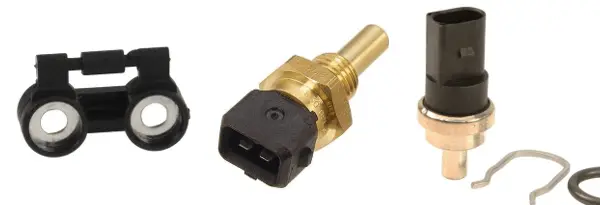
The OBD-II error code P0185 indicates a malfunction in the fuel temperature sensor B circuit. This sensor, often integrated with the fuel composition sensor, is crucial for flex-fuel vehicles (FFVs). It measures both the fuel temperature and ethanol content, allowing the Powertrain Control Module (PCM) to precisely adjust the air-fuel mixture and ignition timing.

⚠️ Symptoms of Code P0185

  • 📛 Check Engine Light (MIL) illuminated after several start cycles.
  • ⛽ No noticeable symptoms in many cases (intermittent fault).
  • 🔧 Related error codes that may appear (e.g., P0172 – System Too Rich, P0175 – System Too Rich Bank 2).
  • ⤴️ Potential increase in fuel consumption.
  • 🚗 Slight lack of power or idle irregularities.

🔍 Possible Causes of the Malfunction

Causes Details
🔥 Faulty Composition/Temperature Sensor Internal sensor failure, providing incorrect measurements.
🔌 Electrical Circuit Problem Cut wires, short to ground or battery, oxidized or loose connectors.
🌡️ Faulty Reference Sensors Incorrect data from the ambient or intake air temperature sensor.
🤖 PCM Failure Internal problem with the control module (extremely rare).

🛠️ Diagnosing Code P0185

  1. 📑 Check Technical Service Bulletins (TSB): Look for any recalls or specific PCM reprogramming procedures for your vehicle.
  2. 🔎 Thorough Visual Inspection: Check the sensor harness, connectors, and terminals for any signs of corrosion, damage, or poor contact.
  3. 🔌 Electrical Tests (DVOM):
    • Verify the presence of the 5V reference supply at the connector.
    • Test for continuity and absence of resistance on the ground line.
    • Check the signal circuit for shorts or breaks.
  4. 📉 Signal Analysis (Oscilloscope): Observe the signal waveform to check its consistency (frequency indicates composition, duty cycle indicates temperature).
  5. 📏 Sensor Resistance Measurement: Compare the sensor’s ohmic value (once disconnected) to the manufacturer’s specifications.

⚡ Solutions and Repairs

Step Action
1️⃣ Circuit Repair Repair or replace damaged wires. Clean oxidized connectors.
2️⃣ Sensor Replacement Replace the fuel composition/temperature sensor if electrical tests confirm its failure.
3️⃣ PCM Update Have the PCM reprogrammed by a professional according to an applicable TSB.
4️⃣ Code Clearing Clear the memory code and perform a drive cycle to verify the fault does not return.

💡 Professional Tip

Use a high-quality automotive scanner (like Autel, Snap-On, or Launch) to observe the live data from the fuel temperature sensor. Compare the read values with an infrared thermometer aimed at the tank for a quick check of data plausibility.

🚫 Risks of Ignoring Code P0185

  • Catalytic Converter Damage: An incorrect air-fuel mixture can cause overheating and destroy the catalytic converter, a very expensive part.
  • Excessive Fuel Consumption and increased pollutant emissions.
  • Long-term Engine Performance impairment.

❓ Frequently Asked Questions (FAQ)

Can I drive with a P0185 code?
It is often possible to drive short distances, but prompt repair is recommended to avoid damaging the catalytic converter and optimize fuel consumption.

Where is the sensor located?
It is typically located on the fuel rail, the fuel pump module, or in the fuel return line. Consult your vehicle’s repair manual.

🔧 Need Help? Get Your Vehicle Diagnosed!

Diagnosing this code can be complex. If you do not have the necessary tools or expertise, entrust the diagnosis to a professional mechanic. They will have the tools and precise technical data to identify and resolve the problem effectively, saving you from costly repairs.

Fuel Temperature Sensor B Circuit Range / Performance

Code P0186: Fuel Temperature Sensor B Circuit Range/Performance

The error code P0186 is a generic powertrain code applicable to most OBD-II equipped vehicles (Nissan, Ford, Fiat, Chevrolet, Toyota, Dodge, etc.). It indicates that the Powertrain Control Module (PCM) has detected an abnormal voltage signal from the fuel temperature sensor B circuit, outside the expected operating range.

Role of the Fuel Temperature Sensor

The fuel temperature sensor is typically integrated with the fuel composition sensor. Located between the tank and the fuel rail, it measures both the fuel composition (ethanol content, water, contaminants) and its temperature. This data is essential for the PCM to accurately adjust fuel injection, especially on flex-fuel vehicles.

Symptoms of Code P0186

  • No noticeable symptoms (asymptomatic in some cases)
  • Illumination of the Malfunction Indicator Lamp (MIL)
  • Possible presence of other codes related to fuel composition
  • Abnormal air-fuel mixture affecting performance

Possible Causes

  • Faulty fuel temperature/composition sensor
  • Wiring issue: open circuit, short circuit, or damaged connectors
  • PCM failure or programming error
  • Faulty intake air temperature sensor

Diagnostic Procedures

Start by consulting the manufacturer’s Technical Service Bulletins (TSBs) to check if the issue is subject to a recall or specific procedure.

Recommended equipment: OBD2 scanner, digital multimeter (DVOM), oscilloscope, infrared thermometer.

  1. Visual Inspection: Check the condition of the connectors and wiring associated with the sensor. Look for any signs of corrosion, damage, or disconnection.
  2. Electrical Test: Using a multimeter, check for the presence of the reference voltage (5V) and ground at the sensor connector. No signal? Check the circuit up to the PCM.
  3. Sensor Test: Use an oscilloscope to analyze the sensor’s output signal. Compare the actual fuel temperature (measured with an infrared thermometer) with the value read by the scanner. A significant discrepancy indicates a faulty sensor.
  4. Resistance Test: Measure the sensor’s resistance (refer to manufacturer specifications). Remember to disconnect the connector before any measurement.

Repair and Tips

After any repair, clear the codes and perform a road test to ensure the fault does not reappear. If the PCM enters “ready” mode and the MIL does not come back on, the issue is resolved.

💡 Need help? Consult a professional equipped with advanced diagnostic tools for an accurate diagnosis, especially if you suspect a PCM failure.

P0187 Low Input in Fuel Temperature Sensor B Circuit

What is the P0187 Code?

The P0187 error code is a generic powertrain code applicable to most vehicles equipped with the OBD-II standard (Toyota, Ford, Nissan, Fiat, Chevrolet, Dodge, etc.). It indicates that the Powertrain Control Module (PCM) has detected an abnormally low voltage signal from the Fuel Temperature Sensor B circuit.

Function of the Fuel Temperature Sensor

The fuel temperature sensor is often integrated with the fuel composition sensor. This assembly, located between the fuel tank and the injection rail, analyzes in real-time the composition (ethanol percentage, presence of water) and the temperature of the fuel.

It sends a signal to the PCM in the form of a square wave. The pulse width (horizontal part) corresponds to the temperature: the wider it is, the higher the temperature. If this value falls outside the expected range or is inconsistent (e.g., significantly lower than ambient temperature), the PCM records the P0187 code and may illuminate the Malfunction Indicator Lamp (MIL).

Severity and Symptoms of the P0187 Code

This code is considered severe because an incorrect fuel temperature skews the PCM’s calculations for injection and combustion, which can eventually damage the engine.

Symptoms may include:

  • Illumination of the Malfunction Indicator Lamp (MIL)
  • No obvious symptoms (the vehicle appears to operate normally)
  • Presence of other codes related to fuel composition
  • Possibility of rough idle or slight power loss

Possible Causes of the P0187 Code

Several failures can be the cause of this code:

  • Faulty fuel temperature/composition sensor
  • Faulty wiring (open circuit, short circuit, oxidized or damaged connectors)
  • Poor sensor ground
  • Problem with the PCM module (faulty module or programming error)
  • Poor quality or heavily contaminated fuel

Diagnosis and Repair Procedures

⚠️ Important Tip: Always start by consulting your manufacturer’s Technical Service Bulletins (TSBs). It might be a known issue with a specific correction procedure.

Required Tools

  • Advanced OBD-II scanner (with live data viewing)
  • Digital Multimeter (DVOM)
  • Oscilloscope (recommended for precise analysis)
  • Infrared thermometer
  • Technical documentation (e.g., AllData, Mitchell1)

Diagnostic Steps

  1. Visual Inspection: Carefully inspect the wiring and connectors associated with the sensor. Look for any signs of damage, corrosion, or burning.
  2. Electrical Test: Using the multimeter, check for the presence of the reference voltage (usually 5V) and ground at the sensor connector (engine off, ignition on).
  3. Sensor Test: If the power and ground are correct, use the oscilloscope to observe the sensor’s signal. Compare the temperature read by the scanner with a physical measurement taken with the infrared thermometer on the fuel line. A significant discrepancy indicates a faulty sensor.
  4. PCM Test: If the signal is absent at the sensor connector but present at the PCM, the problem lies in the wiring. If the signal is absent even at the PCM, the PCM is potentially faulty.

💡 Tip: After any repair, clear the codes and perform a drive cycle to verify that the code does not reappear and that the PCM enters the “ready” mode.

Conclusion and Call to Action

The P0187 code should not be ignored. Accurate diagnosis helps avoid costly repairs and ensures your engine’s performance and longevity.

Don’t feel comfortable with these procedures? Entrust the diagnosis to a professional mechanic equipped with the proper tools for a reliable diagnosis.

P0188 High Input of Fuel Temperature Sensor B Circuit

Code P0188: High Input from Fuel Temperature Sensor B Circuit

Meaning of Fault Code P0188

The generic code P0188 indicates that the Powertrain Control Module (PCM) has detected an abnormally high voltage signal from the fuel temperature sensor circuit. This sensor is often integrated with the fuel composition sensor. The designation “B” refers to a specific circuit within the system.

Sensor Role and Symptoms

The fuel composition and temperature sensor, located between the tank and the injection rail, analyzes the fuel. It transmits crucial data to the PCM about ethanol content, contaminants, and temperature, which are essential for calculating the fuel dosage. An incorrect temperature signal can disrupt the air-fuel mixture.

Common Symptoms:

  • Malfunction Indicator Lamp (MIL) illuminated
  • No visible symptoms (often the case)
  • Possible presence of other codes related to fuel composition
  • Rich mixture potentially affecting performance and fuel consumption

This code is considered serious because it impacts the injection strategy, especially on flexible-fuel vehicles.

Possible Causes of Code P0188

  • Faulty fuel temperature/composition sensor
  • Damaged wiring or connectors, short circuits, or open circuits
  • Problem with the intake air temperature sensor or ambient air temperature sensor
  • PCM failure or programming error (rare)

Diagnosis and Repair Procedures

1. Preliminary Check: First, consult the manufacturer’s Technical Service Bulletins (TSBs) to rule out a known issue.

2. Visual Inspection: Carefully inspect the associated wiring and connectors for any signs of damage, corrosion, or burning.

3. Recommended Tools: An advanced OBD-II scanner, a digital multimeter (DVOM), an oscilloscope, and an infrared thermometer are ideal.

4. Electrical Test: Using the DVOM, check for the presence of the reference voltage (5V) and ground at the sensor connector. Its absence may indicate a wiring problem or, as a last resort, a PCM issue.

5. Sensor Test: With an oscilloscope, observe the waveform signal. Compare the fuel temperature reading from the oscilloscope with an actual measurement taken with an infrared thermometer on the fuel line. A discrepancy confirms a faulty sensor.

Important Note: Remember to disconnect the sensor before measuring its resistance with a multimeter, comparing it to the manufacturer’s specific values.

Conclusion and Call to Action

Diagnosing code P0188 requires a methodical approach, starting with the simplest causes. If the procedures above seem complex to you, consult a professional mechanic equipped with the appropriate diagnostic tools for a reliable and lasting repair.

P0189 Fuel Temperature Sensor B Circuit Intermittent

Error Code P0189: Symptoms, Causes, and Diagnosis (Fuel Temperature Sensor)

The fault code P0189 is a generic OBD-II code that indicates an intermittent problem in the fuel temperature sensor circuit (Circuit B). This fault disrupts fuel management and can affect engine performance. Discover the symptoms, causes, and solutions to effectively diagnose and repair this issue.


Meaning of Code P0189

Code P0189 indicates that the Powertrain Control Module (PCM) has detected an erratic or intermittent signal from the fuel temperature sensor (Circuit B). This sensor, often integrated with the fuel composition sensor, measures:

  • Fuel temperature
  • Ethanol content and the presence of contaminants (water, impurities)

This data allows the PCM to precisely adjust injection and ignition to optimize combustion and reduce emissions.


Symptoms of Code P0189

  • 🚨 Check Engine Light On (MIL) – Not always present
  • 🚨 Reduced engine performance (hesitation, power loss)
  • 🚨 Increased fuel consumption
  • 🚨 Other related codes (e.g., P0171, P0174 – Lean mixture)
  • 🚨 No visible symptoms (in some cases)

Possible Causes of Code P0189

  1. Damaged wiring: Frayed wires, corroded connectors, or short circuits
  2. Faulty fuel/temperature sensor: Incorrect data sent to the PCM
  3. Problem with related sensors: Failed intake air temperature sensor or ambient temperature sensor
  4. Defective PCM (rare): Programming error or internal failure

Diagnosing Code P0189

Step 1: Check Technical Service Bulletins (TSB)

Consult the TSBs for your model (e.g., Ford Focus, Toyota Camry) for known manufacturer solutions.

Step 2: Inspect Wiring and Connectors

  • Locate the composition/temperature sensor (between the fuel tank and fuel rail)
  • Look for broken wires, corrosion, or loose connectors

Step 3: Test the Sensor and Circuit

  • Using a multimeter (DVOM):
  • Measure the reference voltage (5V) and ground at the sensor connector
  • Check the sensor’s resistance (compare with manufacturer specifications)
  • Using an oscilloscope:
  • Analyze the signal waveform. An unstable frequency or abnormal pulse width indicates a faulty sensor

Step 4: Compare Actual Temperature and PCM Data

Use an infrared thermometer to measure the actual fuel temperature. If it differs from the PCM data, replace the sensor.


Repairing Code P0189

  1. Replace the fuel/temperature sensor:
  • Average cost: €80 to €200 (depending on model)
  • Procedure: Disconnect the connector, unscrew the sensor, install the new one
  1. Repair the wiring: Solder damaged wires or replace the faulty section
  2. Update the PCM: If it’s a software error, consult a professional with OEM tools

💡 Professional Tip: After any repair, remember to reset the PCM and perform a road test to ensure the code does not reappear.


FAQ Code P0189

Q: Can I drive with a P0189 code?
Yes, but increased fuel consumption and premature catalytic converter wear are risks. We recommend prompt repair.

Q: Where is the fuel composition sensor located?
Typically near the fuel pump or on the fuel line (consult the service manual).

Q: Why does the PCM trigger this code?
An inconsistent signal prevents the PCM from correctly calculating the air-fuel mixture, affecting performance and emissions.


Mistakes to Avoid

  • Neglecting to purge the circuit after replacing the sensor
  • Using non-compliant fuel (ethanol content too high)
  • Forgetting to reset the PCM after repair

Need Professional Help?

If the diagnosis seems complex or you suspect a PCM issue, do not hesitate to contact a professional mechanic equipped with advanced diagnostic tools. Expert intervention can save you time and money in the long run.


Conclusion

Code P0189 often points to a faulty fuel/temperature sensor or a wiring problem. A methodical diagnosis with a multimeter and oscilloscope can identify the cause cost-effectively. For complex cases involving the PCM, entrust your vehicle to a specialist equipped with OEM diagnostic tools.

P077B Output Speed Sensor – Direction Error

What does it mean?


This generic powertrain diagnostic trouble code (DTC) generally applies to many OBD-II vehicles. This may include, but is not limited to, vehicles from Chevrolet, Ford, Toyota, Dodge, Honda, etc.

When your vehicle has stored a P077B code, it means the Powertrain Control Module (PCM) has detected an error in the direction of the output speed sensor signal circuit.

Output speed sensors are typically of the electromagnetic variety. They use a certain type of toothed reluctor ring or gear that is permanently fixed to the transmission’s output shaft. When the output shaft rotates, it spins the reluctor ring. The raised teeth on the reluctor ring complete the output speed sensor circuit as they pass near the stationary electromagnetic sensor. As the reluctor passes by the sensor’s electromagnetic tip, the notches between the reluctor ring’s teeth create breaks in the sensor circuit. This combination of circuit completions and breaks is received by the PCM (and other controllers) as waveforms that represent the transmission output speed.

The sensor screws directly into the transmission case or is held in place with a bolt. An O-ring is used to prevent fluid leakage from the sensor opening.

The PCM compares the transmission input speed and output speed to determine if the transmission is shifting correctly and operating efficiently.

If a P077B code is stored, the PCM has detected an input voltage signal from the output speed sensor indicating that the reluctor ring is moving (or has moved) in an incorrect direction. When the output speed sensor voltage signal goes negative, the PCM assumes the reluctor ring has unexpectedly moved in an incorrect direction. The PCM receives vehicle speed input data and wheel speed input data in addition to the output speed sensor data. By comparing these signals, the PCM can determine if the reluctor ring is moving in the correct direction (based on the output speed sensor signal). A negative output speed sensor signal can be caused by an electrical malfunction or a mechanical problem.

How severe is this DTC?


Conditions that contribute to the storage of a P077B code can lead to (or be the result of) catastrophic transmission failure, so it should be addressed urgently.
What are some of the symptoms of the code?

Symptoms of a P077B engine code may include:

Intermittent operation of the speedometer/odometer
Abnormal transmission shifting patterns
Transmission slipping or delayed engagement
Activation/deactivation of the anti-lock brake system (if applicable)
Other transmission and/or ABS codes may be stored

What are some of the common causes of the code?

Causes

of this code may include:

Faulty output speed sensor
Metal debris on the output speed sensor
Open or shorted circuits or connectors (especially near the output speed sensor)
Damaged or worn reluctor ring
Mechanical transmission failure

What are the troubleshooting steps for P077B?


I generally like to start my diagnosis of a P077B with a visual inspection of the system’s wiring and connectors. I would remove the output speed sensor and clean excessive metal debris from the magnetic tip. Be careful when removing the sensor as hot transmission fluid may leak from the sensor opening. Repair any open or shorted circuits and connectors as needed.

Inspect the reluctor ring when the sensor is removed for inspection. If the reluctor ring is damaged, cracked, or has missing (or worn) teeth, you have likely found your problem.

Check the automatic transmission fluid if other transmission-related symptoms are present. The fluid should be relatively clean and not have a burnt smell. If the transmission fluid is more than a quart low, refill it with the correct fluid and check for leaks. The transmission must be filled with the proper fluid and in good mechanical condition before proceeding with diagnosis.

I would need a diagnostic scanner with a built-in oscilloscope, a digital volt/ohmmeter (DVOM), and a reliable source of vehicle information to diagnose a P077B code.

I like to connect the scanner to the vehicle’s diagnostic port and then retrieve all stored trouble codes and freeze frame data. Before clearing the codes, I would write down this information as it may prove useful as my diagnosis progresses.

Look for applicable Technical Service Bulletins (TSBs) using your vehicle information source. Finding a TSB that matches the symptoms and stored codes (for the vehicle in question) will likely lead to a quick and accurate diagnosis.

Use the scanner’s data stream to observe the output speed during a vehicle road test. Limiting the data stream to display only relevant fields will increase the speed and accuracy of data delivery. Inconsistent or erratic signals from the input or output speed sensor may lead you to wiring, electrical connector, or sensor problems.

Disconnect the output speed sensor and use the DVOM to perform a resistance test. Your vehicle information source should provide wiring diagrams, connector views, connector pinout charts, and the manufacturer’s recommended testing procedures/specifications. If the output speed sensor does not meet specifications, it should be considered faulty.

Live data from the output speed sensor can be obtained using the oscilloscope. Probe the output speed sensor signal wire and the sensor ground wire. You may need to jack up or lift the vehicle to perform this type of test. Once the drive wheels are safely off the ground and the vehicle is secure, run the transmission while observing the waveform pattern on the oscilloscope. You are looking for faults or inconsistencies in the waveform pattern created by the output speed sensor signal.

Disconnect the associated controllers’ connectors when performing circuit resistance and continuity tests with the DVOM. Failure to do so may damage the controller.

P0001 Fuel Volume Regulator Control – Open Circuit

What is the P0001 fault code?

The P0001 diagnostic code is a generic OBD-II code that indicates an open circuit in the Fuel Volume Regulator (FVR). This fault affects the powertrain and is common across many brands (Ford, Dodge, Volkswagen, Mazda, etc.). Although generic, its diagnosis varies by model. It frequently appears on Common Rail diesel engines and Gasoline Direct Injection (GDI) vehicles.

Function of the Fuel Volume Regulator (FVR)

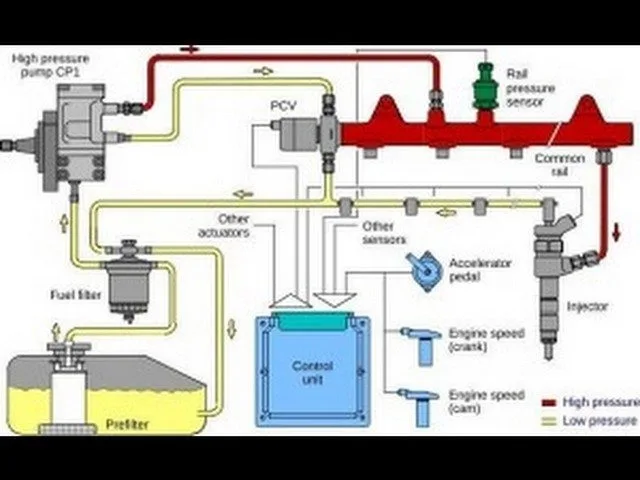
The Fuel Volume Regulator is an electrical actuator located on the High-Pressure Fuel Pump (HPFP). It controls the fuel flow to maintain optimal pressure at the common rail and injectors. The P0001 code specifically indicates an interruption in its electrical circuit. It is often associated with codes P0002, P0003, and P0004.

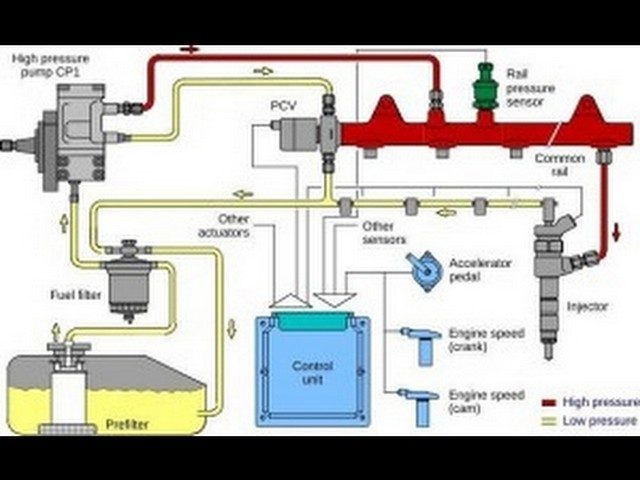
Diagram of the high-pressure fuel regulation system with volume regulator
Diagram illustrating the components of the fuel system, including the volume regulator.

Symptoms of the P0001 Code

  • 📈 Malfunction Indicator Lamp (MIL) illuminated on the dashboard
  • 🔧 Activation of limp mode with reduced power
  • 🚗 Difficulty starting or failure to start
  • ⛽ Poor fuel consumption and loss of performance
  • 🔊 Abnormal noises from the fuel pump

Possible Causes of the P0001 Fault

  • 🧲 FVR Solenoid Failure: The actuator is out of service
  • 🔌 Electrical Issue: Cut wiring, loose connector, oxidation
  • Short Circuit in the FVR harness
  • 🧠 PCM Module Failure (rare case)
  • 🛢️ Fuel Quality Problem affecting the regulator

Diagnosis of the P0001 Code

  1. Check Technical Service Bulletins (TSB): Review the manufacturer’s technical notices for your vehicle.
  2. Visual Inspection: Examine the FVR wiring and connectors for damage or corrosion.
  3. Electrical Test: Use a multimeter to check continuity and resistance. Warning: Never apply battery voltage directly to the FVR wires.
  4. Solenoid Test: Measure the FVR solenoid resistance and compare it to manufacturer specifications.

Solutions to Fix the P0001 Code

  1. Wiring Repair: Repair or replace damaged wires and clean connectors.
  2. FVR Replacement: Install an OEM quality part if the solenoid is faulty.
  3. PCM Replacement: As a last resort, if the control module is failing.
  4. Code Clearing: After repair, clear the codes with a diagnostic tool and test.

Estimated Repair Cost

  • Wiring repair: €100-€300
  • FVR regulator replacement: €200-€600 (part + labor)
  • PCM replacement: €500-€1500

Frequently Asked Questions about the P0001 Code

Can I drive with a P0001 code?
It is not recommended to drive with this fault. The vehicle may enter limp mode, experience starting issues, or damage other fuel system components.

How to prevent the P0001 code from reappearing?
Use quality fuel, perform regular injection system maintenance, and periodically check the condition of electrical connectors.

🔧 Pro Tip

Accurate diagnosis requires an advanced scan tool and vehicle-specific procedures. Consult the official workshop manual for detailed instructions.

💡 Need Professional Help?

If you are unsure about performing these checks, consult a qualified mechanic. Professional diagnosis directly targets the issue and saves time and money.

🚗 Check Your P0001 Fault Code Now!

Don’t let this problem worsen. Contact our expert mechanics for accurate diagnosis and quick repair.

Fuel Volume Regulator Control Circuit Range/Performance P0002

What is the P0002 code?

The P0002 diagnostic code is a generic powertrain code (OBD-II). It applies to many vehicles (Ford, Dodge, Vauxhall/Opel, Volkswagen, Mazda, etc.). Although generic, specific repair steps may vary by make and model.

Symptoms of the P0002 code

This fault, which is not very common, often manifests as:

  • Illuminated check engine light
  • Loss of power or hesitation during acceleration
  • Abnormally high fuel consumption
  • Difficulty starting
  • The vehicle may enter limp mode

What are the likely causes of the P0002 fault?

The P0002 code indicates a problem with the Fuel Volume Regulator Control Circuit Range/Performance. It is frequently observed on common rail diesel engines and direct injection gasoline engines (GDI).

High-pressure fuel systems include a high-pressure fuel pump. Its role is to increase fuel pressure to deliver it to the common rail and injectors. This pump has a fuel volume regulator that controls the pressure. The P0002 code signals that the engine control module (ECU) has detected an electrical value (voltage, resistance, or control signal) outside the normal operating range for this regulator.

Main causes:

  • Faulty fuel volume regulator: The component itself is defective.
  • Wiring problem: Damaged, loose, corroded, or shorted cables related to the regulator.
  • Faulty connector: Poor contact at the regulator plug.
  • Failing high-pressure fuel pump: An internal mechanical issue can skew measurements.
  • Problem with the engine control module (ECU): A rare but possible internal failure.

Diagnosis and repair of the P0002 code

Warning: Handling high-pressure fuel circuits is dangerous. It is strongly recommended to have the diagnosis performed by a qualified mechanic.

The diagnostic process generally includes:

  1. Using an OBD-II scanner to confirm the code and check live data.
  2. Complete visual inspection of the wiring and connectors associated with the regulator for damage.
  3. Electrical measurements (multimeter) to check the regulator’s supply voltage, ground, and control signal.
  4. Measuring the regulator’s resistance and comparing it with manufacturer specifications.
  5. High-pressure fuel pump performance tests.

Conclusion and call to action

The P0002 code points to an electrical malfunction in the fuel volume regulator control circuit. Ignoring this fault can lead to performance loss, excessive fuel consumption, or more severe damage to the injection system.

Is your vehicle displaying the P0002 code? Don’t take risks. Have your vehicle diagnosed by a professional to identify the exact cause and proceed with the appropriate repair to get a personalized quote and get your vehicle back in working order.

P0003 Low Value in Fuel Volume Regulator Control Circuit

Code P0003: Low Value in Fuel Volume Regulator Control Circuit

The fault code P0003 is a generic powertrain code (OBD-II) that indicates an electrical problem in the Fuel Volume Regulator (FVR) control circuit. This fault, often seen in Common Rail diesel engines and Gasoline Direct Injection (GDI) vehicles, signals that the electrical value of the circuit is below the normal range specified by the manufacturer.

What is the Fuel Volume Regulator (FVR)?

In high-pressure systems, the High-Pressure Fuel Pump (HPFP) compresses fuel to deliver it to the common rail and injectors. The Fuel Volume Regulator (FVR) is a solenoid controlled by the Powertrain Control Module (PCM). It regulates pressure by controlling the volume of fuel delivered to the high-pressure pump. A faulty electrical circuit prevents this regulator from functioning correctly, thus disrupting the entire fuel system.

Symptoms of Code P0003

  • Malfunction Indicator Lamp (MIL) illuminated on the dashboard.
  • Hard starting or vehicle not starting.
  • Reduced engine performance (limp mode or random issues).
  • Hesitation, stalling, or loss of power during acceleration.

Potential Causes of P0003 Fault

  • Faulty Fuel Volume Regulator (FVR) Solenoid: The component itself is out of service.
  • Wiring Problem: Cut, chafed, corroded, or short-circuited wires in the harness connected to the FVR.
  • Faulty Connector: Poor contact, oxidation, or damage on the regulator’s electrical connector.
  • Failing PCM (less common): The engine control module does not generate the correct signal.

How to Diagnose and Fix Code P0003?

  1. Check Technical Service Bulletins (TSBs): Consult manufacturer updates for your vehicle (make, model, year, engine). A TSB may sometimes provide a quick solution.
  2. Visual Inspection of Wiring: Examine the harness and connectors between the PCM and the regulator. Look for any signs of damage, corrosion, or disconnection.
  3. Electrical Check: Using a multimeter, measure the resistance and voltage of the FVR circuit following the workshop manual specifications. Warning: Never apply battery voltage directly to the solenoid, as it may damage the PCM.
  4. Replacement of the Regulator: If the wiring is intact, the fuel volume regulator is likely faulty and must be replaced.
  5. Professional Consultation: For an accurate diagnosis, always refer to the official repair manual for your vehicle or consult a qualified mechanic.

Codes Related to P0003

Code P0003 is often associated with other fuel regulation system faults, including:

  • P0001: Fuel Volume Regulator Circuit Performance/Range Problem
  • P0002: Fuel Volume Regulator Circuit Low Value
  • P0004: Fuel Volume Regulator Circuit High Value

Need help diagnosing your vehicle? Use a professional OBD2 scanner and refer to your manufacturer’s service manual for detailed procedures specific to your model.