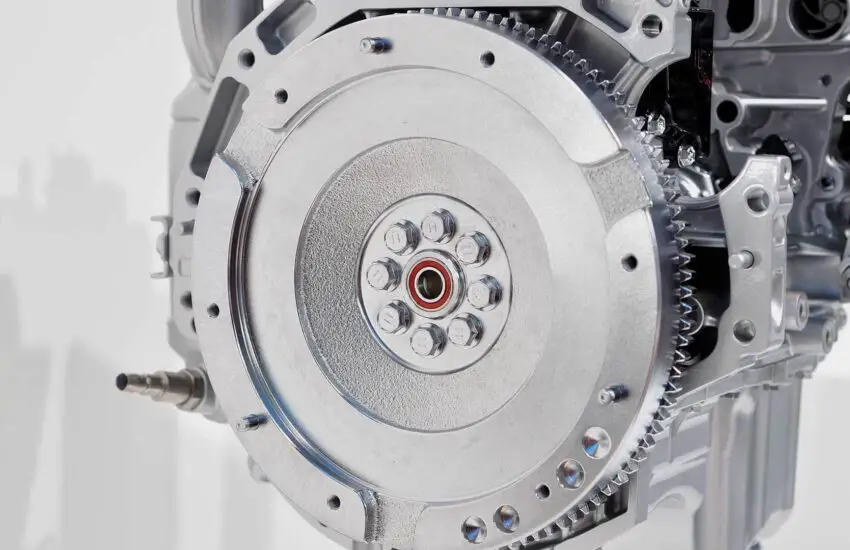
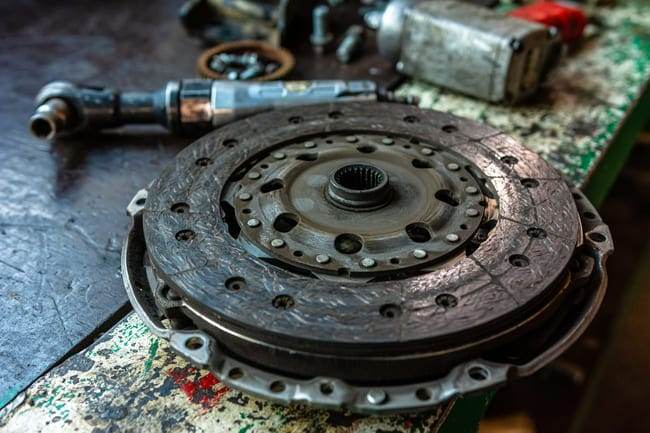
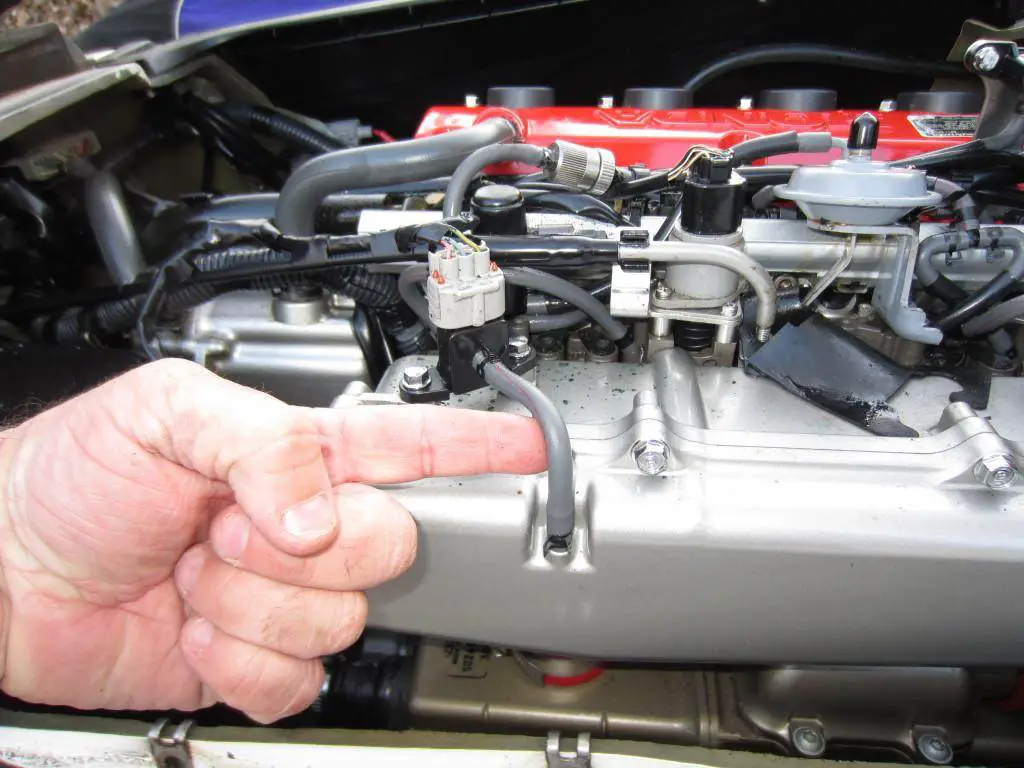
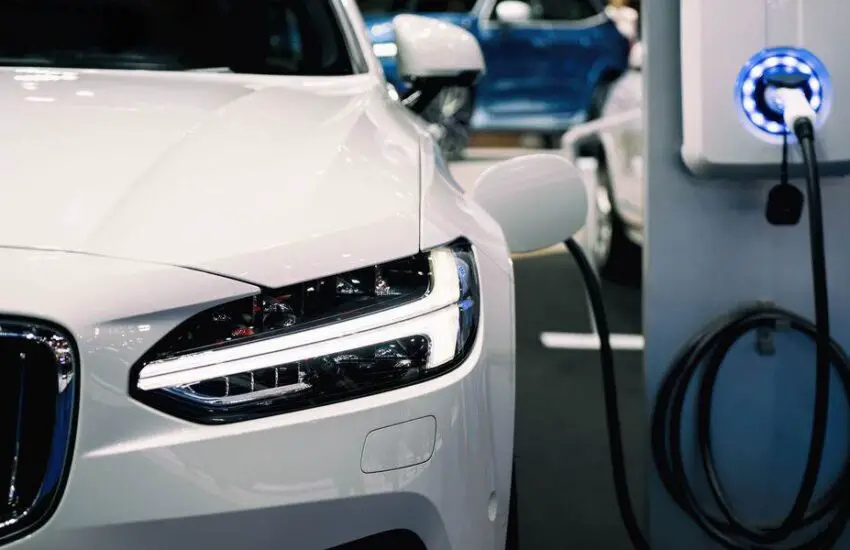
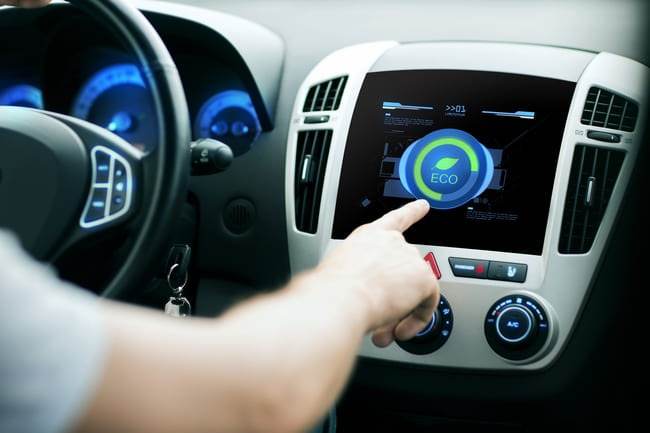
A flywheel is a large clutch component shaped like a large disc. It is attached to the engine’s crankshaft, and its main purpose is to ensure that the engine’s power is transferred smoothly. It neutralizes crankshaft vibrations and balances engine speed fluctuations, storing excess energy for later use. This energy is used to keep the engine running when the driver lifts their foot off the accelerator pedal, for example.
These components connect the engine to the transmission in manual vehicles, using the clutch to transfer power to the wheels. Moreover, if the flywheel is damaged, it will be much harder to shift gears successfully and could cause irreversible damage to the clutch. Therefore, it is essential that the problem is diagnosed and resolved as quickly as possible.
TYPES OF COMPONENTS
These discs are typically made of steel, cast iron, or aluminum. The higher the rotational inertia of the disc, the more effectively it prevents strong speed fluctuations. There are two main types of flywheels: single-mass flywheels and dual-mass flywheels. Single-Mass Flywheels:
These consist of a single metal disc that includes no moving parts, reducing the unit’s complexity and making it easier to maintain. These components are highly resistant to heat and deformation and can be resurfaced if necessary. In addition to being durable, they are much cheaper than dual units. On the other hand, single-mass components offer less protection against vibrations and are known to be noisy. They are better suited for high-speed vehicles, such as those intended for racing and off-road driving. Dual-Mass Flywheels:
As you can probably guess, these flywheels consist of two discs. One is connected to the clutch and the other is attached to the crankshaft. Additionally, they include springs that dampen torsional vibrations. They are designed this way to more effectively protect the engine and transmission components. They can also improve energy efficiency by allowing more effective use of the engine. These are typically installed on large, heavy vehicles equipped with diesel engines. The downside is that they cannot be resurfaced and are more sensitive to thermal damage.
WHAT CAUSES FLYWHEEL DAMAGE?
Several factors contribute to premature wear and failure. Here are some of the most common causes:
Poor maintenance. If components such as a new starter or clutch are not installed correctly, other parts could be damaged or misaligned. Moreover, if the clutch is damaged, it is highly recommended to replace it as soon as possible. If left unattended, it will affect the flywheel, and clutches are much easier and cheaper to replace.
Engine condition and driving habits. For example, this can be caused by irregular engine starts, heavy loads, driving in the wrong gear, and slow starting speeds.
Overheating. This can be fatal for the discs as they can crack or warp, and it is often caused by a slipping clutch.
SYMPTOMS OF A FAULTY FLYWHEEL
A burning smell. Drivers will often notice a burning smell coming from under the vehicle. This is an indicator that the clutch is not working or is not being used correctly, and the flywheel could be the cause. For example, if the flywheel is warped, the clutch disc will slip and wear out, causing a burning smell. If the problem is not resolved, the clutch may eventually stop working.
Difficulty shifting gears. A damaged flywheel will make shifting gears much harder because the clutch disc may not disengage properly. Cracked flywheel discs are more likely to warp, causing clutch and transmission problems.
A vibrating clutch pedal. If the clutch pedal vibrates, it could be a sign that the flywheel’s spring mounts are faulty. This could be due to a crack or a worn disc. The spring is there to neutralize vibrations when the clutch is engaged.
Clutch chatter. There are many causes for this, but the clutch chatters when it “jumps” on the flywheel while engaged. This noise can be due to a glazed or warped clutch disc but can also be caused by missing or damaged flywheel pins.
CAN YOU DRIVE WITH A FAULTY FLYWHEEL?
It is possible to drive with a faulty flywheel if the damage is minor. However, this does not mean it is advisable to do so. The fault could lead to more severe damage affecting the clutch components, the crankshaft, and the engine itself. You will feel more vibrations from the engine, and it will affect its overall performance. Moreover, if you suspect clutch damage, you should have the vehicle inspected by a professional as soon as possible.
IS IT POSSIBLE TO HAVE IT REPAIRED?
Single-mass flywheels are easier to repair because the surface of the components can be restored, while dual-mass flywheels usually require replacement because grinding processes can affect the internal components. This is where things can start to get expensive, as it is often necessary to replace the clutch at the same time as the flywheel. Fortunately, there are many affordable clutch kits on the market.
What are the advantages of disabling traction control
Are there benefits to disabling traction control? What prevents a car from losing control and hitting something when the driver takes a turn at high speed? Traction control.
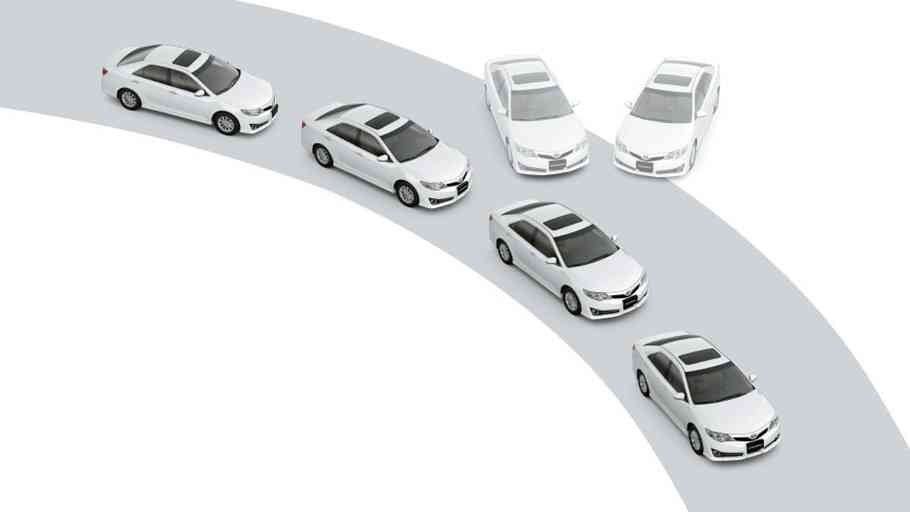
By reducing unwanted skidding and wheel spin, this safety feature makes driving safer and easier on slippery surfaces and in tight turns.
What is Traction Control?
Traction control is a vehicle safety device that helps a car use all the available traction on the surface under certain conditions. This feature intervenes when your car struggles to accelerate on slippery or low-friction surfaces.
The system has wheel speed sensors to monitor the rotational speed of all the drive wheels and a hydraulic modulator that pumps the brakes.
When the sensors detect wheel spin during acceleration, they send information to the Electronic Control Unit (ECU). The ECU also constantly monitors the wheel rotation speed to check if they are losing traction.
If so, it commands the hydraulic modulator to pump the brake, which involves applying and releasing the brake in rapid succession, to the affected wheel.
Traction control helps in turns (Photo: Moto arc)
Traction control applies the brakes to slow the car until it gains sufficient traction. In some vehicles, the system reduces engine power to the wheels experiencing traction loss.
How Does Traction Control Work?
Before knowing the benefits of disabling traction control, you need a clear idea of its functions and how it helps in certain conditions.
This system relies entirely on the traction control sensor or sensors. There are four of these sensors, one on each wheel. Wheel speed sensors are another name for these sensors.
They are intended to measure wheel speed. A tone ring on each wheel rotates as the wheel turns around the axle. This tone ring also has grooves.
The sensor detects the movement of the tone ring when the wheel rotates and records the input. This data is then sent to the Powertrain Control Module.
The throttle actuator receives an input from the Powertrain Control Module. The engine then works its magic.
It either reduces the fuel delivered to the engine, forcing it to slow down, or it slightly delays the ignition timing, which slows the engine but doesn’t cause the wheels to spin. This system employs several methods, although these are the most common.
This process starts instantly when the wheel sensors detect the slightest loss of traction.
They will not allow your automobile to skid, even slightly. This method will help you stay on the road and prevent you from ending up in a risky scenario and potentially getting injured.
Benefits of Disabling Traction Control
Why disable traction control? You only need this feature under certain conditions, especially when the road is slippery.
The conditions where turning traction control off will prove useful are:
When your car gets stuck, disabling traction control can help you.
Although traction control can help keep your automobile on a straight path in rain or snow, it can also prevent your car from moving forward if it gets stuck in snow or sand. If your car gets stuck in snow, chances are one of the wheels is spinning.
Although logic suggests that leaving traction control on might help, as it cuts power to the wheel that keeps spinning, it might actually cut power completely, which will worsen the situation.
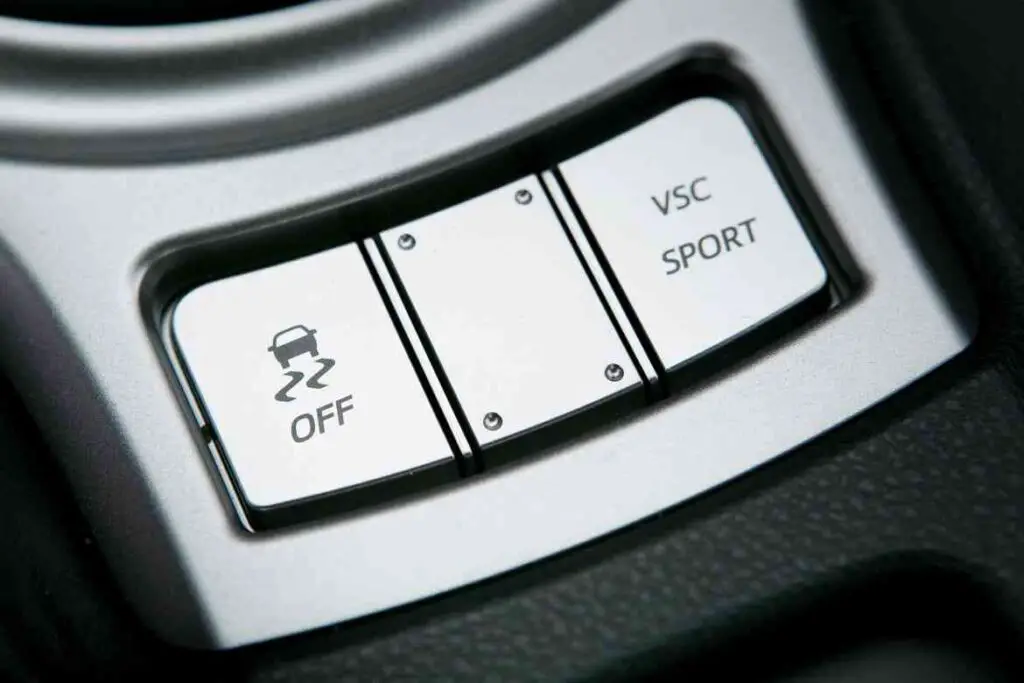
In such a case, disable the traction control system so you can use the “rocking” approach to eventually get the car out (reverse the car a few inches, then move forward a few inches).
When your car gets stuck, disabling traction control can help you. (Photo: The Sun)
Driving or accelerating on an uphill road whose surface seems loose due to gravel and stones or slippery.
Another instance where traction control can cause problems is when driving on a long, steep snowy slope.
Again, one might think traction control can help in this circumstance, but it might not, as it could cause the wheels to spin and completely stop the power being sent to them.
When climbing a steep, slippery slope, the system limiting power to the wheels might force you to go nowhere fast. This can sometimes be dangerous.
In this scenario, disable traction control and gently climb the slope, which will be easier if your vehicle is equipped with snow tires, chains, or cables.
Accelerating on an icy road when you are at a green light with cars lined up behind you.
In this situation, disabling traction control may have potential benefits, but it also carries significant risks, such as an increased risk of losing control or difficulty stopping.
Traction control is designed to limit wheel spin and improve stability during acceleration, especially on slippery surfaces like ice. However, there are scenarios where temporarily disabling traction control can prove advantageous:
Controlled Wheel Spin: By disabling traction control, you have the ability to manually modulate wheel spin. A slight wheel spin can help you maintain momentum on an icy surface where tires might otherwise struggle to find traction.
More Predictable Acceleration: Traction control can sometimes be overly sensitive on extremely slippery surfaces, leading to abrupt power cuts and unpredictable vehicle behavior. Disabling it allows you to have more predictable and smoother acceleration.
Given the risks involved, it is generally safer to keep traction control on when driving on icy roads, especially in situations where other vehicles are around you.
When the wheels lose grip due to hitting a muddy patch on a road.
In this scenario, disabling traction control may present some benefits:
Regain Momentum: In some cases, when your wheels lose grip due to a muddy patch, disabling traction control can allow the tires to spin more freely. This increased wheel spin could help clear mud from the tire treads and potentially gain forward momentum.
Easier Maneuvers: On some off-road or unpaved surfaces, like muddy trails, disabling traction control can make maneuvering easier by allowing the wheels to slide and adapt to the rough terrain.
Turning the system off increases fuel economy (Photo: Cars)
Disadvantages of Disabling Traction Control
Besides the benefits of disabling traction control, turning off traction control on cars has several disadvantages or risks.
Suppose it’s raining outside and the roads are extremely slippery. You are driving your rear-wheel-drive automobile on the road when you suddenly lose control, without warning or awareness that such a thing could happen.
In this position, you could collide with anything on the side and end up in a tree or a wall. Or even be involved in a rollover. These scenarios could potentially cost you your life.
That’s why you must enable traction control on a rear-wheel-drive vehicle. You simply cannot drive a rear-wheel-drive vehicle without a traction control system.
Not to mention that your tire lifespan will be greatly reduced, and you will have difficulty driving the car.
FAQ on Disabling Traction Control
What causes the ABS and traction control lights to come on?
Most of the time, this problem is caused by a lack of brake fluid or an issue with the master cylinder. Wheel speed sensor problems or a faulty ABS module. These are the most commonly encountered issues.
How do I know if the traction control is working properly?
Traction control is something you won’t realize is working until you need it. Even when it’s on, you won’t notice it during your daily commutes.
When you lose traction and the traction control kicks in, the indicator light flashes momentarily to signal that it is working to restore traction.
How do Traction Control and Stability Control differ?
A lesser-known safety feature is stability control. But it is always there and helps keep you safe when you are driving.
Although traction control and stability control are not the same thing, they work in tandem to provide a safe driving experience. They use the same sensors in all four wheels, as well as the ABS already present in your vehicle.
In the same way that traction control brakes a wheel that is spinning too fast, the stability control system brakes a wheel that is not performing the correct movement.
Is traction control more fuel-efficient?
Traction control has little influence on fuel economy. It is rarely used, and even when it is, it has no effect on your gas mileage.
Watch this video by Helpful DIY for more information on traction control!
To conclude our thoughts on the benefits of disabling traction control, remember that not having traction control does not affect a vehicle’s safety level, unless you are driving on slippery roads or taking turns at high speed.
The truth is that no sensible person would try to drive that fast around turns.
Another thing every driver must keep in mind is that safe driving practices are the best way to enjoy the benefits of traction control. Avoid aggressive driving, including unnecessary speeding, accelerating on highway turns, and tailgating.
Drive with GTA Radio Stations in Real Life
Bringing GTA’s Radio to Your Car
Imagine cruising down the highway while tuning into the exact radio stations from Grand Theft Auto. Thanks to innovative tech enthusiasts, this fantasy is now a reality. A German developer has engineered a Raspberry Pi-based system that streams in-game radio directly to any vehicle, blending virtual entertainment with real-world driving.
How the GTA Radio System Works
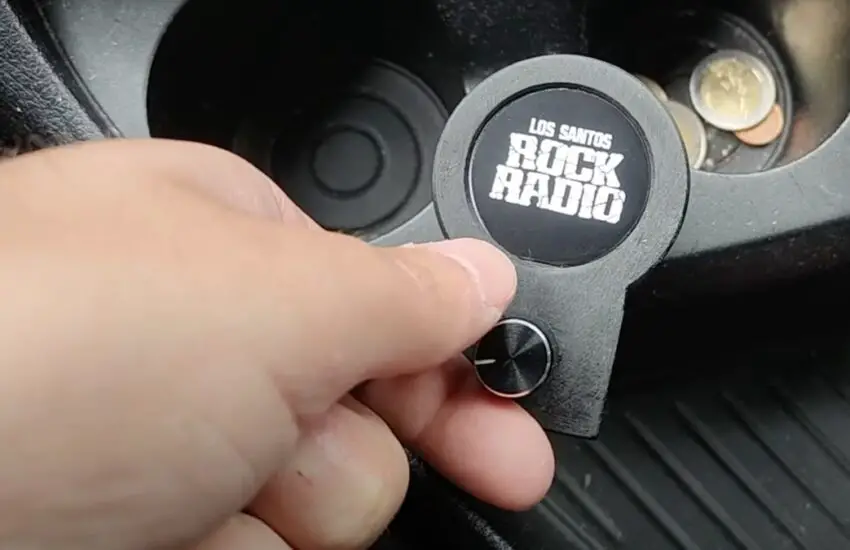
The setup involves a compact Raspberry Pi computer loaded with audio files from various GTA titles. It connects to your car’s audio system via Bluetooth or auxiliary input, allowing seamless playback. Users can switch between iconic stations like Los Santos Rock Radio or Worldwide FM just as they would in the game, complete with DJ banter and commercials.
Enhancing the Driving Experience
This technology transforms mundane commutes into immersive adventures. By integrating the humor and eclectic music of GTA’s radio, drivers can enjoy a personalized soundtrack that mirrors the game’s dynamic atmosphere. The system is designed for ease of use, with automatic startup and voice command compatibility for safe operation on the road.
Customization and Future Possibilities
Enthusiasts can customize their playlists, add stations from different GTA eras, or even incorporate user-generated content. This opens doors for community-driven expansions, potentially including podcasts or real-time traffic updates styled after the game’s parodic news segments. The project highlights how gaming culture can inspire practical, everyday innovations.
Anti-theft system The car won’t start: clever troubleshooting tips
Sometimes the anti-theft system can trigger without any threat and immobilize the engine. What to do about the problem of the anti-theft system that won’t start?
Anti-theft System Car Won’t Start: The Reasons
The anti-theft system is designed to protect your car from theft and vandalism. Its mechanism involves an electrical circuit that disconnects in case of suspicious activity. It interrupts the electrical supply so that your car won’t start or shuts off shortly after.
So what are the reasons behind this anti-theft system problem? Learn more with the following insights:
A key fob or transponder key with a dead or weak battery
Due to incorrect programming, damage, or other issues, the system doesn’t recognize the key fob or transponder key, leading to anti-theft system errors.
Alarm system that was activated and needs to be deactivated
Wiring or connection problems that prevent communication between the anti-theft system and the vehicle’s computer
Failure of the anti-theft module or sensor
A blown fuse
Interference from other electronic equipment too close to the car
Problem with the starter or ignition system
Inadequate or outdated anti-theft system
Mechanical issues with the locking mechanism or its associated components
Anti-theft System Car Won’t Start: What to Do?
What should I do when the anti-theft system prevents my car from starting? It’s possible the system triggers the car alarm or prevents the engine from turning over for no apparent reason.
You need to turn it off if it’s not working correctly. The car won’t return to normal operation unless you fix the problem.
How to disengage an anti-theft system? These tips will help you:
Check the Battery
The first thing to check when the car’s anti-theft system won’t start is the car battery. It might be dead or weak and need recharging. In this case, the car system won’t be able to read the security code from the key fob.
Check the battery connections. If they are fine, try jump-starting it. This will likely solve the problem.
The battery could be the source of the problem. (Photo: Western61)
Anti-theft System Light On
Apply this trick when you have access to the inside of the car and the “Anti-theft System” light on the dashboard is on.
Insert the key into the ignition slot and turn it slightly to the right. Keep it in this position for 10 minutes or a bit longer. It will likely turn off the light and start the car.
Remember, this is the state where the vehicle is on but the engine is off. All necessary components like the radio and dashboard lights will be powered, allowing you to bypass the anti-theft alarm.
Use the Car Key on the Side Door
Use your car key in the driver’s side door slot and hold it for a few seconds after turning it to unlock the door. This trick sometimes works and allows you to override the factory alarm. It lets the car system detect that you have the original key.
It mainly works on Volkswagen, Mercedes-Benz, and BMW models and is applicable even when the key fob is damaged or has a dead battery.
If you’re experiencing a Honda Accord anti-theft car won’t start problem, the trick requires a slight modification. After inserting the key into the driver’s door lock, turn the key to unlock, lock, and then lock again.
Then, turn it back to the unlock position, and the anti-theft system alarm will likely now be disabled. Let the car run for at least 10 minutes after starting the engine to allow the car to reset the alarm.
Use the key on the side door and let the car run for 10 minutes after starting the engine to reset the alarm. (Photo: alum.mit.edu)
Reset the Car Computer
This is another way to fix the anti-theft system that won’t start problem. Disconnect the positive battery terminal for a minute or two.
Reconnect it and make sure the anode and cathode terminals are securely fastened. This will reset the computer system, and your car will likely start. If the trick fails, reset the factory alarm by activating its built-in circuit breaker.
Use the Key Trick with the Steering Wheel
Sometimes the service anti-theft system locks the steering wheel and doesn’t let the key turn inside the ignition. This annoying problem is mainly exclusive to Hondas.
It mostly happens when you move the steering wheel after turning off the car. It locks the steering wheel in that position and doesn’t let you move it the next time you try to start the car.
The wheel is likely locked in one direction. Try moving it in the opposite direction, and it might move. Try pulling the wheel in that direction. At the same time, insert the key into the ignition slot and try to turn it.
Move the wheel and keep trying the key. (Photo: Scoop)
If the key is stubborn, pull the wheel as hard as possible and keep trying with the key. At some point, you’ll be able to turn the ignition and start the engine.
Check the Key
The key itself could be the cause of the anti-theft system that won’t start. Keys have a built-in chip that sends a code to the alarm system when you insert it into the ignition.
This chip won’t work if the key is broken or damaged. If one key doesn’t respond, try the other. If nothing happens, take them to the dealer to check if their transmission system is working.
Another trick you can try is using the key to start the engine. If the engine doesn’t respond or stops immediately after starting, leave the key in that position for 10 minutes.
When the security light goes off, turn off the ignition, wait 20 seconds, and then start the engine.
Check with a Code Reader
If you’re still experiencing the car anti-theft lock problem, try checking and reading the car’s code.
A code reader, like a check engine light tool, will inform you why the light is on. It’s possible the receiver isn’t getting a signal from the key or your receiver isn’t receiving any power.
Reading the code won’t tell you the exact part or sensor to replace, but it will put you on the right track for a more appropriate solution after following the instructions without any chance of success.
If you’re still experiencing the car anti-theft lock problem, try checking and reading the car’s code. (Photo: Car Stuff)
FAQ on Anti-theft System Car Won’t Start
1. What are the symptoms of a bad anti-theft system?
Starting problems, lack of ignition power, unjustified alarms, and flashing lights are all common warning signs. These issues can occur if a system wasn’t installed by an expert with in-depth knowledge of your car’s electrical system.
2. Will disconnecting the battery reset the anti-theft system?
Resetting the anti-theft system and the car’s computer system requires disconnecting the battery connections for 5 to 10 minutes. While this might help fix issues with your anti-theft system, its operation isn’t guaranteed if there are additional problems.
3. How to perform a GMC anti-theft system reset?
Follow the steps below as a reference for resetting the anti-theft system on your GMC vehicle.
Use the GM key or keyless remote to unlock the door, turn on the ignition
Exit the car and leave the car door open
For a typical key, wait for the security light to stop flashing
For the keyless remote, after closing the door, press the lock button on the key. This also activates the anti-theft alarm system.
The anti-theft system will be activated if you don’t open the doors or click the keyless remote unlock button for 10 seconds.
These are the most popular ways to fix the problem of the anti-theft system that won’t start. Most cars are likely to respond to at least one of these tricks.
Solving Door Lock Problems
When faced with the mysteries of a stubborn door that refuses to open or close properly, it is essential to have the appropriate knowledge to diagnose and resolve locking issues. Entering the world of locks requires a fine understanding of the different mechanisms that compose them. In this context, diagnosing a locking problem becomes an art as well as a science: knowing how to examine a lock to determine if the malfunction lies in the cylinder, key, bolt, or other internal components is fundamental. Additionally, it is important to check the door’s alignment and the proper functioning of moving parts to ensure daily security and comfort.
Diagnosing Locking Problems
Deciphering Lock Problems: Untangle the Knot in a Blink of an Eye
In the arena of home troubleshooting, a stubborn door lock may seem like a minor adversary. However, equipped with the right analytical tools and a hint of technical insight, this mechanical mystery can be solved with near-surgical precision. Here is the procedure to diagnose a faulty lock, as rigorous as a testing protocol for the latest trendy gadget.
Step 1: Initial Check
Start by inspecting the key. A bent or damaged key is often the culprit. If your key is at fault, replace it. Otherwise, it’s time to dive into the heart of the matter.
Step 2: Cylinder Analysis
Insert the key into the cylinder and test the smoothness of the rotation. If it resists, a specific lock lubricant could be your quick solution. Spray lightly and test again.
Step 3: Lock Details
A lock may be jammed due to debris or corrosion inside. Carefully disassemble the cylinder and look inside. Cleaning may be necessary, or it might be time to replace the internal mechanism.
Step 4: Door Diagnosis
A misaligned door puts pressure on the lock. Check that the door is not sagging and that the hinges are tight. Adjust if necessary to ensure perfect alignment with the frame.
Step 5: Multipoint Locking
If the door is equipped with a multipoint locking system, each point must be checked individually. Arm yourself with the patience of a data scientist hunting bugs and proceed methodically.
Step 6: Bolt Test
A faulty bolt can make the task difficult. Check if it enters and exits the strike plate correctly. If the bolt is stuck, it can often be repaired; otherwise, it will need to be replaced.
Step 7: Electronic Finishes
In our digital era, smart locks add a layer of complexity. If your lock is electronic, consult the manual for error code diagnostics or use the dedicated application for maintenance.
Quick Conclusion
When faced with a faulty lock, a complete disassembly is not always necessary. An analytical mind coupled with a systemic approach can often solve the puzzle. With technology evolving at a frantic pace, maintaining a lock may seem outdated, but even tech enthusiasts know that mastering the basics remains essential. With an accurate diagnosis in hand, the problem turns into a solution—and often, it all comes down to the details.
Finally, don’t forget to regularly question your repair skills. As with any sophisticated gadget, staying up-to-date on modern troubleshooting methods and tools will strengthen your technological arsenal to combat everyday hassles.
Lock Repair or Replacement
When the question arises of repairing or replacing a lock, the approach must be systematic and informed. As an aficionado of technology and cutting-edge solutions, here is a practical guide to making a logical and optimal decision.
Assess security performance: If the security mechanism no longer meets current standards or shows obvious weaknesses, replacement is necessary. Technological advancements allow for constant improvements in security. It’s better to opt for a recent lock with enhanced security features.
Consider the lock’s age: A lock that has been in use for several years is often a candidate for replacement. Worn parts may no longer be produced or standard, making repairs complicated and uneconomical.
Recurring failure rate: A lock that frequently malfunctions, despite repairs, is a warning sign of imminent failure. In this case, replacement is preferable to repair to avoid repeated costs and increase reliability.
Obsolete technology: Advances in electronic and connected locks quickly render older versions outdated. If an update is impossible or not cost-effective, consider acquiring a recent model that integrates connectivity and smart functions.
Cost-effectiveness ratio: Calculate the cost of repair versus replacement. If the repair approaches 50% or more of the replacement cost, it is often wiser to invest in new equipment.
Consequences of failure: Assess the risks associated with a potential lock failure. If it secures high-value assets or critical access points, prioritize replacement for peace of mind.
Compatibility with home automation systems: Technology enthusiasts appreciate synergies between equipment. If the current lock does not integrate into a home automation ecosystem, it’s time to switch to a more modern model capable of communicating with other devices.
Insurance requirements: Some insurance contracts impose specific security standards. Ensure your lock is compliant; otherwise, proceed with a replacement to maintain the validity of your insurance.
In summary, the choice between repairing and replacing a lock is a balance between security, technology, and economy. An analytical look at these different elements will guide you toward the most rational decision, supported by a clear understanding of technical progress and access security expectations.
Preventive Lock Maintenance
Strategic Lubrication: Key Maintenance for Door Locks
Beyond understanding the mechanism and preliminary diagnosis, attention must turn to the dynamic and preventive maintenance of locks to ensure their optimal functioning. Lubrication remains an essential pillar in door lock maintenance. Use specific lubricants that do not attract dust or dirt, such as PTFE or silicone-based lubricants. Apply sparingly; an excess of product could lead to residue buildup harmful to the internal mechanics.
Regular Cleaning: Proactivity Above All
Lock cleaning should not be underestimated. Dust and moisture are the silent enemies of a high-performing lock. A damp cloth to wipe the exterior and a toothpick to dislodge fine particles inside the cylinder are often sufficient. Metal debris from the key or cylinder can also be carefully removed with an appropriate tool.
Update or Replacement: The Critical Decision
It is crucial to know when to intervene for an update or replacement. For traditional locks, if signs such as repeated difficulties in inserting or turning the key appear, consider replacing worn parts or the entire lock. Electronic locks require frequent checking of software updates to counter security vulnerabilities and maintain compatibility with the relentless progress of home technology.
Integration into the Home Security Ecosystem
Finally, analyzing the lock’s integration into the home security ecosystem is essential. Electronic locks must communicate effectively with other security devices. Establishing a reliable communication protocol between locks, surveillance cameras, alarms, and the home network strengthens the overall protection system and simplifies remote security management.
Expertise in lock maintenance is a major asset for perpetuating home security. In-depth product knowledge, combined with a proactive approach and methodical implementation, ensures that lock maintenance perfectly aligns with contemporary security and comfort requirements.
Through regular maintenance and informed care, our locks can serve us faithfully for many years. Learning preventive maintenance routines such as regular lubrication and cleaning of lock components is more than just a precautionary measure; it is an expression of domestic vigilance. After all, a well-maintained door is synonymous with peace of mind, and it is this tranquility that we seek to preserve at home. Keep these tips and practices in mind, and you will find that door locking problems will soon be a thing of the past.
The 4 types of ignition systems and how they work
Although the automotive industry has made significant mechanical and technological advancements throughout history, there is one component that all fuel-powered engine cars have in common: the ignition system.
If you are serious about your valuable vehicle, understanding how the different types of ignition systems work, along with their advantages and disadvantages, is useful for choosing the right spark plug that operates most efficiently given the performance requirements of the ignition system.
Although almost all major components of a car have undergone improvements over the years, the basic principles of the ignition system have not changed for nearly a century.
Essentially, it takes the electrical voltage from the battery, converts it into a much higher voltage, and then transfers this electrical current to the engine’s combustion chamber, igniting the compressed mixture of fuel and air to create combustion. This combustion generates the energy needed to run your car.
The ignition system plays an essential role in creating the combustion necessary for your car to operate.
That said, the method by which the spark is created and distributed has greatly improved due to technological advancements. Currently, there are four types of ignition systems used in most cars and trucks, in order of invention: conventional breaker point (mechanical) ignitions, high-energy (electronic) ignitions, distributorless (waste spark) ignition, and coil-on-plug ignitions.
Breaker point (mechanical) ignitions and high-energy (electronic) ignitions are distributor-based ignitions. Another way to classify them is to group them into three broader types of ignition systems: distributor-based, distributorless, and coil-on-plug systems.
In this comprehensive guide, we will look at how each system works, as well as the advantages and disadvantages of each, regarding what it means for your engine’s performance and maintenance requirements.
What does the ignition system do?
When you put your key into your vehicle’s ignition and turn it, your engine starts and continues to run. Have you ever wondered about the entire process that happens behind such a simple action?
Let’s go back to Engine 101: your engine produces the energy needed to run your car by creating combustion, or an explosion, inside its combustion chamber, hence the name “internal combustion engine.” To generate such combustion, the ignition system plays a major role: your spark plugs provide the electrical spark that ignites the air-fuel mixture that powers the combustion chamber.
The ignition system’s spark plug ignites the air-fuel mixture, hence the name “ignition.”
For the ignition system to function correctly, it must be able to perform two tasks simultaneously in an efficient and precise manner.
Create a strong and hot enough spark
The first task is to create a powerful spark that can jump across the spark plug gap. In other words, the ignition system must increase the voltage from the battery’s 12 volts to at least 20,000 volts, which is necessary to ignite the compressed air and fuel mixture in the combustion chamber to create an energy-generating explosion.
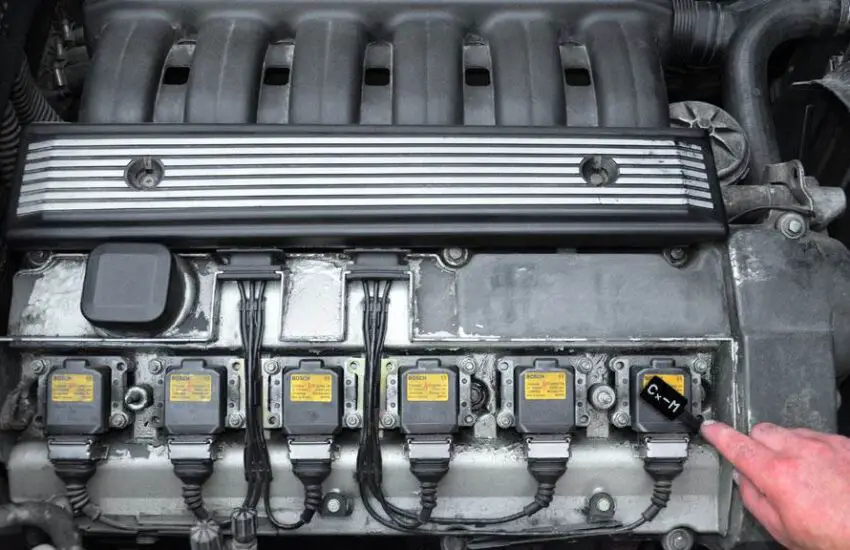
To achieve such a voltage surge, ignition systems of all cars, except diesel engine models, use an ignition coil composed of two coils of wire wound around an iron core, called the primary winding and secondary winding. The ignition coil acts as an electrical power transformer.
The purpose of the ignition coil is to create an electromagnet by passing the 12 volts supplied by the battery through the primary winding. When the vehicle’s ignition system trigger switch cuts power to the ignition coil, the magnetic field collapses. In doing so, the secondary winding picks up the collapsing magnetic field from the primary winding and converts it into 15,000 to 25,000 volts.
It then supplies this voltage to the spark plug, thus creating combustion in the engine’s combustion chamber, thereby generating energy to start and run your vehicle’s engine. For the necessary spark to occur, the converted voltage delivered to the spark plug must be between 20,000 and 50,000 volts.
Ignite the spark at the right time
At the same time, the other important role of the ignition system is to ensure that the spark fires at just the right moment during the compression stroke to maximize the power generated by the ignited air-fuel mixture. In other words, sufficient voltage must be supplied to the correct cylinder at the precise moment, and this must be done frequently.
All components work precisely and harmoniously for your engine to achieve optimal performance. Even the slightest timing error in a single part will lead to engine performance issues and, if prolonged, could even cause permanent damage.
The ignition system must provide enough sparks to the correct cylinder. To ensure precise spark timing, engineers have used several methods, which have evolved over the years.
Early ignition systems used fully mechanical distributors to control spark timing, followed by hybrid distributors equipped with semiconductor switches and the Engine Control Module (ECM), essentially a type of simple-process computer, to distribute electrical power to each cylinder.
What came next to counter the drawbacks of these early distributors were 100% electronic ignition systems, the first being a distributorless ignition system, where the distributor was eliminated.
The latest invention, coil-on-plug ignition systems, was able to significantly improve spark timing by using an improved ignition coil that has much greater power and generates a much hotter spark.
What each component of the ignition system does
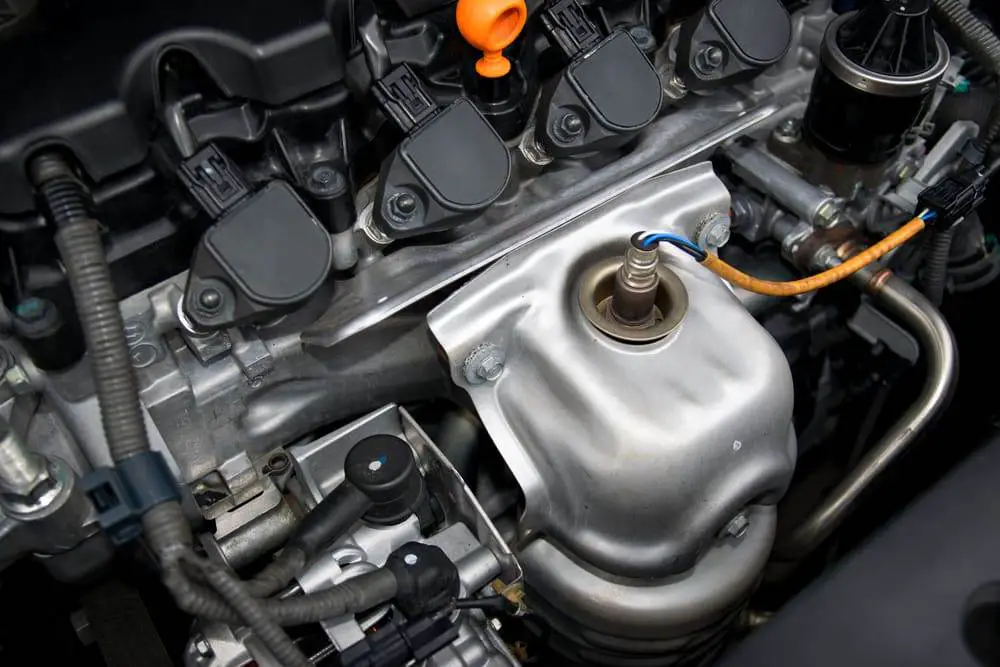
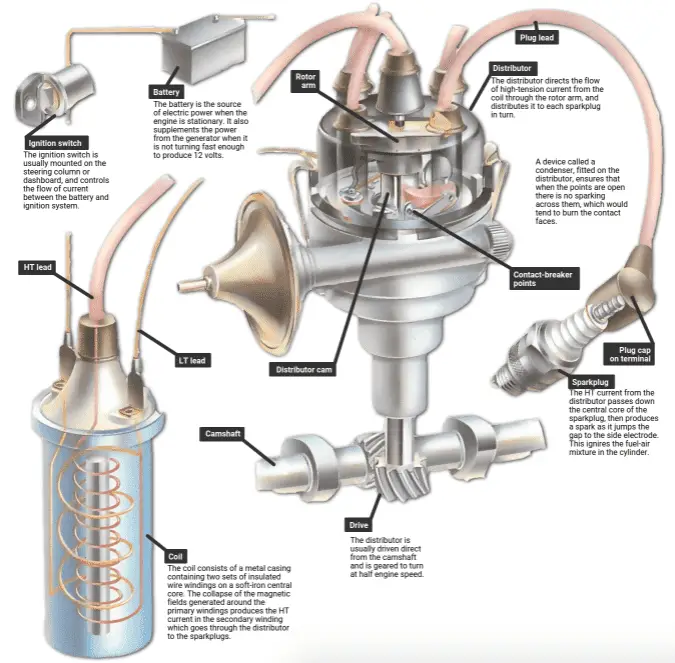
Components of a conventional ignition system.
Battery
When the engine runs, it also operates the alternator which generates electricity to recharge the battery. Your car’s battery stores electricity and releases it as direct current.
The battery provides twelve volts of direct current. However, to get a spark necessary for combustion, there needs to be between 20,000 and 50,000 volts at the spark plug. To allow for such a considerable voltage increase, you need the ignition coil.
Ignition Coil
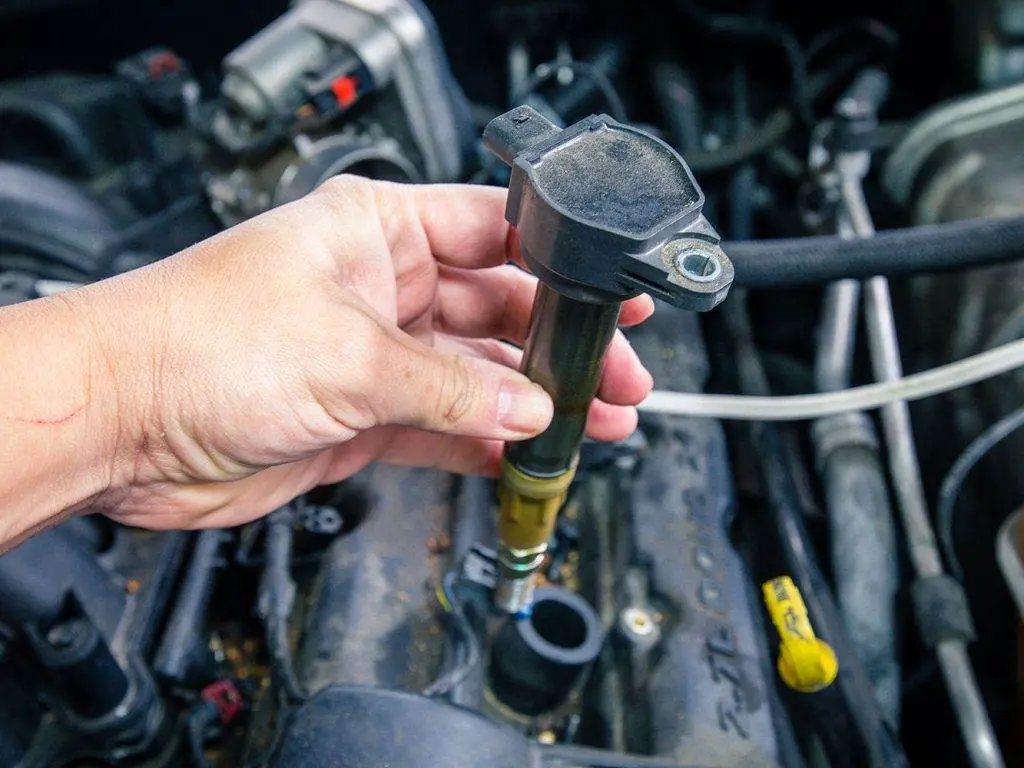
The ignition coil converts the battery’s low voltage into the high voltage needed for the spark plugs.
The ignition coil acts as an electrical power transformer. Early mechanical ignition systems rely on a coil to convert the battery’s low voltage into the high voltage needed for the spark plugs.
The ignition coil’s electrical transformation works on a principle called magnetic induction. In a traditional transformer, the primary coil receives power, i.e., direct current from the batteries. However, this charge through the primary coil is periodically interrupted. This disruption is caused by the distributor in early distributor-based ignition systems, and by a computer for more precise timing in later ignition systems. The distributor’s job will be discussed in more detail below.
The voltage in the primary coil produces a magnetic field. The periodic disruption of the current received by the primary coil causes the magnetic field produced by the primary coil to constantly collapse. Such significant movements of the primary coil’s magnetic field cause the secondary coil to create a burst of high-voltage energy at once.
The value of the voltage created by the secondary coil depends on the ratio between the number of turns of the primary coil and the number of turns of the secondary coil. If the secondary coil has twice as many turns as the primary coil, the output voltage will be double the input voltage.
Thus, to increase the voltage from 12 volts to the at least 20,000 volts that spark plugs need, in a car’s ignition coil, the secondary coil has tens of thousands of times more turns than the primary coil.
Distributor
Here is how the distributor creates the aforementioned periodic and discrete charges supplied to the primary ignition coil. The distributor contains a “breaker point” that grounds the primary coil circuit. This point is connected to ground by a lever. The lever is moved by a cam connected to the distributor shaft. This opens the primary coil circuit and causes the collapse that triggers the high-voltage bursts in the secondary coil.
Furthermore, while the battery and ignition coil provide the energy, the distributor performs important work: determining precisely where and when this energy goes to each spark plug.
The distributor decides precisely where and when this energy is delivered to each spark plug.
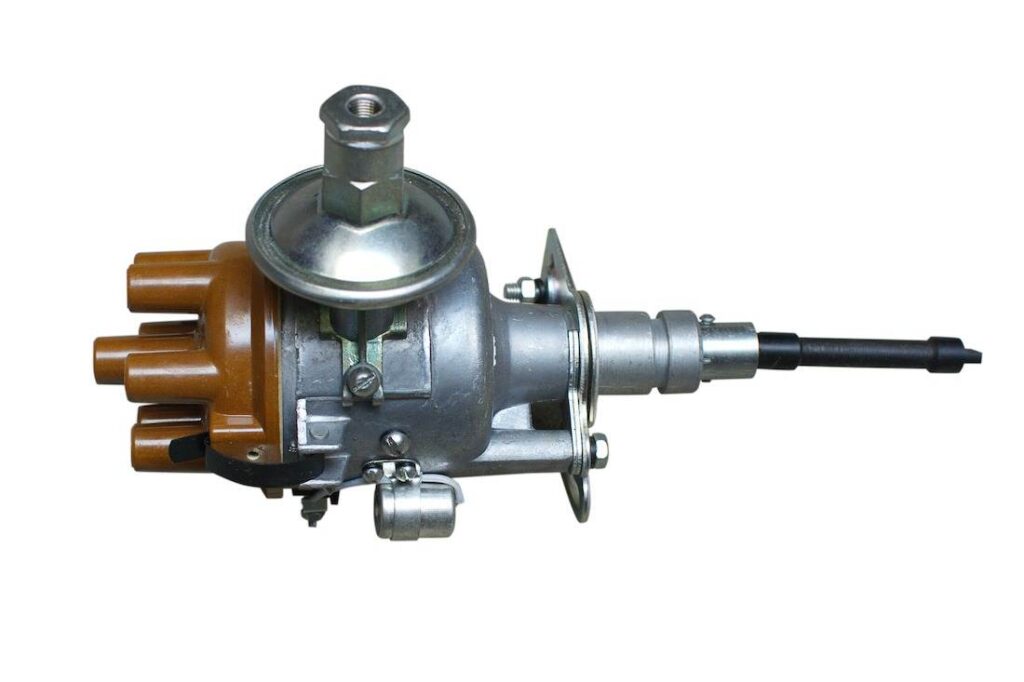
The distributor contains many parts, the most important of which include a rotor that rotates at engine speed and several “contacts” mounted on the distributor cap. The electrical current from the ignition coil is supplied to the rotor.
The rotor spins, and when the tip of the rotor approaches one of the contacts, an electrical arc forms to that contact. From there, the power flows along a spark plug wire to the associated spark plug, thus timing the charge of each spark plug.
Spark Plugs and Their Wires
Spark plug wires, also called ignition wires, are insulated wires that carry energy to the spark plugs so they can finally create the spark that causes combustion.
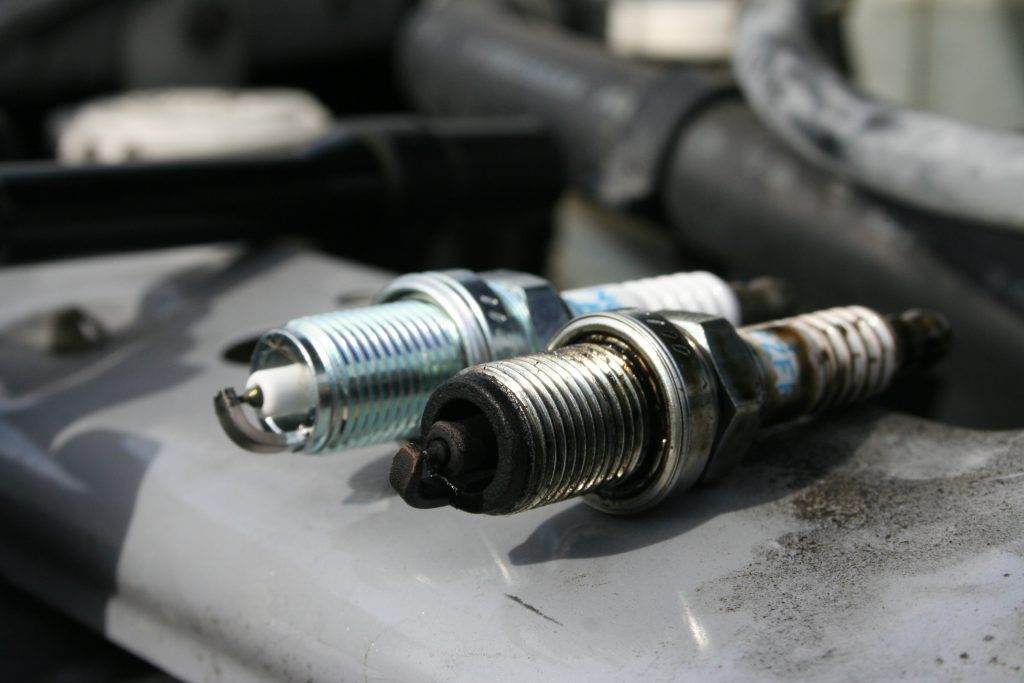
The spark plug consists of an insulated ceramic body with a central conductive metal core in the center. There is a gap between this central metal core and the tip of the electrode that connects to the spark plug’s metal base. Electricity forms an arc or jumps across this gap, causing the spark.
How important is the ignition system
The key takeaway is that if the ignition system does not work properly and precisely, your car may struggle to start or not run at all.
Worn spark plugs and faulty ignition system components will affect your engine’s performance, creating a wide range of engine problems including hard starts, misfires, lack of power, poor fuel economy, and even permanent damage if the issues are not resolved in time. Also note that these engine problems caused by faulty ignition systems can damage other critical components of your vehicle.
Therefore, regular maintenance of your ignition system is essential to ensure your engine’s optimal performance and thus a smooth and safe drive. So, how often is sufficient enough? At least once a year, you should perform a visual inspection of your ignition system components to check for signs of wear or failure, and then replace them immediately if necessary.
Regarding your spark plugs, be sure to inspect and replace them at the frequency recommended by your vehicle’s manufacturer. Again, given the importance of the ignition system, preventive maintenance is key to maximizing your engine’s performance and lifespan.
1 Distributor-Based Breaker Point Ignition (Mechanical)
History
The oldest type of ignition system is the conventional breaker point ignition system, sometimes also called the mechanical ignition system. It has been used since the early days of the automotive industry, especially in the 1970s.
It is one of the two types of ignition systems using a distributor, called distributor-based systems. Unlike the other three types of ignition systems discussed later, the breaker point ignition system is fully mechanical, hence its second name.
Let’s learn how they work, and then based on that, we’ll see the advantages and disadvantages of this type of ignition system. We will go into more detail in this section since the mechanical breaker point system is the first invention and thus the basis for all subsequent models. You need to understand how this system works well, to see the advantages and disadvantages of the later improved systems.
A Brief Description of Distributor Ignition
The first two types of ignition systems, the breaker point system and the electronic system, are both distributor-based, unlike the other two distributorless systems. So let’s learn the basics of how a distributor-based system works.
A distributor is a closed rotating shaft with mechanically timed ignition. The distributor
How to unlock the steering wheel without a key
You may have often encountered hard starting problems with your car, but it doesn’t bother you until the steering wheel locks. Sometimes the car’s steering wheel locks and you also can’t turn the ignition key. The problem can occur for several reasons. In situations where no help is available nearby, you need to know how to unlock the steering wheel without a key by yourself.
Yes, it is entirely possible and there are 2 ways to do it. But first, let’s find out why steering wheels lock!
Why do steering wheels lock?
You might be wondering why your steering wheel suddenly locks when you haven’t done anything to it. There are 2 main reasons behind the wheels locking.
The first is for safety reasons. So, whenever you turn off the ignition and remove your car key, the steering wheel locks. Car manufacturers have built this feature into the car so that your car doesn’t move on its own accidentally.
The second is to protect your car from theft. The thief or mischievous people could steal your car using the hotwiring technique.
So to prevent this, manufacturers add this feature to cars. So now you know the reason why the steering wheel locks, let’s move on to how to unlock the steering wheel without the key.
What do you need to unlock the steering wheel?
There are three ways to achieve this feat. And you don’t need a whole arsenal of tools to unlock your car’s steering wheel. All the tools you need for “how to unlock the steering wheel without a key” in your toolbox are:
Screwdriver
A socket set
WD40
You need certain necessary tools to perform this feat. (Photo: Mechanic Base)
How to unlock the steering wheel without a key?
Let’s explore the two ways to easily tip. Let’s visit each one by one.
Method 1: Unlocking the steering by yourself
Here are three alternatives in this category to bypass the steering wheel lock.
1. Try inserting the key
Try inserting the key into the ignition and turn the key and the steering wheel left and right at the same time. Make sure it’s simultaneous. If the lock is accidental, this trick will fix it in a click. The result: the key will turn fully, just like the steering wheel.
Tip for unlocking the steering wheel without a key: Use normal force. If you feel the movement is greater, which may be the case most of the time, try turning it further on that side. Do not apply pressure to avoid permanent damage to the locking mechanism.
2. Try using another key
Try using another key if key #1 fails. Sometimes, the problem could be with the key. Perhaps the previous owner of the used car you bought didn’t keep it very well.
If you have the second key, try it. There’s a good chance it will work. If the spare key doesn’t turn immediately, try key #1 with it. However, it’s possible that newer cars don’t provide this spare key.
3. If all else fails, try spraying WD40
If all else fails, try spraying WD40 into the ignition slot. It’s possible the wheel is locked due to hardened lock numbers; this solution will help you free the lock cylinder.
Once you’ve sprayed WD40, insert the key into the ignition slot and try turning it back and forth.
Even if this trick works, you might need to replace the lock cylinder later.
You might need to replace the lock cylinder later. (Photo: Secure Locks)
Method 2: Unlocking via ignition kit replacement
This is a treat for knowing how to remove the steering wheel lock without a key. This part is a bit technical, but you’ll need to resort to it if the alternatives mentioned above don’t work. You might also need a mechanic to help you.
And yes, you must carefully read your car’s owner’s manual before handling a steering wheel lock this way.
1. Remove the column panels
Remove the steering column panels. Simply loosen the screws holding the lower part of the steering wheel. Press the cover tabs and the lower part will come free. Similarly, remove the upper column as well.
2. Release the lock cylinder
Release the lock cylinder by identifying the unlock tab in the ignition lock system, pressing it, and turning the key until the cylinder retracts. Try it several times to release the cylinder.
3. Install the new ignition lock system
Install the new ignition lock system and try again with the old key. Now insert the lock cylinder as if it were in the steering column. Make sure you have completely set the lock tab in the lock cylinder before you can continue.
Check the key for a full turn now. You must ensure you can do this before you can reset the columns.
You can install the new ignition lock system and try the old key again. (Photo: Georges Melnik)
4. Reinstall the columns
Reinstall the columns now; first the upper part, followed by the lower part. Check that all clips are fully engaged and that they lock properly.
Screw it on tightly so everything is in place. So this is the second method for unlocking the steering wheel without a key.
Method 3: Unlocking by loosening sticky locks
Another method for unlocking the steering wheel without a key is to loosen sticky locks.
1. Put electrical cleaner in the lock hole
So, when the cylinder is stuck, spray a small amount of electrical cleaner into the lock hole. Remember to put a “small amount” from the sprayer. Once you’ve done that, insert your key and turn it back and forth gently to work the lubricant in.
2. Spray canned air into the ignition
It’s possible that debris stuck in the ignition is preventing the key from turning and the steering wheel is locked. Use the canned air sprayer and insert the nozzle straw directly into the lock hole. This will help clean any debris inside the lock hole.
3. Gently slide the key in and out several times.
The third step to unlock the steering wheel without a key is to gently insert and remove the key from the lock hole.
Secondly, debris can get stuck in the ignition cylinder pins. So, gently moving the key will help dislodge debris that might be stuck in the cylinder.
4. Make sure the key is not bent or damaged
In some cases, rounded or chipped key teeth will no longer engage the ignition cylinder pins to the depth needed to turn it. That’s why the key doesn’t turn when you insert it into the ignition.
Make sure the key is not bent or damaged when unlocking the steering wheel. (Photo: Diamond Locksmiths)
You can replace the key if it’s too damaged to turn the ignition cylinder. You should ask the dealer to work on your car, as copying the damaged key won’t help you solve the problem.
Important Tips
Check the power steering fluid level. Sometimes a lack of it can worsen problems.
No matter if someone tells you they know how to unlock the steering wheel without a key. Don’t do it. It can irreparably damage your vehicle.
Summary
So this is about knowing how to unlock the steering wheel without a key. You can try these maintenance tips to save yourself a lot of trouble at home and ask for a technician’s help if needed. Remember to follow us to better care for your car.
What Causes a Knock Sensor to Deteriorate
This question therefore always remains unanswered, and that is why we are here to find out whether it is safe to drive with a faulty knock sensor or not. Let’s start by thinking about this question: have you noticed that check engine light or knocking noises coming from the engine from time to time? If yes, this could be the major sign of a faulty knock sensor. And this could be the sign of a malfunctioning knock sensor in your vehicle. Now, another question arises: is it safe to drive with a faulty knock sensor? By the way, what causes a knock sensor to malfunction? Well, for that, we need to discover other basic things, which are explained below.
What Causes a Knock Sensor to Deteriorate? The Real Reasons
What causes a knock sensor to malfunction in any car? Why not start by understanding the knock sensor process? The knock sensor is located on the cylinder head, engine block, or intake manifold. The main function of the knock sensor is to detect and sense the vibrations caused by engine knocking. Your vehicle’s PCM will send a command to adjust the ignition timing. This will even prevent an explosion, in case it is about to happen. Then it will identify the valid ping, after which the ignition timing will be retarded to protect the engine from any possible damage.
A knock sensor can even prevent an explosion
What Causes a Knock Sensor to Deteriorate?
There are several reasons why the knock sensor fails. And today, we are going to discuss all those possible reasons that can contribute to it. The first reason could be the Check Engine light coming on. Another symptom could be continuous vibrations, especially at high speed, dull noises coming from the engine, poor acceleration, poor fuel economy, and even misfires.
What causes a bad knock sensor is its mishandling. Perhaps you handle it roughly or have dropped it sometimes. It can even deteriorate if you remove it improperly. The main culprit is sometimes the connectors too. If they are pushed or pulled roughly or are not aligned, the risks of breaking these fragile parts of the sensor increase. Sensors are quite fragile and you need to take care of them to preserve their lifespan for a long time.
An expert check is important when problems are detected
It is always recommended to call in experts if you are handling the sensors for the first time. Also, reading and understanding some good maintenance tips from renowned experts can always help.
What Happens When a Knock Sensor Fails?
Of course, the vehicle is affected in one way or another. So here are some phenomena you might encounter in the car when the knock sensor fails. Here is the answer to what the knock sensor does:
1. Decreased Power
Once your car detects the bad knock sensor, you will see your vehicle losing power. This depends on the octane limit of any engine and how much it will lose due to its power. The power loss stops and even decreases the timing. Overall, the vehicle’s performance is halted. That’s how bad the knock sensor can get for the vehicle.
2. Fuel Consumption Gone
This can even slow down the vehicle’s acceleration, especially on the highway. You might need to apply more pressure on the accelerator to fuel the vehicle. This means your car has lost fuel consumption. In this case, take your vehicle to a mechanic as soon as possible.
3. The Engine Acts Unusually
Another symptom of a bad knock sensor is that the engine will not behave properly. It will be unable to function well especially when you are carrying a very light or very heavy load. Sometimes the light does not come on even after such problems. But if somehow your car is misbehaving, it would be enough to take it to the mechanic.
You need to palpate your engine to confirm the knock sensor malfunction
4. Check Engine Light
The check engine light often illuminates your car’s dashboard in case of knock sensor malfunction. Modern cars are equipped with onboard diagnostic systems that monitor many parts and sensors of the car, including knock sensors. That’s why when you notice the check engine light, it can be a sign to alert you to problems with your knock sensors.
5. Poor Fuel Efficiency
One of the main tasks of knock sensors is to optimize the air-fuel ratio by ensuring proper combustion. Thus, a faulty knock sensor can negatively impact this process. At this time, the ECU cannot make the necessary adjustments, which affects fuel distribution and leads to inefficient fuel consumption by your car.
6. Risk of Knocking and Engine Damage
The knock sensor is essential to prevent engine damage caused by knocking, i.e., the uncontrolled and premature combustion of the air-fuel mixture. If the knock sensor fails, the ECU may not be able to accurately detect knocking and damage your engine.
Watch more about the symptoms of a bad knock sensor:
The causes of a knock sensor malfunction are here for you. Now, you need to keep a constant check on the vehicle. Also, to ensure that whenever any of these symptoms appear, you immediately bring it to the mechanic. After all, an experienced and skilled person can handle this much better than we can. So, read this knock sensor guide, follow the tips, and follow it through to ensure you know what to do in case of a bad knock sensor.
Electric or hybrid: which is best for me
Have you thought about buying a new car? Brand and model have always been the first things that come to mind. Today, we have to make another decision. Should I buy an electric or hybrid car? Here are some points to consider to help you make the right decision.
The UK is considering banning petrol and diesel cars from 2030. With this in mind, it makes sense to plan ahead.
ELECTRIC CARS – ADVANTAGES
The development of electric cars is progressing more and more. Due to their advantages, more and more customers are enthusiastic about electric cars. There are several reasons for this; driving pleasure thanks to powerful acceleration from a complete stop and reduced noise. The main argument for buying an electric car is that it is environmentally friendly. The car becomes a purchase that is both a status symbol and an expression of one’s idealism. Thanks to the electric motor, which does not require combustion, no CO2 or other greenhouse gases are emitted. Even in the overall CO2 balance, which takes into account the entire lifespan of the electric car, it beats conventional combustion engines.
The electric motor is also very energy efficient: the integrated motors have an efficiency of up to 90 percent. This means that 90 percent of the energy input can also be used. This value is only 20 to 40 percent for combustion engines. Furthermore, electric cars do not consume oil in the form of petrol or diesel, thus preserving this resource.
THE DISADVANTAGES
The range of electric cars is still far from comparable to that of diesel and petrol. Electric cars remain more expensive than thermal engines, and recharging the batteries is not always easy. These are facts that still hinder the sale of electric and plug-in hybrid cars in most countries, but they are on the increase.
Most of the disadvantages of electric cars are due to the current state of technology. The most important cost factor remains the vehicle’s battery. The production of lithium-ion batteries, which is being established, is not only costly but also leaves a significant CO2 footprint that weighs on the overall environmental balance of electric cars.
HYBRID CARS – ADVANTAGES
Hybrid cars aim to combine the advantages of combustion engines and electric propulsion. Since an electric motor is already very efficient at low speeds, it is particularly well-suited for starting and low speeds. In contrast, at high speeds, the thermal engine performs better. Most hybrid cars can automatically switch between the two engines or operate both together when it is most efficient.
Thanks to the synthesis of the two types of transmission, fuel consumption and emissions can be reduced, dynamic driving performance created, and a long range achieved for a reasonable additional cost. The electric motor supports or replaces the combustion engine – especially where it is inefficient – and serves in certain situations as a performance booster.
THE DISADVANTAGES
Even before taking a closer look at a hybrid car, one thing that immediately catches the eye is its high price. Many models are now offered in both classic thermal and hybrid versions, and the price difference is often several thousand euros more for the hybrid model. This is partly due to the need to install both electric and combustion technology.
This brings us to the next disadvantage, weight. Precisely because both systems are installed, the hybrid weighs significantly more than a conventional model. The extra weight becomes a problem especially when driving on the motorway, as fuel consumption increases significantly there and can even be higher than that of a combustion model. Two systems also mean that more space is required. The battery has to be stored somewhere, which is usually at the expense of the boot space. The fuel tank is also smaller, so fuel is no longer sufficient for long journeys. From an ecological point of view, a hybrid is only cost-effective if you drive it for a long time and especially on short distances and in city traffic.
ELECTRIC OR HYBRID – WHICH IS THE BEST OPTION?
An electric vehicle requires up to 50% less energy than a hybrid vehicle. Studies show that operating an electric car produces up to 70% less greenhouse gases, nitrogen oxides, and particulates than a hybrid car. So, if you are concerned about emissions, you should invest in an electric vehicle.Top 5 Rated Electric Vehicles in the UK:
Hyundai Ioniq 5 – With high charging speed, numerous assistance systems, and generous interior space, Hyundai is even tackling the electric luxury class.
Kia EV6 – The Kia EV6 features cutting-edge 800-volt technology and a bold design.
Skoda Enyaq – The Skoda benefits from its rear-wheel drive design and cornering manoeuvres are no problem.
Tesla Model 3 – The “base model” of the rear-wheel drive Model 3 is quite impressive. The “Standard Range Plus” version offers 239 kW or 325 hp. Ford Mustang Mach-E – It guides you through everyday life in a fully electric way and will impress with its appearance, technology, and performance.
Top 5 Rated Hybrids in the UK:
Toyota Prius – It is still an aerodynamically optimized compact-class sedan.
Renault Captur – The entire powertrain offers agility, very good driving comfort, and enough power for all everyday situations.
Kia Niro PHEV – In terms of connectivity and assistance systems, the crossover is once again state-of-the-art, making it an attractive choice.
Skoda Octavia iV – The vehicle strikes with a lush grille and a touch of luxury inside. BMW 330e – It may not be the most economical plug-in hybrid, but it offers a lot of dynamics thanks to the concentrated power of its propulsion units.
The advantages and disadvantages of electric cars
For some time now, electric cars have been presented as the solution to the automotive industry’s greenhouse gas problems, with the potential to reduce our dependence on fossil fuels and reduce CO2 emissions on the roads. However, the transition to electric vehicles (EVs) has been slow, and many people are wondering if the benefits of these cars truly outweigh the costs. For people considering buying an electric vehicle, our recommendation would be to explore your options and examine the advantages and disadvantages individually, as they could also be affected by your driving environment, habits, and preferences.
HOW DO ELECTRIC VEHICLES WORK?
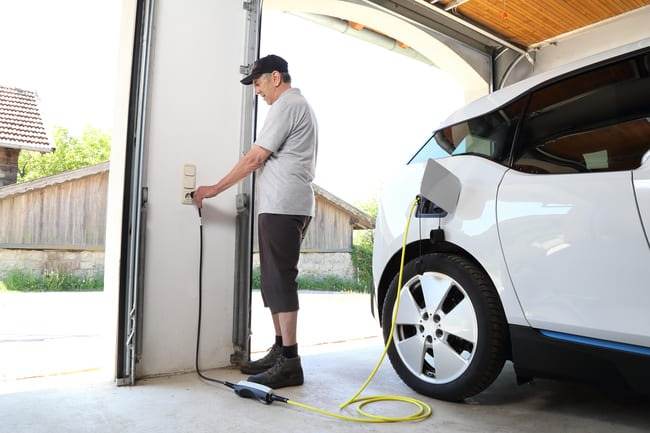
Instead of an internal combustion engine, fully electric models use an electric motor powered by a rechargeable battery. The motor generates less noise and allows the car to operate without emitting harmful exhaust gases. The battery stores electricity, an inverter converts the direct current (DC) from the battery into alternating current (AC) which is supplied to the traction motor. These vehicles have a unique transmission system that transfers power to the wheels. To charge the battery, the EV must be plugged into a charging station or a wall outlet.
THE ADVANTAGES OF ELECTRIC CARS
+No Fuel This allows people to significantly reduce their operating costs, as electricity is generally much cheaper than gasoline and diesel. However, this will also depend on the local charging infrastructure and charging rates. Some models can even be charged at home on a standard outlet. By using electric vehicles, we can become less dependent on fossil fuels and the volatile fuel market. Car batteries can potentially be charged using 100% renewable energy sources.
+Zero Emissions The obvious advantage of switching to all-electric is that the cars do not release harmful gases into the atmosphere. In this sense, they are even more environmentally friendly than hybrid electric vehicles which still use internal combustion engines. Features such as regenerative braking also reduce the amount of energy wasted.
+Low Maintenance Electrically powered units are generally much easier to maintain than conventional combustion engines. They have fewer moving parts, meaning there are fewer parts to replace. There are no valves that can clog or seals that need to be replaced regularly, and you won’t have to worry about changing the engine oil.
+Tax Benefits Some governments offer tax benefits and financial incentives for low-emission vehicles. One of the advantages of owning an electric car is that you might be able to avoid certain environmental costs, such as urban tolls.
+Smooth Driving Thanks to the electric motor, noise pollution is significantly reduced, contributing to a better driving environment. The simple transmission system virtually eliminates stalling and allows the vehicle to operate with just the accelerator pedal, steering wheel, and brake pedal. After many technological developments, these models are lighter and capable of accelerating with surprising speed. For example, the Tesla S model is capable of accelerating from 0 to 60 miles per hour in just 2.5 seconds.
THE DISADVANTAGES OF ELECTRIC CARS
–High Investment Costs Electric vehicles are certainly not cheap, and many people do not have the capital to buy a new one. Used vehicles are obviously cheaper, but the vehicles still have a higher average resale value than standard gasoline vehicles. Hopefully, the market segment will see a reduction in prices as technology advances and more of them are sold. On the other hand, in the long term, fuel savings could offset the money invested.
–Electrical Infrastructure Issues Although more and more people have made the switch and companies and governments have started investing more in the electrical infrastructure for these vehicles, the number of charging stations in different locations remains quite limited. For long-distance trips, car owners will need to ensure there are enough charging points along the route. Another issue is that the time needed to charge the vehicle varies depending on the charging method and the battery’s condition.
–Driving Limitations Electric vehicles have limited range and speed. On average, most models have a range of about 50 to 100 miles on a single charge. However, newer high-end models have much higher ranges. For example, the Chevrolet Bolt has a maximum range of 238 miles.
–Expensive Batteries Although battery packs generally last a long time, they eventually wear out. A replacement can cost thousands of euros.
–Silence The fact that traction motors are so quiet is not always an advantage. For example, sound can be important to warn other road users and pedestrians when a car is coming around the corner or leaving.
HOW DOES TEMPERATURE AFFECT VEHICLE RANGE?
Range can be affected by extreme temperatures (hot or cold). Data has shown that the optimal operating temperature for electrical systems is around 21.5 degrees Celsius. An important factor is the efficiency of the heating and cooling systems. Car manufacturers have attempted to develop solid thermal management to avoid performance losses.
ARE ELECTRIC CARS REALLY BETTER FOR THE ENVIRONMENT?
Reductions in annual emissions are evident, but the sustainability of these cars is still widely debated. For example, production processes are still carbon-intensive, and most of them still rely on grid electricity, which is often produced from non-renewable energy sources. The lithium-ion battery recycling industry is also underdeveloped and ill-prepared for the increasing waste management requirements.