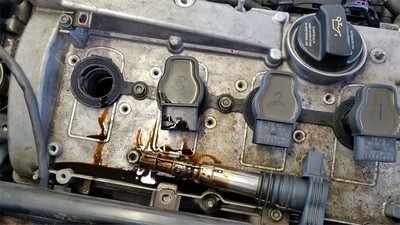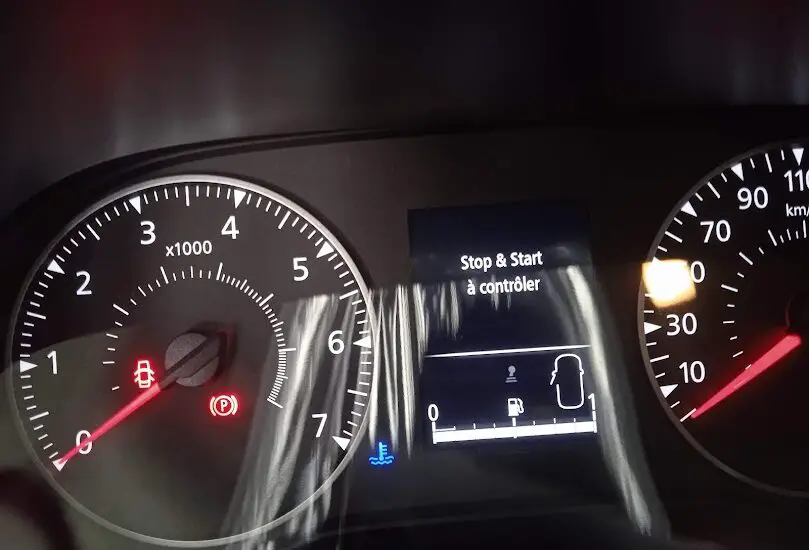
Complete Guide to Fixing the “Stop Start Controlled” Error

The “Stop Start to be Checked” error is a common warning message in vehicles equipped with Stop & Start technology, designed to reduce fuel consumption and emissions. While useful, this system can experience malfunctions. This article details the possible causes, mistakes to avoid, and solutions to effectively address the issue.


1. Main Causes of the “Stop Start to be Checked” Error

Several factors can trigger this warning message:

  • Weak or faulty battery: The system relies on a battery in good condition. An aging or undercharged battery disrupts its operation.
  • Sensor failure: Faulty sensors (clutch, brake, driver presence, engine temperature) send incorrect signals to the system.
  • Unsuitable engine temperature: An engine that is too cold or overheating automatically disables the Stop & Start.
  • Alternator problem: A faulty alternator does not properly recharge the battery, affecting the system.
  • Outdated software: Software bugs can block the activation of Stop & Start.
  • Electrical overload: Intensive use of air conditioning, heating, or multimedia devices drains the battery.

2. Mistakes to Absolutely Avoid

To avoid worsening the situation:

  • Ignoring warning signals: A lit warning light or repeated system deactivation should prompt a check.
  • Neglecting the battery: A battery not regularly checked risks causing costly breakdowns.
  • Forgetting software updates: Manufacturer updates often fix critical bugs.
  • Tampering with sensors without expertise: Disconnecting a sensor without prior diagnosis can damage other components.
  • Forcing the system: Insisting on activating Stop & Start despite the error risks damaging the engine or electronics.

3. Solutions and Good Maintenance Practices

Here are the steps to resolve the issue:

Technical Checks

  • Test the battery: Measure its voltage (ideally 12.6 V with the engine off) and replace it if necessary.
  • Diagnose the sensors: Use an OBD2 tool or consult a mechanic to identify faulty sensors.
  • Check the alternator: Ensure it delivers a voltage between 13.5 and 14.5 V when the engine is running.

Corrective Actions

  • Reset the system: Disconnect the battery for 10 minutes to clear temporary errors.
  • Update the software: Visit a dealership to install the latest manufacturer updates.
  • Limit energy-intensive accessories: Turn off air conditioning or heating during frequent starts.

Preventive Maintenance

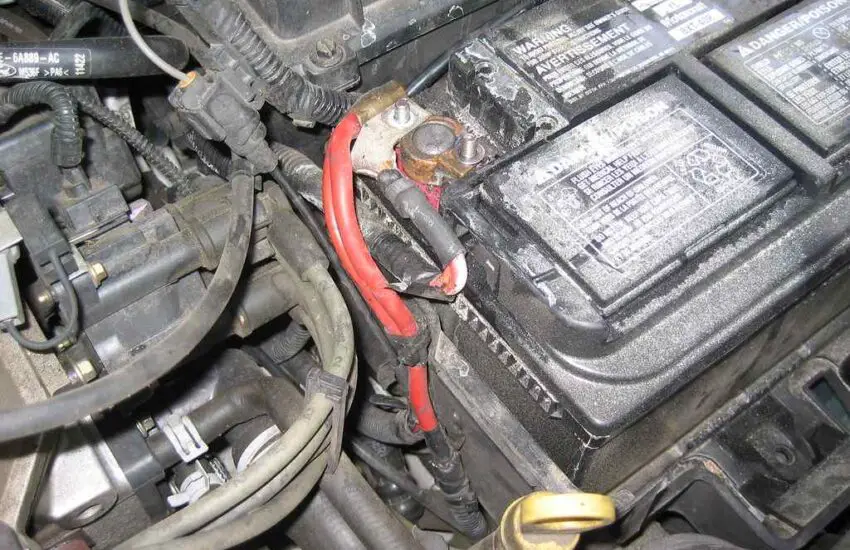
  • Clean the battery terminals: Corrosion and dirt disrupt the current.
  • Perform regular check-ups: An annual inspection by a professional prevents breakdowns.

4. Conclusion

The “Stop Start to be Checked” error often stems from the battery, sensors, or alternator. By adopting rigorous maintenance and responding quickly to warnings, you minimize the risk of breakdowns. If the problem persists after these checks, consult a qualified mechanic for an in-depth diagnosis.

Tip: To extend the life of the Stop & Start system, prefer regular trips (20+ minutes) allowing the battery to recharge properly.
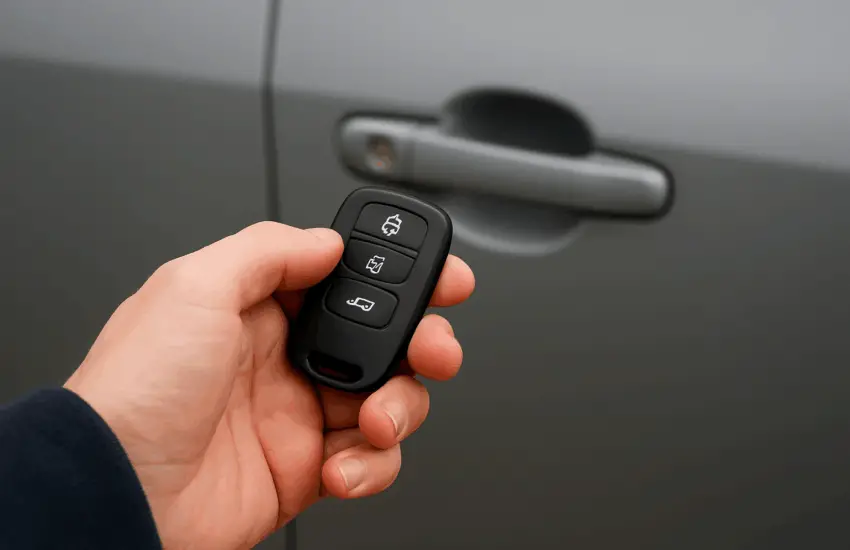
Car key that no longer works: what to do?

A car key fob is very convenient… until it stops working. Being stuck in front of your vehicle, unable to get in, especially when you’re in a hurry, can quickly become a nightmare.

In most cases, a simple dead battery is the cause. But sometimes, the problem is a bit more complex.

1. Test with a spare key

First of all, if you have a spare key, test it. If it works correctly, you’ll know the issue is with the main remote, not the car’s system.

2. Replace the key fob battery

The simplest solution is often to change the battery. Open the remote’s casing, remove the old battery, and replace it with a new one of the same type. A new battery is usually enough to get everything back in order.

3. Check the condition of the internal contacts

With frequent use, internal components can become unsoldered or detached. Open the casing and observe the condition of the connectors and buttons. A small solder joint can sometimes be enough to fix a faulty connection.

4. Manually unlock the car

No battery on hand? Try holding the remote very close to the door handle. Sometimes there’s just enough energy left for the system to respond at very close range.

5. Use a remote unlocking service

Some manufacturers offer remote unlocking services, such as Uconnect Access for Fiat, Jeep, or Chrysler, or mobile apps from BMW, Nissan, Lexus, Honda, etc. However, this service must have been activated in advance.

In the absence of such a service, calling roadside assistance remains an effective solution.

6. Take out the hidden mechanical key

Most modern remotes contain a spare physical key. Look for a small button or latch on the remote: it will release the key.

If your car doesn’t have a visible lock, it’s probably hidden under a plastic cover next to the handle. You can gently remove it to insert the key.

7. Reprogram the remote

Sometimes it’s necessary to reprogram the key. Insert it into the ignition, then turn it several times between the “on” and “off” positions without starting the engine. A beep may indicate that the reprogramming was successful.

Frequently Asked Questions

What to do if changing the battery isn’t enough?

The problem could be with the buttons, the electronic board, or the central locking system. Consult the vehicle’s manual or seek help from a professional.

Can interference prevent the key from working?

Yes. Electronic signals (antennas, terminals, etc.) can disrupt the connection. Try using the key in a different location.

Why does my main key no longer work, but the spare key does?

The main key may be damaged or unpaired. Replacement or repair may be necessary.

Is it always possible to open the car by hand?

Yes, most vehicles have a hidden manual lock that can be used with the physical key.

What to do if none of the keys work?

It could be a problem with the receiver or the central system. In this case, a professional diagnosis is required.

Does cold or heat affect remotes?

Yes. Extreme temperatures can weaken batteries or damage internal electronic components.

Conclusion

If your remote key no longer unlocks the door, start with simple checks: battery, buttons, internal contacts. Don’t forget the spare mechanical key, and as a last resort, consider reprogramming or professional assistance.

A small issue can often be easily resolved, but it’s better to be prepared!

Why should you use GPS trackers for your vehicle?

As a vehicle owner, you know how valuable it is, whether for your daily commutes, work, or leisure. But do you know how to effectively protect it against risks of theft, misuse, or even accidents? The answer lies in a simple and accessible tool: the GPS tracker. Here’s why adopting this technology could transform your driving experience and peace of mind.

1. Protection Against Theft and Quick Recovery

Every year, thousands of vehicles disappear without a trace. A GPS tracker acts as an invisible insurance. In case of theft, it allows you to locate your car, motorcycle, or van in real-time, even if thieves try to disable the standard security system. Law enforcement can then intervene quickly, increasing the chances of recovering the vehicle intact. Some models even alert your smartphone in case of suspicious movement for an immediate response.

2. Real-Time Monitoring, Wherever You Are

Whether you’re going on vacation or entrusting your vehicle to someone else, the GPS tracker gives you an eye on the road. Through a mobile app, check the exact position, speed, or route taken. Ideal for parents wanting to ensure their teenager respects speed limits or for businesses monitoring their professional fleets.

3. Reduction in Insurance Costs

Many insurance companies offer discounts (up to 20-30%) to GPS tracker users. Indeed, these devices reduce theft risks and facilitate investigations, making your vehicle less “risky” to insure. A significant long-term saving!

4. Optimization of Usage and Costs

For professionals, a GPS tracker is an essential management tool:

  • Route Tracking: Identify the most efficient routes to reduce fuel consumption.
  • Misuse Control: Detect unnecessary detours or personal use of the professional vehicle.
  • Proactive Maintenance: Some trackers analyze engine status and alert in case of potential breakdowns.

5. Geolocation in Emergencies

In case of an accident or breakdown in a remote area, the GPS tracker can save lives. Some models include an emergency button to alert rescue services and transmit exact coordinates, speeding up intervention.

6. Smart Features

Modern trackers go far beyond location:

  • Geofencing: Receive an alert if the vehicle leaves a predefined area (e.g., school, workplace).
  • Trip History: Analyze driving habits to improve safety or efficiency.
  • Compatibility with External Sensors: Monitor truck loading or the temperature of a refrigerated vehicle.

7. A Cost-Effective Investment

Contrary to popular belief, GPS trackers are affordable. For a modest initial cost (often less than €100) and a minimal monthly subscription, you protect an asset worth thousands of euros. Not to mention the savings generated on insurance, fuel, or repairs.

Conclusion: Peace of Mind is Priceless

Between enhanced security, simplified control, and realized savings, the GPS tracker stands as an indispensable ally for every vehicle owner. Whether it’s protecting a family asset, optimizing a business fleet, or traveling with peace of mind, this technology offers a solution tailored to all needs. What if you took action today?


A small device can make a big difference: equip yourself and drive with confidence!

Can a car battery discharge after a few weeks of inactivity

Yes, a car battery can discharge after a few weeks without use. It often happens that a car won’t start after a period of inactivity, even if the engine cranks unsuccessfully. In winter, many vehicles remain parked for weeks, or even months, which can lead to a gradual discharge of the battery. Although leaving your car in the garage saves fuel and reduces wear, it can damage the battery in the long term.

But why does a battery discharge when idle, and how can it be prevented?

Why does a car battery discharge when idle?

Several factors explain the discharge of a battery during prolonged inactivity:

1. Parasitic drain

Even when idle, a car consumes energy to power certain electronic systems:

  • The anti-theft system
  • The onboard computer
  • GPS and sensors
  • Radio memory and settings

Modern vehicles, equipped with numerous technologies, are particularly affected by this phenomenon.

2. Weather conditions

Extreme temperatures (intense cold or high heat) accelerate discharge. In winter, the battery’s capacity decreases, while in summer, heat can damage its internal components.

3. Battery condition

An aging or poorly maintained battery discharges more quickly. A new battery can last several weeks, while a worn-out battery may drain in just a few days.

How long can a car remain idle before the battery dies?

The duration varies depending on the vehicle model and the battery’s condition:

  • Luxury cars (e.g., Mercedes-Benz S550): A few days are enough for a complete discharge.
  • SUVs (e.g., Ford Expedition): About 5 to 9 days.
  • Toyota Sequoia: Up to 2 weeks.

Vehicles equipped with many electronic systems discharge more quickly.

How to prevent battery discharge?

1. Use a maintenance charger

A battery maintainer (or smart charger) helps maintain an optimal charge during long periods of inactivity.

2. Disconnect the negative terminal

By disconnecting the negative cable, you cut power to the electronic systems, reducing parasitic drain.

3. Remove the battery (if possible)

If the car remains idle for several months, remove the battery and store it in a dry, temperate place. Recharge it every 2 weeks.

4. Start the engine regularly

If possible, start the car once a week and let the engine run for 10-15 minutes to recharge the battery.

Can a completely dead battery be recharged?

Yes, but a deep discharge can damage the battery in the long term. Use a suitable charger for a gentle recharge.

Conclusion

A car battery can indeed discharge after a few weeks of inactivity. To avoid unpleasant surprises, adopt good practices: using a maintenance charger, disconnecting the battery, or starting the engine regularly. By taking these precautions, you will extend your battery’s lifespan and prevent unexpected breakdowns.

🔋 Is your battery discharging too quickly? Consider having it checked by a professional!

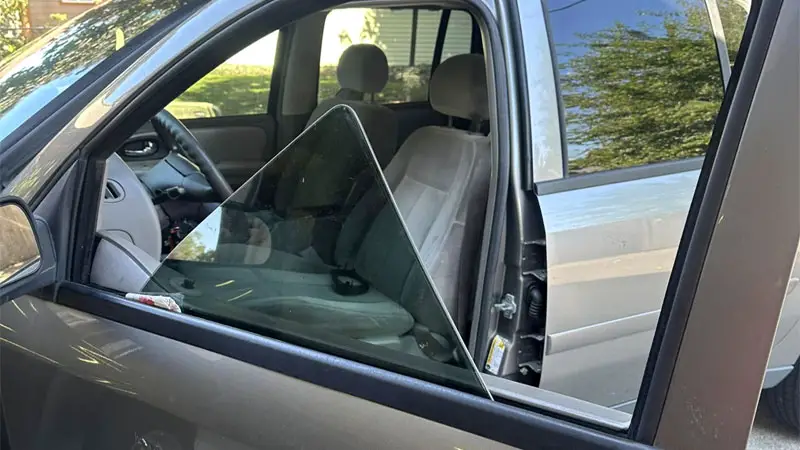
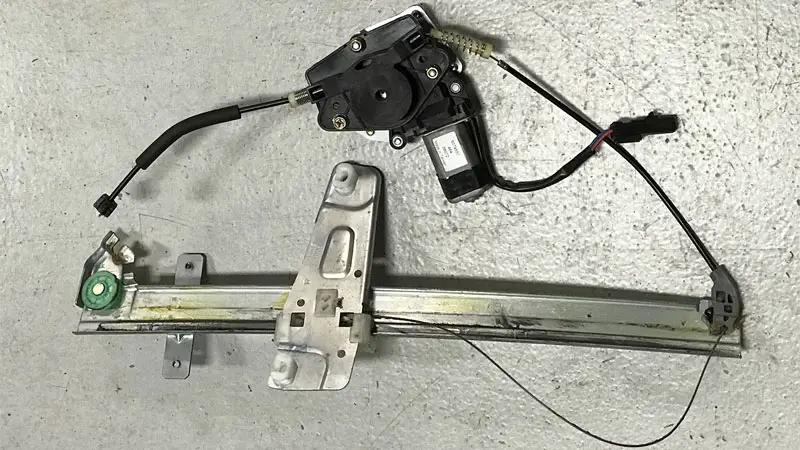
Symptoms of a Faulty Power Window: How to Identify and Fix Them?

Electric windows are essential comfort features in modern vehicles. However, like any mechanical or electrical system, they can fail over time. Recognizing the symptoms of a faulty window regulator allows for quick intervention and avoids costly repairs.

In this article, we will explore the warning signs of a faulty window regulator, their possible causes, and the solutions to fix them.


1. The Window No Longer Responds to the Switch

Symptoms:

  • The window does not go up or down when you operate the switch.
  • No noise from the motor or mechanism is audible.

Possible Causes:

  • Blown fuse: An electrical issue may have blown the fuse associated with the window regulator.
  • Faulty switch: The control button may be damaged or no longer transmitting current.
  • Wiring problem: A cut or corroded electrical wire may prevent operation.

Solutions:

  • Check and replace the relevant fuse.
  • Test the switch with a multimeter or by trying another button (if available).
  • Inspect the wires for breaks or corrosion.

2. The Window Goes Up or Down Slowly

Symptoms:

  • The window takes longer than usual to open or close.
  • A squeaking or rubbing noise may accompany the movement.

Possible Causes:

  • Lack of lubrication: The window regulator rails or guides may be dry or dirty.
  • Worn-out motor: The electric motor loses power over time.
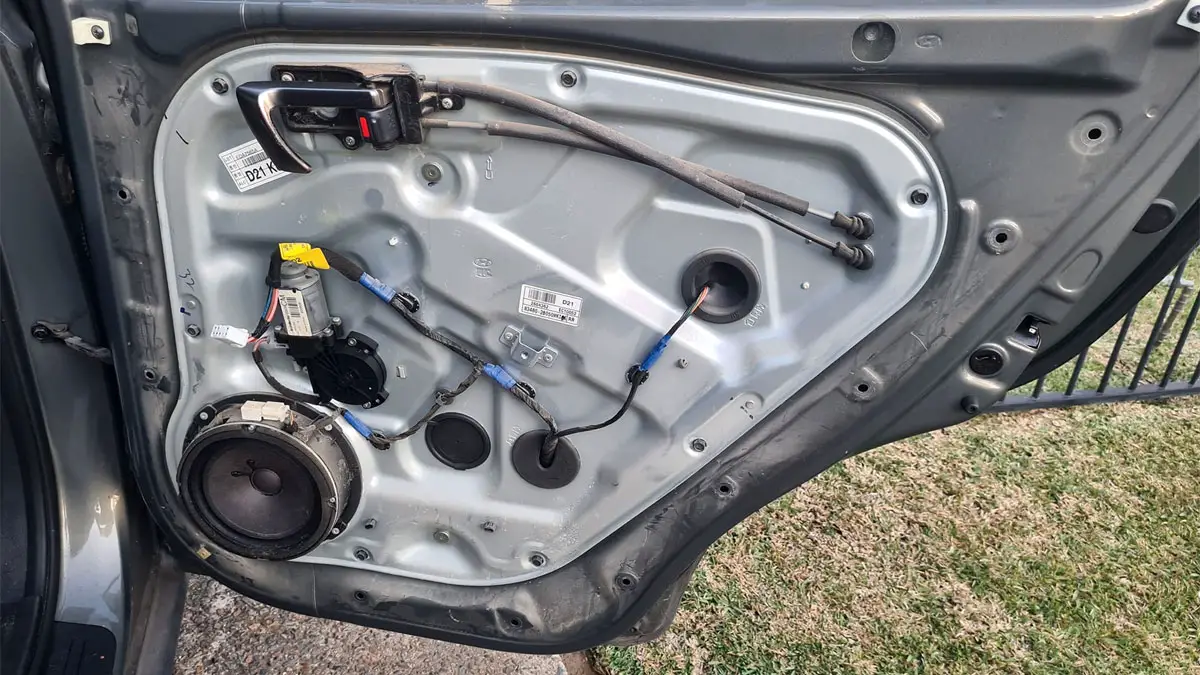
  • Mechanical problem: A deformed or worn regulator (lifting mechanism) can slow down the movement.

Solutions:

  • Clean and lubricate the rails with a silicone spray or suitable grease.
  • Check the condition of the motor and replace it if necessary.
  • Inspect the regulator for breakage or deformation.

3. The Window Does Not Stay in Place or Falls on Its Own

Symptoms:

  • The window goes down slightly after being raised.
  • It does not hold its position and falls back partially or completely.

Possible Causes:

  • Anti-pinch mechanism problem (on recent models): A malfunction in the safety system can cause the window to go back down.
  • Broken regulator: A spring or cable in the mechanism may be broken.
  • Worn guides: The guides no longer hold the window properly.

Solutions:

  • Reset the anti-pinch system (consult the vehicle’s manual).
  • Replace the regulator if parts are broken.
  • Check the condition of the guides and replace them if necessary.

4. Abnormal Noises During Use

Symptoms:

  • Squeaking, clicking, or cracking noises when the window goes up or down.

Possible Causes:

  • Regulator failure: A cable may be breaking.
  • Failed motor bearing: The motor emits friction noises.
  • Obstruction in the rails: Dirt or debris blocking the movement.

Solutions:

  • Clean the rails and lubricate the mechanism.
  • Check the condition of the regulator and motor.
  • Replace damaged parts.

5. The Window Is Crooked or Stuck

Symptoms:

  • The window does not go up straight and gets stuck at a certain point.
  • It refuses to go down completely or remains stuck.

Possible Causes:

  • Deformed or broken regulator: The cables or arms of the mechanism are misaligned.
  • Guide problem: The guides are twisted or damaged.
  • Detached window: The window is no longer properly attached to the mechanism.

Solutions:

  • Realign or replace the regulator.
  • Check the condition of the guides and adjust them.
  • Reposition the window if it has become detached.

Conclusion: What to Do in Case of a Faulty Window Regulator?

If you notice any of these symptoms, here are the steps to follow:

  1. Check simple elements (fuse, switch, lubrication).
  2. Diagnose the problem (mechanical or electrical).
  3. Replace faulty parts (regulator, motor, cables).

In some cases, professional repair is necessary, especially if the anti-pinch system is involved. Quick intervention prevents further damage to the mechanism and ensures your safety.

If you have any doubts, do not hesitate to consult a mechanic for an accurate diagnosis!

🚗 Preventive tip: Regularly clean and lubricate the rails to extend the life of your window regulator.

How to Identify Fluid Leaks in Your Car

It’s never a great feeling – backing out of the garage or a parking spot and seeing a puddle where your car was. Is your car leaking oil? Or is it another automotive fluid?

(more…)

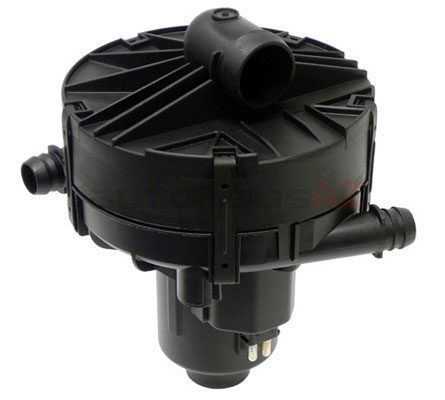
Symptoms of a Faulty Secondary Air Injection Pump

If you’re wondering what a secondary air injection pump is, you’re not alone. In this article, we will go over the purpose of the secondary pump as well as the symptoms you should watch for to indicate that the pump is failing.

(more…)

Causes of High Fuel Consumption in Gasoline and Diesel Vehicles

Causes of High Fuel Consumption in Gasoline and Diesel Vehicles, We all strive for good fuel economy in the vehicles we drive. The majority of people on the road drive vehicles powered by a gasoline or diesel engine. Electric vehicles are an entirely different topic.

Although diesel and gasoline engines are different, they also share similarities. Some of these similarities involve issues that can arise and cause them to consume too much fuel and worsen their fuel economy.

Most high fuel consumption problems are related to some kind of engine issue, whether directly associated with the engine or something else in the car that prevents the engine from doing its job correctly. Here are nine of the most common causes of your vehicle’s excessive fuel use.

The Top 9 Reasons Your Car Uses Too Much Gas or Diesel


1) Carrying Excess Weight

A simple cause of high fuel consumption is when a vehicle carries too much weight, whether it has many items in the trunk, is full of people, is carrying a roof box, or is towing a trailer.

The more weight the vehicle carries, the harder the engine has to work to generate enough power to move everything.

Whenever more power is needed, whether while cruising or accelerating, the engine must burn more fuel to achieve it. Consequently, you end up having to fill your fuel tank more often.

2) Bad Spark Plugs

When spark plugs wear out, you will experience more engine misfires with your vehicle, which will consume more fuel. You must be sure to use the highest quality spark plugs possible so that you can get the most miles out of them. Iridium spark plugs and platinum spark plugs are the two most preferred types.

3) Dirty Air Filter

There are many reasons to have a clean air filter, but one of the main reasons is to have good fuel economy. If your air filter is clogged or dirty, less air enters the combustion chamber, making it much harder for the engine to meet the driver’s power demands.

This can even cause a rich running condition where the air/fuel mixture is not optimal. So remember to change your air filter at the recommended interval set by the vehicle manufacturer. Your vehicle’s manual will contain this information.

4) Low Tire Pressure

Your vehicle’s tires must be inflated to the correct air pressure, typically between 32 PSI and 34 PSI for the majority of vehicles. Everyone should own a good tire pressure gauge.

If you drive a vehicle with low tire pressure on all or some of the tires, it creates more wear and resistance for those tires. This makes the engine work harder to compensate for the extra resistance, meaning more fuel will need to be used to power the engine.

5) Bad Oxygen Sensors

Your engine is equipped with oxygen sensors that monitor the air and fuel mixture in the internal combustion chamber. Based on what it detects, it tells the powertrain control module to add the correct amount of fuel.

But if the oxygen sensor is faulty, the system may automatically add more fuel even if the engine doesn’t need it.

6) Old Engine Oil

Not only do your spark plugs need to be in good condition, but you must also ensure you change the oil regularly and replace the oil filter as well. Over time, engine oil becomes thicker and has different flow properties.

As a result, the resistance of your engine’s components increases. This leads to more fuel being needed to move a vehicle.

7) Incorrect Gear Shifting

This is especially true with manual transmissions, but also applies to automatics with sport modes. Do not shift gears too early or too late. If you try to accelerate at too low an RPM, the engine has to work harder to speed up.

Alternatively, if you constantly let your engine run in the higher RPM range of your power band because you enjoy the extra power, keep in mind that you are also burning much more fuel.

8) Driving Too Fast

Believe it or not, the difference between 80 MPH and 70 MPH could mean consuming 25% more fuel. The two main factors contributing to this are wind resistance and gear ratio. That’s why it’s always best to simply drive the speed limit or be as close to it as possible. Otherwise, you will use more fuel than necessary.

Furthermore, don’t gun it off the line every time the light turns green. Gentle acceleration will save you a lot of gas, especially when there’s another red light a few blocks away.

9) Air Conditioning

When you use the air conditioner, more demand is placed on the engine. As a result, it must burn more fuel to meet this demand. Use a standard fan if possible from the blower or simply roll down the windows when driving at slower speeds like on typical city streets.

Keep in mind that driving with the windows down also consumes more fuel because the openings create a drag effect that slows the vehicle down. This is especially true at higher speeds, such as on the highway. In that case, using the AC is the best option.

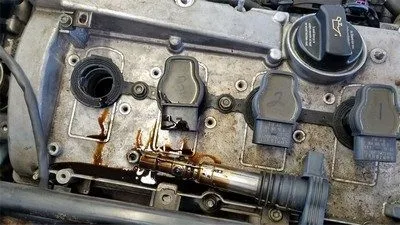
Causes of oil leakage in spark plug wells

Spark plugs are very important components of a vehicle because they are responsible for generating the spark that ignites the fuel and air mixture in the internal combustion chamber.

(more…)

Overheating car you should not ignore!!!

A car engine consists of many moving parts that generate friction, producing heat. To prevent overheating, it relies on two essential components: engine oil, which lubricates and aids in cooling, and coolant, which dissipates excess heat.

If the coolant level is insufficient or if a component of the cooling system fails, the engine may overheat. This can lead to serious damage, affecting its performance and lifespan.


5 Telltale Signs of Engine Overheating

1️⃣ Abnormally High Temperature
The temperature gauge needle rises into the red zone, indicating excessive heat. If it’s not a sensor issue, this means the engine is overheating.

2️⃣ Coolant Leak
A puddle of fluid under the car is a clear sign of a leak. Without sufficient coolant, the engine cannot regulate its temperature properly.

3️⃣ Loss of Power and Poor Acceleration
Overheating can cause the pistons to expand, making the crankshaft movement more difficult. This reduces the engine’s ability to accelerate effectively.

4️⃣ Steam Escaping from the Hood
If you see steam coming from the engine, it means the coolant is boiling. This could be due to poor fluid circulation or a faulty radiator cap. In this case, stop your vehicle immediately.

5️⃣ Unusual Engine Noise
A metallic knocking sound may indicate a lack of lubrication and cooling. Overheated engine oil loses its effectiveness, increasing friction between parts.


What to Do in Case of Overheating?

If your engine overheats, act quickly to prevent irreversible damage:
✔ Check the coolant level and look for any leaks.
✔ Ensure the engine oil is circulating properly and is in good condition.
✔ If steam is escaping or the engine is making noise, turn off the engine immediately and let it cool down.
✔ If the problem persists, consult a professional before costly repairs become unavoidable.

Preventing overheating is primarily about proper maintenance of the cooling system. A simple regular check can save you a lot of trouble! 🚗🔥


This version is more concise and clear while retaining the essential information. Would you like me to add or modify anything? 😊