
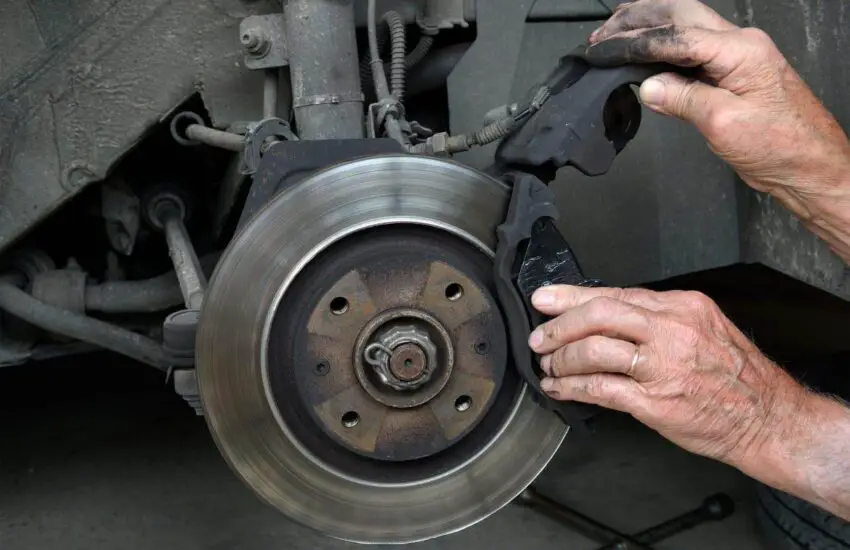
The correct thickness of brake pads is essential not only for the proper functioning of the engine but also for road safety. Replacing the pads at the right time will save you a lot of money in the future. But at what thickness should brake pads be replaced? How to properly perform brake pad measurements and take the necessary actions? Let’s get to the bottom of it.
What are brake pads?
Brake pads, located between the brake shoe and the brake drum, are essential to a vehicle’s braking system. If they are damaged or do not have the required thickness, other components of the braking system – rotors, calipers, and discs – will wear out. It is important to determine the right time to replace the pads to avoid dangerous driving conditions.
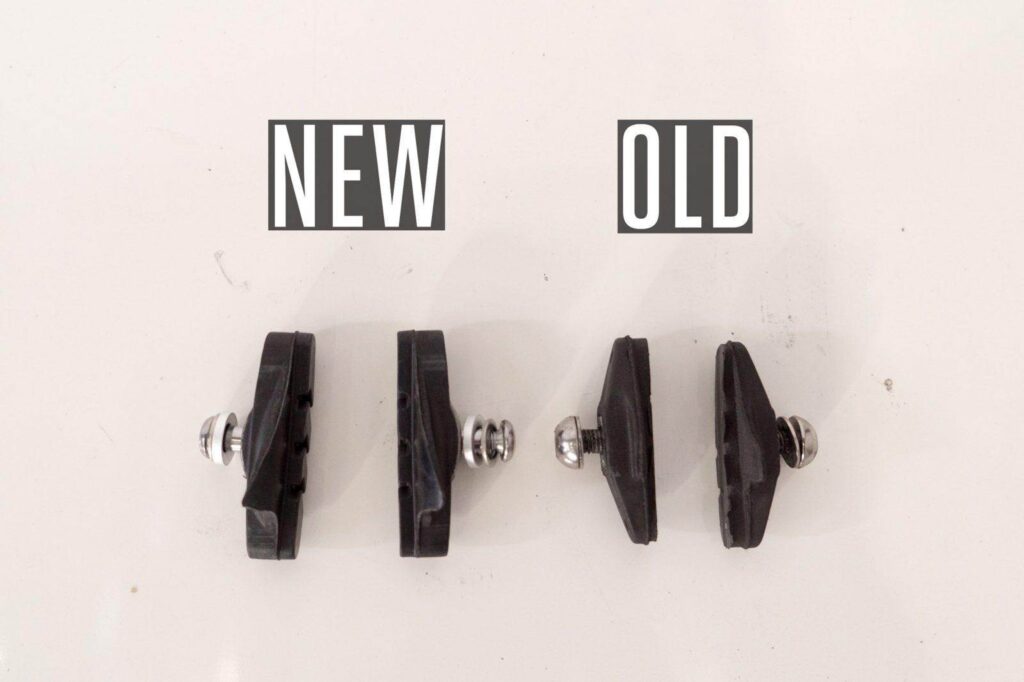
Brake pad thickness: minimum and recommended limits
Brake pads consist of steel plates, shims, and friction materials. There are two layers of rubber coating and thermal insulation coating on the outside. Like all other things, these materials wear out over time. Additionally, hard driving and poor road conditions contribute to accelerating deterioration.
The normal lifespan of brake pads is between 30,000 and 35,000 miles. However, this can be more or less depending on the car’s make and model, driving habits, and road conditions.
New brake pad thickness
So, what is the thickness of brake pads when they are purchased new? Well, the new brake pad depth is about 12 mm. That’s the standard thickness, and it will last roughly 35,000 miles.
If you are an aggressive driver who often uses the brakes, they won’t last long. Moreover, their lifespan is shorter than usual when you have to brake frequently due to heavy traffic.
Minimum brake pad thickness
Mechanics suggest replacing brake pads because continuous engagements make their friction material thinner. When the material wears away completely, the next step is brake failure.
The brake pad thickness should be at least 6.4 mm or more for proper functioning. You can sometimes get away with thinner pads. But prompt replacement when the thickness is between 6.4 and 3.2 mm will prevent serious damage to the braking system.
Symptoms of thin brake pads
A physical inspection is enough to check if the pads meet the recommended thickness. You will only need a flashlight, an inspection mirror, and a measuring device to do it.
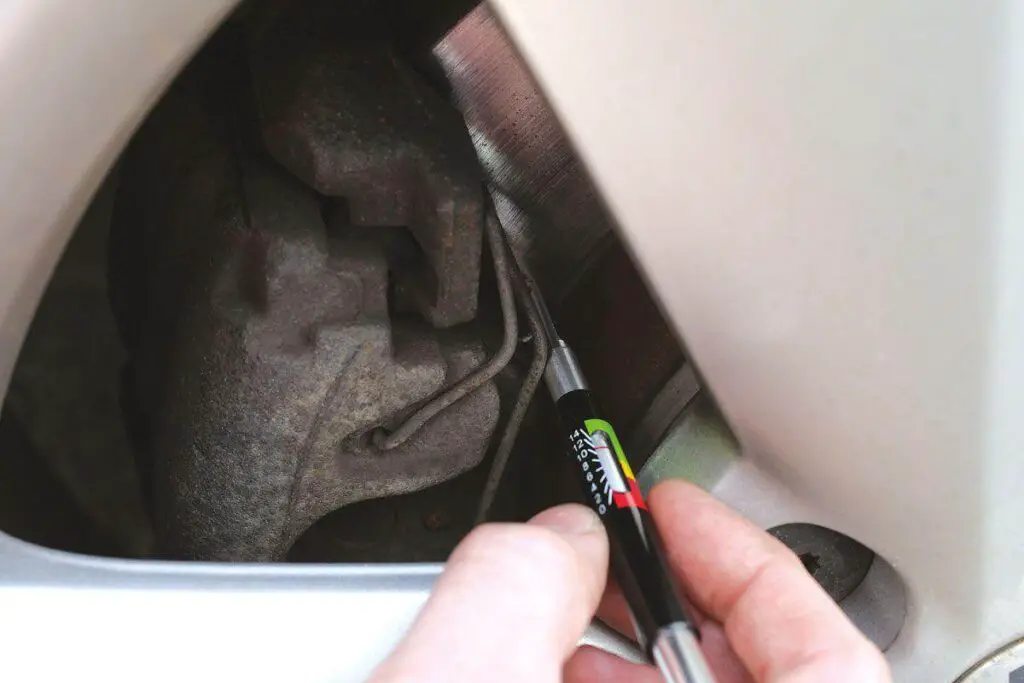
Some warning signs not to ignore are:
- Metallic grinding or rumbling noise, which occurs when the brake discs and calipers rub against each other. This means the pads are completely worn out.
- Squealing, grinding, or groaning when you brake. If the noise doesn’t go away after several times, you need to check the brake pads.
- Some cars have a dashboard light to give a thin warning.