
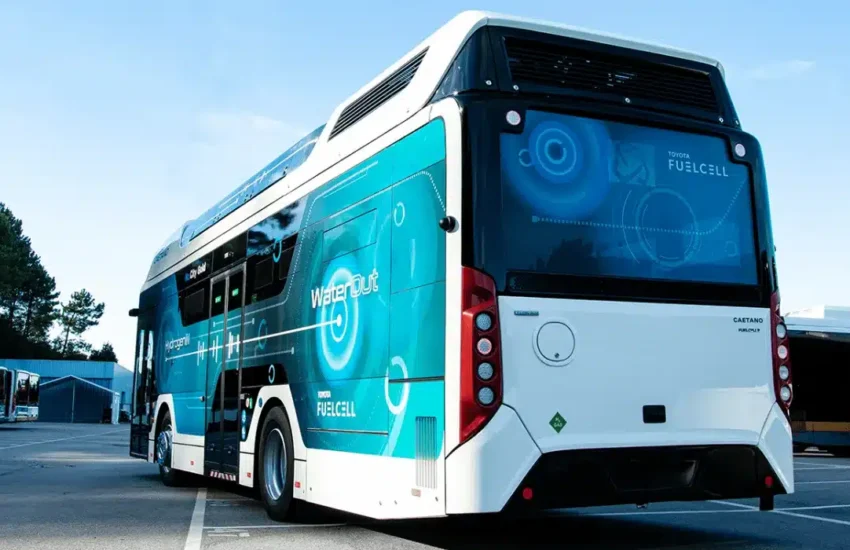
Public Transport: Isuzu-Toyota Partnership Develops Hydrogen Fuel Bus
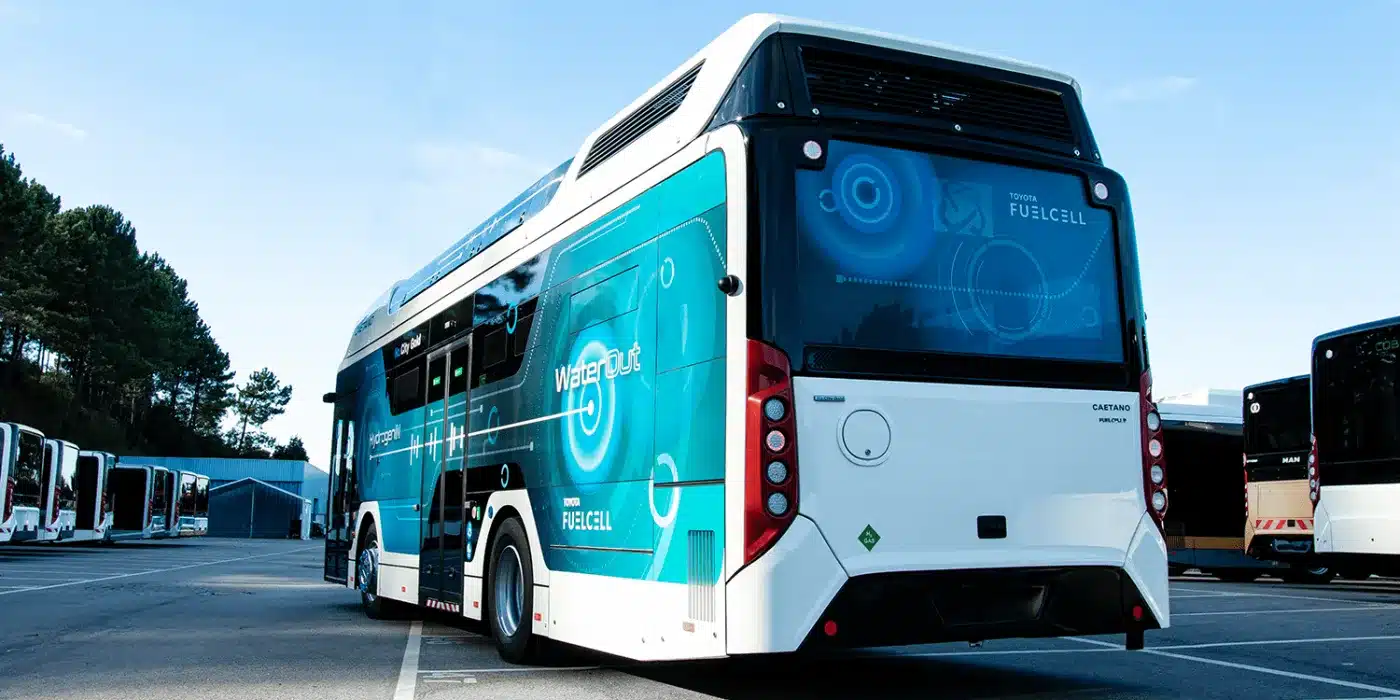 |
Two Japanese automakers have officially announced a collaboration to jointly develop a new generation of hydrogen fuel cell buses. This significant technological alliance in the field of clean transportation is expected to achieve mass production starting from 2026. |
Strategic Industry Collaboration
The announcement of this partnership between Isuzu and Toyota marks an important milestone in the development of hydrogen-powered heavy vehicles. The two Japanese giants are integrating their technical expertise and industrial resources to accelerate the energy transition in public transportation. This collaboration is based on a long-term vision to decarbonize urban and suburban transport.
Production and Promotion Timeline
The first hydrogen fuel bus from this partnership is expected to enter full production in the fiscal year 2026. A factory in Utsunomiya City, Tochigi Prefecture, Japan, has been designated as the main production base, leveraging its well-established industrial ecosystem and extensive experience in commercial vehicle manufacturing.
Fuel Cell Technology
The new generation of buses will utilize hydrogen fuel cell technology, offering longer range and shorter refueling times. Compared to fully electric buses, hydrogen fuel buses have the advantage of quick refueling, operating similarly to traditional fuel vehicles while emitting only water vapor.
Environmental and Operational Advantages
Hydrogen fuel buses bring significant benefits to urban transport networks: quiet operation helps reduce urban noise pollution, and zero carbon dioxide emissions contribute to improved air quality. For transport operators, the long range and fast refueling characteristics make them easier to integrate into existing fleet systems.
Market Background and Prospects
This collaboration comes at a time when global hydrogen energy transportation is accelerating. Many major international cities are planning to transition their bus fleets to zero-emission powertrains. Isuzu’s expertise in commercial vehicles and Toyota’s experience in hydrogen technology position this partnership favorably in the expanding global market.
Expected Technological Innovations
The jointly developed bus will integrate the latest fuel cell technology, optimizing hydrogen consumption and extending the lifespan of key components. The modular system architecture is expected to allow customization according to different market and regulatory requirements.
Impact on the Hydrogen Industry Chain
This collaborative project will significantly promote the development of the overall hydrogen ecosystem. The mass production of fuel cell buses is expected to stimulate investment in green hydrogen production and distribution infrastructure, creating a positive ripple effect throughout the entire industry chain.