Cadillac P1482 Code: Diagnosing and Fixing the EVAP Leak Detection Pump

Understanding the Cadillac P1482 Diagnostic Trouble Code

The OBD2 diagnostic trouble code P1482 is a manufacturer-specific code commonly encountered in Cadillac and other General Motors vehicles. In simple terms, this code indicates a fault in the circuit for the Evaporative Emission (EVAP) Leak Detection Pump (LDP). The Powertrain Control Module (PCM) has detected a voltage condition in the LDP control circuit that is outside its expected operating parameters, typically signaling a circuit that is stuck “high.” This is not a direct leak code but rather an electrical or functional failure of the system designed to *find* leaks.

What is the EVAP Leak Detection Pump (LDP)?

The Leak Detection Pump is a critical component of the modern EVAP system. Its primary job is to pressurize the fuel vapor storage system (charcoal canister and fuel tank) with air to check for leaks that would allow harmful fuel vapors to escape into the atmosphere. The PCM controls the LDP by sending a pulsed signal to its solenoid. A functional LDP is essential for the vehicle to complete its self-diagnostic “EVAP leak check” routine, which usually runs under specific driving conditions.

P1482 Technical Definition and Parameters

Formally, P1482 is defined as “Evaporative Emission (EVAP) Leak Detection Pump Control Circuit High.” The PCM monitors the voltage on the LDP control circuit. When the PCM commands the LDP “off,” it expects to see a low voltage (near 0 volts) on the circuit. If it reads a voltage that remains high (typically close to battery voltage) for a specified period, it interprets this as a fault and stores the P1482 code, illuminating the Check Engine Light.

Symptoms and Common Causes of P1482 in Cadillacs

A stored P1482 code will always trigger the Check Engine Light (MIL). While the vehicle may often drive normally, the underlying issue can prevent other emissions monitors from running, potentially causing a failed state emissions test.

Primary Symptoms of Code P1482

  • Illuminated Check Engine Light: This is the most consistent symptom.
  • Failed Emissions Inspection: Due to an incomplete EVAP monitor, the vehicle will not be ready for testing.
  • Possible Rough Idle or Stalling: In rare cases, a severe electrical short could affect other circuits, but this is uncommon.
  • No Other Noticeable Drivability Issues: The car will typically start, run, and drive without obvious problems related to performance or fuel economy.

Most Frequent Causes of P1482

  • Faulty Leak Detection Pump (LDP): An internal short or open in the pump’s solenoid windings is a common culprit.
  • Damaged Wiring or Connectors: Chafed, broken, or corroded wires in the LDP control circuit or its ground path.
  • Bad EVAP Leak Detection Pump Relay: Some systems use a dedicated relay to power the LDP. A stuck or failed relay can cause a constant high voltage.
  • Poor Electrical Ground: A corroded or loose ground connection for the LDP or PCM.
  • Faulty Powertrain Control Module (PCM): While less common, an internal driver failure within the PCM itself can cause this code.

Step-by-Step Diagnostic Procedure for P1482

Diagnosing P1482 requires a systematic approach, starting with the simplest checks and moving toward more complex components. You will need a quality digital multimeter (DMM) and a wiring diagram for your specific Cadillac model.

Step 1: Preliminary Inspection and Code Verification

Begin by clearing the code and performing a test drive to see if it returns immediately (indicating a hard fault) or after a few drive cycles. Conduct a thorough visual inspection:

  • Locate the Leak Detection Pump (often near the charcoal canister or fuel tank).
  • Inspect the LDP electrical connector for corrosion, bent pins, or moisture.
  • Follow the wiring harness from the LDP back towards the PCM, looking for obvious damage, chafing, or burns.
  • Check the related fuse and relay (if applicable) in the underhood fuse box.

Step 2: Electrical Circuit Testing

With the battery disconnected and the LDP connector unplugged, use your multimeter to perform these checks:

  • Check for Power: Reconnect the battery. With the key ON (engine off), probe the suspected power wire at the LDP connector. It should have consistent battery voltage (12V).
  • Check the Control Circuit: Back-probe the control wire at the LDP connector. With a scan tool that can command the LDP “on” and “off,” you should see the voltage toggle between high (near 12V) and low (under 1V). A constant high voltage confirms the P1482 circuit fault.
  • Check Ground Circuit: With the battery disconnected, measure resistance between the LDP ground pin and a known good chassis ground. It should be very low (less than 5 ohms).

Step 3: Component Testing and Final Diagnosis

If the wiring and signals check out, the LDP itself is likely faulty.

  • Test LDP Solenoid Resistance: Measure the resistance across the two main terminals of the LDP pump/solenoid (disconnected from the vehicle). Consult a service manual for the exact specification, but it typically ranges from 10 to 30 ohms. A reading of infinity (open) or zero (short) indicates a bad pump.
  • Test for Physical Function: You can sometimes apply direct battery voltage and ground to the pump terminals (briefly) to hear/feel it click or activate. Caution: Ensure you know the correct polarity and do not energize it for more than a second.
  • Swap the Relay: If your model uses a dedicated LDP relay, swap it with an identical, known-good relay (like the horn or A/C relay) to test.

Repair Solutions and Prevention

Once the root cause is identified, the repair is typically straightforward. Always disconnect the battery before performing any electrical repairs.

Common Repair Procedures

  • Replacing the Leak Detection Pump: This is the most common fix. After installation, clear codes and perform a complete drive cycle to allow the PCM to run all monitors.
  • Repairing Wiring Harness: Solder and seal any repaired wires. Use conduit and proper loom to protect the repair from elements and vibration.
  • Cleaning Connectors and Grounds: Use electrical contact cleaner and a wire brush to clean all terminals. Apply dielectric grease to prevent future corrosion.
  • Replacing the PCM: This is a last resort and requires professional programming/reflashing to match the vehicle’s VIN and options.

Preventing a Recurrence of P1482

To avoid future issues with the EVAP leak detection system, ensure any replaced components are of OEM or high-quality aftermarket grade. Keep the undercarriage clean to minimize corrosion on electrical components, and address any other unrelated EVAP codes (like small leak codes) promptly, as they can strain the system.

Successfully diagnosing and repairing a P1482 code restores your Cadillac’s emissions system integrity, ensures it can pass smog checks, and keeps the Check Engine Light off. While the diagnosis requires methodical electrical testing, the fix is often a simple component replacement, returning your vehicle to proper operating condition.


Porsche’s Ultimate Time Machine: A 20-Year-Old Carrera GT Reborn

A Legend Restored to Showroom Freshness

Marking two decades since its debut, the Porsche Carrera GT remains a pinnacle of analog supercar engineering. As these revered vehicles reach a milestone age, Porsche’s exclusive Sonderwunsch department has undertaken a remarkable project: restoring a client’s Carrera GT to a pristine, “zero-kilometer” state. This goes far beyond a simple refurbishment, representing a complete mechanical and aesthetic rebirth.

The Sonderwunsch Treatment: Beyond Restoration

The Sonderwunsch program, translating to “Special Wish,” is Porsche’s pinnacle personalization and restoration service. For this Carrera GT, technicians performed a total nut-and-bolt disassembly. Every component was inspected, restored to original specifications, or replaced with genuine new parts. The legendary 5.7-liter V10 engine was meticulously rebuilt, ensuring it delivers the same spine-tingling 612 horsepower as it did in 2004. The iconic carbon-fiber monocoque chassis was also carefully examined and preserved.

Clad in a Historic Racing Livery

This restoration was elevated by the application of a legendary Porsche motorsport livery. While the specific design is unique to the owner’s request, such liveries often pay homage to classics like the Salzburg or Gulf racing colors. Applying this wrap or paint with factory precision to the Carrera GT’s sweeping curves adds a layer of historical significance, blending 21st-century engineering with 20th-century racing heritage. The result is a one-of-a-kind artifact that looks as if it has just rolled off a special ceremony rather than two decades of history.

The Value of Factory Freshness

This project underscores the Carrera GT’s enduring status as a collectible masterpiece. A factory-certified restoration by Sonderwunsch not only guarantees authenticity but can significantly enhance the vehicle’s provenance and value. For collectors, it represents the ultimate form of preservation, ensuring this driving legend performs and appears exactly as its creators intended, ready for another twenty years of admiration.

Buick P1482 Code: Diagnosing and Fixing the EVAP Vent Valve Control Circuit

Understanding the Buick P1482 Diagnostic Trouble Code

The OBD2 code P1482 is a manufacturer-specific code, primarily associated with General Motors vehicles like Buick. It is defined as “EVAP Vent Valve Control Circuit”. This code indicates a malfunction within the electrical control circuit for the Evaporative Emission Control (EVAP) system’s vent valve. The EVAP system is crucial for preventing fuel vapors from the gas tank from escaping into the atmosphere. The vent valve, typically located near or on the charcoal canister, allows fresh air into the system and seals it during leak tests and normal operation. When the Powertrain Control Module (PCM) detects an issue with the voltage, resistance, or signal in this valve’s control circuit, it stores code P1482 and illuminates the check engine light.

Role of the EVAP System and the Vent Valve

The EVAP system captures fuel vapors from the fuel tank and temporarily stores them in a charcoal canister. During specific engine conditions, the PCM opens the purge valve to draw these vapors into the engine to be burned. The vent valve’s job is critical: it controls the flow of fresh air into the canister. During a system leak test or when the system is sealed, the PCM commands the vent valve closed. A failure in its control circuit means the PCM cannot properly manage this function, potentially leading to failed emissions tests, poor engine performance, or a detectable fuel smell.

Common Symptoms and Causes of P1482 in Buick Models

While sometimes the P1482 code may not cause immediate drivability issues, it often presents noticeable symptoms. Ignoring it can lead to a failed state emissions inspection and potentially affect fuel economy and engine performance over time.

Primary Symptoms of Code P1482

  • Illuminated Check Engine Light (MIL): The most immediate and common sign.
  • Failed Emissions Test: The vehicle will not pass a standard OBD2 emissions check.
  • Fuel Odor: A noticeable smell of gasoline, especially near the rear of the vehicle or fuel tank area, may be present if the vent valve is stuck open.
  • Rough Idle or Stalling: In some cases, if the EVAP system is not functioning correctly, it can cause a rich or lean fuel condition affecting idle quality.
  • Other EVAP Codes: P1482 may appear alongside codes like P0440, P0442, or P0455, indicating a larger EVAP system problem.

Root Causes of the P1482 Fault

  • Faulty EVAP Vent Valve/Solenoid: The most common cause. The valve itself can fail electrically (open or shorted coil) or mechanically (stuck open or closed).
  • Damaged Wiring or Connectors: Corroded, broken, or shorted wires in the control circuit between the PCM and the vent valve.
  • Poor Electrical Connections: A loose or corroded connector at the vent valve or PCM.
  • Blown Fuse: A fuse supplying power to the EVAP system components may be blown.
  • Faulty Powertrain Control Module (PCM): Although rare, a malfunctioning PCM can send incorrect signals or misinterpret circuit feedback.
  • Blocked or Pinched EVAP Vent Hose: A physical obstruction preventing the valve from operating correctly.

Step-by-Step Diagnostic Procedure for P1482

Diagnosing P1482 requires a systematic approach, starting with the simplest checks. You will need a quality OBD2 scanner, a digital multimeter (DMM), and basic hand tools. Always consult your Buick’s specific service manual for wiring diagrams and connector locations.

Step 1: Preliminary Inspection and Code Verification

Begin with a thorough visual inspection. Locate the EVAP vent valve (common on Buick models like the Park Avenue, LeSabre, and Century near the charcoal canister at the rear). Check for:

  • Obvious damage to wiring harnesses or hoses.
  • Corroded or loose electrical connectors.
  • Check all relevant fuses in the under-hood fuse box.

Clear the code with your scanner and perform a drive cycle to see if it returns immediately. If it does, the problem is active.

Step 2: Testing the EVAP Vent Valve

Disconnect the electrical connector from the vent valve. Using your multimeter set to Ohms (Ω), measure the resistance across the valve’s two terminals. Consult your service manual for the exact specification, but typical resistance for these solenoids ranges from 20 to 80 ohms. A reading of infinite resistance (open circuit) or zero ohms (shorted circuit) confirms a bad valve. You can also apply 12 volts directly to the valve (briefly) to hear a distinct click, indicating mechanical operation.

Step 3: Checking the Control Circuit Wiring

If the valve tests good, the problem lies in the wiring or PCM. With the connector still disconnected from the valve, back-probe the harness connector.

  • Check for Power Supply: One pin should show battery voltage (approx. 12V) with the ignition ON.
  • Check for Ground Signal from PCM: The other pin is the control wire. Using a test light or multimeter, you should see voltage that drops (or a test light that illuminates and dims) when the scanner commands the valve ON and OFF via bidirectional controls. No change indicates a circuit fault or PCM issue.

Perform continuity and short-to-ground tests on both wires back to the PCM connector.

Repair Solutions and Prevention Tips

Once the faulty component is identified, the repair can be straightforward. The complexity often lies in accessing the component, which may require raising the vehicle.

Common Repairs for P1482

  • Replacing the EVAP Vent Valve: This is the most frequent fix. Ensure you get an OEM or high-quality aftermarket part specific to your Buick model and year.
  • Repairing Wiring: Solder and heat-shrink any broken wires. Replace entire harness sections if damage is extensive.
  • Cleaning Connectors: Use electrical contact cleaner and a brush to remove corrosion from terminals.
  • Replacing a Blown Fuse: Always investigate why the fuse blew—it often indicates a short circuit downstream.
  • PCM Replacement/Reprogramming: This is a last resort and should only be done after all other possibilities are eliminated. It often requires professional programming.

Preventing Future EVAP System Issues

To avoid recurrence of P1482 or similar codes:

  • Always tighten the gas cap securely until it clicks three times.
  • Avoid “topping off” your fuel tank after the pump automatically shuts off.
  • During off-road maintenance or undercarriage work, be mindful of the EVAP components and lines located under the vehicle.
  • Address any other check engine lights promptly, as one system fault can affect others.

Following this structured diagnostic and repair guide will allow you to effectively resolve the Buick P1482 code, restore your EVAP system to proper function, and extinguish that check engine light for good.

Toyota GR Corolla Rally Car Targets American Championship in 2026

The GR Corolla Transitions from Street to Stage

The Toyota GR Corolla has earned its reputation as a formidable hot hatch, drawing direct inspiration from Toyota Gazoo Racing’s dominant World Rally Championship pedigree. Until now, its battles have been fought on asphalt and backroads. A major shift is coming, as Toyota has officially confirmed a rally-spec version will bring the Corolla name back to competitive stages by 2026. This move marks a strategic expansion of the GR brand’s motorsport footprint.

A New Arena: The American Rally Championship

While its lineage is rooted in the WRC, the GR Corolla rally car will not initially compete on the global stage. Instead, Toyota’s focus is set on the fiercely competitive landscape of the American rally championship. This strategic entry provides a dedicated platform to develop the car and showcase its capabilities in a market with a passionate rally fanbase. The American series, known for its diverse and challenging terrain, will serve as the ultimate proving ground for the production-derived racer.

Engineering a Champion from a Road Car

Transforming the road-going GR Corolla into a championship contender requires extensive modifications. The rally car will feature a full FIA-compliant safety cage, advanced all-wheel-drive systems optimized for loose surfaces, and specialized suspension to handle punishing jumps and rough tracks. While the core 1.6-liter turbocharged three-cylinder engine architecture will remain, it will be fortified and tuned for relentless performance and durability under extreme stress.

Legacy and Future of Toyota Rallying

The announcement rekindles the legendary Corolla name in rally sport, echoing its historic successes. This program also serves as a high-performance laboratory, with lessons learned on the stages directly informing future iterations of GR road cars. The 2026 campaign is poised to inject new excitement into the rally scene, demonstrating the direct link between Toyota’s showroom offerings and their championship-winning engineering.

Worksport Solis Solar Tonneau Cover Powers Rivian R1T Off-Grid

Harness the Sun with the Worksport Solis Tonneau

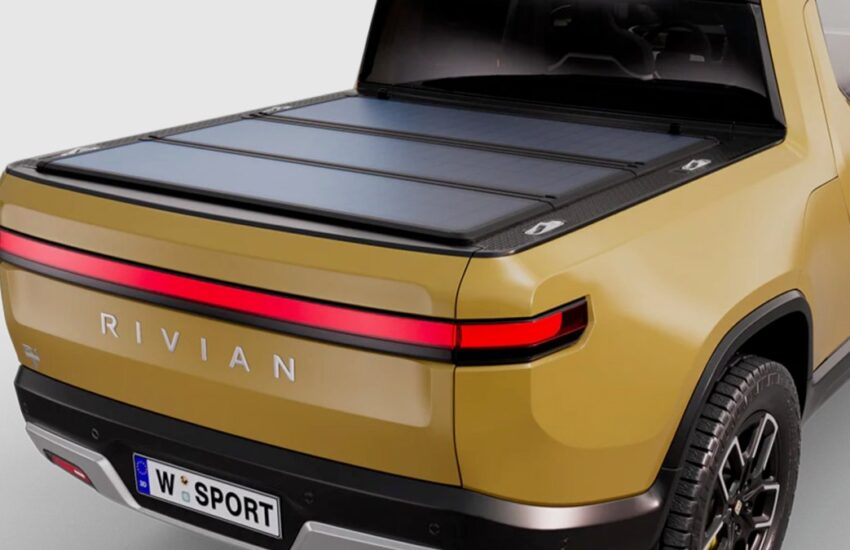
The Rivian R1T is renowned for its extensive power outlets and wireless chargers, perfect for camping gear and devices. However, relying solely on the vehicle’s battery can limit true off-grid adventure. The Worksport Solis solar tonneau cover presents an innovative solution, transforming your pickup bed into a mobile power station that generates clean energy wherever you go.

Solar Innovation Unveiled

First showcased to great acclaim, the Worksport Solis integrates seamlessly with the Rivian R1T. It functions like a premium, durable retractable bed cover while housing advanced solar technology. When deployed, its photovoltaic panels capture sunlight, converting it into usable electricity to supplement the truck’s systems or charge external devices independently.

Extended Adventures, Sustainable Power

This system is a game-changer for overlanding and remote work. By generating power during travel or while stationary, it can significantly extend the operational range of your campsite or worksite. It reduces dependency on the main battery pack for auxiliary needs, helping to preserve range for driving. The setup is designed for durability and weather resistance, ensuring reliable performance in various outdoor conditions.

A Step Towards Energy Independence

The Solis cover represents a meaningful shift towards self-sufficient electric vehicle use. It empowers Rivian R1T owners to explore further off the beaten path with less range anxiety for their accessories. This technology highlights the growing synergy between sustainable transportation and renewable energy, paving the way for more integrated solar solutions in the automotive sector.

The SP40 Speedster: Art Deco Reborn in Carbon Fiber

Edsel Ford’s Automotive Art Legacy

While Henry Ford revolutionized manufacturing for the masses, his son Edsel saw the automobile as a canvas. A visionary heir, Edsel Ford championed design and artistry, pushing the family company to acquire Lincoln and commissioning stunning, one-off vehicles deeply inspired by the flowing lines and elegant geometry of the Art Deco movement. His passion created rolling sculptures that transcended mere transportation.

A Timeless Design Reimagined

Today, a modern reinterpretation brings this philosophy into the 21st century. The SP40 Restomod Speedster draws direct inspiration from the legendary Lincoln Model 40-based speedster Edsel commissioned in 1934. However, this is not a simple replica. The classic Art Deco silhouette has been meticulously recreated using advanced materials and engineering.

Carbon Fiber Meets Classic Elegance

The most striking transformation is the construction. The entire body of the SP40 Speedster is crafted from lightweight carbon fiber. This modern composite allows for incredibly precise panel shaping, capturing the delicate curves and pronounced fenders of the original with a contemporary edge and dramatic presence. The material offers a unique visual texture, highlighting the purity of the design’s form.

Beneath its sculpted hood lies modern performance to match the stunning aesthetics. The SP40 is powered by a potent Ford Coyote 5.0-liter V8 engine, delivering substantial power that contrasts with the car’s serene, elegant appearance. This fusion ensures the driving experience is as thrilling as the car is beautiful.

The SP40 Restomod Speedster stands as a tribute to a pivotal figure in automotive design. It proves that great art is timeless, capable of inspiring new generations when reinterpreted with respect and modern innovation. This carbon fiber homage ensures Edsel Ford’s vision of the automobile as art continues to captivate and turn heads.

Jeff Zwart’s Ultimate Test: Conquering the East African Safari Classic

Jeff Zwart Faces His Greatest Challenge

For a driver who has conquered the legendary Pikes Peak International Hill Climb multiple times, finding a new pinnacle of difficulty is rare. Yet, veteran racer and filmmaker Jeff Zwart discovered exactly that in the dust and drama of the East African Safari Classic Rally. This grueling event, which Zwart recently completed, stands apart as the most severe test of his illustrious career.

Beyond Pikes Peak: A Different Beast

Zwart’s resume is built on precision and control, hallmarks of his success at Pikes Peak. The Safari Classic, however, presents a fundamentally different challenge. It is not a sprint against the clock on a paved mountain road, but a marathon of endurance across some of the world’s most unforgiving terrain. Competitors pilot vintage cars through Kenya’s vast landscapes, battling deep ruts, unpredictable wildlife, searing heat, and torrential mud. The event is as much a battle against the elements and mechanical attrition as it is against fellow competitors.

The Relentless Demand of the Safari

What sets the Safari Classic apart is its relentless nature. Days are exceptionally long, with stages that stretch for hundreds of kilometers on rough, changing tracks. Navigation is critical, and there is no room for error. For Zwart, driving a classic Porsche 911, the rally was a constant exercise in preservation—managing the car’s limits while maintaining competitive speed. The physical toll on both driver and machine is immense, with every finished stage feeling like a victory in itself.

A Career-Defining Achievement

Completing the East African Safari Classic Rally is a badge of honor in the motorsport community. For Jeff Zwart, it represents a unique accomplishment that expands the definition of driving skill. It required adapting his renowned technical prowess to an environment where survival is the first priority. This experience underscores the rally’s legendary status as one of the last great automotive adventures, a true test of resilience that even the most seasoned champions approach with profound respect.

Understanding and Fixing Audi OBD2 Code P1482: Secondary Air Injection System

What is Audi OBD2 Code P1482?

When your Audi’s check engine light illuminates and a scan tool reveals trouble code P1482, it points directly to a malfunction within the Secondary Air Injection (SAI) System. This is a critical emissions control system found on many Audi (and Volkswagen Group) vehicles. Its primary function is to reduce hydrocarbon (HC) and carbon monoxide (CO) emissions during a cold engine start. The system does this by injecting fresh air from an electric pump into the exhaust manifold, upstream of the catalytic converter. This extra oxygen helps “burn off” unburned fuel, rapidly heating the catalytic converter to its efficient operating temperature. Code P1482 is a generic OBD-II code, meaning its definition is standardized, but its specific causes and repair procedures are highly model-dependent for Audi.

Technical Causes and Common Faults for P1482 on Audi

The P1482 code is triggered when the vehicle’s Engine Control Module (ECM) detects an implausible signal, a short circuit, or an open circuit in the Secondary Air Injection system’s electrical control circuit. This rarely means the ECM itself is bad. Instead, it indicates a failure in one of the system’s key components or their associated wiring.

1. Failed Secondary Air Injection (SAI) Pump

The electric air pump is the heart of the system. Located in the engine bay (often behind the front bumper or near the firewall), it is prone to failure due to age, moisture ingress, or internal motor wear. A seized or weak pump will not deliver the required airflow, triggering the code.

2. Faulty Secondary Air Injection (Combi) Valve

This valve, sometimes called a combination or “combi” valve, is pneumatically or electrically operated. It opens to allow the pumped air into the exhaust and closes to prevent exhaust backflow into the pump. It can fail stuck open, stuck closed, or develop vacuum leaks, all of which will set code P1482.

3. Defective Vacuum Solenoid (N112 Valve) or Vacuum Lines

On many Audi engines, the combi valve is actuated by engine vacuum, controlled by a dedicated solenoid valve (often labeled N112). A faulty solenoid, cracked/disconnected vacuum hoses, or a loss of vacuum pressure will prevent the valve from operating correctly.

4. Electrical Issues: Wiring, Connectors, and Relays

Corrosion, damaged wires, poor electrical connections at the pump or valve, or a failed SAI system relay are frequent culprits. The ECM monitors circuit integrity, so any break or short will be detected.

5. Blocked Air Filter or Hoses

The SAI pump draws air through a small filter and delivers it via rubber hoses. A clogged filter or collapsed/disintegrated hoses will starve the system of air, leading to insufficient flow and triggering the fault.

Symptoms and Diagnostic Procedure for P1482

Unlike some codes that cause drivability issues, P1482 symptoms are often subtle but should not be ignored, as they affect emissions and long-term engine health.

Recognizing the Symptoms

  • Illuminated Check Engine Light (MIL): The primary and most common symptom.
  • Possible Failed Emissions Test: The vehicle may not pass state or local emissions inspection due to the active fault.
  • Abnormal Pump Noise: A failing SAI pump may whine, screech, or rattle loudly for the 90-120 seconds it runs after a cold start. Conversely, you may hear nothing from a completely dead pump.
  • No Immediate Drivability Issues: The car will typically drive normally, with no loss of power or rough idle directly attributable to this code.
  • Potential Long-Term Damage: A chronically inoperative SAI system can lead to accelerated aging of the catalytic converter due to prolonged exposure to unburned hydrocarbons during warm-up.

Step-by-Step Diagnostic Approach

Always begin with a visual inspection. Then, using a professional-grade OBD2 scanner that can access Audi-specific live data and perform output tests (component actuation) is highly recommended.

  • Step 1: Visual Inspection: Check all SAI-related vacuum lines and rubber air hoses for cracks, disconnections, or melting. Inspect the SAI pump’s electrical connector for corrosion. Look at the pump’s intake filter (if equipped) for blockage.
  • Step 2: Listen for the Pump: On a cold engine (coolant below ~40°C/104°F), start the car and immediately listen near the front bumper/fender. You should hear the SAI pump run for roughly 90 seconds. No sound points to the pump, its fuse, relay, or wiring.
  • Step 3: Actuation Test with Scanner: Use your scan tool’s output test function to activate the SAI pump and the vacuum solenoid (N112). Listen and feel for the pump to run and the solenoid to click. This tests the ECM’s command ability.
  • Step 4: Check Vacuum and Valve Operation: If the solenoid clicks, use a vacuum gauge to ensure vacuum is present and reaches the combi valve. Manually apply vacuum (with a hand pump) to the combi valve diaphragm to see if it opens and holds vacuum.
  • Step 5: Electrical Testing: With a multimeter, check for power and ground at the SAI pump connector during activation. Test the resistance of the pump motor and the N112 solenoid against factory specifications (usually found in a repair manual like Bentley or Elsawin).

Repair Solutions, Costs, and Technical Service Bulletins (TSBs)

Repairing P1482 involves replacing the failed component(s). Due to the system’s design, it’s often wise to replace related parts simultaneously to prevent a quick recurrence.

Common Repair Procedures

  • Replacing the SAI Pump: This is a common fix. Aftermarket and OEM pumps are available. Ensure the new pump comes with a new gasket/seal for the mounting point.
  • Replacing the Combi Valve: Often located on or near the cylinder head. This job may require removing other components for access. Always replace associated gaskets.
  • Replacing Vacuum Solenoid & Lines: The N112 solenoid is typically easy to access. Replace any brittle or cracked vacuum lines with OEM-spec tubing.
  • Addressing Wiring Issues: Repair damaged wires with solder and heat shrink tubing. Clean corroded connectors with electrical contact cleaner.

Estimated Repair Cost Range

Costs vary widely by model, labor rates, and part source (OEM vs. aftermarket).

  • SAI Pump: Part cost $150 – $400. Labor: 1-2 hours.
  • Combi Valve: Part cost $80 – $250. Labor: 1-1.5 hours.
  • Vacuum Solenoid & Hoses: Part cost $30 – $100. Labor: 0.5 hours.
  • Total Job (Pump & Valve): Often $500 – $1000+ at an independent shop, and more at a dealership.

Audi-Specific Technical Service Bulletins (TSBs)

Audi has acknowledged common SAI system failures. Search for TSBs related to your specific model (e.g., Audi A4 B7, Q7, etc.). Common TSB themes include:

  • Updated, more durable SAI pump part numbers to address premature failure.
  • Revised vacuum hose routing or check valve designs to prevent moisture ingress into the pump.
  • Software updates (flash) for the Engine Control Module to adjust the system’s monitoring parameters.

Consulting a TSB database or a knowledgeable Audi technician can save time and money by pointing to a known, engineered solution.

Conclusion: Is P1482 a Serious Code?

While code P1482 will not strand you on the side of the road, it is a serious emissions-related fault that requires attention. Ignoring it will cause your vehicle to fail emissions testing and may lead to premature catalytic converter failure—a far more expensive repair. The diagnosis is straightforward for a technician with the right tools and knowledge of Audi systems. By understanding the role of the Secondary Air Injection system and methodically testing its components—the pump, valve, solenoid, and wiring—you can accurately diagnose and resolve P1482, restoring your Audi’s emissions performance and turning off that check engine light for good.

OBD2 Code P1482: Comprehensive Guide to EGR Valve Cooler Bypass Malfunction

Understanding OBD2 Code P1482: The EGR Cooler Bypass Valve

When your vehicle’s check engine light illuminates and a scan tool reveals the diagnostic trouble code (DTC) P1482, you are dealing with a specific issue within the Exhaust Gas Recirculation (EGR) system. Officially defined as “EGR Valve Cooler Bypass Control Circuit,” this code indicates that your car’s Powertrain Control Module (PCM) has detected an irregularity in the electrical circuit controlling the EGR cooler bypass valve. This component is crucial for managing engine temperature and optimizing emissions, particularly in diesel engines and some modern gasoline engines equipped with EGR coolers. A malfunction can lead to reduced fuel efficiency, increased emissions, and potential long-term engine damage if left unaddressed.

What is the EGR Cooler Bypass Valve?

The EGR system recirculates a portion of exhaust gases back into the engine’s intake manifold to lower combustion temperatures and reduce the formation of nitrogen oxides (NOx). An EGR cooler is often used to cool these hot gases before they re-enter the engine. The EGR cooler bypass valve is a vacuum or electrically actuated valve that controls the flow of exhaust gases either through the cooler or around it (bypassing it). The PCM commands the bypass to open or close based on engine operating conditions (e.g., during warm-up for faster heating or under high load to prevent cooling loss). Code P1482 specifically flags a problem with the control signal or circuit for this valve.

Common Symptoms and Causes of Code P1482

Recognizing the symptoms associated with P1482 is the first step in confirming the diagnosis. The causes can range from simple electrical issues to mechanical failures within the valve itself.

Primary Symptoms of a P1482 Malfunction

  • Illuminated Check Engine Light (MIL): The most immediate and common indicator.
  • Reduced Engine Performance: You may experience noticeable hesitation, lack of power, or rough idling.
  • Poor Fuel Economy: An inefficient EGR system can cause the engine to run less optimally, consuming more fuel.
  • Failed Emissions Test: With the EGR system compromised, NOx emissions will likely be elevated.
  • Possible Overheating Issues: If the valve is stuck closed, preventing bypass during high-load conditions, it could contribute to excessive engine temperatures.

Root Causes of the P1482 Diagnostic Trouble Code

  • Faulty EGR Cooler Bypass Valve: The valve itself may be mechanically stuck, seized, or its internal diaphragm (if vacuum-operated) may be ruptured.
  • Electrical Circuit Problems: This includes damaged, corroded, or shorted wiring to the valve, poor electrical connections at the valve connector or PCM, or a blown fuse.
  • Defective Vacuum Solenoid or Actuator: For vacuum-operated systems, the control solenoid that modulates vacuum to the valve can fail.
  • Vacuum Supply Issues: Cracked, leaking, or disconnected vacuum hoses leading to the valve or its control solenoid.
  • Faulty Powertrain Control Module (PCM): Although rare, a malfunction within the PCM itself that prevents proper control signal output can set this code.

Step-by-Step Diagnostic and Repair Procedure

Diagnosing P1482 requires a methodical approach, starting with a visual inspection and progressing to electrical tests. Always consult your vehicle’s specific service manual for wiring diagrams and specifications.

Step 1: Preliminary Visual Inspection

Begin with a thorough visual check. Look for obvious signs of damage:

  • Inspect all vacuum hoses related to the EGR system for cracks, disconnections, or brittleness.
  • Check the electrical connector at the EGR cooler bypass valve for corrosion, bent pins, or loose fits.
  • Examine the wiring harness from the valve back to the PCM for any chafing, cuts, or burn damage.
  • Verify the condition of the valve itself for signs of physical damage or excessive carbon buildup.

Step 2: Testing the EGR Cooler Bypass Valve

If the valve is electrically operated, use a multimeter to check its resistance (ohms) and compare it to manufacturer specifications. For vacuum-operated valves, apply a manual vacuum source (like a hand-held vacuum pump) to see if the valve actuator holds vacuum and moves freely. A valve that does not move, does not hold vacuum, or has an out-of-spec resistance needs replacement.

Step 3: Checking the Control Circuit and Solenoid

With the key in the “ON” position (engine off), use a scan tool with bidirectional controls to command the valve on and off. Listen for an audible click from the valve or solenoid. If no click is heard, proceed with circuit testing:

  • Check for power and ground at the valve/solenoid connector using a digital multimeter (DMM) or a test light.
  • Test the continuity of the signal wire from the valve connector back to the PCM.
  • For vacuum solenoids, check resistance and ensure it receives a pulsed signal from the PCM during actuation commands.

Step 4: Verifying Vacuum Supply and PCM Signal

Ensure engine vacuum is present at the supply port of the control solenoid. Use a vacuum gauge to check for sufficient and stable vacuum. Finally, if all wiring, vacuum lines, and the valve test correctly, the possibility of a faulty PCM must be considered. This typically requires professional-level diagnostics to rule out all other factors conclusively.

Prevention and Long-Term Considerations

Preventing a recurrence of P1482 involves regular maintenance and addressing related issues promptly.

Maintenance Tips to Avoid EGR System Issues

  • Follow Service Intervals: Adhere to the manufacturer’s recommended maintenance schedule, which may include EGR system inspections.
  • Use Quality Fuel and Oil: This helps minimize carbon and soot deposits that can clog EGR passages and valves.
  • Address Related Codes Immediately: Codes like P0401 (EGR Flow Insufficient) often share common causes with P1482 and can lead to further complications.
  • Protect Electrical Connections: When working under the hood, ensure electrical connectors are properly seated and sealed against moisture.

Professional Repair vs. DIY

While a seasoned DIYer with a multimeter and vacuum pump can diagnose P1482, the repair complexity varies. Replacing a vacuum hose or an easily accessible valve is straightforward. However, diagnosing a complex wiring fault or replacing a deeply integrated valve may require advanced tools and expertise. If you are unsure at any step, consulting a certified automotive technician is the best course of action to ensure a proper and lasting repair.

In summary, OBD2 code P1482 is a specific alert about your vehicle’s emissions control system. By understanding its function, systematically diagnosing the root cause—whether electrical, vacuum, or mechanical—and performing the correct repair, you can restore engine performance, fuel economy, and ensure your vehicle meets emissions standards.

Mazda P1481 Code: Diagnosing and Fixing the EGR Closed Valve Position Sensor

Understanding the Mazda P1481 Diagnostic Trouble Code

The OBD2 trouble code P1481 is a manufacturer-specific code primarily associated with Mazda vehicles. Its generic definition is “EGR Closed Valve Position Sensor.” This code indicates that the vehicle’s Engine Control Module (ECM) has detected an illogical or implausible signal from the sensor that monitors the Exhaust Gas Recirculation (EGR) valve’s fully closed position. Unlike generic EGR flow codes, P1481 specifically points to an electrical or sensor-related fault within the EGR valve’s positional feedback system. When this sensor malfunctions, the ECM cannot accurately verify if the EGR valve is properly seated in its closed position, leading to potential drivability issues and increased emissions.

What is the EGR System and Why is the Sensor Critical?

The Exhaust Gas Recirculation (EGR) system is a key emissions control component designed to reduce nitrogen oxide (NOx) emissions. It works by recirculating a small, metered amount of inert exhaust gas back into the engine’s intake manifold. This lowers peak combustion temperatures, which in turn inhibits the formation of NOx. The EGR valve is the gatekeeper of this process. The “closed valve position sensor,” often a potentiometer or Hall-effect sensor built into the valve assembly, provides a voltage signal to the ECM corresponding to the valve’s pintle position. This allows the ECM to perform crucial functions:

  • Verify Valve Closure: Confirm the EGR valve is fully closed during engine startup, idle, and high load to ensure proper engine operation.
  • Monitor Commanded Position: Compare the actual valve position with the ECM’s commanded position for diagnostic and control accuracy.
  • Detect Sticking or Binding: Identify if the valve is physically stuck, which could cause performance problems.

Common Symptoms of a P1481 Code in Your Mazda

While a P1481 code may sometimes illuminate the check engine light without noticeable symptoms (a “soft” code), it often leads to tangible drivability problems. The severity of symptoms can vary based on whether the sensor has failed completely or is providing an intermittent signal.

Primary Symptoms You May Experience

  • Illuminated Check Engine Light (MIL): The most immediate and common indicator.
  • Rough Idle or Stalling: If the ECM cannot confirm the EGR valve is closed, it may cause an unstable air/fuel mixture at idle.
  • Poor Engine Performance: Hesitation, lack of power, or stumbling during acceleration.
  • Failed Emissions Test: The vehicle will likely not pass a state or local emissions inspection due to the active fault code.

Secondary and Less Common Indicators

  • Increased fuel consumption due to suboptimal engine management.
  • Engine pinging or knocking (pre-ignition) under load if the valve is stuck open.
  • In some models, the ECM may enter a “limp mode,” severely limiting engine power to prevent damage.

Root Causes and Diagnosis of Mazda Code P1481

Successfully repairing a P1481 code requires a systematic diagnostic approach. The fault can originate from simple electrical issues, a dirty valve, or a complete component failure. Jumping straight to replacing the expensive EGR valve assembly is not recommended without proper testing.

Most Frequent Causes of P1481

  • Faulty EGR Valve Position Sensor: The internal potentiometer or sensor element has failed.
  • Bad EGR Valve: The valve itself is mechanically stuck (open or closed) or the pintle is binding.
  • Electrical Circuit Problems: This includes damaged wiring, poor connections, corrosion at the EGR valve connector, or a blown fuse.
  • Carbon Buildup: Heavy carbon deposits on the EGR valve seat or pintle can prevent full closure, confusing the position sensor.
  • Failed Engine Control Module (ECM): This is rare but possible if all other components and circuits test correctly.

Step-by-Step Diagnostic Procedure

Tools Needed: Quality OBD2 scanner, digital multimeter (DMM), vehicle service manual for wiring diagrams and specifications.

  • Step 1: Scan and Record: Use your scanner to confirm P1481 is present and active. Check for any other related codes (e.g., P0401, P0402). Clear the code and perform a test drive to see if it returns immediately or under specific conditions.
  • Step 2: Visual Inspection: With the engine off, inspect the EGR valve, its electrical connector, and all associated wiring for obvious damage, corrosion, or disconnection.
  • Step 3: Check Power and Ground: Using the DMM and wiring diagram, back-probe the EGR valve connector. Verify the sensor has a stable 5-volt reference signal from the ECM and a good chassis ground.
  • Step 4: Test Sensor Signal: With the connector attached and using a back-probing pin, monitor the signal wire voltage with the ignition on, engine off. It should read a specific voltage representing “closed” (often between 0.5-1.5V). Manually operate the valve (if possible) and observe a smooth voltage change.
  • Step 5: Mechanical Inspection: Remove the EGR valve (if necessary) and inspect for carbon buildup. Check that the valve pintle moves freely without binding.

Repair Procedures and Prevention Tips

Once the root cause is identified, the repair path becomes clear. Always disconnect the battery before performing electrical work and consult your vehicle’s specific repair manual.

Common Repair Solutions for P1481

  • Cleaning the EGR Valve: If carbon buildup is the issue, carefully clean the valve, pintle, and passageways using a dedicated EGR or throttle body cleaner and a soft brush. Ensure all moving parts operate smoothly before reinstallation.
  • Repairing Wiring: Solder and heat-shrink any broken wires. Clean corroded connector terminals with electrical contact cleaner.
  • Replacing the EGR Valve Assembly: If the internal sensor is faulty or the valve is mechanically seized, replacement is necessary. On many Mazdas, the sensor is integral to the valve and cannot be serviced separately. Use a high-quality OEM or reputable aftermarket part.

How to Prevent Future EGR System Issues

  • Use Top Tier gasoline, which contains detergents that can help minimize carbon deposits.
  • Follow the manufacturer’s recommended service intervals. Some severe driving conditions may warrant more frequent inspection.
  • Occasionally take your vehicle on a sustained highway drive. This helps burn off carbon deposits in the intake and EGR systems.
  • Address any engine performance issues (like misfires) promptly, as they can lead to excessive carbon production.

Post-Repair Steps and Code Clearing

After completing the repair, reconnect the battery (if disconnected). Start the engine and use your OBD2 scanner to clear the stored fault codes. Perform a test drive that includes various engine loads and speeds to allow the ECM to complete its monitor cycles. Verify that the check engine light remains off and that no codes return. This “drive cycle” is essential for confirming a successful repair and for readying the vehicle for an emissions test.