Why One Driver Switched to Rear-Wheel Drive EVs

From Front-Wheel to Rear-Wheel Drive: An EV Enthusiast’s Journey

A modern electric vehicle charging at a station

For many drivers, the transition to an electric vehicle is a leap into the unknown. For Didier, it began with the familiar feel of front-wheel drive. His initial experience with electric mobility came from models like the Hyundai Kona Electric. While he appreciated the instant torque and quiet operation, he felt the driving dynamics were similar to traditional combustion cars he had owned.

This first step was crucial, building confidence in EV technology and proving the practicality of electric driving for daily use. However, a test drive in a rear-wheel-drive electric model revealed a new dimension of performance.

The Allure of Rear-Wheel Drive Electric Performance

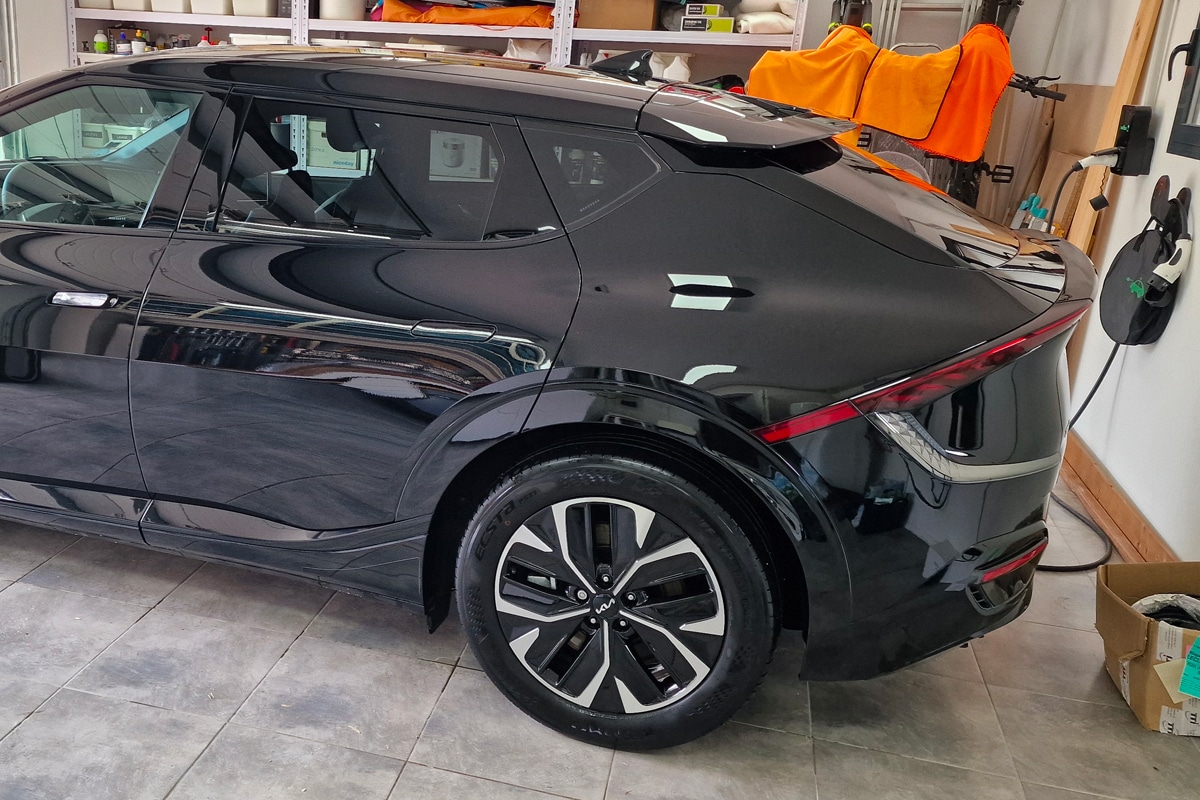
The shift to a rear-wheel-drive electric platform marked a turning point. Didier noticed immediate improvements in handling and driving feel. The balanced weight distribution, often inherent in EVs with a rear-mounted motor, provided a more engaging and sporty connection to the road.

He describes the acceleration as not only instantaneous but also more controlled and planted, especially when exiting corners. This configuration often allows for a more spacious interior, as there is no large transmission tunnel, enhancing cabin comfort and practicality.

Beyond Efficiency: The Driving Experience

While efficiency and low running costs were primary initial motivators, the driving experience became the key factor in his preference. The combination of a low center of gravity from the battery pack and the traction benefits of rear-wheel drive creates a uniquely confident and enjoyable ride.

This testimony highlights an evolving aspect of electric vehicle adoption. As the market matures, drivers are looking beyond simple electrification and beginning to select EVs based on specific performance characteristics and driving pleasure, much like they did with traditional vehicles.

Top French Ski Resorts for Electric Vehicle Charging

Planning Your Mountain Getaway with an Electric Vehicle

Embarking on a ski holiday with an electric vehicle is now a seamless and stress-free experience. Charging infrastructure is expanding rapidly across France’s most beautiful ski domains, allowing zero-emission drivers to travel with peace of mind and fully enjoy their time on the slopes. The combination of breathtaking alpine scenery and modern convenience is redefining the winter travel experience.

Key Resorts Leading the Charge

Several major French ski areas have made significant investments to welcome electric mobility. Resorts in the Tarentaise Valley, such as those in the vast Paradiski and Les 3 Vallées areas, offer numerous high-power charging points in key parking areas. In the Northern Alps, destinations like Chamonix and Flaine provide convenient charging options, often located near gondola bases or main village centers, making it easy to plug in for the day.

Maximizing Your Mountain Journey

Successful travel begins with pre-trip planning. Utilize route planning apps to identify rapid charging hubs along major motorways leading to the mountains. Once at the resort, many stations offer dedicated EV parking with charging facilities, allowing your vehicle to replenish while you ski. It is advisable to check the specific charging network compatibility and payment methods accepted at your destination beforehand.

The evolution of charging access at mountain resorts signifies a major shift towards sustainable tourism. This infrastructure development ensures that drivers can focus on the fresh powder and alpine ambiance, confident that their vehicle will be ready for the journey home. The future of ski travel is quietly and cleanly electric.

Ford P1482 Code: Exhaust Gas Recirculation (EGR) Flow Excessive Detected

Understanding the Ford P1482 Diagnostic Trouble Code

The OBD2 diagnostic trouble code P1482 is a manufacturer-specific code primarily associated with Ford, Lincoln, and Mercury vehicles. In simple terms, this code indicates that the vehicle’s Powertrain Control Module (PCM) has detected an excessive flow of exhaust gases through the Exhaust Gas Recirculation (EGR) system. Unlike a generic P0401 (insufficient flow), P1482 points to too much gas being recirculated when the PCM is commanding a lower flow or even the EGR valve to be closed. This condition can lead to rough idling, stalling, poor fuel economy, and increased nitrogen oxide (NOx) emissions. Accurate diagnosis requires a systematic approach to the EGR system’s components.

What Does “Exhaust Gas Recirculation Flow Excessive” Mean?

The EGR system’s core function is to reduce combustion temperatures and NOx emissions by reintroducing a metered amount of inert exhaust gas into the intake manifold. The PCM precisely controls this flow. Code P1482 is set when the PCM’s data, primarily from the Differential Pressure Feedback EGR (DPFE) sensor, indicates that the actual EGR flow rate is significantly higher than the commanded rate for a given engine operating condition. The system essentially sees a “leak” of exhaust gas into the intake.

How the Ford EGR System and DPFE Sensor Work

Ford’s EGR system, particularly on popular engines like the 4.6L, 5.4L, and 6.8L V8s, often uses a vacuum-operated EGR valve paired with a DPFE sensor. The PCM controls a vacuum solenoid (EGR Vacuum Regulator or EVR) to apply vacuum to the EGR valve diaphragm, opening it. The DPFE sensor measures the pressure drop across a metered orifice in the EGR tube. This pressure differential is directly proportional to the flow rate. The PCM compares this real-time flow signal to its internal map. A discrepancy triggers the P1482 code.

Common Causes of the P1482 Code in Ford Vehicles

Diagnosing P1482 involves inspecting the entire EGR control circuit and physical pathway. The fault typically lies in one of several key components failing or becoming obstructed.

1. Faulty or Stuck Open EGR Valve

This is the most frequent culprit. Carbon buildup can prevent the EGR valve pintle from fully seating, causing it to be permanently slightly open. This creates a constant, unmetered leak of exhaust gas into the intake manifold, especially noticeable at idle. A valve with a ruptured diaphragm will also fail open.

  • Symptom: Rough idle, stalling when coming to a stop, hesitation on acceleration.
  • Test: Apply manual vacuum to the valve with the engine idling; the engine should stumble or stall if the valve is functioning. Visually inspect for carbon and freedom of movement.

2. Failed DPFE (Differential Pressure Feedback EGR) Sensor

The DPFE sensor is the PCM’s “eyes” for EGR flow. If it fails internally and sends an erroneously high voltage signal to the PCM, the module will interpret this as excessive flow, even if the actual flow is normal. These sensors are prone to heat and contamination failure.

  • Symptom: Often no drivability issues aside from the check engine light. Code may be intermittent.
  • Test: Requires a multimeter and scan tool to check reference voltage (usually 5V), signal return, and live data values against specifications.

3. EGR Vacuum Control System Issues

A malfunction in the vacuum supply circuit can cause the EGR valve to be held open. This includes:

  • Faulty EGR Vacuum Solenoid (EVR): Stuck in the open position, applying constant vacuum.
  • Cracked or Disconnected Vacuum Hoses: A leak in the hose between the solenoid and the EGR valve can allow uncontrolled vacuum to act on the diaphragm.
  • Electrical Fault in Solenoid Circuit: Short to power in the control wire from the PCM.

4. Clogged or Restricted EGR Tube Passages

While counter-intuitive for an “excessive flow” code, a partial clog in the small passages of the EGR tube or at the intake manifold entry point can sometimes create an erratic pressure signal that the DPFE sensor misinterprets. Heavy carbon blockage is more often associated with insufficient flow codes, but should be ruled out.

5. PCM Software or Rare Electrical Fault

In rare instances, a software glitch in the PCM or a wiring problem (e.g., shorted DPFE sensor circuit) can cause a false P1482. This is a diagnosis of last resort after all physical components are verified.

Step-by-Step Diagnostic Procedure for P1482

Follow this logical sequence to efficiently pinpoint the cause of the P1482 code. You will need a quality OBD2 scan tool and basic hand tools.

Step 1: Scan for Codes and Check Live Data

Clear the code and perform a test drive to see if it returns immediately or under specific conditions (e.g., at idle, under light load). Use your scan tool to monitor live EGR data. Key parameters include:

  • EGR Command/Duty Cycle: What is the PCM commanding? At idle, it should be 0% or very low.
  • DPFE Voltage: Compare the actual voltage to the expected value at idle (often between 0.5-1.2V for many Ford sensors). An abnormally high voltage at idle signals a problem.
  • Short Term Fuel Trim (STFT): At idle, excessive EGR flow will dilute the air/fuel mixture, causing the PCM to add fuel. Look for consistently positive STFT values (+10% or more) at idle.

Step 2: Physical and Vacuum Inspection

With the engine off, visually inspect all EGR-related vacuum hoses for cracks, brittleness, and secure connections. Trace the lines from the intake source to the EVR solenoid and from the solenoid to the EGR valve. Next, locate the EGR valve. With the engine idling, it should be closed. Feel or listen for vacuum at its nipple; there should be none at idle. If vacuum is present at idle, the issue is upstream (solenoid or hose leak).

Step 3: Testing the EGR Valve and Vacuum Solenoid

EGR Valve Test: Using a hand-held vacuum pump, apply 10-15 in-Hg of vacuum directly to the EGR valve nipple with the engine idling. The engine RPM should drop significantly, stumble, or stall as the valve opens. If nothing happens, the valve is faulty or its passages are completely blocked. If the engine already stumbles at idle without vacuum, the valve is stuck open.

Vacuum Solenoid (EVR) Test: Check its electrical resistance with a multimeter (compare to factory specs, often 20-40 ohms). Listen/feel for a click when the PCM activates it (use scan tool bidirectional controls). Ensure it holds vacuum and vents properly when de-energized.

Step 4: Testing the DPFE Sensor and Circuit

Consult a vehicle-specific wiring diagram. Check for 5V reference voltage and a good ground at the DPFE sensor connector. Check the signal wire for shorts. With the connector plugged in and the engine running, back-probe the signal wire. The voltage should change smoothly when you manually apply vacuum to the EGR valve. A static, out-of-range voltage indicates a bad sensor.

Repair Solutions and Prevention Tips

Once the faulty component is identified, repair is generally straightforward. Always clear the PCM codes after repair and perform a drive cycle to verify the fix.

Common Repairs and Part Replacement

  • Cleaning/Replacing EGR Valve: A heavily carboned valve can sometimes be cleaned with a specialized solvent, but replacement is often more reliable. Use a new gasket.
  • Replacing DPFE Sensor: Use an OEM or high-quality aftermarket sensor. The plastic-tube style sensors on older Fords (e.g., late 1990s-early 2000s) are notorious for failure.
  • Replacing Vacuum Hoses and Solenoid: Use high-temperature rated vacuum hose. When replacing the EVR solenoid, ensure the part number matches.
  • Cleaning EGR Passages: Remove the EGR valve and intake manifold adapter to physically clean out carbon deposits from the tubes and intake manifold runners.

How to Prevent Future EGR System Issues

EGR problems are often related to carbon buildup from short-trip driving. To promote system health:

  • Take the vehicle on regular extended highway drives to help “burn off” carbon deposits.
  • Use Top Tier detergent gasoline.
  • Address any underlying engine conditions like oil burning, which can exacerbate carbon buildup.
  • Include a visual check of EGR components during routine maintenance.

Diagnosing and repairing a Ford P1482 code is a manageable task for a seasoned DIYer with the right tools and methodical approach. By understanding the role of the DPFE sensor and the vacuum control circuit, you can effectively restore proper EGR function, eliminate the check engine light, and ensure your Ford runs smoothly and within emissions standards.

MG4 with Semi-Solid Battery Enters Global Market

A New Era for Electric Vehicle Batteries Begins

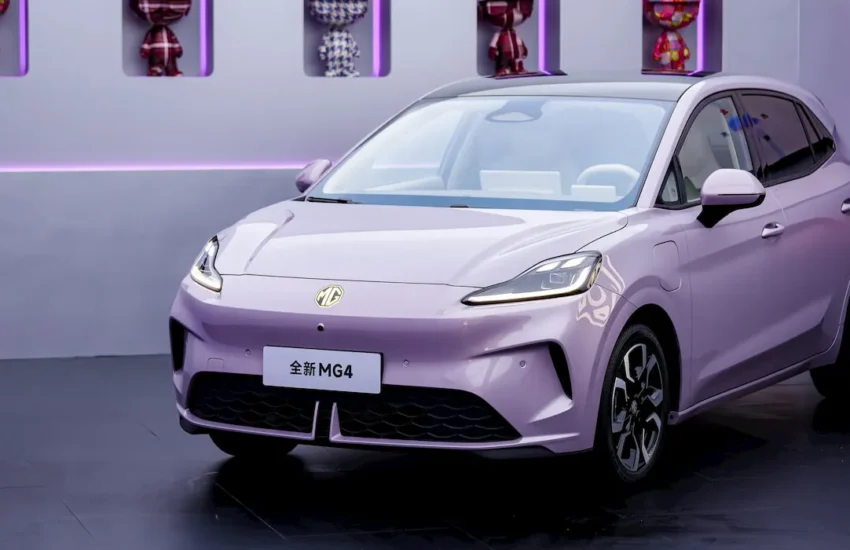
The automotive world has reached a pivotal moment with the commencement of customer deliveries for the MG4 EV equipped with semi-solid-state battery technology. This launch in China positions the MG4 as the world’s first mass-produced electric vehicle to feature this advanced power source, signaling a significant leap forward in energy storage for the automotive industry.

Understanding Semi-Solid-State Technology

Semi-solid-state batteries represent a crucial middle ground between conventional lithium-ion batteries and future full solid-state systems. The core innovation lies in the electrolyte. By using a gel-like or semi-solid electrolyte instead of a liquid one, these batteries offer enhanced safety with a lower risk of fire. Furthermore, they promise higher energy density, which can translate to longer driving ranges, faster charging capabilities, and improved longevity compared to current battery packs.

Implications for the MG4 and the EV Market

The integration of this technology into the MG4, a popular and competitively priced model, is particularly significant. It brings cutting-edge battery science from the laboratory directly to consumers. Drivers of this new MG4 variant can anticipate a vehicle that addresses key concerns around EV ownership: range anxiety and charging time. While specific performance figures for this model are still being fully detailed, the industry expects semi-solid-state batteries to become a major benchmark for the next generation of electric vehicles.

This move by MG, a brand under the SAIC Motor umbrella, demonstrates the accelerating pace of innovation in the electric vehicle sector, particularly from Chinese automakers. The successful deployment of this technology in a high-volume model paves the way for its broader adoption across the global market, potentially reshaping performance expectations and safety standards for all electric cars in the coming years.

States Sue White House Over Billions in Withheld EV Funds

Legal Battle Erupts Over Electric Vehicle Funding

A significant legal challenge is mounting against the federal government. A coalition of sixteen states has filed a joint lawsuit, leveling a serious accusation: the deliberate withholding of billions in congressionally approved funds specifically earmarked for electric vehicle (EV) infrastructure. This move places a major national policy initiative squarely in the hands of the judiciary.

The Core of the Allegations

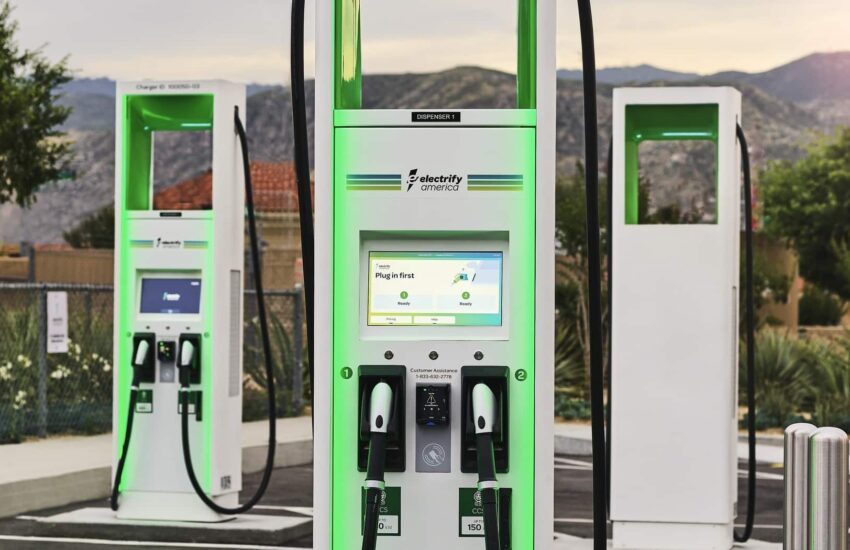
The states allege that the executive branch is illegally impounding money allocated under federal law for building a nationwide network of EV charging stations. This funding, a cornerstone of broader infrastructure and climate legislation, was intended to accelerate the transition to electric transportation by addressing “range anxiety” and ensuring reliable charging access across the country, particularly along major highway corridors.

Potential Impacts of the Impasse

The withholding of these funds creates substantial uncertainty for multiple sectors. State transportation departments have paused planning and procurement for charging projects. Private companies investing in manufacturing and installing chargers face a disrupted market. Most significantly, the delay hinders the nation’s ability to meet its stated goals for EV adoption and emissions reduction, potentially slowing consumer confidence in making the switch to electric vehicles.

A Clash Over Authority and Policy

This lawsuit represents more than a dispute over budgets; it is a fundamental clash over governmental authority. The plaintiff states argue that the administration is overstepping by effectively nullifying spending mandates passed by Congress. The outcome of this case could set a powerful precedent regarding the separation of powers and the execution of congressionally approved spending, with ramifications extending far beyond EV policy.

The judicial process will now determine whether the delay constitutes a legal form of budgetary management or an unlawful derailment of a legislated program. The resolution will directly influence the pace and scope of America’s electric vehicle future.

OBD2 Code P1482 Dodge: Cooling Fan Relay Control Circuit Explained

Understanding the P1482 Diagnostic Trouble Code in Dodge Vehicles

The OBD2 code P1482 is a manufacturer-specific code primarily associated with Dodge, Chrysler, and Jeep vehicles. In simple terms, it indicates a malfunction within the Cooling Fan Relay Control Circuit. The Powertrain Control Module (PCM) monitors this circuit for proper voltage levels. When the PCM detects an electrical fault—such as an unexpected voltage reading when the circuit is commanded on or off—it triggers the P1482 code and illuminates the Check Engine Light.

This code is critical because it directly impacts the vehicle’s cooling system. The electric cooling fan(s) are essential for maintaining optimal engine temperature, especially during idle, low-speed driving, or in hot weather. A failure in this control circuit can lead to insufficient cooling, risking engine overheating and potential severe damage to engine components like the head gasket.

Common Symptoms and Causes of P1482 in Dodge Models

Recognizing the symptoms of a P1482 fault is the first step in addressing the issue. Drivers may notice one or more of the following signs.

Primary Symptoms of Code P1482

  • Illuminated Check Engine Light: The most immediate and common indicator.
  • Cooling Fan(s) Not Operating: The fans may fail to turn on at all, or not activate at the correct temperature.
  • Engine Overheating: Especially noticeable in traffic or during extended idling.
  • Fan Running Continuously: In some cases, a short in the control circuit can cause the fan to run non-stop, draining the battery.
  • Poor A/C Performance: The cooling fan also aids the A/C condenser; its failure reduces A/C efficiency.

Root Causes of the P1482 Fault

The P1482 code points to an electrical problem within the control circuit. The issue is rarely with the PCM itself but rather in the components and wiring it commands.

  • Failed Cooling Fan Relay: A burnt-out or stuck relay is the most frequent culprit.
  • Blown Fuse: Check the cooling fan fuse in the Power Distribution Center (PDC, or fuse box).
  • Faulty Cooling Fan Motor: A seized or shorted motor can draw excessive current, damaging the control circuit.
  • Damaged Wiring or Connectors: Corrosion, chafing, or broken wires in the harness between the PCM, relay, and fan.
  • Poor Electrical Ground: A corroded or loose ground connection for the fan or PCM.
  • Defective Powertrain Control Module (PCM): While less common, a faulty PCM driver for the relay circuit can be the cause.

Step-by-Step Diagnostic Procedure for P1482

A systematic approach is key to efficiently diagnosing a P1482 code. Always begin with a visual inspection and the simplest components before moving to complex testing.

Step 1: Preliminary Inspection and Basic Checks

Start with the basics. Visually inspect the cooling fan(s) for physical damage or obstruction. Listen to see if the fan attempts to engage when the A/C is turned to MAX. Locate the cooling fan relay and fuse in the under-hood fuse box (refer to your owner’s manual or the box lid diagram). Remove the fuse and relay, inspecting for signs of melting, corrosion, or damage.

Step 2: Testing the Relay and Fuse

Test the fuse for continuity with a multimeter. For the relay, you can perform a bench test. Apply 12V to the relay coil terminals (85 & 86); you should hear a distinct click, and there should be continuity between the load terminals (30 & 87) when energized. A simple swap with a known-good, identical relay (like the horn relay) is a quick and effective test.

Step 3: Checking Power and Ground at the Fan

With the ignition on and the A/C commanded (or using a capable scan tool to activate the fan), check for battery voltage at the fan connector. If there is power and ground present but the fan doesn’t run, the fan motor is likely faulty. If power is missing, you must trace the circuit backward.

Step 4: Circuit and Wiring Inspection

Carefully inspect the entire wiring harness from the PCM to the relay and from the relay to the fan. Look for pinched, burnt, or corroded wires. Pay special attention to connectors, ensuring they are clean and tight. Check for continuity in the control wire from the PCM to the relay coil.

Step 5: Advanced PCM Signal Verification

Using a digital multimeter or a noid light, back-probe the PCM control wire at the relay socket. When commanded on (via scan tool or when engine reaches temperature), the PCM should provide a ground path, activating the relay. If the PCM fails to provide this ground signal despite good wiring and power, the PCM may be faulty. This is a last-resort diagnosis.

Repair Solutions, Costs, and Prevention

Once the faulty component is identified, the repair is typically straightforward. The complexity and cost depend on the root cause.

Common Repairs and Estimated Cost Ranges

  • Replace Cooling Fan Relay: A DIY-friendly fix. Part cost: $15 – $40.
  • Replace Cooling Fan Fuse: Minimal cost, often under $10.
  • Replace Cooling Fan Motor/Assembly: More involved. Part cost: $100 – $300+. Labor: 1-2 hours.
  • Repair Wiring Harness: Cost varies widely based on damage extent. Splicing and sealing a wire may be inexpensive, while harness replacement can be costly.
  • Replace Powertrain Control Module (PCM): The most expensive option. Part: $300 – $800+, plus programming/reflashing labor.

How to Prevent a Recurring P1482 Code

Prevention focuses on maintaining the electrical integrity of the cooling system. Ensure all repairs use high-quality parts and proper soldering/connector techniques. Regularly clean debris from the radiator and fan area. During routine maintenance, visually inspect the fan operation and listen for unusual noises that might indicate a failing motor bearing, which can increase current draw and stress the relay circuit.

Final Note: While a P1482 code may seem like a minor electrical fault, ignoring it can have major consequences. An inoperative cooling fan is a direct path to engine overheating. Addressing this code promptly with a logical diagnostic approach will protect your Dodge’s engine and ensure reliable operation in all conditions.

BMW M Drag Meter App Transforms iX3 into a Digital Performance Lab

Turning Data into Driving Thrills

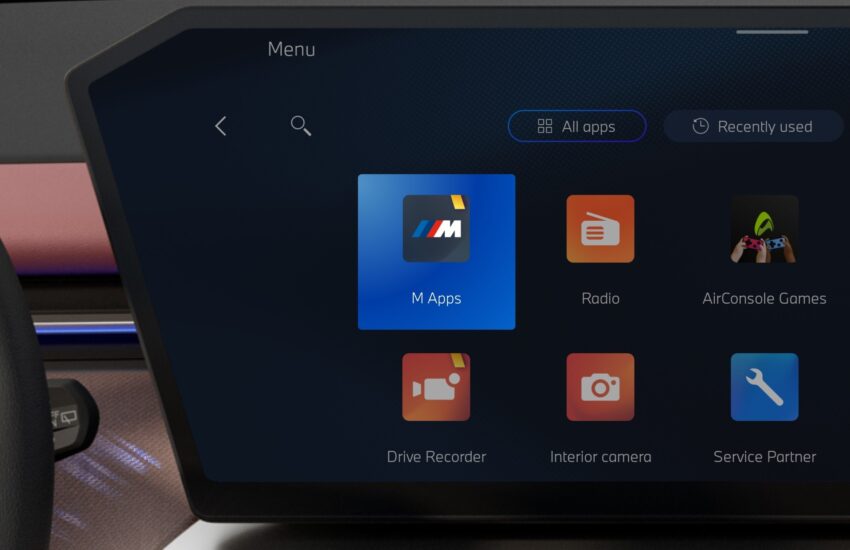
BMW M GmbH has introduced a groundbreaking digital feature that brings the spirit of its performance division to the brand’s electric vehicles. The new BMW M Drag Meter application, unveiled with the latest iX3, transforms the SUV’s central display into a sophisticated performance data logger. This innovative tool is designed for drivers who wish to quantify and analyze their vehicle’s acceleration with precision, merging the digital and driving experience seamlessly.

Precision Timing at Your Fingertips

Operating directly through the iX3’s infotainment system, the M Drag Meter app allows drivers to measure acceleration times for standard intervals such as 0-100 km/h or a standing-start quarter-mile. The system utilizes the vehicle’s own sensor data to provide highly accurate readings. Upon completing a run, the app presents a detailed results screen. This display includes not only the elapsed time but also critical metrics like peak acceleration force in G, achieved speed, and even the slope of the road, offering a comprehensive overview of the performance.

Digital performance display of BMW M Drag Meter in cockpit

More Than Just Numbers

The application goes beyond simple chronometry by fostering engagement and a sense of achievement. Drivers can save their best performance records, creating a personal logbook of their driving experiences. This feature encourages users to explore the capabilities of their electric vehicle in a safe and controlled environment, highlighting the instant torque and rapid acceleration inherent to electric powertrains. The design and user interface carry the distinctive M aesthetic, with clear graphics and a layout focused on essential data.

By integrating this performance-focused application into the iX3, BMW M is signaling a new direction for driver engagement in the electric era. It demonstrates that performance is evolving from purely mechanical metrics to include digital interaction and personalized data. The M Drag Meter app effectively turns every drive into an opportunity for measurement and mastery, adding a new layer of excitement to the electric BMW ownership experience.

Chevrolet P1482 Code: Diagnosing and Fixing the Cooling Fan Relay Control Circuit

Understanding the P1482 OBD2 Code in Your Chevrolet

The OBD2 diagnostic trouble code P1482 is a manufacturer-specific code primarily associated with General Motors (GM) vehicles, including Chevrolet models like the Silverado, Tahoe, Suburban, Equinox, and Malibu. This code is defined as “Cooling Fan Relay Control Circuit”. In simpler terms, the vehicle’s Powertrain Control Module (PCM) has detected an electrical fault in the circuit it uses to command the primary engine cooling fan relay to activate. This is a critical system, as the cooling fan is essential for maintaining proper engine temperature, especially during idle, low-speed driving, or in hot weather. Ignoring a P1482 code can lead to engine overheating and potential severe damage.

Common Symptoms and Root Causes of P1482

When the PCM logs a P1482 code and illuminates the check engine light, you will likely notice one or more of the following symptoms. Recognizing these early is key to preventing overheating.

Primary Symptoms of a P1482 Fault

  • Check Engine Light: The most immediate and common indicator.
  • Engine Overheating at Idle or Low Speed: The most dangerous symptom. The fan fails to turn on when needed, causing the temperature gauge to climb.
  • Cooling Fan Not Operating: The primary electric cooling fan does not activate when the A/C is turned on or when the engine reaches a specific temperature.
  • Reduced A/C Performance: Since the cooling fan often runs with the A/C compressor, you may notice weak or warm air from the vents.
  • Possible Fan Running Continuously: In some circuit fault scenarios, the fan may run non-stop, draining the battery.

Underlying Causes of the P1482 Code

The P1482 code points to an issue within the control circuit, not necessarily a failed fan motor. The problem lies in the command path from the PCM to the relay. Common culprits include:

  • Failed Cooling Fan Relay: The relay itself is the most frequent point of failure. It can become stuck open (fan never runs) or closed (fan runs constantly).
  • Blown Fuse: A dedicated fuse for the cooling fan relay circuit can blow due to a short or overload.
  • Faulty Cooling Fan Motor: A seized or shorted fan motor can draw excessive current, blowing the fuse or damaging the relay and circuit.
  • Damaged Wiring or Connectors: Corrosion, chafing, or breaks in the wiring harness between the PCM, relay, fuse, and fan can interrupt the signal or power.
  • Defective Engine Coolant Temperature (ECT) Sensor: While this often sets its own codes, a faulty ECT sensor can send incorrect data to the PCM, preventing it from triggering the fan.
  • Faulty Powertrain Control Module (PCM): This is rare, but a malfunction within the PCM itself can prevent it from sending the control signal.

Step-by-Step Diagnostic and Repair Procedure

Diagnosing a P1482 code requires a methodical approach, starting with the simplest and most common components. Always ensure the engine is cool before beginning work.

Step 1: Preliminary Visual Inspection

Begin with a thorough visual check. Locate the cooling fan relay (consult your vehicle’s owner manual or service information for its location in the under-hood fuse/relay box). Inspect for:

  • Corrosion on relay terminals or in the fuse box.
  • Burned or melted plastic on the relay or socket.
  • Check the associated cooling fan fuse for a broken element.
  • Visually inspect the wiring harness leading to the fan motor and relay for obvious damage, cuts, or rodent chewing.

Step 2: Testing the Cooling Fan Relay and Circuit

The relay is the prime suspect. You can perform a simple swap test if there is an identical relay in the box (e.g., for the horn or A/C clutch). Swap the relays and see if the problem moves. For a more technical test:

  • Use a multimeter to check for battery voltage at the relay’s power terminal with the key ON.
  • Check for continuity of the ground circuit.
  • Use a fused jumper wire to apply power and ground directly to the relay’s control coil terminals (listen for a click). If it clicks, the relay coil is likely good.
  • Test the switched power output from the relay to the fan motor.

Step 3: Testing the Cooling Fan Motor and Power

If the relay and its control signal from the PCM check out, the issue may be with the fan motor or its direct power feed.

  • Direct Power Test: Disconnect the connector at the fan motor. Using jumper wires connected directly to the battery (observing polarity), apply 12 volts to the fan motor terminals. Caution: Ensure the fan is free to spin. If the fan does not run, the motor is faulty.
  • If the fan runs with direct power, the problem is in the wiring or connector between the relay and the motor. Check for voltage at the fan connector when the relay should be activated (e.g., with A/C on MAX).

Step 4: Checking PCM Control Signal and Wiring

This step requires a digital multimeter or a scan tool with bidirectional controls.

  • Using a scan tool, command the cooling fan ON via the PCM output controls. If the fan activates, the issue may be intermittent or related to sensor inputs (like the ECT).
  • With a multimeter, back-probe the PCM control wire at the relay socket. You should see a change in voltage (typically going to ground) when the PCM commands the fan on.
  • Check the continuity and resistance of the control wire from the relay socket back to the PCM connector for opens or shorts to power/ground.

Prevention and Final Considerations

Successfully repairing a P1482 code restores a vital engine protection system. After repairs, clear the code with your OBD2 scanner and perform a test drive. Monitor the engine temperature and verify that the cooling fan cycles on and off as expected, particularly with the A/C on.

Key Takeaways for Chevrolet Owners

  • Do Not Ignore: A P1482 is a serious code that can quickly lead to engine overheating.
  • Start Simple: Always check the fuse and relay first—they are inexpensive and common failures.
  • Electrical Focus: This code is about the *control circuit*. Diagnose it like any other electrical circuit: check power, ground, and the switching device (relay/PCM).
  • Professional Help: If you are not comfortable with electrical diagnostics, seek a qualified technician. Overheating can cause catastrophic engine failure, making professional diagnosis a cost-effective choice.

By understanding the P1482 code’s meaning, symptoms, and diagnostic path, you can address this common Chevrolet cooling system issue effectively, ensuring your engine remains at a safe operating temperature for years to come.

Electric Vehicle Strategy Shifts: Europe and Ford Recalibrate

Strategic Pivots in the Electric Vehicle Landscape

The journey toward an all-electric future is proving to be more complex than many automakers and governments initially anticipated. Recent strategic adjustments from major players like Ford and policymakers in Europe indicate a significant recalibration of timelines and ambitions. This shift reflects a more pragmatic phase in the industry’s evolution, balancing long-term goals with present-day market realities.

Reassessing the Roadmap

Several factors are driving this strategic reassessment. High vehicle costs relative to traditional internal combustion engines remain a barrier for many consumers. Furthermore, the pace of infrastructure development, particularly public charging networks, has not kept up with earlier projections, creating range anxiety and accessibility issues. Market demand, while growing, is also evolving unevenly across different regions and consumer segments, prompting a more nuanced approach from manufacturers.

The Implications of a Slower Transition

This recalibration does not signal an abandonment of electric vehicles. Instead, it points toward a more diversified and flexible strategy. Automakers are now emphasizing a broader portfolio, often extending the lifecycle of hybrid and plug-in hybrid technologies as a bridge. This approach allows for continued innovation in battery technology and cost reduction while meeting current regulatory and consumer demands. The focus is shifting from sheer volume targets to sustainable growth and profitability in the EV sector.

For the industry and consumers alike, these strategic shifts underscore that the transition to electric mobility is a marathon, not a sprint. The coming years will likely see continued innovation alongside a more measured and market-responsive rollout of electric vehicles and the essential infrastructure that supports them.

Goodyear Bridge Replaces Dunlop at Le Mans: An Icon Rebranded

A New Era Dawns at the Circuit de la Sarthe

The most recognizable tire-shaped structure in global motorsport is undergoing a historic transformation. At the legendary Circuit de la Sarthe, the iconic Dunlop Bridge is being rebranded as the Goodyear Bridge. This change marks the end of a decades-long association and the beginning of a new chapter for one of the most photographed landmarks in racing.

An Architectural Icon of Motorsport

For generations, the Dunlop Bridge has been an inseparable part of the 24 Hours of Le Mans landscape. More than just a footbridge, its distinctive arch, designed to mimic a giant tire, has served as a symbolic gateway and a backdrop for countless moments of triumph and despair. Its presence has been a constant through evolving car technologies, legendary drivers, and the race’s global growth.

The Significance of the Rebranding

The shift from Dunlop to Goodyear signage is far more than a simple sponsor change. It represents a significant commercial and symbolic transition in the sport. Such landmarks become woven into the fabric of an event’s history, and altering their identity resonates with fans worldwide. It closes a long-standing partnership and initiates a fresh legacy under the Goodyear name, which itself has a rich history in endurance racing.

Looking to the Future

While the visual identity will change, the bridge’s fundamental role will remain. It will continue to arch over the track as cars blur beneath it, a silent witness to the endurance and innovation that define Le Mans. For veterans, it will always evoke memories of its former guise, but for a new generation of fans, the Goodyear Bridge will quickly become the familiar icon. This evolution underscores the dynamic nature of motorsport, where history is respected even as the sport relentlessly moves forward.