Jeep P1486 Code: Cooling Fan Relay Control Circuit Explained

Understanding the Jeep P1486 Diagnostic Trouble Code

The OBD-II trouble code P1486 is a manufacturer-specific code, primarily associated with Chrysler, Jeep, and Dodge vehicles. Its official definition is “Cooling Fan Relay Control Circuit”. This code indicates that the vehicle’s Powertrain Control Module (PCM) has detected a malfunction within the electrical circuit that controls the primary engine cooling fan relay. This is a critical system, as the cooling fan is essential for maintaining proper engine temperature, especially during idle, low-speed driving, or in hot weather. When this circuit fails, it can lead to insufficient cooling and potential engine overheating, making diagnosis and repair a priority.

What Does the Cooling Fan Relay Control Circuit Do?

The PCM uses this circuit to command the cooling fan’s operation. When engine coolant temperature reaches a predetermined threshold, or when the air conditioning is activated, the PCM sends a signal (usually a ground path) to energize the cooling fan relay. This relay then acts as a heavy-duty switch, allowing high-current battery power to flow to the cooling fan motor, turning it on. Code P1486 is set when the PCM monitors this control circuit and finds an unexpected voltage level—typically an open (no connection) or a short to power/ground—that prevents proper command of the relay.

Common Symptoms of a P1486 Code in Your Jeep

Recognizing the symptoms is the first step in addressing a P1486 fault. The most obvious signs are directly related to the cooling fan’s failure to operate as commanded.

Primary and Direct Symptoms

  • Check Engine Light: The illumination of the MIL is the most common first indicator.
  • Cooling Fan Does Not Operate: The engine cooling fan fails to turn on at all, regardless of engine temperature or A/C use.
  • Engine Overheating: Particularly at idle or in stop-and-go traffic where there is no ram air from vehicle movement to cool the radiator.
  • Air Conditioning Performance Issues: The A/C may blow warm air or disengage at low speeds because the condenser fan (often the same as the engine fan) is not running.

Secondary and Intermittent Symptoms

  • Fan Runs Continuously: In some circuit failure modes (like a short), the fan may run non-stop as soon as the ignition is turned on.
  • Intermittent Fan Operation: The fan may work sporadically, which points to a loose connection, a failing relay, or a wiring issue.
  • No Overheating at Highway Speeds: The engine may maintain normal temperature while driving due to airflow, masking the problem until you hit traffic.

Diagnosing the Root Cause of P1486

A systematic approach is key to efficiently diagnosing a P1486 code. Jumping straight to part replacement can be costly and ineffective. Always start with a visual inspection and follow a logical diagnostic tree.

Step 1: Preliminary Visual and Basic Checks

Before breaking out the multimeter, perform these essential checks:

  • Inspect the Cooling Fan Fuse: Locate and check the high-amperage fuse for the cooling fan circuit in the Power Distribution Center (PDC) under the hood. A blown fuse is a clear indicator of a downstream short circuit.
  • Check Fan Relay: Locate the cooling fan relay (consult your owner’s manual or a service diagram). Listen for a click when the A/C is turned on or when the engine is hot. Try swapping it with an identical relay (like the horn relay) to see if the problem follows the relay.
  • Visual Wiring Inspection: Look for obvious damage, chafing, or corrosion in the wiring harness leading to the fan relay, PCM, and the fan motor itself.

Step 2: Electrical Circuit Testing

If basic checks pass, proceed with electrical diagnostics using a digital multimeter (DMM).

  • Test Relay Power & Ground: Verify the relay has constant battery power (B+), a good ground, and switched ignition power at its socket pins.
  • Test PCM Control Signal: Back-probe the relay control circuit wire (from the PCM) with the DMM. With the engine cold and A/C off, it should read battery voltage (typically 12V). When the PCM commands the fan on (hot engine or A/C on), this voltage should drop near 0V as the PCM provides a ground path. No change indicates a PCM or wiring fault.
  • Check for Shorts/Opens: Perform a continuity test on the control wire between the relay socket and the PCM connector. Check for a short to power or ground in the same wire.

Step 3: Component Testing

Finally, test the individual components.

  • Fan Motor Test: Apply direct battery power and ground to the fan motor connector (be cautious of fan blades). If it doesn’t run, the motor is faulty.
  • PCM Verification: If all wiring, fuses, relays, and the fan motor test good, and the control signal from the PCM is absent or incorrect, a faulty PCM is a possibility. This is rare and should be the last conclusion after exhaustive testing.

Repair Solutions for Jeep P1486

Once the faulty component is identified, the repair is typically straightforward. Here are the most common fixes.

Most Common and Simple Repairs

  • Replace the Cooling Fan Relay: A failed relay is a very common culprit. Use a high-quality OEM or equivalent replacement.
  • Replace a Blown Fuse: If you find a blown fuse, replace it. However, you MUST diagnose why it blew (e.g., a shorted fan motor) first, or the new fuse will blow immediately.
  • Repair Wiring Harness: Solder and seal any broken, chafed, or corroded wires. Use heat-shrink tubing for a professional, waterproof repair.

Advanced or Less Common Repairs

  • Replace the Cooling Fan Motor/Assembly: A seized or shorted motor will draw excessive current, blowing fuses and preventing operation. The entire fan shroud assembly is often replaced as a unit.
  • Replace the Powertrain Control Module (PCM): This is a last-resort repair. If all other components and wiring are confirmed perfect, a PCM replacement may be necessary. This often requires professional programming/flashing to match your Jeep’s VIN and systems.

Post-Repair Procedure

After completing the repair, clear the P1486 code with your OBD2 scanner. Start the engine, allow it to reach operating temperature, and activate the A/C. Verify that the cooling fan cycles on and off correctly. The Check Engine Light should remain off, confirming a successful repair. A final test drive, including some idling, is recommended to ensure the engine temperature remains stable.
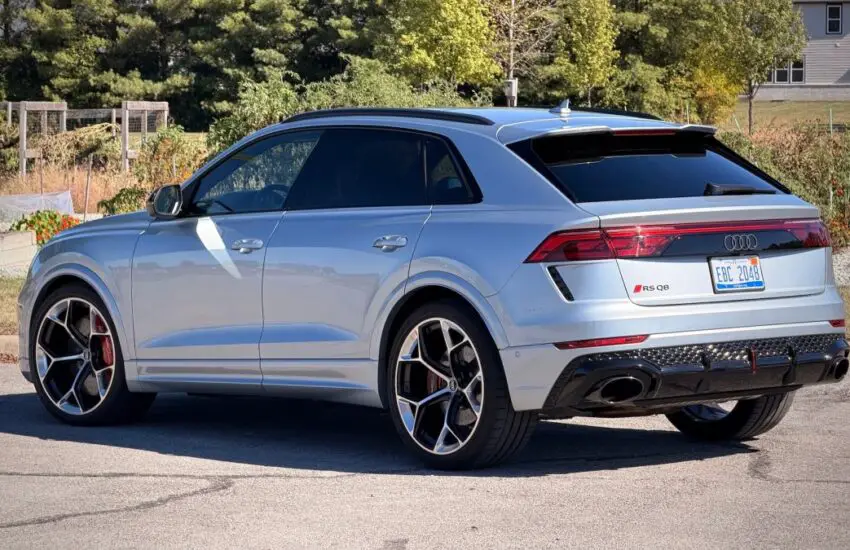

The 2025 Audi RSQ8: Redefining the Performance SUV

The 2025 Audi RSQ8: A New Benchmark

The philosophy of “form follows function” often results in vehicles that are brutally effective but lack aesthetic grace. Conversely, prioritizing style over substance can lead to beautiful disappointments. The 2025 Audi RSQ8 masterfully dismisses this dichotomy, emerging as a complete package that excels in both realms, solidifying its position as a pinnacle of the high-performance SUV segment.

Uncompromising Power and Poise

At the heart of the RSQ8 lies a formidable twin-turbocharged 4.0-liter V8 engine, now further refined for 2025. This powerhouse delivers breathtaking acceleration, propelling this substantial SUV with a ferocity that rivals dedicated sports cars. The magic, however, is in its duality. Coupled with a 48-volt mild-hybrid system, it can also offer moments of refined efficiency. The legendary Quattro all-wheel-drive system and adaptive air suspension with RS-specific tuning provide astonishing grip and composure, transforming winding roads into a playground while maintaining impeccable daily drivability.

A Cabin of High-Performance Luxury

Inside, the RSQ8 crafts an environment that is both a high-tech cockpit and a luxury sanctuary. Drivers are greeted by premium RS sport seats, distinctive digital displays, and impeccable materials like carbon fiber and fine Nappa leather. Every detail, from the flat-bottomed steering wheel to the customizable drive select modes, is designed to enhance the connection between driver and machine without sacrificing comfort for passengers.

Balancing Extreme Capabilities

While its performance is staggering, it comes with considerations. The formidable power and weight impact fuel economy, making it best suited for those who prioritize thrill over frugality. Furthermore, its aggressive styling and low-profile tires, though stunning, require careful attention on rough road surfaces. For those seeking the ultimate blend of supercar performance, everyday utility, and executive luxury, the 2025 Audi RSQ8 presents an overwhelmingly compelling and nearly peerless proposition.

Understanding and Fixing OBD2 Code P1486 in Hyundai Vehicles

What is OBD2 Code P1486 in a Hyundai?

OBD2 diagnostic trouble code (DTC) P1486 is a manufacturer-specific code primarily associated with Hyundai (and Kia) vehicles. Its generic definition is “EGR Cooler Bypass Control Circuit.” This code indicates a malfunction within the electrical control circuit of the Exhaust Gas Recirculation (EGR) system’s cooler bypass mechanism. Unlike generic codes, P1486 is specific to the design of certain Hyundai engines where the EGR system includes a dedicated cooler and a bypass valve to manage exhaust gas temperature. When the vehicle’s Powertrain Control Module (PCM) detects voltage, resistance, or signal performance outside its expected parameters in this circuit, it stores code P1486 and illuminates the check engine light.

Technical Causes and Symptoms of P1486

The P1486 code points to an issue in the circuit controlling the EGR cooler bypass valve. This valve’s job is to regulate whether exhaust gases flow through the EGR cooler (to lower temperature) or bypass it, depending on engine operating conditions. A fault here can disrupt the entire EGR strategy, leading to drivability and emissions problems.

Primary Causes of Hyundai P1486

  • Faulty EGR Cooler Bypass Valve/Solenoid: The most common culprit. The valve’s internal coil can open or short-circuit, or the mechanical valve can become stuck open or closed due to carbon buildup.
  • Damaged Wiring or Connectors: Frayed, broken, or corroded wires in the control circuit or harness connector to the bypass valve.
  • Poor Electrical Connections: Loose, oxidized, or damaged pins at the valve connector or PCM connector.
  • Blown Fuse: A dedicated fuse for the EGR system or the valve’s power circuit may be blown.
  • Failed Powertrain Control Module (PCM): While rare, a malfunction within the PCM itself that prevents proper signal output is a possibility.

Common Symptoms of Code P1486

  • Illuminated Check Engine Light (MIL) on the dashboard.
  • Noticeable reduction in engine performance and throttle response.
  • Increased fuel consumption due to inefficient combustion.
  • Potential for rough idle or engine stalling, especially when cold.
  • In some cases, no immediate drivability issues aside from the warning light.

Step-by-Step Diagnostic Procedure for P1486

Proper diagnosis is key to an effective repair. A systematic approach will save time and money. You will need a professional-grade OBD2 scanner, a digital multimeter (DMM), and basic hand tools.

Step 1: Preliminary Checks and Code Verification

Begin by using your scan tool to confirm the presence of P1486. Clear the code and perform a test drive to see if it returns immediately or under specific conditions (e.g., during deceleration). Check the vehicle’s fuse box for any blown fuses related to the EGR system or engine management. Perform a thorough visual inspection of the EGR cooler bypass valve, its wiring harness, and connectors for obvious damage, corrosion, or disconnections.

Step 2: Testing the EGR Cooler Bypass Valve

Locate the EGR cooler bypass valve (consult your vehicle’s service manual for its exact location, often near the EGR valve or cooler). Disconnect its electrical connector.

  • Resistance Test: Use your multimeter to measure the resistance (ohms) across the two terminals of the valve solenoid. Compare your reading to the manufacturer’s specification (typically between 10-30 ohms). A reading of infinity (open circuit) or zero (short circuit) indicates a faulty valve.
  • Actuation Test (if possible): You can apply 12 volts directly to the valve terminals (observing polarity) to listen for a distinct “click.” No click suggests a mechanically seized valve.

Step 3: Circuit and Power Supply Testing

With the valve connector still disconnected and the ignition key in the “ON” position, back-probe the harness connector.

  • Check for Power Supply Voltage: One pin should show battery voltage (approx. 12V). If not, trace the circuit back to the fuse.
  • Check for Ground Signal from PCM: The other pin is the control circuit from the PCM. Using a test light or multimeter, you should see a changing voltage or a pulsed signal when the engine is running and conditions for EGR operation are met (this may require a graphing meter or advanced scanner to command the valve).

A lack of power or control signal points to a wiring or PCM issue.

Step 4: Advanced Diagnostics and PCM Considerations

If all wiring and the valve itself test correctly, the issue may be intermittent or related to the PCM. Use your scan tool to monitor the EGR cooler bypass valve command parameter (often listed as a percentage or on/off state) while driving. If the PCM command is present but the valve doesn’t react, the valve is likely faulty. If no command is present despite correct driving conditions, a deeper PCM or software issue may be at fault, though this is uncommon.

Repair Solutions and Prevention Tips

Once the root cause is identified, the repair is typically straightforward. Always disconnect the vehicle’s battery before performing electrical repairs.

Common Repair Procedures

  • Replacing the EGR Cooler Bypass Valve: This is the most frequent fix. Ensure you purchase a high-quality OEM or reputable aftermarket part. Clean the mounting surface thoroughly before installation.
  • Repairing Wiring Harness: Solder and heat-shrink any repaired wires. Never use twist-on connectors in engine bays due to vibration and heat.
  • Cleaning Connectors: Use electrical contact cleaner and a small brush to clean any corrosion from connector pins.
  • Replacing a Blown Fuse: If a fuse is blown, replace it. If it blows again immediately, you have a short to ground in the circuit that must be found and repaired.

Post-Repair Steps and Maintenance

After completing the repair, clear all diagnostic trouble codes with your scanner. Perform a complete drive cycle to allow the PCM to run its self-tests and verify the fix. The monitor for the EGR system should run and pass. To prevent future EGR-related issues, including P1486, adhere to the manufacturer’s recommended service intervals. Using top-tier fuel and occasional highway driving can help minimize carbon buildup in the entire EGR system, which can contribute to valve sticking.

When to Seek Professional Help

If the diagnostic steps exceed your comfort level with automotive electrical systems, or if the problem persists after replacing the bypass valve, it is advisable to consult a certified Hyundai technician. They have access to factory service information, specialized diagnostic equipment, and the expertise to diagnose complex circuit faults or rare PCM failures efficiently.

Illinois Rejects “PRIUSSY” and Other Controversial Vanity Plates

The Annual Rejection List: Vanity Plates That Crossed the Line

Every year, thousands of drivers submit requests for personalized license plates, hoping to add a unique stamp to their vehicle. In Illinois, Secretary of State Alexi Giannoulias has turned the disclosure of rejected plate proposals into an annual public tradition, offering a fascinating glimpse into the boundaries of acceptable expression on the road. The recently released list for 2025 continues this practice, highlighting submissions deemed inappropriate for public display.

Why “PRIUSSY” and Others Didn’t Make the Cut

Among the most notable rejections for the upcoming year is “PRIUSSY,” a clear play on words combining the popular Toyota hybrid model with a vulgar term. This plate joins a long history of automotive puns and suggestive phrases that state reviewers have denied. The rejection process is governed by strict guidelines designed to prohibit plates that are obscene, offensive, or could be misconstrued as official government insignia. Reviewers must interpret whether a combination of letters and numbers could be reasonably seen as derogatory, profane, or misleading to the public.

The Delicate Art of Plate Approval

The review system in Illinois, like in many states, walks a fine line between allowing personalization and maintaining public decorum. Officials must consider various interpretations and potential acronyms. A plate that seems harmless to one person might carry an offensive double meaning in another context or region. This preemptive screening aims to prevent hostile or embarrassing displays on state-issued property, thereby reducing potential road altercations or complaints. The annual release of the list also serves as a informal guide, discouraging motorists from submitting similarly problematic combinations in the future.

While the rejection of plates like “PRIUSSY” may draw smiles or headlines, it underscores a consistent administrative effort to keep Illinois roads free from officially sanctioned vulgarity. The process ensures that vanity plates remain a form of personal, yet broadly inoffensive, expression.

2025 Kia Telluride Review: A Legacy SUV’s Final Bow

The 2025 Kia Telluride: Honoring an Icon

The automotive world is buzzing with news of an all-new Kia Telluride on the horizon. This places the current 2025 model in a unique and poignant position. It represents the final iteration of a vehicle that didn’t just sell well—it fundamentally reshaped Kia’s identity. As this sensation prepares to pass the torch, we examine how it holds up.

A Tough Act to Follow

To say the Telluride has big shoes to fill is an understatement. This SUV is the model that, frankly, put Kia firmly on the map for serious three-row family vehicles. While the brand was competent throughout the 2010s, the Telluride’s arrival marked a turning point, elevating Kia to a must-consider contender in a fiercely competitive segment. The 2025 version carries the immense weight of this legacy.

Refined Presence and Capability

For its final year in this generation, the Telluride leans into its established strengths. Its bold, boxy design—initially a surprise to some—has matured into a look of confident authority. Inside, the cabin continues to impress with upscale materials, intuitive technology, and versatile seating for up to eight. The driving experience remains composed, offering a quiet and comfortable ride paired with a robust V6 engine, making it equally suited for daily commutes and long family adventures.

The Verdict on a Success Story

The 2025 Kia Telluride is not a revolution; it is a refined celebration. It polishes the formula that brought Kia unprecedented success, offering a compelling package of space, value, and premium feel. As a send-off to a generation that changed the game, it stands as a testament to what made the Telluride a sensation in the first place.

Honda P1486 Code: EGR Valve Lift Insufficient – Diagnosis & Repair Guide

Understanding Honda OBD-II Trouble Code P1486

When your Honda’s check engine light illuminates and a scan tool reveals the generic OBD-II code P1486, it indicates a specific fault within the Exhaust Gas Recirculation (EGR) system. This code is defined as “EGR Valve Lift Insufficient”. In simpler terms, the vehicle’s Powertrain Control Module (PCM) has commanded the EGR valve to open to a specific position, but the actual measured lift (how far it opens) is less than expected for a given period. This discrepancy triggers the fault code. This issue is common in many Honda models from the late 1990s through the 2000s, including the Accord, Civic, CR-V, and Odyssey equipped with 4-cylinder or V6 engines.

What is the EGR System and Why Does Lift Matter?

The EGR system is a critical emissions control component designed to reduce nitrogen oxide (NOx) emissions. It works by recirculating a small, metered amount of inert exhaust gas back into the engine’s intake manifold. This lowers peak combustion temperatures, which inhibits the formation of NOx. The “lift” refers to how far the EGR valve pintle opens to allow exhaust gas to flow. Precise control of this lift by the PCM is essential for engine performance, fuel economy, and emissions compliance.

Common Symptoms of a P1486 Code

Drivers may notice one or more of the following symptoms when code P1486 is stored:

  • Illuminated Check Engine Light (MIL): The primary and most common indicator.
  • Rough Idle or Stalling: Especially when the engine is cold or at operating temperature during deceleration.
  • Engine Pinging or Knocking: Detonation caused by increased combustion temperatures without EGR flow.
  • Reduced Fuel Economy: Inefficient combustion can lead to a noticeable drop in miles per gallon.
  • Failed Emissions Test: The vehicle will likely not pass a state emissions inspection with this active code.

Root Causes of Insufficient EGR Valve Lift (P1486)

Diagnosing P1486 requires a systematic approach, as the root cause can be mechanical, electrical, or related to clogged passages. The code specifically points to the valve not opening enough, so the investigation focuses on restrictions, control issues, or valve mechanism failure.

Primary Mechanical Causes

  • Clogged EGR Passages: The most frequent cause. Carbon buildup in the intake manifold EGR port or the valve’s own passages physically blocks exhaust gas flow, preventing the valve from achieving proper lift even if it moves.
  • Faulty or Sticking EGR Valve: The valve’s internal pintle can become carbon-locked or the diaphragm/actuator can wear out, preventing full movement.
  • Vacuum Leak or Faulty Vacuum Solenoid: On vacuum-operated EGR valves, a leak in the vacuum hose, a faulty vacuum control solenoid (often called the EGR Valve Control Solenoid), or a bad vacuum reservoir can result in insufficient vacuum to open the valve fully.

Primary Electrical & Control Causes

  • Faulty EGR Valve Position Sensor: Integrated into the valve, this sensor reports pintle position to the PCM. A faulty sensor can send an incorrect “low lift” signal even if the valve is functioning correctly.
  • Wiring or Connector Issues: Damaged wires, corrosion, or poor connections at the EGR valve connector or PCM can disrupt control signals or sensor feedback.
  • Faulty Powertrain Control Module (PCM): While rare, a malfunctioning PCM that cannot properly control the EGR valve or interpret its position sensor data can be the culprit.

Step-by-Step Diagnostic Procedure for P1486

Follow this technical diagnostic sequence to accurately pinpoint the cause of P1486. You will need a quality OBD2 scan tool with live data capability, a digital multimeter (DMM), and basic hand tools.

Step 1: Visual Inspection and Live Data Review

Begin with a thorough visual check of all EGR system components. Look for cracked, disconnected, or collapsed vacuum hoses (on vacuum-operated systems). Inspect the electrical connector at the EGR valve for corrosion or bent pins. Next, use your scan tool to monitor live data. Look for the EGR Valve Position (Lift) PID (Parameter ID). With the engine at operating temperature and at idle, the reading should typically be 0% or very low. Command the EGR valve open using the scan tool’s bidirectional controls (if supported) or gently rev the engine. Observe if the position sensor reading changes smoothly. A stuck reading indicates a sensor or valve issue.

Step 2: Testing Vacuum and Mechanical Operation

For vacuum-controlled EGR valves:

  • Use a hand-held vacuum pump to apply vacuum directly to the EGR valve diaphragm. You should feel the valve shaft move, and the engine idle should become rough or stall as exhaust gas is introduced. If it doesn’t, the valve is stuck or the passages are clogged.
  • Check for vacuum at the valve’s supply hose with the engine running. Use the scan tool to command the EGR solenoid on; you should see vacuum appear. If not, diagnose the solenoid, its wiring, and the vacuum source.

For electronically-controlled (stepper motor) EGR valves, the scan tool command test is primary.

Step 3: Checking for Clogged Passages

If the valve moves freely with applied vacuum or scan tool command but symptoms persist, the intake manifold EGR port is likely clogged. This often requires removing the EGR valve and sometimes the intake manifold to inspect and clean the small passage that feeds exhaust gas into the intake. Shining a light and using a mirror can help inspect the port for heavy carbon blockage.

Step 4: Electrical Circuit Testing

Refer to a vehicle-specific wiring diagram. With the key off, disconnect the EGR valve connector. Using a DMM, check for:

  • Reference Voltage (Vref): Typically 5 volts at the sensor supply wire.
  • Ground Circuit: Check for continuity to a good chassis ground.
  • Signal Circuit: Check for continuity back to the PCM connector.
  • Resistance of Valve/Sensor: Compare the valve’s internal coil or position sensor resistance to factory specifications (usually found in a service manual).

Repair Solutions and Prevention

Once the root cause is identified, the repair path becomes clear. Always clear the code and perform a drive cycle to verify the fix.

Common Repairs and Procedures

  • Cleaning EGR Passages & Valve: Remove the EGR valve and clean its pintle and seat with a specialized carburetor/EGR cleaner and a soft wire brush. Use a vacuum, picks, and cleaner to meticulously clear the carbon from the intake manifold port. This is often a successful and low-cost repair.
  • Replacing the EGR Valve: If the valve is mechanically faulty or its internal position sensor is out of specification, replacement with a high-quality OEM or trusted aftermarket part is necessary.
  • Replacing Vacuum Components: Swap out any cracked vacuum hoses, a faulty vacuum reservoir, or the EGR control solenoid.
  • Repairing Wiring Harnesses: Solder and seal any broken wires or replace damaged connectors.

Preventing Future P1486 Codes

Carbon buildup is an inevitable byproduct of combustion, but its rate can be managed. Using Top Tier detergent gasoline, ensuring the engine is properly tuned (good spark plugs, clean air filter), and taking the vehicle on occasional longer drives to reach full operating temperature can help minimize carbon deposits in the EGR system. There is no permanent “fix,” but proper maintenance extends the time between necessary cleanings.

Addressing a P1486 code promptly is important not only for passing emissions tests but also for maintaining optimal engine performance, fuel efficiency, and preventing potential long-term damage from elevated combustion temperatures. A methodical diagnosis will save time and money over simply throwing parts at the problem.

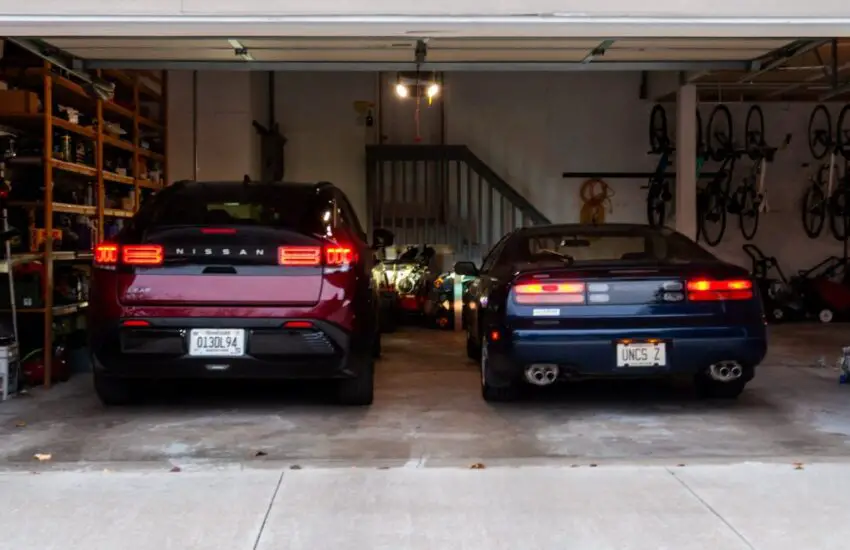
2026 Nissan Leaf Hides Z32 300ZX Design Easter Eggs

A Surprising Bridge Between Eras

The upcoming 2026 Nissan Leaf is poised to be more than just an evolution of the pioneering electric hatchback. A deep dive into its design language reveals a fascinating secret: a series of subtle stylistic nods to the iconic 1990s Nissan 300ZX (Z32). This unexpected inspiration creates a deliberate and thoughtful bridge between the era of analog, combustion-powered sports cars and the future of electric mobility, showcasing a bold and nostalgic direction for Nissan’s design team.

Subtle Homages in Modern Form

While the overall silhouette remains a practical five-door, keen observers will spot the clever integration of classic Z32 cues. The most prominent tribute is expected to be in the treatment of the rear light signature. The 2026 Leaf may incorporate a subtle, continuous light bar that echoes the distinctive full-width taillight panel that made the 300ZX so recognizable. Furthermore, the contouring of the rear haunches and the shape of the rear quarter glass are rumored to draw direct inspiration from the sports car’s muscular, flowing profile.

More Than Just Aesthetic Nostalgia

This design strategy goes beyond simple retro styling. It represents a calculated effort to infuse the Leaf with an emotional connection and a sense of heritage often absent in the EV segment. By embedding these “easter eggs,” Nissan is crafting a narrative that links its electric future to its performance past. This approach not only honors a beloved model but also aims to attract enthusiasts who value design lineage, suggesting that electric vehicles can carry the soul and excitement of their internal combustion ancestors.

The revelation of these hidden references transforms the perception of the 2026 Leaf from a mere appliance of efficiency into a vehicle with a story to tell. It demonstrates that in the age of electrification, character and history can be preserved through intelligent and nuanced design, creating a unique identity in a crowded market.

Decoding OBD2 Code P1486: Dodge EGR System Performance Explained

Understanding the P1486 Code in Your Dodge Vehicle

When the check engine light illuminates in your Dodge Ram, Charger, Durango, or Challenger, retrieving an OBD2 code is the first step. Code P1486 is a manufacturer-specific diagnostic trouble code (DTC) that translates to “EGR System Performance.” This code indicates that your vehicle’s Engine Control Module (ECM) has detected an issue with the performance or flow characteristics of the Exhaust Gas Recirculation (EGR) system. Unlike a simple circuit fault, P1486 points to a functional problem—the system isn’t working as efficiently as the ECM’s programmed parameters expect. This can lead to reduced fuel economy, increased emissions, and potential drivability concerns if left unaddressed.

The Critical Role of the EGR System

The EGR system is an essential emissions control device. Its primary function is to recirculate a small, metered amount of inert exhaust gas back into the engine’s intake manifold. This process lowers peak combustion temperatures, which in turn drastically reduces the formation of harmful nitrogen oxides (NOx). In modern Dodge engines, particularly the HEMI V8s, the system is precisely controlled. The ECM monitors EGR flow indirectly using sensors like the Manifold Absolute Pressure (MAP) sensor and often a dedicated EGR temperature sensor to ensure the correct amount of gas is being recirculated under specific engine load conditions.

How the ECM Triggers Code P1486

The ECM uses a sophisticated strategy to monitor EGR performance. During certain driving conditions (typically light to moderate throttle at cruising speed), the ECM commands the EGR valve to open. It then expects to see a corresponding change in intake manifold pressure (via the MAP sensor) and, if equipped, a change in temperature at the EGR cooler outlet. If the actual sensor readings do not match the predicted values stored in the ECM’s memory within a specific timeframe, the monitor fails. After failing in two consecutive drive cycles, the ECM illuminates the check engine light and stores the P1486 code.

Common Symptoms and Causes of P1486 in Dodge Models

Recognizing the symptoms associated with P1486 can help you correlate the code with your vehicle’s behavior. The causes are typically related to physical blockages, mechanical failures, or sensor malfunctions within the EGR subsystem.

Primary Symptoms of a P1486 Fault

  • Illuminated Check Engine Light (MIL): The most obvious and consistent symptom.
  • Rough Idle or Stalling: Especially when the engine is cold, due to incorrect air/fuel ratios.
  • Engine Knocking or Pinging (Detonation): Caused by elevated combustion temperatures without EGR cooling effect.
  • Reduced Fuel Economy: The ECM may adjust fueling strategies to compensate for the perceived fault.
  • Failed Emissions Test: Elevated NOx levels will cause an immediate test failure.

Root Causes of the P1486 Diagnostic Trouble Code

  • Clogged or Faulty EGR Valve: Carbon buildup is the #1 culprit. It can prevent the valve from opening, closing, or sealing properly.
  • Blocked EGR Passages or Cooler: The tubes and passages between the exhaust manifold and intake can become completely restricted with soot and carbon.
  • Faulty EGR Temperature Sensor or Circuit: A bad sensor providing incorrect data will mislead the ECM about actual EGR flow.
  • EGR Valve Control Solenoid/Pneumatic Issues: On vacuum-operated systems, a cracked hose, faulty solenoid, or poor vacuum supply can prevent proper valve actuation.
  • Faulty MAP Sensor: Since the MAP sensor is critical for the EGR flow monitor, a skewed MAP sensor can cause a false P1486.
  • Exhaust or Intake Manifold Leaks: Unmetered air can alter the pressure readings the ECM uses to calculate flow.

Step-by-Step Diagnostic and Repair Guide for P1486

Diagnosing P1486 requires a methodical approach. Always start with a visual inspection and use a professional-grade scan tool to monitor live data if possible. Safety first: ensure the engine is completely cool before beginning work.

Step 1: Preliminary Inspection and Live Data Review

Begin by checking all visible vacuum hoses (if applicable) and electrical connectors related to the EGR system for cracks, disconnections, or corrosion. Use your OBD2 scanner to clear the code and perform a test drive to see if it returns immediately (indicating a hard fault). If you have a bidirectional scanner or one that reads live data, monitor the EGR valve command (duty cycle or position %) and the MAP sensor (inHg or kPa) readings at idle and at a steady 2500 RPM. Command the EGR valve open with the scanner and observe if the MAP reading changes accordingly.

Step 2: Physical Inspection and Cleaning of the EGR System

If accessible, remove the EGR valve. Inspect the valve pintle and seat for heavy carbon deposits. Clean the valve and its mounting port thoroughly using a dedicated EGR/carburetor cleaner and safe scraping tools. Do not soak electronic EGR valves in cleaner. Also, inspect the associated EGR tube or cooler inlet for blockages. A significant amount of carbon here is a strong indicator of the problem.

Step 3: Component Testing and Replacement

If cleaning doesn’t resolve the issue, proceed with component testing.

  • EGR Valve: Test its electrical resistance (solenoid) per the service manual specs. Apply 12 volts directly to a non-PWM style valve to hear/see it click open.
  • EGR Temperature Sensor: Test its resistance with a multimeter while heating it with a heat gun; resistance should change smoothly.
  • Vacuum System: Use a hand vacuum pump to apply vacuum to a vacuum-operated EGR valve. The valve should hold vacuum and the engine idle should become rough when the valve is opened.

Replace any component that fails these tests. After repair, clear the code and perform a complete drive cycle to ensure the monitor runs and passes.

Prevention and Long-Term Considerations

Preventing P1486 revolves around mitigating carbon buildup, which is inherent in direct injection and high-performance engines.

Maintenance Tips to Avoid EGR Issues

  • Use Top Tier detergent gasoline to help keep fuel system deposits minimal.
  • Change engine oil at regular intervals with the correct specification oil to reduce oil vapor entering the intake.
  • Periodically use a reputable fuel system cleaner designed for direct injection engines.
  • Ensure your engine reaches full operating temperature regularly; frequent short trips exacerbate carbon accumulation.

When Professional Help is Recommended

If diagnostics point towards a clogged EGR cooler (common on diesel applications) or internal passages within the intake manifold, the job can become extensive. Similarly, if you’ve replaced components and the P1486 code persists, the issue may be more subtle, such as a wiring harness problem, a failing ECM, or an exhaust restriction. In these cases, consulting a professional technician with advanced diagnostic capabilities is the most efficient and cost-effective path to a permanent repair.

OBD2 Code P1486 Chrysler: EGR Cooler Bypass Control Circuit Explained

Understanding the P1486 Diagnostic Trouble Code in Chrysler Vehicles

When your Chrysler, Dodge, Jeep, or Ram vehicle’s check engine light illuminates and a scan tool reveals code P1486, it indicates a specific fault within the Exhaust Gas Recirculation (EGR) system’s cooling circuit. Officially defined as “EGR Cooler Bypass Control Circuit,” this code is a manufacturer-specific code for Chrysler group vehicles. The EGR system is critical for reducing nitrogen oxide (NOx) emissions by recirculating a metered amount of exhaust gas back into the engine’s intake manifold. The cooler component lowers the temperature of these gases before re-entry. Code P1486 specifically points to an electrical or control issue with the mechanism that can bypass this cooler under certain conditions.

What is the EGR Cooler Bypass System?

The EGR cooler bypass system is a subsystem designed to improve engine efficiency and warm-up times. During cold starts or under specific low-load conditions, the Powertrain Control Module (PCM) may command the bypass valve to open. This allows hot exhaust gas to bypass the EGR cooler and enter the intake manifold directly, helping the engine reach optimal operating temperature faster. The P1486 code is set when the PCM detects an unexpected voltage level or an open/short circuit in the control circuit for this bypass valve or solenoid.

Common Vehicles Affected by P1486

Code P1486 is prevalent in many Chrysler vehicles equipped with diesel engines and certain gasoline engines featuring advanced EGR systems. Common models include:

  • Ram 2500/3500 with 6.7L Cummins diesel
  • Jeep Grand Cherokee (diesel variants)
  • Dodge Durango
  • Chrysler 300
  • Various models across the 2000s to 2010s model years.

Symptoms and Causes of Chrysler Code P1486

Ignoring a P1486 code can lead to reduced fuel economy, increased emissions, and potential long-term engine issues. Accurate diagnosis is key to an effective repair.

Primary Symptoms of P1486

Drivers may notice one or more of the following symptoms:

  • Illuminated Check Engine Light (MIL)
  • Reduced engine power or sluggish acceleration
  • Poor fuel economy
  • Rough idle or engine stalling
  • Possible black smoke from the exhaust (more common in diesel applications)
  • The engine may take longer to warm up.

Root Causes of the P1486 Fault

The malfunction can stem from several areas within the circuit. A systematic approach is required to pinpoint the exact cause:

  • Faulty EGR Cooler Bypass Valve/Solenoid: The most common culprit. The valve can become stuck open or closed, or its internal solenoid coil can fail electrically.
  • Open or Shorted Wiring: Damaged, corroded, or broken wires in the control circuit between the PCM and the solenoid.
  • Poor Electrical Connections: Corroded, loose, or damaged connectors at the solenoid or PCM.
  • Vacuum Leaks (if vacuum-operated): On some models, the bypass is controlled by a vacuum solenoid. Leaks in the vacuum hoses or at the actuator diaphragm will cause a fault.
  • Failed Powertrain Control Module (PCM): While rare, a malfunctioning PCM that cannot properly control the circuit can trigger this code.

Step-by-Step Diagnostic and Repair Procedure

Professional diagnosis follows a logical flow from simple visual checks to more complex electrical tests. Always consult your vehicle’s specific service manual for wiring diagrams and specifications.

Step 1: Preliminary Visual Inspection

Begin with a thorough visual check. Look for obvious issues that don’t require a multimeter:

  • Inspect all wiring harnesses related to the EGR system for chafing, burns, or damage.
  • Check the electrical connector at the EGR cooler bypass solenoid for security and corrosion.
  • If the system is vacuum-operated, inspect all vacuum hoses for cracks, splits, and secure connections.
  • Look for signs of excessive carbon buildup around the EGR valve and cooler assembly.

Step 2: Testing the EGR Cooler Bypass Solenoid

Use a digital multimeter (DMM) to test the solenoid’s electrical integrity.

  • Resistance Test: Disconnect the solenoid’s electrical connector. Measure the resistance across the solenoid’s two terminals. Compare the reading (often between 10-100 ohms, but refer to specs) to manufacturer specifications. An infinite reading (open) or a zero reading (short) indicates a failed solenoid.
  • Actuation Test (with Power): You can carefully apply 12 volts directly to the solenoid terminals (if it’s a direct-acting electronic type) to listen for a distinct click. Warning: Ensure you know the solenoid type; applying power to a vacuum solenoid valve incorrectly can damage it.

Step 3: Checking the Control Circuit and PCM

If the solenoid tests good, the fault lies in the wiring or PCM.

  • Power and Ground Circuit Test: With the solenoid disconnected and the ignition key in the ON position, check for reference voltage (often 5V or 12V) at the appropriate wire in the harness connector. Check for a good ground on the other wire.
  • Circuit Integrity Test: Use the DMM’s continuity function to check for opens or shorts to ground/power in the wires between the solenoid connector and the PCM connector.
  • PCM Command Test: Using a scan tool with bidirectional controls, command the EGR cooler bypass solenoid ON and OFF while monitoring the state with a test light or noid light plugged into the solenoid’s harness connector. No activity suggests a PCM or wiring issue.

Step 4: Performing the Repair and Clearing the Code

Once the faulty component is identified:

  • Replace the EGR cooler bypass solenoid/valve assembly if it failed the electrical or functional tests.
  • Repair any damaged wiring using proper solder and heat-shrink tubing. Never use twist connectors in automotive environments.
  • Replace cracked or leaking vacuum hoses.
  • After repair, clear the P1486 code with your scan tool. Take the vehicle for a test drive to ensure the code does not return and that all driveability symptoms are resolved.

Technical Considerations and Final Recommendations

Code P1486 is generally not considered a critical failure that will strand you immediately, but it should be addressed promptly to maintain engine performance, efficiency, and emissions compliance.

Importance of Using OEM or High-Quality Parts

The EGR system operates in a harsh environment with high temperatures and exposure to soot. Using a cheap, low-quality bypass solenoid may lead to a quick recurrence of the problem. Opt for OEM (Mopar) or reputable aftermarket brands known for reliability.

When to Seek Professional Help

If you are not comfortable with electrical diagnostics using a multimeter, or if the diagnosis points to a potential PCM issue, seeking a qualified automotive technician is the best course of action. They have access to advanced scan tools, factory service information, and the experience to diagnose complex circuit faults efficiently.

By understanding the function, causes, and diagnostic path for the P1486 code, you can approach this repair with confidence, ensuring your Chrysler vehicle returns to optimal operating condition.

Decoding OBD2 Code P1486: A Comprehensive Guide for Acura Vehicles

Understanding OBD2 Code P1486 in Your Acura

When your Acura’s check engine light illuminates and a scan tool reveals the diagnostic trouble code (DTC) P1486, it indicates a specific fault within the Exhaust Gas Recirculation (EGR) system. This code is manufacturer-specific, meaning its exact definition can vary, but for most Honda and Acura models, P1486 is defined as “EGR Valve Position Sensor Circuit Low Voltage.” This is a critical sensor that monitors the precise position of the EGR valve pintle, providing feedback to the Powertrain Control Module (PCM) to ensure the correct amount of exhaust gas is recirculated for optimal emissions control and engine performance.

What Does the EGR Valve Position Sensor Do?

The EGR Valve Position Sensor is a potentiometer attached to the EGR valve shaft. As the valve opens and closes, the sensor’s resistance changes, sending a corresponding voltage signal (typically between 0.1V and 4.8V) back to the PCM. A “low voltage” signal (often below 0.2V) suggests to the PCM that the sensor is reporting the valve is stuck or positioned in an unexpected closed state, even when it should be operating.

Why the P1486 Code is Important for Your Acura

Ignoring a P1486 code can lead to several negative consequences. A malfunctioning EGR system disrupts the delicate air-fuel mixture, potentially causing:

  • Increased Emissions: Higher levels of Nitrogen Oxides (NOx) due to elevated combustion temperatures.
  • Engine Performance Issues: Rough idle, hesitation, stalling, or a noticeable lack of power.
  • Fuel Economy Reduction: Inefficient combustion can lead to decreased miles per gallon.
  • Potential for Detonation: In severe cases, the increased cylinder temperatures can cause engine knocking or pinging.

Symptoms and Common Causes of Acura P1486

Recognizing the symptoms associated with code P1486 is the first step in diagnosis. The causes typically fall into three categories: electrical issues, mechanical failures, or PCM-related problems.

Primary Symptoms of a P1486 Fault

  • Illuminated Check Engine Light (MIL) with code P1486 stored.
  • Rough engine idle or unstable RPM at a stop.
  • Engine hesitation or stumbling during acceleration.
  • Noticeable decrease in fuel efficiency.
  • In some models, the vehicle may enter a “limp mode,” limiting power and RPMs.

Most Frequent Causes of Code P1486

  • Faulty EGR Valve Position Sensor: The internal potentiometer can wear out or fail, sending an incorrect low signal.
  • Damaged Wiring or Connectors: Corroded, frayed, or shorted wires in the sensor circuit (reference voltage, signal, or ground).
  • Carbon-Clogged EGR Valve: Heavy carbon deposits can physically jam the valve shaft, preventing movement and causing a stuck-low signal.
  • Failed EGR Valve Assembly: The valve’s internal diaphragm or stepper motor may be defective.
  • Poor Electrical Ground: A bad ground connection for the sensor or PCM can corrupt the voltage signal.
  • Rare: Faulty PCM: While uncommon, a malfunctioning engine control module could misread a valid sensor signal.

Step-by-Step Diagnostic and Repair Guide for P1486

Proper diagnosis is key to an effective and cost-efficient repair. Avoid simply replacing the EGR valve without testing. Follow this systematic approach.

Required Tools for Diagnosis

  • OBD2 Scanner/Code Reader
  • Digital Multimeter (DMM)
  • Basic hand tools (sockets, screwdrivers)
  • Service Manual or wiring diagram for your specific Acura model
  • Electrical contact cleaner

Diagnostic Procedure: From Simple to Complex

Step 1: Visual Inspection: Begin with the engine off and cool. Locate the EGR valve (typically on or near the intake manifold). Inspect the wiring harness and electrical connector for the position sensor. Look for obvious damage, corrosion, or loose connections. Disconnect the connector, clean the terminals with contact cleaner, and reconnect.

Step 2: Check for Carbon Buildup: If accessible, you can often check the valve’s movement. With the engine off, you may be able to gently actuate the valve mechanism (consult a manual). If it’s completely seized, carbon is a likely culprit.

Step 3: Electrical Testing with a Multimeter:

  • Reference Voltage (Vref): With the connector disconnected and ignition ON, probe the appropriate pin (use a wiring diagram). You should read approximately 5 volts from the PCM.
  • Ground Circuit: Check continuity between the sensor ground pin and a known good engine ground. Resistance should be very low (less than 5 ohms).
  • Sensor Signal: Reconnect the connector and use a back-probe pin to monitor the signal wire voltage with the engine running at idle and at 2500 RPM. The voltage should change smoothly as the PCM commands the EGR valve to operate. A static, very low voltage (e.g., 0.1V) confirms the P1486 fault.

Repair Solutions for Code P1486

Based on your diagnostic findings:

  • For Carbon Clogging: Remove the EGR valve and carefully clean the pintle and passageways with a specialized EGR/carburetor cleaner and a soft brush. Avoid damaging the valve seat or diaphragm.
  • For Damaged Wiring: Repair or replace any damaged wires. Solder and heat-shrink connections are preferred over crimp connectors for longevity.
  • For a Failed Sensor/Valve: If the sensor is integrated into the valve assembly (common), the entire EGR valve must be replaced. Use OEM or high-quality aftermarket parts. If the sensor is separate, it may be replaceable on its own.
  • After Repair: Clear the P1486 code with your scanner, start the engine, and perform a test drive to ensure the code does not return and that driveability symptoms are resolved.

Prevention and Long-Term Maintenance

Preventing a recurrence of P1486 involves addressing the root causes of EGR system failure.

Key Maintenance Tips

  • Use Top Tier gasoline to minimize carbon deposit formation.
  • Follow the manufacturer’s recommended service intervals. Some mechanics recommend a proactive EGR valve cleaning at higher mileages (e.g., 60,000-90,000 miles).
  • Address any engine performance issues (misfires, oil burning) promptly, as they can accelerate carbon buildup in the EGR system.
  • During routine under-hood inspections, give the EGR valve wiring and connector a quick visual check.

By understanding the technical nature of OBD2 code P1486, methodically diagnosing the fault, and applying the correct repair, you can restore your Acura’s emissions system, engine performance, and fuel efficiency. Always consult a professional mechanic if you are unsure about any step in the diagnostic or repair process.