Cadillac P1490 Code: Diagnosing and Fixing EGR Valve Position Sensor Issues

Understanding the Cadillac P1490 OBD2 Diagnostic Trouble Code

When your Cadillac’s check engine light illuminates and a scan tool reveals the diagnostic trouble code (DTC) P1490, it points to a specific issue within the Exhaust Gas Recirculation (EGR) system. This code is defined as **”EGR Valve Position Sensor Circuit Low Voltage.”** In simpler terms, the Powertrain Control Module (PCM) is receiving a voltage signal from the EGR valve position sensor that is consistently lower than the expected operating range. This sensor is crucial for the PCM to accurately monitor and control the precise opening of the EGR valve, a key component for reducing nitrogen oxide (NOx) emissions and managing combustion temperatures. Ignoring a P1490 code can lead to increased emissions, potential drivability issues like pinging or knocking, and a failed emissions test.

What is the EGR Valve and Its Position Sensor?

The EGR system is an emissions control device that recirculates a small amount of inert exhaust gas back into the engine’s intake manifold. This lowers peak combustion temperatures, which in turn reduces the formation of harmful NOx emissions. The EGR valve is the gatekeeper of this process. The EGR valve position sensor, often integrated into the valve assembly itself, is a potentiometer that sends a variable voltage signal back to the PCM, indicating the exact position of the valve pintle (from fully closed to fully open). A “low voltage” signal typically suggests the sensor is reporting the valve is closed or nearly closed, even when the PCM is commanding it to open.

Common Symptoms and Causes of P1490 in Cadillacs

While a Cadillac might run seemingly fine with a P1490 code stored, several symptoms can manifest, especially under specific driving conditions. Recognizing these signs is the first step in the diagnostic process.

Symptoms of a P1490 Code

  • Illuminated Check Engine Light (MIL): The primary and most common indicator.
  • Engine Pinging or Knocking: Especially under acceleration or load, due to elevated combustion temperatures without EGR flow.
  • Rough Idle or Stalling: Improper EGR flow can disrupt the air/fuel mixture at idle.
  • Failed Emissions Inspection: Elevated NOx levels will cause a test failure.
  • Possible Slight Reduction in Fuel Economy: Though not always pronounced.

Root Causes of Code P1490

The “circuit low voltage” definition guides us to several potential failure points. The issue can be electrical, mechanical, or a combination of both.

  • Faulty EGR Valve Position Sensor: The internal potentiometer has failed, providing an incorrect low signal.
  • Poor Electrical Connections: Corrosion, bent pins, or a loose connector at the EGR valve harness.
  • Damaged or Shorted Wiring: A short to ground in the sensor signal wire between the EGR valve and the PCM.
  • Carbon-Clogged EGR Valve: Heavy carbon deposits can physically jam the valve and prevent the pintle from moving, which the sensor may interpret as a constant closed (low) position.
  • Failed EGR Valve Solenoid (if applicable): On some designs, a vacuum solenoid controls the valve; its failure can prevent valve operation.
  • Rare PCM Failure: A fault within the PCM itself that prevents proper signal processing is possible but least likely.

Step-by-Step Diagnostic and Repair Procedures

Diagnosing P1490 requires a systematic approach, starting with the simplest checks. You will need a quality digital multimeter (DMM) and a reliable OBD2 scanner capable of reading live data.

Step 1: Preliminary Inspection and Live Data Check

Begin with a visual inspection. Check the EGR valve electrical connector for security and corrosion. Inspect the wiring harness for obvious damage. Next, use your scan tool to monitor the EGR Valve Position PID (Parameter ID) in live data. With the engine at operating temperature and idling, the reading should typically show a low percentage (valve mostly closed). Commanding the EGR valve open (many scan tools have a bi-directional control function for this) should show a smooth increase in the position percentage. If the value is stuck at 0% or an abnormally low number and does not change, it confirms a circuit or valve issue.

Step 2: Electrical Circuit Testing

Disconnect the electrical connector at the EGR valve. Refer to a vehicle-specific wiring diagram to identify the pins for reference voltage (usually 5V), sensor signal, and ground. With the ignition ON, engine OFF:

  • Check for reference voltage (typically 5 volts) at the appropriate harness pin.
  • Check for a good ground circuit.
  • Measure the signal wire for a short to ground by checking resistance between the signal pin and chassis ground (should be very high resistance/OL).

If reference voltage or ground is missing, trace the circuit back. If the signal wire is shorted to ground, locate and repair the damaged section of the wire.

Step 3: Testing the EGR Valve and Sensor Assembly

If the wiring checks out, the fault lies with the valve/sensor assembly. You can test the internal potentiometer with the multimeter. Measure the resistance across the sensor terminals (refer to a service manual for specific values and pinouts for your model). The resistance should change smoothly and continuously as you manually move the valve pintle (if possible). Any opens, infinite resistance, or erratic jumps indicate a failed sensor. Additionally, check the valve for carbon buildup and freedom of movement. A stuck-closed valve will trigger this code.

Step 4: Repair and Clearance

Based on your findings:

  • Clean the EGR Valve: If carbon is the culprit, carefully clean the valve and passages using a dedicated EGR/carburetor cleaner and a soft brush. Ensure the pintle moves freely.
  • Repair Wiring/Connectors: Address any corrosion or damaged wires.
  • Replace the EGR Valve Assembly: This is the most common fix for a confirmed faulty internal position sensor. Use a quality OEM or reputable aftermarket part.

After repair, clear the P1490 code with your scanner, perform a test drive, and verify the code does not return and that the EGR position live data operates normally.

Cadillac-Specific Considerations and Model Relevance

The P1490 code is particularly relevant to many Cadillac models from the late 1990s through the 2000s, especially those equipped with the popular Northstar V8 engine (e.g., DeVille, Seville, Eldorado, STS) and other GM platforms. These systems often use a linear EGR valve with an integrated position sensor. Due to heat cycles and exposure to exhaust soot, the sensor is a known wear item. When sourcing a replacement, ensure compatibility with your specific model year, engine, and sometimes even the build date, as EGR system designs evolved. Addressing this code promptly not only restores optimal engine performance and emissions compliance but also protects your engine from the damaging effects of pre-ignition (knock) caused by excessive combustion temperatures.

Estimated Repair Cost and Professional Help

The cost to fix P1490 varies. A professional diagnosis typically costs $80-$150. The EGR valve assembly part itself can range from $150 to $400+ for OEM parts. With labor, total repair bills often fall between $300 and $600 at a shop. DIY repair is feasible for those with intermediate mechanical skills and the right tools, potentially reducing cost to just the price of the part. If diagnostics point to a wiring issue deep in the harness or you are uncomfortable with electrical testing, seeking a professional technician is highly recommended to ensure an accurate and lasting repair.


Buick P1490 Code: EGR Valve Position Sensor Circuit High Voltage Explained

Understanding the Buick P1490 Diagnostic Trouble Code

The illumination of the check engine light in your Buick is a call for diagnostic attention. When a scan tool reveals the generic OBD-II code P1490, it points specifically to an electrical fault within the Exhaust Gas Recirculation (EGR) system. Technically defined as “EGR Valve Position Sensor Circuit High Voltage,” this code indicates that the vehicle’s Powertrain Control Module (PCM) has detected a voltage signal from the EGR valve position sensor that is consistently higher than the expected normal operating range. Unlike codes signaling a mechanical failure, P1490 is primarily an electrical circuit diagnostic trouble code (DTC), focusing on the sensor’s feedback wiring and reference signals.

What is the EGR Valve and Its Position Sensor?

The EGR system is a critical emissions control component designed to reduce nitrogen oxide (NOx) emissions. It works by recirculating a small, metered amount of exhaust gas back into the engine’s intake manifold. This lowers combustion temperatures. The EGR valve is the gatekeeper of this process, and its position sensor is a potentiometer (a variable resistor) attached to the valve shaft. It sends a continuous voltage signal back to the PCM, informing it of the valve’s exact pintle position—whether it’s fully closed, partially open, or fully open. This closed-loop feedback is essential for precise emissions control.

Technical Meaning of “Circuit High Voltage”

A “high voltage” condition, in this context, means the PCM sees a signal voltage that is too close to the sensor’s reference voltage (typically 5 volts). This usually occurs when there is an open circuit in the sensor’s signal return path. Common electrical failure points include:

  • An open wire in the sensor signal circuit.
  • A poor connection (corrosion, break) at the sensor harness connector.
  • A failed EGR valve position sensor (internal open).
  • In rare cases, a faulty PCM that cannot properly read the signal.

Symptoms and Causes of Buick P1490 Code

While sometimes the P1490 code may not cause immediately noticeable drivability issues, it often leads to secondary problems as the PCM disables the EGR system to protect the engine, defaulting to a “fail-safe” mode.

Common Symptoms of P1490

  • Illuminated Check Engine Light (MIL): The primary and most constant symptom.
  • Failed Emissions Test: The vehicle will not pass a state or local emissions inspection.
  • Engine Pinging or Knock: Especially under acceleration, due to increased combustion temperatures without EGR.
  • Reduced Fuel Economy: The engine’s efficiency can be compromised without proper EGR operation.
  • Rough Idle or Stalling: May occur if the EGR valve is stuck or the PCM’s fuel trims are significantly altered.

Root Causes of P1490 Code

Diagnosis should follow a logical progression from simple/inexpensive to more complex. The causes are typically:

  • Faulty Electrical Connections: Corroded, damaged, or loose pins in the EGR valve harness connector are a frequent culprit, especially on older Buick models.
  • Damaged Wiring: Wires in the sensor circuit can be chafed, burned, or broken, creating an open circuit. Check the harness where it passes near hot engine components or sharp edges.
  • Failed EGR Valve Position Sensor: The internal potentiometer can fail open, sending an out-of-range signal. Often, the sensor is integrated into the EGR valve assembly.
  • Bad EGR Valve Assembly: While P1490 is electrical, a seized valve can sometimes damage the attached position sensor.
  • Blown Fuse or Poor Ground: A fuse powering the PCM or sensor circuits, or a corroded ground connection, can cause aberrant voltage readings.
  • Faulty Powertrain Control Module (PCM): This is the least likely cause and should only be considered after all other wiring and components have been verified.

Step-by-Step Diagnostic and Repair Guide for P1490

A systematic approach is key to correctly diagnosing and fixing a P1490 code. You will need a digital multimeter (DMM) and a reliable scan tool capable of reading live data.

Step 1: Preliminary Inspection and Live Data Check

Begin with a thorough visual inspection. With the engine off, locate the EGR valve (typically on or near the intake manifold). Examine the wiring harness and connector for obvious damage, corrosion, or disconnection. Next, use your scan tool to monitor the EGR Valve Position (or Command) in live data. With the engine idling and at normal operating temperature, the EGR position percentage should change when you gently rev the engine. If the reading is stuck at 0%, 100%, or is completely erratic, it confirms a sensor/circuit problem.

Step 2: Electrical Circuit Testing with a Multimeter

Disconnect the electrical connector from the EGR valve. Consult a vehicle-specific wiring diagram to identify the three key pins: Reference Voltage (5V from PCM), Signal Return, and Ground.

  • With the key ON, engine OFF, back-probe the reference voltage wire. You should measure a steady ~5 volts.
  • Check for continuity to ground on the ground wire.
  • Check the signal wire for continuity back to the PCM connector.
  • Finally, test the EGR valve position sensor itself. Set your multimeter to resistance (Ohms). Across the reference and signal pins on the valve, you should see a smooth, continuous change in resistance as you manually move the EGR valve pintle. An open circuit (infinite resistance) or erratic readings indicate a failed sensor.

Step 3: Repair and Clear the Code

Based on your findings:

  • Repair Wiring/Connectors: Solder and heat-shrink any broken wires. Clean corroded connector pins with electrical contact cleaner.
  • Replace the EGR Valve Assembly: If the internal sensor is faulty, the most reliable repair is often to replace the entire EGR valve assembly as a unit. Ensure the mounting surface on the intake manifold is clean before installation.
  • After repairs, clear the P1490 code with your scan tool and perform a test drive. The code should not return, and the EGR position live data should now respond normally.

Estimated Repair Cost and Professional Help

The cost to fix a P1490 code varies widely. If it’s a simple wiring repair you perform yourself, the cost is minimal. Replacing an EGR valve assembly on a Buick, including parts and 1-2 hours of labor, can range from $200 to $500+, depending on the model and part quality (OE vs. aftermarket).

When to Seek a Professional Mechanic

If you are uncomfortable with electrical diagnostics, lack the proper tools (multimeter, scan tool), or the problem persists after your initial repair attempts, it is advisable to consult a certified technician. They have access to manufacturer-specific technical service bulletins (TSBs) and advanced diagnostic equipment to efficiently pinpoint the fault, whether it’s a broken wire hidden in the loom or a more complex PCM communication issue.

How Vehicle Logistics Experts Adapt to the EV Revolution

The Electric Shift in Automotive Logistics

Two logistics specialists discussing an electric vehicle

For over fifteen years, specialized teams in the Nantes region have provided essential services to automotive professionals. Their core business has traditionally been the delivery and preparation of new vehicles from manufacturers to dealerships. However, the rapid rise of electric vehicles is fundamentally transforming their daily operations and required skill sets.

New Protocols for a New Powertrain

The arrival of electric vehicles necessitates a complete overhaul of standard procedures. Logistics specialists must now master specific knowledge about high-voltage batteries and electrical systems. A critical new step involves checking the state of charge (SOC) upon vehicle receipt and ensuring it is sufficient for delivery, something irrelevant with internal combustion engines. Furthermore, handling during transport and preparation requires heightened awareness to avoid damaging sensitive and costly underbody components or battery packs.

Training and Safety as Top Priorities

Adapting to this technological shift is not optional; it is imperative for business continuity. Teams are undergoing dedicated training to obtain certifications for working on and around electric vehicles. This training emphasizes safety above all, teaching technicians how to properly isolate the electrical system before any work begins. The preparation process now includes verifying specific EV features, such as charging cable presence, software updates, and educating dealership staff on basic handover procedures for the end customer.

A Transforming Industry Landscape

This evolution represents more than just a technical adjustment; it signifies a cultural shift within the automotive logistics sector. The expertise is moving from mechanical familiarity to electro-digital proficiency. Logistics companies that successfully integrate these new competencies are positioning themselves as vital partners in the automotive value chain’s transition. Their ability to safely and efficiently manage EVs from factory to forecourt is becoming a key competitive advantage, ensuring they remain indispensable in the new electric era.

Solid-State Batteries: CES 2026 Hype Meets Manufacturing Reality

The Solid-State Promise: A Glimpse at CES 2026

Close-up view of a solid-state battery cell presented at CES 2026

The Consumer Electronics Show 2026 became a focal point for the future of energy storage, with several companies announcing ambitious timelines for solid-state battery commercialization. These announcements signal a potential turning point, moving the technology from laboratory research toward tangible products. The showcased prototypes promised significant leaps in energy density, safety, and charging speed compared to current lithium-ion batteries.

Beyond the Hype: The Core Challenges

Despite the optimistic forecasts, the path to widespread adoption remains fraught with technical and economic hurdles. A primary obstacle is the development of a stable solid electrolyte that maintains performance over thousands of charge cycles. Many prototypes struggle with dendrite formation—tiny lithium filaments that can short-circuit the battery—a problem that solid-state designs aim to solve but have not yet fully eliminated at scale.

Furthermore, manufacturing these batteries cost-effectively presents a massive challenge. The processes for creating ultra-thin, defect-free solid electrolyte layers are complex and currently far more expensive than traditional battery production. Scaling these precision methods to meet automotive industry volumes is a monumental task that will define the technology’s commercial viability.

The Road from Prototype to Production

The announcements at CES 2026 highlight a critical phase of development. Initial commercial launches are likely to be in limited, high-end applications where cost is less prohibitive, such as luxury electric vehicles or premium electronics. This staged rollout will provide real-world data and drive iterative improvements in the manufacturing process. The true measure of success will be the ability to deliver on the promised performance gains while achieving cost parity with advanced liquid electrolyte batteries, a milestone still several years beyond initial commercialization efforts.

The Disappearing Steering Wheel: CES 2026’s Autonomous Driving Leap

A New Era for Vehicle Interiors

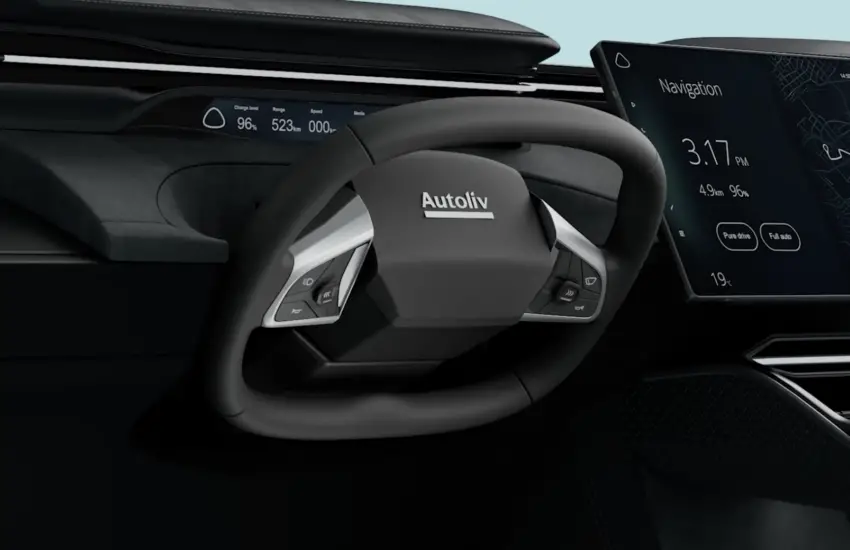
The landscape of automotive design was fundamentally altered at CES 2026. The joint unveiling by Autoliv and Tensor of the first series-production ready retractable steering wheel marks a pivotal step toward the true autonomous vehicle. This isn’t a concept; it’s a functional component engineered for the mass market, signaling the beginning of the end for the fixed driver’s cockpit as we know it.

Seamless Transition Between Driving Modes

The core innovation lies in the wheel’s ability to elegantly stow away into the dashboard when autonomous mode is engaged. This action instantly transforms the cabin, creating expansive new space for relaxation, work, or entertainment. When the driver needs or wants to take control, the wheel returns swiftly and securely to its traditional position. This technology solves a critical design challenge for Level 4 and 5 autonomous vehicles, providing ultimate flexibility without compromising safety or driver engagement.

Engineering for Safety and Adoption

Beyond the “wow” factor, this system is built with rigorous safety standards. It incorporates redundant locking mechanisms and failsafe protocols to ensure reliable deployment and retraction. The development by Autoliv, a leader in automotive safety, underscores the paramount importance of these features. For manufacturers, this ready-for-series component accelerates their roadmap, allowing them to design future models around a versatile, multi-mode interior from the ground up.

The presentation at CES 2026 demonstrated a fully operational prototype, highlighting the mechanical precision and silent operation of the system. This move from fixed to flexible control is more than an incremental upgrade; it’s the physical manifestation of the shifting relationship between human and machine on the road, paving the way for interiors that adapt dynamically to our needs.

Where Are France’s 2025 Electric Cars Really Made?

The Global Factories Behind French EV Sales

The origin of manufacturing has become a pivotal factor for French car buyers. In 2025, the geographical footprint of electric vehicles sold in France paints a picture of a complex and rapidly evolving industrial landscape. This map is defined by the tension between a growing desire for European industrial sovereignty and the entrenched reality of global supply chains.

A European Core with Asian Dominance

While European assembly is prominent, a significant portion of the critical components and complete vehicles originate from Asia. China remains a powerhouse, not only exporting finished EVs from its own brands but also supplying essential batteries and parts for models assembled in Europe. South Korea also holds a major stake through its leading battery manufacturers, whose cells are integrated into many popular models.

Electric car on assembly line in a modern factory

The Rise of European Gigafactories

In response, Europe is accelerating its battery production capabilities. New “gigafactories” in countries like Germany, Poland, and Hungary are coming online, aiming to localize this crucial part of the value chain. French and German carmakers are increasingly promoting models assembled within the EU, often in their home countries or in lower-cost European nations, to appeal to buyers conscious of carbon footprints and economic sovereignty.

Beyond the Assembly Line: A Complex Web

Labeling a car’s origin is increasingly complex. A vehicle assembled in France may contain a Chinese battery, German engineering software, and Serbian-made electric motors. For consumers, this means looking beyond the final assembly point to understand the true provenance of key components, particularly the battery pack, which represents a large portion of the vehicle’s value and environmental impact.

The French EV market in 2025 is a microcosm of global automotive transformation. It showcases a strategic push for regional resilience while underscoring the deeply interconnected nature of modern manufacturing, where no single country holds the entire production key.

Electric Car Market 2026: Key Shifts and Innovations

The Road to 2026: A Transformative Era for EVs

The electric vehicle market is accelerating toward a pivotal moment in 2026. Driven by technological leaps, regulatory pressures, and shifting consumer expectations, the automotive landscape is undergoing its most significant transformation in a century. This period will move beyond early adoption, setting new standards for performance, accessibility, and integration into daily life.

Battery Breakthroughs and Cost Parity

A primary driver of change will be next-generation battery technology. Solid-state batteries are predicted to move from laboratory prototypes to limited commercial availability in premium models by 2026. These batteries promise greater energy density, faster charging, and improved safety. Concurrently, economies of scale and improved manufacturing processes are expected to finally bring the upfront purchase price of EVs to parity with their internal combustion engine counterparts, removing a major barrier for mainstream buyers.

The Rise of Software-Defined Vehicles

Cars will increasingly be defined by their software rather than just their hardware. Over-the-air updates will become standard, allowing for continuous improvement of vehicle performance, battery management, and autonomous features post-purchase. The in-car experience will evolve into a personalized digital ecosystem, integrating seamlessly with smart home devices and city infrastructure for optimized routing and energy use.

Market Diversification and Charging Infrastructure

The vehicle lineup will expand dramatically beyond sedans and SUVs. Expect a surge in compelling electric options for pick-up trucks, vans, and compact city cars. Furthermore, the public charging network will see critical enhancement. The focus will shift from merely increasing charger quantity to ensuring reliability, faster charging speeds, and better geographic distribution, making long-distance EV travel more convenient and predictable for all.

Sustainability and the Circular Economy

As the market matures, scrutiny will intensify on the entire lifecycle of the EV. Manufacturers will invest heavily in sustainable battery recycling and repurposing programs. There will be a stronger emphasis on using recycled materials and renewable energy in production. This holistic approach to environmental impact will become a key differentiator for brands and a growing concern for informed consumers.

Dreame Shocks CES 2026 with 1,876 HP Electric Hypercar

From Vacuum Cleaners to Hypercars: Dreame’s Stunning Pivot

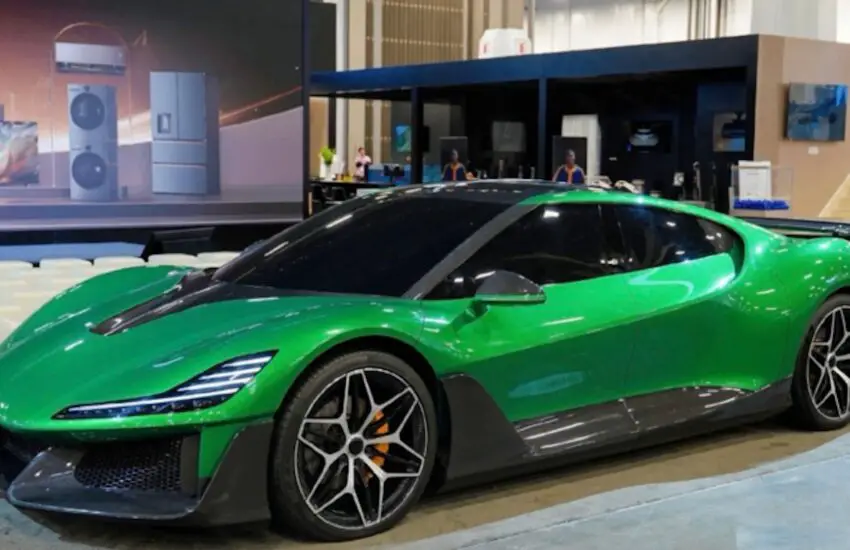
The Consumer Electronics Show 2026 in Las Vegas witnessed one of its most unexpected reveals. Dreame, a brand synonymous with robot vacuum cleaners and smart home appliances, dramatically pivoted to the automotive world. The company unveiled a fully electric hypercar concept boasting a staggering 1,876 horsepower, sending shockwaves through the tech and automotive industries.

Unprecedented Performance from an Unlikely Source

This audacious move challenges the traditional boundaries of industry specialization. Dreame’s hypercar concept is not merely a design exercise; it is presented as a fully functional prototype showcasing the company’s advanced engineering capabilities. The announced power output places it firmly among the most potent electric vehicles ever conceived, promising acceleration and top-speed figures that rival established hypercar manufacturers.

Leveraging Core Technology in a New Arena

Analysts suggest Dreame’s foray is a strategic application of its core competencies. The company’s expertise in high-efficiency motors, advanced sensor suites for navigation, and sophisticated battery management systems for its home devices is directly transferable to electric vehicle development. This hypercar serves as a ultimate showcase of their technological depth, potentially previewing future innovations that could trickle down to more accessible products or licensed technologies.

Redefining Brand Identity at CES

The announcement dominated headlines at CES 2026, a show increasingly focused on mobility. By presenting a hypercar, Dreame has successfully rebranded itself from a home appliance maker to a serious player in high-tech engineering. This bold statement raises questions about the future landscape of automotive manufacturing, where disruptive tech companies can rapidly enter and redefine performance benchmarks.

Top Used Electric Cars in 2025: Best-Selling Models

The Booming Market for Used Electric Cars

The used electric vehicle (EV) market is experiencing unprecedented growth. This surge is driven by the first wave of mass-market electric cars now entering the second-hand market, providing a more affordable entry point for drivers looking to make the switch to electric. By 2025, this market has matured, offering a diverse range of models with improved battery longevity and more attractive pricing, making sustainable transport accessible to a broader audience.

2025’s Best-Selling Used Electric Models

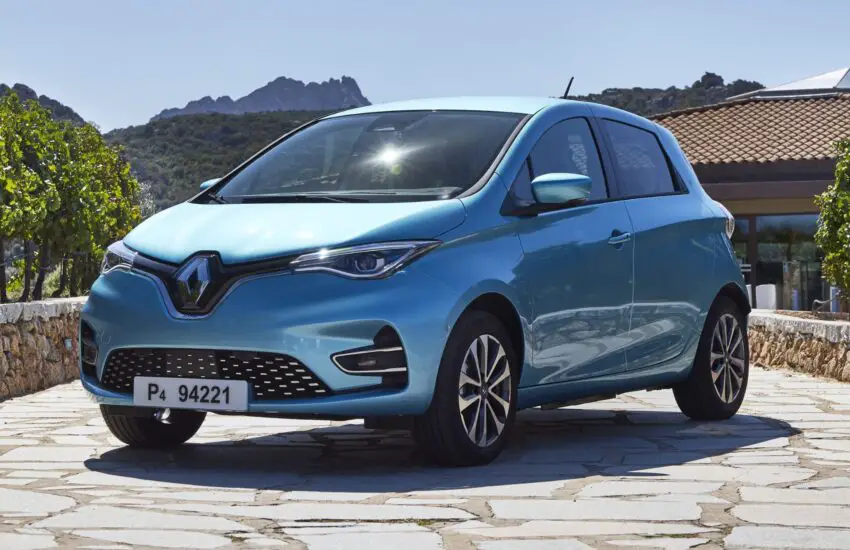
Certain models have emerged as clear favorites in the 2025 used EV landscape. The Tesla Model 3 continues to dominate, prized for its performance, extensive Supercharger network, and proven track record for reliability. Close behind, the Nissan Leaf remains a top choice for city drivers, offering exceptional value and low running costs. The Renault Zoe also holds strong, appealing with its compact size and frequent availability of battery lease options, which can lower the initial purchase price.

Key Factors Driving Buyer Decisions

Shoppers in 2025 are savvy, prioritizing several crucial factors. Real-world battery range and health are the primary concerns, with certified pre-owned programs offering battery warranties becoming a major selling point. Charging speed capability, particularly DC fast-charging, is also a key differentiator for longer journeys. Furthermore, the total cost of ownership, including insurance, maintenance, and energy costs compared to fossil fuel vehicles, is a decisive factor for budget-conscious consumers.

What to Consider Before You Buy

Purchasing a used EV requires specific checks. A professional battery health report is essential to understand its remaining capacity and lifespan. Reviewing the vehicle’s charging history and verifying compatibility with your home or local charging infrastructure is also critical. Finally, researching model-specific reliability points and software update history can prevent future issues and ensure a satisfying ownership experience.

PostNL Pioneers Electric Truck Charging Hubs in Logistics

From Sorting Center to Power Station: PostNL’s Green Logistics Revolution

PostNL electric truck charging hub at a distribution center

The Dutch postal service, PostNL, is leading a transformative shift in sustainable logistics by converting its own parcel sorting centers into strategic charging hubs for electric heavy goods vehicles. This innovative initiative repurposes existing logistics infrastructure, positioning the company at the forefront of the electric freight revolution.

Building a Network for Zero-Emission Freight

This project addresses a critical barrier to the adoption of electric trucks: the lack of sufficient high-capacity charging infrastructure designed for large commercial vehicles. By utilizing its nationwide network of distribution centers, PostNL is creating a reliable and strategically located charging network. These hubs are not only for its own growing fleet of electric delivery vans and trucks but are also envisioned to serve other logistics operators, fostering industry-wide decarbonization.

Strategic Advantages of Repurposing Assets

The conversion of sorting centers offers significant logistical and economic benefits. These facilities already have the necessary electrical grid connections and are situated in key logistics corridors. Upgrading this infrastructure for high-power charging is a more efficient and scalable solution than building entirely new stations from scratch. It ensures that charging points are located where freight naturally consolidates and routes begin or end, optimizing operational efficiency for electric truck operators.

This pioneering move by PostNL demonstrates a proactive approach to corporate sustainability and infrastructure planning. It provides a scalable blueprint for other postal and logistics companies worldwide, showing how existing assets can be leveraged to accelerate the transition to zero-emission road freight. The initiative highlights a crucial step in building the integrated ecosystem required for large-scale electric truck adoption.