Arizona Greenlights Tesla Robotaxis Without Safety Monitors

Arizona Approves Tesla Autonomous Ride-Hailing

Arizona has granted Tesla regulatory approval to operate its robotaxi service for passenger transport, clearing the final hurdle before commercial deployment. This landmark decision permits Tesla’s autonomous vehicles to function without human safety monitors behind the wheel, marking a significant advancement in self-driving technology implementation.

Safety Concerns Amid Accident Reports

The authorization comes despite seven documented accidents during the experimental phase initiated in Austin last July. While details of these incidents remain under review, regulators have determined that Tesla’s safety protocols meet Arizona’s requirements for driverless operations. The state’s transportation department emphasized that all autonomous vehicle operators must maintain insurance and reporting standards equivalent to traditional ride-hailing services.

Technological Milestone for Autonomous Transportation

Tesla’s achievement represents a crucial step forward in the commercialization of fully autonomous vehicles. Unlike previous iterations that required human oversight, these robotaxis will operate independently using Tesla’s advanced neural network and sensor suite. The system continuously processes real-time data from cameras and sensors to navigate complex urban environments while responding to dynamic road conditions.

Industry Impact and Future Deployment

This regulatory breakthrough positions Tesla competitively in the rapidly evolving autonomous mobility sector. Arizona’s favorable regulatory environment has attracted multiple autonomous vehicle developers, though Tesla becomes the first to receive passenger transport authorization without safety driver requirements. The approval sets precedent for other states considering similar regulations and accelerates the timeline for widespread autonomous ride-hailing services.

Commercial operations are expected to commence within upcoming months, initially focusing on metropolitan areas with detailed digital mapping. The service will integrate with Tesla’s existing mobile platform, allowing users to summon autonomous vehicles through familiar application interfaces. This development signals a transformative shift in transportation paradigms and urban mobility solutions.

Porsche Cayenne Electric 2026: Wireless Charging Revolution

Porsche Cayenne Electric 2026: Wireless Charging Revolution

The automotive world stands on the brink of a technological leap with the upcoming Porsche Cayenne Electric 2026. As Porsche’s third all-electric vehicle, it represents a significant milestone in the brand’s electrification strategy, combining luxury SUV practicality with groundbreaking wireless charging capabilities.

Unprecedented Performance and Power

Positioned as Porsche’s largest electric vehicle to date, the Cayenne Electric pushes boundaries with its staggering power output. The flagship Cayenne Turbo Electric variant delivers an astonishing 1,139 horsepower, making it the most powerful production vehicle ever developed by the German manufacturer. This immense power translates to breathtaking acceleration and superior driving dynamics that maintain Porsche’s signature performance standards while embracing full electrification.

Innovative Wireless Charging Technology

The Cayenne Electric’s most remarkable feature is its integrated wireless charging system. This technology eliminates the need for physical charging cables, allowing drivers to simply park over a charging pad to replenish the battery. The system employs advanced electromagnetic resonance technology that ensures efficient power transfer while maintaining safety standards. This convenience-focused approach represents a significant step forward in making electric vehicle ownership more accessible and user-friendly.

Premium Design and Engineering

Maintaining the Cayenne’s prestigious positioning, the electric version features sophisticated aerodynamics and weight distribution optimized for electric performance. The vehicle’s platform has been specifically engineered to accommodate the large battery pack while preserving the spacious interior and cargo capacity expected from a premium SUV. Porsche’s attention to detail is evident in every aspect, from the optimized thermal management system to the precisely tuned regenerative braking that enhances overall efficiency.

With its combination of exceptional performance, luxury amenities, and revolutionary charging technology, the Porsche Cayenne Electric 2026 sets new standards for what consumers can expect from premium electric vehicles. This model demonstrates Porsche’s commitment to innovation while staying true to the driving excellence that defines the brand.

OBD2 Code P1453: Comprehensive EVAP System Diagnosis Guide

Understanding OBD2 Code P1453: EVAP System Fundamentals

OBD2 code P1453 represents a significant diagnostic trouble code related to your vehicle’s Evaporative Emission Control (EVAP) system. This code specifically indicates “Evaporative Emission Control System Leak Detected” and is crucial for maintaining both environmental compliance and optimal vehicle performance. The EVAP system’s primary function is to prevent fuel vapors from escaping into the atmosphere by capturing and storing them in a charcoal canister, then purging them into the engine for combustion during normal operation.

What Does P1453 Code Mean Exactly?

When your vehicle’s powertrain control module (PCM) detects an unexpected pressure change or vacuum leak in the EVAP system that exceeds predetermined parameters, it triggers code P1453. This indicates the system cannot maintain proper vacuum pressure, suggesting there’s either a physical leak or a component failure preventing the system from sealing properly. The code typically points to leaks in specific pressure ranges that differentiate it from other EVAP-related codes.

How the EVAP System Monitors for Leaks

Modern vehicles employ sophisticated monitoring systems that test the EVAP system during specific driving conditions. The PCM activates the purge and vent valves to create vacuum in the system, then monitors pressure changes using the fuel tank pressure sensor. If the system cannot achieve or maintain the expected vacuum level within a specified time frame, the PCM interprets this as a leak and stores code P1453 while illuminating the check engine light.

Technical Specifications and System Parameters

  • Diagnostic Trouble Code: P1453
  • Description: Evaporative Emission Control System Leak Detected
  • System Affected: EVAP (Evaporative Emission Control)
  • Monitor Type: Continuous and non-continuous
  • Typical Enable Conditions: Cold start, fuel level between 15-85%, specific engine temperature
  • MIL Illumination: Usually on second consecutive failure

Common Causes and Symptoms of P1453 Code

Identifying the root cause of P1453 requires systematic diagnosis since multiple components can trigger this code. Understanding the common culprits and recognizing the symptoms can significantly reduce diagnostic time and prevent unnecessary part replacements.

Primary Causes of EVAP System Leaks

  • Loose, damaged, or missing gas cap
  • Cracked or deteriorated EVAP system hoses
  • Faulty purge control valve or solenoid
  • Malfunctioning vent control valve
  • Damaged charcoal canister
  • Faulty fuel tank pressure sensor
  • Physical damage to fuel tank or filler neck
  • Corroded EVAP system connections

Recognizable Symptoms of P1453 Code

  • Illuminated check engine light
  • Failed emissions test
  • Fuel odor around vehicle
  • Decreased fuel efficiency
  • Rough idle in some cases
  • Difficulty refueling (slow pump shutoff)
  • No noticeable drivability issues in most cases

Severity and Driving Implications

While P1453 doesn’t typically cause immediate drivability concerns or safety hazards, it should be addressed promptly. The main implications include increased hydrocarbon emissions, potential fuel economy reduction, and failure to pass mandatory emissions testing in many regions. Leaving this code unresolved can also mask other potential issues and prevent complete system monitoring.

Professional Diagnostic Procedure for P1453

Proper diagnosis of P1453 requires methodical testing using appropriate tools and following manufacturer-specific procedures. This systematic approach ensures accurate identification of the underlying issue without unnecessary component replacement.

Initial Diagnostic Steps and Preparation

Begin with visual inspection of all EVAP system components, paying close attention to the gas cap, hoses, and connections. Use a professional scan tool to check for additional codes and monitor live data from the fuel tank pressure sensor. Ensure the fuel level is within the specified range for EVAP system testing (typically 15-85% full) and that all enable criteria are met before proceeding with active tests.

Smoke Testing Procedure for Leak Detection

Smoke testing remains the most effective method for locating EVAP system leaks. Connect a professional smoke machine to the EVAP service port and introduce smoke under low pressure. Systematically inspect all components, hoses, and connections for escaping smoke. Pay particular attention to common failure points including the gas cap seal, filler neck, charcoal canister, and purge valve connections.

Component-Specific Testing Methods

  • Gas Cap Test: Use cap tester or manual inspection for wear
  • Purge Valve Test: Check electrical operation and flow characteristics
  • Vent Valve Test: Verify proper opening and closing functionality
  • Pressure Sensor Test: Compare sensor readings to known good values
  • Line Integrity Test: Pressure decay testing of individual sections

Repair Solutions and Prevention Strategies

Once the specific cause of P1453 is identified, implementing the correct repair procedure is essential for permanent resolution. Understanding proper installation techniques and preventive measures can help avoid recurrence of this code.

Common Repair Procedures for P1453

Repairs vary depending on the identified cause but typically include replacing faulty components, repairing damaged hoses, or addressing connection issues. Always use OEM-quality replacement parts and follow torque specifications, particularly for the gas cap. After repairs, clear codes and perform a complete drive cycle to verify the monitor runs successfully and the code doesn’t return.

Preventive Maintenance Recommendations

  • Regularly inspect and replace gas cap as recommended
  • Periodic visual inspection of EVAP system components
  • Avoid overfilling fuel tank beyond automatic shutoff
  • Address check engine lights promptly to prevent additional issues
  • Follow manufacturer-recommended service intervals
  • Protect EVAP components from road debris and corrosion

Post-Repair Verification and Testing

After completing repairs, verification is crucial to ensure the issue is resolved. Clear all codes, perform a test drive to allow the monitor to run, and verify no codes return. Use your scan tool to confirm all monitors have completed successfully. For professional technicians, documenting the repair process and results provides valuable reference for future diagnostics.

Technical Considerations and Advanced Diagnostics

Advanced diagnosis of P1453 may require understanding manufacturer-specific variations in EVAP system design and monitoring strategies. Different automakers may implement slightly different criteria for setting this code, requiring access to specific technical service bulletins and diagnostic procedures.

Manufacturer-Specific Variations

Various manufacturers may have unique implementations of EVAP monitoring that affect how P1453 is triggered. Some systems may be more sensitive to specific leak sizes or may monitor different parameters. Consulting manufacturer-specific diagnostic procedures can provide critical insights when standard diagnostic approaches don’t identify the issue.

Intermittent P1453 Codes and Special Cases

Intermittent P1453 codes present particular diagnostic challenges. These may be caused by temperature-sensitive components, vibration-induced leaks, or system interactions that only occur under specific conditions. Data logging and extended test drives under varying conditions may be necessary to capture intermittent failures.

Integration with Other Systems

The EVAP system interacts with multiple other vehicle systems, including fuel delivery and engine management. Understanding these interactions is crucial when P1453 appears alongside other codes or when standard diagnostics don’t reveal obvious issues. Cross-reference all related systems to ensure comprehensive diagnosis.

Successfully diagnosing and repairing P1453 requires patience, proper tools, and systematic approach. While this code indicates an emissions-related issue rather than an immediate drivability concern, addressing it promptly ensures environmental compliance, maintains optimal vehicle performance, and prevents potential complications with other systems. Always refer to vehicle-specific service information for the most accurate diagnostic and repair procedures.

Bollinger Motors Faces Financial Crisis

Bollinger Motors Confronts Severe Financial Challenges

Bollinger Motors, a commercial electric vehicle manufacturer based in Oak Park, Michigan, is navigating a critical financial period. Recent reports indicate the company has halted payments to suppliers and creditors, signaling deep operational distress. Internal communications and employee accounts reveal that paychecks have been delayed for several weeks, exacerbating concerns about the firm’s stability in the competitive EV market.

Unpaid Wages Deepen Employee Concerns

The wage crisis at Bollinger Motors has left many workers in a precarious position, with multiple pay periods missed. This situation has sparked internal unease and raised questions about the company’s ability to meet its payroll obligations moving forward. Employees have expressed frustration over the lack of timely compensation, which impacts morale and productivity at a time when the automotive industry is rapidly evolving toward electrification.

Implications for Electric Vehicle Development

Bollinger Motors’ financial woes could delay the production and rollout of its planned electric vehicles, including commercial trucks designed for rugged use. The company had positioned itself as a niche player focusing on durable, all-electric utility vehicles, but funding shortfalls may hinder its capacity to compete with larger manufacturers. Industry analysts note that such setbacks highlight the volatility in the EV sector, where capital-intensive projects require steady investment to succeed.

Broader Industry Context

This development occurs amid a global push for zero-emission transportation, where startups like Bollinger Motors face intense pressure to deliver innovative solutions. Financial instability in smaller EV firms often reflects broader challenges, such as supply chain disruptions, regulatory hurdles, and investor caution. The outcome for Bollinger could serve as a case study on the risks and rewards inherent in the burgeoning electric vehicle landscape.

Volkswagen P1452 Code: EVAP System Leak Detection Pump Circuit Explained

Understanding the Volkswagen P1452 OBD2 Trouble Code

When your Volkswagen’s check engine light illuminates and you retrieve trouble code P1452, you’re dealing with a specific issue within the vehicle’s Evaporative Emission Control (EVAP) system. This diagnostic trouble code indicates a malfunction in the Leak Detection Pump (LDP) circuit, which is a critical component for monitoring and maintaining your vehicle’s emission compliance. The EVAP system is designed to prevent fuel vapors from escaping into the atmosphere, and the leak detection pump serves as the system’s primary diagnostic tool for identifying potential leaks.

What is the EVAP System and Why It Matters

The Evaporative Emission Control system is a sealed network that captures fuel vapors from the fuel tank and redirects them to the engine for combustion rather than allowing them to evaporate into the atmosphere. This system consists of several components including the fuel tank, charcoal canister, purge valve, vent valve, and the leak detection pump. Modern vehicles like Volkswagens use sophisticated monitoring systems to ensure the EVAP system remains leak-free, as even small leaks can significantly increase hydrocarbon emissions.

Technical Definition of P1452 Code

According to OBD2 standards, P1452 specifically refers to “Evaporative Emission Control System Leak Detection Pump Sense Circuit.” This code is set when the Powertrain Control Module (PCM) detects an abnormal voltage signal or circuit malfunction in the leak detection pump circuit. The PCM continuously monitors the LDP’s electrical characteristics during specific drive cycles, and when the signal falls outside predetermined parameters, it triggers the P1452 code and illuminates the check engine light.

Common Symptoms and Immediate Effects of P1452

Recognizing the symptoms associated with P1452 is crucial for timely diagnosis and repair. While some symptoms may be subtle, others can affect your driving experience and vehicle performance.

Primary Symptoms You’ll Notice

  • Illuminated check engine light on your dashboard
  • Possible failed emissions test during inspection
  • Fuel odor around the vehicle in some cases
  • Decreased fuel efficiency in certain driving conditions
  • No noticeable drivability issues in most instances

Secondary System Impacts

While the P1452 code primarily affects the emission control system, it can have secondary consequences if left unaddressed. The vehicle’s computer may disable certain EVAP system functions, potentially leading to increased evaporative emissions. In some Volkswagen models, the PCM might implement a “limp mode” that restricts performance to encourage repair, though this is less common with EVAP-related codes.

Diagnosing Volkswagen P1452 Code: Professional Approach

Proper diagnosis of P1452 requires a systematic approach using appropriate tools and technical knowledge. Attempting repairs without proper diagnosis often leads to unnecessary part replacement and increased repair costs.

Required Diagnostic Tools and Equipment

  • OBD2 scanner capable of reading manufacturer-specific codes
  • Digital multimeter for electrical circuit testing
  • Volkswagen-specific diagnostic software (VCDS)
  • Smoke machine for EVAP system leak testing
  • Wiring diagrams for your specific Volkswagen model

Step-by-Step Diagnostic Procedure

Begin by verifying the code with your OBD2 scanner and checking for any additional codes that might provide context. Clear the code and perform a test drive to see if it returns. If P1452 persists, proceed with visual inspection of the leak detection pump, wiring harness, and connectors for obvious damage or corrosion. Use a multimeter to test the LDP circuit for proper voltage, ground, and signal integrity according to manufacturer specifications.

Common Causes and Repair Solutions for P1452

Identifying the root cause of P1452 is essential for effective repair. The issue can range from simple electrical problems to more complex component failures.

Electrical Circuit Issues

  • Damaged or corroded wiring in the LDP circuit
  • Loose or faulty electrical connectors
  • Blown fuses affecting the EVAP system
  • Poor ground connections
  • Short circuits or open circuits in the wiring harness

Component Failures

  • Failed leak detection pump
  • Faulty Powertrain Control Module (PCM)
  • Damaged EVAP system valves
  • Clogged or restricted EVAP lines
  • Malfunctioning charcoal canister

Repair Procedures and Technical Considerations

Successfully repairing P1452 requires understanding both the electrical and mechanical aspects of the EVAP system. Always consult vehicle-specific repair information before beginning work.

Leak Detection Pump Replacement

Replacing the leak detection pump is often necessary when electrical issues have been ruled out. The procedure typically involves locating the LDP (usually near the fuel tank or charcoal canister), disconnecting electrical connectors and vacuum lines, removing mounting hardware, and installing the new unit. Proper bleeding and calibration procedures may be required after replacement, depending on your specific Volkswagen model.

Wiring Repair and Electrical Diagnostics

When addressing wiring issues, carefully inspect the entire circuit from the PCM to the LDP. Repair damaged wires using proper soldering techniques and heat-shrink tubing. Test circuit resistance and voltage drop after repairs to ensure proper electrical characteristics. Always disconnect the battery before performing electrical repairs to prevent short circuits or PCM damage.

Preventive Maintenance and Long-Term Solutions

Preventing recurrence of P1452 involves regular maintenance and understanding common failure points in Volkswagen EVAP systems.

Regular Maintenance Recommendations

  • Follow manufacturer-recommended service intervals
  • Inspect EVAP system components during routine maintenance
  • Keep electrical connectors clean and protected from moisture
  • Address check engine lights promptly to prevent secondary issues
  • Use quality fuel to maintain system integrity

Model-Specific Considerations

Certain Volkswagen models have known issues with EVAP system components. Research common problems for your specific model year, as manufacturing updates may address recurring issues. Later model Volkswagens may have different leak detection systems, so always verify component operation and testing procedures for your specific vehicle.

Successfully diagnosing and repairing P1452 requires patience and proper diagnostic approach. While this code doesn’t typically cause immediate drivability concerns, addressing it promptly ensures your Volkswagen remains emissions-compliant and environmentally responsible. Always consult professional repair information or seek qualified technician assistance for complex electrical diagnostics.

Racing Circuit Closes: Assets Up for Auction

The End of an Era for Motorsports

The closure of racing circuits has become an unfortunate trend in the automotive world. Following years of uncertainty, another iconic track is succumbing to financial pressures, joining a growing list of motorsport facilities that have ceased operations. Despite passionate efforts from the racing community to preserve this beloved venue, the decision has been finalized, marking a significant loss for enthusiasts and professionals alike.

Liquidation Sale Details

The circuit’s complete liquidation includes an extensive inventory of vehicles and equipment. Among the assets being auctioned are race-prepared cars, safety vehicles, timing equipment, and maintenance machinery. This disposal represents one of the largest motorsport asset liquidations in recent years, offering rare opportunities for teams and collectors to acquire professional racing equipment.

Impact on Racing Community

The closure leaves a substantial void in regional motorsports, eliminating a crucial training ground for drivers and a testing facility for teams. Local businesses that supported track events face significant economic repercussions, while racing series must seek alternative venues. The loss particularly affects amateur racers who relied on the circuit’s affordable track days and entry-level racing programs.

Industry Challenges

Racing circuits worldwide face mounting operational costs, insurance premiums, and environmental regulations. Many facilities struggle to balance the needs of professional racing with public accessibility. The conversion of former racetracks to commercial or residential developments continues to reduce available racing real estate, creating concerns about the sport’s grassroots future.

Looking Forward

While this closure represents a setback, it highlights the need for sustainable business models in motorsports. Some organizations are exploring multi-purpose facilities that combine racing with entertainment and corporate events. The racing community continues to advocate for preserving existing tracks while developing new approaches to keep motorsports accessible to future generations.

Jeep Recon EV: 35-Inch Tire Compatibility Explained

Unpacking the 35-Inch Tire Debate for Jeep Recon EV

The automotive world is buzzing with the arrival of the Jeep Recon EV, an all-electric SUV designed to carry forward the brand’s legendary off-road heritage. With impressive specs like 650 horsepower, a 0-100 km/h sprint in 3.6 seconds, and a starting price of $67,000, it’s poised to make waves. Yet, one question dominates discussions among enthusiasts: is the Recon EV compatible with 35-inch tires?

Factory Specifications and Off-Road Intent

Jeep has marketed the Recon EV as a spiritual successor to iconic models like the Wrangler and XJ, emphasizing rugged capability right out of the gate. While official details on tire sizes are still emerging, the vehicle’s design hints at support for larger tires. Key features such as robust axle ratios, advanced suspension systems, and generous wheel well clearance suggest that 35-inch tires could be a feasible option, either as a factory offering or through authorized modifications.

Performance and Practical Considerations

Fitting 35-inch tires on the Recon EV isn’t just about aesthetics; it impacts performance and efficiency. Larger tires can enhance ground clearance and traction on challenging terrain, aligning with Jeep’s off-road ethos. However, they may also affect the vehicle’s range, as the added weight and rolling resistance demand more energy from the battery. Prospective owners should weigh these factors, considering how such upgrades align with their driving needs, whether for daily commutes or adventurous trails.

Aftermarket Potential and Customization

For those eager to personalize their Recon EV, the aftermarket community is likely to develop solutions for 35-inch tire installations. This could include lift kits, recalibrated speedometers, and reinforced components to maintain durability. As Jeep continues to release more details, enthusiasts can expect clearer guidelines on compatible modifications, ensuring that the Recon EV lives up to its promise of versatility and strength.

Jeep Recon’s Modular Interior Revolution

The Ultimate Customizable Cabin Experience

Jeep’s Recon redefines electric SUV versatility by bringing Wrangler’s legendary adaptability into the EV space. Beyond the signature removable doors, the interior showcases brilliant modular thinking that transforms how occupants interact with their vehicle. The cabin serves as a blank canvas for personalization, featuring innovative storage solutions and reconfigurable components that cater to both urban commuters and outdoor adventurers.

Smart Storage and Functional Design

Examine the door panels and you’ll discover thick elastic straps secured by Torx bolts, designed to accommodate everything from water bottles to climbing gear. These aren’t ordinary storage compartments – they’re heavy-duty retention systems that maintain organization during off-road excursions. The entire cabin features washable surfaces and drain plugs, allowing owners to literally hose down the interior after muddy adventures without worrying about damaging sensitive components.

Modular Seating and Reconfigurable Space

The Recon’s rear seating system represents a breakthrough in flexible cabin design. Seats fold, tumble, and can even be removed entirely to create massive cargo space for gear transport. Integrated tie-down points throughout the cabin ensure that whatever you’re carrying – whether camping equipment or building supplies – remains securely in place. The dashboard incorporates modular accessory mounts that can hold everything from navigation tablets to action cameras, creating a truly personalized command center.

Durability Meets Modern Technology

While built to withstand extreme conditions, the Recon doesn’t compromise on modern comforts. The materials selected combine rugged durability with refined textures, creating an environment that feels both adventurous and sophisticated. Every element from the rubberized flooring to the waterproof upholstery has been engineered for maximum functionality while maintaining Jeep’s distinctive aesthetic appeal.

Milwaukee Battery Black Friday Deals at Walmart

Save Big on Milwaukee Power Tool Batteries

Milwaukee tools are known for their durability and performance, making them a top choice for professionals and DIY enthusiasts alike. While these tools can be hard to find in physical stores, Walmart’s online platform is already rolling out incredible Black Friday and holiday season offers. Among the standout deals are significant discounts on battery packs, with some reductions reaching up to 70%, ensuring you can power your projects without draining your wallet.

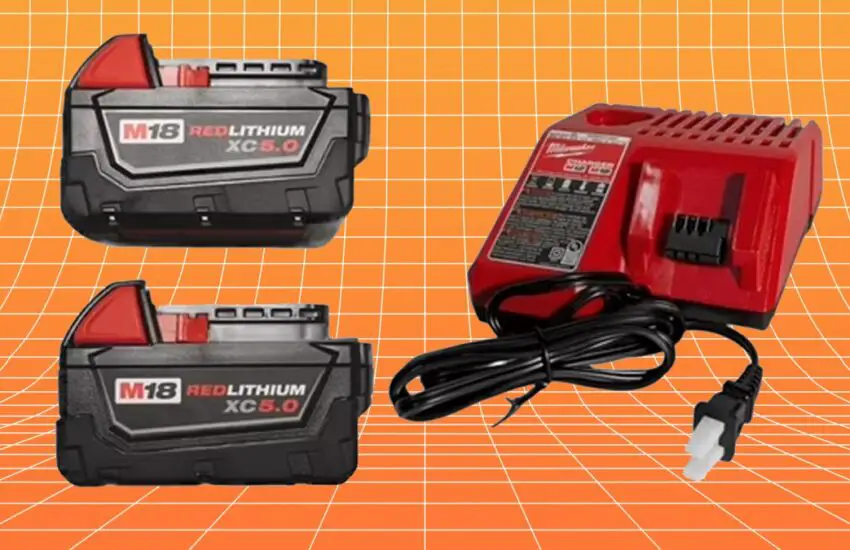
Double Battery Pack XC5.0 with Charger for $129

This bundle includes two high-capacity XC5.0 batteries and a compatible charger, now available for just $129. These batteries are designed to deliver extended runtime and peak performance for a wide range of Milwaukee M18 cordless tools. Whether you’re tackling heavy-duty jobs or everyday tasks, this pack provides the reliability and power needed to get the job done efficiently. It’s an ideal upgrade for anyone looking to expand their tool kit’s capabilities while taking advantage of seasonal savings.

Why Invest in Milwaukee Batteries?

Milwaukee batteries are engineered with advanced technology to offer longer life, faster charging, and consistent output. They are built to withstand tough conditions, making them suitable for both indoor and outdoor use. With Walmart’s current promotions, securing these premium power sources has never been more affordable. Stocking up now ensures you have backup power ready for future projects, minimizing downtime and maximizing productivity.

Tips for Maximizing Your Battery Deals

To make the most of these limited-time offers, check Walmart’s website regularly as inventory may change quickly. Compare different battery packs to find the best fit for your tools and usage needs. Remember that proper maintenance, such as storing batteries in a cool, dry place, can extend their lifespan and performance. By planning ahead, you can equip yourself with reliable power solutions while enjoying substantial savings.

OBD2 Code P1452 Toyota: Complete Diagnostic & Repair Guide

Understanding OBD2 Code P1452 in Toyota Vehicles

When your Toyota’s check engine light illuminates and diagnostic scanning reveals code P1452, you’re dealing with a specific issue within the Evaporative Emission Control System (EVAP). This diagnostic trouble code indicates a malfunction in the vacuum switching valve (VSV) circuit for the EVAP system’s pressure sensor. The EVAP system is crucial for preventing fuel vapors from escaping into the atmosphere, and the P1452 code specifically points to electrical or functional problems with components that monitor and control system pressure.

What Does P1452 Mean Exactly?

P1452 is defined as “Vacuum Switching Valve (VSV) Circuit for EVAP Pressure Sensor Malfunction.” This code is manufacturer-specific to Toyota and Lexus vehicles. The EVAP pressure sensor monitors pressure and vacuum within the fuel tank and EVAP system, while the vacuum switching valve controls the application of vacuum to various EVAP components. When the powertrain control module (PCM) detects an irregular voltage signal, resistance value, or operational failure in this circuit, it stores code P1452 and illuminates the check engine light.

How the EVAP System Pressure Control Works

The EVAP system in Toyota vehicles is designed to capture and store fuel vapors from the fuel tank, preventing them from escaping into the atmosphere. The system includes several key components:

  • Fuel tank and vapor lines
  • Charcoal canister for vapor storage
  • Purge valve for controlled vapor burning
  • Pressure sensor for system monitoring
  • Vacuum switching valves for pressure control
  • Vent valve for atmospheric pressure equalization

The pressure sensor and associated VSV work together to ensure proper system operation during diagnostic tests performed by the vehicle’s computer.

Common Symptoms and Causes of P1452 Code

Recognizing the symptoms and understanding potential causes is essential for effective diagnosis and repair of P1452 in Toyota vehicles. While this code may not always cause immediate drivability issues, it should not be ignored as it can lead to failed emissions testing and potential fuel system problems.

Typical Symptoms of P1452

Drivers may notice several indicators when P1452 is present, though some vehicles may show no obvious symptoms beyond the check engine light:

  • Illuminated check engine light (MIL)
  • Possible slight decrease in fuel economy
  • Failed emissions test
  • Fuel odor in some cases
  • Rough idle in severe instances
  • No noticeable drivability issues in many cases

Primary Causes of P1452 in Toyota Vehicles

Several underlying issues can trigger the P1452 code, ranging from simple electrical problems to component failures:

  • Faulty vacuum switching valve (VSV) for EVAP pressure sensor
  • Damaged wiring or connectors in the VSV circuit
  • Failed EVAP system pressure sensor
  • Blown fuse affecting the EVAP control circuit
  • Poor electrical connections or corrosion
  • Issues with the powertrain control module (rare)
  • Vacuum leaks in associated hoses or connections

Step-by-Step Diagnostic Procedure for P1452

Proper diagnosis of P1452 requires systematic testing of electrical components and circuits. Following a logical diagnostic sequence can save time and prevent unnecessary parts replacement.

Initial Inspection and Preparation

Begin with visual inspection and basic checks before proceeding to electrical testing:

  • Check for technical service bulletins (TSBs) for your specific Toyota model
  • Inspect all visible wiring and connectors for damage or corrosion
  • Verify fuse condition in relevant circuits
  • Check vacuum hoses for cracks, disconnections, or deterioration
  • Ensure the gas cap is properly tightened as a preliminary step
  • Clear the code and test drive to see if it returns

Electrical Testing of VSV Circuit

Use a digital multimeter to perform precise electrical measurements on the vacuum switching valve circuit:

  • Disconnect the electrical connector from the VSV
  • Measure resistance across the VSV terminals (typically 20-40 ohms at room temperature)
  • Check for continuity between each terminal and ground (should be open circuit)
  • Verify power supply voltage at the harness connector with ignition ON
  • Test ground circuit integrity
  • Check for short circuits between wires in the harness

Functional Testing of Components

After electrical verification, proceed to functional testing of the vacuum switching valve and related components:

  • Apply battery voltage directly to the VSV to verify operational sound (audible click)
  • Test vacuum application through the valve when energized
  • Use a scan tool to monitor pressure sensor readings during key-on and engine running
  • Perform active tests using diagnostic equipment if available
  • Check for proper vacuum signal to the pressure sensor

Professional Repair Solutions and Prevention

Once diagnosis confirms the faulty component, proper repair procedures ensure long-term resolution of P1452. Understanding repair options and preventive measures can help avoid recurrence of this issue.

Component Replacement Procedures

Replacement of faulty components should follow manufacturer recommendations:

  • Always disconnect the battery before beginning electrical repairs
  • Replace the vacuum switching valve if resistance values are outside specifications
  • Install genuine Toyota parts for optimal compatibility and performance
  • Properly route and secure all wiring during reassembly
  • Use dielectric grease on electrical connectors to prevent future corrosion
  • Clear all codes and verify repair with test drive and system monitoring

Cost Considerations and Professional Service

Repair costs for P1452 can vary significantly depending on the specific cause and vehicle model:

  • Vacuum switching valve replacement typically costs $150-$400 including parts and labor
  • Pressure sensor replacement may range from $200-$500
  • Simple wiring repairs generally cost $100-$250
  • Diagnostic time at a dealership or specialist typically adds $100-$200
  • Aftermarket parts may reduce costs but consider warranty and compatibility

Preventive Maintenance Tips

Regular maintenance can help prevent P1452 and other EVAP system codes:

  • Always ensure the fuel cap is properly tightened after refueling
  • Address any check engine lights promptly to prevent additional issues
  • Follow manufacturer-recommended service intervals
  • Protect EVAP system components during other under-hood repairs
  • Keep electrical connections clean and protected from moisture
  • Have emissions systems inspected as part of routine maintenance

Successfully diagnosing and repairing P1452 requires understanding Toyota’s specific EVAP system design and following methodical testing procedures. While this code may not immediately affect vehicle performance, addressing it promptly ensures compliance with emissions regulations and prevents potential complications in the evaporative emission control system. For complex cases or if uncertainty exists during diagnosis, consulting a qualified Toyota technician with specialized diagnostic equipment is recommended.