Tesla Model Y Price Drop Makes Electric SUV More Accessible

A New Price Point for Electric Mobility

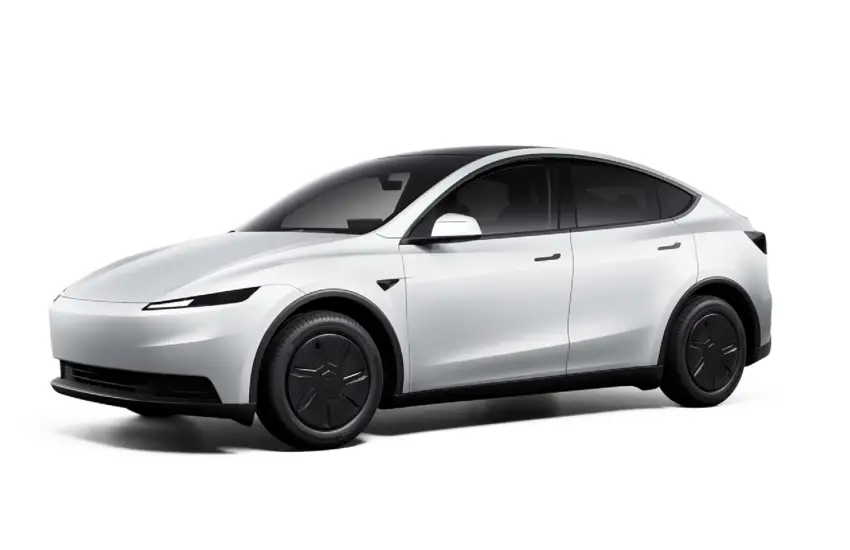
The electric vehicle landscape is shifting, with Tesla leading a significant charge towards broader adoption. The Tesla Model Y, the brand’s best-selling SUV, has reached a new level of accessibility with a starting price of just €31,290 in France. This strategic price adjustment is not a permanent manufacturer’s price cut but stems from a compelling trade-in offer, effectively lowering the financial barrier to entry for one of the world’s most popular EVs.

Understanding the Price Reduction

This attractive pricing is made possible through a state-sponsored trade-in bonus combined with Tesla’s own incentives. The offer applies specifically to customers trading in an older, eligible combustion-engine vehicle. By leveraging these combined programs, the final cost to the consumer is significantly reduced, making the Model Y a more viable option for a wider range of buyers considering the switch to electric.

What the Model Y Offers

Despite the lower entry cost, the Tesla Model Y retains all the features that have cemented its popularity. Buyers can expect the hallmark benefits of Tesla ownership, including impressive range capabilities, access to the extensive Supercharger network, and advanced driver-assistance features. The vehicle’s spacious interior, versatile cargo space, and high safety ratings remain key selling points, offering practical family transportation without compromise.

Impact on the EV Market

This aggressive pricing move places considerable pressure on competitors in the European electric SUV segment. Automakers are now compelled to re-evaluate their own pricing strategies and value propositions. For consumers, it represents a pivotal moment where a premium electric vehicle moves closer to price parity with equivalent mid-range combustion-engine SUVs, accelerating the transition to sustainable transport.

The offer highlights the growing role of government and manufacturer incentives in driving EV adoption. While the final price depends on individual eligibility for the trade-in program, the advertised €31,290 starting point serves as a powerful market signal, demonstrating that electric mobility is becoming an increasingly attainable reality for many.

Dodge P1494 Code: Comprehensive Guide to Leak Detection Pump Issues

Understanding the Dodge P1494 OBD2 Diagnostic Trouble Code

The OBD2 diagnostic trouble code P1494 is a manufacturer-specific code primarily associated with Chrysler, Dodge, Jeep, and Ram vehicles. In simple terms, this code indicates a fault within the circuit of the Leak Detection Pump (LDP). The LDP is a critical component of the vehicle’s Evaporative Emission Control (EVAP) system. Its primary function is to pressurize the fuel vapor system to check for leaks that could allow harmful gasoline vapors to escape into the atmosphere. When the Powertrain Control Module (PCM) detects an electrical issue—such as an open circuit, short to ground, or short to power—within the LDP’s control circuit, it stores the P1494 code and illuminates the check engine light.

Role of the Leak Detection Pump in the EVAP System

The EVAP system is designed to capture and store fuel vapors from the fuel tank, preventing their release. The Leak Detection Pump is the system’s self-diagnostic tool. During a specific drive cycle, the PCM activates the LDP. The pump draws in clean air from a filter and uses it to pressurize the sealed EVAP system. The PCM then monitors pressure changes or pump activity to determine if a leak larger than a specified threshold (e.g., 0.020″ or 0.040″) is present. A fault in its electrical circuit prevents this crucial self-test from completing accurately.

Common Symptoms of a P1494 Code in Your Dodge

Unlike some engine codes that cause noticeable drivability problems, P1494 often presents with subtle or no performance-related symptoms. The primary indicator is the illumination of the Malfunction Indicator Lamp (MIL), commonly known as the check engine light. However, depending on the nature of the fault, you may experience additional signs.

Primary and Secondary Symptoms

  • Illuminated Check Engine Light: This is the most consistent and often the only symptom.
  • Failed Emissions Test: Since the code relates to the emissions system, your vehicle will not pass a state or local emissions inspection until the issue is resolved.
  • Other EVAP Codes: P1494 may appear alongside other EVAP-related codes like P0442 (small leak) or P0455 (large leak), as a faulty LDP circuit can prevent proper leak testing.
  • Rough Idle or Stalling (Less Common): In rare cases, a significant electrical short or a completely failed LDP solenoid could potentially affect engine vacuum or PCM operation, leading to idle issues.

It’s crucial to address this code promptly. While it may not strand you on the side of the road, it disables a major emissions control function and will cause your vehicle to fail mandatory smog checks.

Diagnosing the Root Cause of P1494

Effective diagnosis of a P1494 code requires a methodical approach, starting with the simplest checks and progressing to more complex tests. Always begin by verifying the code with a professional OBD2 scanner, clearing it, and performing a test drive to see if it returns. A persistent P1494 points to a genuine fault.

Step-by-Step Diagnostic Procedure

Follow this structured process to pinpoint the issue. You will need a digital multimeter (DMM) and a wiring diagram for your specific Dodge model.

Step 1: Visual Inspection

  • Locate the LDP: Find the Leak Detection Pump. It is typically a black, round plastic module located near the fuel tank or in the rear quarter panel area.
  • Check Connectors and Wiring: Inspect the electrical connector on the LDP for corrosion, bent pins, or damage. Trace the wiring harness back towards the firewall, looking for any chafing, cuts, or burn marks.
  • Inspect Vacuum Lines: Examine the small vacuum hoses connected to the LDP for cracks, disconnections, or brittleness.

Step 2: Electrical Circuit Testing

This is the core of diagnosing P1494. The LDP circuit has three main wires: power, ground, and control signal from the PCM.

  • Check Power (12V+): With the key in the ON position, back-probe the power wire (often Violet/White) at the LDP connector. You should read battery voltage (~12.6V).
  • Check Ground: Test the ground wire (often Black/Light Blue) for continuity to a known good chassis ground. Resistance should be very low (less than 5 ohms).
  • Check PCM Control Signal: This is the most critical test. The PCM provides a pulsed signal to activate the pump. Using a multimeter set to DC Volts or a noid light, probe the control wire (often Dark Blue/Yellow) while an assistant starts the engine. You should see a varying voltage or a flashing light indicating the PCM is attempting to command the LDP.

Step 3: Component Testing

If power and ground are good and the PCM signal is present, the LDP itself is likely faulty. You can perform a bench test by applying 12 volts directly to the pump’s terminals (observing polarity). A functioning pump will click audibly as its internal solenoid activates. No click indicates a failed pump.

Repair Procedures and Solutions for P1494

Once the root cause is identified, the repair is typically straightforward. The solution depends entirely on what the diagnostic process revealed.

Common Fixes for P1494

  • Repair Damaged Wiring: If the inspection revealed damaged wires, carefully splice, solder, and seal the repair with heat-shrink tubing. Never use twist connectors in automotive environments.
  • Clean or Replace Connector: For corroded terminals, use electrical contact cleaner and a small brush. If the connector is physically damaged, replace it with a OEM-style connector kit.
  • Replace the Leak Detection Pump: This is the most common repair for a confirmed P1494. The LDP is a sealed unit and cannot be serviced internally. Ensure you purchase the correct part for your specific Dodge model and year.
  • Address PCM Issues (Rare): If all wiring and the LDP test perfectly, and the control signal from the PCM is absent or incorrect, a faulty PCM may be the cause. This is uncommon and requires professional reprogramming or replacement.

Post-Repair Protocol and Reset

After completing the repair, clear the P1494 code with your scanner. The PCM will need to complete a full EVAP monitor drive cycle for the system to verify the fix. This drive cycle typically involves a mix of city and highway driving under specific conditions (cold start, specific speed ranges, fuel level between 15-85%). Once the monitor runs and passes, the check engine light will remain off, confirming a successful repair.

Estimated Repair Cost and Professional vs. DIY

The cost to fix a P1494 code varies significantly based on the cause and who performs the work.

Cost Breakdown

  • DIY Repair (LDP Replacement): The part cost for a new Leak Detection Pump typically ranges from **$80 to $180**. If only wiring repair is needed, the cost is minimal (a few dollars for supplies).
  • Professional Repair at a Shop: Including 1-1.5 hours of labor at $100-$150 per hour plus the part, total costs usually fall between **$200 and $400**.

For a competent DIYer with a multimeter and basic tools, diagnosing and replacing an LDP is a very achievable project. The most challenging aspect is often accessing the pump, which may require raising the vehicle. If electrical diagnostics are outside your comfort zone, seeking a professional mechanic is advisable to avoid unnecessary parts replacement and ensure the emission system functions correctly.

Renault’s Electric Surge Powers Record Sales Growth

Renault’s Sales Momentum Driven by Electrification

The Renault Group is reporting a significant uptick in global sales, a surge directly fueled by the strong market performance of its latest electric and hybrid vehicles. This positive trend underscores the successful execution of the French automaker’s strategic shift towards a renewed and electrified product lineup, capturing the evolving demands of modern drivers.

The Core of Renault’s Success: New Electric Models

Central to this growth is the enthusiastic reception of models like the all-electric Renault 5 E-Tech and the hybrid-assisted Renault Austral. These vehicles represent more than just new products; they symbolize Renault’s commitment to combining innovative technology with iconic design. The Renault 5 E-Tech, in particular, leverages nostalgic design cues while offering cutting-edge electric mobility, creating a powerful appeal in the competitive compact EV segment. This successful launch demonstrates an effective strategy of blending heritage with a forward-looking vision.

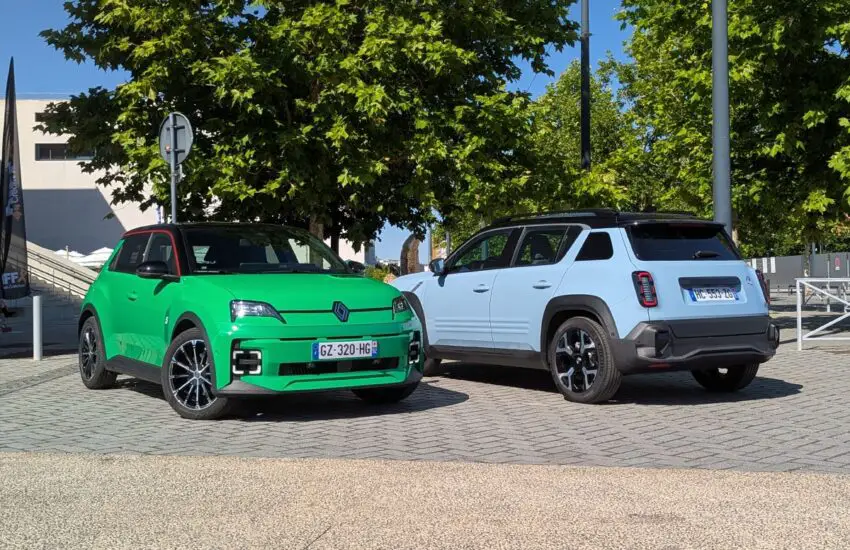
Comparison between the Renault 5 E-Tech and the Renault 4 E-Tech concept

A Strategic Shift Paying Dividends

Renault’s current sales performance is the direct result of a deliberate and focused corporate strategy. The company’s substantial investments in its “Renaulution” plan, which prioritizes electric vehicles (EVs) and hybrid technologies, are now yielding tangible returns. By rapidly refreshing its core offerings with electrified options, Renault has managed to stay ahead of stringent emissions regulations in Europe and simultaneously meet growing consumer appetite for more efficient and sustainable transportation. This dual approach addresses both regulatory pressures and market trends.

The rising sales figures indicate that Renault’s electrified models are resonating strongly with a broad audience. The availability of hybrid versions provides a practical transition for consumers not yet ready for full electrification, while the expanding pure-electric range attracts early adopters and urban drivers. This balanced portfolio ensures Renault remains a key player as the automotive industry continues its fundamental transition towards a low-emission future, securing its market position and financial health.

Range Extenders: China’s Electric Vehicle Market Strategy

The Rise of the Electric Compromise

Chinese automakers are rapidly deploying a specific type of electrified vehicle across global markets: the range-extended electric vehicle (REEV). Unlike conventional hybrids, these cars are primarily driven by an electric motor powered by a battery, but they also carry a small onboard gasoline engine that acts solely as a generator to recharge the battery when needed. This approach is becoming a strategic pillar for China’s automotive expansion.

Bridging the Gap to Full Adoption

The core appeal of the range extender is psychological and practical. It directly addresses “range anxiety,” the common fear of being stranded with a depleted battery. For many new EV buyers, the security blanket of a backup generator makes the switch from internal combustion less daunting. This allows drivers to experience daily electric-only commuting while retaining the capability for long, spontaneous road trips without relying on a still-developing fast-charging infrastructure.

A Strategic Market Tool

This move is seen as more than a simple stopgap. For Chinese manufacturers, it represents a calculated strategy to penetrate diverse markets with varying levels of EV readiness. In regions with poor charging networks, the REEV offers a compelling, low-emission alternative to traditional vehicles. It allows brands to build a reputation for electric drivetrains and technology while mitigating infrastructure shortcomings that are beyond their control.

Engineering and Regulatory Implications

The technology also presents unique engineering challenges, such as optimizing the efficiency and NVH (noise, vibration, harshness) of the small generator engine. From a regulatory standpoint, these vehicles often qualify for significant green incentives in many countries, as they can operate as pure EVs for the majority of typical journeys. This positions them favorably against traditional hybrids and internal combustion engines, providing a competitive edge in markets with strict emissions targets.

Whether a transitional technology or a long-term solution for specific markets, the range-extender strategy showcases the flexibility and market-focused pragmatism of Chinese automakers as they seek to establish global leadership in the new automotive era.

Understanding and Fixing OBD-II Code P1494 on Chrysler Vehicles

Decoding the P1494 Chrysler Diagnostic Trouble Code

When the check engine light illuminates on your Chrysler, Dodge, or Jeep vehicle and a scan tool reveals code P1494, you’re dealing with a specific fault within the Evaporative Emission Control (EVAP) system. This code is manufacturer-specific, meaning its definition is tailored primarily to Chrysler Corporation vehicles. Understanding this code is crucial for maintaining proper emissions control and ensuring your vehicle passes mandatory smog tests. The core issue revolves around the Leak Detection Pump (LDP), a critical self-diagnostic component of the EVAP system.

Official Definition: Leak Detection Pump Switch or Mechanical Fault

The Society of Automotive Engineers (SAE) generic definition for P1494 is “Leak Detection Pump Switch or Mechanical Fault.” This indicates that the vehicle’s Powertrain Control Module (PCM) has detected an irregularity in the operation or feedback signal from the Leak Detection Pump. The PCM monitors the LDP’s ability to create a specific vacuum and expects to see a change in the state of an internal switch within the pump. Code P1494 is set when the actual performance deviates from the expected parameters.

The Role of the EVAP System and Leak Detection Pump

The EVAP system is designed to prevent fuel vapors from the gas tank from escaping into the atmosphere. It captures these vapors in a charcoal canister and later purges them into the engine to be burned. The Leak Detection Pump is the system’s self-check mechanism. During specific driving conditions, the PCM activates the LDP. The pump pressurizes the EVAP system slightly and then monitors the pressure decay. An internal switch inside the LDP changes state when a specific vacuum level is achieved. A failure in this pressurization process or the switch signal triggers code P1494.

Common Symptoms and Causes of P1494

Unlike some engine codes that cause drivability issues, P1494 is primarily an emissions-related fault. The symptoms are often subtle, but the underlying causes can range from simple to complex.

Observed Symptoms of a P1494 Fault

  • Illuminated Check Engine Light (MIL): This is the most common and often the only noticeable symptom.
  • Failed Emissions/Smog Test: The vehicle will not pass inspection with an active EVAP system code.
  • Possible Fuel Odor: In some cases, if the fault is related to a larger leak or a stuck purge valve, a faint gasoline smell may be present.
  • No Drivability Issues: The engine typically runs normally; performance, fuel economy, and starting are usually unaffected.

Root Causes of the P1494 Diagnostic Trouble Code

  • Faulty Leak Detection Pump (LDP): The most common cause. The internal diaphragm can rupture, the motor can fail, or the critical vacuum switch can malfunction.
  • Clogged or Pinched LDP Filter/Vacuum Hose: The LDP has a small filter and connects to engine vacuum via a hose. If these are blocked, the pump cannot operate correctly.
  • Electrical Issues: Problems in the wiring harness to the LDP, such as damaged wires, poor connections, or corrosion at the connector.
  • Faulty Purge Solenoid or Vent Solenoid: If these related EVAP control valves are stuck open or closed, they can prevent the LDP from performing its test properly.
  • Large EVAP System Leak: A significant leak (e.g., a loose gas cap, cracked hose) can prevent the system from holding the vacuum the LDP is trying to create, confusing the PCM.
  • Rare PCM Failure: While uncommon, a malfunction in the Powertrain Control Module itself could send incorrect signals or misinterpret data from the LDP.

Step-by-Step Diagnostic and Repair Guide

Diagnosing P1494 requires a methodical approach, starting with the simplest checks. Having a quality OBD2 scanner that can monitor live data and command EVAP components is highly beneficial.

Initial Visual and Basic Checks

Begin with a thorough visual inspection. This can often reveal obvious problems without the need for advanced tools.

  • Check the Gas Cap: Ensure it is the correct one for the vehicle, is tightened until it clicks (at least 3 clicks), and that the seal is not cracked or damaged.
  • Inspect EVAP Hoses: Look at all visible rubber hoses connected to the charcoal canister, LDP, purge valve, and fuel tank for cracks, dryness, or disconnections.
  • Examine the LDP: Locate the Leak Detection Pump (often near the charcoal canister or in the wheel well). Check its electrical connector for corrosion and ensure the vacuum hose and its small filter are clean and unobstructed.

Advanced Diagnostic Procedures

If visual checks don’t solve the issue, proceed with more technical diagnostics.

  • Live Data Monitoring: Use your scanner to view the “LDP Switch” or “LDP Monitor” parameter. It should change state (Open/Closed) when the LDP is activated by the scanner or during a drive cycle.
  • Component Activation Tests: Command the LDP to run using your scanner. Listen and feel for a click and a brief humming sound from the pump. If it doesn’t activate, check for power and ground at its connector.
  • Smoke Machine Test: This is the most definitive test for leaks. A professional smoke machine introduces smoke into the EVAP system. Any leak, no matter how small, will reveal itself as smoke escaping from the point of failure.
  • Electrical Testing: With a digital multimeter, check for continuity in the LDP switch circuit and resistance across the pump motor according to the vehicle’s service manual specifications.

Common Repair Solutions for P1494

Based on your diagnosis, the repair will target the identified faulty component.

  • Replacing the Leak Detection Pump: This is the most frequent repair. The LDP is often sold as a complete unit. Ensure you transfer the filter and any brackets correctly.
  • Cleaning or Replacing Hoses/Filters: Replace any cracked vacuum hoses and clean or replace the small filter on the LDP.
  • Repairing Wiring: Solder and seal any broken wires or clean corroded terminals in the connector.
  • Replacing Other EVAP Components: If diagnostics point to a stuck purge or vent solenoid, replace the faulty valve.
  • Resetting the PCM: After repairs, clear the code with your scanner. The PCM will need to complete a specific drive cycle to run its EVAP monitor and confirm the fix. If the code does not return, the repair was successful.

Conclusion: Is P1494 a Serious Concern?

Code P1494 is not an emergency that will strand you on the side of the road. Your Chrysler, Dodge, or Jeep will remain drivable. However, it is a serious emissions concern. An unresolved P1494 means your vehicle’s EVAP system is not self-checking for leaks, potentially allowing harmful hydrocarbons into the environment. Furthermore, it will cause an automatic failure during any emissions inspection. Addressing this code promptly with a systematic diagnostic approach—starting with the gas cap and visual inspection, then moving to component testing—will lead you to the root cause, whether it’s a simple hose or a faulty Leak Detection Pump requiring replacement.

2025 Hyundai Nexo Price: Hydrogen SUV’s Premium Reality

The 2025 Hyundai Nexo’s Market Position

The updated 2025 Hyundai Nexo has arrived, reaffirming its status as a pioneering hydrogen fuel cell vehicle (FCEV). This SUV represents a compelling vision for zero-emission mobility, offering long-range capabilities and quick refueling times comparable to gasoline cars. However, its launch underscores a persistent challenge: achieving price parity with mainstream electric vehicles remains a distant goal for hydrogen technology.

Understanding the High Cost of Hydrogen Mobility

The Nexo’s premium price tag is not arbitrary. It is a direct reflection of the complex and costly technology under its hood. The fuel cell stack, which combines hydrogen with oxygen from the air to generate electricity, requires precious metals like platinum. Furthermore, high-pressure carbon-fiber tanks are essential for safely storing hydrogen fuel onboard. These advanced components, coupled with lower production volumes compared to battery-electric vehicles, keep manufacturing expenses high.

This economic reality positions the Nexo not as a mass-market competitor, but as a strategic offering for early adopters, fleet operators in supported regions, and buyers dedicated to cutting-edge clean technology. Its value proposition lies in its unique advantages, not in its upfront cost.

Infrastructure: The Critical Hurdle

Beyond the vehicle’s price, the overarching barrier to widespread FCEV adoption is infrastructure. A comprehensive network of publicly accessible hydrogen refueling stations is still in its nascent phase, concentrated in specific regions like parts of California, Germany, and Japan. The scarcity of stations creates a “chicken-and-egg” dilemma, limiting consumer confidence and slowing vehicle sales, which in turn discourages further infrastructure investment.

For the Nexo and its rivals to become viable alternatives, synchronized growth in vehicle availability and refueling infrastructure is non-negotiable. Until then, the hydrogen car market will develop incrementally.

A Niche Player in the Green Transition

The 2025 Hyundai Nexo is a significant technological achievement that pushes the boundaries of clean transportation. It serves as a rolling laboratory and a statement of future potential. While its high cost and infrastructure dependencies confine it to a niche role for now, it plays a crucial part in diversifying zero-emission solutions and driving innovation. Its journey highlights that the path to sustainable mobility is multifaceted, with battery-electric and hydrogen fuel cell technologies likely coexisting to address different transportation needs.

Germany’s EV Incentive Shift: A Contrast to French Policy

Germany’s Strategic Pivot on Electric Vehicle Subsidies

While France has recently refocused its ecological bonus on the most affordable and European-produced vehicles, Germany is executing a notable policy reversal. After a 2024 marked by a scaling back of incentives, the German government is now unveiling a robust new support measure that appears to take a different path from French priorities.

A New Rule for Premium and Imported EVs

The core of the new German policy is a significant financial incentive for the purchase of electric vehicles, with a particular focus that contrasts sharply with its neighbor. Unlike the French system, which now imposes strict environmental and origin criteria to exclude many models, the German bonus is designed to be more inclusive. This approach notably benefits premium segments and imported vehicles, especially those from non-European manufacturers, which are currently sidelined in France.

Diverging National Strategies

This divergence highlights two distinct visions for supporting the energy transition in the automotive sector. France’s strategy is explicitly protectionist and industrial, aiming to shield and boost its own automotive industry while making subsidies conditional on carbon footprint. Germany, with this new rule, seems to prioritize accelerating overall market electrification by maintaining strong consumer incentives, even if it means supporting vehicles produced outside European borders.

Impacts on the European EV Market

The contrast between these policies could reshape competitive dynamics within the European Union. Manufacturers whose models are excluded from the French bonus may find a more favorable reception in Germany. This situation creates a fragmented incentive landscape across Europe, potentially influencing consumer choice and manufacturer sales strategies on a country-by-country basis. The long-term effectiveness of each approach in boosting adoption and supporting local industry remains a key question for policymakers.

OBD2 Code P1494 Explained: Leak Detection Pump Switch or Mechanical Fault

Understanding the P1494 OBD-II Diagnostic Trouble Code

The P1494 is a manufacturer-specific diagnostic trouble code (DTC) related to the Evaporative Emission Control (EVAP) system. In simple terms, it indicates that the vehicle’s Engine Control Module (ECM) or Powertrain Control Module (PCM) has detected an unexpected condition with the Leak Detection Pump (LDP) switch circuit or its mechanical function. This code is most commonly associated with Chrysler, Dodge, Jeep, and some Volkswagen/Audi vehicles. The EVAP system is designed to prevent fuel vapors from escaping into the atmosphere by capturing them in a charcoal canister and later purging them into the engine to be burned. The Leak Detection Pump is a critical component that pressurizes the system to check for leaks. A P1494 code means this self-test has failed.

Primary Function of the Leak Detection Pump (LDP)

The Leak Detection Pump is more than just a pump; it’s an integrated diagnostic device. Its main roles are:

  • System Pressurization: It uses engine vacuum and a solenoid to draw in air and pump it into the sealed EVAP system, creating a slight pressure.
  • Leak Monitoring: An internal diaphragm and switch act as a sensor. The PCM monitors the switch state (open/closed) as the pump cycles.
  • Seal Verification: By observing how long it takes for the switch to change state, the PCM can determine if the system holds pressure or has a leak (large or small).

Common Symptoms and Causes of Code P1494

Unlike some codes that cause drivability issues, P1494 is primarily an emissions-related fault. The most common symptom is the illumination of the Check Engine Light (MIL). In some cases, you may notice a slight fuel smell, but often there are no perceptible driving symptoms. However, a persistent P1494 will cause the vehicle to fail an emissions inspection.

Primary Causes of P1494

  • Faulty Leak Detection Pump (LDP): The most common culprit. The internal mechanical pump can fail, or the integrated switch can malfunction.
  • Electrical Issues: Problems in the wiring harness connecting the LDP to the PCM, including:
    • Open or shorted circuits (wires broken or rubbing against chassis).
    • Poor electrical connections or corrosion at the LDP connector or PCM.
  • EVAP System Blockage or Restriction: A clogged line, filter, or faulty valve can prevent the LDP from operating correctly, mimicking a switch failure.
  • Faulty PCM: Although rare, a malfunctioning control module can incorrectly interpret the switch signal.

What Drivers Typically Notice

Drivers should be alert for the Check Engine Light as the primary indicator. In rare instances where a large leak is also present, you might experience a rough idle after refueling or a noticeable gasoline odor near the vehicle, particularly at the rear where the fuel tank and EVAP components are located.

Step-by-Step Diagnostic Procedure for P1494

Proper diagnosis is key to avoiding unnecessary parts replacement. Follow this systematic approach. Warning: Always consult vehicle-specific service information for wiring diagrams and test values.

Step 1: Preliminary Checks and Visual Inspection

Begin with a thorough visual inspection. This can often reveal obvious problems without the need for complex tools.

  • Locate the Leak Detection Pump (common locations: near the charcoal canister, behind the rear wheel well, or in the engine bay).
  • Inspect the LDP electrical connector for corrosion, bent pins, or damage. Disconnect and reconnect it to ensure good contact.
  • Check all visible EVAP hoses connected to the LDP and canister for cracks, dryness, brittleness, or disconnections.
  • Listen for an audible click from the LDP when the ignition is turned to ON (engine off). Some vehicles will cycle the pump briefly.

Step 2: Electrical Circuit Testing

Using a digital multimeter (DMM), test the LDP circuit. You will need a wiring diagram for your specific model.

  • Check Power and Ground: With the connector disconnected, check for battery voltage (typically 12V) on the power supply wire with the ignition ON. Verify a clean ground path.
  • Check Switch Circuit: The switch circuit will typically show 5V reference voltage from the PCM. Test for continuity between the switch pin at the LDP connector and the corresponding pin at the PCM connector.
  • Check for Shorts: Test for a short to power or ground on the switch signal wire.

Step 3: Testing the Leak Detection Pump Itself

If the wiring is good, the LDP itself is likely faulty. Tests include:

  • Resistance Test: Measure the resistance across the pump motor terminals. Compare to manufacturer specifications (often between 10-30 ohms). An open (infinite) or short (0 ohms) reading indicates a bad pump motor.
  • Switch Function Test: Using an ohmmeter on the switch terminals, apply gentle vacuum (with a hand-held pump) to the LDP’s vacuum port. The switch should change state (open/close). No change indicates a faulty internal switch.
  • Mechanical Function: Ensure the pump can hold vacuum. Apply vacuum to its port; it should not bleed down quickly if the internal diaphragm is intact.

Repair Solutions and Professional Recommendations

Once the root cause is identified, the repair path becomes clear. The fix typically involves one of the following actions.

Repair 1: Addressing Electrical Faults

If the diagnosis points to wiring issues:

  • Repair or replace any damaged, corroded, or broken wires. Use proper solder and heat-shrink tubing, not just electrical tape.
  • Clean all connector terminals with electrical contact cleaner.
  • Ensure the repaired circuit has proper continuity and is protected from future chafing.

Repair 2: Replacing the Leak Detection Pump

If the LDP is confirmed faulty, replacement is the standard procedure.

  • Purchase a high-quality OEM or reputable aftermarket LDP. Cheap parts may fail prematurely.
  • Disconnect the battery negative terminal before starting.
  • Disconnect the electrical connector and vacuum hoses (note their positions).
  • Unbolt the old unit, install the new one, and reconnect everything securely.
  • Clear the P1494 code with your scan tool and perform an EVAP monitor drive cycle to confirm the repair.

When to Seek Professional Help

While a seasoned DIYer can tackle this repair, consider a professional if:

  • You lack the diagnostic tools (scan tool, multimeter, vacuum pump).
  • The electrical diagnosis is complex or the PCM is suspected.
  • Multiple EVAP codes are present alongside P1494, indicating a larger system issue.
  • You are unable to complete the required drive cycle to turn off the Check Engine Light after the repair.

Successfully diagnosing and repairing a P1494 code restores your vehicle’s emissions integrity, ensures it passes smog checks, and contributes to a cleaner environment by preventing fuel vapor leaks. Always start with the simplest checks before moving to component replacement.

Fastned Offers 10% Discount on EV Fast Charging

Unlocking Savings on Electric Vehicle Fast Charging

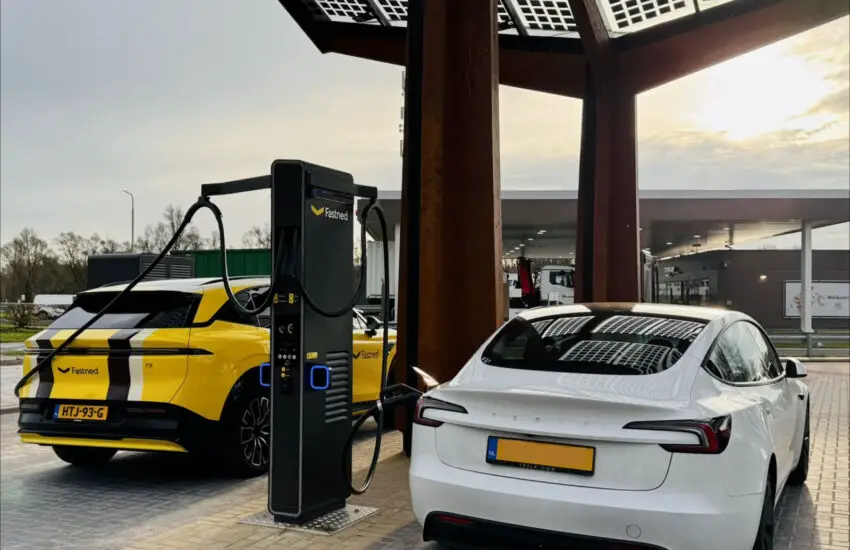
For electric vehicle drivers, the quest for convenient and affordable public charging is a constant priority. A significant development in this space offers a direct path to reduced charging costs. Leading fast-charging network operator Fastned has introduced a notable 10% discount on its charging rates, presenting a tangible opportunity for EV owners to lower their operational expenses.

Understanding the Fastned Discount Offer

This promotional discount is designed to make fast charging more accessible. It applies to the standard kilowatt-hour (kWh) rate at Fastned’s extensive network of high-power charging stations. These stations are typically located along major highways and in urban hubs, supporting charging speeds that can add hundreds of kilometers of range in under thirty minutes. The discount directly reduces the final cost per session, making long-distance electric travel more economical.

Strategic Benefits for EV Owners

The financial implication of a consistent 10% reduction is substantial for frequent users. Over a year, the cumulative savings can be significant, effectively lowering the total cost of ownership for an electric vehicle. Furthermore, such incentives play a crucial role in accelerating the adoption of electric mobility by addressing one of the common concerns: public charging costs. Fastned’s initiative demonstrates how market competition and customer incentives are evolving to benefit the end-user.

Navigating the Offer and Future Trends

To benefit from this offer, users typically need to activate it through the Fastned mobile application. The promotion underscores a broader trend in the EV infrastructure sector, where operators are increasingly using targeted discounts and subscription models to attract and retain customers. As the network of fast-charging stations expands globally, such consumer-friendly offers are likely to become more prevalent, fostering a more competitive and cost-effective ecosystem for all electric vehicle drivers.

Understanding and Fixing Volkswagen OBD2 Code P1493: Secondary Air Injection System

What is Volkswagen OBD2 Code P1493?

When your Volkswagen’s check engine light illuminates and a scan tool reveals code P1493, it indicates a specific fault within the vehicle’s emission control system. Formally defined as “Secondary Air Injection System – Bank 1 – Insufficient Flow,” this Diagnostic Trouble Code (DTC) is common in many VW and Audi models from the late 1990s through the 2010s, including the Golf, Jetta, Passat, and Beetle. The Secondary Air Injection (SAI) system is a critical component for reducing cold-start emissions. Its sole purpose is to inject fresh air into the exhaust manifold during the first few minutes after a cold engine start. This extra oxygen helps the catalytic converter heat up faster and burn off unburned hydrocarbons (HC) and carbon monoxide (CO) more efficiently, bringing the emissions system online quicker to meet stringent environmental standards.

Common Causes and Symptoms of P1493 in VW/Audi

A P1493 code is triggered when the Engine Control Module (ECM) detects that the actual airflow from the SAI system is less than the expected programmed value. This “insufficient flow” can stem from several mechanical, electrical, or vacuum-related failures.

Primary Causes of Insufficient SAI Flow

  • Faulty Secondary Air Pump (Combi Valve): The electric air pump itself can fail due to worn motor brushes, bearing seizure, or internal corrosion. Often located near the front of the engine bay, it’s a frequent culprit.
  • Clogged or Failed Air Injection Valves: These one-way check valves, mounted on or near the cylinder head, prevent hot exhaust gases from flowing back into the pump and hoses. They can become clogged with carbon or fail to seal/open properly.
  • Leaking or Disconnected Vacuum Hoses: The SAI system uses vacuum to operate valves. Brittle, cracked, or disconnected vacuum lines will prevent the system from functioning correctly.
  • Faulty SAI Solenoid Valve: This electrically-operated valve controls vacuum to the air injection valves. It can fail electrically (coil open/short) or mechanically (stuck open/closed).
  • Blocked Air Filter or Intake Hoses: The pump draws air through a small filter and rubber hoses. If these are clogged with debris or collapsed, airflow is restricted.
  • Electrical Issues: Problems like a blown fuse, damaged wiring, or poor connectors to the pump or solenoid will prevent activation.

Recognizable Symptoms of P1493

  • Illuminated Check Engine Light (MIL) – This is the primary and often only noticeable symptom for the driver.
  • Possible slight increase in cold-start emissions, though not directly perceptible.
  • In some cases, a loud whining or grinding noise from a failing air pump during the first 90 seconds after a cold start.
  • The vehicle will typically run normally; this is not a drivability code affecting engine power or fuel economy.
  • Failed emissions test during inspection.

Step-by-Step Diagnostic Procedure for Code P1493

Proper diagnosis is key to an effective repair. Avoid the common mistake of replacing the expensive air pump first. Follow this systematic approach using basic tools: a scan tool capable of viewing live data, a vacuum gauge, and a digital multimeter (DMM).

Step 1: Preliminary Checks and Live Data

Begin with a visual inspection. Check all associated vacuum lines and air hoses for cracks, disconnections, or brittleness. Inspect the electrical connectors at the pump and solenoid for corrosion. Next, using your scan tool, navigate to the live data stream. Look for a parameter called “Secondary Air System” or “SAI Activation.” With the engine cold (coolant below ~40°C / 104°F), start the engine. You should see the system status change to “ON” or “Active” for approximately 90-120 seconds. Listen closely for the distinct sound of the air pump running near the radiator.

Step 2: Testing the Secondary Air Pump

If the pump does not audibly run, test it directly. Locate the pump’s electrical connector. With the engine cold and idling (or with a helper starting the car), use your multimeter to check for battery voltage (approx. 12V) at the pump’s power wire during the activation period. If voltage is present but the pump doesn’t run, the pump is faulty. If no voltage is present, the fault lies in the wiring, fuse, or ECM control circuit. You can also perform a bench test by applying 12V directly to the pump terminals (observing polarity) to see if it spins freely without excessive noise.

Step 3: Checking Vacuum and Valve Operation

A silent pump with good power and ground indicates an electrical fault upstream. If the pump runs but the code persists, focus on vacuum and valves. Disconnect the vacuum hose from the air injection valve(s) on the cylinder head. Connect a vacuum gauge. During the cold-start activation period, you should observe vacuum (typically 15-20 in-Hg). No vacuum points to a faulty solenoid, a blocked vacuum line, or a lack of engine vacuum source. If vacuum is good, the air injection valve itself is likely stuck or clogged. These can sometimes be cleaned with carburetor cleaner, but replacement is often more reliable.

Repair Solutions and Important Considerations

Once the faulty component is identified, repair is straightforward. Always use cold engine diagnostics for accurate results.

Component Replacement Guide

  • Replacing the Air Pump: Aftermarket pumps are available and often more affordable than OEM. Ensure the new unit includes the necessary gaskets or O-rings. Installation typically involves removing a few bolts and electrical/vacuum connections.
  • Replacing Air Injection Valves: These are threaded into the cylinder head or exhaust manifold. Allow the engine to cool completely. Use an appropriate socket or wrench, and be prepared for possible breakage on older vehicles. Apply anti-seize compound to the threads of the new valve.
  • Replacing the Solenoid Valve: This is usually a simple plug-and-play component. Test the new solenoid with a 12V source before installation to confirm it clicks open and closed.

Clearing the Code and Final Verification

After repairs, clear the P1493 code with your scan tool. The most definitive test is a drive cycle. The ECM needs to see the SAI system operate correctly during a specific cold-start drive sequence to set the “ready” monitors. This may take several cold starts and drives over a few days. Alternatively, some advanced scan tools can command the SAI system to activate for testing, even on a warm engine. Monitor the live data parameter to confirm the system now activates and that the code does not return.

Cost Estimation and Professional Help

Repair costs vary widely. A DIY repair with an aftermarket pump can cost $150-$300 for parts. At a dealership or independent shop, including diagnosis and labor, the total can range from $400 to over $800. If you are not comfortable with electrical and vacuum diagnostics, seeking a professional Volkswagen specialist is recommended to avoid unnecessary part replacement. A precise diagnosis saves time and money in the long run.