Is China Dominating the Electric Truck Market?

China in the Electric Truck Sector

The Chinese automotive industry continues its transformation at an accelerated pace, and the heavy-duty vehicle segment is no exception to this trend. Recent developments show the country strengthening its position in the field of electromobility, including for heavy commercial vehicles. Technological advancements and massive investments in this sector position China as a major player on the global stage.

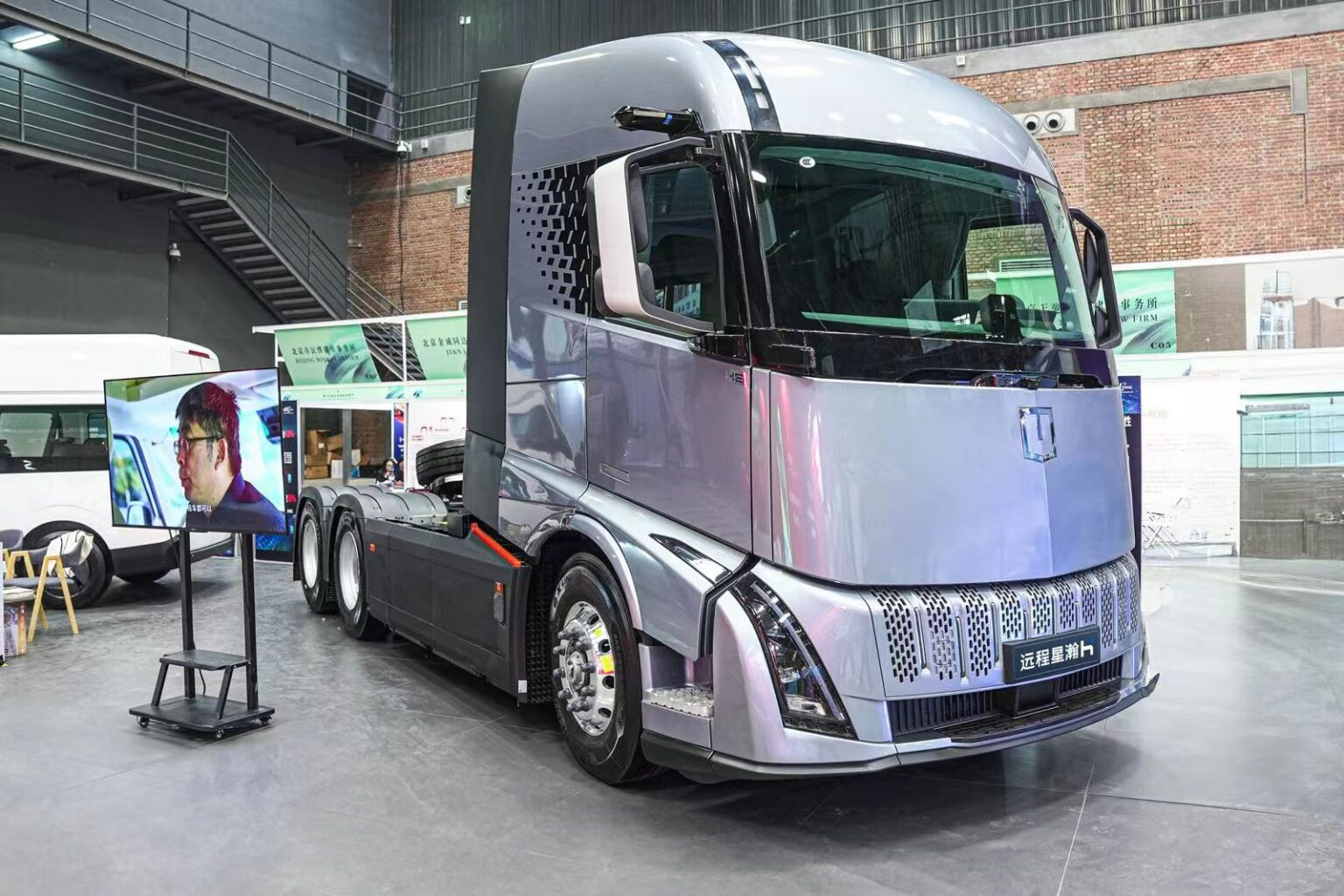
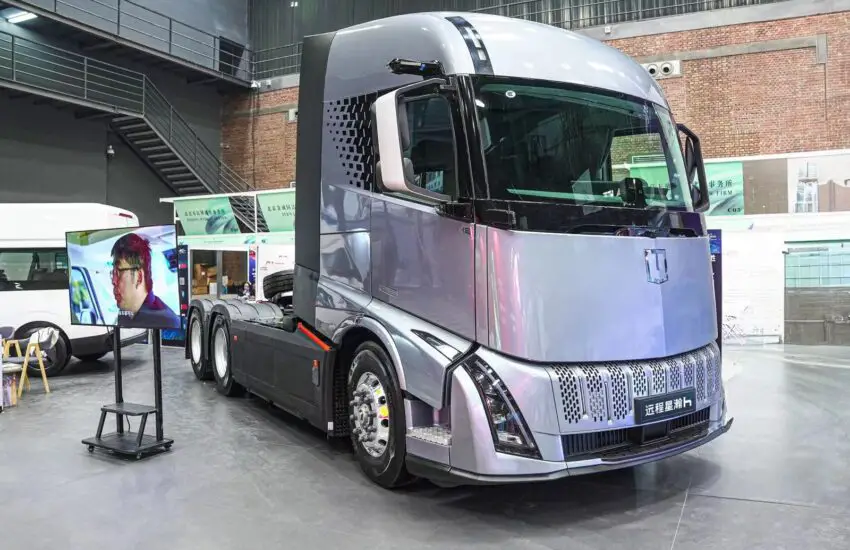
Chinese electric truck

Key Factors in China’s Development

Several elements explain the rapid development of electric trucks in China. Favorable government policies, including purchase subsidies and strict environmental regulations, have created an environment conducive to the adoption of these vehicles. At the same time, local manufacturers have developed competitive technologies, particularly in the fields of batteries and electric drivetrains.

Technological Innovations and Infrastructure

The Chinese electric truck ecosystem benefits from expanding charging infrastructure and constant innovations. Ranges are steadily improving, while charging times are decreasing. These technical advances meet the specific needs of freight transport, where reliability and operational efficiency are paramount.

International Comparison and Outlook

Compared to other global markets, China has specific characteristics that favor its development. The size of the domestic market allows for significant economies of scale, while collaboration between manufacturers and battery suppliers optimizes the value chain. In the medium term, this technological and industrial lead could influence international standards and the strategies of foreign manufacturers.

Future Challenges and Opportunities

Despite the progress made, challenges remain, particularly regarding battery durability and component recycling. However, continued investments in research and development suggest constant improvements. The transition to electric in heavy transport represents a major opportunity to reduce emissions and transform sustainable logistics on a global scale.

Production of the JMV TerraCharge electric pickup at the former Saab factory in Sweden

Saab Factory to Produce an Electric Pickup

JMV TerraCharge

A new chapter is opening in Swedish automotive history with the announcement of the production of the JMV TerraCharge, an electric pickup that will emerge from the former Saab factories. This industrial revival in the historic facilities of Trollhättan marks a significant turning point in the evolution of the European automotive sector towards electrification.

The JMV TerraCharge: Features and Innovations

The JMV TerraCharge represents an innovative approach in the electric utility vehicle segment. Designed to meet professional and industrial requirements, this electric pickup integrates cutting-edge technologies in battery and powertrain. Its design is geared towards intensive use, with particular attention paid to range and load capacity, two essential parameters for professional users.

The TerraCharge’s technical platform benefits from the latest advances in electric automotive engineering. Specific technical details regarding battery capacity, motor power, and overall performance are eagerly awaited by industry observers.

A Strategic European Production

The choice to produce this vehicle in the former Saab factory in Sweden is not insignificant. This decision is part of a dynamic of industrial revival and enhancement of Scandinavian automotive expertise. The facilities, once dedicated to the production of Saab’s iconic models, thus find a new purpose in the era of electric mobility.

This geographical location offers several strategic advantages: access to a skilled workforce, proximity to specialized suppliers, and positioning at the heart of the European market. The transformation of these historic facilities into a factory dedicated to electric vehicles also symbolizes the ongoing energy transition in the global automotive industry.

A Specific and Restricted Market

Contrary to what this announcement might suggest, the JMV TerraCharge will not target the general public. Its marketing will be directed towards specific professional and industrial markets. This strategic direction explains why this vehicle will not be available in the traditional distribution network.

Potential end users likely include construction companies, public services, specialized rental companies, and other professional players requiring robust and eco-friendly utility vehicles. This market segmentation allows efforts to be focused on customers with well-identified needs and precise technical requirements.

Impact on the European Pickup Market

The arrival of the JMV TerraCharge will not, however, mean an immediate takeoff of the electric pickup market in Europe. The pickup segment remains marginal in the Old Continent compared to North American or Asian markets. European consumer preferences continue to favor sedans, station wagons, and SUVs for personal use.

Nevertheless, this launch could help change mindsets and demonstrate the relevance of electric pickups for certain professional uses. It also contributes to the diversification of the electric vehicle offering in Europe, beyond conventional passenger models.

Outlook and Future Developments

The production of the JMV TerraCharge in the former Saab factories opens interesting prospects for the European automotive industry. It demonstrates the ability to rehabilitate existing industrial sites and adapt them to new technologies. This initiative could inspire other similar projects across Europe.

The success of this project could also influence the strategies of traditional manufacturers regarding the development of electric utility vehicles. If the JMV TerraCharge meets the expected success with its target clientele, it could accelerate the electric transition in the professional vehicle segment.

The evolution of this project will deserve particular attention in the coming months, especially regarding production dates, final technical specifications, and reception by the professional market. This initiative represents an important milestone in the transformation of the European automotive landscape towards more sustainable and specialized mobility.

BYD surpasses Tesla in electric car sales: international success and domestic challenges

Electric Car Sales: BYD Surpasses Tesla

The Chinese automaker BYD has achieved a remarkable performance by significantly surpassing Tesla in electric vehicle sales. This development marks a significant turning point in the global electric automotive industry, demonstrating the rising power of Asian manufacturers in this strategic market.

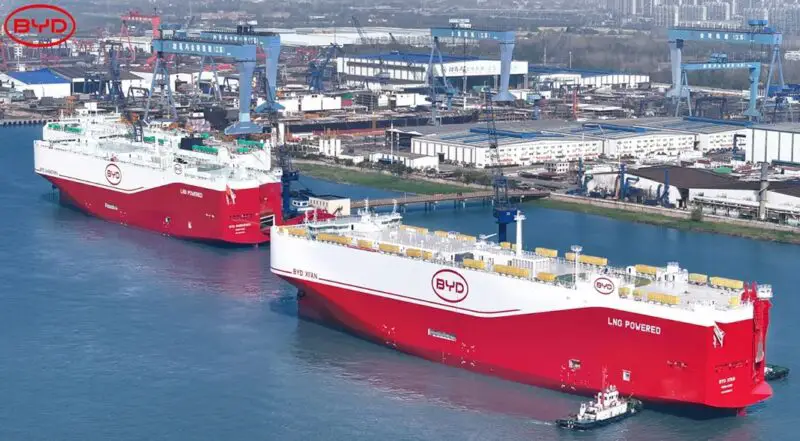
BYD Shenzhen and BYD Xi'an This commercial breakthrough is part of an ambitious international expansion strategy pursued by BYD. The Chinese manufacturer is actively developing its presence in foreign markets while consolidating its dominant position in the domestic market.

Remarkable International Growth

BYD has successfully capitalized on the growing global demand for electric vehicles. The company has deployed a diverse range of models tailored to different consumer preferences and regional market specificities. This targeted commercial approach has enabled it to capture significant market shares in Europe, Latin America, and Southeast Asia.

BYD’s internationalization strategy is based on several pillars: local industrial partnerships, investments in distribution networks, and adaptation of models to the regulations and preferences of each market. This method has proven effective by allowing rapid and sustainable establishment in regions where competition was already well-established.

Persistent Challenges in the Chinese Market

Despite these international successes, BYD faces growing difficulties in its domestic market. The Chinese automotive industry is currently undergoing a profound transformation with the arrival of new players and intensifying competition. Local consumers are becoming more demanding in terms of technology, design, and performance.

The Chinese electric vehicle market shows signs of maturation with a slowdown in growth after years of rapid expansion. This evolution forces BYD to revise its national strategy while maintaining its international momentum. The company must navigate between gradually decreasing government subsidies and ever-higher buyer expectations.

Technological Innovation and Diversification

BYD’s strength lies in its complete mastery of the electric vehicle value chain. The company produces its own batteries, electronic systems, and critical components, giving it a significant competitive advantage in terms of costs and technological independence.

Product range diversification constitutes another major asset. BYD offers vehicles ranging from affordable city cars to premium sedans, including SUVs and commercial vehicles. This versatility allows the company to meet a wide range of needs and budgets.

Future Prospects and Challenges

The rivalry between BYD and Tesla continues to shape the global electric automotive landscape. Each manufacturer follows a distinct strategy: Tesla focuses on a premium image and proprietary technology, while BYD prioritizes accessibility and diversification.

The coming months will be decisive for BYD, which must maintain its international growth while stabilizing its position in the Chinese market. The evolution of government policies, technological advancements, and changes in consumer preferences will significantly influence the manufacturer’s future trajectory.

BYD’s ability to continuously innovate, optimize its production costs, and adapt to different international regulations will be key factors for its long-term success in an ever-evolving sector.

Zunder accelerates its deployment in France with 200 planned electric charging stations

Zunder Accelerates Its Deployment in France

The Spanish electric charging operator Zunder is intensifying its presence in France with ambitious goals. After conquering the Iberian market, this company specialized in electric vehicle charging infrastructure now aims to become a major player in the French electric mobility ecosystem.

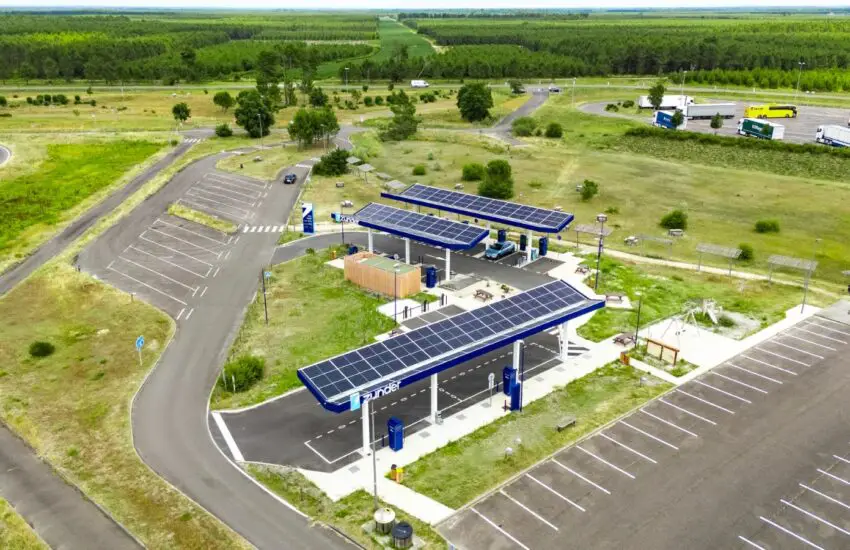
Zunder charging station

A Strategic Expansion in French Territory

Zunder is deploying a methodical implantation strategy in France, with a clear objective: to install 200 charging points by the end of 2025. This ambition fits into the context of rapid growth in the French electric vehicle fleet, where the need for charging infrastructure is becoming increasingly urgent.

The arrival of this Spanish operator in the French market represents a significant development for electric mobility in Europe. Drawing on its experience in Spain, where it successfully built a reliable and extensive network, Zunder brings its technical and operational expertise to contribute to the development of French charging infrastructure.

Stations Dedicated to Electric Heavy Goods Vehicles

One of the most innovative aspects of Zunder’s deployment plan concerns its specific program for electric heavy goods vehicles. This strategic direction addresses a growing need in the freight transport sector, where the energy transition is accelerating.

Stations dedicated to electric trucks will represent a significant part of the network that Zunder intends to develop in France. These facilities will be designed to meet the specific requirements of heavy utility vehicles, with appropriate charging powers and strategic locations along major road routes.

Proven Technical Expertise

Zunder brings to France a technical expertise developed in the Spanish market, where the company has distinguished itself through the reliability of its equipment and the quality of its service. The charging stations offered incorporate the latest technologies, enabling optimized charging times and compatibility with all electric vehicles available on the market.

The operator relies on advanced technological solutions to guarantee a smooth and intuitive user experience. Simplified payment systems, intelligent charge management, and integration with mobile applications are among the assets that Zunder plans to deploy in France.

An Ambitious Deployment Schedule

The program to install 200 charging points by the end of 2025 follows a tight schedule. Zunder has already initiated the first phases of its deployment, with the identification of strategic sites and the beginning of installations. Regions with high electric vehicle density and priority highway routes will benefit from the first installations.

This acceleration in deployment is part of a longer-term vision, where Zunder aims to become a reference player in the French electric charging ecosystem. The company is already studying possibilities for expansion beyond the initial target of 200 stations, depending on market evolution and user needs.

Impact on the French Electric Mobility Market

The arrival of Zunder in the French market helps strengthen the momentum of the energy transition in the transport sector. The multiplication of charging operators fosters competition and innovation, ultimately benefiting electric vehicle users.

This international expansion also demonstrates the growing maturity of the European electric charging market, where operators are developing cross-border strategies to offer consistent services across the continent. French motorists will thus benefit from a denser and more diversified charging infrastructure.

Evolution and Innovation Prospects

Beyond the initial deployment, Zunder plans to gradually enrich its service offering in France. The integration of ultra-fast charging technologies, the development of intelligent energy management solutions, and adaptation to new European standards are part of the planned development axes.

The company closely follows technological developments in the sector, particularly regarding improvements in charging times and interoperability between different networks. This forward-looking approach positions Zunder as an innovative player in the French electric mobility landscape.

Electric cars: excessive power that raises questions

Are Cars Becoming Too Powerful with Electric Technology?

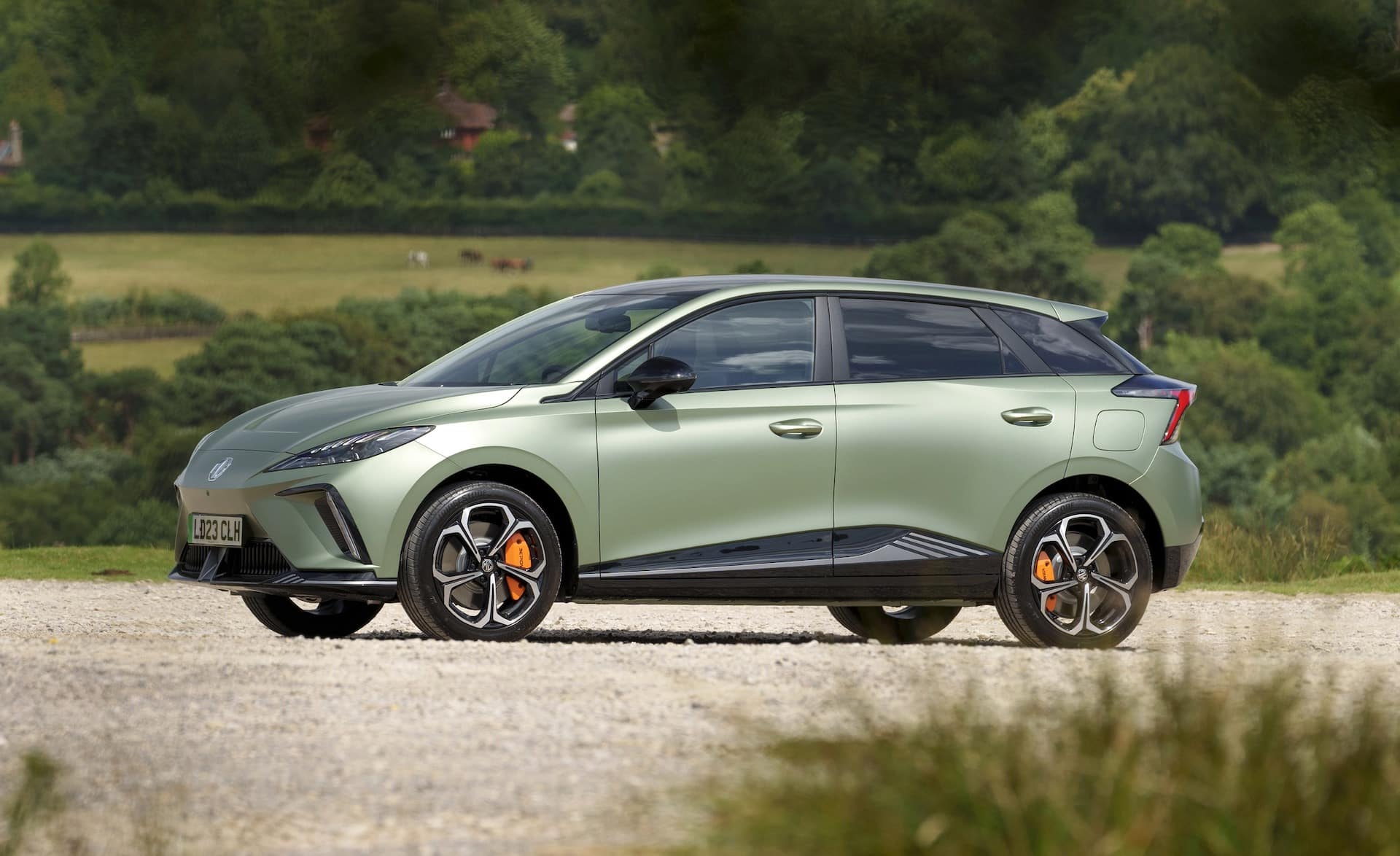
MG4 XPower 2024

As years go by, the power of automobiles continues to increase. The electrification of the vehicle fleet plays a decisive role in this rapid evolution. But this race for performance raises fundamental questions about the balance between technology and safety.

Electrification: A Performance Accelerator

The advent of electric vehicles has revolutionized our understanding of automotive power. Electric motors provide instant torque and lightning-fast acceleration that were once reserved for supercars. This democratization of accessible performance is profoundly changing the automotive landscape and driver behavior.

Safety Implications

This exponential increase in power raises legitimate concerns about road safety. Family vehicles capable of reaching high speeds in just a few seconds present a challenge for average drivers’ control. The question of whether driver training matches these new technical capabilities becomes crucial.

The Paradoxical Environmental Impact

Ironically, the pursuit of extreme performance in electric vehicles can compromise some ecological benefits. Aggressive acceleration and high speeds consume more energy, reducing range and increasing battery strain. This power race questions the environmental consistency of electric vehicles.

The Evolution of Regulations

Faced with this power surge, regulatory authorities are beginning to question the need to adapt legislation. The issue of voluntary limitations by manufacturers or legally imposed restrictions is becoming increasingly relevant in the public debate about sustainable mobility.

Balancing Performance and Reason

The real question might not be whether cars are too powerful, but whether this power is truly necessary for daily use. Finding a balance between technological innovation and collective responsibility appears to be the next challenge for the electric automotive industry.

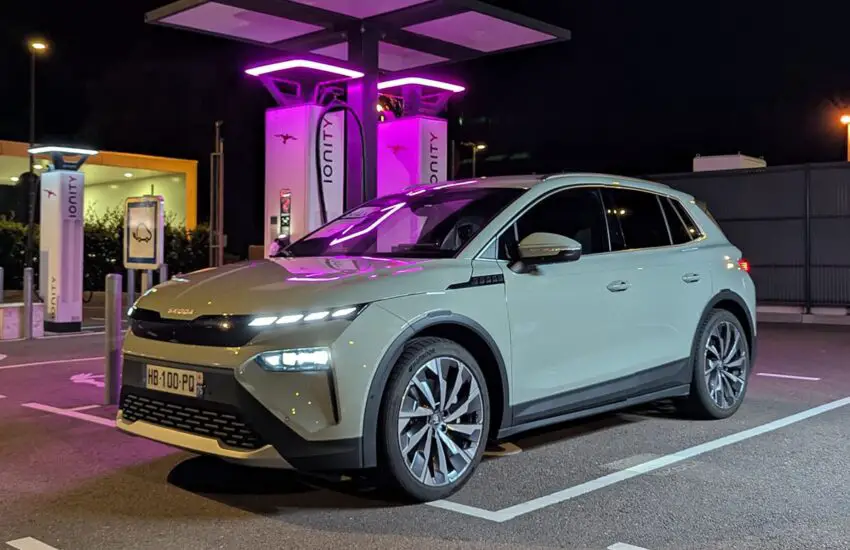
Skoda Elroq 85 Test: Charging Performance and Detailed Travel Experience

Skoda Elroq 85 Supertest: Charging Time and Route Analysis

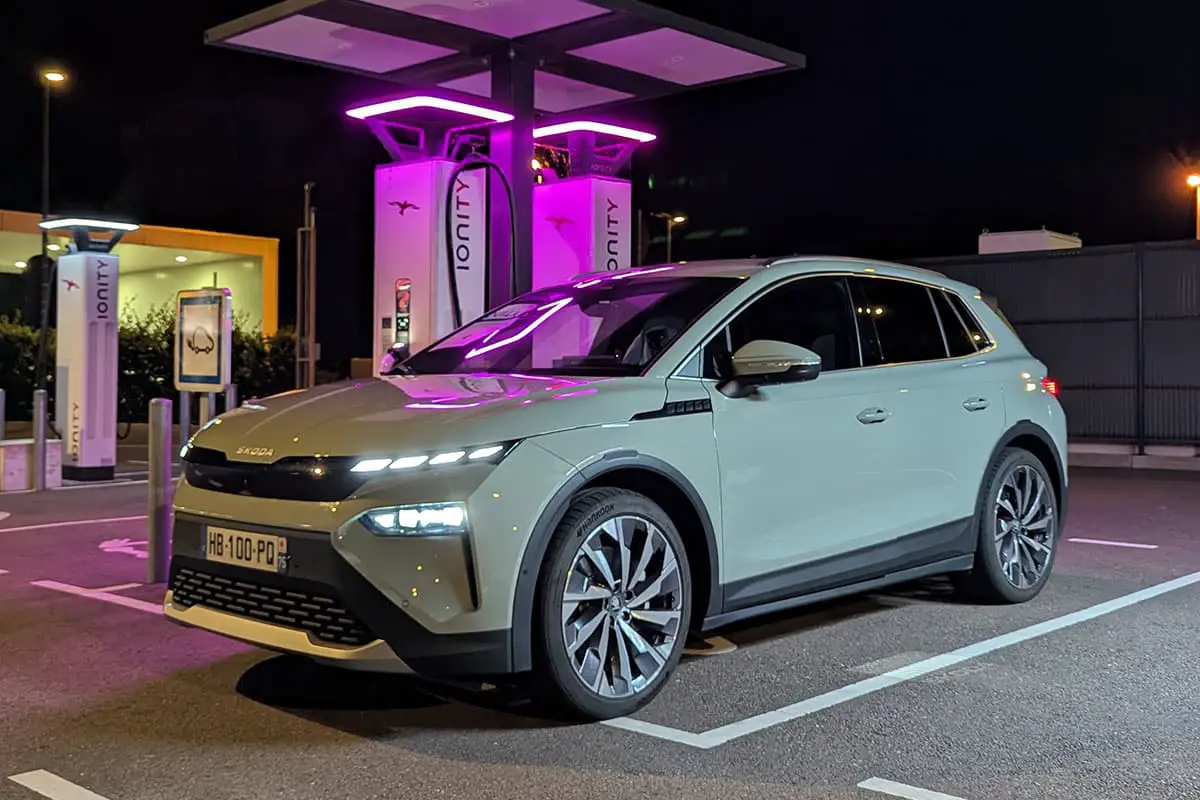
Skoda Elroq 85 road test

With over 300 km of highway range, the Skoda Elroq 85 presents itself as an electric vehicle perfectly suited for long journeys. This impressive capability paves the way for stress-free travel, but the real question concerns its efficiency under real-world conditions.

Real-World Range Performance

The advertised 300-kilometer highway range places the Skoda Elroq 85 in the category of electric vehicles best suited for long-distance travel. During our comprehensive test, we were able to verify this claim through various driving scenarios. The vehicle’s intelligent energy management optimizes every kilometer traveled, while regenerative braking significantly contributes to preserving the battery.

Charging Experience: Speed and Convenience

Charging speed is a decisive factor for the user experience. The Skoda Elroq 85 incorporates high-performance charging technology that significantly reduces downtime. Depending on the type of charging station used, charging times vary, offering appreciable flexibility for different usage profiles. Compatibility with fast-charging infrastructure, in particular, allows for recovering substantial range in record time.

Optimizing Long-Distance Trips

Trip planning with the Skoda Elroq 85 reveals a thoughtful approach to electric mobility. The navigation system integrates advanced features to identify optimal charging stations along the route. This smart integration allows for organizing charging breaks in perfect synchronization with the driver’s needs and the trip’s requirements.

Comfort and Efficiency Combined

Beyond mere technical performance, the Skoda Elroq 85 excels in its overall approach to electric travel. The spacious interior and driving comfort transform long journeys into pleasant experiences. The careful sound insulation and connected equipment help create an environment conducive to relaxation, even during the longest stretches.

User Experience Verdict

Our comprehensive test demonstrates that the Skoda Elroq 85 represents a convincing solution for drivers seeking a versatile electric vehicle. The balance between range, charging speed, and ease of use positions this model as a benchmark in its category. The controlled charging times and substantial range make it a reliable travel companion for all types of journeys.

The Hybrid: An Essential Transition to the Electric Car

Hybrids Remain a Preferred Path Towards Electric Vehicles

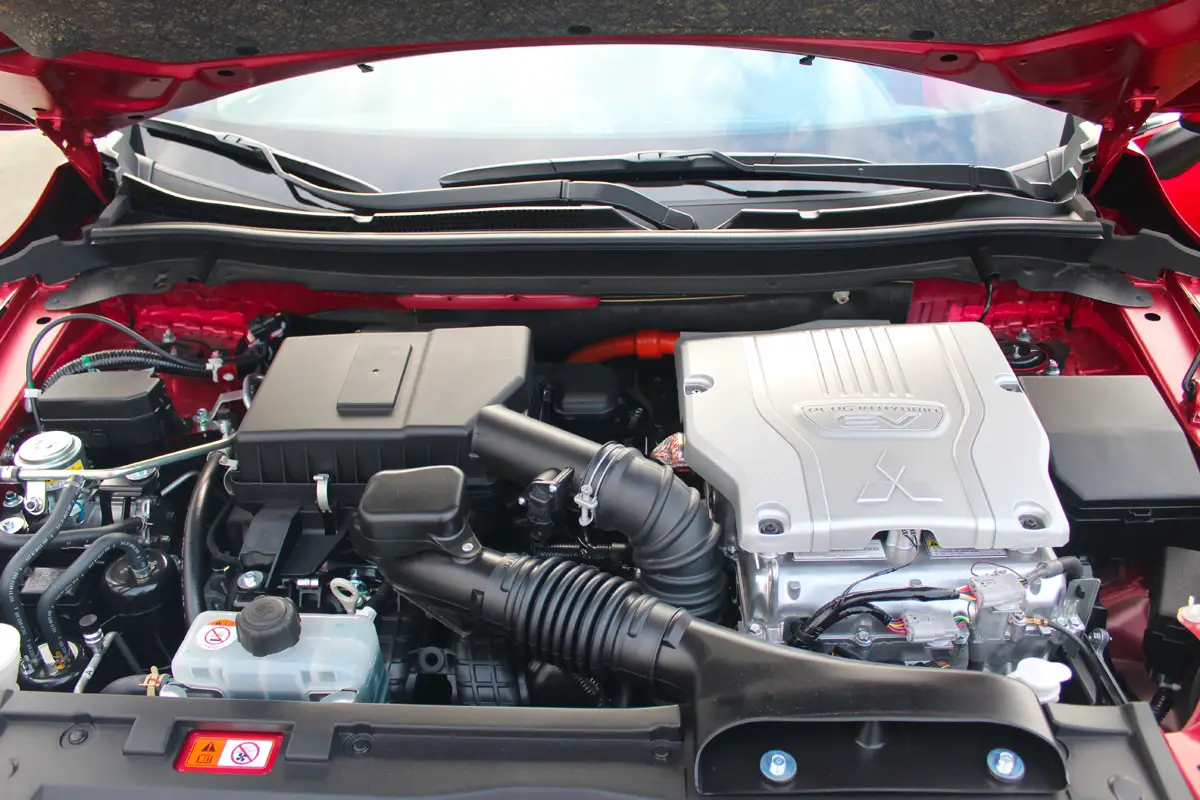
Under the hood of the Mitsubishi Eclipse Cross plug-in hybrid

Hybrid technology currently represents a crucial step in the automotive industry’s energy transition. Some purists would prefer to see information about hybrid vehicles disappear, whether plug-in or not. However, this technology deserves a more nuanced and constructive analysis.

A Necessary Transition Towards Electric

Hybrid vehicles play a fundamental role in the evolution towards electric mobility. They allow drivers to gradually become accustomed to new technologies while maintaining reassuring range. This progressive approach facilitates the mass adoption of zero-emission vehicles by addressing motorists’ main concerns.

Plug-in hybrids, in particular, offer an everyday electric driving experience while retaining the possibility of using the combustion engine for long trips. This flexibility perfectly meets users’ varied needs and serves as an excellent introduction to the world of electric vehicles.

The Overlooked Benefits of Hybrid Technology

Contrary to common misconceptions, modern hybrids offer significant environmental benefits. Their ability to operate in zero-emission mode in cities significantly reduces air pollution in urban areas. Furthermore, they prepare charging infrastructure to accommodate more 100% electric vehicles.

Technically speaking, current hybrid systems have evolved considerably. The latest generations offer extended electric ranges, faster charging, and intelligent energy management. These technical advancements bring hybrids closer to pure electric vehicles every day.

A Solution Adapted to Current Realities

The development of hybrid vehicles responds to practical and economic constraints. Charging infrastructure, although constantly expanding, is not yet dense enough to meet all needs. Hybrids bridge this temporary gap while contributing to overall emission reduction.

For many households, hybrids also represent a wise financial compromise. More affordable than some high-end 100% electric vehicles, they enable substantial fuel savings while preparing for a complete transition to electric.

Towards Technological Complementarity

Rather than opposing different technologies, it seems more relevant to consider their complementarity. Each solution addresses specific needs and contributes to transforming the vehicle fleet. Hybrids find their place in this evolving ecosystem, particularly for professionals and families with varied usage patterns.

Automakers are heavily investing in the continuous improvement of hybrid technologies. These investments indirectly accelerate the development of 100% electric vehicles by enabling economies of scale on shared components like batteries and electric motors.

Evolution Prospects

The future of hybrids follows a clear evolutionary trajectory. Next generations will see increased electric ranges and improved performance. This natural progression will gradually lead to increasingly electrified vehicles, eventually reaching complete zero-emission status.

Hybrid technology thus serves as a technological bridge between traditional combustion engines and future electric vehicles. It enables a smooth transition for the entire automotive industry, from manufacturers to end users, including maintenance and charging networks.

In conclusion, considering hybrids as merely a transitional step would be reductive. This technology plays an active role in transforming the automotive sector and deserves to be studied with seriousness and objectivity. Its development intelligently accompanies the shift towards more sustainable mobility accessible to the greatest number.

Hydrogen Bus: The Strategic Isuzu-Toyota Alliance to Revolutionize Public Transportation

Public Transport: The Isuzu-Toyota Partnership for Hydrogen Buses

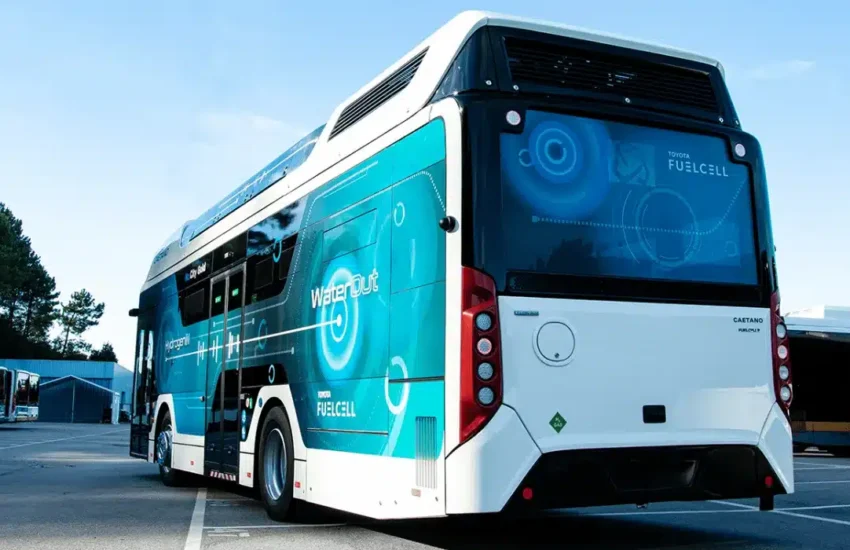
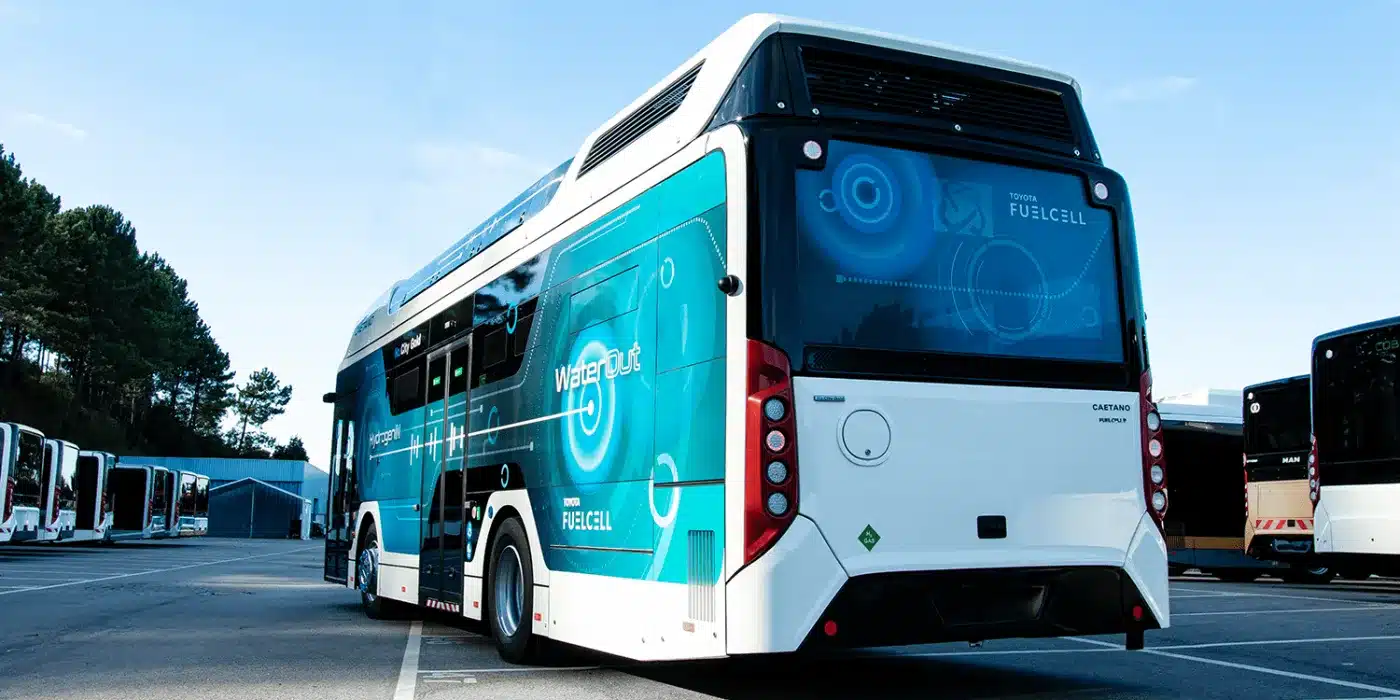
Toyota-Isuzu hydrogen bus The two Japanese automakers have formalized their collaboration to jointly develop a new generation of buses equipped with hydrogen fuel cells. This major technological alliance in the clean transport sector is expected to lead to mass production starting in 2026.

A Strategic Industrial Collaboration

The announcement of this partnership between Isuzu and Toyota represents a significant step in the development of heavy-duty hydrogen vehicles. The two Japanese giants are combining their technical expertise and industrial resources to accelerate the energy transition in the public transport sector. This collaboration is part of a long-term vision aimed at decarbonizing urban and suburban mobility.

Production and Deployment Timeline

The first hydrogen buses resulting from this collaboration are expected to roll off production lines during the 2026 fiscal year. The Utsunomiya plant, located in Tochigi Prefecture, Japan, has been designated as the main production site. This strategic location benefits from a developed industrial ecosystem and proven expertise in commercial vehicle manufacturing.

Fuel Cell Technology

The new generation of buses will develop hydrogen fuel cell technology, enabling extended range and reduced refueling times. Unlike battery electric vehicles, hydrogen buses offer the advantage of quick refueling, similar to traditional internal combustion vehicles, while emitting only water vapor.

Environmental and Operational Benefits

Hydrogen buses offer major advantages for urban transport networks. Their quiet operation helps reduce noise pollution in urban areas, while their zero CO2 emissions contribute to improving air quality. For transport operators, the extended range and fast refueling allow for easier integration into existing fleets.

Market Context and Outlook

This partnership takes place in a global context of accelerated development of hydrogen mobility. Many international cities are currently planning the transition of their bus fleets to zero-emission powertrains. The combined expertise of Isuzu in commercial vehicles and Toyota in hydrogen technology positions this partnership favorably in the expanding global market.

Expected Technical Innovations

The jointly developed buses are expected to incorporate the latest advancements in fuel cells, with optimized hydrogen consumption and increased lifespan of critical components. The modular architecture of the systems will potentially allow for adaptations according to the specificities of different markets and regulations.

Impact on the Hydrogen Sector

This joint project is expected to significantly contribute to the development of the entire hydrogen ecosystem. The large-scale production of fuel cell buses could stimulate investments in green hydrogen production and distribution infrastructure, creating a beneficial ripple effect for the entire sector.

Tesla Roadster: Why This $50,000 Reservation Was a Poor Financial Choice

Why Booking the New Tesla Roadster Was a Very Bad Idea

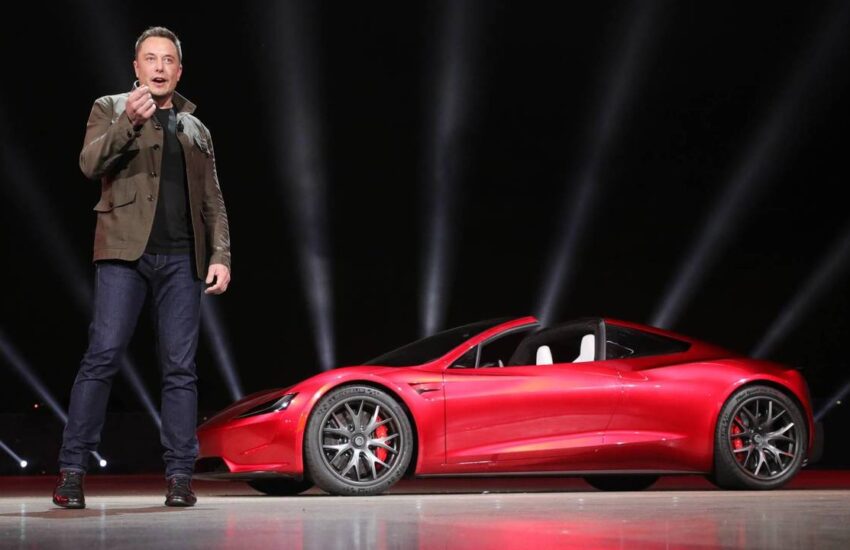
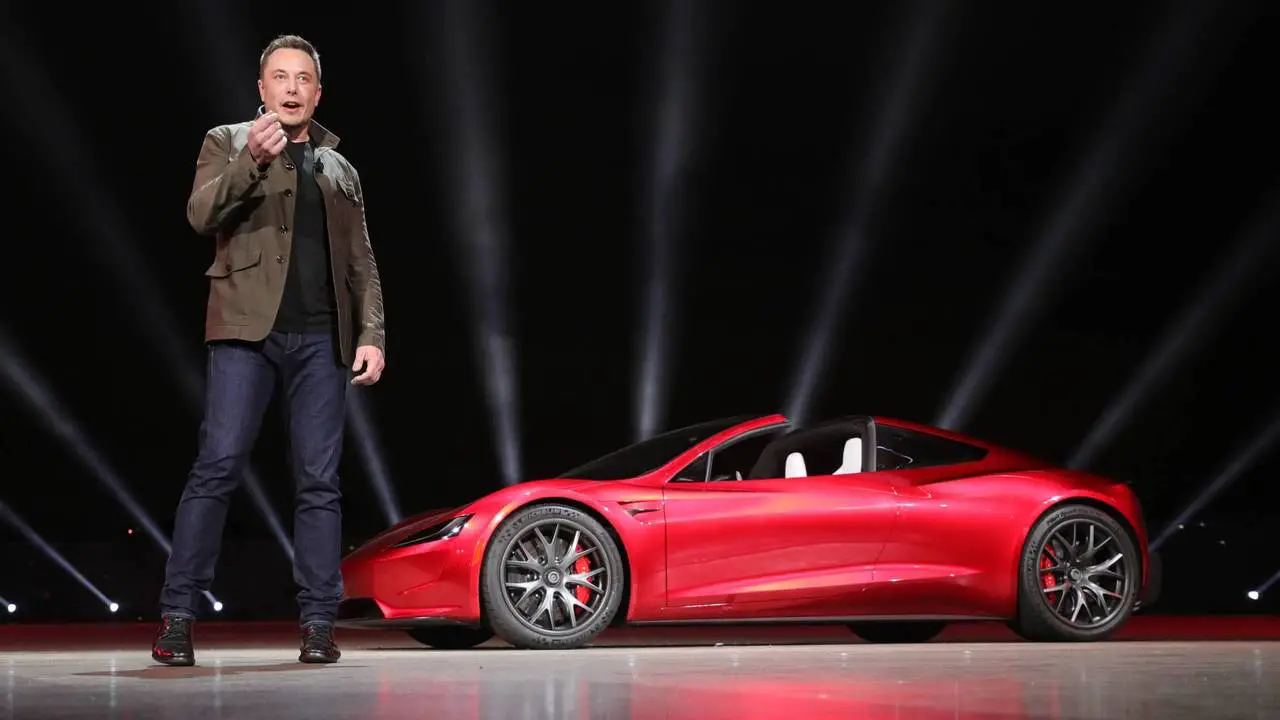
Tesla Roadster demonstration by Elon Musk In 2017, Elon Musk managed to convince people to spend $50,000 to reserve the second-generation Roadster. Eight years later, the model is still not here, and that amount could have yielded significant returns in Tesla stock.

The Announcement That Won Over Investors

When Tesla unveiled the new Roadster in 2017, enthusiasm was at its peak. Elon Musk presented an electric car with exceptional performance, claiming it could rival the most prestigious supercars. The announced technical specifications hinted at a revolution in the automotive world: lightning-fast acceleration, record-breaking range, and a sleek design.

The Opportunity Cost of an Early Reservation

Early customers had to pay a substantial deposit of $50,000 to secure their spot on the waiting list. This amount represented a significant financial commitment, but more importantly, it tied up capital that could have been invested elsewhere. At the time, few imagined the project would face such delays.

The Overlooked Stock Alternative

If that $50,000 had been invested in Tesla stock in 2017, it would have experienced exponential growth. The stock price multiplied by more than fifteen times between 2017 and 2023, before some corrections. A $50,000 investment could have turned into nearly $800,000 at its peak, representing a massive gain compared to waiting for a vehicle that still hasn’t been delivered.

The Successive Delays of the Roadster

The Roadster’s production schedule has been constantly pushed back. Initially planned for 2020, its commercial launch has been delayed multiple times. Tesla cited various reasons, including the priority given to other models like the Model 3 and Model Y, as well as technical challenges related to the promised exceptional performance.

The Impact of the Global Pandemic

The COVID-19 health crisis also played a role in these delays, disrupting supply chains and affecting production plans. However, some observers believe these delays were predictable, as Tesla has historically struggled to meet deadlines for new models.

Financial Analysis of a Questionable Choice

From a purely financial perspective, reserving the Roadster appears in hindsight as an unwise decision. Not only did customers tie up a significant amount of money for years, but they also missed out on much more profitable investment opportunities.

The Phenomenon of High Deposits

Tesla’s strategy regarding reservation deposits raises questions. By asking for $50,000, the brand not only generated significant cash flow but also created a psychological barrier discouraging cancellations. Thus, reservations represented interest-free financing for the company.

Uncertain Future Prospects

Today, the Roadster’s commercial launch horizon remains unclear. Tesla now mentions a potential release for 2025, but without firm guarantees. Meanwhile, competition in the high-end electric car segment has intensified, with the arrival of rival models offering similar technologies.

Lessons to Learn from This Experience

The Roadster story offers several valuable lessons for consumers and investors. It reminds us of the importance of diversifying investments and considering the opportunity cost of every financial decision. It also highlights the risks associated with products announced long in advance in a rapidly evolving technological sector.

The Tesla Roadster case will likely remain in the annals as a striking example of the financial trade-offs that early reservations of high-tech products can represent, especially when they involve substantial sums and uncertain timelines.

Nissan Leaf Nismo: a sporty version driven by customer demand

Nissan Leaf Nismo: Yes or No?

The question of a Nismo version of the electric Nissan Leaf is generating significant interest among car enthusiasts. Currently, the Japanese manufacturer has no concrete project to develop a Leaf Nismo but is leaving the door open for a potential launch if customer demand proves substantial enough.

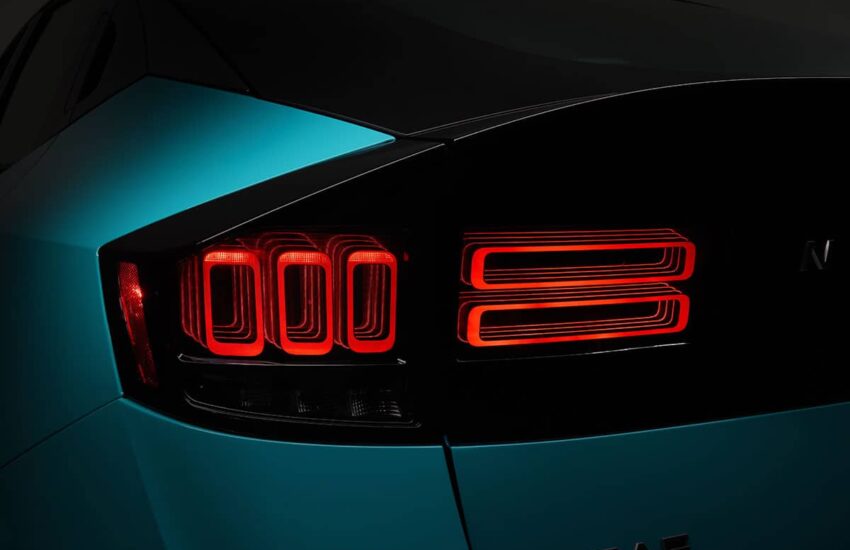
Nissan Leaf 2025

Nissan’s Strategy Regarding Consumer Expectations

Nissan is adopting a pragmatic stance regarding the development of a sporty version of its electric compact. The brand is carefully studying market feedback and expressions of interest from potential buyers before committing significant investment to such a project.

The Importance of Customer Engagement in Industrial Decisions

In the contemporary automotive landscape, manufacturers are paying increasing attention to signals from their customer base. The possibility of a Leaf Nismo perfectly illustrates this trend where production choices adapt to expressed demands rather than solely to the internal visions of engineers.

Potential Features of a Leaf Nismo

If Nissan decided to launch a Nismo version, it would likely benefit from significant technical and aesthetic improvements. One could anticipate increased power, a reworked chassis for optimized handling, and distinctive aesthetic elements characteristic of the Nismo line.

Possible Technical Improvements

A Leaf Nismo could see its electric power significantly increased, with optimization of the instant torque characteristic of electric powertrains. The braking system would be reinforced to match the higher performance, while the battery could benefit from improved thermal management to support sporty demands.

Positioning in the Sporty Electric Vehicle Market

The potential arrival of a Leaf Nismo would enter an expanding segment: that of accessible electric vehicles with enhanced performance. This sporty variant would allow Nissan to compete more directly with certain sporty versions of competing electric vehicles.

Impact on Nissan’s Brand Image

The development of a Leaf Nismo would help strengthen Nissan’s technological and sporty image, while demonstrating the versatility of electric platforms. This approach would attract a younger clientele more sensitive to performance, thereby broadening the audience for the Leaf range.

Challenges in Developing a Sporty Electric Version

Transforming a mainstream electric compact into a sporty version presents several technical challenges. The balance between performance, range, and selling price must be carefully studied to ensure the project’s commercial viability.

Preserving Range Despite Increased Performance

One of the main technical challenges lies in optimizing range despite the power increase. Engineers would need to develop innovative solutions to minimize the impact of performance on energy consumption, perhaps through adaptive driving modes or optimized energy recovery systems.

The Future of the Leaf Nismo in the Hands of Consumers

The final decision regarding the development of a Leaf Nismo will primarily depend on the expression of customer expectations. Nissan will certainly monitor public reactions, market studies, and industry trends before making a definitive decision on this exciting project.