The Renault R5 Turbo 3E: A Revisited Icon

Renault has just confirmed news that will delight sports car enthusiasts: the legendary R5 Turbo is set for an electric rebirth in the form of the R5 Turbo 3E. With its 500 horsepower and design inspired by the original, this newcomer promises thrilling sensations and a return to its roots.

A Revised and Updated Legacy

The R5 Turbo of the 1980s left a mark on an entire generation of enthusiasts. The new R5 Turbo 3E takes up the stylistic codes of its predecessor: prominent bumpers, widened wheel arches, and bulging fenders. But beneath this retro exterior lies a true racing beast, powered by two electric motors developing a combined output of over 500 horsepower.

Breathtaking Performance

Thanks to its electric powertrain, the R5 Turbo 3E offers lightning-fast acceleration: 0 to 100 km/h is achieved in under 3 seconds. The instant torque of the electric motors ensures exceptional traction, while the battery, positioned in the floor, lowers the center of gravity and improves agility.

A Concentration of Technology

The R5 Turbo 3E is much more than just a sports car. It is a true concentration of technology. Its chassis is made of ultra-light composite materials, while the suspension is fully adjustable to offer a perfect balance between comfort and sportiness. The interior, meanwhile, combines modernity and simplicity, with a central touchscreen and high-quality materials.

A Promising Future

With the R5 Turbo 3E, Renault once again proves its ability to innovate and captivate. This new electric sports car is expected to achieve significant commercial success, particularly among collectors and thrill-seekers.

Additional Keywords: electric sports car, automotive performance, car design, automotive heritage, technological innovation.
Hydrogen internal combustion engines (HICE): a promising alternative

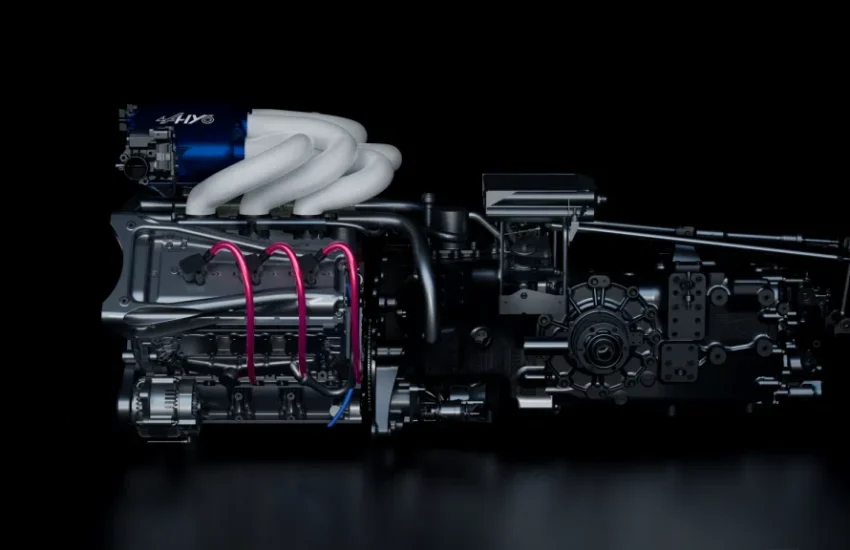
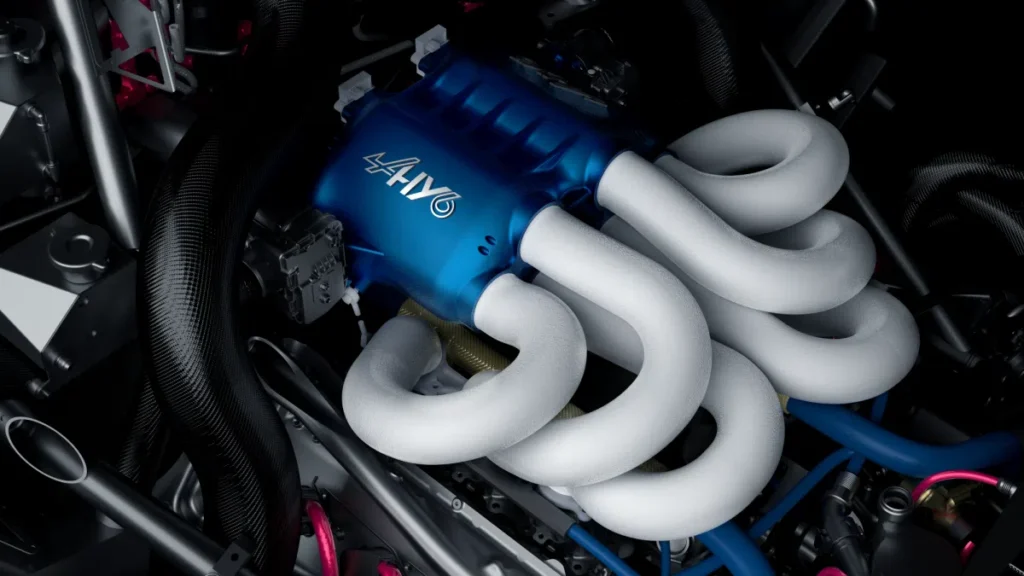
Hydrogen is often presented as the fuel of the future. While fuel cells are the most well-known technology for harnessing this energy, hydrogen internal combustion engines (HICE) offer an interesting alternative. Alpine, with its Alpenglow Hy6 concept car, has chosen this path, demonstrating the potential of this technology.

How does a hydrogen combustion engine work?

The operating principle of a HICE is similar to that of a gasoline engine: a mixture of fuel (hydrogen) and air is compressed in a cylinder and then ignited. The resulting explosion pushes a piston, thereby driving the crankshaft.

However, hydrogen has specific characteristics that require technical adaptations:

  • Faster flame and higher temperature: Hydrogen combustion is faster and releases a higher temperature than gasoline. Therefore, the materials used in the engine must be more resistant.
  • Need for an excess of air: Hydrogen requires a higher air/fuel ratio for optimal combustion.
  • Specific injectors and spark plugs: The injectors must be able to precisely meter the hydrogen, while the spark plugs must generate a more powerful spark.

The advantages of hydrogen combustion engines

  • High performance: Hydrogen offers high energy efficiency and allows for significant specific power outputs.
  • Reduced emissions: Hydrogen engines primarily emit water vapor and very low levels of nitrogen oxides (NOx). Due to the absence of carbon, they do not produce CO2 during combustion.
  • Existing infrastructure: HICEs can be integrated into existing vehicles, which facilitates their deployment.

The challenges to overcome

  • Hydrogen production: The production of “green” hydrogen from renewable energy sources is still costly and requires appropriate infrastructure.
  • Hydrogen storage: Storing hydrogen on board vehicles remains a technical challenge due to its low volumetric energy density.
  • Safety: Hydrogen is a flammable gas, which requires special precautions in terms of tank design and manufacturing.

Future prospects

Hydrogen combustion engines offer an interesting alternative to battery electric vehicles, especially for applications requiring high range and fast refueling times. However, their large-scale development will depend on resolving the challenges related to hydrogen production, storage, and distribution.

Conclusion

Hydrogen combustion engines represent a promising path for the decarbonization of transport. Although technical challenges remain, the progress made in this field is encouraging. By choosing this technology for its Alpenglow Hy6 concept car, Alpine is helping to accelerate the development of this innovative solution.

Keywords: hydrogen engine, HICE, Alpine, Alpenglow Hy6, hydrogen, internal combustion, clean vehicle, environment, energy, sustainable mobility.

Recommended Tools for Diagnosing and Repairing OBD Codes

Introduction

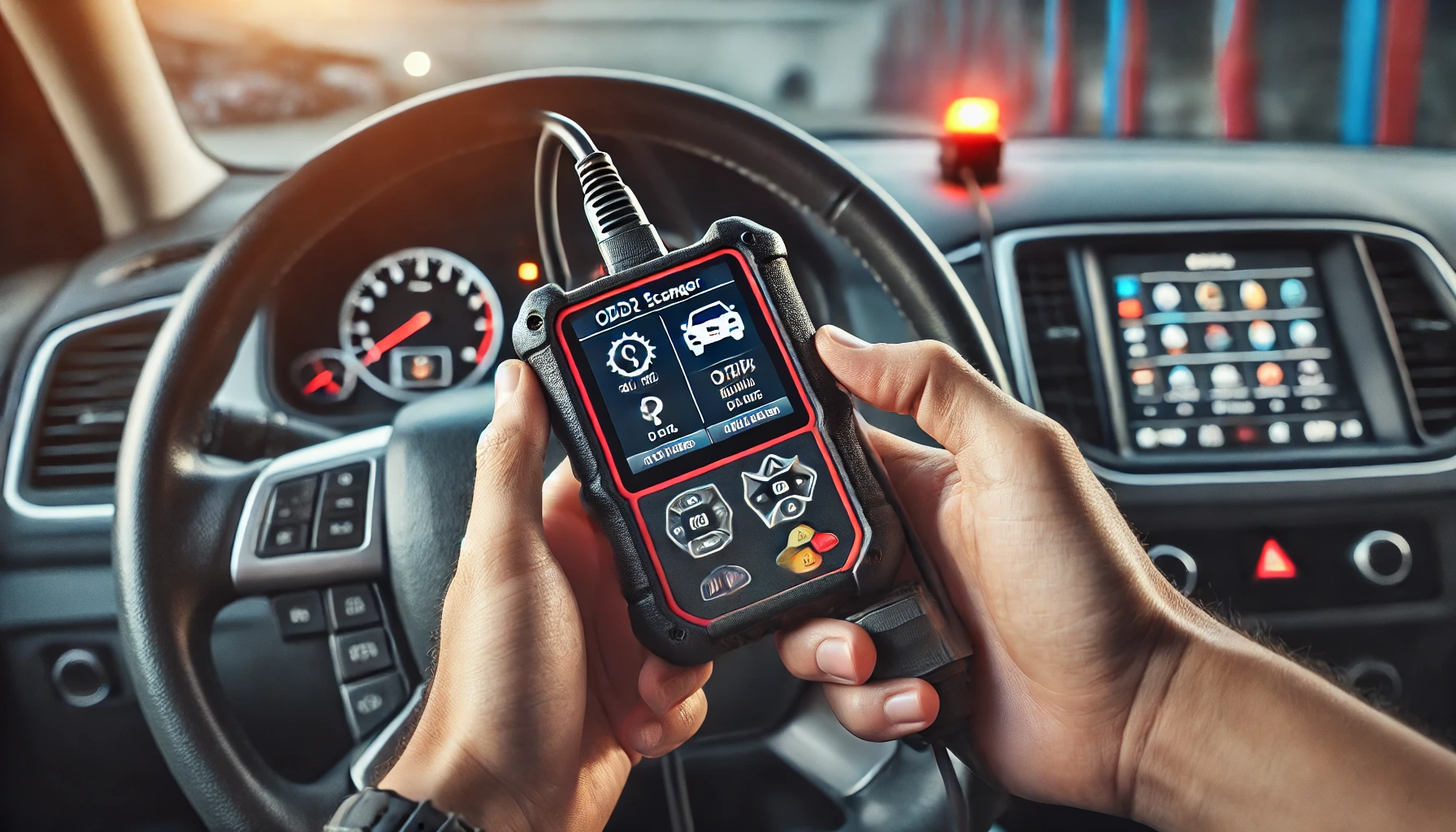
The OBD (On-Board Diagnostics) system is an essential component for detecting and resolving issues in modern vehicles. Using OBD2 scanners and code readers, it’s possible to interpret fault codes and repair them effectively. This article introduces the essential tools for diagnosing and fixing OBD codes, tailored to your needs and experience level.


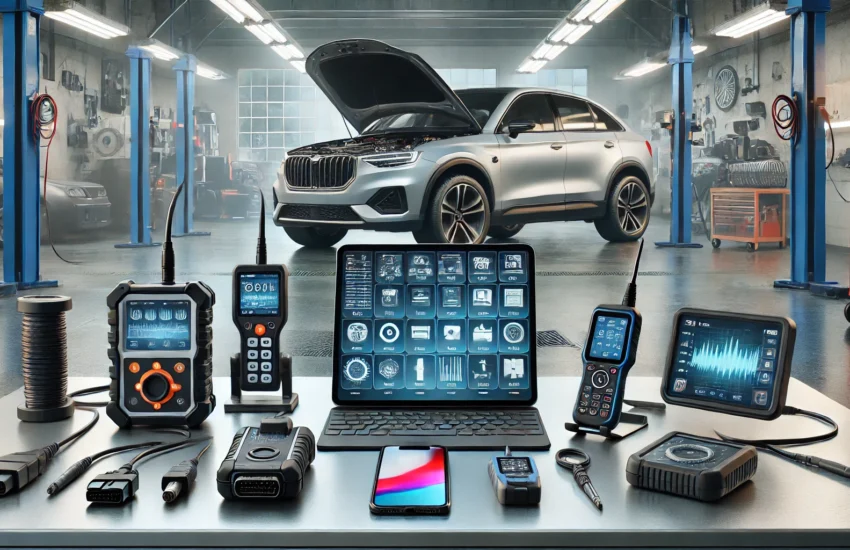
1. Types of OBD2 Diagnostic Tools

a) Basic Code Readers

  • Designed for hobbyists or beginners.
  • Allow reading error codes and turning off the check engine light.
  • Popular examples:
    • Autel AutoLink AL319
    • FIXD OBD2 Scanner

b) Advanced OBD2 Scanners

  • Suitable for professionals or experienced users.
  • Advanced features like real-time data analysis, sensor tests, and in-depth diagnostics.
  • Popular examples:
    • Launch CRP129X
    • BlueDriver Bluetooth Pro

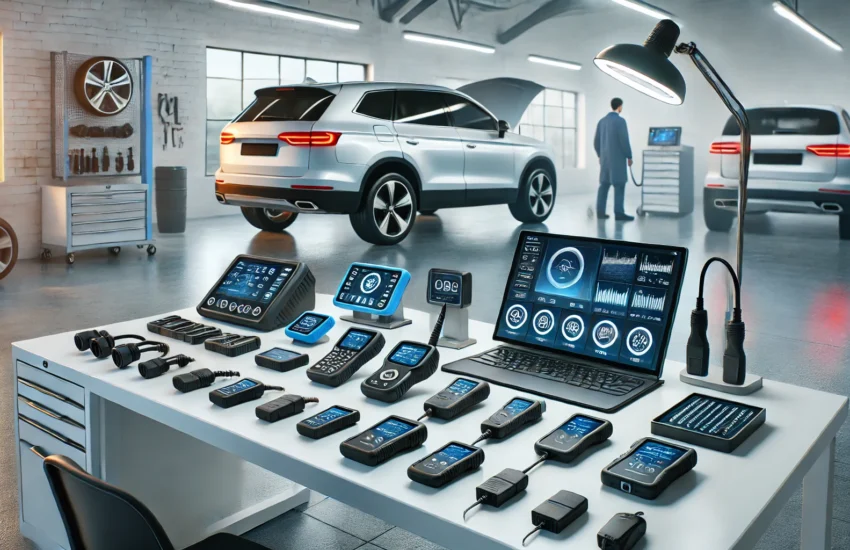
c) Bluetooth/Wi-Fi OBD2 Interfaces

  • Connected to a smartphone or tablet via an app.
  • Convenient, portable, and often affordable.
  • Popular examples:
    • ELM327 (compatible with multiple applications)
    • OBDLink MX+

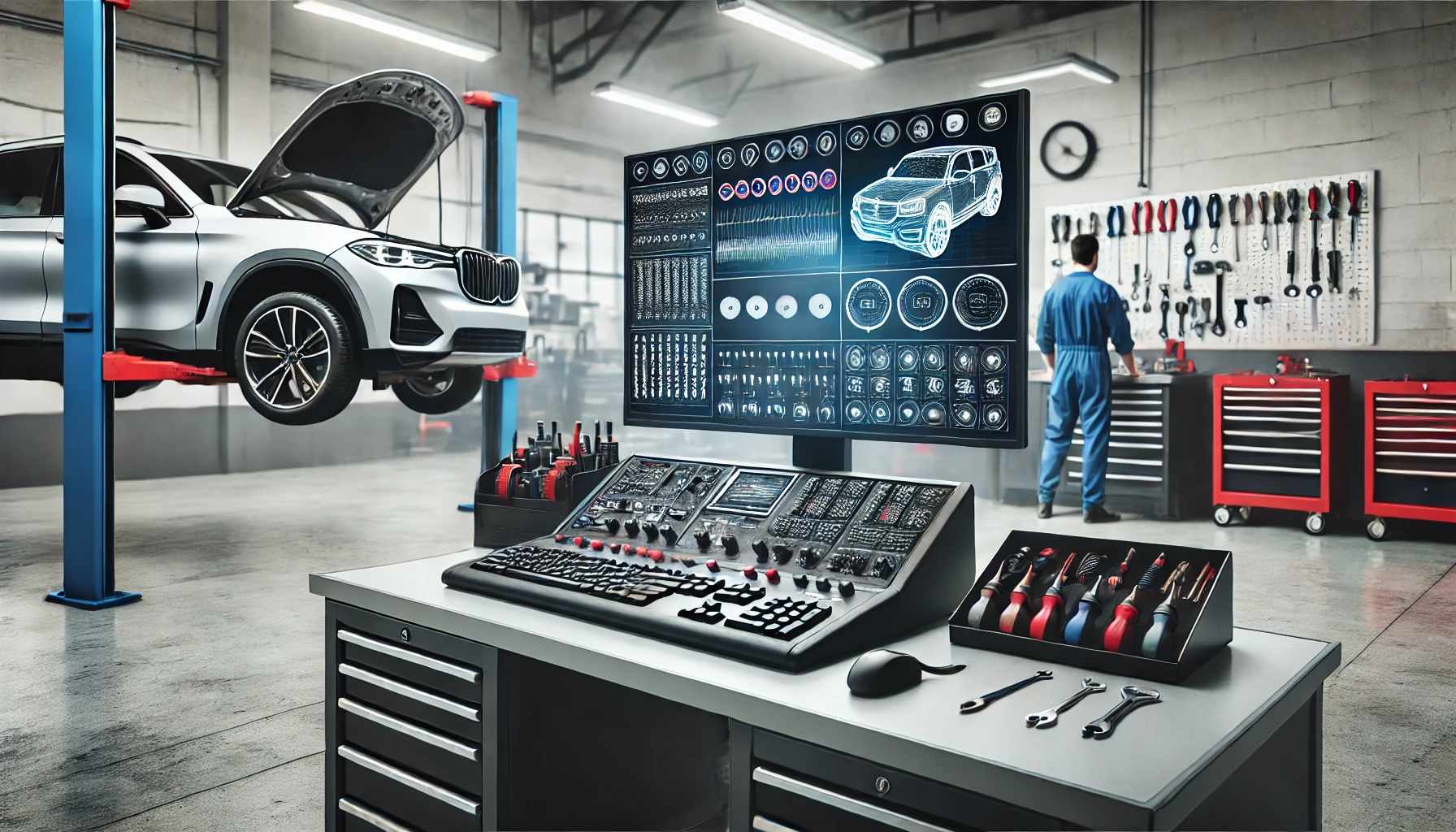
d) Professional Diagnostic Stations

  • Complete systems used in automotive workshops.
  • Offer advanced programming and reset functionalities.
  • Popular examples:
    • Autel MaxiSys Elite
    • Snap-on SOLUS Edge

2. Criteria for Choosing an OBD2 Scanner

  • Compatibility: Ensure the tool is compatible with your vehicle (make, model, OBD2 standards).
  • Ease of Use: An intuitive device with a clear interface is preferable for beginners.
  • Features: Choose based on your needs: basic code reading, error clearing, in-depth analysis.
  • Budget: Prices range from €20 (basic readers) to several thousand euros (professional stations).
  • Connectivity: Bluetooth or Wi-Fi for a mobile experience with user-friendly apps.

3. Mobile Applications for OBD2 Diagnostics

With Bluetooth/Wi-Fi interfaces, several apps allow access to vehicle data:

  • Torque Pro (Android)
    Real-time data analysis, chart creation, and fault diagnosis.
  • CarScanner ELM OBD2 (iOS and Android)
    Intuitive interface with advanced features.
  • OBD Auto Doctor
    Multi-platform compatible, with free and paid versions.
  • BlueDriver
    Dedicated app for the BlueDriver tool, ideal for in-depth diagnostics.

4. Complementary Tools for Repairs

To resolve detected issues, it’s essential to have a minimum set of tools:

  • Multimeter to check sensors and electrical circuits.
  • Set of wrenches and screwdrivers to disassemble necessary parts.
  • Carburetor/injector cleaner for codes related to air/fuel mixture.
  • Compression tester for engine-related diagnostics.

5. Tips for Effective Use of OBD2 Tools

  1. Always read the manual of your scanner to understand its features.
  2. Avoid clearing codes immediately without resolving the underlying issue.
  3. Consult online databases or forums to interpret specific codes.
  4. Perform regular diagnostics to prevent costly breakdowns in the long term.

Conclusion

Investing in a good OBD2 tool is an essential step for any vehicle owner or mechanic. Whether it’s a simple code reader or an advanced diagnostic station, each tool offers benefits to keep your car in perfect working order. Take the time to choose a device that suits your needs and familiarize yourself with its use to optimize your repairs.

Resolvers for Electric Vehicle Motors: A Detailed Overview

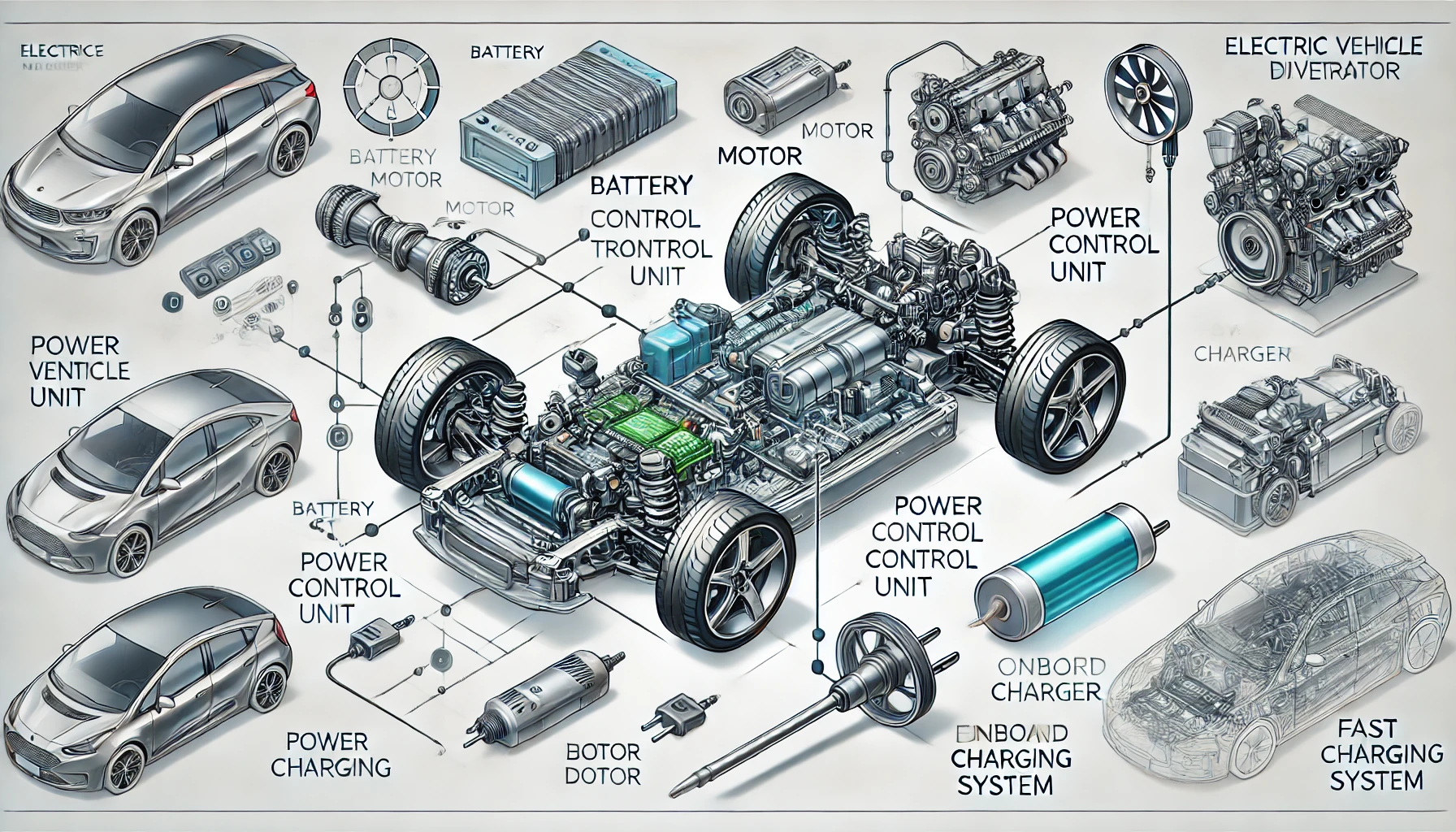
With the emergence of electric vehicles (EVs), technologies associated with propulsion systems are evolving rapidly. Resolvers play a crucial role in the operation of electric motors in these vehicles, ensuring precise and reliable motor control. This article explores in detail resolvers, their operation, advantages, and application in electric vehicles.

What is a Resolver?

A resolver is an electromechanical sensor designed to measure the angular position, speed, and sometimes acceleration of a motor. Unlike digital sensors like encoders, resolvers operate on the principle of electromagnetic induction and generate analog signals.

How Resolvers Work

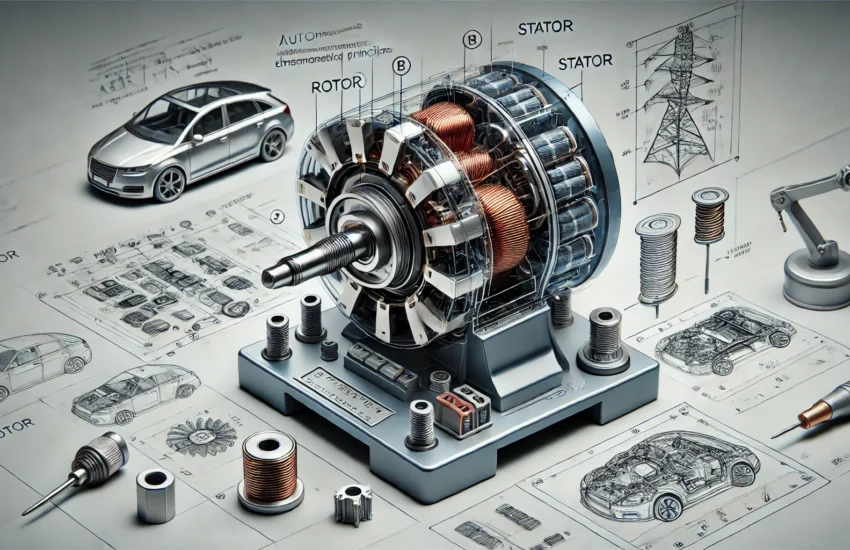
A resolver consists of three main components:

  1. The Rotor: A rotating part that generates a magnetic field.
  2. The Stator: Composed of electrical coils that detect variations in the magnetic field.
  3. Processing Electronics: Converts analog signals into usable information for the motor control system.

When an alternating current is applied to the stator’s primary coil, it induces a rotating magnetic field in the rotor. The stator’s secondary coils detect variations in this magnetic field, generating voltages proportional to the rotor’s angular position.

Advantages of Resolvers

  • Reliability: Resolvers are robust and can operate in extreme environments, including high temperatures, intense vibrations, and dusty conditions.
  • Accuracy: They provide precise measurement of position and speed.
  • Lifespan: Unlike optical encoders, resolvers do not have components that wear out quickly.
  • Noise Immunity: Their analog design makes them less susceptible to electromagnetic interference.

Applications in Electric Vehicles

Resolvers are widely used in permanent magnet synchronous motors (PMSM), which are the preferred motors for electric vehicles due to their energy efficiency and power density. The main functions of resolvers in this context include:

  1. Vector Control: Providing accurate information on rotor position and speed for optimal motor torque control.
  2. Functional Safety: Ensuring continuous system monitoring to detect anomalies and prevent failures.
  3. Efficiency Optimization: Enabling energy-efficient operation through precise control.

Limitations of Resolvers

Despite their advantages, resolvers have some drawbacks:

  • Cost: They are more expensive than encoders in some applications.
  • Complexity: Their integration requires specialized electronics.
  • Weight and Size: Resolvers are often bulkier than digital sensors.

Alternatives to Resolvers

Resolvers are not the only sensors used for electric vehicle motors. Optical encoders, magnetic encoders, and Hall effect sensors are alternatives, each with its own advantages and disadvantages depending on application requirements.

Conclusion

Resolvers play an indispensable role in the field of electric vehicles by ensuring precise and reliable motor control. Their robustness and ability to operate in extreme conditions make them a preferred choice for automotive applications. However, evolving technologies and increasing market demands may influence their adoption compared to other solutions in the future.

Recent Innovations in Automotive Diagnostic Systems

The field of automotive diagnostics has undergone a dramatic transformation in recent years thanks to technological advancements. From traditional tools to modern connected solutions, these innovations enable drivers and mechanics to detect problems more quickly and with increased accuracy. Here is an overview of recent technologies revolutionizing automotive diagnostics.


1. Connected Diagnostics: The Era of Bluetooth and Wi-Fi OBD-II

Traditional OBD-II tools are evolving into wireless versions that connect directly to smartphones and tablets:

  • Bluetooth/Wi-Fi Scanners: These devices allow real-time communication between the vehicle and a mobile application.
  • Advantages:
    • Instant reading of error codes.
    • Real-time monitoring of engine performance.
    • Advanced features like maintenance management and alerts.

Applications like Torque, Carly, or FIXD make these tools accessible even to non-expert users.


2. Integration of Artificial Intelligence (AI)

AI plays a key role in analyzing the complex data generated by modern vehicles:

  • Predictive Diagnostics: AI-based systems can identify problems before they occur, reducing the risk of breakdowns.
  • Advanced Code Analysis: AI platforms cross-reference OBD code data with global databases to provide accurate diagnostics.
  • Examples: Bosch and Delphi are working on AI-powered solutions for professional workshops.

3. Cloud Diagnostics and Telematics

With the emergence of cloud connectivity, diagnostic data can be sent remotely for analysis:

  • Telematics: Manufacturers like Tesla use these technologies to monitor vehicle status and perform remote software updates.
  • Data Sharing: Technicians can access vehicle information in real-time, reducing wait times and improving repair efficiency.

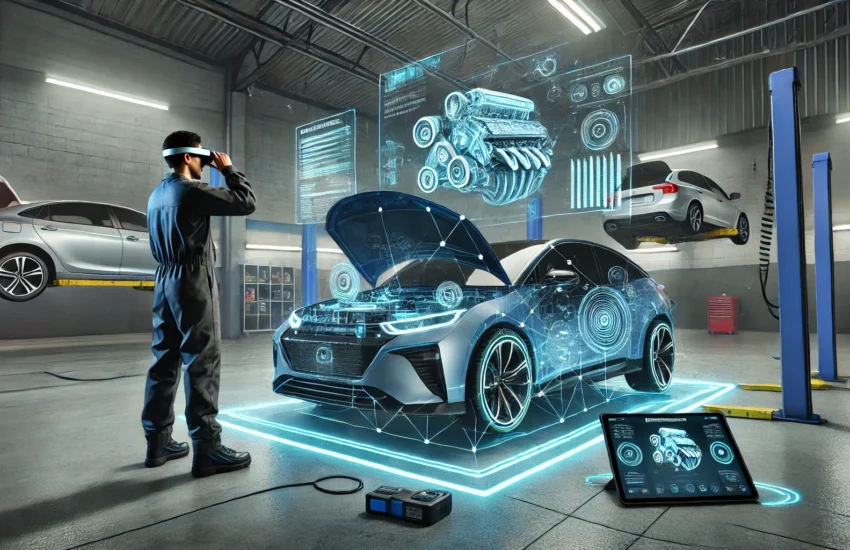
4. Augmented Reality (AR) for Repairs

Augmented reality is becoming a valuable tool in automotive diagnostics:

  • Visual Guide: Technicians can use AR glasses to overlay diagrams and instructions directly onto vehicle components.
  • Practical Examples:
    • Quick identification of faulty parts.
    • Step-by-step instructions for performing repairs.

Companies like Bosch have already integrated this technology into their tools for garages.


5. Advanced Sensors and Autonomous Vehicles

Modern vehicles are equipped with hundreds of sensors that constantly monitor all aspects of the car:

  • LiDAR and Camera Sensors: In autonomous vehicles, these sensors play a crucial role in detecting operational anomalies.
  • Real-Time Analysis: These sensors enable instant identification of issues related to braking, steering, or suspension.

6. Simplified User Interfaces

Modern diagnostic tools are increasingly user-friendly:

  • Mobile Applications: An intuitive interface makes it easier to understand error codes even for beginner users.
  • Detailed Reports: Applications generate clear reports with specific advice on necessary repairs.

7. Eco-Friendly Diagnostics: Towards a Greener Future

With a focus on electric vehicles (EVs) and hybrids, new specialized diagnostic tools are emerging:

  • Battery Analysis: Modern tools can assess the condition of high-voltage EV batteries.
  • Energy Consumption Tracking: Drivers can monitor energy efficiency and reduce their carbon footprint.

Conclusion

Recent innovations in automotive diagnostic systems are transforming how problems are identified and resolved. These advancements, combining connectivity, artificial intelligence, and interactive tools, make diagnostics faster, more accurate, and accessible to everyone.

Are you curious to learn more about a specific technology or want to explore solutions tailored to your vehicle? Share your questions in the comments!

Top 10 Automotive Diagnostic Tools in 2025

With the constant evolution of automotive technologies, diagnostic tools play a crucial role in ensuring the proper functioning of modern vehicles. Here is a selection of the 10 best automotive diagnostic tools in 2025, ranked based on their performance, accessibility, and innovation.


1. Launch X431 V+ Pro

  • Description: A powerful diagnostic tablet with multi-brand compatibility.
  • Main Features:
    • Advanced scans for OBD-I and OBD-II.
    • Bidirectional tests for diagnosing and recalibrating.
    • Frequent updates and user-friendly interface.
  • Average Price: €1,200.

2. Autel MaxiCOM MK908 Pro II

  • Description: A high-end tool for professional garages.
  • Main Features:
    • Programming and ECU coding functionalities.
    • Fast and in-depth analysis of vehicle systems.
    • Bluetooth and Wi-Fi connectivity.
  • Average Price: €1,800.

3. BlueDriver OBD-II Scan Tool

  • Description: A compact Bluetooth scanner for casual users.
  • Main Features:
    • Compatible with smartphones (iOS and Android).
    • Generates easy-to-understand repair reports.
    • Ideal for home diagnostics.
  • Average Price: €120.

4. FIXD OBD-II Scanner

  • Description: A simple tool for non-expert drivers.
  • Main Features:
    • Automatic alerts for potential issues.
    • Intuitive app for real-time monitoring.
    • Maintenance reminder function.
  • Average Price: €80.

5. ThinkDiag2 Bluetooth Scanner

  • Description: A portable scanner offering professional-grade features.
  • Main Features:
    • Active tests and resets for ABS and airbag systems.
    • Supports over 100 brands.
    • Regular software updates.
  • Average Price: €100.

6. Bosch ADS 625

  • Description: A premium tool for professional workshops.
  • Main Features:
    • Full diagnostic capabilities for electric and hybrid vehicles.
    • Detailed analysis of advanced safety systems (ADAS).
    • High processing speed.
  • Average Price: €3,000.

7. Ancel FX2000

  • Description: An economical tool for enthusiasts and small garages.
  • Main Features:
    • Scans for engine, ABS, transmission, and airbag systems.
    • Color screen and easy-to-use interface.
    • Supports multiple languages.
  • Average Price: €100.

8. Carly Universal Scanner

  • Description: A tool focused on customization and coding.
  • Main Features:
    • Coding of hidden features in vehicles.
    • In-depth diagnostics for BMW, Audi, and other premium brands.
    • Mileage verification functionality.
  • Average Price: €200 (app included).

9. iCarsoft CR Pro

  • Description: A versatile multi-brand scanner.
  • Main Features:
    • Supports over 40 brands.
    • Resets system parameters, such as DPF and engine oil.
    • Compact and robust design.
  • Average Price: €250.

10. Snap-On Solus Edge

  • Description: One of the most advanced tools for professional diagnostics.
  • Main Features:
    • Intuitive interface and high-resolution touchscreen.
    • Advanced diagnostics for ADAS and electrical systems.
    • Regular updates via subscription.
  • Average Price: €4,500.

Conclusion

The choice of diagnostic tool depends on your needs, whether it’s diagnosing simple issues at home or maintaining vehicle fleets in a professional workshop. These tools cover a wide range of budgets and features, making diagnostics more accessible and efficient than ever.

Do you have a tool suggestion or an experience to share? Leave a comment below to help the community!

How to Calibrate ADAS Sensors After Replacement or Repair

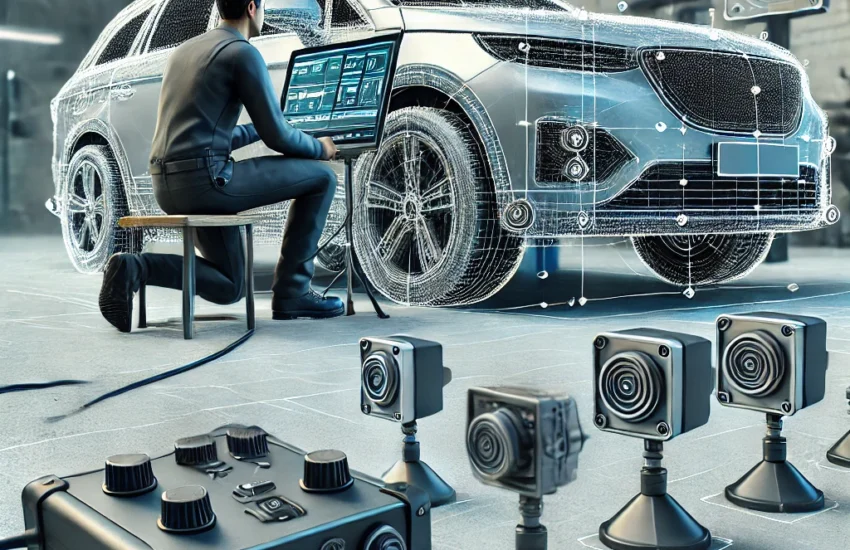
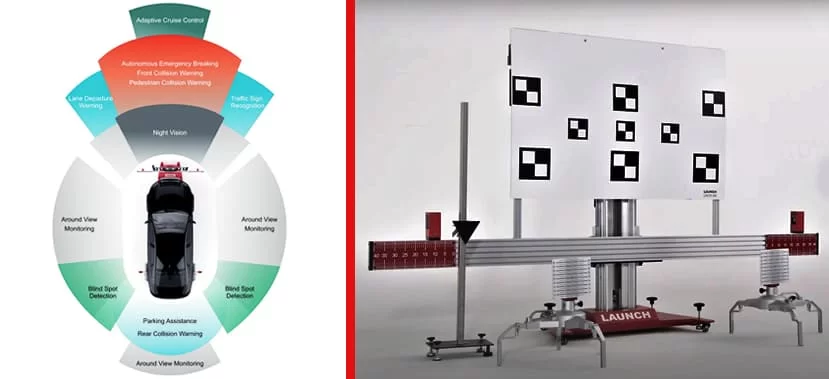
Advanced Driver Assistance Systems (ADAS) rely on accurate sensors, such as cameras, radars, and lidars, to function correctly. After replacement or repair, these sensors must be calibrated to ensure the safety and proper operation of ADAS systems like Automatic Emergency Braking (AEB), Lane Keeping Assist (LKA), or Adaptive Cruise Control (ACC).

Here is a step-by-step guide to calibrate ADAS sensors.


When should ADAS sensors be calibrated?

  1. Windshield replacement: If a camera integrated into the windshield has been removed or replaced.
  2. Sensor removal or replacement: Cameras, radars, or lidars that have been moved or replaced.
  3. Suspension changes or wheel alignment: Any adjustment affecting the vehicle’s alignment.
  4. Collision or impact: Even a minor impact can misalign the sensors.
  5. Software updates: Some systems require recalibration after updates.

Types of ADAS Calibrations

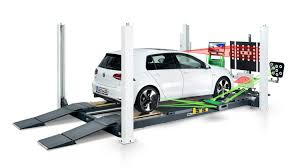
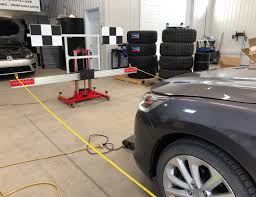
  1. Static calibration: Performed in a workshop with specialized equipment.
    • Requires a controlled space and specific targets (calibration panels).
  2. Dynamic calibration: Performed on the road with the vehicle in motion.
    • Sensors recalibrate automatically using data collected during driving.
  3. Hybrid calibration: A combination of both methods, depending on the vehicle’s system.

Steps to Calibrate ADAS Sensors

1. Vehicle and Environment Preparation
  • Clean the sensors: Ensure cameras, radars, or lidars are not obstructed by dirt or debris.
  • Check tire pressure: Incorrect pressure can affect vehicle alignment.
  • Stabilize the vehicle: Place it on a flat and level surface.
2. Use Calibration Equipment
  • Calibration targets: Arrange the necessary panels or targets according to the manufacturer’s specifications.
  • Specialized tools: Use an OBD-II scanner compatible with ADAS systems to access the calibration module.
3. Follow Manufacturer-Specific Steps
  • Each vehicle has specific calibration requirements.
  • Consult the maintenance manual or manufacturer’s technical documentation for required distances, angles, and parameters.
4. Static Calibration in the Workshop
  • Install targets according to specifications.
  • Connect the diagnostic tool to the vehicle.
  • Let the software guide the necessary adjustments (alignment, camera angle settings, etc.).
5. Dynamic Calibration on the Road
  • Initiate the process via the diagnostic tool.
  • Follow instructions to drive the vehicle at a constant speed on a straight road.
  • The system automatically adjusts the sensors based on collected data.
6. Validate the Calibration
  • Test the ADAS system to verify proper operation (e.g., object detection, lane keeping).
  • Check the diagnostic tool to ensure no error codes remain.

Common Mistakes to Avoid

  1. Not following manufacturer specifications: This can lead to misalignment.
  2. Using non-approved equipment: Universal tools are not always suitable.
  3. Forgetting software updates: ADAS systems often require updates to be compatible with new sensors.

Calibration Cost and Duration

  • Cost varies depending on the sensor type and method used (static or dynamic).
  • Calibration can take from 30 minutes to several hours depending on system complexity.

Conclusion

Calibrating ADAS sensors is an essential step to ensure the accuracy and safety of driver assistance systems. Whether after replacement, repair, or collision, it is crucial to follow manufacturer recommendations and use appropriate tools. If in doubt, it is best to entrust the task to a professional equipped to handle these sophisticated systems.

Essential tools for modern repair workshops

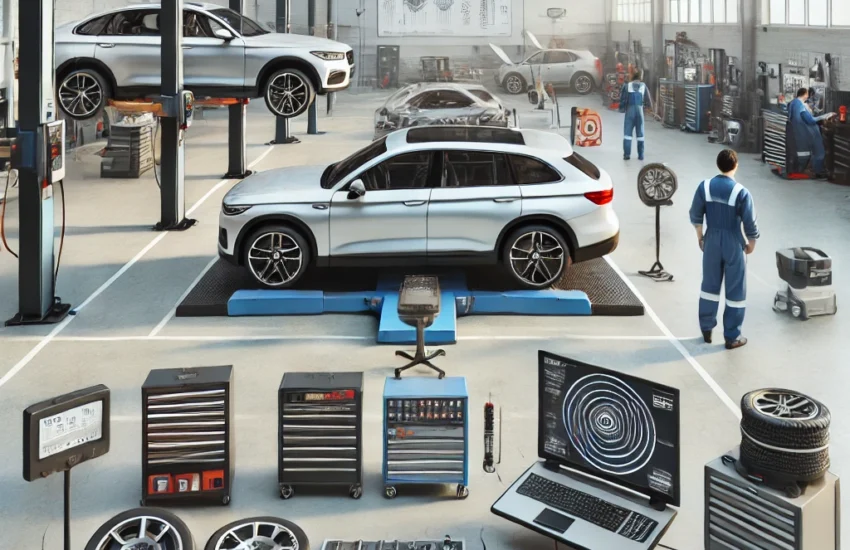
With the evolution of automotive technologies, repair shops must equip themselves with modern tools to meet the needs of the latest generation of vehicles. Here is a list of essential equipment to ensure accurate diagnostics and effective repairs in a modern repair shop.


1. Electronic Diagnostic Tools

On-board electronic systems dominate modern vehicles. These tools allow reading and correcting error codes from the electronic control units (ECUs).

  • OBD2 Scanner: Essential for diagnosing electrical and electronic issues.
  • Automotive Oscilloscope: For analyzing electrical signals from sensors and actuators.
  • Advanced Diagnostic Software: Such as Bosch ESI[tronic], Autel, or Delphi, to access vehicle-specific diagrams and data.

2. Equipment for ADAS Systems

Advanced Driver Assistance Systems (ADAS) require specific tools for calibration.

  • ADAS Calibration Kit: Used to adjust cameras, radars, and sensors after a repair.
  • Calibration Targets: Essential to ensure that camera and radar sensors function correctly.

3. Lifting and Access Tools

A good workshop cannot operate without equipment that allows safe work under the vehicle.

  • Lift (2 or 4 Post): Provides easy access to the underside of the vehicle for major repairs.
  • Hydraulic Jack and Jack Stands: For quick and safe interventions.
  • Creep Creeper: Comfortable for working under cars without a lift.

4. Tools for Tire and Wheel Repair

Tire services are essential in a workshop.

  • Wheel Balancer: Ensures perfect tire balancing to prevent vibrations.
  • Tire Changer: Essential for quickly replacing worn tires.
  • Pressure Gauge and Electronic Inflator: For precisely adjusting tire pressure.

5. Tools for Engine and Transmission System Maintenance

For the heart of the vehicle, these tools are essential:

  • Torque Wrenches: For tightening bolts to the recommended torque.
  • Extractors: For removing stuck parts like injectors or spark plugs.
  • Engine Compression Test Kit: For diagnosing the condition of cylinders.
  • Timing Belt/Chain Setting Tool: Ensures precise installation of timing belts or chains.

6. Tools for Electrical System Diagnostics

Since electrical faults are common, these tools are indispensable:

  • Multimeter: For measuring voltage, resistance, and circuit continuity.
  • Battery Tester: Allows checking the charge and condition of modern batteries (including AGM and EFB batteries).
  • Clamp Meter: For measuring electrical currents without disassembling the circuit.

7. Tools for Air Conditioning Systems

Modern air conditioning systems require specialized maintenance.

  • AC Recharging Station: Recharges and checks air conditioning systems.
  • Leak Detection Kit: With UV lamp and tracer, to locate leaks in the circuit.

8. Equipment for Bodywork

A modern workshop must also meet the needs of aesthetic repairs.

  • Frame Straightener: For repairing damaged frames after an accident.
  • HVLP Paint Guns: For repainting vehicles with precision.
  • Paintless Dent Repair (PDR) Kit: Allows repairing small dents without repainting.

9. Computer and Digital Tools

Modern vehicles require software updates and online diagnostics.

  • Dedicated Computer with Specialized Software: To access manufacturer databases.
  • High-Speed Internet Connection: Essential for software and ECU updates.

10. Safety and Ergonomic Equipment

To work in good conditions, safety and comfort must be priorities.

  • Fume Extractors: Protect mechanics from toxic engine emissions.
  • Powerful LED Lighting: For optimal visibility, even in hard-to-reach areas.
  • Personal Protective Equipment (PPE): Gloves, goggles, and safety shoes are essential.

Conclusion

A modern repair shop must adapt to the technological advancements of vehicles. By investing in these essential tools, you will be able to provide efficient and high-quality service, while meeting the needs of customers with increasingly complex vehicles.

OBD-III 2025: Cybersecurity, V2X and Real-Time Control

Introduction: The Evolution of OBD Systems

Since the 1990s, OBD-II has revolutionized automotive diagnostics by standardizing error codes and communication protocols. By 2025, OBD-III will mark a new era, integrating advanced connectivity, enhanced security, and proactive monitoring. Here’s what will change.


1. Connectivity and Real-Time Data Transmission

End of Manual Technical Inspections

  • Onboard Telemetry: Vehicles will automatically transmit engine data, emissions, and errors to regulators (e.g., EPA, EU) or manufacturers via 5G/6G networks.
  • Concrete Example: No need to go to a garage for an emissions check. A Toyota OBD-III will send a monthly report to authorities.

V2X (Vehicle-to-Everything) Integration

  • Communication with Infrastructure: Traffic lights, charging stations, and other vehicles will receive OBD-III data to optimize traffic (e.g., avoid congestion).
  • Use Case: In case of engine failure, the vehicle will alert following cars to reduce accident risks.

2. Cybersecurity: A Critical Challenge

Risks Associated with Connectivity

  • Data Hacking: Access to location information, driving history, or even remote control (e.g., emergency braking triggered by a hacker).

OBD-III Solutions

  • AES-256 Encryption: Military-grade protocol to secure communications between vehicles and servers.
  • Two-Factor Authentication: Access to OBD-III data only via physical keys (e.g., USB dongle) or biometrics.

3. Standards and Regulations (SAE J1979-3)

New Standardized Protocols

  • SAE J1979-3: Replaces J1979 (OBD-II) with extended error codes (e.g., P1FFF = Cyberattack detected).
  • ISO 21434: Mandatory cybersecurity standard for manufacturers.

Legal Requirements

  • EU and United States: New vehicles must be OBD-III compatible by 2025 for homologation.
  • Penalties: Fines for manufacturers failing to ensure OBD-III system software updates.

4. Predictive Diagnostics and Proactive Maintenance

Embedded Artificial Intelligence

  • Predictive Analysis: Detection of failures before they occur (e.g., premature turbo wear).
  • Example: A P0A7F code (battery overheating) will trigger an alert and automatic power limitation.

Impact on Garages

  • Mandatory Training: Mechanics will need to master cloud tools (e.g., Tesla Toolbox 4.0) to interpret OBD-III reports.
  • Reduced Interventions: 30% fewer garage visits thanks to over-the-air (OTA) updates.

5. Challenges and Controversies

Privacy and Ethics

  • Traceability: Insurers could use OBD-III data to adjust premiums (e.g., sporty driving = higher rates).
  • Automotive GDPR: Manufacturers will need to anonymize data and obtain driver consent.

Costs for Consumers

  • Older Vehicles: Non-OBD-III compatible, they may be banned in city centers (LEZs).
  • New Vehicle Prices: +5% to +10% on average to integrate sensors and secure modules.

6. Case Study: Tesla, Forerunner of OBD-III

  • Over-the-Air Updates: Remote correction of errors (e.g., BMS update to extend battery life).
  • Collected Data: 20 GB/month per vehicle, used to train AI algorithms.
  • Brakes: Tesla Model 3/Y are already partially compliant with OBD-III standards via their centralized architecture.

Conclusion: Towards a 100% Connected Car

By 2025, OBD-III will transform vehicles into secure IoT devices, capable of interacting with their environment and anticipating failures. Challenges remain (costs, ethics), but the ecological and safety gains justify this revolution.

The New Challenges for the Automotive Industry in 2025

The automotive industry is undergoing a major transformation, and 2025 is shaping up to be a pivotal period. Between environmental regulations, technological innovations, and new consumer expectations, manufacturers and industry professionals must adapt quickly. Here are the main challenges the automotive sector will face in 2025.

1. The Electrification of the Vehicle Fleet

Governments worldwide are imposing increasingly strict standards to reduce CO2 emissions. Therefore, vehicle electrification is a priority for manufacturers. However, several obstacles remain:

  • Establishing sufficient charging infrastructure
  • Managing the resources needed for battery manufacturing (lithium, cobalt)
  • The still high cost of electric vehicles for many consumers

2. The Rise of Autonomous Vehicles

Autonomous vehicles are progressing rapidly, but their widespread adoption raises safety and regulatory questions. Manufacturers must address several challenges:

  • Improving artificial intelligence systems to ensure completely safe driving
  • Gaining acceptance from users and insurers
  • Establishing a clear legal framework for liability in case of an accident

3. Digitalization and Connectivity

Modern vehicles are integrating more and more connected technologies. Manufacturers must ensure:

  • Optimal cybersecurity to prevent hacking
  • Seamless integration with users’ digital ecosystems (smartphones, voice assistants…)
  • The protection of drivers’ personal data

4. Sustainable and Circular Production

With environmental pressure, the automotive industry must adopt more sustainable practices:

  • Use of recyclable materials
  • Reduction of the carbon footprint of manufacturing
  • Better management of end-of-life vehicles and batteries

5. New Mobility Habits

Consumers are adopting new ways of getting around:

  • Development of car-sharing and mobility service subscriptions
  • Increased demand for more compact and adaptable vehicles
  • Preference for multimodal solutions combining cars, public transport, and bicycles

Conclusion

The year 2025 marks a decisive turning point for the automotive industry. Between electrification, digitalization, and the evolution of transportation modes, manufacturers must innovate while remaining accessible to consumers. Those who can adapt to these challenges will shape the future of mobility.