Allison Transmission Branding to Remain on GM Heavy-Duty Trucks

Partnership Renewed: GM and Allison Transmission Reach New Agreement

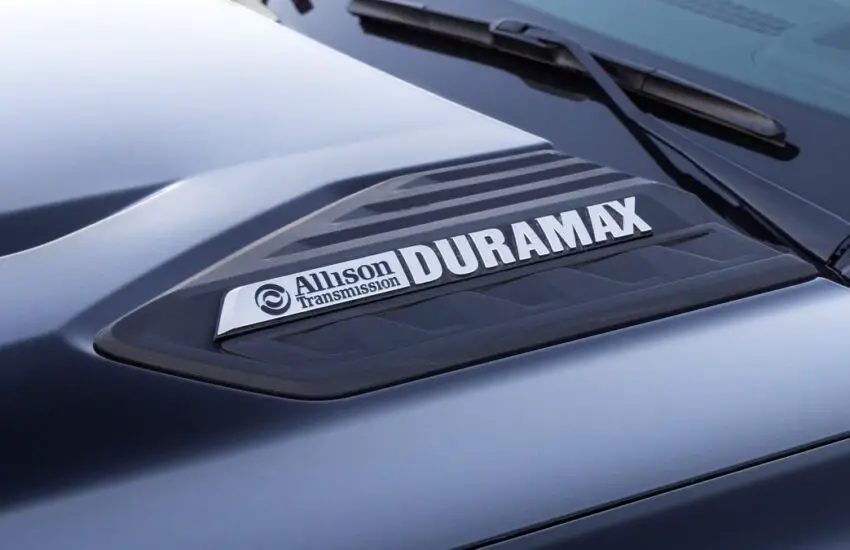
In a significant reversal, General Motors has confirmed that the iconic Allison Transmission branding will continue to appear on its heavy-duty pickup trucks. This announcement follows months of uncertainty after the previous licensing agreement between GM and Allison Transmission was set to expire. The new multi-year deal ensures that the trusted name will remain on the tailgates of future Chevrolet Silverado HD and GMC Sierra HD models.

A Decision Reversed for Brand Strength

Last November, GM indicated it would remove the Allison Transmission badge, planning to market the proven 10-speed automatic transmission solely under its own GM brand. This move surprised many in the automotive industry, as the Allison name carries immense weight with commercial and heavy-duty customers. It is widely associated with durability, performance, and reliability in demanding conditions. The decision to renew the partnership suggests GM recognized the significant marketing value and customer confidence the Allison badge provides in the competitive heavy-duty segment.

What This Means for Truck Buyers

For consumers, this renewed agreement means continuity. The powertrain hardware itself was never in question; the trucks will continue to be equipped with the jointly developed 10-speed automatic transmission that has been a staple of the HD lineup. The core engineering and performance characteristics remain unchanged. The key difference is the preservation of the recognizable branding that signals a proven, capable drivetrain. This clarity is crucial for brand loyalty and resale value, as the Allison name is a sought-after feature in the used truck market.

Securing a Competitive Edge

This last-minute renewal underscores the fiercely competitive nature of the heavy-duty truck market. With rivals like Ford’s Super Duty and Ram’s HD trucks constantly advancing, maintaining every competitive advantage is essential. The Allison Transmission badge is more than just a name; it’s a shorthand for rugged capability that resonates powerfully with the core audience of these vehicles. By securing this partnership, GM ensures its Silverado HD and Sierra HD models retain a key point of differentiation and a symbol of trust as they head into the next model years.
2026 Nissan Leaf Wins Top Electric Car Award

Nissan Leaf Crowned 2026’s Best Electric Vehicle

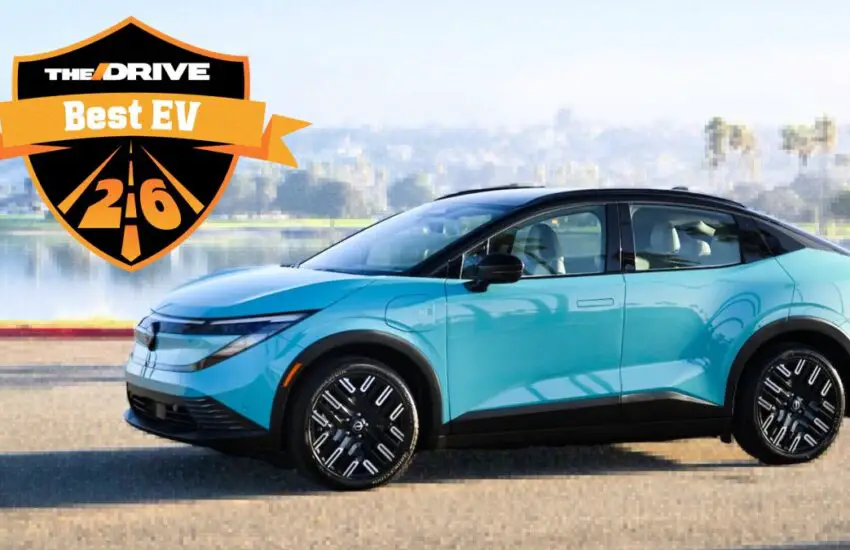
In a decisive victory, the Nissan Leaf has been named the best electric car of 2026 at the prestigious Drive Awards. This accolade comes after a fiercely competitive year in the EV sector, where an influx of new models made the selection process more challenging than ever. The Leaf’s triumph underscores its enduring appeal and significant evolution in a rapidly changing market.

A Crowded Field and a Clear Winner

The 2026 awards saw unprecedented competition, with manufacturers pushing the boundaries of range, technology, and design. Despite this intense rivalry, the Nissan Leaf emerged victorious. Judges highlighted its perfect balance of practicality, proven reliability, and accessible pricing. The Leaf’s latest iteration features substantial upgrades, including a significantly improved battery for longer range and faster charging capabilities, solidifying its position as a complete package for everyday drivers.

What Set the 2026 Leaf Apart?

Key factors in the Leaf’s win were its user-friendly technology and exceptional value proposition. While other finalists offered niche features or luxury branding, the Leaf focused on delivering a seamless and dependable electric driving experience. Its spacious interior, intuitive infotainment system, and smooth driving dynamics were consistently praised. The award confirms that refinement and real-world usability can triumph over sheer horsepower or avant-garde styling in the mainstream EV market.

The victory is a testament to Nissan’s commitment to refining a pioneering model. As the automotive world shifts focus to next-generation batteries and autonomous features, the 2026 Leaf proves that core virtues of efficiency, comfort, and affordability remain paramount for a large segment of car buyers. This award will likely bolster the Leaf’s reputation as a smart and responsible choice in an increasingly diverse electric vehicle landscape.

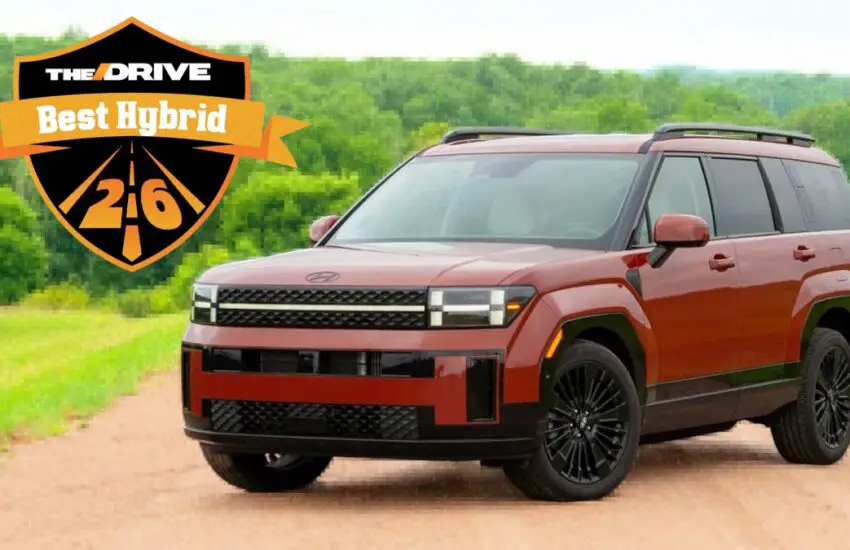
Hyundai Santa Fe Hybrid Wins Top 2026 Award

The 2026 Hybrid SUV Champion

In a market overflowing with electrified options, standing out requires genuine innovation and capability. The Hyundai Santa Fe Hybrid has done exactly that, securing the prestigious title of Best Hybrid of 2026. This award highlights a vehicle that masterfully balances the practical needs of modern families with advanced, efficient hybrid technology.

Redefining the Hybrid SUV Experience

The latest Santa Fe Hybrid isn’t just an electrified version of its predecessor; it represents a holistic rethinking of the SUV formula. Judges praised its ability to deliver a refined, quiet, and surprisingly engaging driving experience without compromising on the spaciousness and utility buyers expect. The hybrid powertrain operates seamlessly, providing smooth electric-assisted acceleration and significantly reduced fuel consumption in city driving and on the highway.

A Design That Commands Attention

Beyond its efficient powertrain, the Santa Fe Hybrid makes a strong visual statement. Its bold, boxy redesign maximizes interior room while projecting a confident, rugged aesthetic. Inside, the focus is on premium materials, intuitive technology, and versatile seating configurations that adapt to any lifestyle. This combination of striking design and thoughtful functionality sets a new benchmark in its class.

The award confirms that the best hybrid vehicles are those that enhance ownership in every dimension. By offering superior efficiency, compelling design, and everyday practicality, the Hyundai Santa Fe Hybrid establishes itself as the complete package and a deserving leader for 2026.

The Grand Tour Shifts Gears with New Hosting Lineup

A New Era for The Grand Tour

The iconic automotive series, The Grand Tour, is preparing for a significant evolution. With the original presenting trio of Jeremy Clarkson, James May, and Richard Hammond having moved on, the show is set to introduce a fresh lineup. This change marks a pivotal moment for the Amazon Prime Video program as it aims to blend its legacy of high-octane adventure with a new perspective for modern audiences.

New Faces Behind the Wheel

Reports indicate the new hosting team will feature two dedicated automotive experts alongside an unexpected co-host who gained fame on the social media platform TikTok for his passion for trains. This strategic selection aims to merge deep automotive knowledge with a fresh, digital-native appeal. The move is seen as an effort to attract a younger demographic while maintaining the show’s core focus on vehicles, travel, and camaraderie.

Evolving the Adventure Format

The fundamental premise of grand adventures and ambitious challenges is expected to continue. However, the dynamic between the new presenters will inevitably create a different on-screen chemistry. The inclusion of a host known for railway expertise introduces a novel element, potentially leading to unique comparisons and challenges between road and rail, a theme not deeply explored in the original series.

Balancing Legacy and Innovation

The greatest challenge for this new chapter will be honoring the spirit that made The Grand Tour a global hit while establishing its own distinct identity. Fans of the classic era will watch closely to see if the show retains its signature blend of humor, stunning cinematography, and genuine automotive passion. This reboot represents a bold attempt to rejuvenate a beloved franchise, proving that the journey itself can evolve even as the destination remains a love for extraordinary machines.

Honda CR-V Radar Theft: A New Automotive Security Threat

Honda CR-V Radar Theft: A New Automotive Security Threat

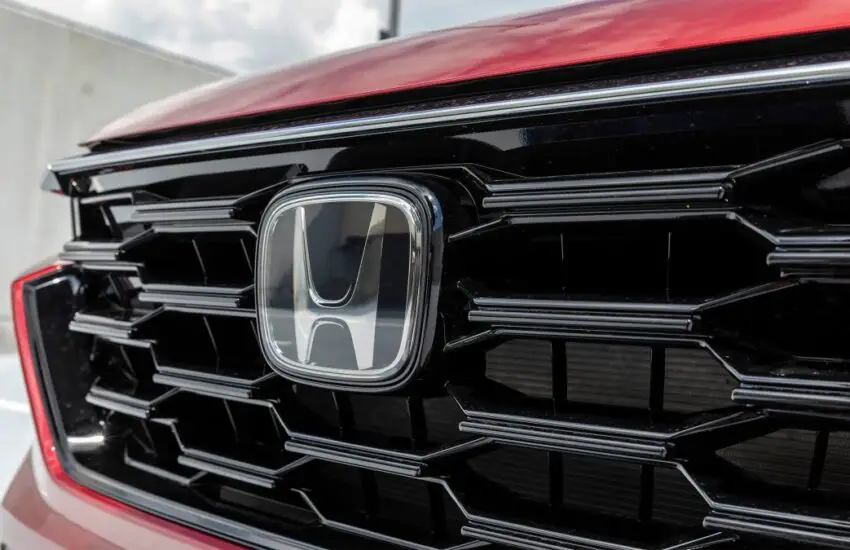
Car part theft is evolving. While catalytic converters and alloy wheels have long been targets, a new and concerning trend is emerging: the theft of Advanced Driver-Assistance Systems (ADAS) radar sensors. These sophisticated components, crucial for safety features like adaptive cruise control and automatic emergency braking, are becoming a prime target for thieves, with the Honda CR-V being a notable model of concern.

Why Are Honda CR-V Radars Being Stolen?

The primary driver is the high value and relative ease of access. The radar sensor for the Honda Sensing suite is typically housed behind the front grille or bumper. This location, designed for optimal functionality, can sometimes make it vulnerable to quick removal by determined thieves. The units are expensive to replace through official channels, creating a lucrative black market for stolen parts, which are then sold to repair shops or individuals looking for a cheaper fix.

The Real Cost Beyond the Part

The financial impact goes far beyond the cost of the radar unit itself. The theft often causes significant damage to the vehicle’s front fascia, grille, and mounting brackets. More critically, it disables the vehicle’s core safety systems. After a radar is stolen, features like collision mitigation braking, road departure mitigation, and adaptive cruise control will be inoperative, requiring professional calibration even after a new unit is installed. This leaves the driver without vital protective technology until a complex and costly repair is completed.

Protecting Your Vehicle

Owners can take proactive steps to deter this specific crime. Parking in well-lit, secure areas or garages is the first line of defense. Consider installing a visible, aftermarket protective shield or cage specifically designed to cover the radar module, making removal much more difficult and time-consuming. Always report any theft immediately to your insurance company and local authorities, as tracking these incidents is key to understanding the scale of the problem.

A Broader Industry Challenge

The targeting of ADAS components like the CR-V’s radar highlights a growing security flaw in modern vehicle design. As cars become more reliant on external sensors for autonomy and safety, manufacturers face the challenge of integrating these essential components in a way that balances functionality with physical security. This trend signals a need for improved anti-tamper designs and greater industry awareness to protect both vehicle integrity and driver safety.

Chinese Automakers Eye North America, Shifting Market Dynamics

A New Wave of Competition Reaches American Shores

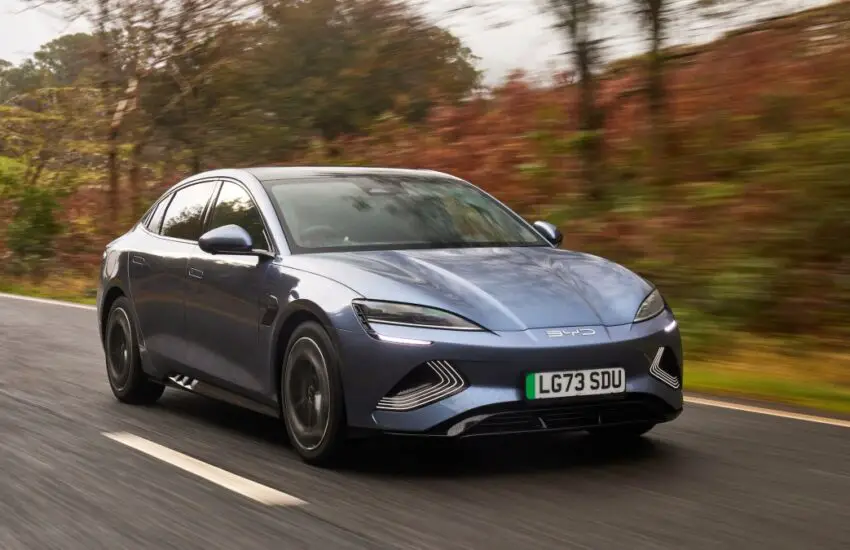
The North American automotive landscape is on the cusp of a significant transformation. The long-anticipated arrival of Chinese car brands is transitioning from speculation to a tangible market force, prompting a strategic reassessment among established automakers and dealerships. This shift is driven by a potent combination of advanced technology, competitive pricing, and evolving consumer attitudes.

Filling the Affordable Vehicle Void

As average new car prices in the United States and Canada have soared, the market segment for affordable vehicles has noticeably contracted. Many traditional automakers have shifted focus towards more profitable trucks, SUVs, and luxury models. This pricing gap has created a prime opportunity for Chinese manufacturers, who are poised to introduce competitively priced electric and hybrid vehicles equipped with high-tech features that often come as standard, appealing directly to cost-conscious consumers.

Beyond Price: A Tech-First Approach

The competitive threat extends beyond mere affordability. Chinese automakers are launching vehicles that emphasize digital connectivity, advanced driver-assistance systems, and innovative battery technology. This “tech-first” approach is designed to attract a new generation of buyers who prioritize in-car experience and sustainability. The perceived value proposition—receiving premium-level technology at a mainstream price point—represents a fundamental challenge to the existing market hierarchy.

Strategic Market Entry and Dealer Alert

Direct sales may not be the immediate path. Chinese brands are initially exploring the market through strategic avenues like establishing a presence in Mexico, which offers a manufacturing and export hub under the USMCA trade agreement. Additionally, some are considering unconventional retail models or partnerships. American dealerships are closely monitoring these developments, aware that new competitors could disrupt traditional sales and service models, especially in the rapidly growing electric vehicle segment.

The coming years will test the adaptability of the North American auto industry. Success for new entrants will hinge on building brand trust, ensuring safety and quality, and developing robust service networks. For consumers, this impending competition promises more choice, innovation, and potentially, greater value across the market.

Retractable Door Handles: Safety Ban Divides Global Auto Markets

A Global Safety Debate Ignited

The automotive world is grappling with a critical safety question centered on a seemingly simple component: the retractable door handle. Following tragic incidents where occupants were trapped in vehicles during emergencies, regulatory responses have diverged sharply, highlighting a significant split in global safety philosophies and legal landscapes.

Contrasting Regulatory Approaches

One major automotive market has enacted a decisive ban on retractable door handles in new vehicles. This proactive regulatory move was driven by documented fatalities where the electronic systems failed during crashes or fires, preventing escape. The ban positions this region at the forefront of preemptive safety regulation, mandating traditional, mechanically operable handles to ensure egress reliability in all conditions.

Legal Challenges Shape Another Market’s Response

In contrast, another leading market has not implemented a widespread ban. Instead, the issue is being navigated through the court system. A growing number of lawsuits allege that certain retractable handle designs constitute a safety defect, with plaintiffs arguing that manufacturers failed to ensure basic mechanical redundancy. This litigious path places the onus on judicial findings and potential settlements to drive design changes, rather than a top-down regulatory mandate.

The Core Safety Conflict

At the heart of the debate is a conflict between modern design aesthetics and fundamental safety engineering. Proponents of the handles cite aerodynamic benefits and sleek styling. Safety advocates, however, argue that no aesthetic or efficiency gain justifies compromising the primary function of a door handle: to open reliably in a life-threatening situation. The controversy forces a re-examination of how much complexity should be introduced into basic safety-critical components.

This divide underscores a broader question in automotive innovation: the balance between high-tech features and passive, fail-safe mechanical systems. As the global industry evolves, the resolution of this door handle debate may set a precedent for how emerging vehicle technologies are regulated for fundamental safety.

Why Toyota Isn’t Rushing a Ford Maverick Competitor

The Compact Truck Market Gap

The automotive landscape has a conspicuous hole where an affordable, compact pickup should be. With the Ford Maverick capturing significant attention and sales, many industry observers have long anticipated a direct response from Toyota, a brand synonymous with truck reliability. However, despite persistent rumors and consumer demand, Toyota appears to be in no hurry to fill this niche. The strategic reasoning behind this patience reveals a calculated focus on profitability and brand strength.

Profitability Over Pressure

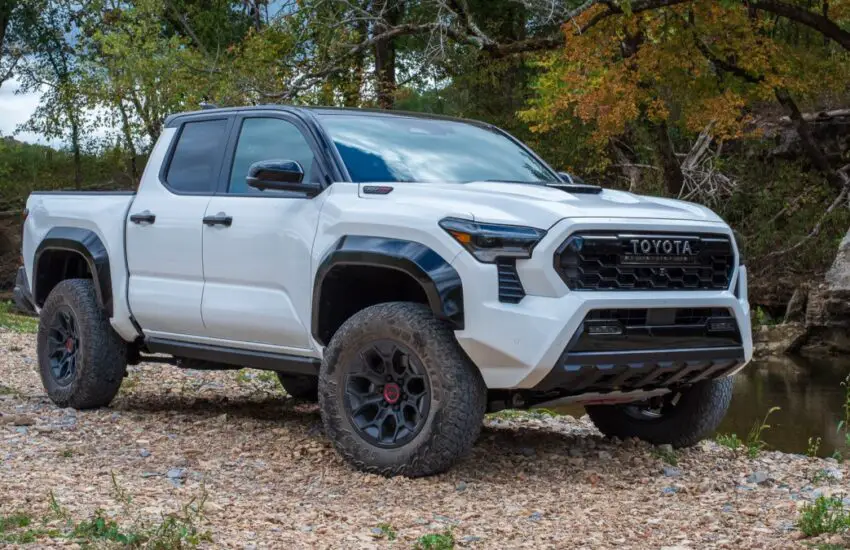
For Toyota, the decision hinges on a simple business principle: existing models are already highly successful. The Tacoma dominates the midsize truck segment, generating substantial revenue and maintaining a fiercely loyal customer base. Introducing a smaller, potentially lower-margin vehicle could risk cannibalizing Tacoma sales without guaranteeing a net gain. The current strategy prioritizes strengthening the proven winner rather than diverting resources to an unproven contender in a nascent market segment.

Evaluating Long-Term Strategy

Toyota’s approach suggests a preference for observing the evolving compact truck market rather than leading the charge. This allows them to gauge long-term consumer interest, assess the competitive landscape thoroughly, and develop a vehicle that meets unmet needs rather than simply replicating a rival’s formula. When Toyota eventually enters the fray, the company likely aims to do so with a product that offers distinct durability, hybrid efficiency, or innovation that aligns with its long-term brand identity, ensuring it is not just another entry but a category-defining one.

The Waiting Game Continues

For now, enthusiasts hoping for a small Toyota pickup must continue to wait. The company’s methodical pace indicates that any future model will be released only when it aligns perfectly with corporate strategy and market conditions. This patience underscores a fundamental difference in philosophy: while some automakers rush to fill every market gap, Toyota focuses on dominating its chosen segments with vehicles that have proven their worth over decades.

Rave Racer: The Lost Arcade Legend Finally Comes Home

Rave Racer Emerges From the Shadows

The world of classic arcade racing is experiencing a remarkable renaissance. In recent years, fans have celebrated the console debuts of titles once thought confined to arcade cabinets, like Daytona USA 2 and the original arcade Ridge Racer. This trend of recovering gaming history continues, as another legendary “holy grail” is finally breaking free from its arcade prison: Rave Racer.

A Direct Sequel to a Genre-Defining Classic

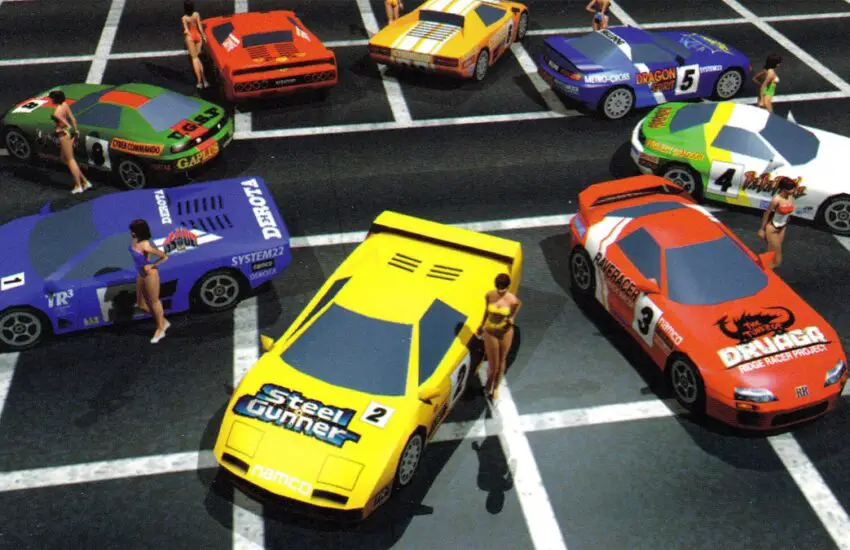
Released by Namco in 1995, Rave Racer is the direct, arcade-only sequel to the groundbreaking Ridge Racer. While its predecessor eventually found a home on consoles, Rave Racer remained elusive. It built upon the established formula with enhanced graphics powered by the powerful Namco System 22 hardware, a pulsating electronic soundtrack, and new, challenging tracks. For decades, experiencing its unique blend of drift-heavy racing and 90s cyber-aesthetics meant seeking out a dwindling number of physical cabinets.

Why This Release is a Major Event

The arrival of Rave Racer on modern platforms like Nintendo Switch, PlayStation 5, and Xbox Series X|S is a significant event for preservationists and racing fans alike. It represents the rescue of a key piece of gaming heritage that was in genuine danger of being lost. This release allows a new generation to experience the arcade-perfect handling, techno beats, and pure, unadulterated speed that defined a specific era in racing games. Its inclusion alongside other classics helps complete the historical picture of Namco’s dominance in the arcade racing scene.

The Ongoing Preservation Revolution

The confirmation of Rave Racer’s release is part of a broader and welcome trend. Companies and publishers are increasingly recognizing the value and demand for accurately emulated versions of arcade-perfect classics. Each successful recovery, like the upcoming lost F-Zero spin-off, builds momentum and hope for other forgotten titles. It proves that no game is truly beyond reach, turning the once-impossible dream of a complete digital arcade into an exciting, attainable reality for players everywhere.

Fuel Economy Rollback: A Win for Automakers, A Cost for Drivers

Automakers Cheer as Fuel Efficiency Rules Are Relaxed

A significant shift in U.S. vehicle efficiency standards is underway. The current administration has moved to substantially weaken future fuel economy targets, a decision met with approval from major industry players. The revised rules replace a previous mandate requiring automakers to achieve an average fleet efficiency of roughly 50 miles per gallon by 2031 with a far less stringent annual increase.

The Financial Impact on Car Owners

While manufacturers gain regulatory breathing room, the long-term financial burden shifts to consumers. Less efficient vehicles consume more fuel, leading to higher costs at the pump over the lifetime of the car. Analysts project that the average driver could spend significantly more on gasoline under the new standards compared to the previous, more ambitious targets. This creates a direct trade-off: reduced compliance costs for automakers today versus increased operational expenses for drivers for years to come.

Broader Environmental and Market Consequences

This policy reversal also has implications beyond the showroom. Slower progress on fuel economy translates into higher greenhouse gas emissions from the transportation sector, a key contributor to climate change. Furthermore, it may alter the competitive landscape, potentially slowing the pace of innovation and investment in advanced fuel-saving technologies and electric vehicles as manufacturers adjust to a less demanding regulatory environment.

The debate highlights a core tension in automotive regulation: balancing industrial competitiveness with consumer savings and environmental objectives. The revised standards represent a clear policy choice, prioritizing near-term manufacturing flexibility over long-term consumer and ecological benefits.