Lexus 2025 Tokyo: Six-Wheel Electric MPV Concept

Lexus Electrifies Tokyo With Visionary Concepts

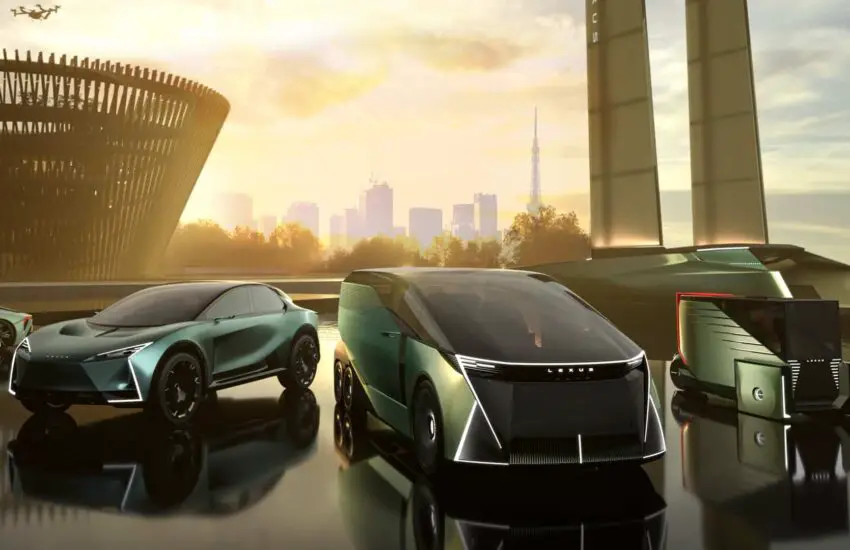
Lexus stunned attendees at the 2025 Tokyo Motor Show with a trio of groundbreaking electric vehicle concepts, signaling a radical new design direction. The Japanese luxury brand’s display focused on redefining space, comfort, and sustainability, with one model in particular challenging conventional automotive architecture.

The Six-Wheel MPV: A New Category

Center stage belonged to an extraordinary six-wheeled multi-purpose vehicle concept. This innovative design features a unique 6×2 wheel configuration, with four front wheels for enhanced stability and two rear wheels for propulsion. The elongated wheelbase creates an unprecedented interior cabin space, offering lounge-like seating arrangements with fully rotating captain’s chairs and modular seating systems.

Advanced Technology Integration

Beyond its striking appearance, the concept incorporates cutting-edge technologies including steer-by-wire systems and individual wheel torque vectoring. The extended front axle allows for tighter turning circles despite the vehicle’s substantial length, while the additional wheels provide superior weight distribution and braking performance. The glass roof integrates transparent solar panels that supplement the vehicle’s power needs for auxiliary systems.

Sustainable Luxury Focus

Lexus emphasized the use of innovative sustainable materials throughout the concept vehicles. The six-wheel MPV features seats upholstered in fabric made from recycled ocean plastics and interior trim crafted from compressed bamboo fibers. The dashboard incorporates a new type of plant-based leather alternative that offers both luxury appeal and environmental responsibility, setting new standards for eco-conscious premium vehicles.

The Tokyo Motor Show presentation positions Lexus as a forward-thinking brand willing to challenge automotive conventions. These concepts demonstrate how electric platforms can enable entirely new vehicle architectures that prioritize both passenger experience and environmental sustainability, potentially influencing production vehicles for the next decade.

Fleet Managers’ Electric Vehicle Cost Challenge

The Hidden Expenses of Electric Fleet Transition

While electric vehicles promise long-term operational savings, fleet managers are discovering unexpected cost barriers during the transition phase. These financial challenges extend beyond initial purchase prices to include several overlooked aspects of electric vehicle ownership that impact total cost of ownership calculations.

Tire Replacement Costs

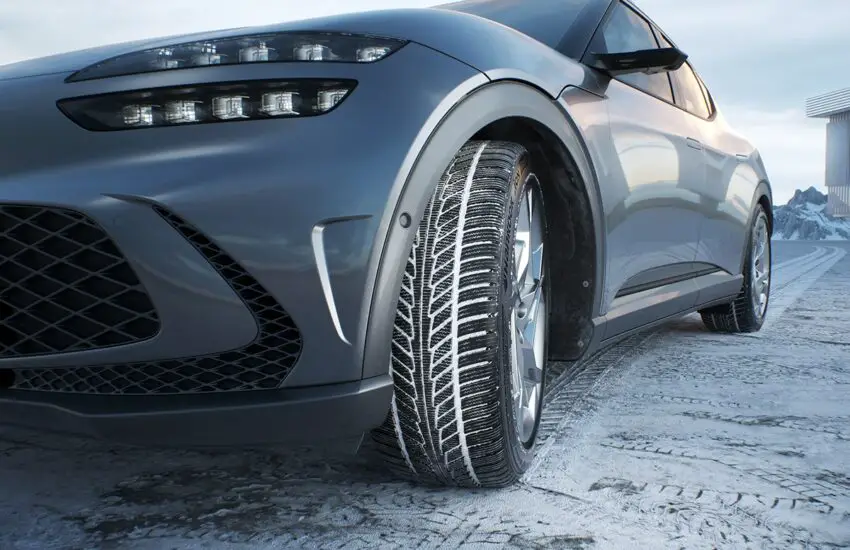
Electric vehicles place unique demands on tires due to their instant torque and heavier battery weight. Fleet operators report tire wear rates 20-30% faster than comparable internal combustion vehicles. The specialized EV tires required to handle the weight and torque come at a premium, creating an ongoing expense many fleet planners didn’t anticipate in their initial budgeting.

Charging Infrastructure Investment

The transition to electric requires substantial upfront investment in charging infrastructure that goes beyond simple charger installation. Fleet operators must account for electrical system upgrades, potential transformer replacements, and ongoing maintenance of charging equipment. These infrastructure costs represent a significant capital outlay that extends the payback period for many fleet electrification projects.

Maintenance Cost Surprises

While EVs generally require less routine maintenance than traditional vehicles, the repairs they do need often come with higher price tags. Specialized training for technicians and proprietary diagnostic equipment drive up labor rates, while battery cooling systems and high-voltage components represent expensive repair items when they fall outside warranty coverage.

Residual Value Uncertainty

Fleet managers face additional financial uncertainty regarding electric vehicle residual values. Rapid technological improvements in battery technology and charging speeds create concerns about today’s EVs becoming obsolete more quickly than traditional vehicles. This uncertainty complicates long-term financial planning and leasing arrangements for corporate fleets.

These persistent cost factors require careful consideration in fleet electrification strategies. Successful transition planning must account for both the promised savings and these very real additional expenses to create sustainable electric fleet operations.

Plug and Charge: Revolutionizing EV Charging

How Plug and Charge Technology Works

Plug and Charge technology is set to transform the electric vehicle charging experience across Europe. This innovative system streamlines the entire charging process by automating transactions from start to finish. When drivers connect their compatible EV to a charging station, the technology automatically identifies the vehicle and initiates charging without any additional steps.

The Seamless Authentication Process

The core of Plug and Charge lies in its sophisticated authentication mechanism. Using ISO 15118 standards, the vehicle and charging station establish secure communication through digital certificates. These certificates verify the vehicle’s identity and manage billing automatically through pre-configured payment methods. This eliminates the need for RFID cards, smartphone apps, or manual payment processing at the station.

Key Benefits for EV Owners

Electric vehicle users gain numerous advantages from this automated charging solution. The technology significantly reduces charging time by removing authentication steps, while enhanced security protocols protect against unauthorized access. Users also benefit from simplified billing processes and consistent charging experiences across different networks.

Implementation and Compatibility

Major automotive manufacturers and charging network operators are increasingly adopting Plug and Charge capabilities. Newer electric vehicle models come equipped with the necessary hardware and software to support this technology. Charging station providers are upgrading their infrastructure to ensure broad compatibility and reliable service.

As the electric vehicle market continues to expand, Plug and Charge represents a crucial step toward making EV ownership more convenient and accessible. This technology addresses one of the most significant barriers to EV adoption by creating a charging experience that rivals the simplicity of refueling conventional vehicles.

Honda 0 α: Compact Electric SUV for 2027 Lineup

Honda Expands Electric Vehicle Family with New Compact SUV

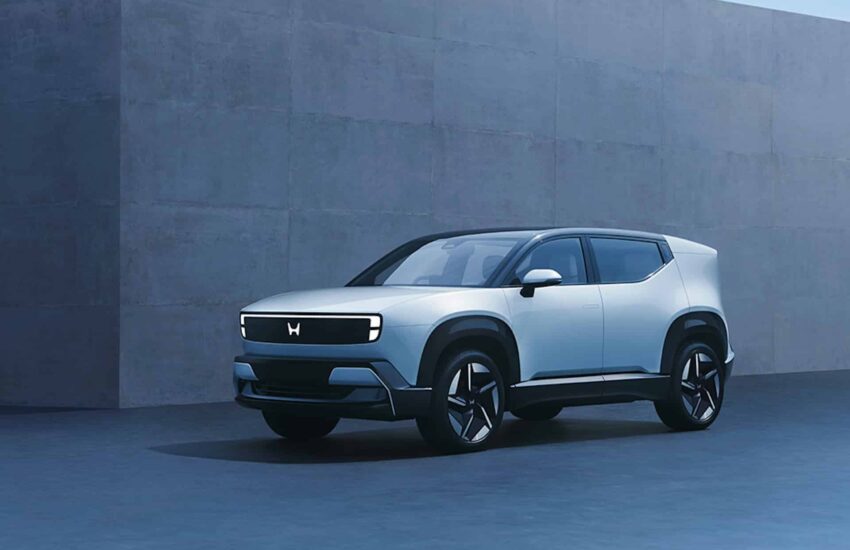
Honda has taken a significant step in its electrification journey by introducing the Honda 0 α, a compact electric SUV set to join its 2027 vehicle lineup. Unveiled at the Tokyo Motor Show, this model marks Honda’s strategic push into the competitive compact SUV segment, offering an accessible entry point into electric mobility while broadening the brand’s zero-emission portfolio.

Design and Market Positioning

The Honda 0 α showcases a sleek, modern design that balances aerodynamic efficiency with urban practicality. Its compact dimensions make it ideal for city driving, while SUV characteristics provide versatility for diverse lifestyles. Positioned as an entry-level model, it aims to attract first-time EV buyers and urban dwellers seeking an eco-friendly vehicle without compromising on space or functionality.

Technological Integration

Built on Honda’s dedicated electric platform, the 0 α incorporates advanced battery technology aimed at delivering competitive range and fast-charging capabilities. The interior features a minimalist dashboard with digital interfaces, emphasizing connectivity and driver-assistance systems. Honda’s focus on sustainability extends to using recycled materials in the cabin, aligning with global environmental standards.

Strategic Importance for Honda’s EV Roadmap

The introduction of the Honda 0 α underscores the manufacturer’s commitment to achieving carbon neutrality by 2050. By filling the compact SUV niche, Honda addresses a growing consumer demand for smaller, efficient electric vehicles. This model complements existing and planned EVs in Honda’s lineup, creating a comprehensive family of zero-emission cars tailored to various market segments and driving needs.

As the 2027 launch approaches, the Honda 0 α is poised to play a pivotal role in making electric mobility more accessible and appealing to a broader audience, reinforcing Honda’s reputation for innovation and reliability in the automotive industry.

Mazda Revives Turbo Rotary Engine Legacy

The Renaissance of Mazda’s Rotary Power

After years of anticipation, Mazda has officially unveiled its first turbocharged rotary engine since the legendary FD RX-7. This announcement marks a significant milestone for automotive enthusiasts who have followed the development of this unique powerplant through various experimental stages. The new engine represents both an homage to Mazda’s heritage and a leap forward in rotary technology.

Evolution Beyond the RX-7 Legacy

While maintaining the characteristic compact dimensions and high-revving nature that made previous rotary engines famous, Mazda’s latest iteration incorporates cutting-edge materials and precision engineering. The turbocharging system has been completely re-engineered to address historical challenges with fuel efficiency and emissions. Advanced thermal management and revised apex seal technology promise improved durability and performance characteristics that surpass the legendary 13B-REW from the FD RX-7.

Technical Innovations and Applications

The new turbo rotary demonstrates Mazda’s commitment to innovation while honoring its engineering legacy. Unlike previous applications focused solely on performance vehicles, this powerplant has been developed with multiple potential applications in mind. The compact nature of rotary engines makes them ideal for hybrid systems where they can function as range extenders, while their smooth power delivery remains attractive for sports car applications.

Mazda’s engineers have overcome traditional rotary limitations through computational fluid dynamics and advanced combustion research. The result is an engine that maintains the emotional appeal of rotary power while meeting contemporary environmental standards. This development signals Mazda’s continued dedication to unique engineering solutions in an era of increasing automotive homogenization.

Mazda’s Vision X-Compact: Urban Mobility Redefined

Mazda Vision X-Compact

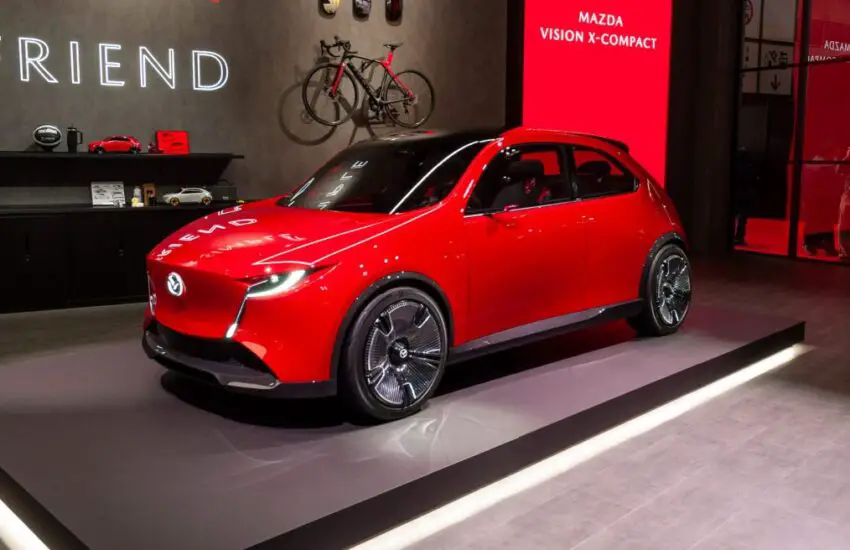
Among the concepts Mazda unveiled this week, the Vision X-Compact stands out as the most likely candidate for mass production. This compact hatchback showcases a bold and assertive design, with Mazda promising that its aesthetic appeal will be matched by substantial innovation, even as a digital concept.

Captivating Design at First Glance

It’s undeniable that this concept is visually striking. To the discerning eye, it evokes a sense of dynamic elegance, blending flowing lines with a muscular stance that hints at both agility and stability. The front fascia features Mazda’s signature Kodo design language, refined for urban environments with sleek LED lighting and a minimalist grille that enhances aerodynamic efficiency.

Intelligent Urban Companion

Mazda envisions the Vision X-Compact as more than just a vehicle; it aims to be an intelligent partner for city living. Advanced connectivity and AI-driven features are expected to personalize the driving experience, adapting to individual preferences and traffic conditions in real-time. This focus on smart technology underscores Mazda’s commitment to creating cars that are intuitive and responsive to modern urban challenges.

Innovative Engineering and Sustainability

Underpinning its stylish exterior is a platform designed for efficiency and performance. Mazda is likely to incorporate next-generation SkyActiv technologies, optimizing fuel economy and reducing emissions without compromising on power. The use of sustainable materials in the interior highlights a forward-thinking approach to eco-friendly manufacturing, aligning with global trends towards greener mobility solutions.

Future Prospects and Market Impact

If produced, the Vision X-Compact could redefine the compact car segment by merging luxury with practicality. Its potential for autonomous driving capabilities and enhanced safety systems positions it as a contender in the competitive urban vehicle market. As cities evolve, this concept represents Mazda’s vision for a harmonious blend of design, technology, and sustainability in everyday transportation.

Tesla Cybercab May Feature Optional Steering Wheel

Surprising Shift in Tesla’s Autonomous Strategy

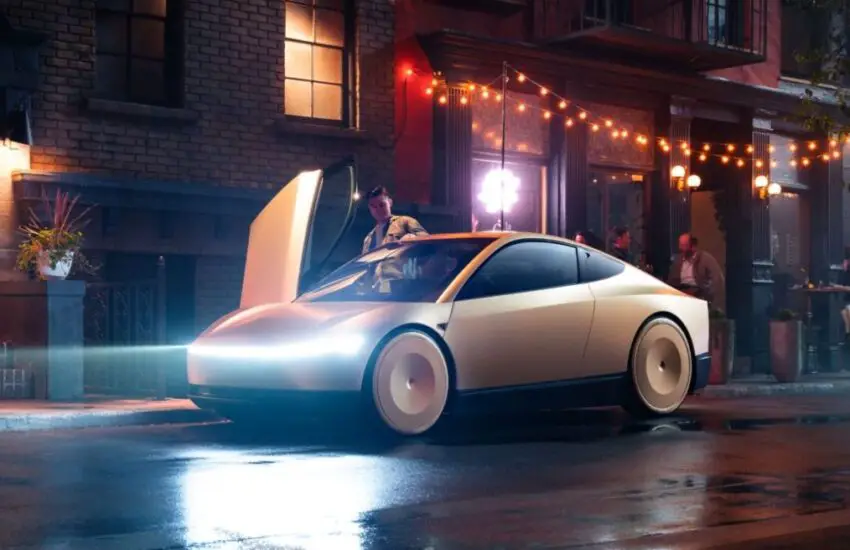
Tesla’s highly anticipated Cybercab might retain traditional driving controls despite previous announcements positioning it as a fully autonomous vehicle. Board Chair Robyn Denholm recently indicated that steering wheels and pedals could be available as optional features, creating intrigue about the company’s direction for its robotaxi platform.

Leadership Divergence on Vehicle Design

The revelation highlights apparent differences between Tesla’s executive leadership regarding implementation of autonomous technology. While Elon Musk previously emphasized the Cybercab would operate without conventional controls, Denholm’s comments suggest a more pragmatic approach that accommodates transitional phases and regulatory requirements.

Strategic Flexibility for Market Adoption

Offering driving controls as optional equipment could serve multiple strategic purposes. This approach might help Tesla navigate varying international regulations governing autonomous vehicles while allowing for human intervention during the technology’s refinement period. The flexibility could also address potential customer apprehension about fully driverless transportation.

Implications for Tesla’s Autonomous Timeline

This development raises questions about Tesla’s confidence in achieving complete autonomous capability by the Cybercab’s launch. The optional controls suggest the company might be preparing for scenarios where full self-driving technology requires additional development time or where markets demand fallback mechanisms for safety compliance.

Industry Impact and Competitive Positioning

Tesla’s potential compromise on vehicle design reflects broader industry challenges in deploying autonomous vehicles. While maintaining its leadership position in electric vehicles, this flexible approach could help Tesla avoid pitfalls experienced by competitors who committed to fully driverless designs before regulatory and technological frameworks were fully established.

Subaru STI’s Electric Evolution

The Dawn of Electric Performance

Subaru’s iconic STI badge, long associated with rally-bred combustion engines, is poised for an electrifying transformation. Rather than fading into history, the performance division is reimagining its legacy through zero-emission technology. This strategic shift represents both a tribute to its heritage and a bold step into the future of automotive engineering.

Performance-E STI Concept Reveal

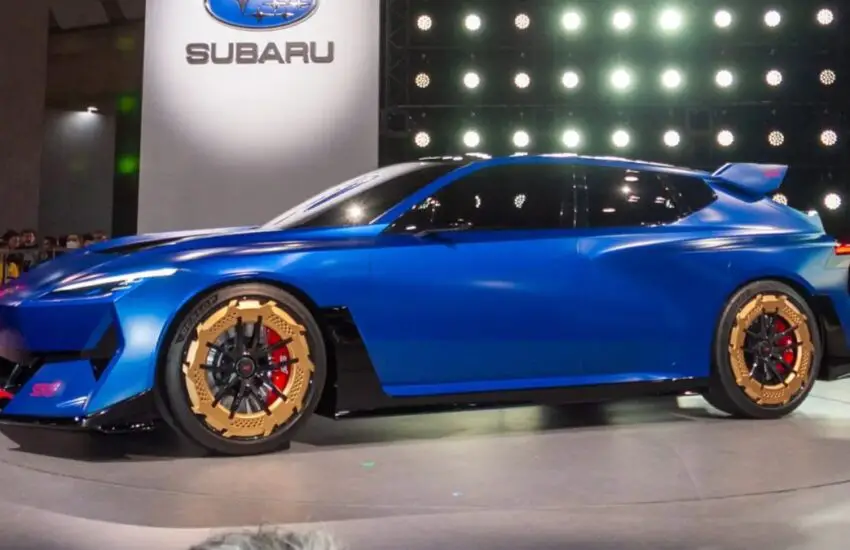
At the recent Japan Mobility Show 2025, Subaru unveiled the stunning Performance-E STI concept, signaling a clear direction for the brand’s high-performance future. The vehicle’s aggressive aerodynamics and signature World Rally Blue finish immediately signaled its pedigree, while the absence of tailpipes hinted at its revolutionary powertrain. This concept demonstrates how Subaru plans to translate its symmetrical all-wheel drive expertise into the electric era.

Engineering the Electric Rally Spirit

The transition to electric power enables STI engineers to explore new dimensions of performance. Instant torque delivery combined with sophisticated torque vectoring systems could create handling characteristics surpassing even the most celebrated STI models of the past. The lower center of gravity inherent in EV architecture promises exceptional cornering stability, while regenerative braking systems may offer unprecedented control in demanding driving conditions.

Balancing Tradition and Innovation

Subaru faces the challenge of maintaining the visceral driving experience that defined STI models while embracing electric propulsion. The characteristic boxer engine rumble may be absent, but engineers are developing acoustic signatures and driver engagement features that preserve the emotional connection between car and enthusiast. This careful balance between heritage and innovation will determine whether the electric STI can capture the hearts of traditional fans while attracting new audiences.

The Future of Motorsport Heritage

As automotive manufacturers worldwide accelerate their electric transitions, Subaru’s approach to preserving its performance identity through electrification could set new industry standards. The electric STI represents more than just another EV—it symbolizes how legendary performance marques can evolve without abandoning their core values. This evolution promises to write an exciting new chapter in the story of Japanese performance vehicles.

Mopar’s Sixpack Charger Redefines Inline-Six Performance

Mopar’s SEMA Showstopper

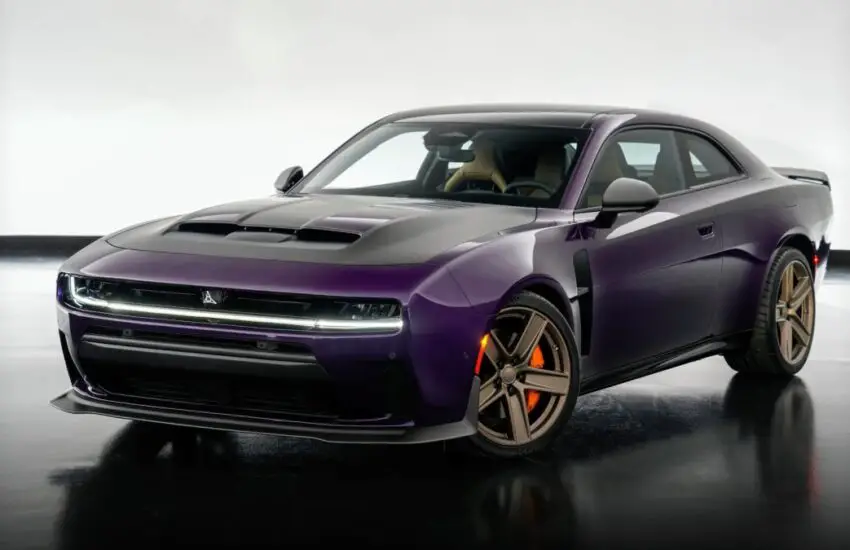
As the future of V8 engines faces uncertainty, Mopar has captured the spotlight at this year’s SEMA show with the groundbreaking Dodge Charger Sixpack concept. Dressed in striking Stryker Purple and officially designated as the “Moparized Dodge Sixpack Charger Concept,” this build demonstrates how enthusiasts can unlock unprecedented power, performance, and acoustic character from modern inline-six powered sedans.

Design and Performance Innovations

The concept showcases an aggressive aerodynamic package with widened fenders housing custom alloy wheels wrapped in high-performance tires. Mopar’s engineers have completely reimagined the Charger’s exhaust system, creating a distinctive roar that challenges conventional expectations of six-cylinder acoustics. The suspension has been lowered and upgraded with track-tuned components, while massive brake calipers peer through the wheel spokes, hinting at the vehicle’s serious performance credentials.

Powertrain Enhancements

Beneath the hood lies a comprehensively modified version of Dodge’s standard inline-six engine. Mopar has installed a custom turbocharger configuration, high-flow intercooler, and revised engine management software to extract significantly more horsepower and torque than the factory specification. The transmission has been fortified to handle the increased output, while a limited-slip differential ensures optimal power delivery to the pavement.

Interior Transformation

Inside, the Sixpack concept features custom racing seats with four-point harnesses, a suede-wrapped steering wheel, and aluminum pedal covers. The rear seating area has been removed to reduce weight, replaced by a custom roll cage that enhances structural rigidity. Carbon fiber accents appear throughout the cabin, complementing the purple exterior with subtle visual connections.

Future of Performance Sedans

This concept vehicle represents a bold statement about the potential of six-cylinder platforms in an evolving automotive landscape. By demonstrating that thrilling performance doesn’t necessarily require eight cylinders, Mopar has positioned the Charger Sixpack as a benchmark for what’s possible with modern forced-induction technology and thoughtful aftermarket development.

Ram’s Dashboard Cowboy Hat Holder Innovation

Ram’s Ingenious Cowboy Hat Solution

Ram has unveiled a clever innovation for truck enthusiasts with a new integrated cowboy hat holder built directly into the dashboard. This inventive feature, designed by the Mopar team, offers a secure and convenient spot for storing headwear while driving. It reflects a thoughtful approach to addressing everyday needs without compromising on vehicle aesthetics or functionality.

Blending Heritage with Modern Design

The concept draws inspiration from classic Americana, paying homage to rugged traditions while embracing contemporary automotive trends. By incorporating this holder into the dashboard, Ram ensures that the accessory remains easily accessible yet out of the way, maintaining a clean and uncluttered cabin environment. This design choice highlights how functionality can seamlessly merge with style in modern vehicles.

Practicality Meets Personalization

Beyond its novelty, the integrated hat holder serves a practical purpose for those who rely on their trucks for both work and leisure. It prevents hats from being crushed or displaced during transit, preserving their shape and condition. This feature also underscores Ram’s commitment to catering to diverse lifestyles, allowing owners to personalize their space with items that reflect their identity.

Enhancing the Driving Experience

Innovations like this demonstrate how automakers are focusing on user-centric details to improve daily driving experiences. By anticipating the needs of their customers, Ram continues to set benchmarks in the pickup truck segment, where utility and customization are highly valued. Such thoughtful additions can make a significant difference in how drivers interact with their vehicles on a regular basis.