BMW P14A0 Code: Comprehensive Guide to the Fuel Pump Control Module

Understanding the BMW P14A0 Diagnostic Trouble Code

The OBD2 trouble code P14A0 is a manufacturer-specific code for BMW, Mini, and Rolls-Royce vehicles. In technical terms, it is defined as “Fuel Pump Control Module – Plausibility”. This code directly implicates the vehicle’s Fuel Pump Control Module (FPCM), which BMW often refers to as the EKPS (Elektronische Kraftstoffpumpen Steuerung). Unlike older systems where the fuel pump ran at a constant speed, modern BMWs use this sophisticated electronic module to precisely control the fuel pump’s voltage and speed. The module receives commands from the Engine Control Unit (DME) based on engine load and demand, ensuring optimal fuel pressure and delivery. The “Plausibility” part of the code indicates that the DME has detected an implausible signal, performance, or communication from this control module, triggering the check engine light.

Primary Function of the Fuel Pump Control Module (EKPS)

The EKPS is a critical component in the direct fuel injection systems found in most modern BMW engines (e.g., N20, N55, B58, B48). Its primary functions include:

  • Variable Speed Control: Modulates the fuel pump’s operating speed to match real-time engine demand, improving efficiency and reducing noise.
  • Fuel Pressure Management: Works in conjunction with the high-pressure fuel pump and sensors to maintain the required low-pressure fuel supply to the engine.
  • Safety & Diagnostics: Monitors the fuel pump circuit for electrical faults (short to ground, open circuit, overload) and communicates this data to the DME.
  • Fuel Pump Pre-activation: Priming the fuel system when the driver’s door is opened or the key is inserted, ensuring immediate start-up readiness.

Symptoms and Immediate Effects of P14A0

When the P14A0 code is stored, the vehicle’s computer will typically implement a fail-safe or limp mode to protect the engine. The symptoms can range from subtle to severe, depending on the nature of the fault.

Common Operational Symptoms

Drivers may experience one or more of the following issues:

  • Illuminated Check Engine Light (CEL): The most immediate and consistent indicator.
  • Long Crank or Hard Starting: The engine may take several seconds to start, or require multiple attempts.
  • Engine Stalling or Rough Idle: The engine may stall at idle, stoplights, or during low-speed maneuvers due to inconsistent fuel delivery.
  • Lack of Power & Reduced Performance: A noticeable loss of power, hesitation, or inability to accelerate under load as the fuel pump may not be delivering sufficient volume.
  • Failure to Start (No-Start Condition): In severe cases, the fuel pump may be completely disabled, preventing the engine from starting altogether.

Secondary System Indicators

In addition to the primary symptoms, you may encounter:

  • Other related fuel system codes (e.g., P0087 – Fuel Rail/System Pressure Too Low).
  • The vehicle may enter a reduced power mode to prevent potential damage.
  • Unusual whining or humming noises from the fuel tank area, indicating a pump struggling or running at an abnormal speed.

Diagnosing the Root Cause of P14A0

Accurate diagnosis is crucial, as the code points to a control module plausibility fault, not necessarily a failed module itself. A systematic approach is required to avoid unnecessary part replacement.

Step 1: Advanced Code Scanning and Data Monitoring

Using a professional-grade BMW-specific scan tool (like ISTA, Autel, or Snap-on) is highly recommended. Beyond reading the code, perform these actions:

  • Check for additional codes in the DME and EKPS modules.
  • Monitor live data parameters: Fuel pump duty cycle (target vs. actual), fuel low-pressure sensor readings (spec typically 72-78 psi/5-5.4 bar under load), and battery voltage.
  • Command the fuel pump to run at different duty cycles and listen for activation.

Step 2: Electrical Circuit Inspection

The majority of P14A0 faults stem from electrical issues. Focus your inspection here:

  • Power & Ground Supply: Verify the EKPS module has clean, stable power (B+) and a solid ground connection. Corroded connectors or broken wires at the module (often located under the rear seat or in the trunk) are common.
  • Fuse Inspection: Locate and check the fuel pump fuse(s) in the glove compartment and trunk/ rear electronic module fuse panels. Refer to the vehicle’s wiring diagram.
  • Wiring Harness: Inspect the wiring from the EKPS to the fuel pump and from the DME to the EKPS for chafing, damage, or corrosion, especially where it passes through the body into the fuel tank area.

Step 3: Component Testing and Verification

If the circuits are good, test the individual components:

  • Fuel Pump Test: Apply direct power (with proper safety precautions) to the fuel pump connector to see if it runs. This bypasses the EKPS and tests the pump motor itself.
  • Voltage Drop Test: Perform a voltage drop test on the power and ground circuits to the fuel pump under load to identify high resistance.
  • Module Communication: Use your scanner to check for CAN bus communication errors with the EKPS module.

Repair Procedures and Technical Solutions

Once the root cause is identified, proceed with the appropriate repair. Always disconnect the battery before performing electrical work.

Repair 1: Addressing Electrical Faults

This is the most common fix:

  • Clean Connectors: Use electrical contact cleaner on the EKPS and fuel pump connectors. Apply dielectric grease to prevent future corrosion.
  • Repair Wiring: Solder and properly insulate any damaged wires. Do not use crimp connectors for critical power circuits if possible.
  • Replace Blown Fuses: If a fuse is blown, replace it but investigate *why* it blew (short circuit, pump seizure) before restoring power.

Repair 2: Replacing the Fuel Pump or EKPS Module

If component testing confirms a failure:

  • Fuel Pump Replacement: If the pump motor is seized or draws excessive current, replace the in-tank fuel pump assembly. Use OEM or high-quality aftermarket parts.
  • EKPS Module Replacement: If the control module has failed (no output voltage despite good input), it must be replaced. Important: On many newer BMWs, the EKPS module is coded to the vehicle. A new module will require programming/coding using BMW software (ISTA) to function correctly. A used module from a donor car may also require coding.

Post-Repair Protocol and Coding

After completing the repair:

  • Clear all fault codes from the DME and EKPS modules.
  • Perform a test drive to monitor fuel pressure parameters and ensure the code does not return.
  • If a new EKPS was installed, verify proper coding and perform any necessary adaptations or learning procedures with a professional scanner.

The P14A0 code is a sophisticated fault that demands a methodical diagnostic approach. Starting with the simplest electrical checks—fuses, grounds, and connectors—will resolve a significant number of cases before moving on to component replacement. Understanding the role of the Fuel Pump Control Module (EKPS) is key to an efficient and successful repair on your BMW.
Buying a Used Dacia Spring: A Complete Buyer’s Guide

Your Guide to the Used Dacia Spring

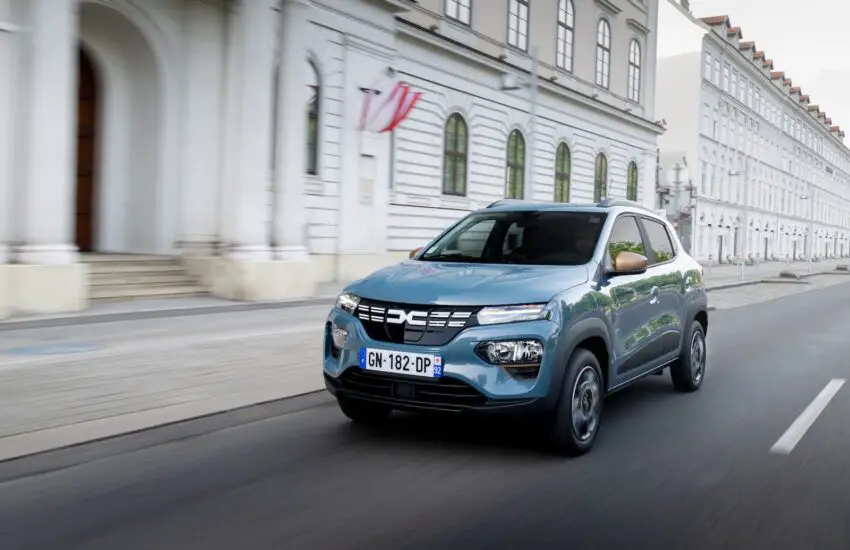
The Dacia Spring has become a common sight on the used car market. As Europe’s most affordable new electric vehicle, its second-hand versions offer an even more accessible entry into EV ownership. This guide covers the key points to consider when evaluating a used Spring, helping you make a smart purchase.

Market Price and Model Variations

Prices for a used Dacia Spring vary significantly based on age, mileage, and trim. Early models (launched in 2021) are now available at a substantial discount compared to their original price. It’s crucial to distinguish between the standard 45-horsepower version and the more powerful 65-horsepower model introduced later, which offers slightly better performance. Higher trim levels, like the “Extreme,” include features such as a rearview camera and a more advanced media system.

Evaluating Battery Health and Range

Battery condition is the most critical factor for any used EV. The Dacia Spring’s official WLTP range is approximately 230 kilometers for newer models, but real-world range, especially in colder weather or with frequent highway use, will be lower. When inspecting a vehicle, check if the charging cable is included and try to ascertain the battery’s State of Health (SoH) if possible. A consistent charging history and avoidance of frequent rapid charging are positive indicators for long-term battery longevity.

Key Inspection Points Before Purchase

Beyond the electric powertrain, conduct a standard used car inspection. Examine the interior for wear on seats and controls, as some materials are basic. Check all electronics, including the infotainment screen and charging port door mechanism. Verify the service history to ensure any required software updates have been performed. Given its city car nature, also inspect the bodywork and wheels for scratches or curb damage from urban driving.

Weighing the Pros and Cons

The used Dacia Spring’s primary advantage is unbeatable value for entering the electric market. Running costs remain very low. Its main limitations are its limited range, modest power suited primarily for city and suburban use, and simple interior finish. It is an ideal second car or urban runabout, but not a vehicle for long-distance commuters.

Geely Eyes Ford Plants for European EV Production

A Strategic Shift in European Auto Manufacturing

The European automotive industry is on the cusp of a significant realignment. Reports indicate that Geely, the Chinese automotive giant, is in advanced discussions to utilize Ford’s manufacturing facilities in Europe. This potential partnership would enable Geely to produce its electric vehicles locally, marking a strategic entry into a key market.

Accelerating Market Entry Through Partnership

For Geely, leveraging existing Ford plants offers a fast-track solution to establish a production foothold in Europe. Building new factories is a capital-intensive and time-consuming process. By potentially using underutilized capacity, Geely could significantly shorten its time-to-market for European consumers. This model provides immediate access to skilled labor, established supply chains, and deep manufacturing expertise, bypassing years of complex development.

Benefits for Ford’s European Operations

For Ford, such a collaboration could bring vital financial and operational benefits. With the industry’s rapid pivot to electrification, many traditional factories face uncertain futures. Partnering with Geely could provide a revenue stream by monetizing excess production capacity. This arrangement could help sustain industrial sites and jobs, providing stability during a period of costly transition. It represents a pragmatic approach to asset utilization in a changing market.

Implications for the European EV Landscape

This potential deal underscores the evolving dynamics of global auto manufacturing. A successful Geely-Ford partnership would intensify competition in the European electric vehicle sector. European manufacturers would face increased pressure from a well-funded competitor with local production advantages, potentially leading to faster innovation and more competitive pricing for consumers. The alliance highlights how traditional industry boundaries are blurring in the pursuit of scale and efficiency in the electric era.

German Corporate Fleets Poised for Sustained Growth

German Corporate Fleets: A Trajectory of Expansion

New data reveals a robust and optimistic outlook for Germany’s corporate vehicle fleets. Contrary to any speculation of a downturn, fleet managers are charting a course for stability and significant growth in the coming years. This positive sentiment underscores the enduring importance of company vehicles in the German business landscape and points toward a period of sustained investment and modernization.

Confidence Driving Expansion Plans

A recent analysis indicates that a strong majority of managers overseeing fleets of more than 100 vehicles plan to either maintain or increase the size of their portfolios. This forward-looking confidence is a key indicator of economic health within the B2B automotive sector. The decision to expand a corporate fleet is often tied to business growth, employee needs, and strategic mobility planning, suggesting that German companies are positioning themselves for continued operational success.

The Electric Imperative in Fleet Strategy

Growth is not solely about numbers; it is increasingly defined by a fundamental technological shift. The expansion of German corporate fleets is intrinsically linked to the accelerated adoption of electric vehicles (EVs). Stringent environmental regulations, corporate sustainability targets, and favorable taxation models are powerful drivers compelling fleet managers to integrate more EVs into their new orders. This transition is reshaping procurement strategies and fueling demand for new infrastructure and services tailored to electric mobility.

Navigating a Transforming Mobility Ecosystem

The anticipated growth occurs within a rapidly evolving mobility environment. Fleet managers are now tasked with balancing traditional vehicle procurement with emerging alternatives like subscription models and long-term rental solutions. This holistic approach to corporate mobility allows for greater flexibility and cost-efficiency. The ability to navigate this complex ecosystem—integrating zero-emission vehicles, new financing models, and smart management software—is becoming a core competency for modern fleet operations in Germany.

The overall picture is one of dynamic progression. German corporate fleets are not static assets but are evolving into sophisticated, strategic tools for business. The combination of planned physical growth and a decisive shift toward electrification and innovative mobility solutions marks a new chapter for the industry, with fleet managers at the helm of this significant transformation.

Next-Gen BMW i3 Electric Sedan Enters Final Testing Phase

The Electric Evolution of an Icon

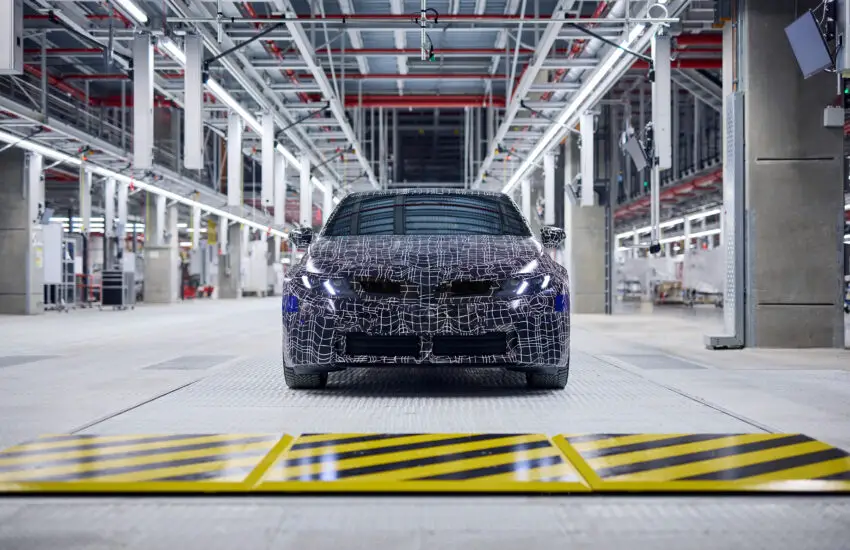
The next chapter in BMW’s electric vehicle strategy is taking shape on the streets of Munich. The all-new BMW i3, a fully electric sedan based on the iconic 3 Series platform, has officially entered its final phase of development. The first pre-production prototypes have now rolled off the assembly lines at the brand’s historic Munich plant, signaling the start of intensive real-world testing ahead of its global debut.

Blending Heritage with Innovation

This new generation model is designed to seamlessly merge the sporty driving dynamics and premium aesthetics synonymous with the Bavarian marque with the requirements of zero-emission mobility. While heavily camouflaged, the prototypes clearly reveal the classic proportions and silhouette of a 3 Series, suggesting BMW’s intent to offer a familiar yet futuristic package. The development focus is on delivering a driving experience that meets the high expectations of the brand’s enthusiasts.

Final Steps Before Production

The emergence of these near-final prototypes is a critical milestone. Engineers will now subject the vehicles to rigorous tests covering performance, battery efficiency, charging capabilities, and overall reliability in various climates and conditions. This phase is crucial for refining software, calibrating the electric drivetrain, and ensuring the vehicle meets all quality standards. The move to pre-production units indicates that the fundamental design and engineering are locked in, with the focus now on perfecting the details.

This new BMW i3 is poised to be a significant contender in the premium electric sedan segment. By leveraging the strong foundation of the 3 Series, BMW aims to offer a compelling alternative that prioritizes driving pleasure without compromise. The automotive world will be watching closely as these final prototypes undergo their last rounds of evaluation before the official unveiling.

Renault’s French Assembly Plan for Chinese EV Components

A Strategic Shift in Electric Motor Production

The French automotive giant Renault is reportedly exploring a significant industrial maneuver: assembling an electric motor in France using key components sourced from China. This potential move represents a calculated pivot in the company’s supply chain and manufacturing strategy, aimed at accelerating its electrification goals while maintaining a foothold in European production.

Balancing Cost and Sovereignty

This strategy highlights the complex balancing act facing European automakers. Sourcing competitively priced, high-quality components from China can drastically reduce production costs for electric vehicles (EVs), making them more affordable for consumers. However, it also raises questions about industrial sovereignty and dependence on foreign technology. By planning final assembly in France, Renault seeks to merge economic efficiency with the retention of skilled jobs and some control over the final manufacturing process.

Close-up view of an electric motor assembly line in an automotive factory

Implications for the European EV Market

The initiative could set a precedent for the industry. If successful, it may offer a blueprint for other European manufacturers looking to streamline their EV transition without fully offshoring production. The core challenge lies in navigating geopolitical tensions and potential trade regulations, all while ensuring the final product meets stringent European quality and safety standards. This model tests whether deep supply chain integration with China is compatible with “Made in Europe” ambitions.

Ultimately, Renault’s consideration is a pragmatic response to global market realities. It underscores a shift from purely geographical production to a more integrated, networked model of manufacturing. The outcome of this study will be closely watched as a indicator of how traditional automakers are adapting their playbooks for the electric era.

CATL’s “Immortal” EV Battery Redefines Fast-Charging Limits

A Quantum Leap in Battery Longevity

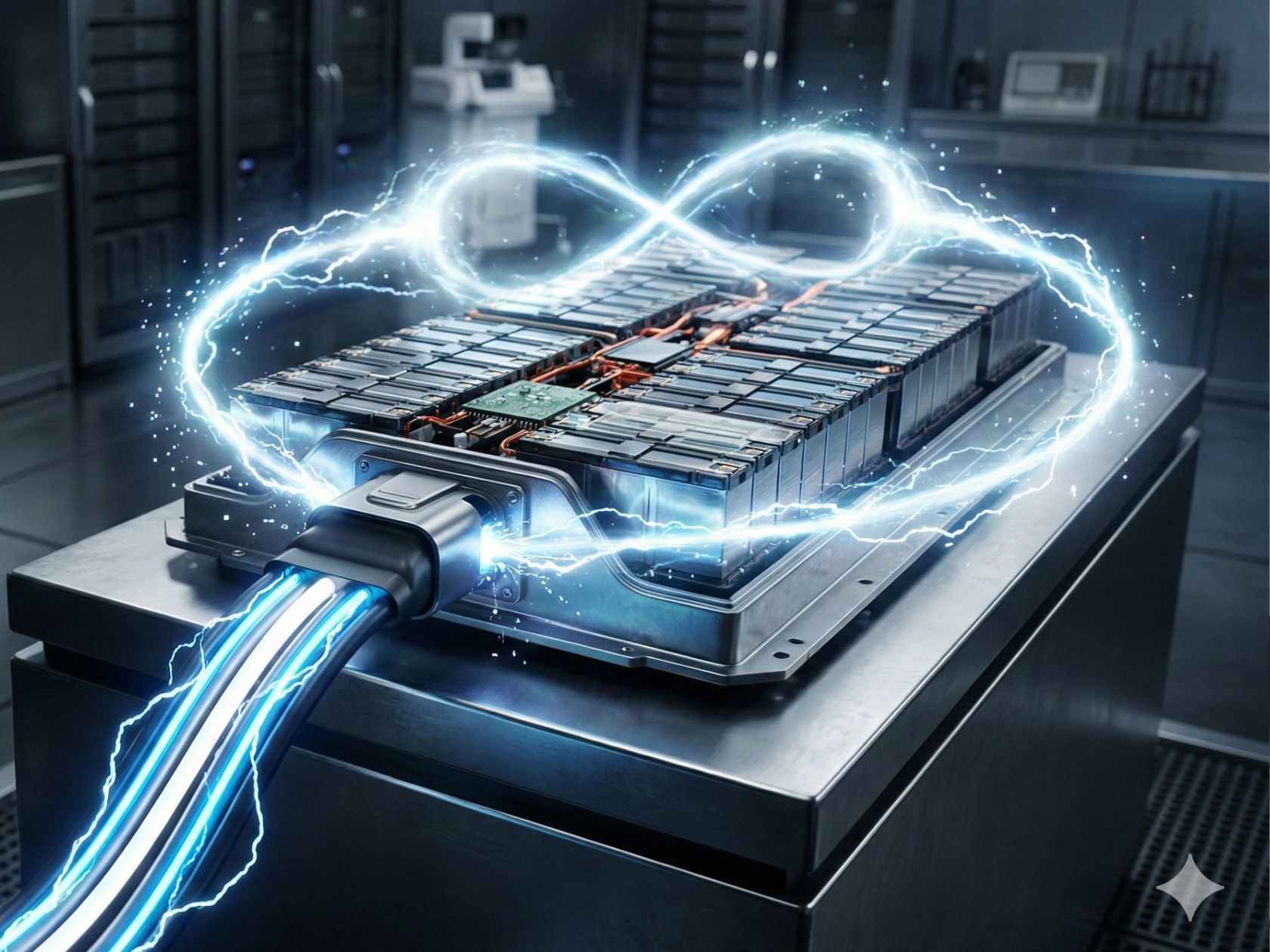
CATL quasi-immortal battery technology

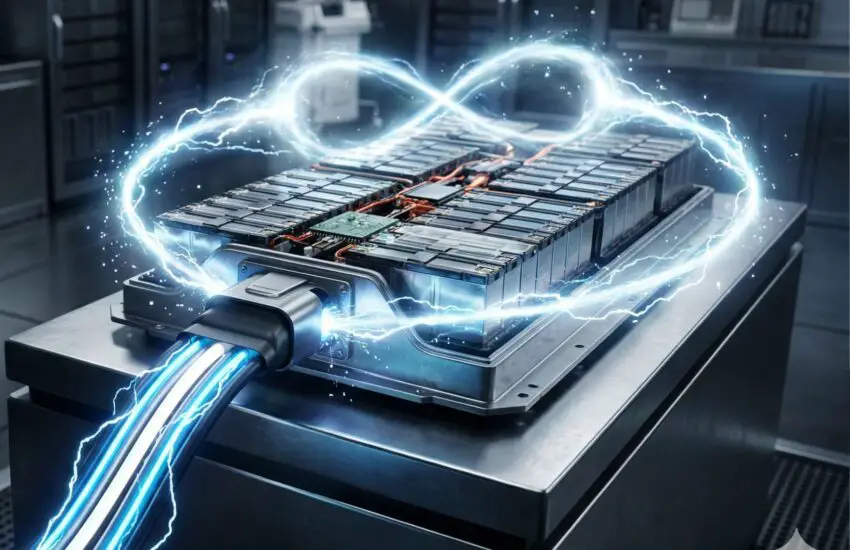
Contemporary Amperex Technology Co. Limited (CATL), a global leader in battery innovation, has announced a breakthrough that could fundamentally alter electric vehicle ownership. The company has unveiled a new “quasi-immortal” 5C battery, engineered to endure thousands of ultra-fast charging cycles with minimal degradation. This development directly tackles one of the most significant concerns for potential EV adopters: long-term battery health and the fear of costly replacements.

Engineering the Unthinkable: Charging Without Degradation

The core promise of this new technology lies in its resilience. Traditional lithium-ion batteries experience stress and capacity loss during rapid charging, especially at high power levels like 5C, which theoretically allows a full charge in 12 minutes. CATL’s innovation involves a novel cell chemistry and advanced structural design that manages heat and lithium-ion flow with unprecedented efficiency. This system reportedly prevents the formation of lithium dendrites and other damaging side reactions that typically occur during high-power charging sessions.

Implications for the Future of Electric Mobility

The potential impacts of a near-degradation-free battery are profound. Firstly, it could virtually eliminate battery lifespan as a primary consumer concern, significantly boosting EV resale values. Secondly, it enables the practical, daily use of ultra-fast charging without long-term penalties, making EVs as convenient as refueling a conventional car. This technology paves the way for smaller, more affordable battery packs, as frequent top-ups become a non-destructive routine. For fleet operators and autonomous vehicles that require near-constant uptime, such durability is a game-changer.

While independent long-term verification is awaited, CATL’s announcement marks a bold step toward solving the final major hurdles for universal EV adoption. If the technology performs as claimed, it will not only extend vehicle life but also accelerate the integration of renewable energy by creating more robust and reliable storage solutions for the grid.

February 2026’s Top EV and Hybrid Car Deals

Navigating the Best Electric and Hybrid Car Promotions

The automotive landscape in February 2026 is a buyer’s market for sustainable mobility. With stringent environmental targets and evolving consumer demand, manufacturers are rolling out significant incentives on hybrid, plug-in hybrid, and fully electric vehicles. This period presents a prime opportunity to transition to a cleaner mode of transport while securing exceptional value.

Key Drivers Behind the Promotional Wave

Several factors are converging to create this surge in promotions. Manufacturers are actively working to meet annual emissions standards and clear inventory for upcoming models. Government policies continue to favor low-emission vehicles, often indirectly influencing manufacturer and dealer incentives. Additionally, increased competition from both established brands and new market entrants is pushing companies to offer more attractive financial terms to capture market share.

Where to Find the Most Compelling Offers

The most substantial promotions are typically found on models that have been recently updated or are facing stiff competition in their segment. Look for competitive leasing rates with reduced initial payments, attractive financing options with low annual percentage rates, and direct cash incentives or bonus packages on specific trims. Demonstrator vehicles with low mileage can also offer significant savings compared to brand-new units.

Maximizing Your Savings Potential

To capitalize on these deals, thorough research is essential. Compare offers across multiple brands for similar vehicle types. Pay close attention to the total cost of ownership, including energy costs, potential tax benefits, and insurance premiums, not just the monthly payment. It is also advisable to review the specific terms of any promotion, such as duration and eligibility requirements, to ensure it aligns with your needs.

The Future of Sustainable Mobility Incentives

While the current promotional climate is robust, industry analysts suggest that such intense incentive periods may fluctuate. As battery technology advances and production costs decrease, the nature of promotions may shift from direct price reductions to enhanced feature packages or superior warranty terms. For now, February 2026 stands out as a strategic moment to invest in a hybrid or electric vehicle.

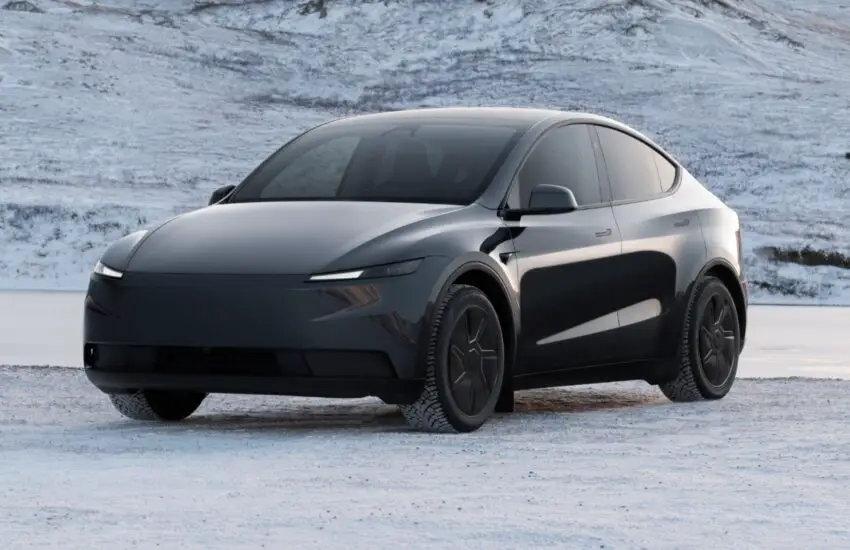
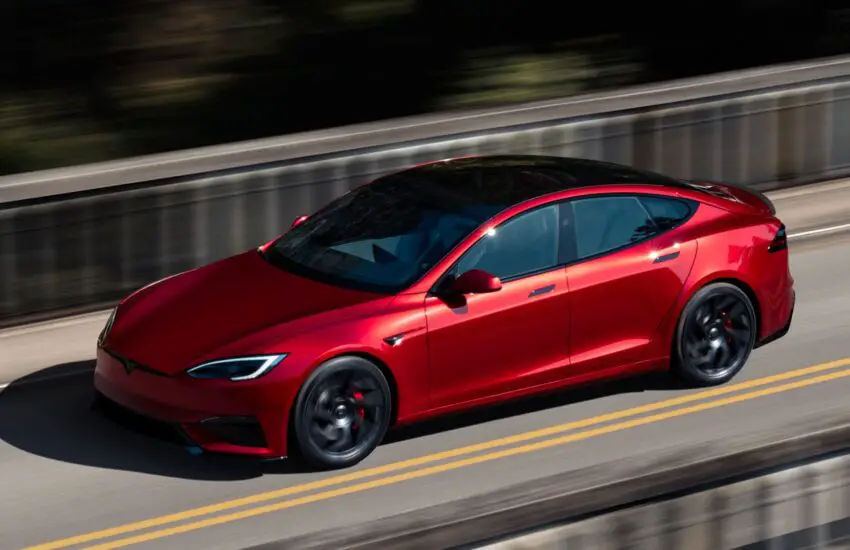
The Tesla Model S Legacy: End of an Electric Era

The Final Chapter for an Electric Pioneer

The production curtain is closing on the Tesla Model S, the sedan that fundamentally redefined the automotive landscape. After a groundbreaking fourteen-year run, this iconic vehicle’s journey is concluding, marking the end of a pivotal chapter in electric mobility. Its departure is not merely a model discontinuation but a moment to reflect on a true industry catalyst.

Redefining Performance and Perception

Upon its launch, the Tesla Model S shattered preconceived notions about electric vehicles. It wasn’t just an eco-friendly alternative; it was a high-performance luxury car that happened to be electric. With its revolutionary over-the-air software updates, expansive touchscreen interface, and industry-leading range, the Model S proved that electric cars could be desirable, technologically advanced, and thrilling to drive. It forced established automakers to accelerate their own EV programs, effectively electrifying the entire industry’s roadmap.

A Lasting Impact on Automotive Design

The Model S’s influence extended far beyond its powertrain. Its minimalist interior, dominated by a central digital display, set a new design language that competitors have since emulated. The car’s sleek, aerodynamic silhouette became synonymous with modern electric luxury. Furthermore, its direct-to-consumer sales model and the proprietary Supercharger network challenged traditional dealership and fueling infrastructures, creating a holistic ecosystem for owners.

The Legacy Continues

While the original Model S line ends, its spirit is deeply embedded in Tesla’s current and future lineup. The innovations it pioneered are now foundational in vehicles like the Model 3, Model Y, and Cybertruck. The Model S demonstrated that a single vehicle could change public perception, spur widespread infrastructure development, and set new benchmarks for technology. Its retirement signifies not an end, but the maturation of the electric revolution it boldly ignited.

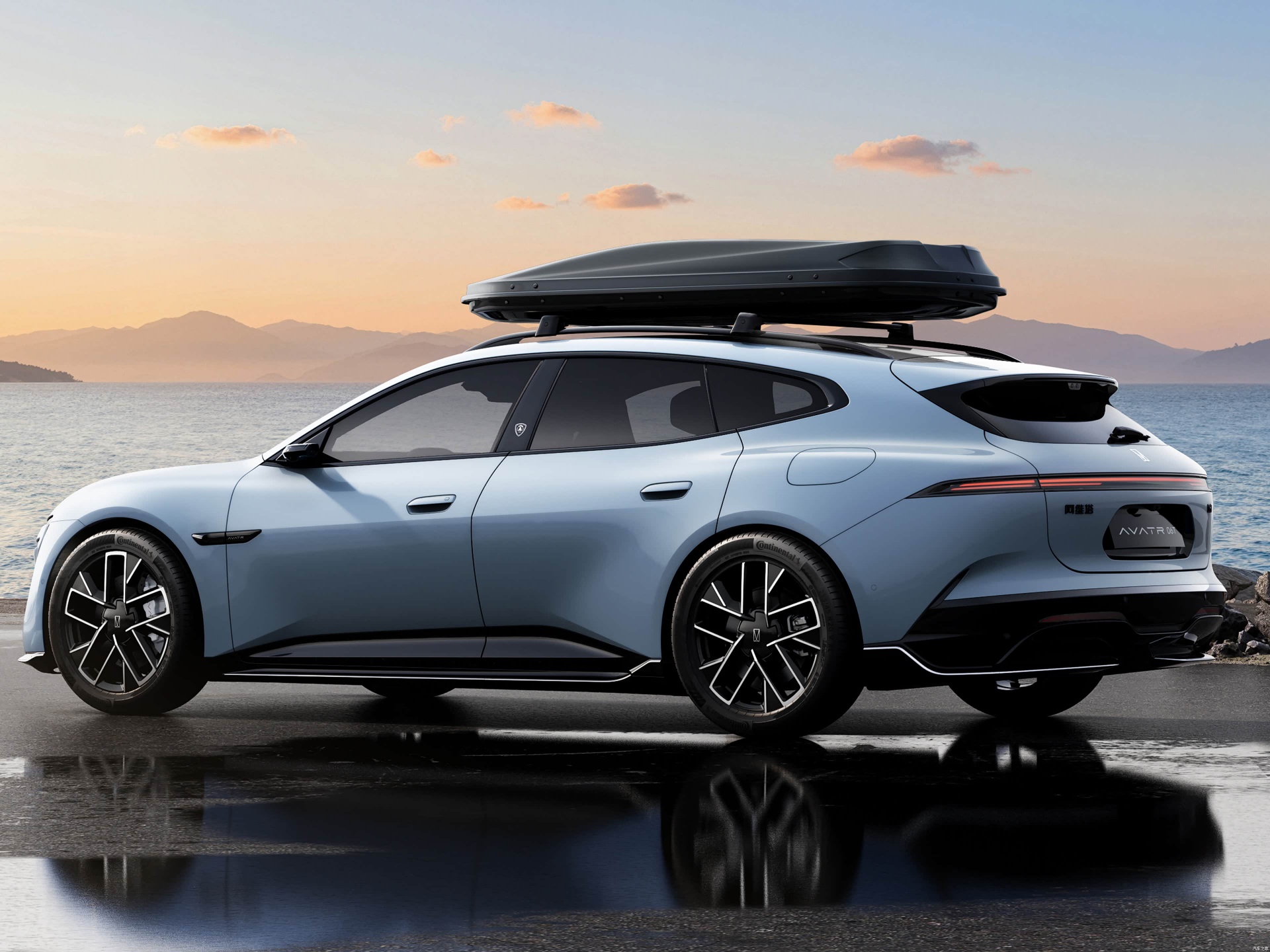
Avatr 06T: The Chinese Electric Wagon Challenging European Style

A New Design Leader in the Electric Estate Segment?

The estate car, long considered a European automotive staple, is facing a stylish new challenger from the East. The Avatr 06T, a sleek new electric wagon from China, is poised to enter the European market, bringing with it a design philosophy that could redefine expectations for the segment. Its arrival signals a significant shift, where Chinese manufacturers are no longer just competing on price and technology, but also on sophisticated aesthetics and body styles deeply rooted in European tradition.

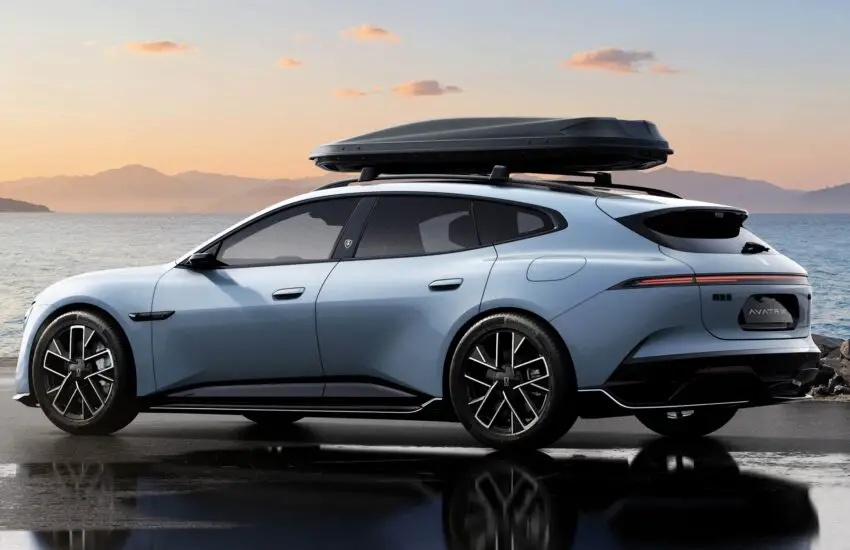
Avatr 06T electric wagon front side view

Blending Form with Function

The Avatr 06T immediately stands out with its elegant, coupe-like silhouette that maintains the practical proportions of a classic estate. The flowing roofline and muscular rear haunches create a dynamic profile that challenges the often boxy perception of utility-focused wagons. This design is not merely for show; it is engineered to enhance aerodynamic efficiency, directly contributing to improved range—a critical factor for electric vehicle buyers. The clean surfaces and sharp character lines present a modern, premium appearance that aims to compete with established luxury brands.

Technology and Market Ambition

Under its sculpted hood, the 06T is expected to feature advanced electric powertrain technology, likely offering competitive range figures and rapid charging capabilities. The interior is anticipated to follow the current trend of minimalist design dominated by large, interactive screens and high-quality materials. By targeting the European estate market, Avatr is making a strategic move to appeal to discerning customers who value space, style, and sustainability. The model represents a broader ambition of Chinese automakers to capture market share by offering compelling alternatives that blend cutting-edge EV technology with emotionally resonant design.

The introduction of the Avatr 06T is more than just another EV launch. It is a direct design and technological proposition to a core European audience. Its success will depend on final specifications, pricing, and driving dynamics, but its mere presence confirms that the future of the electric estate car is becoming a truly global conversation.