Buick P14D5 Code: A Comprehensive Guide to the Engine Oil Pressure Control Circuit

Decoding the Buick P14D5 Diagnostic Trouble Code

The illumination of the check engine light is a signal that your Buick’s onboard computer has detected an anomaly. When a scan tool reveals the generic OBD-II code P14D5, it points specifically to a fault within the Engine Oil Pressure Control Circuit. This is not a simple low oil pressure warning but a diagnostic code related to the electronic system designed to manage oil pressure for advanced engine functions. Primarily, this circuit controls components like the variable valve timing (VVT) solenoids or active fuel management (AFM) systems in many General Motors vehicles, including Buick models. A malfunction here can affect engine performance, efficiency, and longevity.

Technical Breakdown: What Does P14D5 Mean for Your Buick?

Code P14D5 is set when the Engine Control Module (ECM) detects an irregular voltage, resistance, or signal in the circuit responsible for an engine oil pressure control solenoid or valve. The ECM sends a command signal (usually a pulse-width modulated signal) to this solenoid to precisely modulate oil pressure. The code triggers when the actual electrical feedback from the circuit does not match the expected parameters programmed into the ECM.

Primary Function of the Oil Pressure Control System

This system is crucial for modern, efficiency-focused engines. It doesn’t just report pressure; it actively controls it to enable features like:

  • Variable Valve Timing (VVT): Adjusts camshaft timing for optimal power and efficiency by using oil pressure to actuate phasers.
  • Active Fuel Management (AFM) / Cylinder Deactivation: Uses oil pressure to deactivate lifters in specific cylinders under light load to save fuel.
  • Dynamic Skip Fire (DSF): More advanced cylinder deactivation systems relying on precise oil pressure control.

How the ECM Detects the P14D5 Fault

The diagnostic process is continuous. The ECM monitors the control circuit for opens, shorts, or excessive loads. It compares the intended command with the actual circuit state. A discrepancy lasting for two consecutive drive cycles typically illuminates the check engine light and stores the P14D5 code as a pending or confirmed fault.

Symptoms and Potential Causes of P14D5

Ignoring a P14D5 code is not advisable, as it can lead to reduced performance and potential engine damage over time. Drivers may notice one or more of the following symptoms.

Common Symptoms of a P14D5 Malfunction

  • Illuminated Check Engine Light (MIL)
  • Reduced engine power or hesitation
  • Poor fuel economy
  • Rough idle or unstable engine operation
  • In some cases, no noticeable drivability issues (the code may be intermittent)
  • Possible inability for the engine to enter fuel-saving modes (AFM/VVT disabled)

Root Causes of the P14D5 Code

Diagnosing P14D5 requires a systematic approach, starting with the simplest possibilities. The causes generally fall into three categories: electrical, mechanical, and fluid-related.

  • Electrical Faults:
    • Failed or sticking oil pressure control solenoid/valve.
    • Damaged wiring or connectors in the control circuit (chafed, burnt, corroded).
    • Poor electrical connection at the solenoid or ECM.
    • In rare cases, a faulty Engine Control Module (ECM).
  • Mechanical & Fluid Issues:
    • Low engine oil level or incorrect oil viscosity.
    • Dirty or clogged oil filter restricting flow.
    • Contaminated engine oil with sludge or debris clogging the solenoid screen.
    • Worn engine components leading to generally low oil pressure.
    • A faulty oil pressure sensor providing bad data to the ECM (can cause related codes).

Diagnostic and Repair Procedures for Code P14D5

Proper diagnosis is key to an effective and cost-efficient repair. Throwing parts at the problem, like replacing the solenoid immediately, can be wasteful if the root cause is a wiring issue or low oil.

Step-by-Step Diagnostic Approach

A professional technician will follow a logical sequence. DIYers with advanced skills and tools can attempt some steps.

  • Step 1: Preliminary Checks: Verify engine oil level and condition. Check for any obvious oil leaks. Ensure the correct oil type and filter are installed.
  • Step 2: Scan & Clear: Use an advanced OBD2 scanner to confirm P14D5 and check for any related codes (e.g., P0011, P0014 for VVT). Clear the code and perform a test drive to see if it returns immediately or under specific conditions.
  • Step 3: Visual Inspection: Carefully inspect the wiring harness and connector to the oil pressure control solenoid for damage, corrosion, or loose pins.
  • Step 4: Electrical Testing: With a digital multimeter (DMM), test the solenoid’s resistance (ohms) and compare to factory specifications. Perform circuit tests for power, ground, and signal integrity back to the ECM.
  • Step 5: Mechanical/Functional Test: If electrically sound, the solenoid may be mechanically stuck. It can sometimes be cleaned, but replacement is often recommended. A professional scan tool can command the solenoid on/off to test its operation.
  • Step 6: Oil Pressure Test: If all else checks out, a mechanical oil pressure test with a gauge is necessary to rule out underlying engine wear causing low pressure.

Common Repair Solutions

Based on the diagnostic findings, common repairs include:

  • Topping off or performing an engine oil and filter change with the correct specification oil.
  • Repairing or replacing damaged wiring/connectors.
  • Replacing the faulty oil pressure control solenoid/valve assembly.
  • In severe cases, addressing internal engine wear that leads to low oil pressure.

Why Professional Diagnosis is Often Recommended

While a simple oil change may fix it, the P14D5 code is often a symptom of a deeper electrical or mechanical issue. Misdiagnosis can lead to repeated repairs. A professional mechanic has the specialized tools (like bi-directional scan tools and oscilloscopes) and access to manufacturer-specific technical service bulletins (TSBs) to diagnose efficiently. They can also perform a live data review to see the solenoid command and feedback in real-time, which is invaluable for diagnosing intermittent faults.

Conclusion: Addressing P14D5 for Long-Term Buick Health

The Buick P14D5 code is a specific alert targeting the sophisticated engine oil pressure management system. While sometimes resolved by basic maintenance, it frequently indicates a component failure requiring technical diagnosis. Addressing it promptly prevents the ECM from disabling performance and efficiency features like VVT, ensuring your Buick continues to run smoothly, efficiently, and with full power. Ignoring it risks more costly repairs down the line, potentially related to poor lubrication or timing system issues. Always start with the basics—check your oil—but be prepared for a more involved electrical diagnosis to correctly resolve this technical fault.
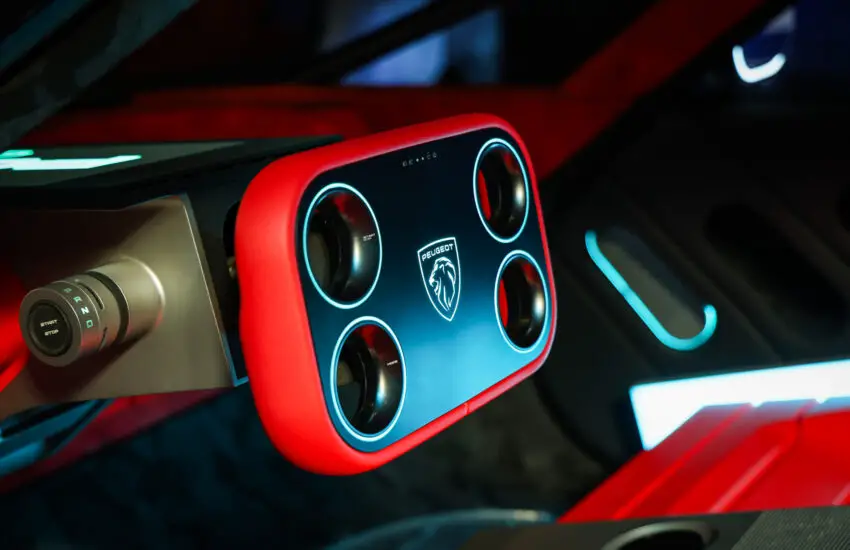
Peugeot Polygon Concept: Testing the Hypersquare Steering

Exclusive Test of the Peugeot Polygon Concept

The automotive future is taking a sharp, angular turn. We recently experienced the Peugeot Polygon, a concept car whose radical design language could foreshadow the styling of future models like a next-generation 208. More than just a design study, the Polygon serves as a bold manifesto for the cockpit of tomorrow, built around one revolutionary interface: the Hypersquare steering control.

Beyond the Wheel: The Hypersquare Revolution

The Hypersquare is not a steering wheel in the traditional sense. This rectangular, screen-based control module replaces the classic round wheel and column stalks. It operates as a steer-by-wire system, where the physical connection between the controller and the wheels is electronic. This allows for unprecedented flexibility. In autonomous driving modes, the Hypersquare can retract, transforming into a large rectangular screen for media or productivity. When the driver takes control, it provides precise, responsive handling through its unique shape and haptic feedback.

Redefining the Driver’s Environment

The Polygon’s interior, dubbed the “Hypervisor,” is a minimalist sanctuary centered around this technology. The absence of a conventional dashboard and the Hypersquare’s compact form dramatically increase cabin space and forward visibility. All vehicle functions—from acceleration and braking to turn signals and infotainment—are managed via touch-sensitive controls and haptic sliders on the Hypersquare’s surfaces. This “e-control” system aims to make driving more intuitive, reducing physical clutter and focusing on digital interaction.

A Vision for Electric Mobility

This concept is a clear statement for Peugeot’s electric future. The Polygon’s architecture is designed for next-generation electric vehicle platforms, prioritizing interior space and user experience. The Hypersquare interface is presented as the ideal companion for electric mobility, offering a seamless blend of dynamic driving engagement and relaxed autonomous capability. While production-ready versions may evolve, the Polygon concept firmly establishes a new direction for how we will interact with the intelligent, electric vehicles of tomorrow.

MG Hits One Million European Sales Milestone

MG’s Electric Surge Powers Major European Milestone

The iconic MG badge has found remarkable new life in Europe. Under the stewardship of Chinese automotive giant SAIC, the Sino-British brand has officially surpassed the symbolic milestone of one million vehicles sold across the continent. This impressive feat, achieved in just a few short years since its major relaunch in 2020, underscores a dramatic shift in the European automotive landscape.

A Strategy Powered by Electrification

MG’s rapid ascent is fundamentally tied to its early and committed push into electrified vehicles. While many legacy manufacturers were gradual in their transition, MG entered the European market with a clear focus on affordable electric and plug-in hybrid models. This strategy perfectly aligned with growing consumer demand and tightening emissions regulations, allowing MG to carve out a significant niche as a provider of accessible electric mobility.

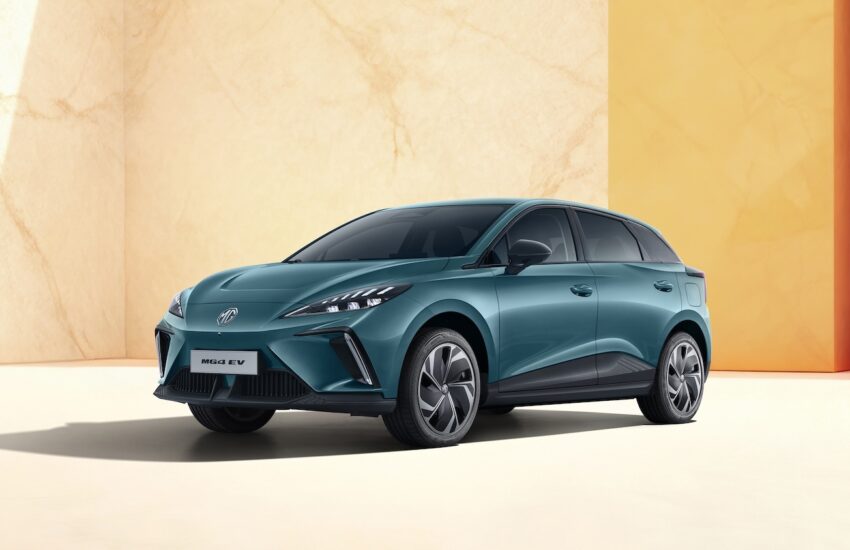
Models like the fully electric MG4 and the MG ZS EV have been pivotal to this success. They have consistently offered competitive range, modern technology, and compelling design at price points that undercut many traditional rivals. This value proposition has resonated powerfully with European drivers seeking to make the switch to electric without premium cost.

Redefining Brand Perception

MG’s achievement represents more than just sales volume; it signifies a successful brand transformation. By leveraging its historic British nameplate and combining it with SAIC’s manufacturing scale and EV expertise, MG has effectively repositioned itself from a nostalgic memory to a forward-thinking, volume player in the new car market. Its focus on comprehensive warranty packages and growing dealer networks has also helped build consumer confidence in a relatively new market entrant.

Reaching one million sales establishes MG as a permanent and formidable force in Europe. Its journey highlights how a clear electrification strategy, coupled with sharp value, can rapidly alter market dynamics and consumer choices in one of the world’s most competitive automotive regions.

Audi Leak Confirms Electric Porsche 718 Models Are Coming

Audi Memo Leaks Crucial Porsche EV News

In a surprising twist, Audi has inadvertently confirmed the future of Porsche’s electric sports car program. Recent reports indicated that Porsche’s leadership was in critical meetings to decide the fate of the next-generation, all-electric 718 Boxster and Cayman models. While the outcome of those internal discussions remained officially unconfirmed, a leaked internal memo from Audi has now provided the clearest signal yet.

The Indirect Confirmation

The leaked document, which surfaced just days after speculation about Porsche’s decisive meeting, reportedly outlines Audi’s own future electric platform strategy. Within this context, the memo makes reference to the shared PPE (Premium Platform Electric) architecture being developed by the Volkswagen Group. Crucially, it notes the platform’s application for upcoming Audi models and confirms its use for the next-generation electric Porsche 718 series. This indirect confirmation from a corporate sibling ends months of uncertainty regarding the project’s green light.

What This Means for the Electric 718

This development solidifies the roadmap for Porsche’s entry-level electric sports cars. Utilizing the advanced PPE platform promises significant benefits for the electric Boxster and Cayman. This dedicated EV architecture is engineered for high performance and low center of gravity, key attributes for the handling-focused 718 lineage. Drivers can anticipate rapid charging capabilities, impressive range figures, and the instant torque delivery characteristic of electric powertrains, all wrapped in Porsche’s signature driving dynamics.

The survival and progression of this project underscore Porsche’s commitment to an electric future while preserving its core sports car identity. It represents a strategic bridge, offering a fully electric driving experience in a traditional, mid-engine sports car layout. The automotive world now eagerly awaits official specifications and a reveal date for these pivotal electric models.

Tesla Cybertruck Expands Lineup with New Affordable Model

Tesla Makes Cybertruck More Accessible

Tesla has significantly expanded its Cybertruck lineup, introducing a new, more affordable dual-motor variant while simultaneously reducing the price of its top-tier model. This strategic move aims to broaden the electric pickup’s appeal in an increasingly competitive market.

New Entry Point and Price Adjustments

The latest addition is a dual-motor all-wheel-drive Cybertruck, now offered at a starting price of $59,990. This model serves as a new entry point to the lineup, positioned below the previously announced tri-motor “Cyberbeast.” In a parallel development, Tesla has reduced the price of the Cyberbeast variant by $15,000, adjusting its starting cost to approximately $94,990. These pricing shifts come as Tesla works to stimulate demand and navigate production scaling challenges for its unconventional stainless-steel vehicle.

Specifications and Market Strategy

The new dual-motor Cybertruck is reported to deliver an estimated range of 340 miles on a single charge and accelerate from 0 to 60 mph in under 4.1 seconds. The high-performance Cyberbeast, despite its price cut, retains its formidable specs, including a sub-2.9 second 0-60 mph time and an estimated 320-mile range. Analysts view these updates as a necessary adjustment to attract a wider buyer base beyond early adopters and enthusiasts, directly addressing initial demand concerns for the premium-priced models.

Impact on the EV Truck Segment

This pricing realignment intensifies the competition in the electric pickup segment. The Cybertruck now enters a more direct price competition with other electric trucks like the Ford F-150 Lightning and the Rivian R1T. By offering a wider price spectrum, Tesla is strategically positioning itself to capture customers across different budget levels, potentially accelerating the adoption of electric pickups among traditional truck buyers who prioritize utility and performance.

Lexus LS Farewell: The End of a Luxury Sedan Icon

The Final Bow of a Legendary Challenger

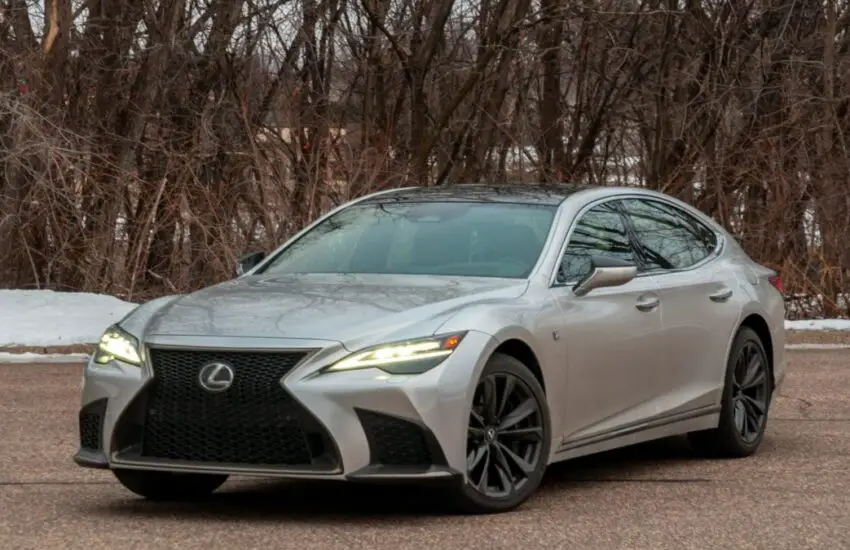
For decades, the luxury sedan throne was uncontested. Then, in 1989, the Lexus LS arrived, not merely to compete but to redefine the segment. It challenged established norms with its relentless focus on quality, whisper-quiet ride, and benchmark reliability. Now, as production is set to conclude, we reflect on the legacy of the model that once forced the entire luxury world to raise its game.

A Legacy Forged in Disruption

The original LS 400 was a seismic event. It delivered a level of fit-and-finish and smoothness that embarrassed rivals at a significantly lower price. This wasn’t just a new car; it was a statement of intent from Toyota’s new luxury division. The LS’s legendary reliability and customer care created a cult following, proving that luxury could be both opulent and dependable. For years, it was the only true alternative that made the established German marques genuinely nervous.

The Quiet Evolution and Final Chapter

Over subsequent generations, the LS evolved, introducing bold spindle grille styling, cutting-edge technology, and even a stunningly crafted V8 hybrid model. It continued to prioritize serenity and craftsmanship, offering an uniquely Japanese take on luxury. However, the market shifted decisively towards SUVs, and the sedan’s competitive edge softened. The current model, while supremely competent, no longer commands the segment’s spotlight as it once did.

An Enduring Impact on Luxury

The impending end of LS production marks the closing of a significant chapter. Its influence, however, is permanent. The LS proved that a newcomer could triumph through excellence, fundamentally altering the luxury landscape. It forced competitors to improve quality, refine their rides, and consider value. As the final models leave the factory, the Lexus LS departs not with a whimper, but as a celebrated icon whose shockwaves are still felt in every luxury car built today.

Audi RS5 2027 Weight Shock: A New Heavyweight Champion

The 2027 Audi RS5’s Staggering Weight Revealed

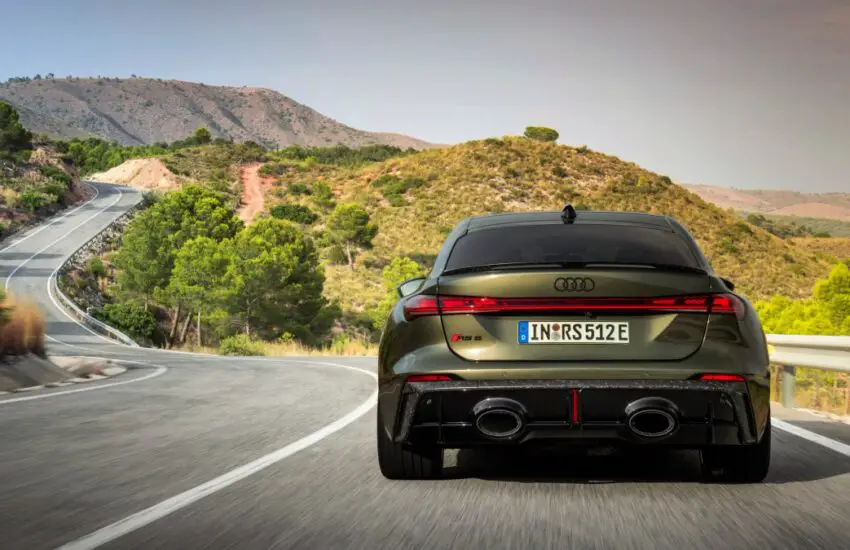
The upcoming Audi RS5 for the 2027 model year is set to redefine expectations, but not in the way performance enthusiasts might hope. Official figures confirm a curb weight of 5,192 pounds, a number that places this midsize sports coupe in a surprising new category. This represents a monumental shift in vehicle philosophy and engineering for the iconic RS line.

A Dramatic Leap from Its Predecessor

The most direct comparison highlights the scale of change. The previous-generation Audi RS5 had a curb weight of 3,825 pounds. The new model therefore gains a staggering 1,376 pounds. This increase is equivalent to carrying an extra subcompact car onboard at all times. Such a dramatic weight gain fundamentally alters the vehicle’s dynamics, posing significant challenges for acceleration, braking, and handling balance.

Heavier Than an Electric Sedan and Pickups

To fully grasp the significance, contextual comparisons are essential. The 2027 RS5 now outweighs a fully electric Porsche Taycan, a vehicle that carries a large battery pack. Even more remarkably, it tips the scales beyond certain four-door configurations of the body-on-frame Ford F-150 pickup truck. This positions the new RS5 as a true heavyweight, forcing a re-evaluation of its performance envelope and driving character.

Implications for Performance and Engineering

This record mass will compel Audi’s engineers to deploy every available technology to maintain the RS5’s performance credentials. Expect vastly more powerful braking systems, reinforced chassis components, and potentially a significant power uplift from the powertrain simply to match the acceleration of the lighter outgoing model. The focus will inevitably shift from agile nimbleness to immense, stable power and next-generation traction management systems to harness it.

Jeep Trackhawk Legend Poised for Electrifying Return

The High-Performance SUV Awaits Its Next Chapter

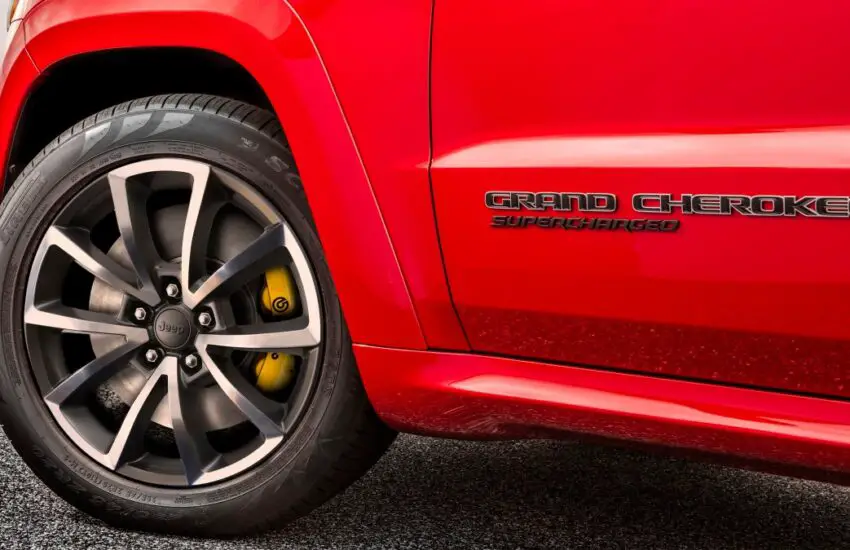
In the annals of automotive performance, few SUVs have commanded respect like the Jeep Grand Cherokee SRT and its formidable successor, the Trackhawk. These models transformed the robust Grand Cherokee into a tarmac-devouring powerhouse, famously equipped with a supercharged 6.2-liter HEMI V8 that delivered over 700 horsepower. Their absence from the current lineup has left a void for enthusiasts craving brutal acceleration in a practical package. New industry insights suggest this legendary nameplate is being prepared for a dramatic comeback.

Evolving Power for a New Era

The automotive landscape has shifted significantly since the original Trackhawk’s reign. Stricter emissions regulations and the industry-wide push toward electrification present both a challenge and an opportunity. The next-generation Trackhawk is unlikely to feature the traditional supercharged V8. Instead, speculation points toward Jeep leveraging Stellantis group technology, potentially utilizing a sophisticated hybrid or even a fully electric powertrain. The goal remains unchanged: to deliver earth-shattering performance that lives up to the Trackhawk badge, but with a modern twist.

Anticipated Features and Market Position

Expect the revived model to build upon the advanced platform of the latest Grand Cherokee. This would provide a foundation for cutting-edge suspension systems, massive performance brakes, and a driver-focused interior laden with technology. The new Trackhawk would likely compete in the increasingly crowded high-performance SUV segment, going head-to-head with vehicles offering both traditional and electrified powertrains. Its unique selling proposition will remain the combination of Jeep’s legendary capability aura with breathtaking straight-line speed and dynamic handling.

While official details and timelines remain guarded, the preparation for the Trackhawk’s return signals Jeep’s commitment to its performance heritage. The successor will need to balance the raw, visceral character of its predecessor with the efficiency and instant torque of new-age propulsion. For fans of extreme SUVs, the wait for this legend’s next act is officially on.

The Missing Trail: Why Jeep’s Rugged Grand Cherokee Trims Vanished

The Curious Case of the Disappearing Off-Road Grand Cherokee

For decades, the Jeep brand has been synonymous with off-road capability. From the legendary Wrangler to the storied Cherokee, the promise of adventure beyond the pavement has been a core tenet. This makes the gradual disappearance of dedicated off-road versions of the Grand Cherokee a puzzling shift for a heritage-rich marque.

A Shift in Consumer Demand and Brand Strategy

The primary driver behind this change is a fundamental evolution in the luxury SUV market. Modern Grand Cherokee buyers increasingly prioritize on-road refinement, advanced technology, plush interiors, and superior towing capacity over raw rock-crawling ability. Jeep has strategically pivoted the Grand Cherokee to compete directly with premium rivals like the BMW X5 and Land Rover Discovery, focusing on comfort and sophistication. This repositioning has made specialized, less profitable off-road trims less viable from a production standpoint.

The Rise of the Trailhawk and Its Niche

It’s important to note that off-road prowess hasn’t been entirely abandoned. For a time, the Grand Cherokee Trailhawk trim served as the dedicated off-road variant, featuring enhancements like all-terrain tires, underbody skid plates, an electronic limited-slip differential, and the renowned Quadra-Drive II 4×4 system. However, its availability has become inconsistent, often limited to specific model years or markets, reflecting its niche status within the broader Grand Cherokee lineup.

Where Does the Off-Road Spirit Live Now?

Jeep has effectively compartmentalized its model range. The uncompromising, body-on-frame Wrangler and the robust Gladiator pickup now serve as the brand’s true off-road flagships. The Grand Cherokee, particularly in its newer generations, has been tasked with conquering a different terrain: the upscale family SUV segment. This specialization allows each model to excel in its designated role without compromise, even if it means some traditionalists feel the Grand Cherokee has softened its rugged edge.

Lamborghini Urus SE Performante Spied with Radical New Design

Next-Gen Urus Performante Prototype Emerges

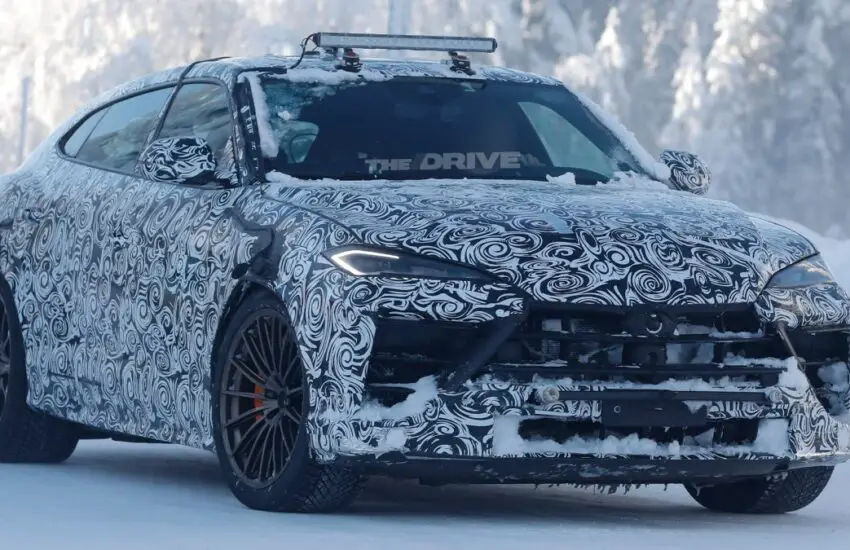
Development of the most extreme Lamborghini Urus yet is in full swing. New spy shots have captured prototypes of the anticipated Urus SE Performante undergoing rigorous testing. This model, expected for the 2027 model year, previews a significant evolution for the super SUV, with a bold new design element taking center stage.

A Defining Roof Light Bar

The most striking feature visible on these test mules is a full-width illuminated light bar integrated into the roof. This distinctive signature, likely employing advanced LED technology, runs across the top of the vehicle and appears to be a key design identifier for the Performante variant. It signifies Lamborghini’s intent to make this model visually unmistakable, even at a distance.

The Performante Legacy Intensified

In the Lamborghini lexicon, the “Performante” badge is reserved for models that push the boundaries of performance and driving dynamics. Applied to the Urus SE, this suggests a comprehensive overhaul focused on weight reduction, increased power, and sharper handling. Expectations point to an enhanced plug-in hybrid system building upon the standard Urus SE’s powertrain, delivering even more staggering acceleration and improved efficiency.

Aggressive Aerodynamics and Handling

Beyond the roof light, the prototype showcases a more aggressive body kit. Expect extensive use of carbon fiber for components like the front splitter, side skirts, and a prominent rear diffuser. These elements will work in concert with an advanced active aerodynamics system to increase downforce and stability at high speeds. The chassis will undergo significant revisions, including a lowered suspension, recalibrated active anti-roll bars, and performance-oriented tuning for the rear-wheel steering system to transform its cornering prowess.

The Lamborghini Urus SE Performante is shaping up to be a formidable statement. It aims to blend the practicality of an SUV with the heart and soul of a hypercar, setting a new benchmark for performance in the segment.