Mazda Vision X-Compact: The Intelligent Urban Concept That Aims to Become Your Companion

Mazda Vision X-Compact

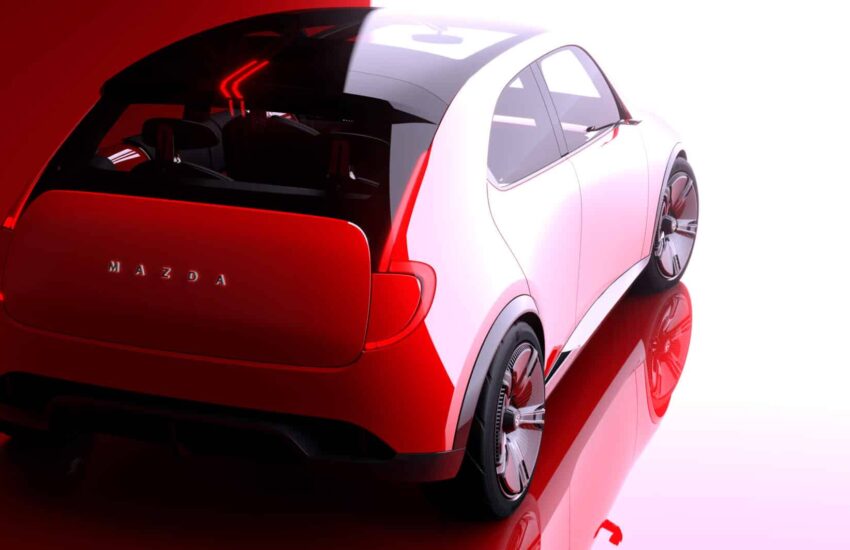
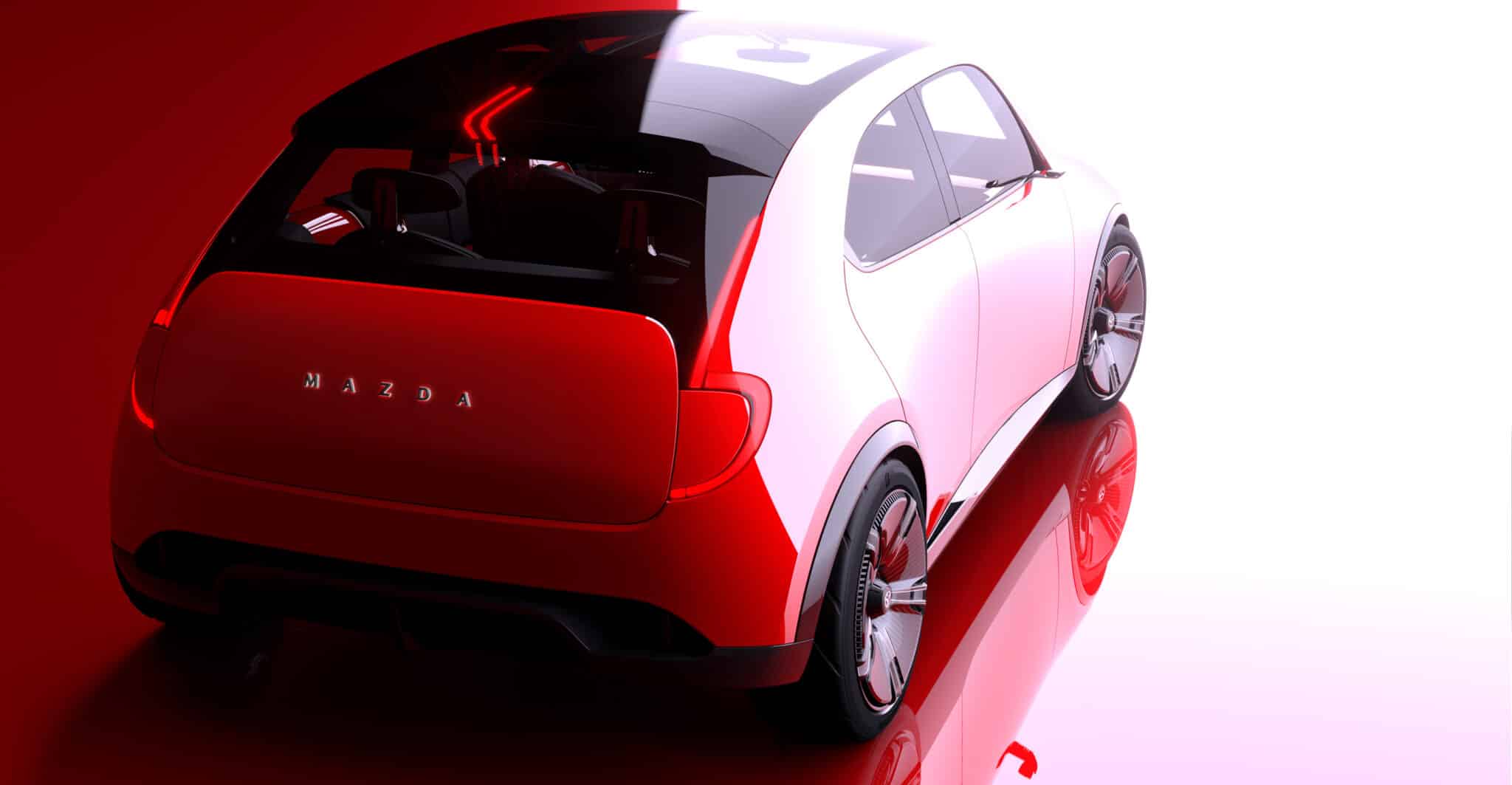
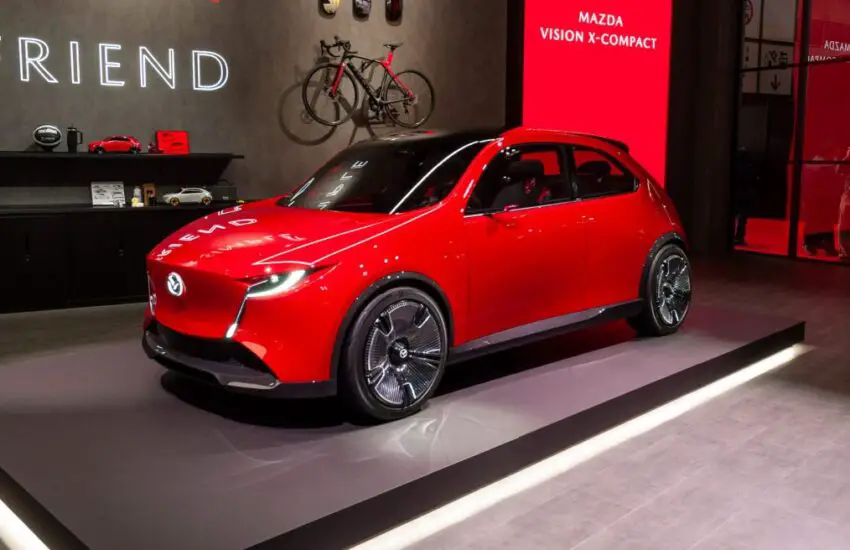
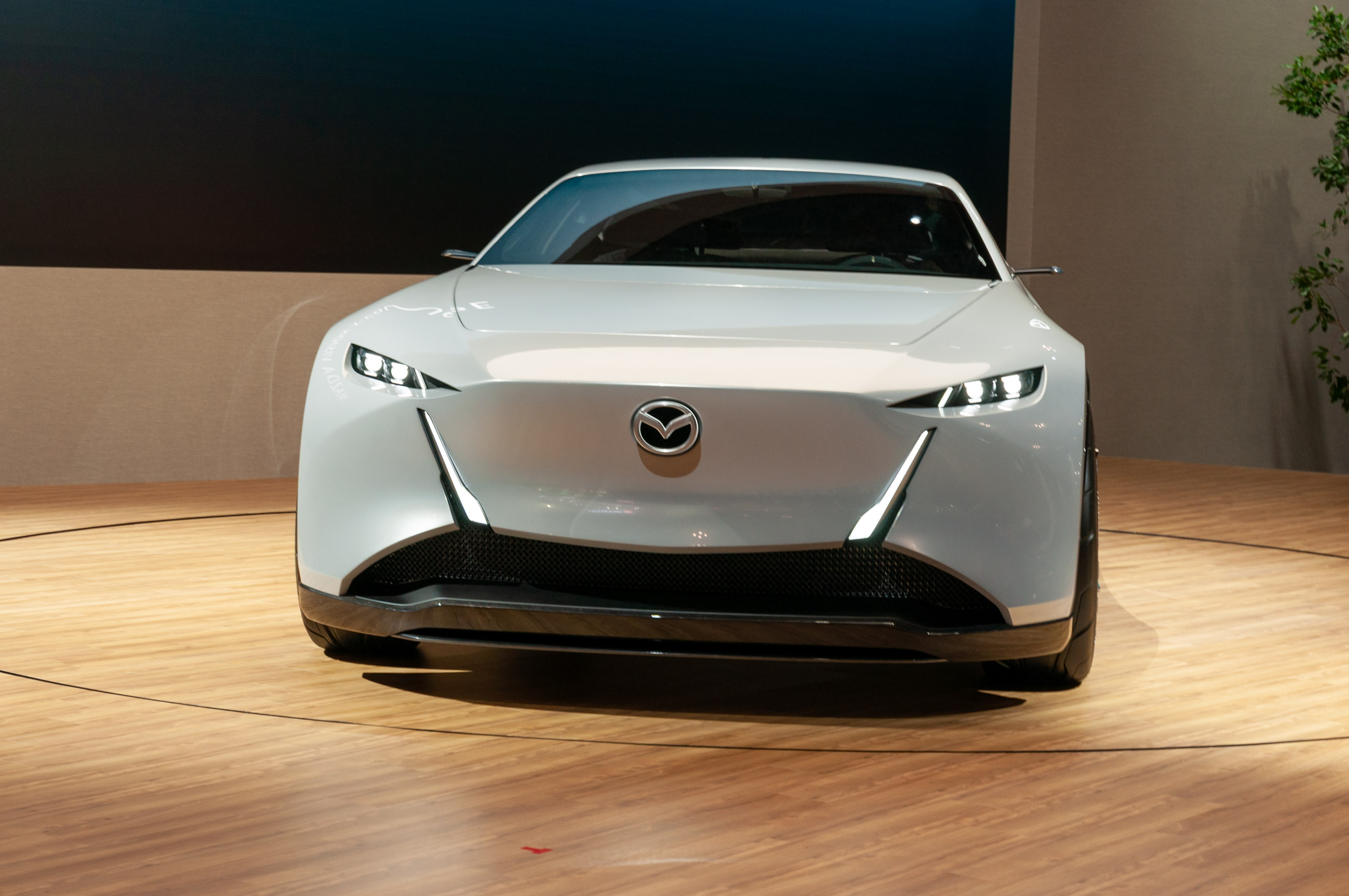
Among the two concepts presented by Mazda this week, the Vision X-Compact appears as the most plausible for series production. This small hatchback displays a decidedly assertive style, and Mazda promises that it will be backed by equivalent substance, if a digital concept can possess any.

A Design That Instantly Captivates

It must be acknowledged that this concept is visually very successful. To our trained eyes, it evokes a third-generation Mazda Carol that has undergone a rejuvenation cure in an Italian design workshop. Its city car aesthetics strongly suggest a potential successor to the Mazda2. According to Mazda’s statements, this vehicle will have a personality to match its appearance, but probably not in the way usually expected from an automobile. You guessed it: artificial intelligence is in the loop.

A Powertrain Still Shrouded in Mystery

Since Mazda has provided no information regarding its mechanical underpinnings, we are left to speculate about the powertrain of this charming little hatchback. Given the apparently strengthened ties between Mazda and Toyota, one could bet on a kinship with the Yaris, likely sharing the future Toyota subcompact’s powertrain lineup. Given the source, hybrids seem probable, but with the growing popularity of affordable electric vehicles, both abroad and here, it’s difficult to rule out any possibility at this stage.
Artificial Intelligence Enhancing the Driver-Vehicle Relationship

Mazda is currently developing a revolutionary human-machine interface technology that would allow the vehicle to get to know its driver and anticipate their needs. This approach aims to create a more intuitive and personalized driving experience, transforming the car into a true road companion.

A Redesigned Interior for Well-being

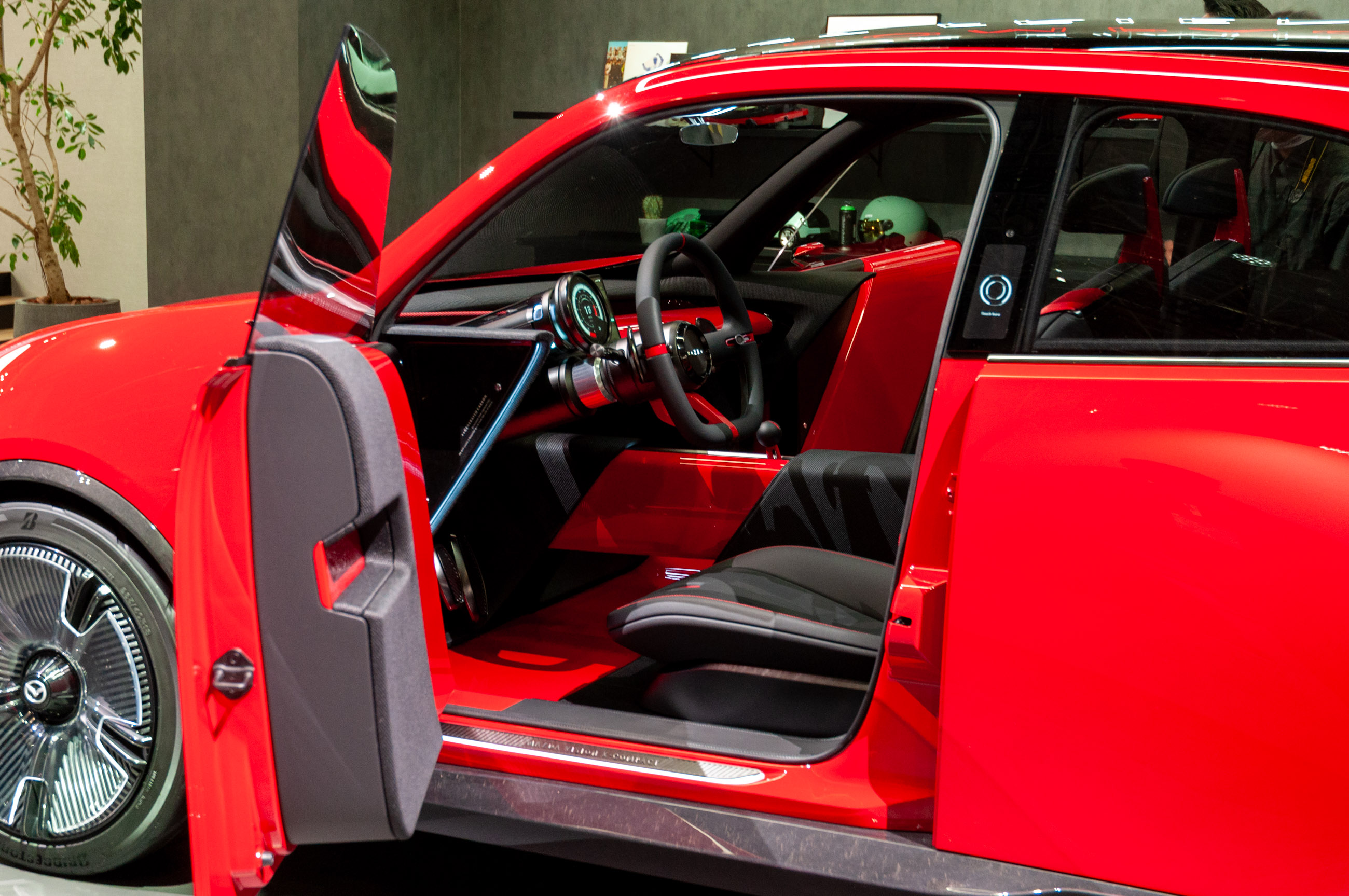
The Vision X-Compact concept offers a minimalist cabin where every element seems to have been designed with a specific intention. The focus is on comfort and ergonomics, with quality materials and a layout aimed at reducing driving stress.

Positioning in the Premium City Car Market

With this concept, Mazda seems to want to redefine the urban vehicle segment by injecting a dose of technological and emotional sophistication. This approach could well create a new category of high-end city cars, combining urban agility and an enriched driving experience.

Production Prospects and Potential Timeline

Although still only a concept for now, the Vision X-Compact shows all the signs of a vehicle destined for production. Its refined design and realistic technologies suggest a possible market launch in the coming years, perhaps marking the beginning of a new era for Mazda’s urban vehicles.
Mazda unveils its first turbo rotary engine since the FD RX-7

The Long-Awaited Return of Mazda’s Rotary Engine

Since the discontinuation of the RX-8, Mazda has consistently reaffirmed its commitment to the rotary engine within its research and development laboratories. This iconic technology has been showcased in various forms: hydrogen engine, range extender for commercial electric vehicles, and even in its classic gasoline internal combustion version. One could almost imagine Mazda engineers celebrating each new iteration of the rotary with the same fervor as Hobbits celebrate their meals.

The Vision X-Coupe: A Revolutionary Approach

As with each new incarnation, the Vision X-Coupe model features innovative characteristics. While Mazda has already ventured into the world of electric vehicles with range extenders, the brand had never before explored the concept of a traditional plug-in hybrid. This new strategic direction naturally raises the question: why not now?

Mazda’s Strategic Evolution

The absence of the rotary engine in the current lineup is just one aspect of the profound transformation Mazda underwent between 2010 and 2025. The brand moved away from its mainstream marketing strategy, symbolized by the famous Zoom-Zoom slogan, in favor of a more premium and sophisticated approach. This reorientation is accompanied by a clear determination to push technological boundaries while preserving the brand’s sporting heritage.

Reinvented Rotary Technology

The new turbo rotary engine represents much more than a simple return to roots. Mazda used these years of development to address the historical challenges associated with this technology, particularly in terms of fuel consumption and emissions. The integration of a turbocharger optimizes performance while maintaining the characteristic compactness of rotary blocks.

A Vision for the Future

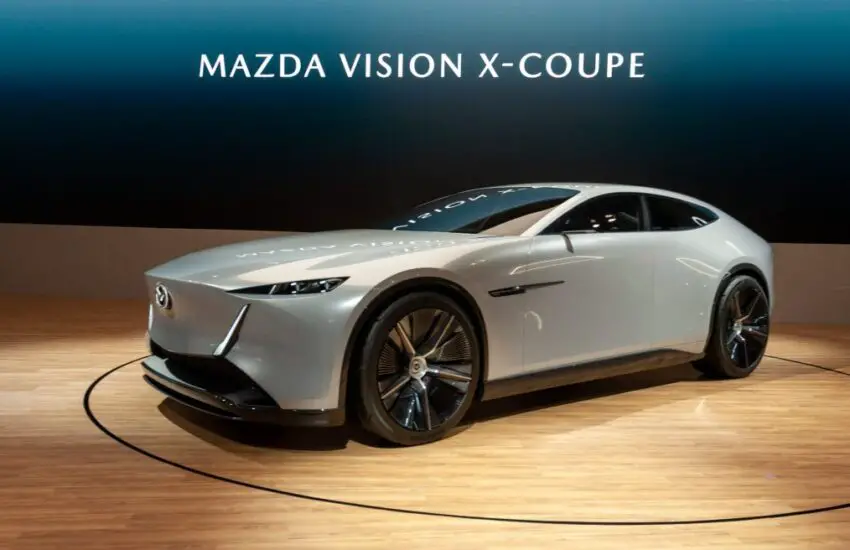
The Vision X-Coupe perfectly embodies this new philosophy. Its clean, aerodynamic design suggests a car looking toward the future while paying homage to iconic models like the RX-7. The sleek lines and balanced proportions reflect a carefully considered aesthetic pursuit, where every element appears optimized for efficiency and emotion.

Hybridization Serving Performance

The choice of a plug-in hybrid system represents a logical step in the evolution of the rotary engine. This configuration combines the benefits of electric power in the city with the passion of thermal power on the road. The rotary engine, with its compactness and low vibration, is particularly well-suited to this type of architecture, offering an interesting compromise between performance and energy efficiency.

Overcome Technical Challenges

The development of this new powertrain required major innovations in thermal management and apex seal endurance. Engineers also worked on integrating the turbocharger to ensure progressive response and avoid any turbo lag effect. The result is a mechanical system as performant as it is refined, capable of meeting the strictest environmental standards.

Prospects for the Mazda Lineup

This return of the turbo rotary engine could herald a new era for Mazda. The Japanese brand thus demonstrates its ability to innovate while respecting its technical heritage. The Vision X-Coupe is likely just the first step in a series of models that should redefine the brand’s sporting identity in the coming years.

Honda 0 α: The Compact Electric SUV That Completes the 2027 Lineup

Honda Completes Its Future Family of Electric Cars

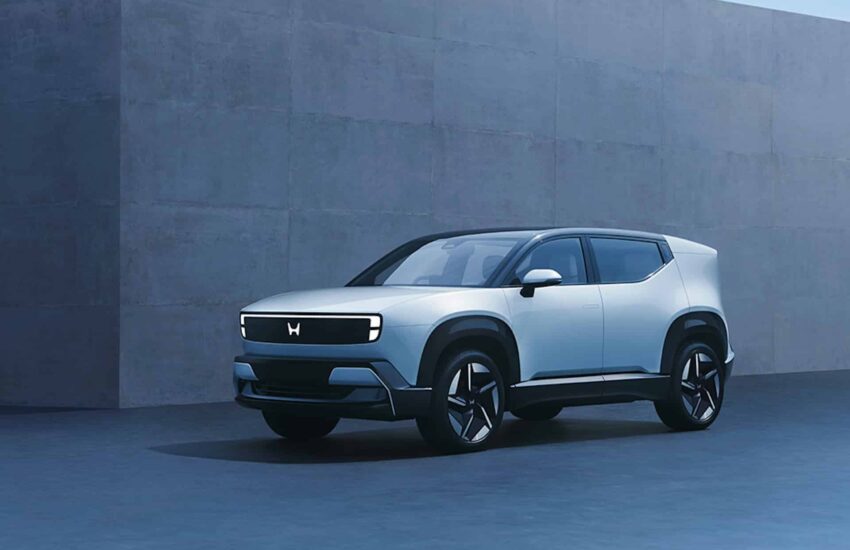
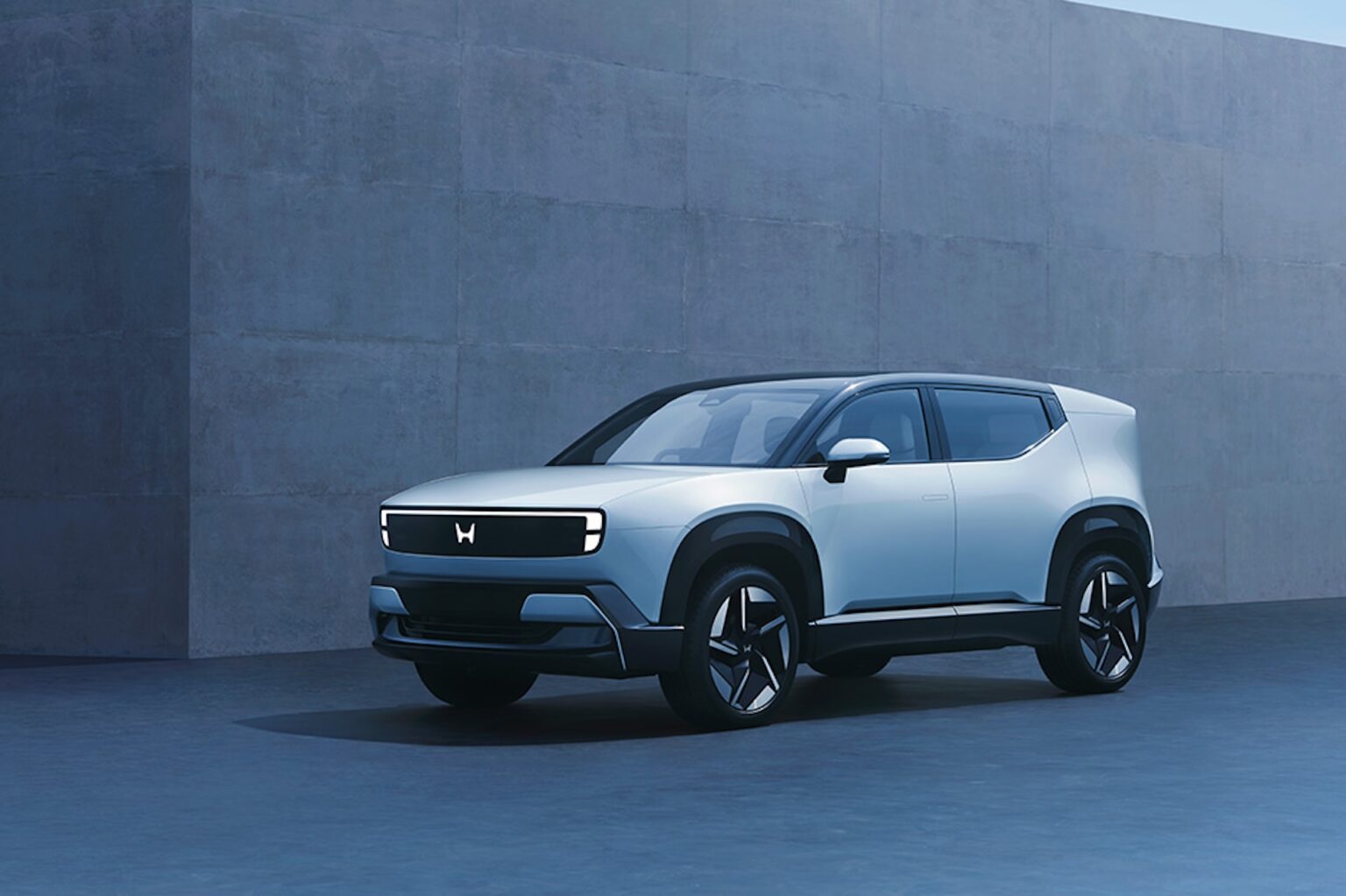
The Japanese manufacturer Honda unveiled a new strategic model at the Tokyo Motor Show, significantly strengthening its offensive in the electric vehicle segment. The Honda 0 α represents a crucial step in the diversification of the brand’s electric offerings, specifically targeting the compact SUV market with an entry-level model expected in 2027.

Honda 0 α compact electric SUV

A Strategic Positioning in the Compact Segment

The Honda 0 α is part of an overall strategy to develop affordable electric vehicles. This compact SUV aims to broaden the brand’s customer base by offering an electric alternative to traditional combustion models. Its modern design and reasonable dimensions make it a vehicle suitable for both urban use and suburban travel.

Expected Technical Features

Although the final technical specifications have not yet been fully revealed, initial information suggests that the Honda 0 α will benefit from the group’s latest technological innovations. The dedicated electric vehicle platform is expected to offer competitive range for the segment, while performance will be tailored for daily use.

The Importance of the Tokyo Motor Show for Honda

The choice of the Tokyo Motor Show to present this new model is not coincidental. This major automotive event allows Honda to assert its position in its domestic market while demonstrating its ability to innovate in the face of international competition. The presentation of the 0 α is part of a broader communication strategy aimed at positioning Honda as a major player in the electric transition.

An Expanding Family of Electric Vehicles

The 0 α does not come alone but integrates into a coherent range of electric vehicles that Honda is gradually developing. Each model meets specific needs and distinct market segments, allowing the brand to cover a broad spectrum of potential customers. This systematic approach demonstrates the maturity of the Japanese manufacturer’s electric strategy.

The Challenges of the Compact Electric SUV Market

The compact electric SUV segment represents a rapidly growing market, particularly in Europe and Asia. Consumers are looking for versatile vehicles that are economical to use and environmentally friendly. The Honda 0 α precisely meets these expectations by combining the benefits of an SUV with those of electric propulsion.

Competition in the Segment

The compact electric SUV market is gradually becoming more competitive with the arrival of new Asian and European models. The positioning of the Honda 0 α will have to take this market dynamic into account and offer a distinctive proposal in terms of design, technology, and value for money.

Commercialization Prospects for 2027

The 2027 horizon for the commercialization of the Honda 0 α gives the manufacturer time to refine its proposal and adapt its production to market developments. This period will also allow for the finalization of charging infrastructure and associated services, which are essential for the commercial success of an entry-level electric vehicle.

The arrival of the Honda 0 α marks an important step in the democratization of electric vehicles. By targeting the compact SUV segment with an accessible model, Honda is actively participating in the energy transition of the automotive sector while expanding its audience to new customer profiles.

Plug and Charge: How Automatic Charging Works and Its Benefits for Electric Vehicles

Plug and Charge: How Does This Automatic Charging Technology Work?

Plug and Charge is set to revolutionize the electric vehicle charging experience in Europe. This innovative technology promises to significantly simplify the charging process by automating the entire transaction.

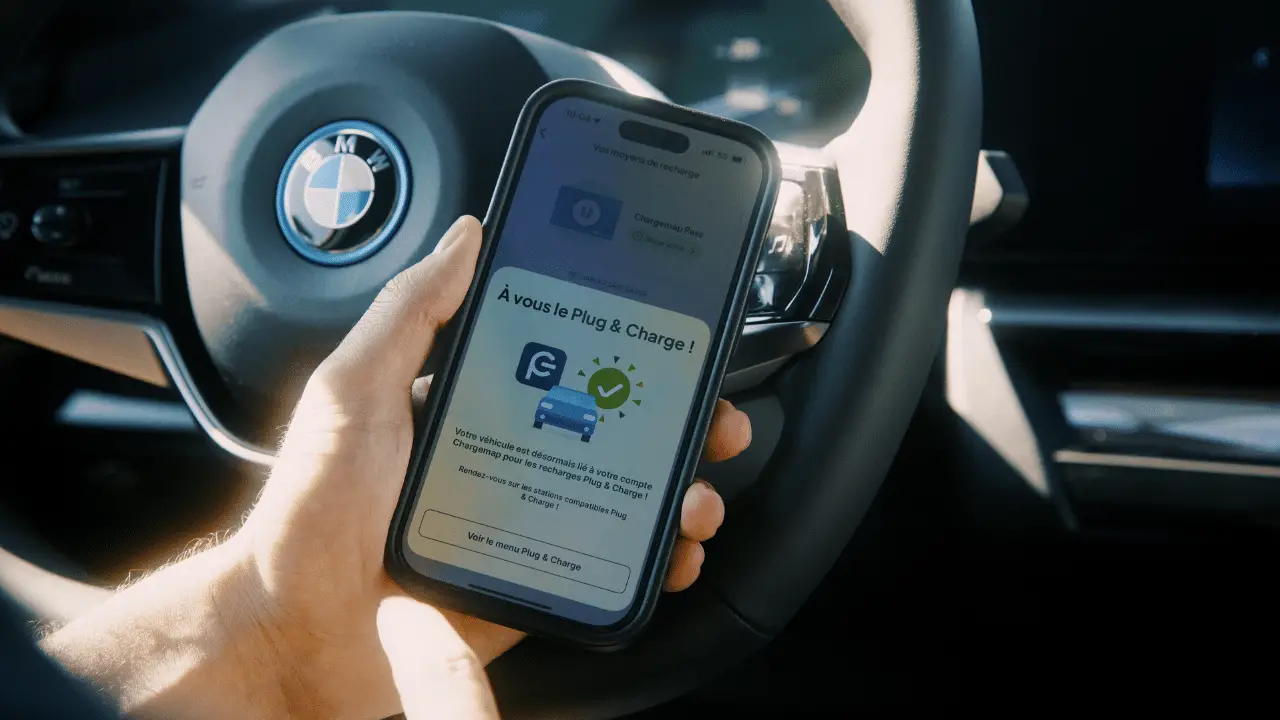
plug and play: towards simplified charging

The Fundamental Principle of Plug and Charge

The Plug and Charge system operates on a principle of automatic identification. When a driver plugs their electric vehicle into a compatible charging station, it automatically recognizes the vehicle and starts the charging session without any manual intervention.

Major Market Players

Several companies are positioning themselves in this promising technological niche. Chargemap, a key player in electric mobility, is actively developing solutions that integrate this functionality. Other charging operators and car manufacturers are collaborating to standardize this technology across Europe.

The Concrete Benefits of Plug and Charge

Simplified User Process

The main advantage lies in its ease of use. No need for a badge, mobile app, or payment card: physically connecting the cable is enough to initiate and authenticate the transaction.

Enhanced Security

The technology uses digital certificates and advanced encryption protocols to ensure the security of data and payments. Each vehicle is uniquely identified, preventing any fraudulent use.

Significant Time Savings

By eliminating manual authentication steps, Plug and Charge significantly reduces the time needed to start a charging session. This smoothness improves the overall experience for electric vehicle users.

Standardization in Europe

The implementation of Plug and Charge follows international standards, particularly the ISO 15118 standard, which defines the communication protocol between the vehicle and the charging infrastructure. This standardization is crucial to ensure interoperability between different networks and vehicle brands.

Vehicle Compatibility

Recent vehicles are gradually integrating this technology. Car manufacturers are working to make their models compatible with the Plug and Charge standard, while charging network managers are adapting their infrastructures.

Future Prospects

In the medium term, Plug and Charge is expected to become the standard for electric vehicle charging in Europe. Its widespread adoption will help democratize the use of electric vehicles by removing the last practical barriers related to charging.

Integration with Smart Grids

In the longer term, this technology will enable better integration with smart grids. Vehicles will be able to communicate with the grid to optimize charging times based on demand and pricing.

Persistent additional cost of electric vehicles for fleet managers

The Persistent Additional Cost of Electric Cars

Fleet managers are facing an unexpected financial challenge with the electrification of their vehicle fleets. While electric vehicles promise long-term savings, certain expense categories reveal significant additional costs that question the immediate profitability of this transition.

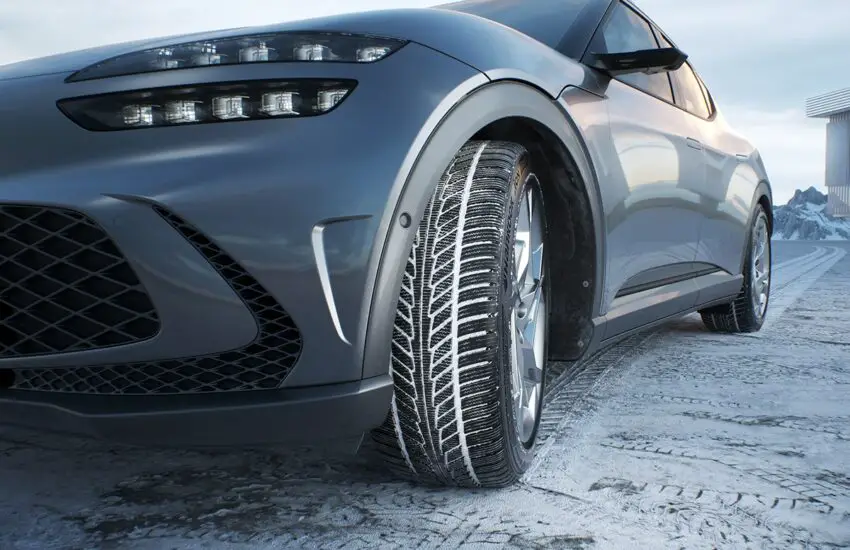
Tires for electric vehicles

The Higher Cost Item of Tires for Electric Fleets

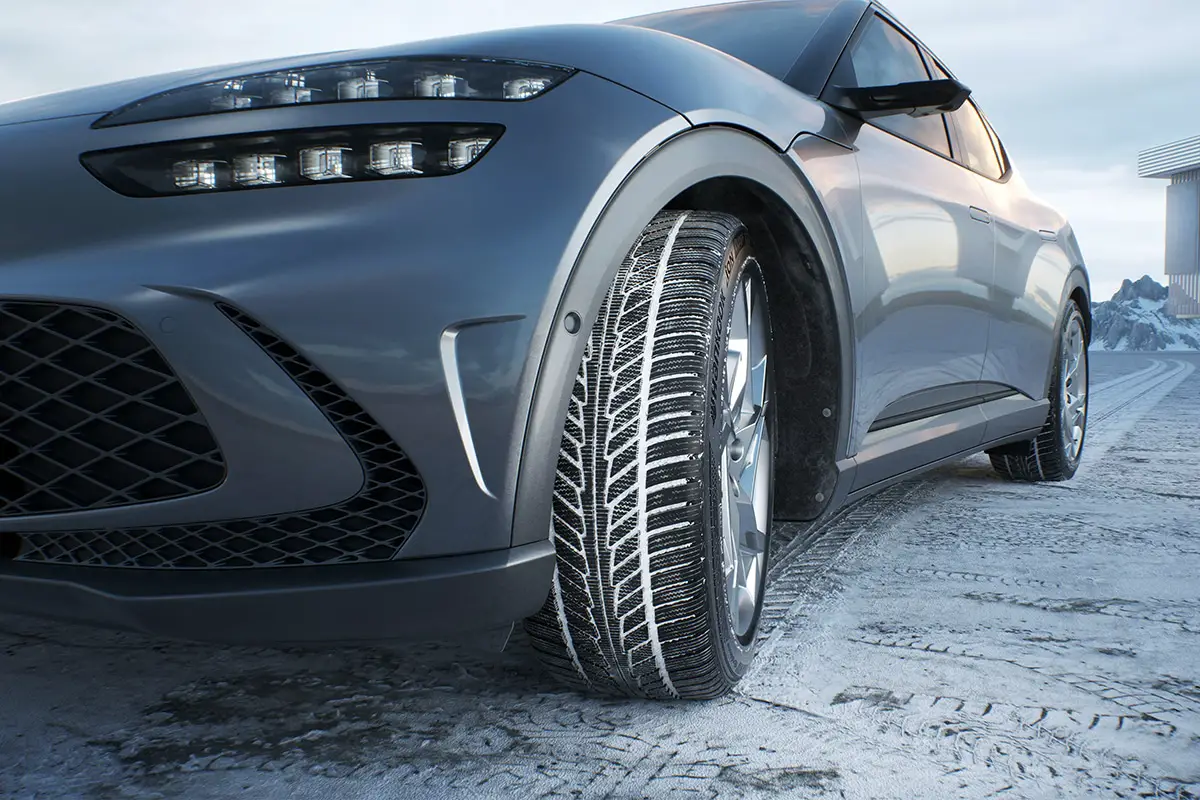
One of the most surprising elements in the maintenance budget of electric vehicles concerns tires. Several studies show that tires on electric cars wear out up to 30% faster than those on equivalent internal combustion vehicles. This accelerated wear is explained by several technical factors specific to electric vehicles.

The Technical Causes of This Accelerated Wear

The additional weight of lithium-ion batteries represents the first factor of premature wear. An electric car typically weighs between 200 and 500 kg more than a comparable internal combustion model. This additional mass exerts constant pressure on the tires, accelerating their degradation.

The instant torque characteristic of electric motors constitutes the second determining factor. The power available immediately during acceleration generates maximum grip that wears out the tire rubber more quickly. Fleet managers particularly observe this wear on vehicles used in urban environments with frequent stops and starts.

The Impact on Fleet Management

For companies managing dozens or hundreds of vehicles, this additional tire cost becomes significant. The maintenance budget must be recalculated to include more frequent replacements, which directly affects the total cost of ownership. Some managers report replacement cycles reduced to 15,000-20,000 km compared to 30,000-40,000 km for similar internal combustion vehicles.

Necessary Solutions and Adaptations

Faced with this observation, fleet managers are developing several strategies. The first involves opting for tires specifically designed for electric vehicles, offering better wear resistance despite a higher purchase price. The second approach aims to optimize driving styles through adapted training for drivers.

Tire pressure is also subject to enhanced monitoring. Maintaining optimal pressure helps reduce wear while preserving vehicle range. Some companies invest in automatic tire pressure monitoring systems to ensure permanent tracking.

Market Evolution Perspectives

Tire manufacturers have identified this new market and are actively developing ranges dedicated to electric vehicles. These new products incorporate reinforced rubber compounds and structures capable of withstanding the specific constraints of electric mobility. In the medium term, this specialization should help reduce the cost gap with conventional tires.

Conclusion

The persistent additional cost related to electric car tires legitimately raises questions for fleet managers. While this element does not call into question the energy transition of the vehicle fleet, it requires an adaptation of maintenance and management strategies. Taking these technical specificities into account helps optimize the total cost of ownership and ensure the profitability of investments in electric mobility.

Tokyo Salon 2025: Lexus unveils innovative concepts including a six-wheeled minivan

Tokyo Motor Show 2025: Lexus Unveils Surprising Concepts

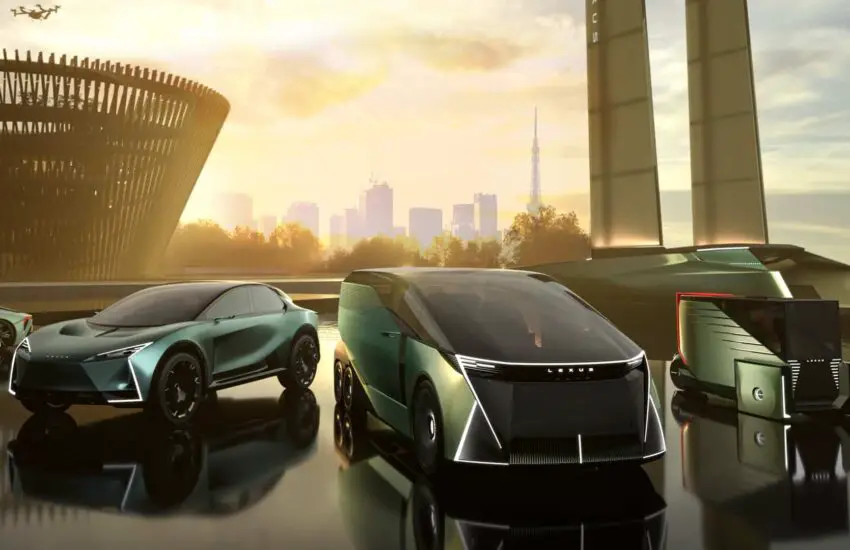
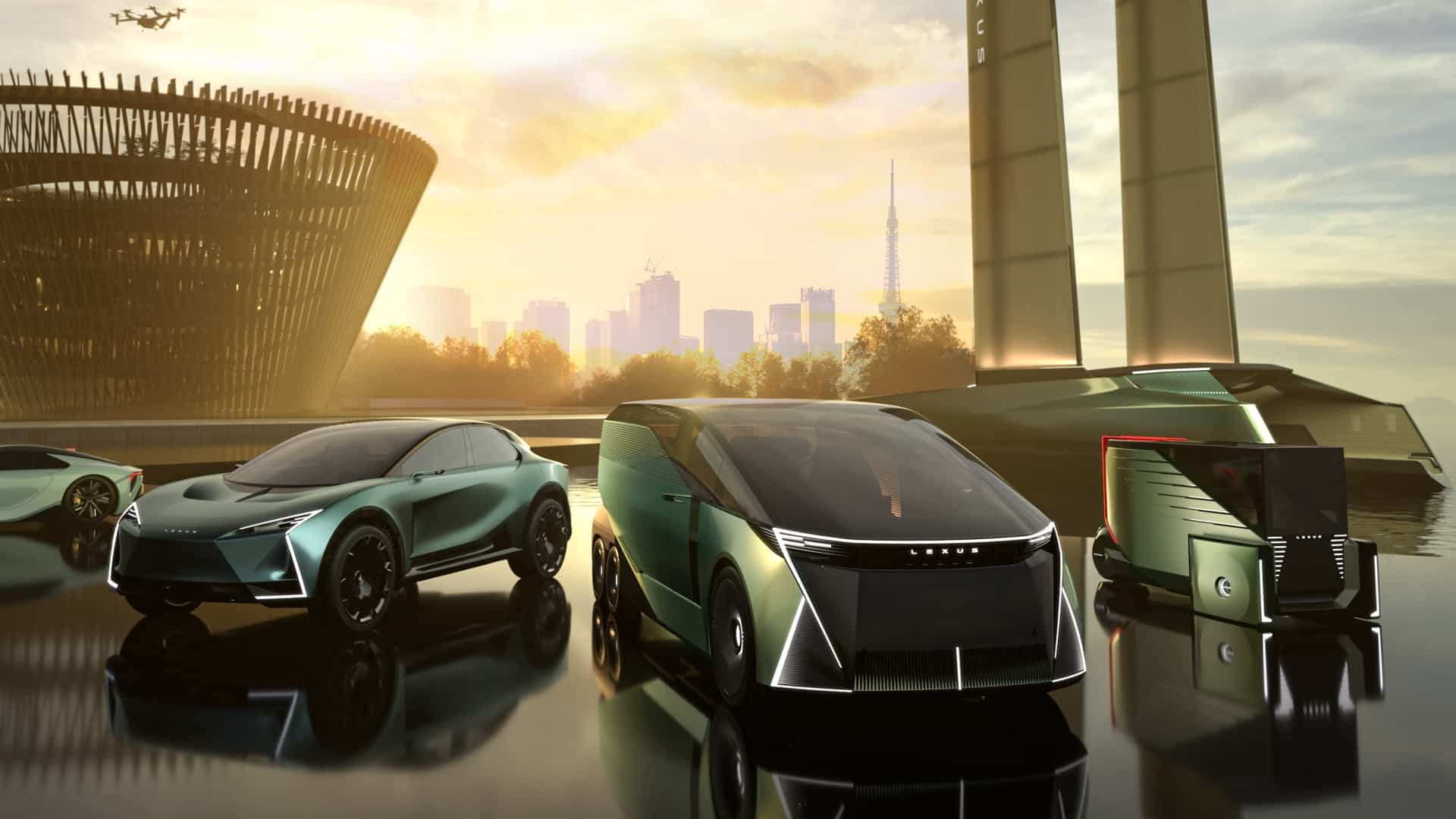
The Japanese manufacturer Lexus made a mark at the 2025 Tokyo Motor Show by presenting a bold vision for its electric future. Among the three concepts unveiled, a surprising six-wheeled monospace particularly captured the attention of visitors and automotive experts.

Lexus LS Concepts Tokyo Motor Show 2025

The Future Generation of Premium Electric Sedans

These concepts represent an in-depth reflection on replacing the LS sedan, confirming that Lexus’s future flagship model will be fully electric. Designers and engineers have worked on different approaches to redefine automotive luxury in the era of electrification.

A Revolutionary Six-Wheeled Monospace

The most spectacular concept presented is undoubtedly the monospace equipped with six wheels. This unique configuration offers several significant advantages: improved stability, increased load capacity, and a rethought driving experience. The wheel arrangement allows for exceptional maneuverability in the city while ensuring optimal comfort on the highway.

Technological Innovations and Avant-Garde Design

The three concepts share a common philosophy: integrating the latest technological advancements into a decidedly futuristic design. The interior has been completely redesigned to take advantage of the possibilities offered by the electric platform, with optimized interior space and sustainable premium materials.

Lexus’s Electric Strategy Becomes Clearer

With these concepts, Lexus demonstrates its firm commitment to the electric transition. The manufacturer is not merely adapting its existing models but fundamentally rethinking its vehicle architecture to fully exploit the potential of electric powertrains.

A Reinvented Vision of Automotive Luxury

Lexus’s approach goes beyond simply replacing internal combustion engines. The Japanese manufacturer is exploring new forms, new configurations, and new user experiences. The six-wheeled monospace is the perfect illustration of this, combining the brand’s traditional elegance with radical innovation.

Outlook for the Premium Automotive Market

These concepts foreshadow the evolution of the premium segment in the coming years. Lexus clearly positions technological innovation and bold design as the new pillars of automotive luxury, meeting changing consumer expectations while anticipating future environmental regulations.

The 2025 Tokyo Motor Show was therefore an opportunity for Lexus to unveil its electric roadmap and announce a new era for its high-end lineup, with vehicles that push the conventional boundaries of the automobile.

Mazda confirms its alternative strategy to electric at the Tokyo Motor Show

At the Tokyo Show, Mazda Confirms Its Strategic Positioning

Present at the Japan Mobility Show in Tokyo, automaker Mazda unveiled two new vehicle concepts that confirm its distinctive approach in the global automotive landscape. While most manufacturers are accelerating their transition to electric vehicles, Mazda maintains its own path with a strategy firmly focused on hybrid technologies.

Mazda Vision Model Concept at the Tokyo Show

An Alternative Vision for Sustainable Mobility

Mazda persists in its automotive philosophy that favors a gradual and thoughtful approach to the energy transition. The Japanese manufacturer is betting on optimizing internal combustion engines and developing sophisticated hybrid technologies rather than following the general trend toward all-electric vehicles.

This position aligns with a long-term vision where diversity of technological solutions is considered essential to meet different consumer needs and the specificities of global markets.

The New Hybrid Concepts Unveiled

The two concepts presented in Tokyo perfectly embody this strategy. They are advanced hybrid vehicles that incorporate the manufacturer’s latest technological innovations while retaining Mazda’s DNA: cars with elegant design and dynamic road behavior.

These concepts demonstrate Mazda’s ability to innovate in the field of alternative powertrains without abandoning the qualities that have made it successful. The focus is on energy efficiency, emission reduction, and driving experience, three fundamental pillars of the brand’s technical philosophy.

A Thoughtful Industrial Strategy

Unlike many competitors announcing abrupt transitions to electric vehicles, Mazda adopts a more measured approach. The manufacturer considers hybrid technology an ideal transitional solution, particularly suited to markets where electric charging infrastructure is not yet sufficiently developed.

This position is based on a realistic analysis of industrial capabilities, consumer needs, and infrastructure constraints worldwide. Mazda favors gradual evolution over a technological revolution that could present significant economic and technical risks.

Innovation Serving Energy Efficiency

The technologies presented on the Tokyo concepts demonstrate advanced research in optimizing hybrid powertrains. Mazda is working on continuously improving energy efficiency, energy recovery during braking, and the harmonious integration of different propulsion systems.

The manufacturer is also developing innovative solutions to reduce vehicle weight and improve aerodynamics, thereby helping to decrease energy consumption regardless of the power source.

A Long-Term Vision for Mobility

Mazda’s strategy is part of a long-term perspective that considers the diversity of energy situations worldwide. The manufacturer believes that different regions will adopt different mobility solutions depending on their energy resources, infrastructure, and consumption habits.

By maintaining a diversified offering and investing in multiple technologies simultaneously, Mazda positions itself as a player capable of adapting to market developments while preserving its technical and philosophical identity.

Conclusion: A Unique Path in the Automotive Industry

The Japan Mobility Show in Tokyo confirmed that Mazda is resolutely pursuing its own path in the automotive industry’s energy transition. By favoring hybrid technologies and adopting a gradual approach, the Japanese manufacturer demonstrates that there are several possible paths toward more sustainable mobility.

This strategy, although different from that of most manufacturers, reflects a realistic and nuanced view of the technological and industrial challenges facing modern automobiles.

BYD Racco: The Chinese electric Kei car challenging Japanese manufacturers

With This Electric Kei Car, Chinese BYD Dares to Challenge Japanese Manufacturers

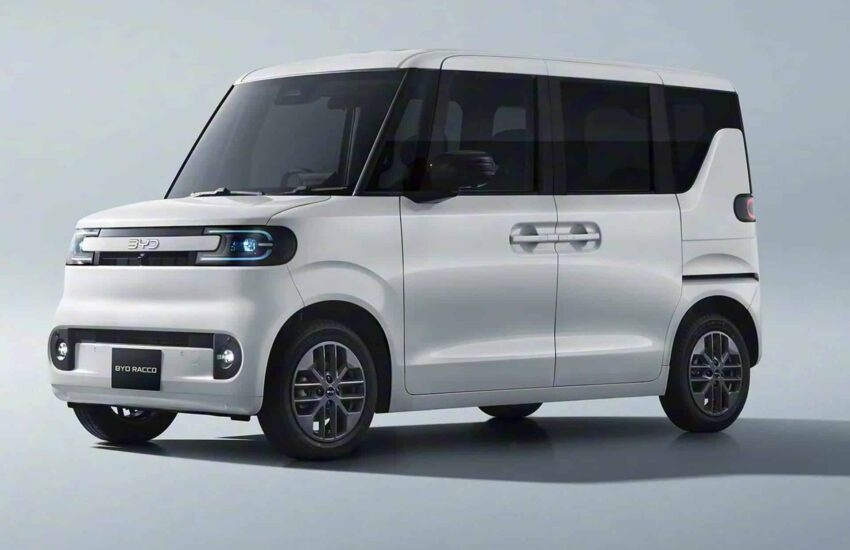
BYD Racco A matter of honor for BYD, which wants to succeed, a real provocation for the Japanese. The BYD Racco is undoubtedly the most talked-about new model at the Tokyo Motor Show.

A Notable Entry into the Japanese Market

The Chinese automaker BYD is making headlines with the launch of its Racco, an electric Kei car that represents a direct challenge to traditional Japanese manufacturers. Unveiled at the Tokyo Motor Show, this electric compact is generating significant interest in a market hitherto dominated by local brands.

The Kei Car Concept Revisited

Kei cars, these small urban vehicles very popular in Japan, constitute a particularly competitive segment. With the Racco, BYD offers a fully electric version of this concept, combining urban practicality and clean technology. This strategic positioning allows the Chinese manufacturer to target a niche market traditionally reserved for Japanese makers.

Design and Technical Features

The BYD Racco stands out with its modern and functional design, perfectly suited to Japanese urban traffic. Its compact dimensions adhere to Kei car standards while offering an optimized cabin for passenger comfort. The bodywork features dynamic lines and a silhouette recognizable among all.

Performance and Range

Equipped with the latest Blade battery technology developed by BYD, the Racco promises a substantial range for this segment. The detailed technical specifications, although not yet fully officially released, suggest competitive performance against equivalent Japanese models.

Bold Commercial Strategy

The launch of the Racco in Japan represents much more than a simple product introduction. It is a demonstration of strength by BYD, which seeks to establish itself permanently in a market known to be difficult for foreign manufacturers to access. This commercial offensive reflects the global ambitions of the Chinese group.

Automotive Market Reactions

Industry observers are closely watching this Chinese incursion into Japanese territory. Local manufacturers, who have so far been slow to electrify their Kei car lineups, may have to accelerate their development plans in the face of this new competition.

Technological Innovations

BYD integrates its latest innovations in electric powertrains and charging systems into the Racco. The focus is on reliability and energy efficiency, two essential criteria for appealing to the demanding Japanese clientele.

Impact on the Automotive Ecosystem

The arrival of the BYD Racco could significantly influence the evolution of the electric Kei car segment in Japan. Traditional manufacturers will likely have to review their product strategies and launch timelines to counter this new competition.

Development Prospects

The success or failure of the Racco in the Japanese market will be decisive for BYD’s future international ambitions. Positive adoption by Japanese consumers would pave the way for similar initiatives in other global markets.

Thus, the BYD Racco represents a crucial test for the Chinese manufacturer, but also a strong signal sent to the entire global automotive industry regarding the rise of Asian manufacturers in the field of electric vehicles.

BYD Racco Challenges Japan’s Kei Car Dominance

BYD Racco: The Electric Kei Car Shaking Up Japan

The automotive world is witnessing a bold move as Chinese automaker BYD introduces the Racco, a fully electric Kei car designed to compete directly in Japan’s most cherished vehicle segment. This strategic entry challenges domestic manufacturers on their home turf, signaling a new era in the electric vehicle revolution.

Redefining Kei Car Standards

The BYD Racco brings modern electric technology to a category traditionally dominated by gasoline engines. With its compact dimensions conforming to Japan’s strict Kei car regulations, the Racco offers zero-emission mobility without compromising the practical urban advantages that make Kei cars so popular. The vehicle’s design incorporates contemporary styling elements while maintaining the functional box-shaped silhouette characteristic of the segment.

Technical Innovation and Performance

Powered by BYD’s advanced Blade Battery technology, the Racco delivers reliable range and safety in urban environments. The electric powertrain provides instant torque for responsive city driving, while regenerative braking enhances efficiency. The interior maximizes the limited dimensions through smart packaging, offering surprising cabin space and modern connectivity features uncommon in traditional Kei cars.

Market Implications and Competition

BYD’s entry into the Japanese Kei car market represents more than just another electric vehicle launch—it’s a direct challenge to established players like Daihatsu, Suzuki, and Honda. The Racco’s competitive pricing and electric efficiency could disrupt market dynamics, potentially accelerating the electrification of Japan’s entire Kei car segment. This move demonstrates how Chinese automakers are evolving from domestic champions to global contenders in specialized vehicle categories. The introduction of the BYD Racco comes at a pivotal moment as Japan’s automotive industry grapples with electrification. While Japanese manufacturers have been developing their own electric Kei car solutions, BYD’s aggressive timeline and proven EV technology pose a significant threat to their market dominance. The Racco’s reception will test whether international brands can succeed in Japan’s unique automotive culture.

Dodge Charger Drag Pak V8: The Return of the Iconic Engine in Racing Version

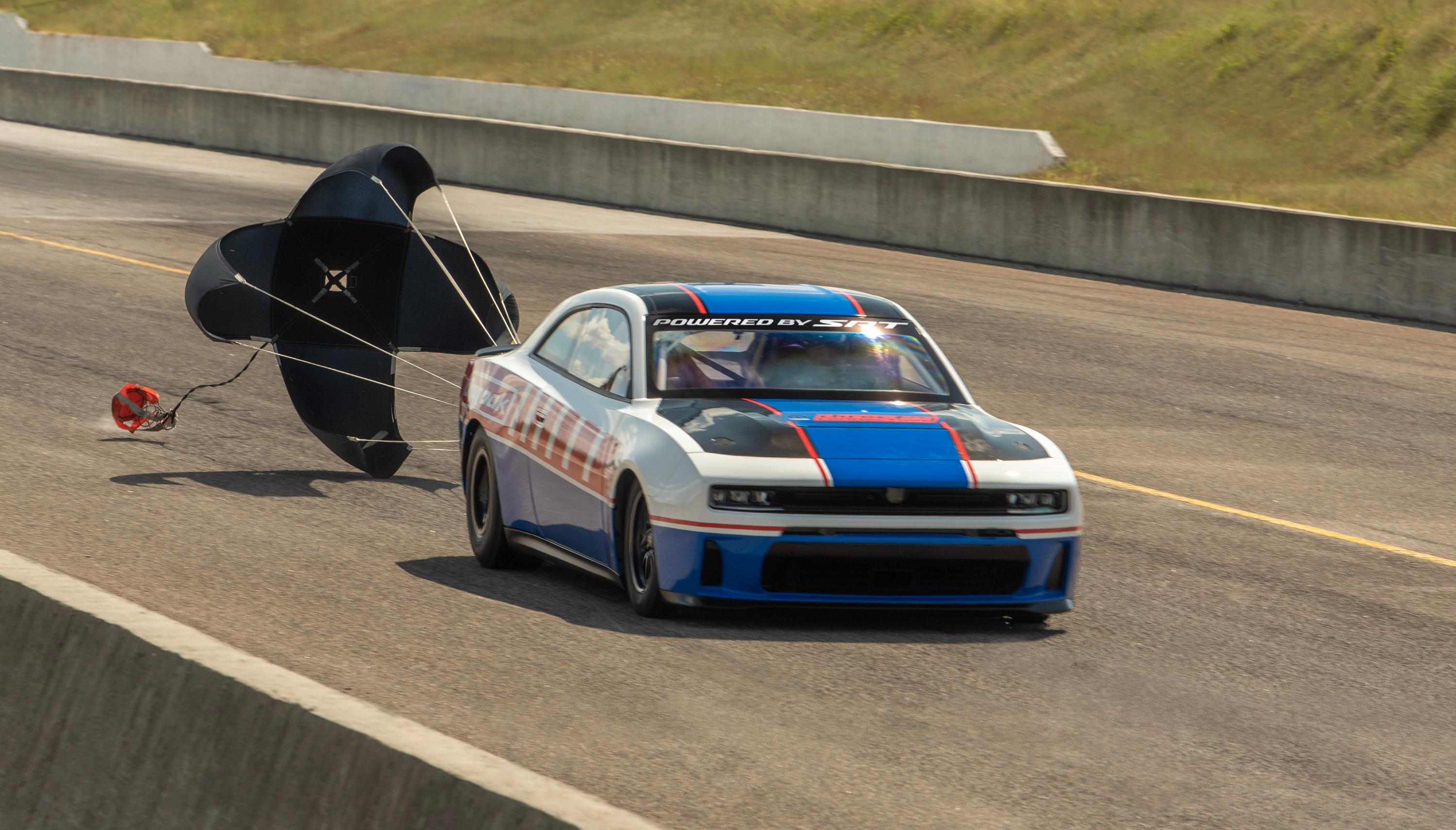
Dodge Charger Drag Pak V8

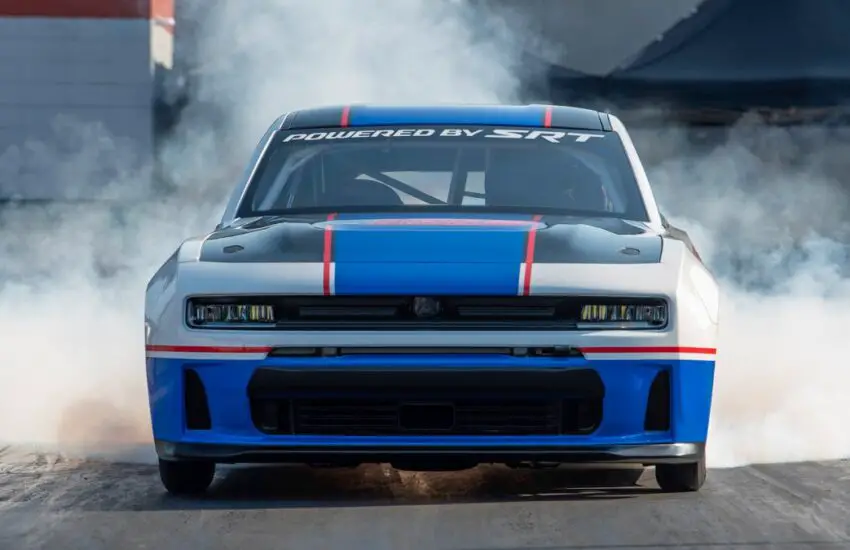
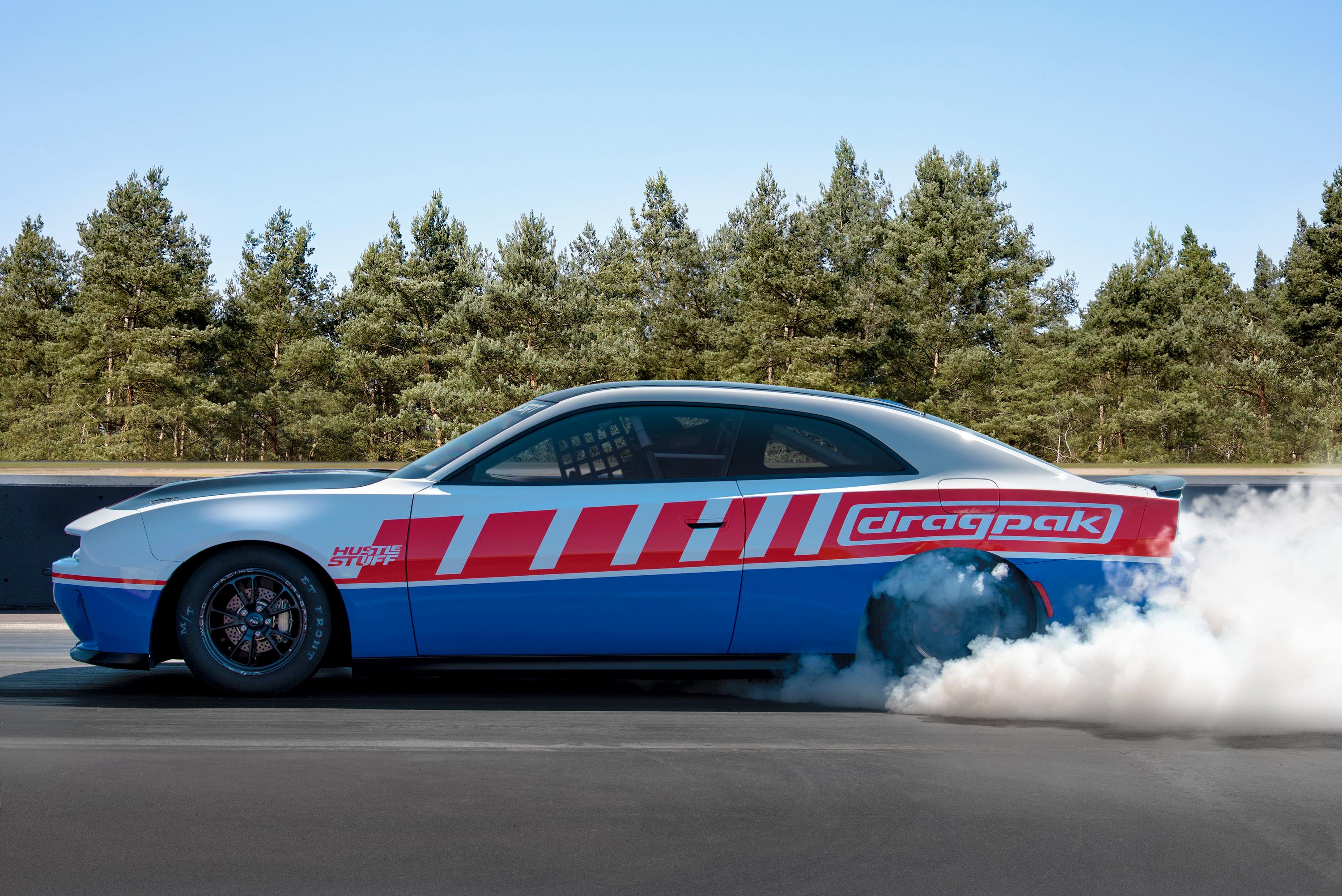
You are looking at a new Dodge Charger equipped with a V8 under its hood. This is a factory version, and although it is far from a production model, one can’t help but think that it might herald something important. I’m not claiming that a production Charger will run with a monstrous 3.0-liter Whipple supercharger like this dragster, but Dodge markets high-performance Hurricane I6 crate engines that would have been perfectly suitable. Thinking about it, the previous Challenger Drag Pak used one of these twin-turbo six-cylinders. Interesting…

Technical specifications of the beast

We could speculate for a long time about the meaning of this car for the brand, but let’s start with the facts and technical specifications. It is powered by a 358 cubic inch V8, approved by the NHRA for competition. This engine is obviously very powerful and has allowed Dodge to win the last two NHRA Factory Stock Showdown championships.

Dodge’s Racing Heritage

The presence of this V8 in the Charger Drag Pak rekindles the debate about the future of powertrains at Dodge. While the automotive industry is massively moving towards electrification and more compact engines, Dodge maintains its tradition of raw power in the competition arena. This 358 cubic inch V8 represents much more than just a propulsion unit: it is a symbol of the brand’s commitment to extreme performance.

Comparison with Previous Models

The choice of a V8 for this Drag Pak contrasts with the trend observed on the previous Challenger Drag Pak, which used a twin-turbo six-cylinder. This alternation in engine choices demonstrates Dodge’s technical flexibility and its ability to adapt to different competition regulations and requirements. The V8 brings a characteristic sound and a power curve that drag racing purists particularly appreciate.

Implications for Dodge’s Future

Although this version is intended exclusively for competition, its presentation raises legitimate questions about the future evolution of production models. Enthusiasts are wondering if this reappearance of the V8 in the Dodge universe could influence the development of the next generations of road vehicles. The brand has always known how to create a strong link between its racing versions and its production models, often using the former as laboratories for the latter.

Technologies and Innovations

The Charger Drag Pak incorporates the latest technological advances in drag racing preparation. Its reinforced chassis, lightweight bodywork, and specific components make it a formidable weapon on the track. The V8, although traditional in its architecture, benefits from the most recent improvements in aerodynamics, cooling, and electronic management.

Market Positioning

This V8 Drag Pak allows Dodge to maintain its dominant position in the very specialized segment of drag racing cars. Facing competition, the brand relies on its heritage and technical expertise to continue winning victories in competition. This strategic positioning strengthens Dodge’s performance image and helps fuel the passion of the brand’s fans.