A Decade-Long Journey to Electric Fleet Success

The Long Road to Electrification

Transitioning a commercial delivery fleet to electric power is rarely a quick switch. For one major hypermarket, it became a strategic mission spanning an entire decade. This journey began long before electric vehicles entered the mainstream, highlighting the perseverance required for large-scale sustainable logistics.

Early Adoption and Initial Hurdles

The project launched with ambitious goals but immediate practical challenges. A decade ago, the available electric vehicle models, particularly for medium-duty logistics, were limited in range, payload capacity, and variety. The supporting infrastructure was also in its infancy, requiring significant investment in on-site charging solutions. This initial phase involved extensive testing, vehicle adaptation, and close collaboration with manufacturers to prove the concept’s viability for daily store operations.

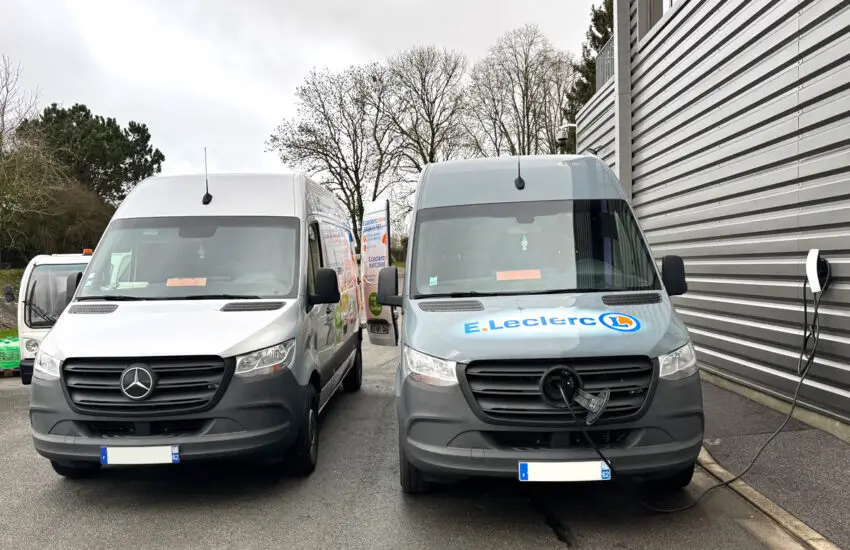
Two modern electric delivery vans parked at a hypermarket loading bay

Overcoming Technological and Operational Barriers

As the years progressed, so did the technology. The hypermarket’s team navigated evolving battery chemistries, improving charge times, and expanding vehicle ranges. Operational planning became crucial, involving route optimization to match vehicle capabilities and scheduling charging cycles around delivery windows. This period was defined by continuous learning, data collection, and process refinement to ensure reliability matched that of the traditional diesel fleet.

A Blueprint for Sustainable Logistics

Today, the hypermarket operates a fully integrated electric delivery fleet, a testament to its long-term commitment. The decade of experience has yielded valuable insights into total cost of ownership, maintenance specifics for electric drivetrains, and the real-world benefits of reduced emissions and noise pollution. This successful transition now serves as a practical blueprint for other large retailers, demonstrating that with strategic planning and patience, large-scale fleet electrification is an achievable and impactful goal.
Tesla Berlin Expansion Halted Amid Union Dispute

Elon Musk’s Stance on Unions Threatens German Gigafactory Growth

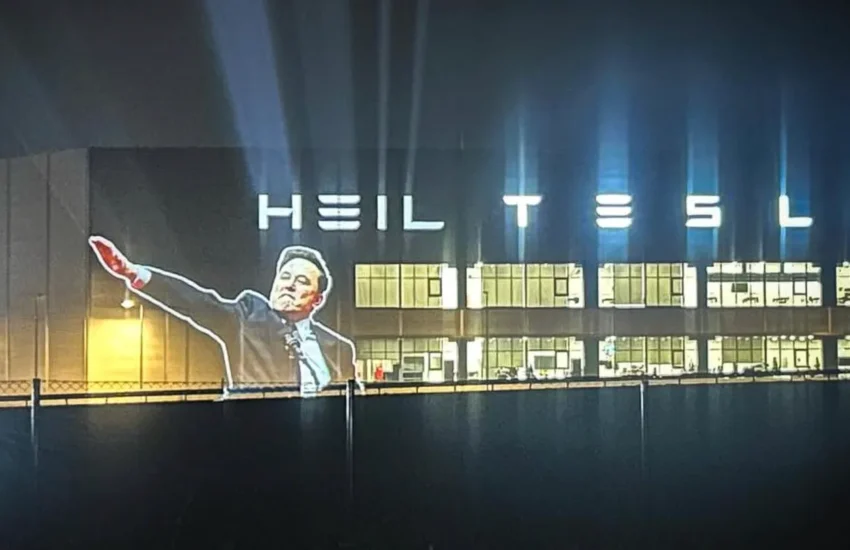
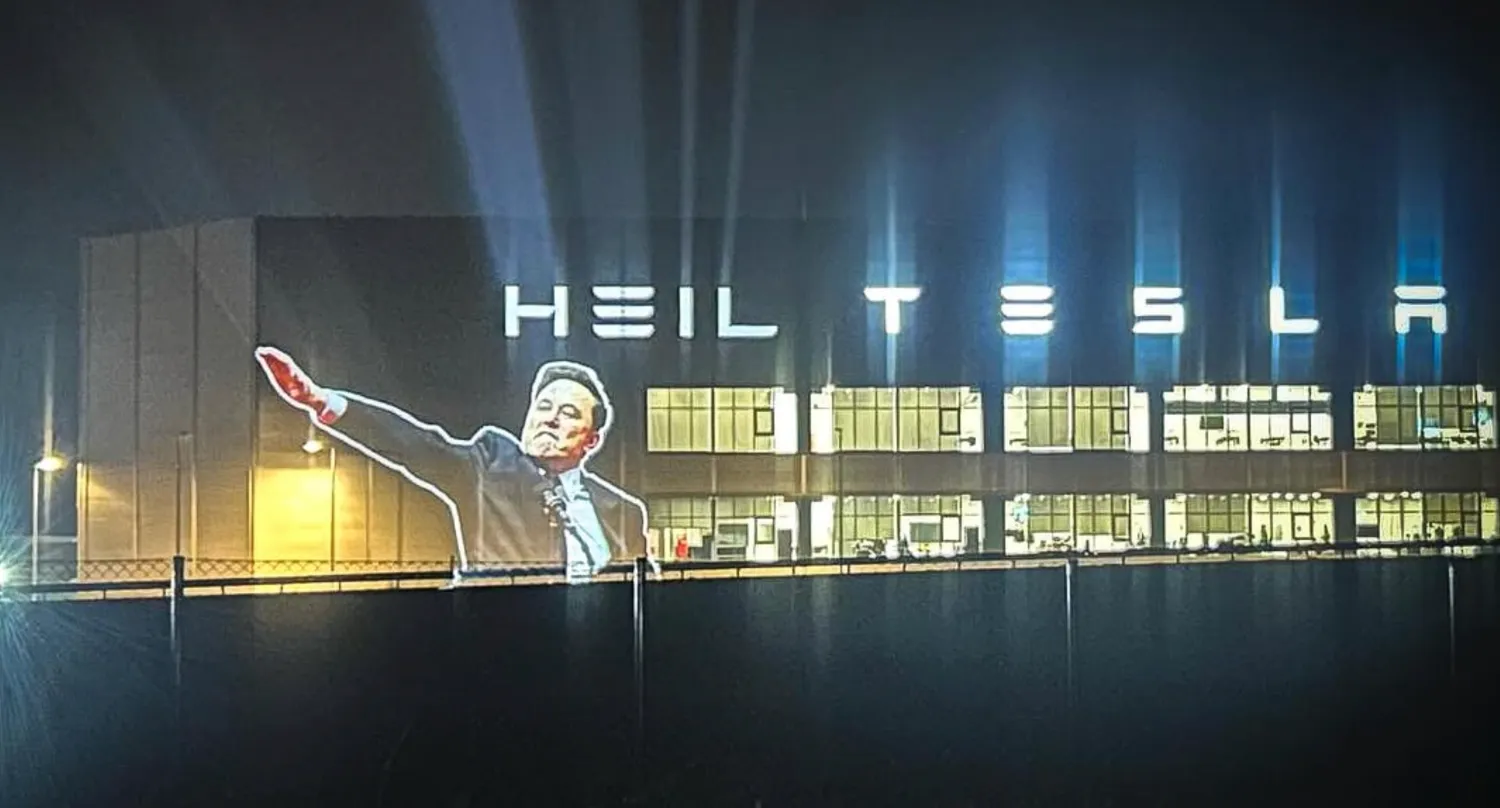
Elon Musk at Tesla Gigafactory Berlin

A significant clash over unionization is casting a shadow over the future of Tesla’s operations in Germany. CEO Elon Musk has publicly threatened to halt the planned expansion of the Gruenheide Gigafactory near Berlin if workers choose to organize under the powerful German union, IG Metall. This stance puts Tesla on a direct collision course with Germany’s deeply entrenched labor culture.

A Fundamental Cultural Clash

The dispute highlights a fundamental difference between Tesla’s corporate culture and Germany’s traditional industrial relations. IG Metall, one of the world’s largest industrial unions, represents workers across the German automotive sector, advocating for collective bargaining agreements that standardize wages and working conditions. Musk has historically been opposed to unions, favoring direct communication with employees. His threat underscores the high stakes as the factory approaches key worker elections, where employees may vote on union representation.

Implications for Tesla’s European Strategy

Stopping the expansion of the Berlin Gigafactory would represent a major strategic setback for Tesla in Europe. The facility is crucial for supplying the European market with electric vehicles and its planned growth is central to increasing production capacity. The confrontation risks not only slowing Tesla’s local growth but also damaging its reputation within a market that highly values workers’ rights and structured labor dialogue. The outcome of this standoff will be closely watched as a test of adaptability for foreign tech giants operating within Europe’s regulated economic landscape.

The situation remains fluid, with the potential to impact Tesla’s production targets, European market share, and its relationship with German authorities and the workforce. The company’s next moves will be critical in determining whether it can navigate this challenge without compromising its ambitious growth plans for the region.

Jeep’s Off-Road: Can the Brand Regain Its Traction?

An Icon at a Crossroads

Jeep, a name synonymous with rugged adventure and American automotive heritage, finds itself navigating treacherous terrain. Once the undisputed leader in off-road capability, the brand is now grappling with a series of challenges that have eroded consumer trust and blurred its strategic vision. Public admissions from leadership about past missteps underscore the severity of the situation.

A Mountain of Challenges

The brand’s legendary reputation is currently bogged down by significant issues. Persistent concerns over vehicle reliability and quality control have damaged its sturdy image. A history of massive safety recalls has further shaken buyer confidence, raising questions about manufacturing consistency. Beyond product problems, strategic confusion has emerged, with an expanding lineup that some argue dilutes the core, adventure-focused identity. Even the iconic Wrangler has seen its price and complexity climb, potentially alienating its traditional enthusiast base.

The Path to Recovery

For Jeep to rediscover its trail, a focused and authentic strategy is essential. The solution lies not in chasing every market trend, but in doubling down on its foundational strengths: unparalleled off-road engineering, durable build quality, and a sense of pure freedom. This requires a steadfast commitment to improving reliability metrics and simplifying its model offerings to reinforce a clear brand message. Success depends on rebuilding trust through demonstrably robust vehicles that live up to the legacy of the nameplate.

Navigating the Future Landscape

The automotive world is shifting toward electrification and advanced technology, presenting both a hurdle and an opportunity. Jeep must integrate these modern elements without compromising the rugged, go-anywhere spirit that defines it. The upcoming electric models will be a critical test, proving whether the brand can innovate while staying true to its roots. The journey back to solid ground is steep, but by refocusing on its core promise of adventure and capability, Jeep has the potential to regain its legendary status.

F1 2026: The Great Downsizing Begins

The 2026 F1 Revolution: A Smaller, Nimbler Future

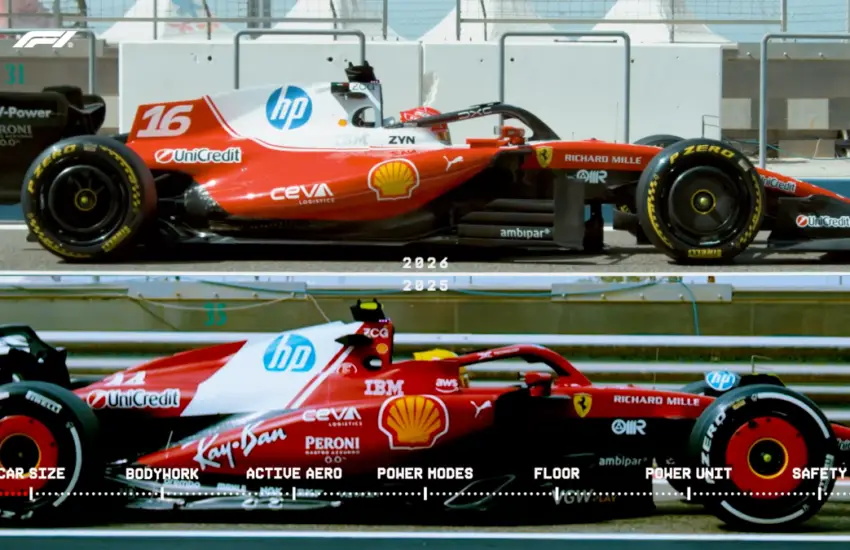
The dawn of the 2026 Formula 1 season is set to deliver the most dramatic visual transformation in over a decade. Moving away from the current generation of lengthy machines, the new regulations mandate a significant reduction in car dimensions, heralding a return to more compact and agile single-seaters.

From Limousines to Sports Cars

For years, F1 cars have grown progressively longer and heavier, with wheelbases often exceeding 3.6 meters. This trend, driven by complex aerodynamic and powertrain packaging, is being decisively reversed. The 2026 rules will enforce a shorter wheelbase and reduce the car’s overall footprint. This shift promises to alter not just the aesthetics but the fundamental handling characteristics of the cars, potentially making them more responsive and improving wheel-to-wheel racing.

Engineering the Compact Power Unit

This downsizing is intrinsically linked to the new power unit regulations. With a greater emphasis on electrical energy from the MGU-K and the removal of the complex MGU-H, the physical size of the hybrid system can be reduced. This allows designers to create a tighter, more efficient package at the rear of the car. The result is a car that is not only shorter but should also be significantly lighter, countering the weight creep seen in recent seasons.

Impact on Racing and Overtaking

A more compact car is a crucial step for improving the spectacle. Shorter cars are less susceptible to turbulent ‘dirty air’ from the car ahead, which has historically made close following difficult. Combined with active aerodynamic elements, the 2026 design philosophy aims to facilitate closer racing and more overtaking opportunities. Drivers may also find the cars more challenging and engaging to drive on tight, twisty circuits where nimbleness is key.

A New Era of Agility

The 2026 regulation change represents a conscious effort to redefine Formula 1’s identity. By slimming down the cars, the sport is prioritizing agility, driver skill, and competitive racing over pure aerodynamic efficiency gained from sheer size. This pivotal shift marks the end of the giant single-seater era and the beginning of a new chapter focused on dynamic, wheel-to-wheel competition.

Chrysler Pacifica 2026: A Bold RoboCop-Inspired Redesign

A Futuristic Face for the Family Hauler

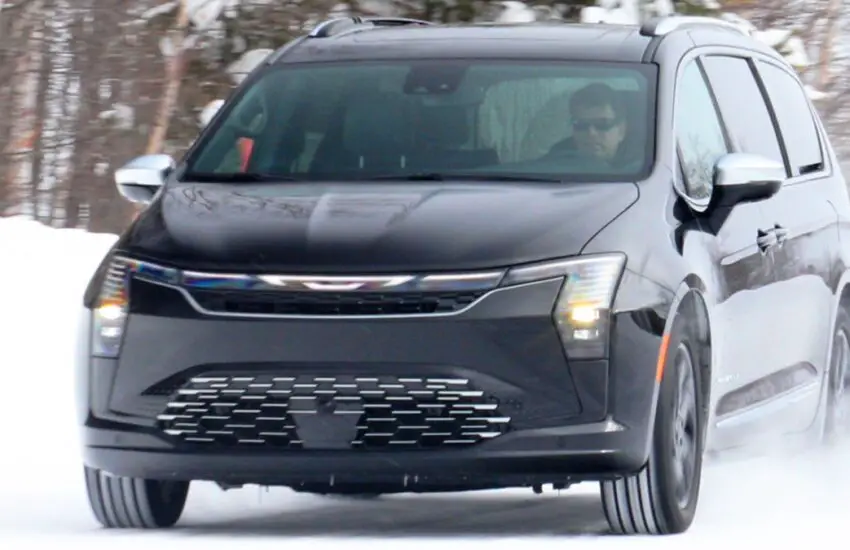
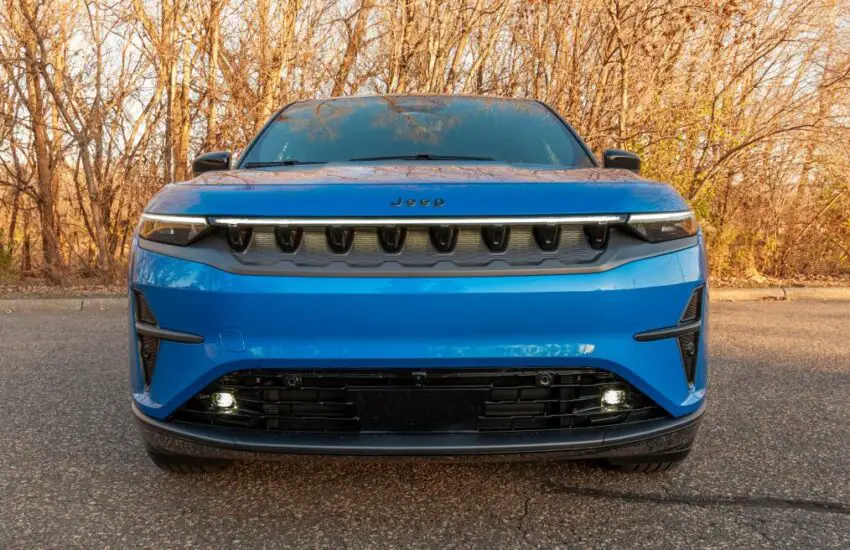
The iconic Chrysler Pacifica minivan is undergoing its most dramatic transformation in nearly a decade. For the 2026 model year, Chrysler has unveiled a significant styling update that marks a sharp departure from its current, more conservative appearance. The most striking change is a complete redesign of the front fascia, which abandons the traditional open grille for a sleek, futuristic, and almost armored look.

Inspired by Sci-Fi Cinema

This radical new design language draws direct inspiration from the aesthetic of classic sci-fi films, notably the iconic visor of RoboCop. The front end now features a seamless, body-colored panel where the grille once was, punctuated by a thin, full-width LED light bar and sharp, angular air intakes lower down. This creates a high-tech, authoritative presence rarely seen in the minivan segment, trading warmth for a commanding, robotic precision.

More Than Just a New Face

While the front end is the headline, the redesign extends to the vehicle’s profile and rear. Expect sharper character lines along the sides and new, more intricate LED taillight signatures. The overall silhouette remains recognizably a Pacifica, prioritizing interior space and functionality, but the details signal a clear move towards a more progressive and technologically advanced identity.

Balancing Futurism with Function

This bold shift raises questions about market reception. The minivan segment traditionally values approachability and family-friendly design. Chrysler’s gamble is that by embracing a cutting-edge, “tech-forward” aesthetic, it can attract new buyers looking for a vehicle that feels innovative, safe, and robust. The 2026 Pacifica aims to prove that practicality and avant-garde design are not mutually exclusive, potentially redefining expectations for what a family vehicle can look like.

Damaged McLaren Elva Supercar Heads to Auction Block

A Rare Opportunity for Collectors and Restorers

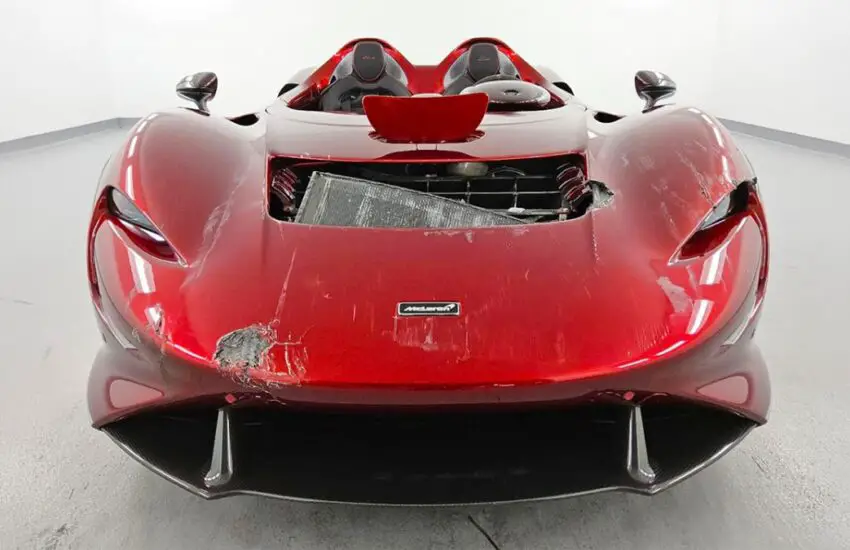
A unique chance to acquire an ultra-rare supercar is currently live on a popular auction platform. A McLaren Elva, one of just 149 examples ever built, is listed for sale with significant front-end damage. With an original valuation hovering around $2 million, this auction represents a potential high-stakes project for a specialized buyer.

The Allure of the McLaren Elva

The McLaren Elva is a modern masterpiece of automotive engineering, designed as an open-top, windscreen-less roadster that embodies pure driving exhilaration. Its name pays homage to the Bruce McLaren-designed M1A race cars of the 1960s. Powered by a twin-turbocharged 4.0-liter V8 engine producing 804 horsepower, the Elva is capable of staggering performance, accelerating from 0 to 62 mph in under three seconds.

Its extreme rarity and groundbreaking design, which includes an innovative Active Air Management System (AAMS) to deflect air over the cockpit, make any Elva a coveted collector’s item. This particular vehicle retains its stunning factory paint and, according to the listing, remains in a running and driving state despite the visible damage.

A High-Value Restoration Project

The auction listing categorizes this Elva as a restoration project. The front clamshell, carbon fiber bodywork, and lighting assemblies have sustained clear impact damage. For a prospective buyer, the cost of acquisition will be just the beginning. Sourcing genuine McLaren parts and securing specialized craftsmanship for carbon fiber repair will require a substantial additional investment and access to expert technicians.

This scenario is not for the faint of heart. It is a project tailored for a dedicated collector with the resources to undertake a concours-level restoration, or perhaps a specialist workshop. The final moments of the auction will ultimately determine the vehicle’s new market value in its damaged state and whether the investment in a full restoration makes financial sense for the winning bidder.

Stellantis Posts Record $26 Billion Loss After EV Strategy Backfires

Stellantis Confirms Massive Financial Setback

The automotive giant Stellantis has reported its first annual net loss since its formation, a staggering $26 billion deficit. This financial result marks a significant turning point for the parent company of brands like Jeep, Ram, and Peugeot, directly linked to the costly restructuring of its ambitious electric vehicle plans.

The High Cost of an Electric Pivot

Industry analysts point to several key factors behind the unprecedented loss. Aggressive investments in new EV platforms, battery plants, and supply chains have required enormous capital expenditure. Simultaneously, the company faced significant write-downs on legacy investments tied to internal combustion engine technology. A slower-than-anticipated adoption rate for electric vehicles in key markets further exacerbated the situation, leaving Stellantis with high development costs and underwhelming sales volumes for its new electric models.

A Strategic Shift for Profitability

In response to this financial turmoil, Stellantis leadership has announced a major strategic revision. The company is now pivoting to emphasize financial discipline and near-term profitability. This new direction involves a renewed focus on its profitable core portfolio, including popular trucks and SUVs, while moderating the pace and scale of its EV rollout. The strategy aims to leverage hybrid technologies as a transitional bridge, catering to current market demand while continuing to develop electric options for the long term.

Industry-Wide Implications

The scale of Stellantis’s loss sends a powerful signal throughout the global auto industry. It highlights the immense financial risks associated with the transition to electric mobility, even for well-established manufacturers. Competitors are likely to scrutinize their own EV investment timelines and capital allocation. This event may prompt a broader industry trend toward more cautious, phased electrification strategies that balance innovation with financial sustainability.

The coming year will be a critical test for Stellantis as it executes this revised plan. Its ability to return to profitability while navigating evolving regulations and consumer preferences will be closely watched as a case study in automotive transformation.

Subaru Uncharted 2026: An Affordable EV SUV Without AWD?

Subaru Uncharted 2026: First Driving Impressions

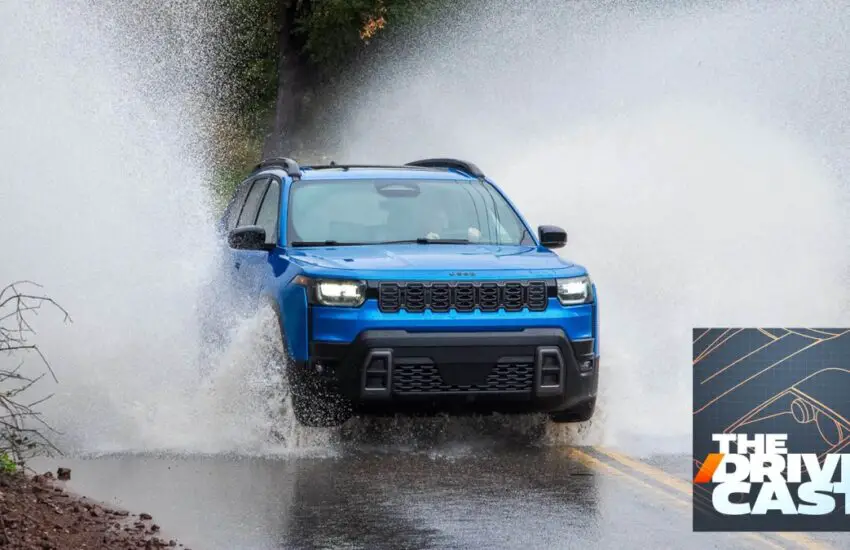
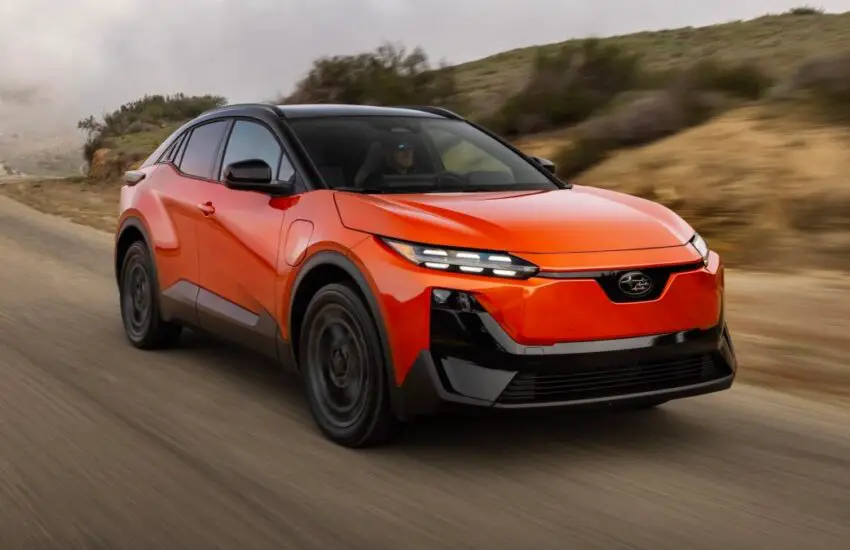
Subaru is charting a new course in the electric vehicle landscape with its upcoming 2026 lineup. While the brand’s move to electrify may seem measured, it is strategic, introducing two new models to complement the existing Solterra. Following the Trailseeker, the Subaru Uncharted 2026 emerges as a pivotal, more accessible entry into the brand’s electric future, prompting a key question about its core identity.

A Bold Departure from Tradition

The Subaru Uncharted represents a significant shift. For decades, Subaru’s reputation has been built on symmetrical all-wheel drive and rugged capability. The Uncharted, however, is expected to be a front-wheel-drive platform, prioritizing affordability and efficiency over traditional off-road prowess. This move is a calculated gamble to attract a new segment of urban and suburban buyers looking for a practical, eco-friendly SUV without the premium price tag often associated with AWD EVs.

Design and Practicality Focus

Early indications suggest the Uncharted will feature a sleek, modern crossover design with signature Subaru styling cues, like a prominent grille and protective cladding, but in a more streamlined package. The interior is anticipated to focus on durability, user-friendly technology, and generous cargo space, aligning with the brand’s practical ethos. The driving experience is tuned for comfort and daily commuting, offering a quiet, smooth ride suited for paved roads.

Value Proposition and Market Position

The core appeal of the Subaru Uncharted 2026 lies in its value proposition. By potentially forgoing the complex AWD system, Subaru can offer a competitive range at a lower price point. This positions it as a compelling alternative in the crowded compact electric SUV market. It answers the demand for a dependable, no-fuss electric vehicle from a trusted manufacturer, even if it means leaving the extreme trails for its Solterra and Trailseeker siblings.

Ultimately, the Uncharted is Subaru’s answer to a more mainstream electric audience. It proves the brand can evolve, offering a capable and affordable electric SUV that prioritizes daily utility, while its legacy of adventure lives on in other models.

How Paper Signs Can Fool Self-Driving Car AI

The Paper-Thin Threat to Autonomous Vehicles

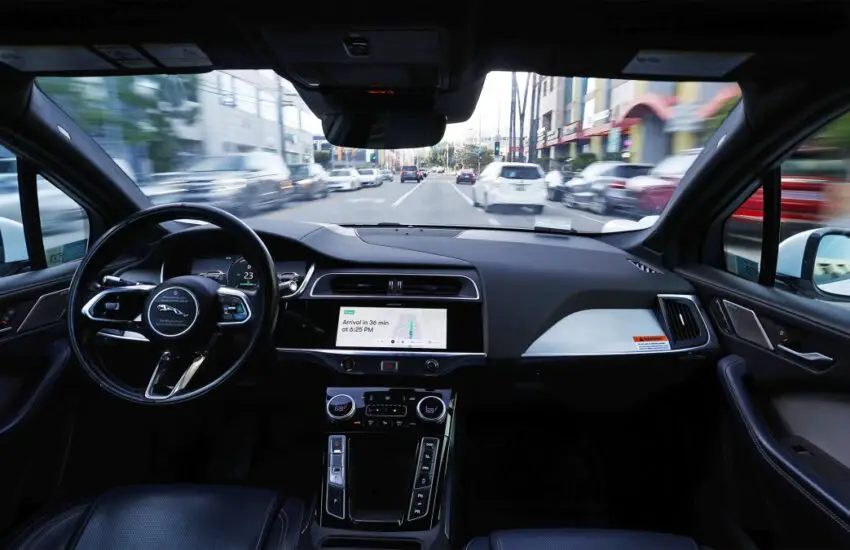
New research reveals a startling vulnerability at the heart of self-driving technology. The sophisticated vision-language models that help autonomous vehicles interpret the world can be deceived by simple, physical objects like a piece of paper. This form of real-world hacking, where a carefully crafted sign can issue hidden commands, exposes a critical challenge for the future of automated transport.

Exploiting the AI’s Perception

The core of the issue lies in how these AI systems are trained. They learn to associate visual patterns with specific text-based instructions from vast datasets. By creating a physical sign with a subtly manipulated pattern—essentially an “adversarial example”—researchers demonstrated that the AI could be tricked into perceiving a command that isn’t there for a human. For instance, a sign held near the road could be misinterpreted by the car’s system as an instruction to ignore a stop sign or change lanes unexpectedly.

Beyond Digital Hacking

This moves the threat from purely digital cyber-attacks into the physical realm. Unlike traditional software vulnerabilities that require complex code injection, this exploit requires only access to a printer and an understanding of the AI’s visual triggers. It highlights a fundamental gap between human and machine perception, where machines see statistical patterns while humans see contextual meaning.

The Road Ahead for Safety

While this vulnerability is a significant finding, it is currently a controlled demonstration. Implementing such an attack reliably on a moving vehicle under diverse real-world conditions presents substantial hurdles. However, it serves as a crucial wake-up call for the industry. Addressing this flaw will require developing more robust AI that understands context like a human, not just patterns. The focus must shift toward creating systems that are resilient to these “optical illusions,” ensuring that the path to full autonomy is built on a foundation of security.

Apple Revs Up Its Ecosystem for Formula 1 Fans

Apple Shifts Gears for Formula 1 Integration

With exclusive broadcasting rights for Formula 1 in the United States starting with the 2026 season, Apple is quietly supercharging its ecosystem to cater to motorsport enthusiasts. This strategic move goes far beyond simply streaming races on Apple TV. The tech giant is embedding F1-centric features into its core applications, creating a more immersive and integrated experience for fans worldwide.

Enhanced Navigation with Apple Maps

Apple Maps is receiving a significant upgrade for F1 aficionados. Users can now access detailed guides for Grand Prix circuits, including points of interest, venue entrances, and recommended local spots. This feature transforms race weekends, helping fans navigate bustling event cities and the circuits themselves with greater ease. The integration aims to streamline the live event experience, from finding the best viewing spots to locating amenities.

Training Like a Driver with Apple Fitness+

Apple Fitness+ is introducing new workout content inspired by the physical demands of Formula 1. uired by drivers. These specialized workouts, led by top trainers, allow fans to connect with the sport on a physical level, offering a unique way to engage with F1 beyond passive viewing.

A Cohesive Digital Pit Stop

This ecosystem optimization represents Apple’s holistic approach to content ownership. By weaving F1 into Maps, Fitness+, and undoubtedly future services, Apple creates a sticky digital environment. Fans are not just watching a race; they are training for it, navigating to it, and living within an Apple-curated F1 world. This deep integration strengthens brand loyalty and provides a compelling template for how Apple might handle future exclusive sports content, making its devices and services central to the fan journey.