Renault’s Range Extender Revolution

Beyond Pure Electric: Renault’s Hybrid Solution

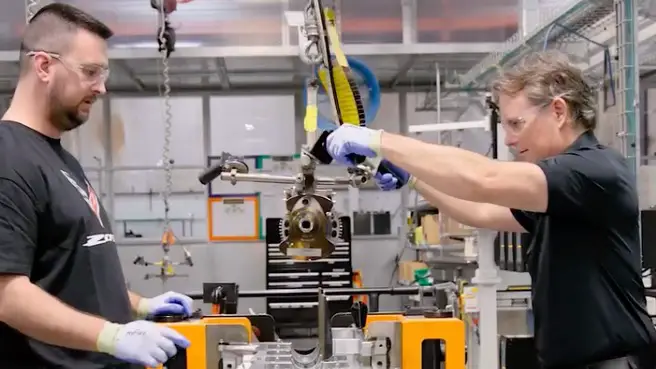
Renault range extender technology

Renault is pioneering an innovative approach to electric mobility with its latest development in range extender technology. This strategic move positions the French automaker at the forefront of practical electric vehicle solutions that address current infrastructure limitations while maintaining environmental benefits.

Bridging the Electric Gap

The range extender system represents a sophisticated middle ground between conventional combustion engines and pure electric powertrains. Unlike traditional hybrids, these vehicles operate primarily on electric power while incorporating a compact combustion engine that functions solely as a generator to recharge the batteries during longer journeys.

This technological approach eliminates range anxiety while maximizing electric driving capabilities. Urban commuters can complete daily trips using only battery power, while the range extender provides security for unexpected long-distance travel or areas with limited charging infrastructure.

Technical Innovation and Market Positioning

Renault’s engineering team has developed a compact, efficient generator unit that activates only when battery levels drop below a predetermined threshold. This system ensures optimal energy management while maintaining the quiet, smooth driving experience characteristic of electric vehicles.

The technology demonstrates Renault’s commitment to practical electrification solutions that accommodate diverse driving needs across different regions and use cases. This approach acknowledges that while pure electric vehicles represent the future, transitional technologies can accelerate widespread adoption by addressing current limitations.

Sustainable Transition Strategy

This development reflects a nuanced understanding of the automotive industry’s evolution toward full electrification. By offering a solution that reduces emissions without requiring complete infrastructure overhaul, Renault positions itself as a pragmatic leader in sustainable mobility.

The range extender technology represents an important step in making electric mobility accessible to broader consumer segments, particularly those who require flexibility for varying driving patterns or live in regions with developing charging networks.

France Boosts Electric Car Incentives for 2026

Electric Vehicle Ecological Bonus Enhancement

French drivers have reason to celebrate as the government confirms a substantial increase in the ecological bonus for electric vehicles manufactured in Europe. Scheduled for implementation in 2026, this enhanced incentive is part of a broader strategy to accelerate the nation’s shift toward sustainable transportation while reinforcing the European automotive industry’s competitiveness.

Strategic Government Initiative

The decision to raise the ecological bonus aligns with France’s commitment to reducing carbon emissions and promoting clean energy. By focusing on European-made electric vehicles, the policy not only supports local manufacturing but also ensures higher environmental and production standards. This move is expected to make electric cars more accessible to a wider range of consumers, addressing affordability concerns that have previously hindered adoption.

Impact on the Automotive Market

With the upcoming increase, industry analysts predict a surge in electric vehicle sales, potentially reshaping the French automotive landscape. Manufacturers are likely to ramp up production of eligible models, fostering innovation and job creation within the sector. The bonus is designed to complement existing infrastructure investments, such as charging station expansions, creating a cohesive ecosystem for electric mobility.

Long-Term Environmental Benefits

This policy reinforcement underscores the importance of transitioning away from fossil fuels. By incentivizing electric vehicle purchases, France aims to significantly cut greenhouse gas emissions from road transport, which is a major contributor to urban pollution. The 2026 timeline allows for adequate preparation by both automakers and consumers, ensuring a smooth transition toward a greener future.

Preparing for 2026

As the effective date approaches, stakeholders are encouraged to stay informed about eligibility criteria and application processes. The enhanced bonus is poised to play a pivotal role in achieving national and European climate targets, marking a critical step in the journey toward sustainable transportation.

Opel Astra Electric Refresh Boosts Range

Revamped Opel Astra Electric Unveiled

Opel is set to introduce a refreshed version of its Astra model, with the electric variant receiving notable enhancements in driving range. This update arrives as the electric vehicle market grows increasingly competitive, where extended range is a key factor influencing buyer decisions. The restyled Astra electric aims to address consumer demands for greater efficiency and longer distances on a single charge.

Key Improvements in Battery and Performance

The updated Opel Astra electric is expected to feature an upgraded battery system, delivering improved energy density and thermal management. These advancements contribute to a significant boost in range, potentially exceeding previous estimates. Engineers have focused on optimizing power consumption without compromising the vehicle’s dynamic driving characteristics, ensuring a balanced blend of performance and sustainability.

Design and Technological Updates

Alongside range improvements, the Astra electric refresh includes subtle design tweaks to enhance aerodynamics and modernize its appearance. A revised front grille, sleeker LED lighting, and refined alloy wheels are among the visual upgrades. Inside, the cabin benefits from the latest infotainment system with faster processing, intuitive controls, and enhanced connectivity options, providing a more seamless and engaging driving experience.

Market Position and Environmental Impact

By increasing the Astra electric’s range, Opel strengthens its position in the compact EV segment, appealing to eco-conscious drivers seeking practicality and reduced carbon footprints. The improvements align with global trends toward electrification, supporting cleaner urban mobility. With these updates, the Astra electric becomes a more compelling choice for those transitioning to electric vehicles, offering reliability and innovation in one package.

Tesla FSD Europe Launch Faces Regulatory Hurdles

European Regulatory Scrutiny for Tesla FSD

Tesla FSD version 12

Tesla’s announcement of its Full Self-Driving (FSD) system’s imminent launch in Europe has sent ripples across the automotive sector, but regulatory bodies are tightening oversight. The American automaker’s ambitious plan to introduce its advanced driver-assistance technology faces a complex web of European safety standards and data privacy laws that differ significantly from US regulations.

Strict Compliance Requirements

European authorities have emphasized that any autonomous driving system must undergo rigorous validation testing specific to European road conditions and traffic patterns. The General Safety Regulation (GSR) and type-approval processes require extensive documentation and proof of system reliability. Tesla must demonstrate FSD’s capability to handle narrow medieval streets, complex roundabouts, and diverse weather conditions common across European countries.

Data Handling Challenges

Europe’s stringent GDPR regulations present additional complications for Tesla’s data collection practices. The system’s reliance on continuous camera and sensor data processing must align with strict privacy protection standards. European regulators are particularly concerned about how Tesla handles biometric data and whether the system’s constant monitoring complies with regional data protection requirements.

Technical Adaptation Needs

Beyond regulatory compliance, Tesla faces technical challenges in adapting FSD for European markets. The system must recognize European road signs, understand right-of-way rules that vary by country, and navigate infrastructure differences. These adaptations require significant software modifications and additional training of the neural networks that power Tesla’s autonomous driving technology.

While European Tesla owners eagerly await FSD capabilities, the path to deployment involves careful navigation of regulatory landscapes and technical adjustments. The final implementation timeline will depend on how quickly Tesla can address these European-specific requirements while maintaining the system’s core functionality.

Tesla Model Y Standard 2025: Essential or Too Basic?

First Drive: 2025 Tesla Model Y Standard

Tesla Model Y Standard 2025 driving on city streets

The automotive world has been anticipating Tesla’s more accessible electric SUV, and the 2025 Model Y Standard delivers exactly that. This entry-level variant maintains the signature Tesla experience while making some strategic compromises to hit a lower price point.

Performance and Driving Experience

Behind the wheel, the Model Y Standard provides the instant torque and smooth acceleration characteristic of electric vehicles. The single-motor rear-wheel-drive configuration offers adequate power for daily commuting and highway merging. While not as blisteringly quick as its Long Range and Performance siblings, the Standard version handles urban environments and motorway cruising with confidence and refinement.

Interior and Technology

The minimalist cabin remains largely unchanged from higher trims, featuring the prominent central touchscreen that controls most vehicle functions. Standard connectivity and the intuitive interface provide a familiar Tesla user experience. Some material choices reflect the cost-saving approach, but overall build quality feels solid. The spacious interior and generous cargo capacity make it practical for families and daily use.

Range and Charging Considerations

With a reduced battery capacity compared to other Model Y variants, the Standard version offers sufficient range for typical daily driving needs. For those with regular access to charging facilities, the limited range becomes less of a concern. The vehicle maintains access to Tesla’s extensive Supercharger network, enabling rapid top-ups during longer journeys.

Value Proposition Assessment

Tesla has successfully created an entry point that preserves the core brand experience. The Model Y Standard makes electric mobility more accessible while maintaining the technological sophistication that defines the marque. For urban dwellers and cost-conscious buyers seeking to transition to electric vehicles, this version represents a compelling option that balances essential features with affordability.

Smart Charging Solutions for Corporate EV Fleets

Transforming Workplace Electric Vehicle Infrastructure

The rapid adoption of electric vehicles in corporate environments has created unprecedented challenges for facility managers. Traditional power distribution systems struggle to accommodate multiple charging stations without costly infrastructure upgrades. This emerging need has sparked innovative collaborations between specialized technology providers.

Integrated Energy Management for Modern Workplaces

French technology specialists have developed a comprehensive approach to workplace charging management. Their combined expertise addresses both the hardware and software components required for efficient EV charging operations. The system dynamically allocates available power capacity among multiple charging stations, preventing circuit overloads while maximizing utilization.

Smart charging system diagram

Optimizing Power Distribution Through Intelligent Systems

Advanced algorithms continuously monitor energy consumption patterns across building systems. This intelligent monitoring allows for real-time adjustments to charging power levels based on overall building demand. During peak usage hours, the system can temporarily reduce charging speeds to maintain grid stability, then accelerate charging during off-peak periods.

Future-Proofing Corporate Sustainability Initiatives

The integrated platform provides detailed analytics on charging patterns and energy usage. This data helps organizations plan for future infrastructure expansions and optimize their sustainability reporting. Companies can track carbon reduction metrics and demonstrate concrete progress toward environmental goals through verifiable charging data.

As electric vehicle adoption continues to accelerate, these smart charging solutions represent a critical evolution in corporate infrastructure management. The technology enables businesses to support employee EV adoption while maintaining operational efficiency and controlling energy costs.

Mercedes-AMG Electrifies Performance with Brad Pitt

Hollywood Meets High Voltage

Mercedes-AMG is accelerating its electric ambitions by enlisting global superstar Brad Pitt to champion its latest high-performance electric sports car. This strategic partnership merges cinematic excellence with automotive innovation, creating a powerful narrative for the brand’s electric future. Pitt’s association brings a layer of sophistication and global appeal that perfectly aligns with the vehicle’s premium positioning.

Cinematic Synergy on the Racetrack

The collaboration gains additional resonance from Pitt’s recent immersion in motorsport culture through his leading role in a major Formula 1 film project. This parallel creates authentic connections between the actor’s current profile and Mercedes-AMG’s racing heritage. The automaker leverages this timing to present its electric sports car as both a performance machine and a cultural statement.

Engineering Excellence Meets Star Power

Beyond the glamour, the vehicle represents Mercedes-AMG’s engineering prowess in the electric era. The sports car incorporates advanced battery technology and electric powertrain systems developed through the brand’s extensive motorsport experience. This combination of celebrity endorsement and technical innovation positions Mercedes-AMG at the forefront of the electric performance segment.

Redefining Electric Performance

The launch signifies a pivotal moment for high-performance electric vehicles, demonstrating that zero-emission driving can deliver thrilling dynamics without compromise. Mercedes-AMG’s approach shows how legacy automakers can transition their performance DNA into the electric age while maintaining their distinctive character and appeal to enthusiasts worldwide.

Ferrari’s V6 Surpasses V12 in Engineering Breakthrough

Ferrari Declares V6 Superior to V12

In a historic announcement that redefines automotive excellence, Ferrari has officially proclaimed the technical superiority of V6 engines over the legendary V12. This revelation emerged during a technical symposium at the Enzo Ferrari Museum in Maranello, dedicated to developing the future F80 hypercar. The declaration marks a paradigm shift for the iconic manufacturer, challenging seven decades of performance tradition.

Technical Rationale Behind Revolutionary Choice

Project lead Matteo Turconi detailed how modern V6 configurations outperform their twelve-cylinder predecessors through advanced engineering solutions. The compact architecture enables superior thermal management and reduced mechanical friction, while turbocharging technology delivers equivalent power with significantly improved efficiency. These engines demonstrate remarkable weight distribution advantages, enhancing vehicle dynamics and cornering capabilities beyond what V12 layouts can achieve.

Hybrid Integration and Performance Enhancement

The true breakthrough lies in seamless hybrid integration. Ferrari’s V6 hybrid systems combine internal combustion with electric motor technology, creating power units that deliver instantaneous torque response while maintaining the emotional engine note enthusiasts expect. This electrified approach generates higher combined power outputs than naturally aspirated V12s, with the additional benefit of reduced emissions and improved fuel economy.

Future Applications and Model Development

This engineering philosophy will influence Ferrari’s entire future lineup, from production models to limited-edition hypercars. The technology developed for the F80 project will trickle down to more accessible models, democratizing performance innovations throughout the brand’s offerings. This strategic direction demonstrates Ferrari’s commitment to maintaining performance leadership while adapting to evolving automotive regulations and consumer expectations.

Industry Impact and Competitor Response

Ferrari’s bold declaration sends ripples throughout the supercar industry, challenging competitors to reevaluate their own engine development strategies. The move validates similar transitions already underway at other premium manufacturers while establishing new benchmarks for power density and efficiency in high-performance vehicles. This technological pivot may ultimately redefine what enthusiasts consider the ultimate powerplant configuration for twenty-first century supercars.

Affordable Fun Vehicles: Trikes and UTVs Lead the Way

The Rise of Accessible Adventure Machines

For decades, automotive enthusiasts have pursued driving pleasure through traditional sports cars and performance vehicles. Yet a new category is capturing attention for delivering excitement without premium price tags. Trikes and UTVs represent the next evolution in accessible recreational transportation, combining open-air freedom with practical utility.

Why Trikes Are Gaining Momentum

Three-wheeled vehicles bridge the gap between motorcycles and cars, offering distinctive styling with enhanced stability. Modern trikes feature automotive-style controls with motorcycle-inspired handling, creating an engaging driving experience. Their simplified mechanical designs often translate to lower maintenance costs compared to conventional sports cars. Many models feature efficient engines that provide spirited performance while keeping operational expenses manageable.

The UTV Revolution

Utility Task Vehicles have evolved beyond farm equipment to become legitimate recreational machines. Today’s UTVs offer sophisticated suspension systems, powerful engines, and comfortable seating for multiple passengers. Their rugged construction enables exploration of terrain inaccessible to most conventional vehicles. From desert dunes to forest trails, these machines deliver adventure without requiring six-figure budgets.

Manufacturers’ Vision for Accessible Performance

Automotive companies are increasingly recognizing the demand for vehicles that prioritize enjoyment over luxury. By focusing on mechanical simplicity and purpose-built designs, manufacturers can deliver compelling driving experiences at accessible price points. The growing trike and UTV markets demonstrate that automotive enthusiasm doesn’t require extravagant spending – just smart engineering focused on pure driving pleasure.

These vehicles represent a fundamental shift in how we conceptualize recreational transportation. Rather than chasing horsepower numbers or luxury features, trikes and UTVs deliver genuine excitement through their direct connection to the driving experience and environment. As development continues, we can expect even more innovative approaches to affordable automotive enjoyment.

Jeep Recon’s Door Dilemma Echoes 1970s Scout Solution

The Open-Air Conundrum

For decades, Jeep has built its reputation on rugged, open-air freedom. The iconic Wrangler and Gladiator models invite drivers to remove doors and tops, embracing the elements with a simplicity that enthusiasts cherish. Yet, as the automotive world shifts toward electrification, the forthcoming 2026 Jeep Recon appears to be at a crossroads. Early images suggest a design that may complicate or even prevent the classic door-removal experience, sparking concern among purists who value this timeless feature.

Historical Inspiration from IH Scout

In the 1970s, the International Harvester Scout tackled a similar challenge with innovative modularity. Its design incorporated removable doors and a versatile top, allowing owners to easily transform the vehicle from a closed cab to an open-air adventurer. This approach not only enhanced utility but also cemented the Scout’s legacy as a pioneer in adaptable off-road vehicles. By solving the door-removal puzzle decades ago, the Scout demonstrated that practicality and openness can coexist without sacrificing durability.

Modern Electric Vehicle Complexities

Electric vehicles like the Jeep Recon introduce new hurdles, such as integrated wiring for power windows, speakers, and safety systems that traverse the door frames. These components are essential for modern comfort and compliance but can hinder the straightforward removal seen in older models. Engineers must balance technological advancements with the raw, tactile experience that defines the Jeep brand, potentially requiring clever redesigns to maintain that connection to the outdoors.

Learning from the Past

The IH Scout’s solution serves as a reminder that simplicity often wins. Its mechanical, easy-to-detach components avoided the electronic dependencies common today. If Jeep can draw inspiration from this heritage, the Recon might incorporate quick-disconnect systems or lightweight, minimalist doors that honor tradition while embracing innovation. Preserving the joy of doorless driving could distinguish the Recon in a competitive electric SUV market, appealing to both loyalists and new adventurers.