Black Friday Tire Inflator Deal: Pistol Grip at 23% Off

Pistol Grip Tire Inflator

As Black Friday approaches, the market is flooded with deals on portable tire inflators, but a few models truly stand out for their performance and value. One such example is a manual Rigid inflator, which has gained attention for its innovative design and reliability. This tool is engineered to deliver consistent air pressure for car tires, sports equipment, and inflatables, making it a versatile addition to any garage or emergency kit. Its current price drop to $99 during the Black Friday sales represents a significant 23% discount, offering an excellent opportunity for savvy shoppers to invest in quality without overspending.

Key Benefits

The pistol grip handle ensures a comfortable and secure hold, reducing hand fatigue during extended use. This ergonomic design is complemented by a durable build that can withstand rough handling and outdoor conditions. With a removable, rechargeable battery, this inflator provides cordless convenience, allowing you to use it anywhere without searching for a power outlet. Its quick-charging capability means less downtime and more efficiency, whether you’re topping up tires before a road trip or handling sudden pressure drops.

Why It’s a Smart Purchase

Beyond the immediate savings, this inflator comes with a lifetime warranty that underscores its long-term reliability. The robust construction includes reinforced components that resist wear and tear, ensuring it remains a dependable tool for years. Easy-to-read gauges and automatic shut-off features prevent over-inflation, protecting your tires from damage. For those who value practicality and durability, this Black Friday deal makes it an unbeatable choice, combining affordability with top-tier performance in a compact, user-friendly package.

Ridgid Black Friday: Half-Price Battery Kit & Free Tool

Unlock Unbeatable Black Friday Savings with Ridgid

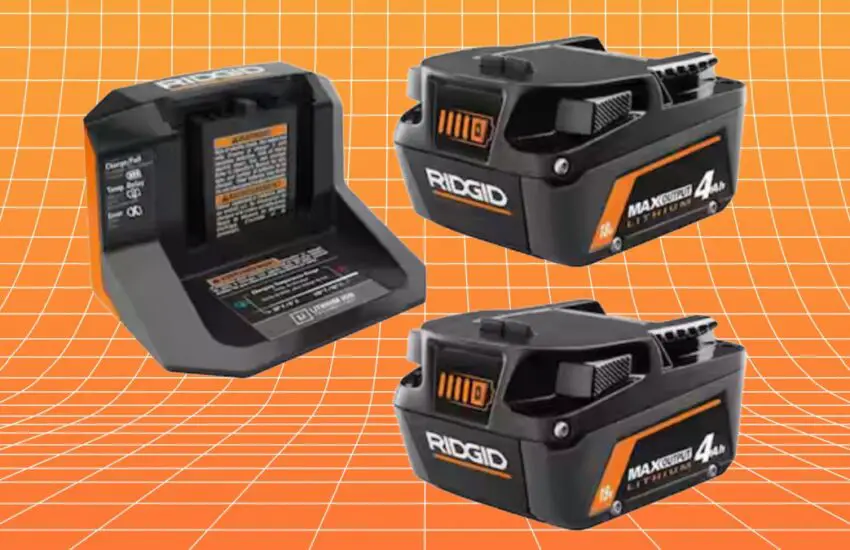
This Black Friday, Ridgid presents an extraordinary promotion that empowers professionals and DIY enthusiasts alike. For a limited time, secure a comprehensive battery kit valued at $308 for just $149, and receive a complimentary tool of your choice. This exceptional deal is designed to enhance your toolkit without stretching your budget, offering substantial value during the shopping season.

Lifetime Warranty: Ridgid’s Commitment to Durability

Every Ridgid tool is backed by a robust lifetime warranty agreement, ensuring long-term reliability and peace of mind. This guarantee covers both the batteries and tools, providing assurance that your investment is protected against defects. It underscores Ridgid’s dedication to quality, making their products a smart choice for demanding projects.

Maximizing Your Workspace Efficiency

With this battery kit and a free tool, users can expand their capabilities across various tasks. Whether you’re drilling, cutting, or fastening, the compatibility across Ridgid’s cordless lineup means seamless integration. This promotion not only saves money but also boosts productivity by reducing downtime and enhancing versatility on the job.

Why This Black Friday Deal Stands Out

Amid countless holiday offers, Ridgid’s bundle delivers tangible benefits. The half-price battery set ensures you have ample power reserves, while the free tool adds immediate value. It’s an ideal opportunity to upgrade older equipment or start building a professional-grade collection, all while enjoying significant discounts.

Don’t miss this chance to elevate your tool arsenal with Ridgid’s trusted performance. Act quickly, as supplies are limited and demand is high during this promotional period.

Subaru Outback 2026 Roof Rack’s Triple Load Capacity

Understanding the Three Load Capacities

The 2026 Subaru Outback introduces a versatile roof rack system designed to accommodate various adventure needs. With three distinct load capacities, this feature ensures that whether you’re hauling lightweight gear or heavy equipment, your vehicle is prepared. The engineering behind this system focuses on safety, durability, and adaptability, making it a standout in its class.

Light-Duty Capacity for Everyday Use

For daily drivers and occasional travelers, the light-duty setting supports up to 100 pounds. This capacity is ideal for items like rooftop cargo boxes, bicycles, or kayaks, providing secure transport without compromising fuel efficiency. The aerodynamic design minimizes wind resistance, ensuring a smooth and quiet ride even at highway speeds.

Medium-Duty Capacity for Outdoor Adventures

Stepping up, the medium-duty option handles loads up to 165 pounds, perfect for camping trips or sporting excursions. It can manage heavier items such as canoes, multiple bikes, or larger storage containers. Reinforced crossbars and advanced mounting hardware offer stability on rough terrain, giving adventurers peace of mind.

Heavy-Duty Capacity for Maximum Utility

At the top end, the heavy-duty capacity supports up to 220 pounds, catering to professionals and extreme enthusiasts. This setting is suited for bulky gear like rooftop tents, construction materials, or multiple heavy items. Built with high-strength alloys, it maintains structural integrity under stress, ensuring long-term reliability.

Why Three Capacities Matter

This tri-level system allows users to optimize their Outback for specific tasks, enhancing both performance and safety. By selecting the appropriate capacity, drivers can avoid overloading, reduce wear on the vehicle, and improve handling. It’s a thoughtful innovation that underscores Subaru’s commitment to versatility and user-centric design in the 2026 model.

1995 Honda NSX-R: The Ultimate JDM Legend

The Honda NSX-R Legacy

In the realm of Japanese supercars, the 1995 Honda NSX-R stands as a monument to engineering excellence. This particular Championship White example, with a remarkably low 12,000 miles, represents a pristine piece of automotive history. Unlike standard NSX models, the NSX-R variant underwent significant weight reduction and performance enhancements, making it a focused driver’s car that could challenge European exotics on both road and track.

Exclusive Auction Event

Currently featured on a prominent online auction platform, this NSX-R is attracting global attention from collectors and enthusiasts. Bidding will conclude on November 25th, with expectations running high for a record-breaking final price. The vehicle’s exceptional condition and documented mileage contribute to its status as a blue-chip investment in the classic car market.

Engineering Mastery

Honda’s engineers meticulously refined the NSX-R, stripping over 265 pounds from the standard model. They installed Recaro bucket seats, a lightweight battery, and a hand-polished engine. The 3.0-liter V6 engine, enhanced with a closer-ratio gearbox, delivers razor-sharp throttle response. Its balanced chassis and sophisticated suspension tuning provide handling characteristics that remain competitive decades later.

Collector’s Dream Realized

The 1995 NSX-R represents the peak of 1990s Japanese sports car development. Its racing pedigree, coupled with everyday usability, created an icon. As values for exceptional JDM classics continue to appreciate, this low-mileage NSX-R offers both driving pleasure and investment potential, embodying a golden era of automotive innovation.

Volkswagen P1455 Code: Complete EVAP System Leak Diagnosis Guide

Understanding the Volkswagen P1455 Diagnostic Trouble Code

The P1455 code is a manufacturer-specific diagnostic trouble code (DTC) that indicates a malfunction within the Evaporative Emission Control (EVAP) system of Volkswagen vehicles. This code specifically points to a fault in the Leak Detection Pump (LDP) system, which is responsible for monitoring and detecting fuel vapor leaks in the emissions control system.

What Does P1455 Mean on Volkswagen Vehicles?

When your Volkswagen’s onboard computer detects an irregularity in the leak detection pump’s operation or its monitoring circuit, it stores the P1455 code and illuminates the check engine light. The EVAP system prevents fuel vapors from escaping into the atmosphere, and the leak detection pump is crucial for testing the system’s integrity during specific driving conditions.

Volkswagen EVAP System Overview

The EVAP system in modern Volkswagens consists of several key components working together to contain and recycle fuel vapors:

  • Fuel tank and cap assembly
  • Charcoal canister for vapor storage
  • Leak Detection Pump (LDP)
  • Purge valve/solenoid
  • Vent valve
  • Network of hoses and electrical connections

Common Symptoms of P1455 Code in Volkswagen Models

Recognizing the symptoms associated with P1455 can help Volkswagen owners address the issue promptly before it leads to more serious problems or causes the vehicle to fail emissions testing.

Check Engine Light Activation

The most immediate and common symptom is the illumination of the check engine light on your dashboard. The light may appear solid or, in some cases, flash if the condition is severe enough to potentially damage the catalytic converter.

Fuel Odor and Performance Issues

Since the EVAP system contains fuel vapors, a malfunctioning leak detection pump may cause noticeable fuel odors around the vehicle. Some drivers also report slight decreases in fuel economy and occasional rough idling, though these symptoms are often subtle.

Failed Emissions Testing

Many Volkswagen owners discover the P1455 code when their vehicle fails state or local emissions inspections. The code indicates the emissions control system isn’t functioning properly, making it impossible to pass required tests until repaired.

Primary Causes of P1455 Code in Volkswagen Vehicles

Diagnosing the root cause of P1455 requires systematic troubleshooting. The issue can range from simple fixes to more complex component replacements.

Faulty Leak Detection Pump

The most common cause of P1455 is a malfunctioning leak detection pump itself. The LDP contains diaphragms, valves, and pressure sensors that can wear out over time. Internal mechanical failures or electrical issues within the pump assembly will trigger this code.

Electrical Connection Problems

Volkswagen’s leak detection pump relies on proper electrical connections to function correctly. Common electrical issues include:

  • Corroded or loose connectors at the LDP
  • Damaged wiring in the harness
  • Poor ground connections
  • Blown fuses affecting the EVAP system

EVAP System Blockages or Leaks

While P1455 specifically indicates a leak detection pump issue, underlying problems in the EVAP system can cause the LDP to malfunction. These include clogged vent lines, stuck purge valves, or physical damage to system components that prevent proper pressure testing.

Step-by-Step Diagnostic Procedure for P1455

Proper diagnosis requires methodical testing to identify the exact cause before replacing components. Follow this professional diagnostic approach to accurately pinpoint the issue.

Initial Visual Inspection

Begin with a thorough visual examination of the EVAP system components. Check for obvious signs of damage, disconnected hoses, or corroded electrical connections. Pay special attention to the leak detection pump location, which varies by Volkswagen model but is typically found near the fuel tank or in the engine compartment.

Electrical System Testing

Using a digital multimeter, test the electrical circuit to the leak detection pump:

  • Verify power supply voltage at the connector
  • Check ground circuit integrity
  • Test pump motor resistance against manufacturer specifications
  • Inspect wiring for continuity and potential shorts

Functional Testing of Leak Detection Pump

With a professional scan tool capable of bidirectional controls, activate the leak detection pump and monitor its operation. Observe pressure readings and pump cycling patterns to determine if the component is functioning within designed parameters.

Repair Procedures and Solutions for P1455

Once diagnosis is complete, implement the appropriate repair based on your findings. The complexity of repairs varies from simple fixes to more involved component replacements.

Leak Detection Pump Replacement

If testing confirms a faulty LDP, replacement is necessary. The procedure typically involves:

  • Disconnecting the battery for safety
  • Removing necessary underbody panels or components for access
  • Disconnecting electrical and vacuum connections
  • Removing mounting bolts and the old pump
  • Installing the new pump and reconnecting all components

Electrical Repairs and Maintenance

For electrical issues, repairs may include cleaning corroded connectors, repairing damaged wiring, or addressing ground connection problems. Always use proper automotive electrical repair techniques and materials to ensure durable fixes.

System Verification and Code Clearing

After completing repairs, clear the P1455 code with your scan tool and perform a complete system test. The Volkswagen’s computer will need to complete multiple drive cycles to verify the repair was successful and ensure the check engine light doesn’t return.

Preventive Maintenance and Professional Considerations

Regular maintenance and understanding when to seek professional help can prevent recurring P1455 issues and ensure your Volkswagen’s emissions system remains in optimal condition.

When to Consult a Volkswagen Specialist

While some P1455 repairs are DIY-friendly, complex diagnostics or repeated code occurrences warrant professional attention. Volkswagen specialists have manufacturer-specific tools and knowledge to accurately diagnose and repair EVAP system issues that may not be apparent to general technicians.

Long-term EVAP System Maintenance

Prevent future P1455 codes and EVAP system issues through regular maintenance practices:

  • Always use a proper sealing fuel cap
  • Address check engine lights promptly
  • Include EVAP system inspection in routine maintenance
  • Use quality replacement parts when repairs are necessary
  • Keep the area around EVAP components clean and clear of debris

Successfully diagnosing and repairing P1455 requires understanding Volkswagen’s specific EVAP system design and following methodical testing procedures. With proper approach and attention to detail, this code can be permanently resolved, restoring your vehicle’s emissions performance and ensuring compliance with environmental regulations.

Toyota P1455 Code: EVAP System Pressure Sensor Circuit Explained

Understanding the Toyota P1455 Diagnostic Trouble Code

The P1455 code is a manufacturer-specific diagnostic trouble code (DTC) that pertains to the Evaporative Emission Control (EVAP) system in Toyota vehicles. When your Toyota’s powertrain control module (PCM) detects an abnormal voltage signal or circuit malfunction in the EVAP system pressure sensor circuit, it will store this code and illuminate the check engine light. The EVAP system is crucial for preventing fuel vapors from escaping into the atmosphere, making this code directly related to your vehicle’s emissions compliance and environmental impact.

What Does P1455 Mean Specifically?

P1455 specifically indicates a malfunction in the pressure sensor circuit of the EVAP control system. This sensor, often located on or near the charcoal canister, monitors pressure and vacuum within the fuel tank and EVAP system. The PCM continuously monitors this sensor’s signal voltage. If the voltage falls outside the expected range for an extended period, or if the sensor signal doesn’t correlate with other system parameters, the PCM will set the P1455 code.

The Role of the EVAP System in Your Toyota

The Evaporative Emission Control system is designed to capture and store fuel vapors from the fuel tank, preventing them from being released into the atmosphere. Key components include:

  • Charcoal canister (vapor storage)
  • Fuel tank pressure sensor
  • Vapor pressure sensor
  • Purge control valve(s)
  • Vent control valve(s)
  • Various hoses and lines connecting these components

Common Symptoms of P1455 Code in Toyota Vehicles

When the P1455 code is stored, drivers may notice several symptoms that indicate a problem with the EVAP system pressure sensor circuit. While some vehicles may show no noticeable drivability issues, others may exhibit clear signs of system malfunction.

Check Engine Light Illumination

The most common and immediate symptom is the illumination of the check engine light on your dashboard. This warning indicates that the PCM has detected a fault and stored a diagnostic trouble code. In some cases, the light may blink if the condition is severe enough to potentially damage the catalytic converter.

Fuel Odor and Potential Performance Issues

Since the EVAP system manages fuel vapors, a malfunction can sometimes lead to a noticeable fuel smell around the vehicle, particularly near the fuel tank or engine compartment. While drivability is typically unaffected, some Toyota models may experience:

  • Slightly reduced fuel economy
  • Rough idle in certain conditions
  • Difficulty starting in rare cases
  • Failed emissions testing

EVAP System Self-Test Failure

Modern Toyota vehicles perform periodic self-tests on the EVAP system. When the P1455 code is present, these tests will consistently fail, preventing the vehicle from completing its normal emissions system monitoring cycle. This is particularly important for vehicles requiring emissions testing, as it will result in an automatic failure.

Diagnosing and Troubleshooting P1455 Code

Proper diagnosis of the P1455 code requires a systematic approach using appropriate diagnostic tools and following manufacturer-recommended procedures. Attempting repairs without proper diagnosis often leads to unnecessary parts replacement and wasted time.

Required Tools and Safety Precautions

Before beginning diagnosis, ensure you have the necessary tools and observe safety precautions:

  • OBD2 scanner capable of reading manufacturer-specific codes
  • Digital multimeter (DMM) for electrical testing
  • Smoke machine for EVAP system leak detection
  • Vehicle service manual for specific wiring diagrams
  • Safety glasses and gloves
  • Well-ventilated workspace

Step-by-Step Diagnostic Procedure

Follow this systematic approach to diagnose the P1455 code accurately:

  • Step 1: Verify the code with an OBD2 scanner and check for additional codes
  • Step 2: Perform visual inspection of EVAP system components, wiring, and connectors
  • Step 3: Check the pressure sensor reference voltage (typically 5V)
  • Step 4: Test sensor ground circuit for proper continuity
  • Step 5: Monitor sensor signal voltage with a scan tool while creating pressure/vacuum
  • Step 6: Perform resistance tests on the pressure sensor if applicable
  • Step 7: Check for clogged or damaged hoses and vents

Common Causes and Repair Solutions for P1455

The P1455 code can be triggered by various issues within the EVAP system pressure sensor circuit. Understanding these potential causes helps streamline the diagnostic process and ensures effective repairs.

Electrical and Sensor-Related Causes

Electrical issues are among the most common causes of P1455 codes in Toyota vehicles:

  • Faulty EVAP system pressure sensor
  • Damaged wiring or connectors in the sensor circuit
  • Poor electrical connections or corrosion
  • Short to ground or power in the signal circuit
  • Open circuit in sensor wiring
  • Failed PCM (rare, and should be diagnosed last)

Mechanical and System-Related Causes

Mechanical issues within the EVAP system can also trigger the P1455 code:

    • Clogged or restricted EVAP lines
    • Faulty vent control valve (VSV for EVAP)
    • Damaged charcoal canister
    • Pinched or kinked vapor lines
    • Contaminated pressure sensor
    • Fuel tank deformation affecting pressure readings

    Repair Procedures and Cost Considerations

    Once the root cause is identified, repairs can be performed. Common repairs include:

    • Replacing the EVAP pressure sensor ($150-$300 parts and labor)
    • Repairing damaged wiring or connectors ($100-$200)
    • Replacing the charcoal canister ($300-$500)
    • Clearing clogged vapor lines ($100-$200)
    • Replacing vent control valves ($200-$350)

    Always clear the codes after repairs and perform a test drive to ensure the code doesn’t return. Monitor the system with a scan tool to verify all monitors complete successfully.

    Preventive Maintenance and Professional Assistance

    While some P1455 issues are unavoidable, proper maintenance can reduce the likelihood of EVAP system problems. Regular inspections and addressing minor issues promptly can prevent more significant problems.

    When to Seek Professional Help

    While some DIY enthusiasts may attempt P1455 diagnosis, consider professional assistance when:

    • You lack proper diagnostic equipment
    • Electrical diagnosis is beyond your comfort level
    • The problem persists after initial repair attempts
    • Multiple codes are present alongside P1455
    • You need the repair documented for emissions compliance

    Long-Term EVAP System Maintenance

    To maintain your Toyota’s EVAP system and prevent future P1455 codes:

    • Avoid overfilling the fuel tank
    • Ensure the gas cap is properly tightened after refueling
    • Address check engine lights promptly
    • Include EVAP system inspection in routine maintenance
    • Keep the area around the fuel tank and canister clear of debris

    The P1455 code, while not typically causing immediate drivability concerns, should be addressed promptly to maintain emissions compliance and prevent potential fuel system issues. With proper diagnosis and repair, your Toyota’s EVAP system can be restored to proper operation, ensuring both environmental compliance and optimal vehicle performance.

Saab P1455 Code: Comprehensive EVAP System Diagnosis Guide

Understanding the Saab P1455 Diagnostic Trouble Code

The P1455 code is a manufacturer-specific diagnostic trouble code that appears exclusively in Saab vehicles. This code indicates a detected leak in the evaporative emission control (EVAP) system, specifically pointing to issues with the system’s ability to maintain proper vacuum pressure. When your Saab’s powertrain control module (PCM) detects an unexpected loss of pressure in the EVAP system, it triggers the P1455 code and illuminates the check engine light.

What Does P1455 Mean for Your Saab?

P1455 specifically indicates that the EVAP system has failed a pressure test. The EVAP system is designed to capture and store fuel vapors from the fuel tank, preventing them from escaping into the atmosphere. When the system cannot maintain the required vacuum during diagnostic testing, the PCM stores the P1455 code. This is not just an environmental concern—it can affect your vehicle’s performance and fuel efficiency.

How the EVAP System Works in Saab Vehicles

The EVAP system in your Saab consists of several key components working together:

  • Charcoal canister (vapor storage)
  • Purge control valve/solenoid
  • Vent valve/solenoid
  • Fuel tank pressure sensor
  • Various hoses and connections
  • Fuel filler cap assembly

During normal operation, the system captures fuel vapors and stores them in the charcoal canister. When conditions are right, the PCM opens the purge valve, allowing stored vapors to be drawn into the engine and burned during combustion.

Common Causes of P1455 Code in Saab Vehicles

Diagnosing a P1455 code requires systematic troubleshooting. The issue can range from simple fixes to complex component failures. Understanding the common causes will help you approach the diagnosis methodically.

Most Frequent Culprits for EVAP Leaks

  • Loose or damaged fuel cap: The most common cause—a poorly sealed fuel cap allows vapors to escape
  • Cracked or deteriorated EVAP hoses: Rubber hoses can dry out, crack, or become disconnected over time
  • Failed purge control valve: Stuck open or closed, preventing proper system operation
  • Faulty vent valve: Unable to properly seal the system during pressure testing
  • Leaking charcoal canister: Physical damage or internal failure of the vapor storage unit

Less Common but Critical Causes

  • Damaged fuel tank or filler neck
  • Faulty fuel tank pressure sensor
  • Wiring issues in EVAP control circuits
  • Problems with the PCM itself (rare)
  • Physical damage to EVAP system components from road debris

Professional Diagnostic Procedure for P1455

Proper diagnosis of P1455 requires specific tools and a methodical approach. While basic checks can be performed by DIY enthusiasts, complex diagnosis often requires professional equipment and expertise.

Initial Inspection Steps

Begin with visual inspection of the entire EVAP system. Check the fuel cap for proper sealing and condition. Inspect all visible hoses for cracks, brittleness, or disconnections. Look for signs of physical damage to the charcoal canister, which is typically located under the vehicle near the fuel tank. Listen for hissing sounds around the fuel tank area that might indicate a significant leak.

Advanced Diagnostic Techniques

Professional technicians use specialized equipment to pinpoint EVAP leaks:

  • Smoke machine testing: Introduces smoke into the EVAP system to visually identify leak locations
  • Vacuum testing: Measures the system’s ability to hold vacuum over time
  • Scan tool monitoring: Observes real-time data from the fuel tank pressure sensor
  • Component testing: Electrical and functional testing of purge and vent valves

Using OBD2 Scanner for Enhanced Diagnosis

Modern OBD2 scanners can perform bidirectional controls and monitor EVAP system parameters. They allow technicians to command purge and vent valves open and closed while monitoring system pressure response. This helps isolate whether the problem lies with specific components or with leaks in the system plumbing.

Repair Solutions and Cost Considerations

Once the specific cause of P1455 is identified, appropriate repairs can be undertaken. The complexity and cost of repairs vary significantly depending on the underlying issue.

DIY-Friendly Repairs

Some P1455 causes are suitable for DIY repair:

  • Replacing a faulty fuel cap ($15-$40)
  • Replacing accessible EVAP hoses ($20-$60 in parts)
  • Cleaning or replacing easily accessible purge valves

Always clear the code after repairs and perform a drive cycle to verify the fix. The vehicle needs to go through specific driving conditions for the PCM to run EVAP system tests again.

Professional Repair Scenarios

More complex repairs typically require professional attention:

  • Charcoal canister replacement: $200-$500
  • Fuel tank replacement: $800-$1,500
  • EVAP valve replacements: $150-$400
  • Wiring repairs: $100-$300 depending on complexity

Labor rates vary by location and shop, adding significantly to these part costs. Always get multiple quotes for major repairs.

Preventive Maintenance and Long-Term Solutions

Preventing P1455 codes involves regular maintenance and awareness of your Saab’s EVAP system. Proper care can avoid costly repairs and maintain optimal emissions performance.

Essential Maintenance Practices

  • Always tighten the fuel cap until it clicks three times
  • Replace the fuel cap every 50,000 miles or if damage is suspected
  • During oil changes, visually inspect accessible EVAP components
  • Address any fuel odor immediately—it often indicates EVAP issues
  • Keep the area around the fuel filler neck clean and free of debris

When to Seek Professional Help

While some EVAP system issues are DIY-friendly, seek professional assistance if:

  • The code returns after basic repairs
  • You notice persistent fuel odors
  • The vehicle fails emissions testing
  • You lack proper diagnostic equipment
  • Repairs involve fuel tank or complex component replacement

Remember that proper diagnosis saves time and money compared to replacing components randomly. The P1455 code, while potentially frustrating, is typically repairable with proper diagnosis and quality parts. Regular maintenance and prompt attention to check engine lights will keep your Saab’s EVAP system functioning properly for years to come.

Mercury P1455 Code: Evaporative Emission Control System Leak Detected

Understanding the Mercury P1455 Diagnostic Trouble Code

The P1455 code is a manufacturer-specific diagnostic trouble code (DTC) that indicates a problem within the Evaporative Emission Control (EVAP) system of your Mercury vehicle. This code specifically points to a leak detected in the system that controls fuel vapors from escaping into the atmosphere. When this code appears, your vehicle’s Powertrain Control Module (PCM) has identified a vapor leak that exceeds its programmed parameters during system monitoring.

What is the EVAP System and How Does It Work?

The Evaporative Emission Control system is a critical component of your vehicle’s emissions control system designed to prevent fuel vapors from the gas tank from being released into the atmosphere. The system captures these vapors and stores them in a charcoal canister, then purges them into the engine to be burned during normal combustion. This process helps reduce hydrocarbon emissions and improves overall environmental performance.

Why the P1455 Code is Specific to Mercury Vehicles

While all OBD2 systems monitor EVAP systems, code P1455 is specific to Ford Motor Company vehicles, including the Mercury brand. This manufacturer-specific code indicates that the PCM has detected a leak in the EVAP system during its self-test cycle. The system uses sophisticated pressure and vacuum tests to identify even small leaks that could impact emissions performance.

Common Causes of P1455 Code in Mercury Vehicles

Identifying the root cause of a P1455 code requires systematic diagnosis, as multiple components within the EVAP system can trigger this code. Understanding these potential causes will help you narrow down the source of the problem more efficiently.

Loose, Damaged, or Missing Gas Cap

The most frequent cause of P1455 codes is a faulty gas cap. A loose, cracked, or damaged gas cap cannot maintain proper seal, allowing fuel vapors to escape. The system detects this as a leak and triggers the code. Even a cap that appears fine visually may have worn seals that fail to maintain the necessary vacuum.

  • Visible cracks or damage to the gas cap
  • Worn or hardened rubber seals
  • Cross-threaded or improperly tightened cap
  • Aftermarket gas caps that don’t meet OEM specifications

Faulty EVAP Purge Control Valve

The purge control valve, also known as the purge solenoid, controls the flow of fuel vapors from the charcoal canister to the engine intake. When this valve fails to open or close properly, it can create a leak condition that the PCM interprets as a system failure.

  • Stuck open purge valve creating constant vacuum leak
  • Stuck closed valve preventing proper system operation
  • Electrical failure in the valve solenoid
  • Clogged or restricted valve passages

Leaking EVAP Hoses and Connections

The EVAP system contains numerous hoses and connections that can develop leaks over time. These components are exposed to heat, vibration, and environmental factors that can cause deterioration and cracking.

  • Cracked or brittle vacuum hoses
  • Loose hose connections at various system components
  • Rubbed-through hoses from contact with other components
  • Degraded quick-connect fittings

Diagnosing and Testing for P1455 Code

Proper diagnosis of a P1455 code requires a systematic approach using appropriate tools and following manufacturer-specific procedures. Rushing this process can lead to misdiagnosis and unnecessary parts replacement.

Initial Visual Inspection Steps

Begin with a thorough visual inspection of all accessible EVAP system components. This simple step can often reveal obvious issues without requiring advanced diagnostic equipment.

  • Inspect the gas cap for damage and ensure proper installation
  • Check all visible EVAP hoses for cracks, brittleness, or disconnections
  • Look for signs of physical damage to the charcoal canister
  • Examine wiring connectors for corrosion or damage
  • Check for fuel filler neck issues or damage

Using a Smoke Machine for Leak Detection

A smoke machine is the most effective tool for identifying EVAP system leaks. This professional diagnostic tool introduces smoke into the system under low pressure, making even the smallest leaks visible as smoke escapes.

  • Connect the smoke machine to the EVAP service port
  • Pressurize the system with smoke according to manufacturer specifications
  • Carefully inspect the entire system for escaping smoke
  • Pay special attention to connections, valves, and the fuel tank area
  • Note the location of any smoke leakage for repair

Repair Procedures and Solutions for P1455

Once you’ve identified the source of the EVAP leak, proper repair is essential to resolve the P1455 code permanently. The specific repair procedure will depend on which component has failed.

Gas Cap Replacement Procedure

If the gas cap is identified as the problem, replacement is straightforward but should be done carefully to ensure proper sealing.

  • Purchase an OEM-specification replacement gas cap
  • Remove the old cap and inspect the filler neck for damage
  • Install the new cap and tighten until it clicks multiple times
  • Clear the code and perform a drive cycle to verify repair
  • Monitor for code recurrence over several drive cycles

EVAP Purge Valve Replacement

Replacing a faulty purge control valve requires careful attention to proper installation and connection.

  • Locate the purge valve (typically near the engine bay or charcoal canister)
  • Disconnect the electrical connector and vacuum hoses
  • Remove the mounting hardware and old valve
  • Install the new valve, ensuring proper hose routing
  • Reconnect all components and clear diagnostic codes

Preventive Maintenance and System Verification

After repairing the P1455 code, proper verification and ongoing maintenance are crucial to prevent recurrence and ensure long-term system reliability.

Completing the Drive Cycle for System Reset

Modern vehicles require completion of a specific drive cycle to reset monitor readiness and verify the repair was successful.

  • Ensure the fuel tank is between 1/4 and 3/4 full
  • Follow manufacturer-specific drive cycle procedures
  • Include various speed ranges and engine operating conditions
  • Use a scan tool to monitor monitor readiness status
  • Verify the code does not return after multiple drive cycles

Long-Term EVAP System Maintenance Tips

Regular maintenance can help prevent future EVAP system issues and P1455 codes from occurring.

  • Always tighten the gas cap properly after refueling
  • Inspect EVAP components during routine maintenance
  • Address any fuel system issues promptly
  • Use quality replacement parts when repairs are necessary
  • Have the system inspected if you notice fuel odor or poor performance

The P1455 code in your Mercury vehicle, while potentially frustrating, is typically repairable with proper diagnosis and quality parts. By understanding the EVAP system and following systematic diagnostic procedures, you can effectively resolve this emission-related issue and restore your vehicle to proper operating condition. Remember that while some repairs may be DIY-friendly, complex diagnostics often benefit from professional expertise and specialized equipment.

Mazda P1455 Code: Comprehensive EVAP System Diagnosis Guide

Understanding Mazda P1455 Code: EVAP System Pressure Malfunction

The P1455 diagnostic trouble code is a manufacturer-specific code that indicates a problem within the Evaporative Emission Control System (EVAP) in Mazda vehicles. This code specifically points to an issue with the EVAP system’s ability to maintain proper pressure or vacuum, typically related to the vent control circuit or pressure sensor performance. When this code appears, it signifies that the vehicle’s onboard computer has detected an abnormal pressure condition that could allow fuel vapors to escape into the atmosphere, violating emissions standards.

What Does P1455 Mean in Mazda Vehicles?

P1455 in Mazda vehicles translates to “Evaporative Emission Control System Vent Control Circuit/Open” or variations depending on the specific model year. The code indicates that the powertrain control module (PCM) has detected an unexpected condition in the EVAP system’s vent control circuit during system monitoring. This typically occurs during the EVAP system’s self-test cycle when the system attempts to seal and pressurize the fuel system to check for leaks and proper operation.

How the EVAP System Works in Mazda Cars

The EVAP system in Mazda vehicles is designed to prevent fuel vapors from escaping into the atmosphere. The system captures fuel vapors from the fuel tank and temporarily stores them in the charcoal canister. When conditions are appropriate, the purge valve opens, allowing these stored vapors to be drawn into the engine intake manifold and burned during normal combustion. The vent control valve (or solenoid) manages fresh air entry into the system, while pressure sensors monitor system integrity.

Common Symptoms of P1455 Code in Mazda Vehicles

Recognizing the symptoms associated with P1455 is crucial for proper diagnosis and timely repair. While some vehicles may show multiple symptoms, others might only display the check engine light without noticeable driving issues.

Check Engine Light and Fuel Odor

The most common and often the only symptom of P1455 is the illumination of the check engine light on your dashboard. In some cases, you might notice a faint fuel odor around the vehicle, particularly near the fuel filler area or engine compartment. This odor occurs because the EVAP system isn’t properly containing fuel vapors, allowing them to escape into the surrounding air.

Fuel Tank Issues and Performance Concerns

Some Mazda owners report difficulty refueling, where the fuel pump nozzle repeatedly clicks off during filling. This happens because the EVAP system isn’t properly venting air from the fuel tank as fuel enters. While P1455 typically doesn’t cause direct engine performance issues, in rare cases, you might experience rough idling or slight hesitation if the purge system is also affected.

Primary Causes of P1455 Code in Mazda Models

Diagnosing P1455 requires understanding the various components that could be responsible for the fault. The issue can range from simple electrical problems to more complex mechanical failures within the EVAP system.

EVAP Canister Vent Solenoid Malfunctions

The most frequent cause of P1455 is a faulty EVAP canister vent solenoid or valve. This component controls the flow of air into the EVAP system and can fail in several ways:

  • Electrical failure: Broken wires, corroded connectors, or internal solenoid coil failure
  • Mechanical failure: Stuck open or closed position due to contamination or wear
  • Vacuum leaks: Cracked hoses or faulty connections associated with the vent solenoid

Fuel Tank Pressure Sensor Issues

A defective fuel tank pressure sensor can provide incorrect readings to the PCM, causing it to misinterpret the actual pressure conditions in the EVAP system. Common problems include:

  • Sensor calibration drift over time
  • Electrical connection problems
  • Internal sensor component failure
  • Contamination from fuel or debris

Wiring and Connector Problems

Electrical issues in the wiring harness connecting the EVAP system components to the PCM are common culprits for P1455. These include:

  • Damaged or corroded wiring
  • Loose or oxidized electrical connectors
  • Short circuits or open circuits in the control circuit
  • Poor ground connections affecting sensor readings

Step-by-Step Diagnostic Procedure for Mazda P1455

Proper diagnosis of P1455 requires a systematic approach using appropriate tools and following manufacturer-recommended procedures. Always begin with visual inspection before proceeding to component testing.

Initial Visual Inspection and Basic Checks

Start with a thorough visual inspection of the entire EVAP system. Look for obvious issues such as:

  • Damaged, cracked, or disconnected EVAP hoses
  • Visible corrosion or damage to electrical connectors
  • Physical damage to the charcoal canister or vent solenoid
  • Loose or missing gas cap (though this typically sets different codes)
  • Signs of rodent damage to wiring or hoses

Component Testing with Multimeter and Scan Tool

After visual inspection, proceed to electrical testing of the suspect components:

  • Use a digital multimeter to check resistance of the vent solenoid (typically 20-40 ohms)
  • Verify power and ground circuits to the vent solenoid
  • Test the fuel tank pressure sensor output with a scan tool while applying slight pressure to the system
  • Check for proper voltage signals from the PCM to the vent control circuit
  • Perform actuator tests using a capable scan tool to operate the vent solenoid

Repair Solutions and Prevention Strategies

Once the root cause of P1455 has been identified, appropriate repairs can be implemented. The specific repair will depend on which component or circuit has been determined to be faulty.

Replacing Faulty EVAP System Components

Common replacement procedures for P1455-related issues include:

  • EVAP canister vent solenoid replacement: Typically located near the fuel tank or charcoal canister
  • Fuel tank pressure sensor replacement: Requires proper depressurization and safety procedures
  • Charcoal canister replacement: Necessary if contaminated or damaged
  • EVAP hose replacement: Use manufacturer-approved hose materials rated for fuel vapor service

Electrical Repairs and System Verification

For electrical issues, proper repair techniques are essential:

  • Repair damaged wiring using proper splicing and sealing methods
  • Clean or replace corroded electrical connectors
  • Verify all repairs by clearing the code and performing an EVAP system monitor test drive
  • Confirm repair success by ensuring the monitor runs complete and no codes return

Professional vs DIY Approach for P1455 Resolution

While some P1455 repairs are straightforward enough for experienced DIYers, others require specialized equipment and knowledge that make professional assistance advisable.

When to Attempt DIY Repair

DIY repair may be appropriate if:

  • You have intermediate automotive repair experience
  • The issue is a simple connector problem or visibly damaged hose
  • You have access to basic tools and a code reader
  • The vent solenoid is easily accessible on your specific Mazda model

When to Seek Professional Assistance

Professional diagnosis is recommended when:

  • Multiple EVAP codes are present alongside P1455
  • You lack the specialized tools for proper testing
  • The issue involves fuel tank pressure sensor replacement
  • Previous repair attempts have failed to resolve the problem
  • The vehicle is under warranty or emissions testing is imminent

Successfully diagnosing and repairing P1455 requires understanding the EVAP system’s operation, methodical testing procedures, and quality replacement parts. While this code doesn’t typically affect vehicle drivability, it should be addressed promptly to prevent emissions violations and potential fuel economy issues. Proper repair ensures your Mazda meets environmental standards while maintaining optimal performance.

Lincoln P1455 Code: EVAP System Vent Control Circuit Malfunction

Understanding the Lincoln P1455 Diagnostic Trouble Code

When your Lincoln’s check engine light illuminates and a scan tool reveals code P1455, you’re dealing with a specific issue within the vehicle’s Evaporative Emission Control (EVAP) system. This code indicates a malfunction in the vent control circuit, a critical component for managing fuel vapors and preventing their release into the atmosphere. The P1455 code is manufacturer-specific, primarily affecting Ford and Lincoln vehicles, and requires a systematic approach to diagnosis and repair.

What Does the P1455 Code Mean?

The P1455 diagnostic trouble code is defined as “Unable to Bleed Up Fuel Tank Vacuum.” In simpler terms, your Lincoln’s Powertrain Control Module (PCM) has detected that the EVAP system cannot properly release vacuum from the fuel tank during specific diagnostic tests. The PCM monitors the vent control circuit and solenoid, and when it cannot command the vent valve to open as expected, it stores this code and illuminates the check engine light.

How the EVAP System Works in Your Lincoln

The Evaporative Emission Control system is designed to capture and store fuel vapors from the fuel tank, preventing them from escaping into the atmosphere. Key components include:

  • Fuel tank and cap
  • Charcoal canister
  • Vent control valve/solenoid
  • Purge control valve/solenoid
  • Various hoses and connections
  • Pressure and vacuum sensors

During normal operation, the vent control valve opens to allow fresh air into the system, while the purge valve opens to allow stored vapors to be drawn into the engine and burned during combustion.

Common Symptoms and Causes of P1455 in Lincoln Vehicles

Recognizing the symptoms and understanding the potential causes of code P1455 is crucial for an accurate diagnosis. While this code may not always cause immediate driveability issues, it can lead to failed emissions tests and potential fuel system problems if left unaddressed.

Primary Symptoms of P1455

Drivers may notice several indicators when the P1455 code is present:

  • Illuminated check engine light (MIL)
  • Possible failed emissions test
  • Fuel odor around the vehicle
  • Difficulty refueling (clicking off fuel nozzle)
  • Decreased fuel economy in some cases
  • No noticeable driveability issues in most instances

Most Common Causes of P1455

The P1455 code can result from various issues within the EVAP system:

  • Faulty EVAP canister vent solenoid/valve
  • Clogged or pinched EVAP vent hose
  • Electrical issues in the vent control circuit (wiring, connectors)
  • Failed PCM (rare)
  • Blocked EVAP canister
  • Issues with the fuel tank pressure sensor
  • Problems with the vehicle’s passive anti-theft system (PATS) affecting PCM communication

Professional Diagnostic Procedure for P1455

Diagnosing a P1455 code requires a systematic approach using proper tools and following specific procedures. This process helps pinpoint the exact cause without unnecessary parts replacement.

Required Tools and Safety Precautions

Before beginning diagnosis, ensure you have the necessary equipment and follow safety protocols:

  • OBD2 scan tool capable of reading manufacturer-specific codes
  • Digital multimeter (DMM)
  • Smoke machine for EVAP system testing
  • Vehicle service manual for wiring diagrams
  • Safety glasses and gloves
  • Well-ventilated work area

Step-by-Step Diagnostic Process

Follow this professional diagnostic sequence for accurate results:

  • Step 1: Clear the code and perform a drive cycle to see if it returns
  • Step 2: Perform visual inspection of EVAP components, hoses, and wiring
  • Step 3: Test the vent solenoid operation using a scan tool with bidirectional controls
  • Step 4: Check electrical supply and ground circuits to the vent solenoid
  • Step 5: Perform resistance test on the vent solenoid coil
  • Step 6: Conduct a smoke test to identify possible blockages or leaks
  • Step 7: Verify proper operation of related components (PCM, sensors)

Electrical Circuit Testing Specifications

When testing the vent control circuit, refer to these typical specifications for Lincoln vehicles:

  • Vent solenoid resistance: Typically 20-40 ohms (check service manual for exact specification)
  • Supply voltage: Battery voltage with ignition ON
  • Ground circuit: Continuity to ground when commanded by PCM
  • Signal circuit: Proper PWM signal from PCM during operation

Repair Procedures and Prevention Strategies

Once the root cause of the P1455 code has been identified, proper repair procedures must be followed to ensure a permanent fix and prevent recurrence.

Common Repair Solutions

Based on diagnostic findings, common repairs include:

  • Replacing the EVAP canister vent solenoid
  • Repairing or replacing damaged wiring and connectors
  • Clearing blocked vent lines or replacing damaged hoses
  • Replacing a clogged EVAP canister
  • Updating PCM software (if applicable)
  • In rare cases, replacing the PCM itself

Preventive Maintenance Tips

To prevent future EVAP system issues and P1455 codes:

  • Always use a proper fuel cap and ensure it’s tightly sealed
  • Avoid overfilling the fuel tank
  • Keep the area around the EVAP components clean and free of debris
  • Address any check engine lights promptly
  • Follow manufacturer-recommended maintenance schedules
  • Have the EVAP system inspected during routine service

Post-Repair Verification Process

After completing repairs, verification is essential to ensure the issue is resolved:

  • Clear all diagnostic trouble codes
  • Perform a complete drive cycle to monitor system readiness
  • Verify that all monitors complete successfully
  • Confirm no codes return after several drive cycles
  • Document the repair for future reference

Addressing a P1455 code promptly not only ensures your Lincoln passes emissions testing but also maintains optimal fuel system performance and environmental compliance. While some DIY enthusiasts may attempt basic diagnosis, complex electrical testing and system verification often require professional expertise and specialized equipment for a complete and lasting repair.