Craftsman Portable Air Compressor Black Friday Deal

Craftsman Portable Air Compressor: Your On-the-Go Inflation Solution

For DIY enthusiasts and professionals alike, the Craftsman Portable Air Compressor emerges as a versatile tool designed for efficiency and convenience. Its compact, portable design makes it an indispensable asset for quick tire inflation in the garage or as an emergency kit stowed in your vehicle’s trunk. Whether you’re tackling a flat tire on the road or need to top off your bike tires at home, this compressor delivers reliable performance without the bulk of traditional models.

Power Flexibility for Any Situation

One of the standout features of this compressor is its adaptable power sources. It operates seamlessly on a built-in lithium-ion battery, a standard wall outlet, or your car’s 12-volt power socket. This flexibility ensures you’re never left stranded, whether you’re in a remote location or have access to mains electricity. The battery-powered option provides cordless freedom, making it perfect for jobs away from power sources, while the AC and DC options offer continuous operation when needed.

Performance and Practicality Combined

Engineered for speed and ease of use, the Craftsman compressor boasts rapid inflation capabilities, cutting down wait times for tires, sports equipment, and inflatables. Its user-friendly interface includes an easy-to-read pressure gauge and automatic shut-off features to prevent over-inflation, enhancing safety and precision. The durable construction ensures it can withstand the rigors of regular use, from workshop environments to outdoor adventures.

Black Friday Savings Opportunity

Originally priced at $99, this compressor is now available at a significant discount during the Black Friday sales event. Shoppers can take advantage of this limited-time offer to secure a high-quality tool at an unbeatable price, making it an ideal addition to any toolkit. Don’t miss the chance to invest in a device that combines portability, power, and affordability.

Why Choose This Compressor?

In summary, the Craftsman Portable Air Compressor stands out for its multi-power functionality, robust build, and compact design. It’s a smart investment for anyone seeking a reliable inflation tool that adapts to various scenarios, all while being budget-friendly during promotional periods.

Tesla’s $200 Physical Button Solution

Bridging the Gap Between Digital and Physical Controls

As automotive manufacturers increasingly reintroduce physical controls into their vehicles, Tesla maintains its commitment to minimalist, screen-centric interiors. This $200 aftermarket module represents an innovative solution for drivers seeking tactile feedback missing from Tesla’s touchscreen-only approach. The accessory installs discreetly while providing the satisfying click and responsiveness many drivers prefer for common functions.

Addressing Driver Preferences

While Tesla’s touchscreen interface offers sleek aesthetics and frequent software updates, some drivers report challenges with operating certain functions while driving. The absence of physical controls requires drivers to navigate through digital menus rather than relying on muscle memory. This module provides dedicated buttons for frequently used features like climate control, audio volume, and media playback, creating a more intuitive driving experience.

Installation and Compatibility

The module connects directly to the vehicle’s existing systems without requiring permanent modifications. Designed specifically for Tesla’s architecture, it maintains full compatibility with over-the-air updates and preserves warranty coverage. Installation typically takes under thirty minutes using basic tools, with no programming knowledge required. The device draws minimal power and automatically enters sleep mode when the vehicle is parked.

Market Response and Future Implications

This product highlights growing demand for customization options among electric vehicle owners. As automakers balance digital innovation with practical usability, such accessories demonstrate how third-party solutions can address specific consumer preferences. The module’s popularity suggests that even in increasingly digital vehicles, physical controls maintain relevance for certain driving scenarios and user preferences.

Ford P145C Code: EVAP System Leak Detection Pump Explained

Understanding the Ford P145C Diagnostic Trouble Code

The P145C diagnostic trouble code is a manufacturer-specific code that primarily affects Ford, Lincoln, and Mercury vehicles. This code indicates a problem within the Evaporative Emission Control (EVAP) system, specifically related to the Leak Detection Pump (LDP) or its control circuit. When this code appears, your vehicle’s Powertrain Control Module (PCM) has detected an irregularity in the EVAP system’s ability to properly monitor for fuel vapor leaks.

What Does P145C Mean Exactly?

P145C is defined as “Unable to Bleed Up Fuel Tank Vacuum” or “EVAP System Leak Detection Pump Sense Circuit.” The code triggers when the PCM detects that the leak detection pump cannot properly build or maintain vacuum during the EVAP system self-test cycle. This prevents the system from accurately detecting potential fuel vapor leaks, which could lead to increased hydrocarbon emissions and potential fuel odor issues.

How the EVAP System and Leak Detection Pump Work

The EVAP system is designed to prevent fuel vapors from escaping into the atmosphere. The leak detection pump serves as the primary component for monitoring system integrity. During normal operation:

  • The PCM activates the LDP to create vacuum in the fuel tank
  • Various valves and solenoids isolate different sections of the EVAP system
  • The system monitors pressure/vacuum decay to detect leaks
  • If vacuum cannot be established or maintained, P145C sets after two consecutive failed test cycles

Common Symptoms of P145C Code in Ford Vehicles

When P145C activates, you may notice several warning signs that indicate an issue with your EVAP system. Recognizing these symptoms early can prevent more serious problems and potential inspection failures.

Check Engine Light and Fuel System Warnings

The most immediate symptom is the illumination of the check engine light on your dashboard. In some Ford models, you might also see a “Check Fuel Cap” message or similar warning. The light will remain on continuously until the underlying issue is resolved and the code is cleared from the PCM’s memory.

Fuel Odor and Performance Issues

Since the EVAP system contains fuel vapors, a malfunctioning leak detection pump may cause noticeable fuel odors around your vehicle, particularly near the fuel filler area or engine compartment. In some cases, you might experience slight drivability issues, though these are typically minor with P145C since it doesn’t directly affect engine combustion.

Failed Emissions Testing

Many states require emissions testing for vehicle registration. A stored P145C code will automatically cause your vehicle to fail these tests until the issue is repaired and the code is cleared. This makes timely diagnosis and repair essential for maintaining your vehicle’s legal operation.

Diagnosing and Troubleshooting P145C Code

Proper diagnosis of P145C requires a systematic approach using specialized tools and technical knowledge. Following the correct diagnostic procedure can save significant time and prevent unnecessary part replacements.

Required Tools for Diagnosis

To properly diagnose P145C, you’ll need several essential tools:

  • OBD2 scanner capable of reading manufacturer-specific codes
  • Digital multimeter for electrical circuit testing
  • Smoke machine for EVAP system leak detection
  • Vacuum pump and gauge set
  • Vehicle-specific service information and wiring diagrams

Step-by-Step Diagnostic Procedure

Begin by verifying the code with your OBD2 scanner and checking for any additional codes that might provide context. Next, follow this systematic approach:

  • Perform visual inspection of EVAP components, hoses, and wiring
  • Check the leak detection pump electrical connector for damage or corrosion
  • Test LDP power and ground circuits using a digital multimeter
  • Perform component activation tests using your scan tool
  • Conduct smoke test to identify potential vacuum leaks
  • Monitor live data parameters related to the EVAP system

Common Failure Points and Testing Methods

The P145C code can be caused by several common issues. Focus your testing on these areas:

  • Faulty leak detection pump (most common cause)
  • Damaged or corroded wiring to the LDP
  • Blown fuses or poor electrical connections
  • Vacuum leaks in EVAP system hoses or connections
  • Failed EVAP canister vent solenoid
  • PCM software issues requiring updates

Repair Procedures and Cost Considerations

Once you’ve identified the root cause of P145C, proper repair is essential to restore your EVAP system to normal operation. The specific repair procedure will vary depending on the diagnosed issue.

Leak Detection Pump Replacement

If testing confirms a faulty LDP, replacement is typically straightforward. The pump is usually located under the vehicle near the fuel tank or in the engine compartment. The replacement process generally involves:

  • Disconnecting the electrical connector
  • Removing mounting bolts or brackets
  • Disconnecting vacuum hoses (note their positions)
  • Installing the new pump and reconnecting all components
  • Performing system tests to verify repair success

Electrical Circuit Repairs

For wiring issues, repair damaged wires using proper soldering and heat shrink techniques. Ensure all connections are secure and protected from moisture. Test circuit continuity after repairs to verify proper operation.

Cost Estimates and Professional vs DIY Repair

Repair costs for P145C vary significantly based on the root cause and whether you choose professional service or DIY repair. A new leak detection pump typically costs between $150-$400 for the part alone. Professional repair including diagnosis and labor generally ranges from $300-$600. DIY repair can reduce costs substantially if you have the necessary tools and technical skills.

Prevention and Maintenance Tips

Preventing P145C and other EVAP system codes involves regular maintenance and proper vehicle operation. Following these practices can help avoid future issues.

Regular EVAP System Maintenance

Include EVAP system components in your regular vehicle maintenance routine. Periodically inspect visible hoses and connections for cracks, damage, or deterioration. Have your EVAP system professionally tested during routine service intervals, especially if you notice any fuel odors.

Proper Fueling Practices

Always ensure your fuel cap is properly tightened after refueling. Avoid “topping off” your fuel tank beyond the automatic shutoff, as this can flood the EVAP system with liquid fuel and damage components. Replace your fuel cap according to manufacturer recommendations, typically every 50,000 miles or if any damage is visible.

Address Related Issues Promptly

If you experience any check engine light or fuel system warnings, address them promptly rather than ignoring them. Early diagnosis and repair of minor issues can prevent more extensive damage to the EVAP system and avoid codes like P145C from developing.

Successfully diagnosing and repairing P145C requires understanding the sophisticated EVAP monitoring system in modern Ford vehicles. By following proper diagnostic procedures and addressing the root cause rather than just replacing parts, you can ensure a permanent fix that maintains your vehicle’s emissions compliance and operating efficiency.

Porsche Learns from Hyundai’s Electric Innovation

German Automaker Acknowledges Hyundai’s EV Expertise

In a surprising industry development, Porsche has openly recognized Hyundai’s Ioniq 5 N as a significant source of learning and inspiration. Frank Moser, head of Porsche’s 718 and 911 model lines, confirmed the German manufacturer’s admiration for the Korean electric performance vehicle.

Cross-Industry Knowledge Sharing

The automotive world witnessed an unusual moment of transparency when Porsche executives admitted studying Hyundai’s approach to electric performance vehicles. The Ioniq 5 N represents Hyundai’s N division commitment to creating engaging electric vehicles that maintain driving excitement despite the transition to electrification.

Industry observers note that such open acknowledgment between competing manufacturers signals a shift in how traditional luxury brands view emerging electric vehicle specialists. The recognition comes at a time when established sports car manufacturers are navigating the complex transition from internal combustion engines to electric powertrains.

Performance EV Technology Exchange

Hyundai’s Ioniq 5 N incorporates innovative features specifically designed to enhance driver engagement in electric vehicles. These include simulated gear shifts, artificial engine sounds, and sophisticated torque vectoring systems that recreate the dynamic driving experience associated with traditional performance cars.

Porsche’s interest in these technologies demonstrates how even manufacturers with extensive sports car heritage are looking to new entrants for solutions to electric vehicle engagement challenges. The German manufacturer’s willingness to learn from Hyundai’s approach highlights the rapidly evolving competitive landscape in the high-performance EV segment.

Future Implications for Sports EVs

This cross-pollination of ideas between established European sports car manufacturers and Korean electric vehicle innovators suggests exciting developments for future performance electric vehicles. The sharing of knowledge and technology approaches could accelerate the development of more engaging and dynamic electric sports cars.

As electric vehicles continue to dominate automotive development, such collaborations and acknowledgments between manufacturers may become more common, ultimately benefiting consumers through improved vehicle dynamics and more engaging driving experiences in the electric era.

Acura P145C Code: EVAP System Leak Detection Pump Control Circuit

Understanding the P145C Code in Your Acura

The P145C diagnostic trouble code is a manufacturer-specific code that appears primarily in Acura and Honda vehicles. This code indicates a problem within the Evaporative Emission Control (EVAP) system, specifically related to the Leak Detection Pump (LDP) control circuit. The EVAP system is crucial for preventing fuel vapors from escaping into the atmosphere, and the leak detection pump serves as the system’s primary diagnostic component for identifying vapor leaks.

What Does P145C Mean Exactly?

P145C specifically points to a malfunction in the electrical control circuit of the leak detection pump. When your Acura’s Powertrain Control Module (PCM) detects an irregular voltage, resistance, or signal in the LDP control circuit that falls outside predetermined parameters, it stores this code and illuminates the check engine light. Unlike generic EVAP codes that indicate actual leaks, P145C focuses on the electrical integrity of the diagnostic equipment itself.

How the EVAP System and Leak Detection Pump Work

The EVAP system captures fuel vapors from the fuel tank and temporarily stores them in the charcoal canister. During specific engine conditions, the PCM opens the purge valve, allowing these vapors to be drawn into the engine and burned. The leak detection pump creates pressure or vacuum within the system to test for leaks. The PCM monitors the LDP’s performance through its control circuit to ensure the system can maintain proper pressure, indicating no significant leaks are present.

Common Symptoms of P145C Code in Acura Vehicles

When the P145C code activates, drivers may notice several symptoms, though some vehicles might only display the check engine light without noticeable drivability issues. Recognizing these symptoms early can prevent more extensive damage to your Acura’s emission control system.

Check Engine Light and Fuel Odor

The most immediate and common symptom is the illumination of the check engine light on your dashboard. In some cases, you might detect a faint fuel odor around the vehicle, particularly near the fuel filler area or engine bay. This occurs because the EVAP system may not be sealing properly, allowing fuel vapors to escape.

Failed Emissions Testing

Since P145C relates directly to the emission control system, your Acura will likely fail state-mandated emissions inspections until the issue is resolved. The code indicates the vehicle’s onboard diagnostic system cannot properly verify the integrity of the EVAP system, which is a critical requirement for passing emissions tests in most regions.

Potential Fuel Economy Changes

While not always present, some drivers report slight decreases in fuel economy when the P145C code is active. This occurs because the PCM may default to a richer fuel mixture or altered purge strategies when it cannot verify EVAP system integrity, though the effect is typically minimal compared to other engine-related codes.

Diagnosing the P145C Code: A Technical Approach

Proper diagnosis of the P145C code requires a systematic approach using appropriate diagnostic tools and following specific testing procedures. Attempting repairs without proper diagnosis often leads to unnecessary part replacements and continued issues.

Initial Diagnostic Steps and Tools Required

Begin with a professional OBD2 scanner to confirm the presence of P145C and check for any additional codes that might provide context. Essential tools for diagnosis include:

  • Digital multimeter for electrical testing
  • Smoke machine for EVAP system leak testing
  • Wiring diagrams specific to your Acura model
  • Technical service bulletins for known issues
  • Visual inspection tools (flashlight, inspection mirror)

Electrical Circuit Testing Procedures

The control circuit for the leak detection pump typically consists of power, ground, and signal wires. Testing should include:

  • Verifying battery voltage at the LDP connector with ignition on
  • Checking ground circuit integrity and resistance
  • Testing signal wire continuity between LDP and PCM
  • Inspecting for short circuits to power or ground
  • Measuring circuit resistance against specifications

Component and System Verification Tests

After confirming circuit integrity, proceed to component and system verification:

  • Perform leak detection pump operational tests using a scan tool
  • Conduct a smoke test to rule out physical leaks in the EVAP system
  • Test the leak detection pump itself for proper operation
  • Check related components like the EVAP canister and vent valve
  • Verify PCM operation and software updates

Repair Procedures for P145C Code Resolution

Once diagnosis pinpoints the specific cause of the P145C code, appropriate repairs can be implemented. The repair approach varies significantly depending on whether the issue is electrical, component-based, or related to the PCM.

Common Repair Solutions and Replacement Parts

The most frequent repairs for P145C include:

  • Repairing or replacing damaged wiring and connectors
  • Replacing a faulty leak detection pump assembly
  • Addressing corrosion in electrical connections
  • Replacing the EVAP canister if contaminated
  • Updating PCM software for known issues

Step-by-Step Leak Detection Pump Replacement

Replacing the leak detection pump typically involves:

  • Disconnecting the negative battery cable for safety
  • Locating the LDP (usually near the fuel tank or rear suspension)
  • Disconnecting electrical connectors and vacuum lines
  • Removing mounting bolts or brackets
  • Installing the new pump and reconnecting all components
  • Performing system tests to verify repair success

Post-Repair Verification and Code Clearing

After completing repairs, proper verification is essential:

  • Clear the P145C code using your OBD2 scanner
  • Perform a drive cycle to allow the PCM to retest the system
  • Verify the check engine light remains off
  • Confirm no codes return after multiple drive cycles
  • Document the repair process for future reference

Preventive Maintenance and Professional Assistance

While some P145C issues develop unexpectedly, certain maintenance practices can reduce the likelihood of EVAP system problems. Understanding when to seek professional help can save time and prevent additional issues.

When to Consult a Professional Mechanic

Consider professional assistance when:

  • You lack proper diagnostic tools or technical expertise
  • The diagnosis points toward PCM-related issues
  • Multiple EVAP codes are present simultaneously
  • Wiring repairs require specialized knowledge
  • Previous repair attempts have been unsuccessful

Cost Considerations and Warranty Implications

Repair costs for P145C vary significantly based on the root cause:

  • Simple wiring repairs: $150-$300
  • Leak detection pump replacement: $300-$600
  • PCM-related repairs: $500-$1,000+
  • Diagnostic fees typically range from $100-$200
  • Check warranty coverage for emissions-related components

The P145C code represents a specific electrical issue within your Acura’s emission control system. While it doesn’t typically cause immediate drivability concerns, addressing it promptly ensures your vehicle remains emissions-compliant and prevents potential future issues. Proper diagnosis using the systematic approach outlined above will lead to effective repairs and restored system functionality.

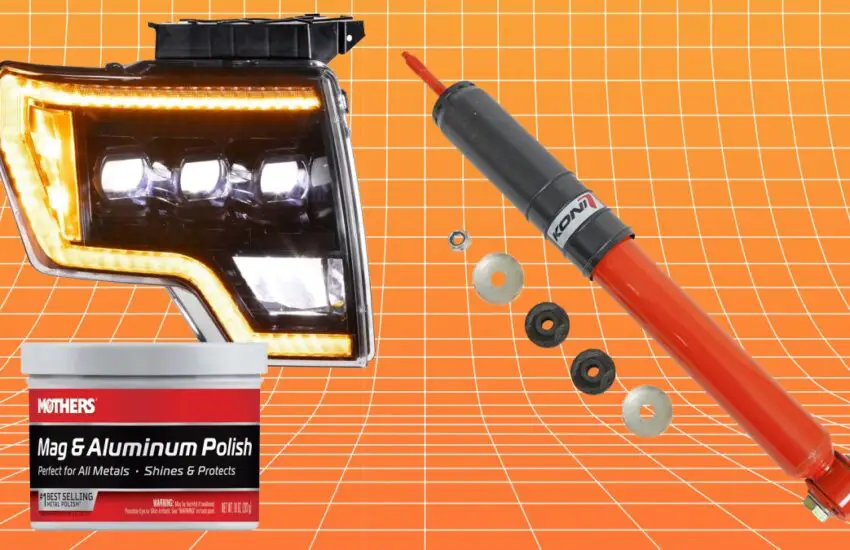
Koni STR.T Shock Discounts for Winter Upgrades

Upgrade Your Ride with Koni STR.T Shock Absorbers

Winter presents the perfect opportunity to enhance your vehicle’s performance while it’s safely stored away. With colder months limiting driving time, car enthusiasts can focus on crucial upgrades that improve handling and comfort. Koni STR.T shock absorbers deliver exceptional value for daily drivers and weekend cruisers alike, offering a balanced ride without compromising on quality.

Why Choose Koni STR.T for Your Vehicle

Koni STR.T shock absorbers are engineered to provide superior damping characteristics compared to standard OEM components. These performance-oriented shocks reduce body roll during cornering while maintaining compliance over rough surfaces. The result is a more connected driving experience that inspires confidence on winding roads or during sudden maneuvers. Installation is straightforward for most vehicle applications, making them an ideal choice for DIY mechanics looking to elevate their car’s dynamics.

Maximizing Your Automotive Investment

Strategic upgrades during seasonal promotions allow enthusiasts to stretch their modification budgets further. Performance shocks represent one of the most cost-effective improvements for any vehicle, transforming how it interacts with the road surface. Unlike cosmetic enhancements, quality suspension components like Koni STR.T deliver tangible benefits every time you drive, from improved tire contact to reduced braking distances.

Planning your modifications during promotional periods ensures you receive premium components at accessible prices. The combination of cold-weather downtime and special offers creates the ideal scenario for thoughtful vehicle enhancements that pay dividends in driving pleasure throughout the year.

FBI Seizes $13 Million Mercedes-Benz CLK GTR

FBI Takes Custody of Rare Supercar

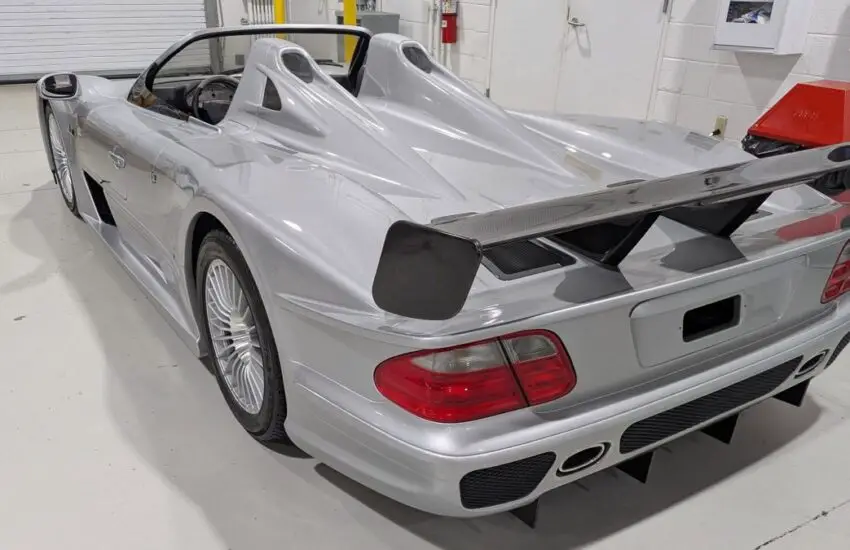
In a stunning enforcement action, the Federal Bureau of Investigation has seized a 2002 Mercedes-Benz CLK GTR Roadster valued at approximately $13 million. This operation, part of the broader “Giant Slalom” investigation, targets assets linked to a former Olympian turned international fugitive. The vehicle’s seizure underscores the FBI’s commitment to recovering high-value items obtained through illicit means.

Rarity and Significance of the CLK GTR

The Mercedes-Benz CLK GTR is a legendary model, originally built for motorsport homologation. Only a handful of road-legal versions exist, with the Roadster variant being exceptionally scarce. Its 6.9-liter V12 engine, derived from Mercedes’ racing program, delivers over 600 horsepower, enabling breathtaking performance. Collectors prize the CLK GTR for its racing pedigree and exclusivity, making it one of the most sought-after modern classic cars.

Operation Giant Slalom’s Objectives

Operation Giant Slalom focuses on dismantling financial networks associated with high-profile fugitives. By seizing assets like the CLK GTR, authorities aim to disrupt illegal activities and reclaim proceeds from fraud or other crimes. This approach not only hampers the operational capabilities of suspects but also serves as a deterrent to others involved in similar schemes.

Impact on the Collector Car Market

The seizure highlights the intersection of law enforcement and the high-stakes world of rare automobile collecting. Such actions can influence market dynamics, as they remove ultra-rare models from circulation and draw attention to the importance of provenance and legal ownership. Enthusiasts and investors are reminded to conduct thorough due diligence when acquiring premium assets to avoid legal complications.

OBD2 Code P145C: EVAP System Leak Detection Pump Control Circuit

Understanding OBD2 Code P145C: Technical Overview

OBD2 code P145C is a manufacturer-specific diagnostic trouble code that indicates a problem within the Evaporative Emission Control (EVAP) system, specifically related to the Leak Detection Pump (LDP) control circuit. This code is particularly common in Ford, Lincoln, and Mercury vehicles, though it can appear in other manufacturers’ vehicles with similar EVAP system designs. The EVAP system is crucial for preventing fuel vapors from escaping into the atmosphere, making P145C both an emissions compliance issue and potential drivability concern.

What is the EVAP System and Its Function?

The Evaporative Emission Control system is designed to capture and store fuel vapors from the fuel tank, preventing them from being released into the atmosphere. The system consists of several key components working together to manage fuel vapor containment and monitoring. When functioning properly, the EVAP system helps reduce hydrocarbon emissions and improves overall environmental compliance for modern vehicles.

Role of the Leak Detection Pump in EVAP Operation

The Leak Detection Pump serves as the primary diagnostic component within many modern EVAP systems. Unlike traditional systems that use a vacuum-based approach, the LDP actively pressurizes the EVAP system to test for leaks. The pump creates positive pressure within the fuel vapor containment system, allowing the vehicle’s computer to monitor pressure decay rates and detect even small leaks that could compromise emission control effectiveness.

How the P145C Code is Triggered

The Powertrain Control Module (PCM) monitors the Leak Detection Pump control circuit for proper electrical characteristics and operational response. Code P145C is set when the PCM detects an irregularity in the LDP control circuit that falls outside predetermined parameters. This could include circuit resistance issues, voltage irregularities, or unexpected operational responses during system self-tests.

Symptoms and Diagnostic Procedures for P145C

When P145C appears, drivers may notice various symptoms indicating EVAP system malfunction. Proper diagnosis requires systematic testing to identify the root cause, as this code specifically points to electrical circuit issues rather than mechanical leaks within the EVAP system.

Common Symptoms Associated with P145C

  • Illuminated Check Engine Light (MIL)
  • Possible failed emissions testing
  • Fuel odor around the vehicle (in severe cases)
  • Decreased fuel efficiency (secondary effect)
  • No noticeable drivability issues in most cases
  • Other EVAP-related codes stored alongside P145C

Initial Diagnostic Steps and Safety Precautions

Begin diagnosis with a thorough visual inspection of the EVAP system components and wiring. Check for obvious damage to wiring harnesses, connectors, and the Leak Detection Pump itself. Ensure the gas cap is properly sealed, as this can sometimes trigger secondary codes. Always disconnect the battery before performing electrical tests and consult vehicle-specific service information for proper testing procedures and specifications.

Advanced Electrical Testing Procedures

Using a digital multimeter, perform comprehensive electrical tests on the LDP control circuit. Test for proper voltage supply, ground circuit integrity, and signal continuity between the PCM and Leak Detection Pump. Measure circuit resistance and compare against manufacturer specifications. Perform active component testing by commanding the LDP operation using a professional scan tool while monitoring electrical parameters.

Repair Solutions and Technical Considerations

Addressing P145C requires methodical approach to identify whether the issue lies with the Leak Detection Pump itself, the control circuit wiring, or the PCM. Proper repair procedures ensure long-term resolution and prevent recurrence of the diagnostic trouble code.

Common Repair Procedures for P145C

  • Repair or replacement of damaged wiring harnesses
  • Replacement of corroded or damaged electrical connectors
  • Leak Detection Pump replacement
  • PCM replacement or reprogramming (less common)
  • Addressing secondary EVAP system leaks
  • Cleaning or replacement of EVAP system valves and solenoids

Component Replacement Guidelines

When replacing the Leak Detection Pump, use OEM or high-quality aftermarket components to ensure compatibility and longevity. Follow manufacturer torque specifications for mounting hardware and connection points. After replacement, perform system initialization procedures as specified in service documentation. Always clear diagnostic codes and perform complete drive cycles to verify repair effectiveness.

Post-Repair Verification and Testing

After completing repairs, clear all diagnostic trouble codes and perform a comprehensive EVAP system monitor test. Use a professional scan tool to monitor real-time EVAP system parameters during operation. Verify that all monitors complete successfully and that no codes return after multiple drive cycles. Document repair procedures and test results for future reference.

Technical Specifications and System Integration

The Leak Detection Pump control circuit operates within specific electrical parameters that vary by vehicle manufacturer and model year. Understanding these specifications is crucial for accurate diagnosis and repair of P145C-related issues.

Electrical Parameters and Operating Characteristics

The LDP control circuit typically operates between 10-14 volts with specific current draw requirements. Circuit resistance values generally fall between 5-25 ohms, though manufacturer specifications should always be consulted. The PCM monitors these parameters continuously during vehicle operation and during specific EVAP system self-test procedures.

System Integration with Other Vehicle Systems

The EVAP system interfaces with multiple vehicle systems, including the fuel delivery system, engine management system, and onboard diagnostics. Proper operation requires coordination between the PCM, fuel tank pressure sensor, purge valve, vent valve, and Leak Detection Pump. Understanding these interactions is essential for comprehensive diagnosis and repair.

Manufacturer-Specific Variations and Considerations

Different manufacturers implement EVAP leak detection systems with varying approaches. While P145C is commonly associated with Ford Motor Company vehicles, similar codes and systems exist across other manufacturers. Always consult vehicle-specific service information for proper diagnostic procedures, as system designs and testing methods can vary significantly between different vehicle makes and models.

Successfully diagnosing and repairing P145C requires understanding of both electrical circuit principles and EVAP system operation. Methodical testing, proper documentation, and adherence to manufacturer procedures ensure effective repairs and prevent unnecessary component replacement. Regular maintenance and prompt attention to EVAP system codes help maintain vehicle emissions compliance and optimal performance.

F1 Fans Uncover Free Las Vegas Grand Prix Access

Smart Strategy for F1 Enthusiasts

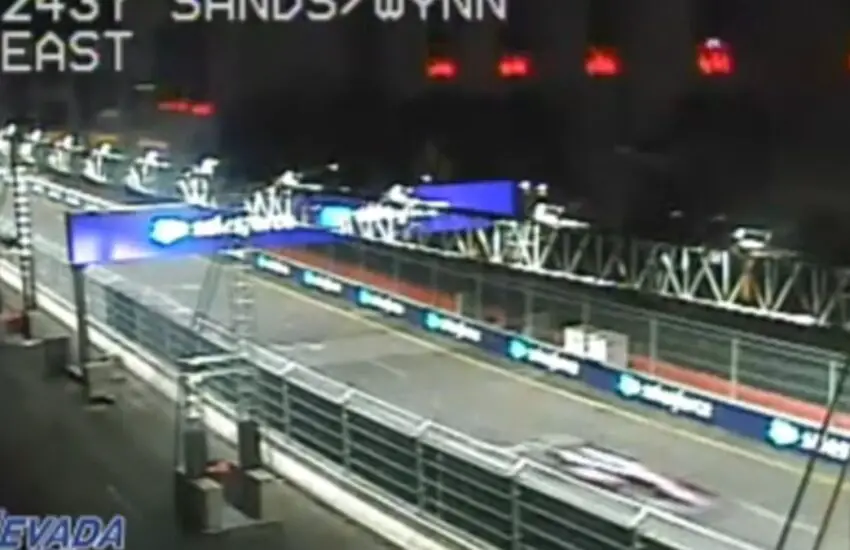
Attending the Las Vegas Grand Prix in person has been notoriously expensive, with ticket prices and accommodation costs creating barriers for many racing fans. While criticism has mounted over the sport’s approach to engaging new audiences in America, a clever alternative has emerged that bypasses these financial hurdles entirely.

Legal Viewing Alternatives

Resourceful Formula 1 followers have discovered legitimate methods to watch the entire Las Vegas Grand Prix weekend without paying premium prices. These approaches leverage existing broadcasting arrangements and geographical accessibility to create viewing opportunities that remain within legal boundaries.

Broadcast Accessibility Solutions

Several international broadcasters offer free-to-air coverage of F1 events, including the Las Vegas race. By accessing these channels through approved streaming methods, viewers can enjoy comprehensive race coverage without subscription fees. The key lies in identifying which regions offer open access to these broadcasts and understanding the technical requirements for legitimate viewing.

Timing and Preparation

The unique nighttime schedule of the Las Vegas Grand Prix creates additional viewing considerations across different time zones. Successful free viewing requires advance planning to ensure proper setup and testing before the race weekend begins. Many experienced fans recommend preparing at least 48 hours in advance to troubleshoot any potential technical issues.

This innovative approach demonstrates how motorsport enthusiasts continue to find creative solutions to participate in the F1 experience despite rising costs. The discovery has generated significant discussion within fan communities about accessibility and the evolving relationship between sports organizations and their global audience.

OBD2 Code P145B Mercury: Comprehensive Diagnostic Guide

Understanding Mercury P145B Code: EVAP System Fundamentals

The P145B diagnostic trouble code is a manufacturer-specific code that primarily affects Mercury vehicles. This code indicates a malfunction within the Evaporative Emission Control (EVAP) system, specifically related to the fuel vapor leak detection system. The EVAP system is crucial for preventing fuel vapors from escaping into the atmosphere, making this code both an environmental concern and a potential performance issue.

What Does P145B Code Mean in Mercury Vehicles?

P145B specifically points to a problem with the EVAP system pressure sensor or its circuit. This sensor monitors pressure changes within the fuel vapor system to detect potential leaks. When the vehicle’s Powertrain Control Module (PCM) detects abnormal pressure readings or sensor performance outside specified parameters, it triggers the P145B code and illuminates the check engine light.

EVAP System Components and Their Functions

  • Fuel Tank Pressure Sensor: Monitors pressure/vacuum in fuel system
  • EVAP Canister: Stores fuel vapors until they can be burned
  • Purge Valve: Controls vapor flow to engine intake
  • Vent Valve: Allows fresh air into the system during purge cycles
  • Fuel Cap: Maintains proper seal on fuel filler neck

Diagnostic Procedures for P145B Mercury Code

Proper diagnosis of P145B requires systematic testing and verification of multiple EVAP system components. Rushing this process can lead to unnecessary part replacements and increased repair costs. Always begin with visual inspection before proceeding to electronic diagnostics.

Initial Visual Inspection Steps

Start with a thorough visual examination of the entire EVAP system. Look for obvious signs of damage, disconnected hoses, or worn components. Pay special attention to the fuel filler neck area and all vacuum lines connected to the EVAP canister. Even small cracks or loose connections can trigger the P145B code.

Using OBD2 Scanner for Advanced Diagnostics

  • Connect professional-grade OBD2 scanner to DLC
  • Record freeze frame data when code was set
  • Monitor fuel tank pressure sensor live data
  • Check for additional codes that may indicate related issues
  • Perform system tests using bidirectional scanner controls

Testing Fuel Tank Pressure Sensor Operation

The fuel tank pressure sensor is critical for P145B diagnosis. Test sensor operation by comparing live data readings against manufacturer specifications. Most Mercury vehicles should show approximately 1.5 volts with the fuel cap removed. Abnormal voltage readings typically indicate a faulty sensor requiring replacement.

Common Causes and Repair Solutions for P145B

Multiple factors can contribute to P145B code activation. Understanding these potential causes helps technicians develop efficient repair strategies and prevent recurring issues.

Primary Causes of P145B Code in Mercury Vehicles

  • Faulty fuel tank pressure sensor
  • Damaged or corroded wiring harness
  • Poor electrical connections at sensor connector
  • EVAP system leaks allowing pressure loss
  • Failed PCM or programming issues

Step-by-Step Repair Procedures

Begin repairs by addressing the most common causes first. Replace the fuel tank pressure sensor if testing confirms malfunction. Ensure proper installation and routing of wiring harness. After repairs, clear codes and perform multiple drive cycles to verify the fix.

Preventing P145B Code Recurrence

  • Regular EVAP system maintenance
  • Proper fuel cap installation after refueling
  • Periodic inspection of EVAP components
  • Addressing check engine lights promptly
  • Using quality replacement parts

Technical Specifications and System Requirements

Understanding the technical parameters of Mercury EVAP systems is essential for accurate P145B diagnosis and repair.

Fuel Tank Pressure Sensor Specifications

Mercury fuel tank pressure sensors typically operate within 0.5-4.5 volt range. Normal pressure readings should vary between -8 to +8 inches of H2O during system monitoring. Consult specific vehicle service manual for exact specifications as they vary by model year and engine configuration.

EVAP System Performance Standards

  • System must hold specified vacuum for designated time
  • Pressure sensor response time within manufacturer limits
  • No leaks larger than 0.020 inches allowed
  • Complete purge cycle within specified parameters
  • Proper communication between PCM and all EVAP components

Advanced Troubleshooting and Professional Tips

For persistent P145B codes or complex cases, advanced diagnostic techniques may be necessary to identify underlying issues.

Smoke Testing for EVAP System Leaks

Professional smoke testing remains the gold standard for identifying EVAP system leaks. Introduce smoke under low pressure into the system and visually inspect for escaping smoke. This method can detect leaks as small as 0.010 inches that might not trigger immediate code setting but contribute to P145B over time.

Electrical Circuit Diagnosis Techniques

  • Perform voltage drop tests on sensor circuits
  • Check for corrosion in connector terminals
  • Verify proper ground connections
  • Test circuit resistance against specifications
  • Inspect wiring for damage or chafing

When to Seek Professional Assistance

While many DIY enthusiasts can address basic P145B issues, complex electrical problems or PCM-related issues often require professional diagnosis. Certified technicians have access to manufacturer-specific diagnostic tools and technical service bulletins that may provide additional insight into persistent P145B codes.

Successfully diagnosing and repairing P145B requires methodical approach and understanding of EVAP system operation. Regular maintenance and prompt attention to check engine lights can prevent most P145B occurrences, ensuring your Mercury vehicle remains compliant with emission standards while maintaining optimal performance.