Saab P1460 Code: Comprehensive Guide to Diagnosis and Repair

Understanding the Saab P1460 Diagnostic Trouble Code

The P1460 code is a manufacturer-specific diagnostic trouble code that primarily affects Saab vehicles, particularly models from the early 2000s such as the Saab 9-3 and 9-5. This code indicates a malfunction within the secondary air injection system, specifically related to the air pump circuit. When this code appears, it means your vehicle’s Engine Control Module (ECM) has detected an irregularity in the operation of the secondary air injection system during its diagnostic cycle.

What is the Secondary Air Injection System?

The secondary air injection system is an emissions control component designed to reduce harmful exhaust emissions during cold starts. When your engine is cold, combustion is less efficient, resulting in higher levels of hydrocarbons and carbon monoxide. The secondary air injection system introduces fresh air into the exhaust stream immediately after startup, helping to burn off these excess pollutants before they exit the tailpipe.

How the P1460 Code is Triggered

The ECM monitors the secondary air injection system during specific operating conditions. If the system doesn’t respond as expected during diagnostic tests, or if electrical parameters fall outside predetermined ranges, the ECM will illuminate the check engine light and store the P1460 code. This typically occurs when the ECM detects incorrect voltage, current flow, or operational characteristics in the air pump circuit.

Common Symptoms and Warning Signs of P1460

Recognizing the symptoms associated with the P1460 code is crucial for timely diagnosis and repair. While some vehicles may show multiple symptoms, others might display only the check engine light without noticeable performance issues.

Primary Symptoms of P1460

  • Illuminated check engine light on dashboard
  • Possible failed emissions test due to increased pollutants
  • Rough idle during cold starts
  • Reduced engine performance in some cases
  • Unusual noises from the air pump or related components

Secondary Effects on Vehicle Operation

  • Slightly increased fuel consumption in some scenarios
  • Potential for other emission-related codes to appear
  • Engine may take longer to reach optimal operating temperature
  • In rare cases, the vehicle may enter limp mode for protection

Comprehensive Diagnostic Procedure for P1460

Proper diagnosis is essential to accurately identify the root cause of the P1460 code. Following a systematic approach will save time and prevent unnecessary part replacements.

Initial Visual Inspection Steps

  • Check all vacuum lines connected to the secondary air system for cracks, leaks, or disconnections
  • Inspect electrical connectors to the air pump for corrosion or damage
  • Examine the air pump itself for physical damage or signs of overheating
  • Verify the condition of the check valve and associated plumbing
  • Check the air filter and intake passages for blockages

Electrical System Testing

Using a digital multimeter, perform these critical electrical tests:

  • Test battery voltage at the air pump connector with ignition ON
  • Check ground circuit integrity and resistance
  • Verify operation of the secondary air injection relay
  • Test continuity of wiring between ECM and air pump
  • Monitor current draw of the air pump during operation

Component-Specific Testing Methods

  • Test the air pump motor by applying direct battery power
  • Check the check valve for proper one-way operation
  • Verify vacuum solenoid operation and vacuum supply
  • Test the relay using appropriate diagnostic procedures
  • Inspect the fuse and fuse holder for the secondary air system

Common Causes and Repair Solutions for P1460

The P1460 code can result from various issues within the secondary air injection system. Understanding these potential causes will guide your repair strategy.

Most Frequent Causes of P1460

  • Failed secondary air injection pump motor
  • Faulty secondary air injection relay
  • Clogged or malfunctioning check valve
  • Damaged vacuum lines or connections
  • Electrical issues in wiring or connectors
  • Faulty vacuum control solenoid
  • Blown fuse in the secondary air circuit
  • Software or programming issues in the ECM

Step-by-Step Repair Procedures

Begin with the most common and easily accessible components:

  • Replace the secondary air pump if testing confirms failure
  • Install a new relay if the original shows signs of malfunction
  • Clean or replace the check valve to ensure proper airflow
  • Repair or replace damaged vacuum lines and fittings
  • Address any electrical issues in the circuit
  • Update ECM software if manufacturer updates are available

Preventive Maintenance and Long-Term Solutions

Preventing recurrence of the P1460 code requires understanding why these failures occur and implementing proper maintenance practices.

Maintenance Best Practices

  • Regularly inspect the secondary air system during routine maintenance
  • Keep the engine compartment clean to prevent debris accumulation
  • Address any exhaust system leaks promptly
  • Use quality replacement parts when repairs are necessary
  • Follow manufacturer-recommended service intervals

Professional vs DIY Repair Considerations

While some P1460 repairs are suitable for experienced DIY enthusiasts, others require professional expertise. Electrical diagnosis and ECM-related issues typically benefit from professional equipment and training. Simple component replacements like the air pump or check valve may be within reach for competent home mechanics with proper guidance and safety precautions.

Successfully addressing a P1460 code requires methodical diagnosis and quality repairs. By understanding the system’s operation and following proper diagnostic procedures, you can restore your Saab’s emission control system to proper functioning and ensure compliance with environmental standards while maintaining optimal engine performance.

Fiat Topolino Black Friday 2025 Electric Deal

Unmissable Black Friday 2025 Offer on Fiat Topolino

Black Friday 2025 presents an extraordinary opportunity for urban commuters seeking eco-friendly transportation with a standout promotion on the Fiat Topolino. This compact electric quadricycle, celebrated for its charming retro design and zero-emission performance, is now available with an exceptional discount. Shoppers can instantly save €1000 using the promotional code TOPOCASH, making this already accessible vehicle even more affordable for city driving.

Why the Fiat Topolino Stands Out

The Fiat Topolino combines nostalgic aesthetics with modern electric technology, offering a perfect solution for navigating crowded streets. Its small footprint allows for easy parking and maneuverability, while the electric motor ensures a quiet, emission-free ride. Ideal for daily errands or short commutes, the Topolino includes practical features such as a spacious interior for a vehicle of its size and user-friendly controls. With a focus on sustainability, it supports the growing shift towards greener urban mobility without compromising on style or functionality.

Maximizing Your Black Friday Savings

To take full advantage of this limited-time Black Friday deal, ensure you apply the TOPOCASH code during the online checkout process. This offer is valid exclusively during the Black Friday 2025 sales period, so acting promptly is essential to secure the discount. The promotion applies to new orders of the Fiat Topolino, providing a straightforward path to owning an efficient electric vehicle at a reduced cost. Keep an eye on the official campaign dates to avoid missing out on this significant price reduction.

Embracing Electric Urban Mobility

Electric quadricycles like the Fiat Topolino are redefining city travel by offering an economical and environmentally conscious alternative to traditional cars. With lower operating costs and reduced carbon footprints, they align with global sustainability goals. The Black Friday discount further lowers the entry barrier, encouraging more people to adopt electric vehicles. This promotion not only makes the Topolino a smart financial choice but also supports broader efforts to decrease urban pollution and congestion.

Tesla’s 164-Stall Supercharger Transforms EV Travel

World’s Largest EV Charging Hub Opens

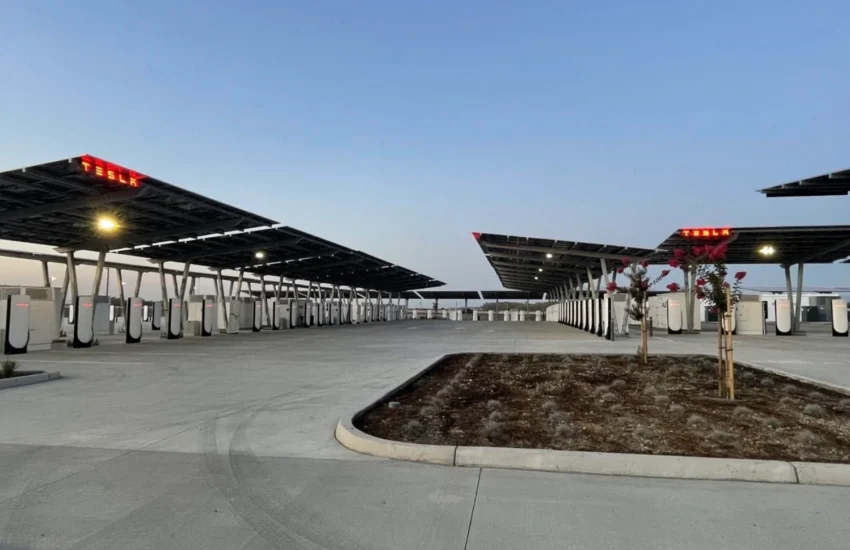
Tesla has unveiled its most ambitious charging project to date – a 164-stall Supercharger station strategically located between San Francisco and Los Angeles. This massive installation represents a quantum leap in electric vehicle infrastructure, capable of serving hundreds of drivers simultaneously during peak travel periods. The facility addresses one of the most critical challenges in EV adoption: charging availability during long-distance journeys.

Redefining Electric Vehicle Infrastructure

This charging colossus features Tesla’s latest V3 Supercharging technology, delivering up to 250 kW of power per vehicle. At this rate, most Tesla models can add up to 200 miles of range in approximately 15 minutes. The station’s design incorporates advanced power management systems that dynamically distribute electricity across all stalls, ensuring optimal charging speeds regardless of how many vehicles are connected simultaneously.

Strategic Location and Impact

Positioned along the heavily traveled Highway 101 corridor, this mega-station serves as a crucial midpoint for travelers between Northern and Southern California. The location was carefully selected based on traffic patterns and charging demand data collected from Tesla’s global network. Beyond serving Tesla owners, the facility represents a significant step toward supporting California’s ambitious zero-emission vehicle goals and demonstrates the scalability of EV infrastructure.

Future of High-Volume Charging

This installation sets a new benchmark for what’s possible in electric vehicle charging infrastructure. The successful operation of such a large-scale charging hub provides valuable insights for future developments, including potential integration with solar canopies and battery storage systems. As electric vehicle adoption continues to accelerate globally, facilities of this scale will become increasingly essential for supporting the transition to sustainable transportation.

OBD2 Code P1460 MINI: Complete Diagnostic & Repair Guide

Understanding OBD2 Code P1460 in MINI Vehicles

When your MINI’s check engine light illuminates and you retrieve diagnostic trouble code P1460, you’re dealing with a specific evaporative emission control system malfunction. This code indicates a problem within the Evaporative Emission (EVAP) Canister Purge Valve Circuit, specifically related to the purge flow monitoring system. The EVAP system is crucial for preventing fuel vapors from escaping into the atmosphere, and when P1460 appears, it signifies that the vehicle’s Engine Control Module (ECM) has detected an irregularity in the purge valve operation or flow characteristics.

What Does P1460 Mean Exactly?

P1460 is defined as “Evaporative Emission Control System Purge Flow Monitoring.” This trouble code is manufacturer-specific to BMW/MINI vehicles and relates directly to the monitoring of vapor flow through the EVAP system during purge cycles. The ECM continuously monitors the expected flow rate versus actual flow rate through the purge valve, and when a significant discrepancy occurs, it triggers P1460 and illuminates the check engine light.

The Role of the EVAP System in MINI Vehicles

The evaporative emission control system in your MINI serves several critical functions:

  • Preventing fuel vapors from escaping into the atmosphere
  • Storing fuel vapors in the charcoal canister until they can be safely purged
  • Maintaining proper fuel tank pressure
  • Recycling fuel vapors back into the engine combustion process
  • Helping the vehicle meet environmental emission standards

Common Symptoms and Causes of P1460 in MINI Cars

Recognizing the symptoms of P1460 early can prevent more serious issues and potential emission test failures. MINI owners typically report several consistent indicators when this code appears, along with specific underlying causes that technicians commonly encounter during diagnosis.

Primary Symptoms of P1460

When P1460 is stored in your MINI’s ECM, you may experience one or more of the following symptoms:

  • Illuminated check engine light (MIL)
  • Possible rough idle or engine stalling
  • Reduced fuel economy
  • Failed emissions inspection
  • Strong fuel odor around the vehicle
  • Difficulty starting the engine in some cases
  • Reduced engine performance under certain conditions

Root Causes of P1460 Trouble Code

Several components can contribute to the activation of P1460 in MINI vehicles. The most common culprits include:

  • Faulty or stuck charcoal canister purge valve
  • Clogged or restricted EVAP purge lines
  • Electrical issues in the purge valve circuit (wiring, connectors)
  • Failed fuel tank pressure sensor
  • Problems with the evaporative leak detection pump
  • Software issues requiring ECM reprogramming
  • Vacuum leaks in associated hoses and connections

Comprehensive Diagnostic Procedure for P1460

Proper diagnosis of P1460 requires a systematic approach using appropriate diagnostic tools and following manufacturer-recommended procedures. Attempting repairs without proper diagnosis often leads to unnecessary part replacement and continued issues.

Initial Diagnostic Steps and Tools Required

Begin your diagnosis with these essential steps:

  • Use a professional-grade OBD2 scanner to confirm P1460 is the only code present
  • Check for any technical service bulletins (TSBs) related to P1460 for your specific MINI model
  • Perform a visual inspection of all EVAP system components and wiring
  • Check the integrity of all vacuum lines and electrical connectors
  • Verify proper fuel cap installation and condition

Advanced Testing Procedures

For accurate diagnosis, follow these advanced testing procedures:

  • Test purge valve operation using a bidirectional scanner control
  • Measure electrical resistance across the purge valve terminals
  • Check for proper voltage supply to the purge valve
  • Perform smoke test to identify vacuum leaks in the system
  • Monitor live data parameters for the EVAP system during operation
  • Test fuel tank pressure sensor readings against specification

Repair Solutions and Prevention Strategies

Once you’ve identified the root cause of P1460, implementing the correct repair is crucial. Additionally, understanding preventive measures can help avoid recurrence of this issue in your MINI vehicle.

Common Repair Procedures for P1460

Based on diagnostic findings, repairs typically involve one or more of the following:

  • Replacing the charcoal canister purge valve
  • Repairing or replacing damaged wiring and connectors
  • Clearing clogged or restricted purge lines
  • Replacing the fuel tank pressure sensor if faulty
  • Updating ECM software if required by manufacturer TSBs
  • Replacing damaged vacuum lines and fittings
  • Addressing any identified leaks in the EVAP system

Preventive Maintenance Tips

To minimize the risk of P1460 and other EVAP system issues:

  • Always ensure the fuel cap is properly tightened after refueling
  • Follow manufacturer-recommended maintenance schedules
  • Address any check engine lights promptly to prevent additional damage
  • Use quality fuel from reputable stations
  • Have the EVAP system inspected during routine maintenance
  • Avoid overfilling the fuel tank beyond the automatic shutoff

Successfully diagnosing and repairing P1460 in your MINI requires understanding the EVAP system’s complexity and following proper diagnostic procedures. While some basic checks can be performed by experienced DIY enthusiasts, many aspects of this repair benefit from professional diagnostic equipment and expertise. Addressing P1460 promptly not only ensures your vehicle runs efficiently but also helps maintain environmental compliance and prevents potential damage to other emission system components.

Electric Car Rentals Gain Traction in France

Electric Car Rentals

The car rental market is undergoing a significant transformation with the rise of electric vehicles. Recent research commissioned by ADA highlights a mixed adoption of this new technology within the French rental landscape. Young urban residents are emerging as the primary ambassadors of this electric revolution, while certain hesitations persist among other population segments.

Urban Youth Leading the Charge

City-dwelling millennials and Gen Z are at the forefront of embracing electric car rentals. Their environmental awareness and familiarity with technology make them early adopters. Urban infrastructure, including charging stations, supports their preference for sustainable transport options during short-term rentals.

Persistent Concerns Among Renters

Despite growing interest, several factors contribute to ongoing skepticism. Range anxiety remains a top concern, with potential renters worried about battery life on longer journeys. Uncertainty about charging point availability outside major cities also deters some from choosing electric models.

Rental Companies Adapting Services

To address these challenges, rental agencies are enhancing their electric fleets and customer support. Many now provide detailed guides on charging networks and route planning. Some include complimentary charging cards or partner with charging providers to simplify the rental experience.

Future Outlook for Electric Rentals

The trend suggests continued growth as technology improves and infrastructure expands. Lower operating costs and environmental benefits are making electric rentals increasingly attractive. Education and firsthand experience are key to overcoming remaining doubts and accelerating adoption across all demographics.

Mercury P1460 Code: A/C Pressure Sensor Circuit Low Voltage

Understanding the Mercury P1460 Diagnostic Trouble Code

When your Mercury’s Powertrain Control Module (PCM) stores a P1460 diagnostic trouble code, it indicates a specific electrical problem within the vehicle’s air conditioning system. This code signifies that the PCM has detected a voltage signal from the A/C refrigerant pressure sensor that is consistently lower than the expected operating range. The P1460 is a generic OBD2 code, meaning its definition is standardized across all vehicle manufacturers, including Mercury models like the Sable, Grand Marquis, and Mountaineer.

What Does the P1460 Code Specifically Mean?

The P1460 code points directly to a fault in the “A/C Refrigerant Pressure Sensor Circuit Low Voltage.” The A/C pressure sensor is a critical component that monitors the pressure of the refrigerant within the A/C system. It sends a variable voltage signal back to the PCM, typically ranging from about 0.5 volts (low pressure) to 4.5 volts (high pressure). A P1460 code is set when this signal voltage falls below a predetermined threshold for a specific duration, usually around 0.2-0.3 volts, indicating an implausibly low pressure reading or a circuit fault.

The Role of the A/C Pressure Sensor in Your Mercury

The A/C pressure sensor serves multiple vital functions beyond simple pressure monitoring. The PCM uses this data to:

  • Protect the A/C compressor from engaging under dangerously low or high-pressure conditions
  • Regulate cooling fan operation based on A/C system demand
  • Modulate compressor clutch engagement for optimal system performance
  • Provide input for climate control system management

Common Symptoms and Causes of P1460 in Mercury Vehicles

Recognizing the symptoms associated with a P1460 code is crucial for timely diagnosis and repair. Since this code affects the A/C system’s operation, drivers typically notice issues related to cabin cooling and engine performance.

Primary Symptoms of P1460 Code

  • Air conditioning system not cooling or intermittent cooling
  • A/C compressor clutch not engaging
  • Illuminated Check Engine Light on dashboard
  • Possible engine overheating in certain conditions
  • Reduced engine performance during A/C operation
  • Cooling fans running continuously or not operating correctly

Root Causes of P1460 Trouble Code

The P1460 code can result from various issues ranging from simple electrical problems to complex system failures. The most common causes include:

  • Faulty A/C refrigerant pressure sensor
  • Open or shorted wiring in the sensor circuit
  • Poor electrical connections at the sensor or PCM
  • Low refrigerant charge causing extremely low pressure
  • Failed PCM (less common but possible)
  • Corroded connectors or damaged wiring harness
  • Blown fuse affecting the sensor reference voltage

Professional Diagnostic Procedure for P1460 Code

Diagnosing a P1460 code requires a systematic approach using proper tools and following logical steps. Always begin with visual inspection and progress to electrical testing to accurately identify the root cause.

Initial Visual Inspection and Preliminary Checks

Start with these non-invasive checks before proceeding to electrical diagnostics:

  • Inspect the A/C pressure sensor and wiring harness for obvious damage
  • Check all related fuses in the engine compartment and interior fuse boxes
  • Verify connector integrity at the pressure sensor and PCM
  • Examine for signs of refrigerant leaks at connections and components
  • Check A/C system pressure with manifold gauges if available

Electrical Circuit Testing Procedure

Using a digital multimeter, perform these critical electrical tests:

  • Test sensor reference voltage (typically 5 volts from PCM)
  • Check sensor ground circuit for continuity and resistance
  • Measure signal voltage with A/C system at rest and during operation
  • Perform voltage drop tests on all circuit wires
  • Test for short to ground in the signal circuit

Sensor and System Verification Tests

After confirming circuit integrity, verify sensor and system operation:

  • Compare live data sensor readings with actual pressure gauge readings
  • Monitor sensor voltage while artificially varying system pressure
  • Test sensor resistance characteristics if specifications are available
  • Verify PCM operation by testing output signals to related components

Repair Procedures and Prevention Strategies

Once diagnosis is complete, proper repair procedures ensure lasting resolution of the P1460 code. Following manufacturer specifications and using quality parts is essential for reliable repairs.

Step-by-Step Repair Guide

The repair process varies depending on the identified cause but generally follows these steps:

  • Recover A/C refrigerant using approved recovery equipment if sensor replacement is needed
  • Replace faulty A/C pressure sensor with OEM or high-quality equivalent
  • Repair or replace damaged wiring using proper splicing techniques
  • Clean and secure all electrical connections with dielectric grease
  • Recharge A/C system to specified refrigerant level if opened
  • Clear trouble codes and verify repair with road test

Preventing Recurrence of P1460 Code

Implement these practices to minimize the chance of P1460 recurrence:

  • Perform regular A/C system inspections and maintenance
  • Address refrigerant leaks promptly to maintain proper system pressure
  • Protect wiring harness from heat and abrasion during repairs
  • Use electrical connection sealant in exposed areas
  • Schedule periodic electrical system checks as part of routine maintenance

Technical Considerations and Professional Insights

Understanding the technical nuances of the P1460 code can significantly improve diagnostic accuracy and repair quality. Several factors can complicate diagnosis if not properly considered.

Important Technical Notes for Mercury P1460 Diagnosis

  • The P1460 code may set differently depending on Mercury model and year
  • Some systems require specific drive cycles for code reset after repair
  • Ambient temperature can affect sensor readings and code setting parameters
  • Correlated codes for cooling fan or A/C clutch should be addressed simultaneously
  • Always verify refrigerant type and quantity match manufacturer specifications

When to Seek Professional Assistance

While some experienced DIYers can address P1460 issues, professional help is recommended when:

  • A/C system requires refrigerant handling (requires certification)
  • Diagnosis points toward PCM replacement
  • Multiple electrical issues are present simultaneously
  • Advanced scan tool capabilities are needed for system programming
  • Warranty coverage may be affected by DIY repairs

Proper diagnosis and repair of the P1460 code restores your Mercury’s A/C system to optimal operation while preventing potential damage to expensive components like the compressor. Following systematic diagnostic procedures ensures accurate identification of the root cause, whether it’s a simple sensor failure or a complex electrical issue. Regular maintenance and prompt attention to A/C system warnings can prevent many P1460 occurrences and maintain comfortable cabin temperatures throughout driving seasons.

XPeng X9 PowerX: 1,600 km Electric MPV Breakthrough

XPeng X9 PowerX: The Electric MPV with Unmatched Range

XPeng X9 PowerX electric MPV interior and exterior

The XPeng X9 PowerX marks a significant leap forward in the electric family vehicle segment. Originally launched as a fully electric model, this innovative MPV now incorporates groundbreaking PowerX technology, enabling an extraordinary driving range of up to 1,600 kilometers on a single charge and fuel combination. This positions it as a game-changer for long-distance family travel.

Advanced Powertrain and Performance

At the heart of the X9 PowerX is its sophisticated extended-range electric vehicle (EREV) system. This setup combines a high-capacity battery with an efficient onboard range-extender, effectively eliminating range anxiety. The vehicle intelligently manages power sources, prioritizing electric driving for daily commutes while seamlessly engaging the range extender for longer journeys. This dual approach delivers both zero-emission city driving and unparalleled long-haul capability.

Spacious and Intelligent Family Cabin

Designed with families in mind, the XPeng X9 PowerX offers a remarkably spacious and versatile interior. It features a flexible seating configuration, premium materials, and a quiet cabin enhanced by its electric powertrain. A state-of-the-art infotainment system and advanced driver-assistance systems provide both entertainment and safety, ensuring a comfortable and secure environment for all passengers on every trip.

Redefining Electric Vehicle Possibilities

The introduction of the XPeng X9 PowerX challenges conventional limitations of electric vehicles. By achieving a 1,600-kilometer range, it sets a new benchmark for what families can expect from an EV, merging the practicality of a large MPV with the efficiency and innovation of cutting-edge electric technology. It represents a pivotal step towards making electric vehicles the undisputed first choice for all types of drivers.

Mazda P1460 Code: Comprehensive Guide to Canister Purge Valve Issues

Understanding the Mazda P1460 Trouble Code

The P1460 diagnostic trouble code is a manufacturer-specific code that primarily affects Mazda vehicles. This code indicates a malfunction within the evaporative emission control (EVAP) system, specifically related to the canister purge valve circuit. When this code appears, it signifies that your vehicle’s engine control module (ECM) has detected an irregularity in the purge valve’s operation, which is crucial for proper fuel vapor management and emission control.

What Does P1460 Mean in Mazda Vehicles?

P1460 specifically points to a problem with the canister purge valve control circuit. This valve is responsible for regulating the flow of fuel vapors from the charcoal canister to the engine intake manifold. The ECM monitors this circuit for proper voltage, resistance, and operational characteristics. When the actual performance deviates from expected parameters, the system triggers the P1460 code and illuminates the check engine light.

The Role of EVAP System in Modern Mazdas

The evaporative emission control system in Mazda vehicles serves multiple critical functions:

  • Prevents fuel vapors from escaping into the atmosphere
  • Stores fuel vapors in the charcoal canister until they can be properly burned
  • Improves overall fuel efficiency by utilizing captured vapors
  • Helps maintain proper fuel tank pressure
  • Reduces hydrocarbon emissions significantly

Common Symptoms of P1460 Code in Mazda Vehicles

Recognizing the symptoms associated with P1460 is crucial for timely diagnosis and repair. While some symptoms may be subtle initially, they typically become more pronounced as the issue progresses.

Check Engine Light and Performance Issues

The most immediate indication of P1460 is the illumination of the check engine light on your dashboard. However, several performance-related symptoms often accompany this warning:

  • Rough idling or unstable engine operation
  • Reduced fuel economy and efficiency
  • Engine hesitation during acceleration
  • Difficulty starting the engine in some cases
  • Noticeable fuel odor around the vehicle

Emission and Fuel System Symptoms

The P1460 code directly impacts your vehicle’s emission control capabilities and fuel system operation:

  • Failed emissions testing due to EVAP system malfunction
  • Increased hydrocarbon emissions
  • Fuel tank pressure issues
  • Vapor lock situations in extreme cases
  • Poor engine vacuum characteristics

Diagnosing Mazda P1460 Code: Step-by-Step Procedure

Proper diagnosis of P1460 requires systematic testing and inspection. Following a structured approach ensures accurate identification of the root cause and prevents unnecessary part replacements.

Initial Inspection and Visual Checks

Begin with comprehensive visual inspection of the EVAP system components:

  • Check all vacuum hoses for cracks, brittleness, or disconnections
  • Inspect electrical connectors to the purge valve for corrosion or damage
  • Examine the charcoal canister for physical damage or contamination
  • Verify proper routing of all EVAP system hoses
  • Check for any obvious wiring issues or chafed insulation

Electrical Testing and Component Verification

Use a digital multimeter to perform electrical tests on the purge valve circuit:

  • Test purge valve resistance (typically 20-40 ohms for most Mazda models)
  • Check for proper voltage supply to the purge valve
  • Verify ground circuit integrity
  • Test ECM control signals using a scan tool or oscilloscope
  • Perform continuity tests on wiring harness

Repair Procedures for Mazda P1460 Code

Once diagnosis confirms the specific cause of P1460, appropriate repair procedures can be implemented. The complexity of repairs varies depending on the identified issue.

Canister Purge Valve Replacement

Replacing a faulty canister purge valve is typically straightforward:

  • Locate the purge valve (usually near the engine bay or charcoal canister)
  • Disconnect electrical connector and vacuum hoses
  • Remove mounting bolts or clips
  • Install new purge valve with new gaskets if applicable
  • Reconnect all components and clear trouble codes

Wiring Repair and ECM Considerations

For wiring or ECM-related issues, more advanced repairs may be necessary:

  • Repair or replace damaged wiring using proper automotive-grade materials
  • Address any corrosion in electrical connectors
  • In rare cases, ECM replacement or reprogramming may be required
  • Always verify repair success with post-repair testing

Prevention and Maintenance Tips

Regular maintenance can prevent P1460 and other EVAP system codes from occurring. Implementing proactive measures ensures long-term system reliability.

Routine EVAP System Maintenance

Incorporate these practices into your regular vehicle maintenance schedule:

  • Periodically inspect EVAP system components during oil changes
  • Check vacuum hoses annually for deterioration
  • Ensure gas cap is properly tightened after refueling
  • Address any check engine lights promptly
  • Follow manufacturer-recommended service intervals

Professional Diagnosis Importance

While some DIY repairs are possible, complex EVAP system issues often require professional attention:

  • Professional shops have specialized smoke machines for leak detection
  • Advanced scan tools provide real-time data for accurate diagnosis
  • Technicians have access to manufacturer-specific technical service bulletins
  • Proper repair documentation ensures warranty protection

The Mazda P1460 code, while potentially concerning, is typically repairable with proper diagnosis and appropriate replacement parts. Understanding the EVAP system’s function and following systematic diagnostic procedures ensures effective resolution of this emissions-related issue. Regular maintenance and prompt attention to check engine lights remain the best strategy for preventing P1460 and maintaining optimal vehicle performance and emissions compliance.

Chinese EV Giants Reshape European Auto Market

China’s Electric Vehicle Power Play in Europe

The European automotive landscape is undergoing a seismic shift as Chinese electric vehicle manufacturers accelerate their expansion strategies. Unlike initial market entries through exports, companies are now establishing substantial local operations to compete directly with established European brands.

Strategic Manufacturing Footprints

Great Wall Motor exemplifies this new approach through its search for European production facilities. After experiencing slower than expected market penetration compared to some Chinese competitors, the manufacturer is pivoting toward local assembly operations. This strategy mirrors broader industry movements toward establishing manufacturing bases within Europe to circumvent trade barriers and respond more effectively to regional market demands.

Competitive Pricing and Technology

Chinese EV manufacturers bring sophisticated battery technology and competitive pricing structures that challenge traditional automotive pricing in European markets. The combination of advanced features at accessible price points represents a significant value proposition for European consumers. This approach has forced incumbent manufacturers to accelerate their own electrification timelines and reconsider pricing strategies across multiple vehicle segments.

Market Adaptation Challenges

Despite technological advantages, Chinese automakers face the complex task of adapting to diverse European consumer preferences and regulatory requirements. Success requires understanding nuanced market differences across European regions, from charging infrastructure compatibility to design aesthetics and driving patterns. Manufacturers investing in localized research and development demonstrate more sophisticated market entry strategies than those relying solely on price competition.

Future Market Implications

The deepening presence of Chinese EV manufacturers signals a fundamental restructuring of Europe’s automotive industry. As production facilities become established and supply chains mature, these companies will likely capture increasing market share. This transition represents both a competitive challenge for European automakers and an acceleration of the continent’s broader electrification goals, potentially driving down costs and increasing technology adoption rates across the market.

Jay Leno Drives His Legendary Car Collection Daily

Why Jay Leno Actually Drives His Prized Cars

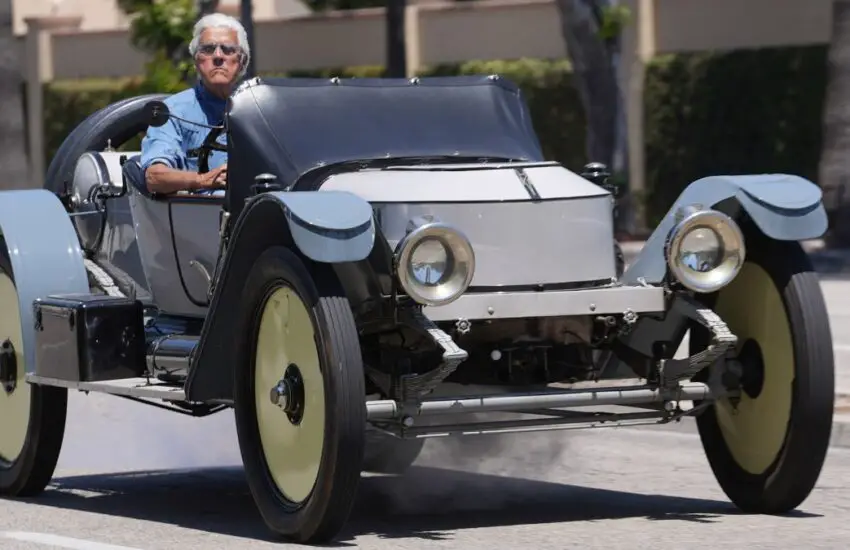
In a world where wealthy collectors often treat classic automobiles as static investments, Jay Leno stands apart. He believes cars are meant to be driven, not just displayed. His expansive garage isn’t a museum; it’s a rotating fleet of operational vehicles, all registered, insured, and ready for the open road at a moment’s notice.

From Errands to Epic Drives

For Leno, a trip to the grocery store could be an excuse to take his Ford Festiva Shogun for a spin. A casual afternoon might see him behind the wheel of his majestic Pierce Arrow. This philosophy of regular use keeps the mechanical souls of these machines alive. He experiences them as their original designers intended—in motion, on the street, interacting with the world.

Preservation Through Operation

Many collectors fear that driving a classic car diminishes its value through wear and tear. Leno challenges this notion, advocating that proper maintenance and regular operation are key to long-term preservation. Fluids need to circulate, seals need to remain supple, and engines need to run to stay in peak condition. His approach is a masterclass in active stewardship, proving that enjoyment and preservation can go hand in hand.

This commitment transforms his collection from a portfolio of assets into a living, breathing automotive history. Each journey, whether short or long, adds to the car’s story and ensures these rolling pieces of art continue to fulfill their fundamental purpose.