Electric Car Upgrades Revolutionize Auto Industry

The New Era of Electric Vehicle Enhancement

Specialized garages across the automotive sector are pioneering innovative approaches to electric vehicle upgrades, transforming how owners maintain and improve their cars. This movement represents a fundamental shift from traditional vehicle replacement cycles toward sustainable enhancement practices that extend vehicle lifespan while boosting performance capabilities.

Tesla Roadster: Pioneer of Upgrade Culture

The original Tesla Roadster serves as a landmark example in the electric vehicle upgrade revolution. As one of the first modern production EVs to hit the market, it demonstrated how software updates and hardware improvements could significantly extend a vehicle’s relevance years after its initial release. This established a precedent for the entire industry, proving that electric vehicles possess unique upgrade potential compared to their combustion-engine counterparts.

Technical Advancements Driving the Movement

Modern upgrade specialists now offer comprehensive enhancement packages including battery replacements, motor upgrades, and advanced driver-assistance system installations. These improvements can increase range by over 40% in some cases while adding contemporary safety features to older electric models. The technical complexity requires specialized training and equipment, creating new professional opportunities within the automotive service sector.

Sustainability Benefits of Vehicle Upgrades

The environmental impact of electric vehicle upgrades presents substantial advantages over complete vehicle replacement. By extending operational lifespans through strategic enhancements, the automotive industry reduces manufacturing demands and associated carbon emissions. This approach aligns with circular economy principles by maximizing resource utilization and minimizing waste generation throughout the vehicle lifecycle.

As upgrade technologies continue advancing, the potential for transforming existing electric vehicles into modern-performing machines grows exponentially. This trend signals a permanent evolution in how consumers and professionals approach vehicle maintenance and improvement within the electric mobility sector.

Understanding and Fixing OBD2 Code P1462 in Audi Vehicles

What is OBD2 Code P1462 in Audi Vehicles?

OBD2 code P1462 is a manufacturer-specific diagnostic trouble code that indicates a malfunction in the secondary air injection system of Audi vehicles. This system is crucial for reducing emissions during cold starts by injecting fresh air into the exhaust stream to help burn off unburned hydrocarbons. When this code appears, it signifies that the vehicle’s Engine Control Module (ECM) has detected an abnormal condition in the secondary air injection circuit, typically related to insufficient airflow or system performance.

Technical Definition of P1462 Code

The specific definition for P1462 in Audi vehicles is “Secondary Air Injection System – Insufficient Flow.” This code is part of the powertrain category and directly affects the vehicle’s emission control systems. The ECM monitors the secondary air injection system during cold start operations and compares expected parameters with actual performance data. When the actual airflow falls below predetermined thresholds, the ECM triggers code P1462 and illuminates the check engine light.

How the Secondary Air Injection System Works

The secondary air injection system is an emissions control device designed to reduce hydrocarbon and carbon monoxide emissions during the first few minutes after a cold engine start. The system consists of several key components:

  • Electric air pump that supplies fresh air
  • Air injection valves or combi valves
  • Vacuum-operated control valves
  • Various vacuum lines and hoses
  • System relays and electrical connections
  • ECM control circuitry

During cold start conditions, the ECM activates the secondary air injection system for approximately 90-120 seconds. The electric air pump forces fresh air into the exhaust ports, where it combines with hot exhaust gases to promote additional combustion, thereby reducing harmful emissions before the catalytic converter reaches optimal operating temperature.

Common Causes of P1462 Code in Audi Models

Diagnosing P1462 requires a systematic approach to identify the root cause. Several components can fail and trigger this code, ranging from simple electrical issues to mechanical failures.

Electrical System Failures

Electrical problems are among the most common causes of P1462 codes in Audi vehicles. These issues can include:

  • Failed secondary air injection pump relay
  • Blown fuses in the secondary air system circuit
  • Corroded or damaged electrical connectors
  • Faulty wiring harnesses with broken or shorted wires
  • Malfunctioning air pump motor due to electrical failure

The electrical system should be thoroughly inspected using a digital multimeter to verify proper voltage supply, ground connections, and circuit integrity before proceeding with component replacement.

Mechanical Component Failures

Mechanical failures in the secondary air injection system can also trigger P1462 codes. Common mechanical issues include:

  • Seized or worn secondary air pump bearings
  • Damaged air pump impeller or housing
  • Cracked or leaking air injection hoses
  • Failed check valves allowing exhaust gas backflow
  • Clogged air filter or intake passages
  • Vacuum line leaks or disconnections

Mechanical inspections should include visual examination of all system components, listening for unusual pump noises, and checking for proper vacuum operation.

Control System and ECM Issues

In some cases, the problem may lie within the control system itself rather than the mechanical components:

  • Faulty vacuum control valves
  • Malfunctioning air injection valves (combi valves)
  • ECM software issues requiring updates
  • Faulty pressure sensors or temperature sensors
  • Vacuum reservoir leaks or failures

Step-by-Step Diagnostic Procedure for P1462

Proper diagnosis of P1462 requires a methodical approach to avoid unnecessary parts replacement and ensure accurate repair.

Initial Inspection and Preliminary Checks

Begin with a thorough visual inspection of the entire secondary air injection system. Check for obvious issues such as:

  • Disconnected vacuum lines or electrical connectors
  • Damaged air hoses or cracked components
  • Corrosion on electrical connections
  • Evidence of water intrusion in the air pump
  • Verify fuse condition and relay operation

Use a diagnostic scanner to check for additional codes and monitor live data parameters related to the secondary air system during a cold start cycle.

Testing the Secondary Air Pump

The air pump is a critical component that requires specific testing procedures:

  • Check voltage supply at the pump connector during activation
  • Verify ground circuit integrity
  • Listen for pump operation during cold start
  • Measure current draw to identify motor issues
  • Test pump output by disconnecting output hose and checking airflow

If the pump fails to operate with proper voltage applied, replacement is typically necessary. However, ensure the electrical supply circuit is functioning correctly before condemning the pump.

Vacuum System and Valve Testing

The vacuum control system must be properly tested to ensure correct operation:

  • Check vacuum supply to control valves
  • Test vacuum control valve operation
  • Inspect check valves for proper one-way flow
  • Verify combi valve operation and diaphragm integrity
  • Check for vacuum leaks throughout the system

Use a vacuum pump and gauge to test valve operation and identify leaks that could prevent proper system function.

Repair Procedures and Cost Considerations

Once the root cause has been identified, proper repair procedures must be followed to ensure lasting resolution of the P1462 code.

Component Replacement Guidelines

When replacing secondary air injection system components, follow these guidelines:

  • Use OEM or high-quality replacement parts
  • Replace all gaskets and seals during component replacement
  • Clean all mounting surfaces thoroughly
  • Inspect related components while system is accessible
  • Clear codes and perform system tests after repair

Common replacement components include the secondary air pump, check valves, vacuum control valves, and associated hoses and connectors.

Cost Estimates and Labor Times

Repair costs for P1462 can vary significantly depending on the specific component failure:

  • Secondary air pump replacement: $400-$800 parts, 1.5-2.5 hours labor
  • Check valve replacement: $50-$150 parts, 0.5-1 hour labor
  • Vacuum control valve replacement: $80-$200 parts, 0.5-1 hour labor
  • Relay or fuse replacement: $20-$50 parts, 0.3 hours labor
  • Complete system diagnosis: 1-2 hours diagnostic time

These estimates can vary based on Audi model, engine type, and regional labor rates. Always obtain multiple quotes for major repairs.

Preventive Maintenance Recommendations

To prevent recurrence of P1462 and related codes, consider these maintenance practices:

  • Regular inspection of secondary air system components
  • Keeping electrical connections clean and protected
  • Addressing other engine codes promptly
  • Using quality fuel and maintaining proper engine operation
  • Following manufacturer-recommended service intervals

Proper maintenance can extend the life of secondary air injection system components and prevent expensive repairs.


Geely Galaxy V900 Sets Guinness Electric Range Record

Geely Galaxy V900 Achieves Groundbreaking Guinness World Record

The Geely Galaxy V900, a fully electric minivan, has officially secured a Guinness World Record for the longest distance traveled by an electric vehicle on a single charge. This remarkable feat underscores Geely’s advancements in electric vehicle technology and battery efficiency, positioning the V900 as a leader in the electric MPV segment.

Record-Breaking Performance and Innovation

During the record attempt, the Galaxy V900 covered an unprecedented distance, highlighting its exceptional energy management and aerodynamic design. The vehicle’s state-of-the-art battery system and regenerative braking capabilities played crucial roles in maximizing range, demonstrating practical benefits for family and commercial use. This achievement not only sets a new benchmark for electric minivans but also reinforces the viability of electric vehicles for long-distance travel without frequent recharging.

Implications for the Electric Vehicle Market

The Guinness recognition places the Geely Galaxy V900 at the forefront of electric mobility innovation, challenging competitors to enhance their range and efficiency. As consumers increasingly seek sustainable transportation options, this record could accelerate adoption by alleviating range anxiety. Geely’s success with the V900 may inspire further investments in EV technology, contributing to global efforts to reduce carbon emissions and promote clean energy solutions in the automotive industry.

Motorsport’s Green Racing Revolution

Sustainable Motorsport: A Realistic Vision

At first glance, sustainability seems fundamentally incompatible with motorsport. While we cherish racing culture, the sport undeniably consumes vast quantities of fuel, tires, consumables, and financial resources in pursuit of intangible glory. Since this high-octane world shows no signs of slowing down, what would a harmonious coexistence between racing and environmental responsibility actually look like?

The Ambitious IMSA and Michelin Partnership

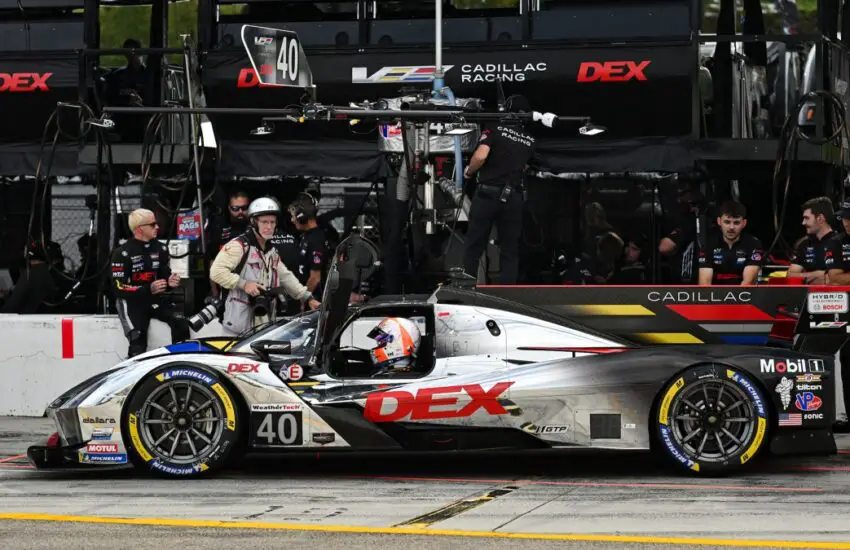
Leading organizations like IMSA and Michelin are demonstrating that competitive racing and ecological awareness can merge into a powerful synergy. Their comprehensive roadmap focuses on multiple pillars of sustainability without compromising the core excitement of motorsport. Through strategic initiatives in fuel technology, tire innovation, and operational efficiency, they’re building a compelling case for green racing’s future.

Fueling the Future

The transition to sustainable fuels represents perhaps the most significant breakthrough. Advanced biofuels and synthetic alternatives are reducing the carbon footprint of racing while maintaining the performance standards teams and fans expect. These developments create a vital testing ground for technologies that could eventually benefit consumer vehicles.

Tire Technology and Circular Economy

Michelin’s commitment extends beyond the track with ambitious tire recycling programs and extended product lifespans. Through advanced compound development and strategic partnerships, they’re demonstrating how racing can serve as an incubator for circular economy principles that minimize waste throughout the product lifecycle.

The Road Ahead for Eco-Conscious Racing

The journey toward truly sustainable motorsport requires continuous innovation and collaboration across the industry. From energy-efficient operations at race facilities to the adoption of hybrid and electric technologies in competition series, the landscape is evolving rapidly. These developments prove that environmental stewardship and thrilling competition can accelerate together toward a cleaner finish line.

OBD2 Code P1462 Acura: Comprehensive Diagnosis and Repair Guide

Understanding OBD2 Code P1462 in Acura Vehicles

When your Acura’s check engine light illuminates and you retrieve trouble code P1462, you’re dealing with a specific issue related to your vehicle’s climate control system. This diagnostic trouble code (DTC) indicates a problem within the A/C pressure sensor circuit, specifically pointing to a low voltage condition that the vehicle’s powertrain control module (PCM) has detected.

What Does P1462 Code Mean for Your Acura?

The P1462 code specifically refers to “A/C Pressure Sensor Circuit Low Voltage” in Acura vehicles. This sensor plays a critical role in monitoring the pressure of the refrigerant within your AC system. When the PCM detects that the voltage signal from this sensor is consistently lower than expected parameters, it triggers the P1462 code and illuminates the check engine light to alert the driver of a potential system failure.

How the A/C Pressure Sensor System Works

Your Acura’s A/C pressure sensor is a three-wire component that monitors refrigerant pressure and communicates this information to the PCM. The sensor typically receives a 5-volt reference signal from the PCM, provides a ground path, and sends back a variable signal voltage that corresponds to the current refrigerant pressure. This information helps the PCM determine whether to engage the AC compressor clutch and protects the system from operating under dangerous pressure conditions.

Common Symptoms of P1462 Code in Acura Models

Recognizing the symptoms associated with P1462 can help you identify the issue early and prevent further damage to your vehicle’s AC system. The symptoms may vary in severity depending on the underlying cause and how long the issue has been present.

Primary Warning Signs and Indicators

  • Illuminated check engine light on your dashboard
  • Air conditioning system not cooling properly or completely inoperative
  • AC compressor clutch not engaging when activated
  • Reduced fuel efficiency due to increased engine load
  • Possible overheating in certain driving conditions
  • Intermittent AC operation or fluctuating cooling performance

Secondary System Effects

Beyond the immediate AC system issues, the P1462 code can affect other vehicle systems. The PCM may implement fail-safe measures that impact engine performance, particularly in hot weather when the AC system would normally be working hardest. Some Acura models may also experience radiator fan operation issues, as these are often controlled based on AC system pressure readings.

Diagnosing P1462 Code: Step-by-Step Troubleshooting

Proper diagnosis of P1462 requires systematic testing of the AC pressure sensor circuit components. Following a logical diagnostic procedure will help you identify the root cause efficiently and avoid unnecessary part replacements.

Required Tools and Equipment

  • OBD2 scanner capable of reading manufacturer-specific codes
  • Digital multimeter with voltage and resistance testing capabilities
  • Vehicle service manual for your specific Acura model
  • AC manifold gauge set for pressure verification
  • Basic hand tools for sensor removal and installation
  • Electrical connector cleaning supplies

Initial Diagnostic Steps

Begin by verifying the code with your OBD2 scanner and checking for any additional codes that might provide context. Next, perform a visual inspection of the AC pressure sensor, its wiring harness, and electrical connector. Look for obvious damage, corrosion, or loose connections. Check the refrigerant level using an AC manifold gauge set, as low refrigerant can sometimes trigger similar symptoms.

Electrical Circuit Testing Procedure

  • Disconnect the electrical connector from the AC pressure sensor
  • With the ignition ON (engine OFF), check for reference voltage (typically 4.5-5V) at the appropriate pin
  • Verify ground circuit integrity by testing continuity to chassis ground
  • Check the signal circuit for shorts to ground or open circuits
  • Test the sensor itself by measuring resistance across its terminals while applying varying pressure
  • Compare all readings against manufacturer specifications for your Acura model

Professional Repair Solutions for P1462 Code

Once you’ve identified the specific cause of the P1462 code, you can proceed with the appropriate repair. The solution will depend on which component in the system has failed.

AC Pressure Sensor Replacement

If testing confirms a faulty AC pressure sensor, replacement is necessary. The sensor is typically located on the high-pressure line of the AC system. After recovering the refrigerant according to EPA guidelines, remove the electrical connector and unscrew the sensor. Install the new sensor using new O-rings lubricated with refrigerant oil. Finally, recharge the AC system to the specified refrigerant level and clear the trouble codes.

Wiring and Connector Repairs

For wiring issues, repair or replace damaged wires using proper automotive-grade connectors and heat shrink tubing. Ensure all connections are secure and protected from moisture and heat. For corroded connectors, clean the terminals with electrical contact cleaner or replace the connector entirely if damage is severe.

PCM Considerations and Final Verification

In rare cases, the PCM itself may be faulty, though this is typically the last component to suspect. Before condemning the PCM, verify all other circuit components and consult technical service bulletins for your specific Acura model. After completing repairs, always test drive the vehicle and monitor for code recurrence using your OBD2 scanner to ensure the issue is completely resolved.

Preventive Maintenance and Long-Term Solutions

Preventing recurrence of the P1462 code involves regular maintenance of your Acura’s AC system and addressing minor issues before they become major problems.

Regular AC System Maintenance Tips

  • Have your AC system professionally inspected annually
  • Check refrigerant levels and condition during routine service
  • Keep the condenser and radiator clean from debris
  • Address minor electrical issues promptly before they worsen
  • Use your AC system regularly, even in winter months, to maintain component lubrication

When to Seek Professional Assistance

While many DIY enthusiasts can handle P1462 diagnosis and repair, certain situations warrant professional help. If you lack the necessary tools, expertise with automotive electrical systems, or EPA certification for refrigerant handling, consulting a qualified Acura technician is recommended. They have access to manufacturer-specific diagnostic information and specialized equipment that can streamline the repair process.

Successfully addressing the P1462 code in your Acura requires methodical diagnosis and quality repairs. By understanding the system components, following proper testing procedures, and using OEM-quality replacement parts, you can restore your vehicle’s AC system to optimal operation and prevent future occurrences of this troublesome code.

2025 Volkswagen Jetta GLI: The Subtle Sports Sedan

2025 Volkswagen Jetta GLI: Redefining the Sports Sedan

In an automotive landscape dominated by aggressive styling and blistering acceleration figures, the 2025 Volkswagen Jetta GLI carves its own path. This isn’t a car that shouts for attention; it earns respect through its refined execution and engaging dynamics. While it may not win a spec sheet battle, it excels where it matters most—on the road.

Understated Performance and Agile Handling

Powering the Jetta GLI is a turbocharged 2.0-liter engine, a proven powerplant that delivers responsive and linear power. The true magic lies not in its 0-60 mph time, but in its accessible torque and seamless power delivery. Paired with a precise manual or a quick-shifting automatic transmission, the GLI feels alive and connected. The sport-tuned suspension and a sophisticated limited-slip differential provide exceptional grip and poise through corners, offering a driving experience that is both thrilling and confidence-inspiring.

A Cabin Focused on the Driver

Step inside, and the driver-centric cockpit immediately sets the tone. Bolstered sport seats offer excellent support, while the leather-wrapped, flat-bottom steering wheel feels perfect in hand. The intuitive infotainment system is complemented by physical controls for critical functions, ensuring your focus remains on driving. Thoughtful amenities and generous rear-seat legroom prove that sportiness doesn’t require a compromise on comfort or practicality.

The Essence of a Modern Sports Sedan

The 2025 Jetta GLI stands as a compelling alternative in its class. It forgoes superficial aggression for a more mature and balanced character. It’s a car that understands a great sports sedan isn’t just about raw numbers; it’s about the sensation of control, the quality of the feedback, and the ability to make every journey engaging. It’s a testament to the idea that true performance is an experience, not just a statistic.

NOCO Black Friday Deals: Save on Jump Starters

Unlock Unbeatable NOCO Black Friday Savings

Black Friday brings the perfect opportunity to invest in a reliable battery jump starter at a fraction of the cost. NOCO, a leader in portable power solutions, is offering significant discounts across its product lineup during this annual shopping event. Whether you’re a daily commuter or an adventure seeker, these deals ensure you’re never stranded with a dead battery.

NOCO Boost GB40 Under $60

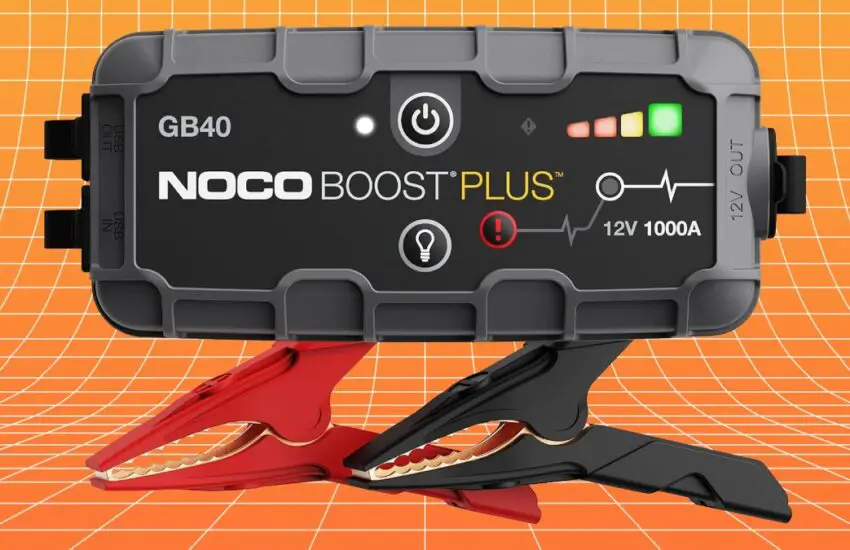
The NOCO Boost GB40 is a crowd favorite, praised for its compact design and powerful performance. Capable of jump-starting gasoline engines up to 6 liters and diesel engines up to 3 liters, it’s a must-have for any vehicle owner. This Black Friday, snag it for under $60, making emergency preparedness both affordable and accessible.

Top Features of NOCO Jump Starters

NOCO jump starters are engineered with safety and convenience in mind. They include features like spark-proof technology, reverse polarity protection, and USB ports for charging devices on the go. Their rugged build ensures durability in various weather conditions, providing peace of mind year-round.

Why Choose NOCO This Shopping Season?

With discounts of up to 52%, NOCO products offer exceptional value. Beyond jump-starting cars, many models double as power banks for phones and tablets, ideal for road trips or emergencies. Early shoppers can maximize savings by comparing deals online and in stores.

Don’t miss out on these limited-time offers to upgrade your vehicle’s safety kit. Stock up on essential NOCO gear and drive with confidence, knowing you’re prepared for the unexpected.

Black Friday Car Deals for Auto Enthusiasts

Unmissable Black Friday Automotive Offers

Black Friday has evolved into the premier shopping event for car enthusiasts worldwide. While November brings countless promotions, the day after Thanksgiving remains the golden opportunity to secure exceptional deals across the automotive spectrum. From performance parts to detailing kits, this period offers unprecedented savings for those passionate about vehicles.

Essential Categories for Automotive Savings

During Black Friday, several automotive segments typically feature remarkable discounts. Performance upgrades including exhaust systems, suspension components, and engine tuners often see significant price reductions. Car care enthusiasts can find premium detailing products, electric pressure washers, and professional-grade cleaning tools at substantial discounts. Interior accessories such as custom floor mats, advanced audio systems, and tech integrations also frequently join the sale frenzy.

Strategic Shopping for Maximum Value

Successful Black Friday automotive shopping requires preparation and timing. Research products thoroughly beforehand to recognize genuine discounts versus inflated original prices. Create a prioritized list of desired items since the best deals often sell out quickly. Consider both online retailers and local automotive stores, as each may offer exclusive promotions. Many retailers extend their Black Friday deals throughout the weekend and into Cyber Monday, providing additional opportunities for savings.

Emerging Trends in Automotive Deals

The automotive aftermarket continues to expand its Black Friday offerings. Electric vehicle accessories, including home charging stations and battery maintenance tools, are becoming prominent in recent years. Advanced driver assistance systems, dash cams with enhanced features, and smart automotive technology represent growing categories. Even professional-grade tools and diagnostic equipment now feature prominently in Black Friday promotions, making this the ideal time for serious enthusiasts to upgrade their capabilities.

OBDeleven: Car Diagnostics & Customization Tool

OBDeleven: Revolutionizing Vehicle Diagnostics and Personalization

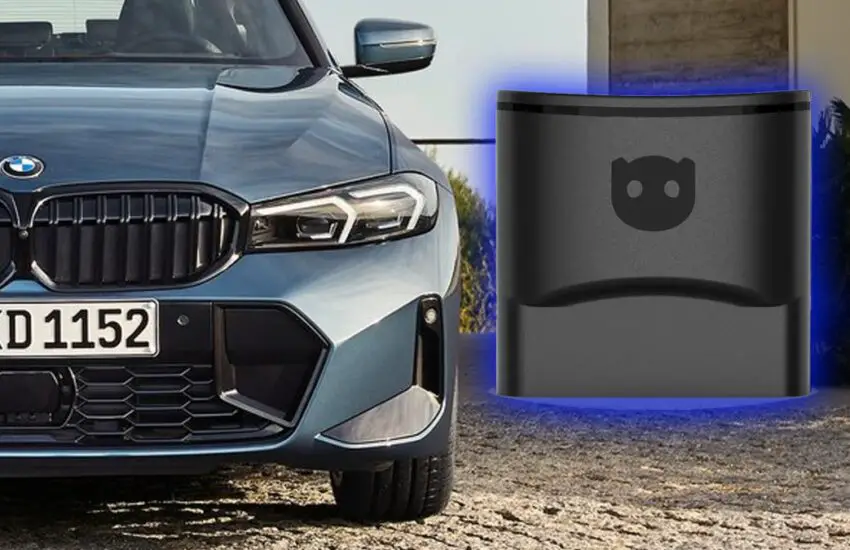
OBDeleven stands as a groundbreaking innovation in automotive diagnostic tools, bridging the gap between modern vehicles and smartphone technology. This advanced device enables seamless communication with a wide range of prestigious car brands including BMW, Volkswagen, and Toyota, offering users unprecedented access to their vehicle’s electronic systems.

Comprehensive Diagnostic Capabilities

The core strength of OBDeleven lies in its sophisticated diagnostic functionality. Users can perform detailed scans of their vehicle’s electronic control units, identifying potential issues before they become serious problems. The system reads and clears fault codes across multiple systems including engine, transmission, brakes, and airbags. Real-time data monitoring allows vehicle owners to track performance metrics and system parameters while driving, providing valuable insights into their automobile’s health and efficiency.

Extensive Personalization Features

Beyond diagnostics, OBDeleven offers extensive customization options that transform the driving experience. Vehicle owners can modify factory settings to suit personal preferences, from adjusting comfort features to enhancing performance parameters. The system enables changes to lighting configurations, window operations, mirror adjustments, and various convenience features that are typically restricted by manufacturer defaults. These personalization capabilities allow drivers to tailor their vehicle’s behavior to match their specific needs and driving style.

User-Friendly Interface and Compatibility

Designed with accessibility in mind, OBDeleven features an intuitive interface that makes advanced automotive technology approachable for both enthusiasts and casual users. The system supports hundreds of vehicle models across multiple manufacturers, ensuring broad compatibility. Regular updates maintain compatibility with newer vehicle models and expand the range of available features, keeping the tool relevant as automotive technology evolves.

Professional-Grade Tool for Everyday Use

While offering professional-level capabilities, OBDeleven remains accessible to non-technical users through its guided processes and clear instructions. The system provides detailed explanations for diagnostic codes and customization options, empowering vehicle owners to make informed decisions about their automobile’s maintenance and configuration.

Coast Black Friday EDC Knife Deals

Secure Your Coast EDC Knives This Black Friday

Coast, an Oregon-based brand, offers an impressive lineup of knives, multitools, and flashlights that strike a perfect balance between performance and affordability. During Black Friday, these products receive significant discounts, making them exceptional deals for enthusiasts and everyday users alike.

Coast Founder’s Series Select Titanium: Your Everyday Ally

This model stands out with its titanium construction, offering durability without the extra weight. Ideal for daily tasks, it features a razor-sharp blade that maintains its edge through rigorous use. The ergonomic handle ensures a comfortable grip, making it a reliable tool for various situations.

Why Coast Knives Are a Smart Investment

Coast products are engineered with precision and user needs in mind. From compact designs perfect for pocket carry to robust models suited for outdoor adventures, there’s an option for every scenario. The brand’s commitment to quality means each knife undergoes strict testing, ensuring longevity and dependable performance.

Maximizing Black Friday Savings

To take full advantage of the discounts, plan your purchase by identifying which models best fit your needs. Whether you’re upgrading your current gear or selecting a gift, the reduced prices provide an excellent opportunity to own a high-quality tool without stretching your budget. Early browsing can help you secure the most popular items before they sell out.

Essential Features to Look For

When choosing a Coast knife, consider blade material, handle ergonomics, and locking mechanisms. Stainless steel blades resist corrosion, while non-slip handles enhance safety during use. Features like one-handed opening can add convenience, making your EDC knife both functional and efficient.