Kia EV8: Bridging Concept and Reality in Electric Sedans

The Future of Electric Sedans Takes Shape

The automotive world is buzzing with anticipation as Kia prepares to unveil its latest all-electric sedan, expected to be named the EV8. This model represents a pivotal step in the brand’s ambitious electrification strategy, promising to blend a radical, concept-car aesthetic with tangible production reality. Early teasers suggest a vehicle designed to disrupt the conventional sedan segment with its progressive philosophy.

A Design Departure from Convention

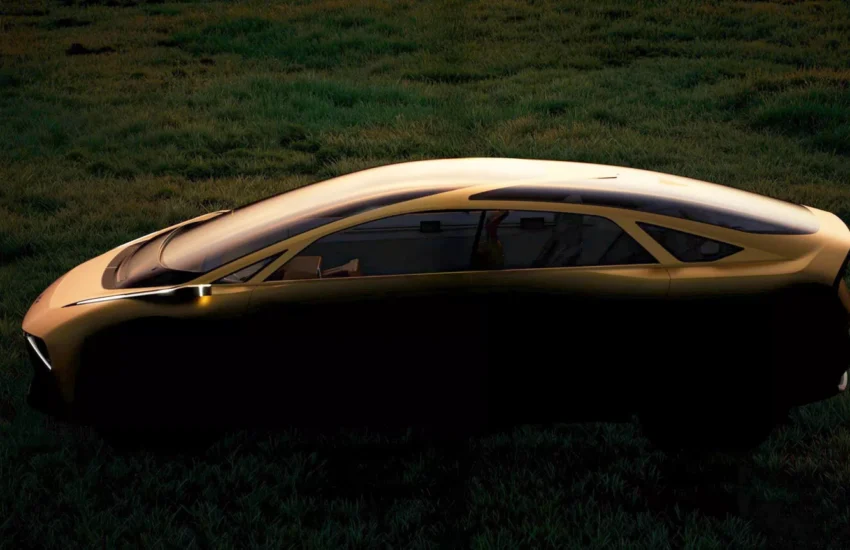
Moving beyond the familiar silhouettes of traditional sedans, the Kia EV8 is poised to introduce a dramatically sculpted exterior. Leaked sketches and official hints point to a fastback-like profile, sharp character lines, and the brand’s signature “Digital Tiger Face” lighting signature, evolved for a new era. The focus appears to be on creating a strong emotional connection through design, while optimizing aerodynamics for maximum range efficiency. This approach signifies Kia’s confidence in pushing boundaries for production vehicles.

Expected Performance and Platform Technology

While official specifications remain under wraps, industry analysis strongly suggests the EV8 will utilize Hyundai Motor Group’s advanced E-GMP platform. This architecture, foundational to models like the EV6 and EV9, enables ultra-fast charging, long driving ranges, and high-performance variants. The EV8 will likely offer multiple powertrain configurations, potentially including a dual-motor, all-wheel-drive GT model capable of exceptional acceleration. The interior is anticipated to follow the brand’s trend of using sustainable materials and integrating expansive, curved digital displays.

Positioning in a Competitive Market

The arrival of the Kia EV8 will place it in direct conversation with established electric sedans, challenging competitors with its combination of daring design, cutting-edge technology, and the brand’s growing reputation for value. It aims to offer a compelling alternative for buyers seeking a vehicle that stands out visually without compromising on the practical benefits of modern EV engineering. As the line between visionary concept and production car continues to blur, the EV8 stands as a testament to the rapid and exciting evolution of the electric vehicle landscape.
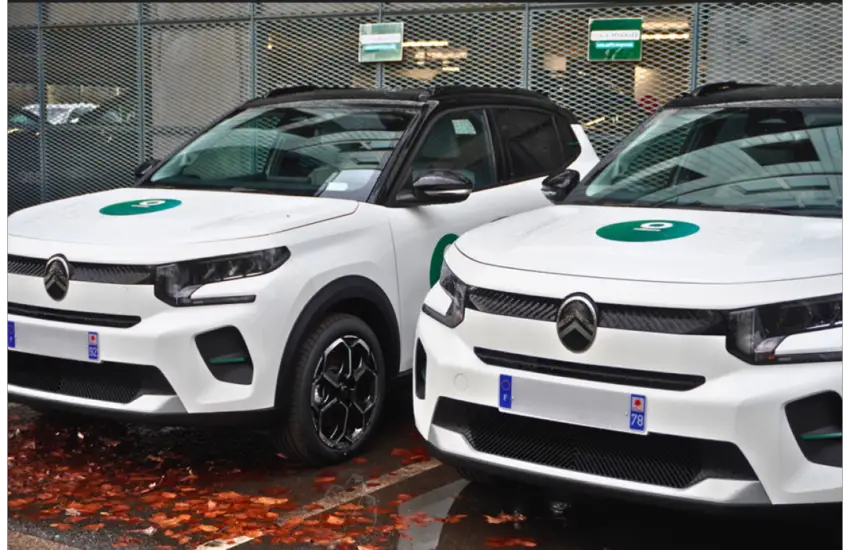
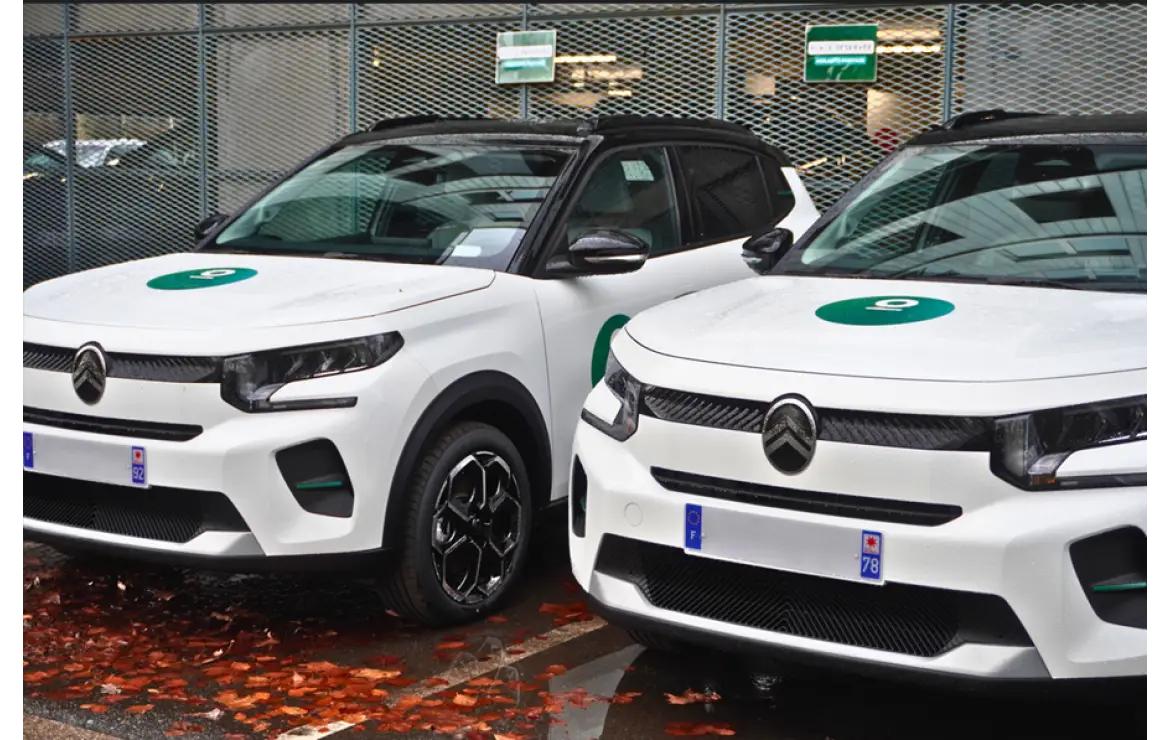
France Aims for 70,000 Shared Cars by 2031

France’s National Plan to Boost Car-Sharing Services

Illustration of car-sharing vehicles in a city

The French government has unveiled a concrete roadmap to significantly expand car-sharing across the country. The central goal is to deploy 70,000 shared vehicles in free-floating or station-based services by the year 2031. This initiative represents a major policy push to make shared mobility a more accessible and widespread alternative to private car ownership.

Structuring a Growing Market

This national plan is designed to structure and accelerate a market that has seen organic growth in major cities but lacks a cohesive national framework. The government aims to create favorable conditions for operators, encouraging investment and service expansion into medium-sized cities and suburban areas. By setting a clear numerical target, the plan provides a benchmark for progress and underscores a long-term commitment to sustainable mobility.

Benefits for Urban Mobility and the Environment

The expansion of car-sharing services is expected to deliver multiple benefits. Primarily, it can reduce the number of private vehicles in urban centers, alleviating congestion and freeing up public space often used for parking. Furthermore, by providing convenient access to a vehicle without the costs and responsibilities of ownership, it complements public transport networks. Environmentally, the fleet is anticipated to consist increasingly of low-emission and electric vehicles, contributing to improved air quality and lower carbon emissions in cities.

Challenges and Implementation

Achieving this ambitious target will require addressing several challenges. Key among them is ensuring equitable access across different regions, not just in dense metropolitan hubs. Collaboration between local authorities and private operators will be crucial to designate dedicated parking spots and establish clear regulations. Success will also depend on public adoption, requiring continued awareness of the economic and practical advantages of sharing over owning a car for occasional use.

The Slip Angle Secret: How Tires Generate Ultimate Grip

The Physics of Speed: What Happens to Your Tires

Many drivers believe the fastest way through a corner is in a perfectly straight line, fighting the steering wheel for control. This common misconception misses the true secret of performance driving. Ultimate speed isn’t about brute force, but about maintaining momentum from corner entry to exit, dancing at the very limit of your tires’ adhesion. The key lies in a precise, controlled slip.

Understanding the Magic Window of Traction

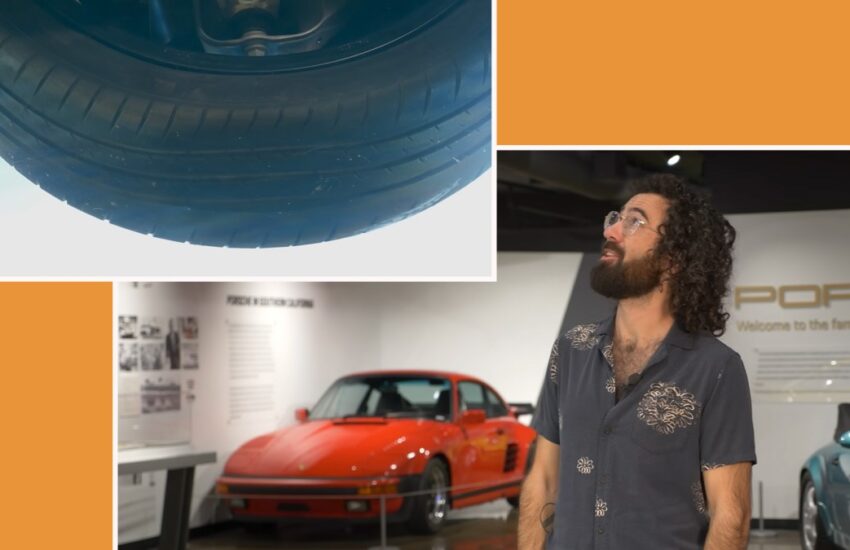
A tire’s maximum grip does not occur when it’s rolling perfectly straight. It happens when there is a slight difference between the direction the tire is pointed and the direction it is actually traveling. This difference is called the slip angle. In this state, the tire’s tread blocks deform slightly, generating immense mechanical grip as they claw at the asphalt. You hear this as the tire’s signature squeal or hum—the sound of performance.

Balancing on the Edge of Control

Mastering slip angle is the art of balancing on a knife’s edge. Too little slip, and you’re not using the tire’s full potential. Too much, and you cross into a skid or understeer, losing speed and control. The goal is to smoothly steer, brake, and accelerate to keep each tire operating within this optimal slip angle window throughout the entire corner. This technique preserves momentum and allows for earlier, harder acceleration onto the next straight.

This principle is why racing drivers appear to drift slightly through high-speed bends. They are not out of control; they are meticulously managing slip angle to carry more speed. For any driver, understanding this concept transforms the approach to cornering, emphasizing smooth inputs and vehicle balance over aggressive steering.

From Grandma’s Garage to JDM Legend: The 240SX Transformation

The Unlikely Beginning of a Build

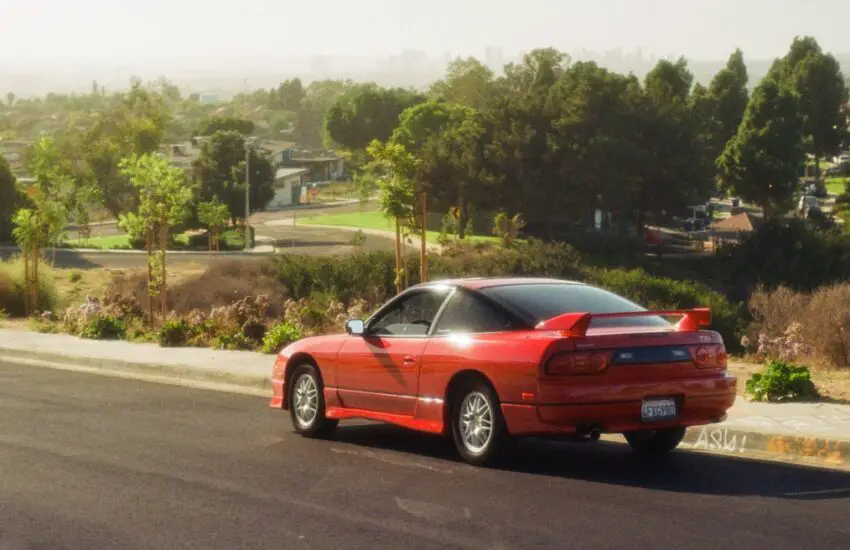
Finding a pristine, unmodified Nissan 240SX in today’s market feels like uncovering buried treasure. For one enthusiast, that dream became reality in the form of an Aztec Red coupe, complete with a dual-overhead-cam engine, a manual transmission, and a crack-free dashboard. Its most remarkable feature was its history: a single owner, a retiree, who had preserved it as reliable transportation for years. This was not a car found on a forum, but a genuine time capsule hiding in plain sight, representing the perfect blank canvas for a transformation.

The Vision for a Japanese Thoroughbred

The goal was never to create a wild drift missile, but to respectfully evolve the 240SX into the capable Japanese sports car it was always meant to be. The plan focused on enhancing performance, handling, and aesthetics while maintaining a clean, functional ethos. The first step was addressing the suspension. The original, worn components were swapped for a quality set of coilovers, immediately sharpening turn-in and reducing body roll. This was paired with lightweight alloy wheels and modern performance tires, transforming the car’s footprint and grip.

Breathing New Life Under the Hood

While the stock KA24DE engine is robust, more power was essential for the intended driving experience. The build centered on reliable, naturally-aspirated gains. A cold air intake, a performance exhaust header, and a tuned ECU extract were installed to improve throttle response and horsepower. The interior received subtle upgrades—a classic Nardi steering wheel and refreshed shift knob—to improve driver connection without sacrificing the car’s original character.

The Reward of a Purposeful Project

The completed car is a testament to thoughtful modification. It retains its identity as a 240SX but now delivers a sharper, more engaging drive. The transformation from a “grandma’s car” to a purist’s JDM sports car proves that with the right vision, even the most humble examples can be reborn as thrilling drivers’ cars. It stands as a reminder of the model’s fantastic chassis and the enduring appeal of the Japanese sports coupe.

Auto Industry Braces for Tough Q4 2025 Finish

A Quiet Conclusion to the Automotive Year

The final quarter of 2025 is shaping up to be a challenging period for the global automotive industry. As the year draws to a close, dealerships and manufacturers are confronting a complex mix of economic headwinds that threaten to dampen traditional year-end sales momentum. Early indicators suggest the quarter may end not with a bang, but with a cautious whisper from consumers.

Mounting Pressure on Consumer Spending

The primary challenge stems from sustained pressure on household budgets. Persistent inflation, though moderating in some sectors, continues to impact disposable income, while higher interest rates have made financing a new vehicle significantly more expensive. This economic uncertainty is causing many potential buyers to postpone large purchases, opting to maintain their current vehicles longer. The cumulative effect is a market characterized by hesitation rather than robust demand.

A Diverging Performance Landscape

Not all automakers are facing the same degree of difficulty. A select few brands reporting monthly figures have managed to post relatively positive news, often tied to strong demand for specific hybrid or updated mainstream models. However, these bright spots appear to be the exception rather than the rule. The broader market is experiencing a pullback, with inventory levels beginning to rise on many lots as sales velocity slows.

Strategic Shifts in a Cooling Market

In response, manufacturers and dealers are recalibrating their strategies. Aggressive incentive packages, which had become rare in recent years, are slowly reappearing as a tool to stimulate demand. Marketing efforts are increasingly focused on value propositions and long-term ownership cost, rather than pure performance or luxury. The industry is navigating a delicate balance between protecting profitability and moving metal before the year-end.

The Road Ahead into 2026

The outcome of this difficult fourth quarter will set the tone for the automotive sector’s entry into 2026. Industry analysts are closely watching inventory adjustments and consumer sentiment signals. A softer-than-expected finish will likely lead to more conservative production plans and a continued emphasis on operational efficiency in the new year. The period serves as a stark reminder of the market’s cyclical nature and its sensitivity to broader economic conditions.

Porsche Electric Models to Feature Simulated Gear Shifts

Porsche Embraces Simulated Gearbox Technology

In a significant shift for the brand, Porsche has confirmed it will integrate simulated gear shifts into its future electric vehicles. This move, inspired by innovations seen in the performance EV segment, marks a deliberate step to inject traditional driving engagement into the electric experience. The technology is slated to debut on the next-generation Taycan, expected for the 2027 model year.

Blending Tradition with Innovation

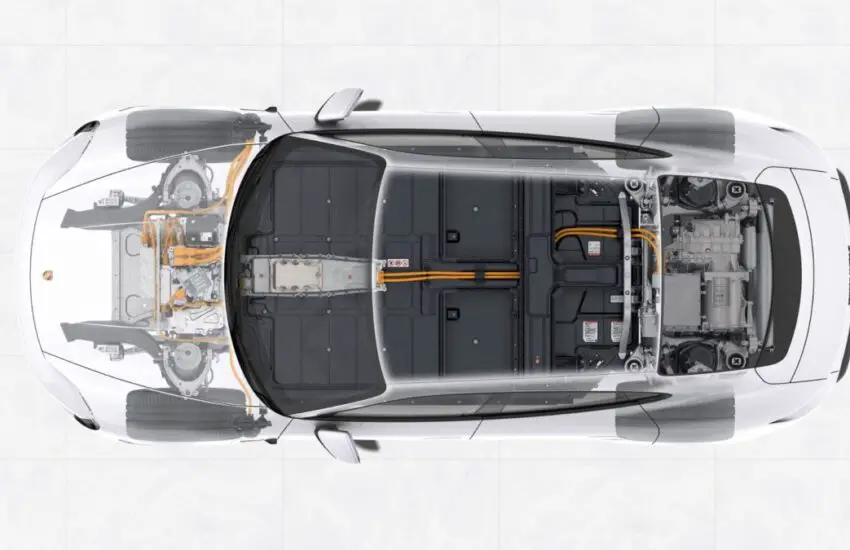
The decision follows extensive evaluation of competitor vehicles, where Porsche engineers recognized the emotional appeal of simulated gear changes. Unlike a traditional single-speed EV transmission, this system creates artificial shift points and corresponding auditory and tactile feedback. The goal is to replicate the familiar sensation of a dual-clutch gearbox, providing drivers with a more interactive and connected feel behind the wheel.

The 2027 Taycan as the Pioneer

The upcoming Taycan will serve as the launchpad for this technology. Porsche aims to implement the system in a way that feels authentic and enhances performance driving, rather than serving as a mere gimmick. Drivers will likely have the ability to toggle the feature on or off, choosing between a classic, seamless EV drive and a more engaging, simulated manual mode. This aligns with Porsche’s philosophy of offering drivers choice and control over their driving experience.

A New Chapter for EV Engagement

This development signals Porsche’s commitment to preserving its sporting DNA in the electric era. By adding simulated gear shifts, the brand addresses a common point of feedback from enthusiasts who miss the mechanical interaction of internal combustion engines. It represents a clever fusion of software innovation with driver-centric design, setting a new benchmark for what constitutes an engaging luxury electric performance car.

Trump Administration Rolls Back Landmark Vehicle Fuel Standards

A Major Shift in U.S. Fuel Economy Policy

In a significant environmental policy reversal, the Trump administration has enacted a substantial rollback of federal fuel economy standards for new passenger vehicles. This move dramatically alters the ambitious targets set during the previous decade, marking one of the most consequential deregulatory actions for the automotive industry. The new rule, known as the Safer Affordable Fuel-Efficient (SAFE) Vehicles Rule, eases the required yearly increases in fuel efficiency for automakers.

Key Changes to the CAFE Standards

The revised Corporate Average Fuel Economy (CAFE) standards mandate a much more modest annual improvement in fuel efficiency. Instead of the previous target of roughly 5% per year, the new rule requires only 1.5% annual gains, culminating in an average fleet requirement of about 40 miles per gallon by 2026, rather than the earlier goal of over 50 mpg. This provides manufacturers with greater flexibility in their production and model offerings, potentially slowing the industry’s transition toward electrification.

Impacts on Industry and Environment

Proponents, including many automotive executives, argue that the relaxed standards lower vehicle manufacturing costs, keeping new cars more affordable for American consumers. They contend it reduces the regulatory burden and aligns with current consumer preference for larger vehicles like SUVs and trucks. However, environmental groups and critics warn of severe consequences. They project the rule will lead to significantly higher greenhouse gas emissions—hundreds of millions of metric tons more over the lifetime of the vehicles—and increased air pollution. Furthermore, consumers are expected to face higher fuel costs due to less efficient vehicles, offsetting any potential initial purchase price savings.

This policy shift sets the stage for legal challenges and creates regulatory uncertainty, with future administrations likely to revisit the standards. The long-term effect on automotive innovation and global competitiveness remains a central point of debate.

BMW iX3 2027 Review: The Electric SUV Redefined

BMW iX3 2027: A New Benchmark for Electric Driving

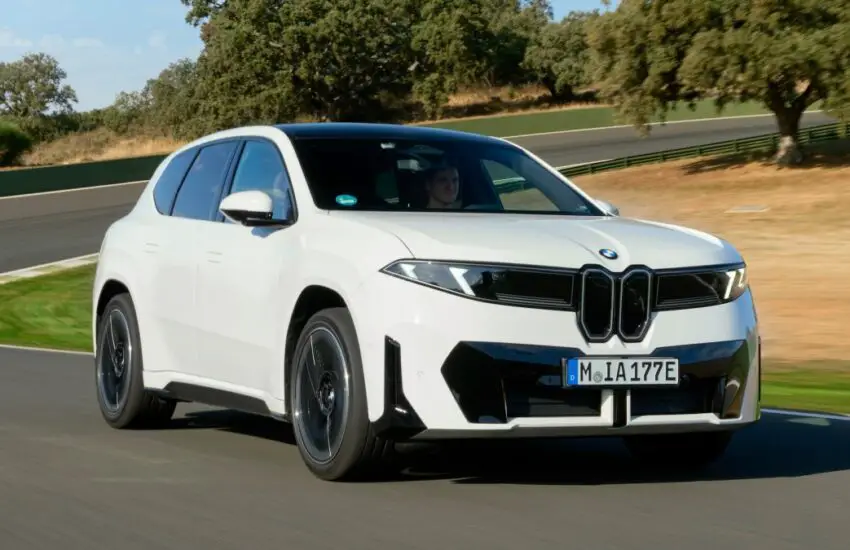
The future of the electric SUV is here, and it wears the BMW badge. The 2027 iX3 is not merely an evolution; it represents a fundamental rethinking of what a battery-powered family vehicle can be. From its striking aerodynamic design to its intuitive next-generation technology, this model is engineered to deliver a driving experience that is both serene and exhilarating.

Uncompromised Performance and Agility

Behind the wheel, the iX3 2027 immediately distinguishes itself with a sense of cohesive balance. The latest eDrive technology provides formidable, instantaneous power that is delivered with remarkable linearity. More impressive is the chassis tuning, which masterfully manages the vehicle’s weight. Through winding routes, the iX3 feels agile and planted, with precise steering feedback that builds confidence. The suspension effortlessly isolates occupants from road imperfections while maintaining communicative composure, striking a rare and commendable balance between luxury and engagement.

A Cabin of Sustainable Innovation

Inside, the iX3 2027 presents a sanctuary of modern luxury. The cabin utilizes an array of high-quality, recycled materials that do not compromise on tactile appeal. The centerpiece is the advanced curved display, which integrates seamlessly with a redesigned iDrive system. Its operation is more intuitive than ever, prioritizing driver focus through intelligent voice commands and haptic feedback. Passenger space is generous, with clever packaging ensuring that the battery pack does not intrude on interior comfort or cargo utility.

The Verdict on Range and Charging

With a significantly enhanced battery capacity, the 2027 iX3 achieves a range that effectively eliminates daily range anxiety. Real-world testing confirms figures that comfortably exceed most weekly commuting needs. Furthermore, its ultra-rapid charging capability means that adding hundreds of kilometers of range can be achieved in the time it takes for a brief rest stop, making longer journeys more practical than in any previous generation.

The BMW iX3 2027 stands as a complete package. It successfully merges the dynamic driving pedigree expected of the brand with the silent, efficient, and progressive nature of leading electric vehicles. It sets a formidable new standard in its segment.

Ram Pickup Recall: Digital Dashboards May Go Dark

Major Safety Recall Issued for Ram Trucks

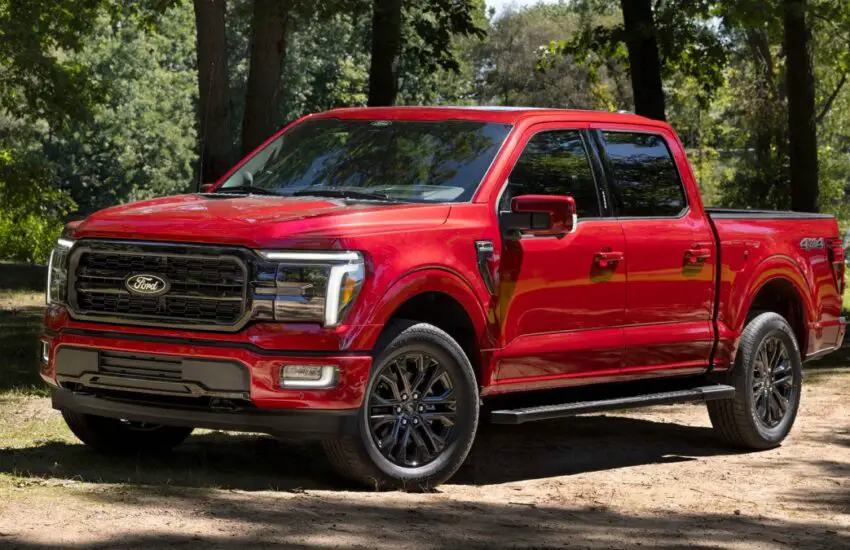
A significant safety recall has been announced for a substantial number of Ram pickup trucks. The action involves over 72,000 vehicles where the digital instrument cluster screens pose a potential hazard. This critical malfunction can occur without warning, directly impacting driver awareness and vehicle safety.

Affected Models and the Core Problem

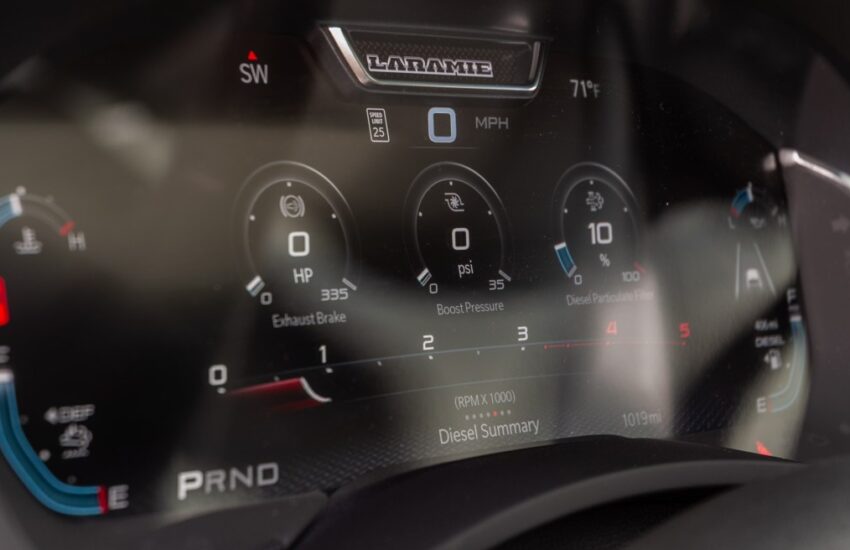
The recall spans several key models from the Ram lineup. It includes popular models like the Ram 1500, along with the heavier-duty 2500 and 3500 series pickups. Certain 4500 series chassis cab trucks are also part of this safety campaign. The central issue is a software or electronic fault that can cause the digital dashboard display to suddenly fail.

When this happens, the screen may turn completely black, erasing vital driving information. Drivers could instantly lose access to critical data such as vehicle speed, fuel level, engine warnings, and gear selection indicators. This sudden loss of instrumentation creates a serious distraction and increases the risk of a crash.

Official Recall Details and Recommended Actions

The official recall is documented with the National Highway Traffic Safety Administration (NHTSA) under recall number 25V826000. Owners of the affected vehicles will receive direct notification from the manufacturer. The remedy will involve a dealership service visit where certified technicians will perform a software update to correct the underlying problem. This service will be provided at no cost to the vehicle owner.

Vehicle owners are strongly advised to act promptly upon receiving their recall notice. Scheduling the repair as soon as possible is the most effective way to restore full functionality and ensure the safety of the instrument panel. Until the repair is completed, drivers should be aware of the potential for a sudden display failure and exercise additional caution.

Nissan’s Hybrid Strategy: A Calculated Shift in Electrification

Nissan’s Hybrid Strategy: A Calculated Shift in Electrification

While many automakers have flooded the market with hybrid vehicles, Nissan has charted a notably different course. Historically focused on its pioneering all-electric Leaf and advanced e-Power series-hybrid systems, the brand is now making a strategic pivot. This move signals a new chapter in its electrification playbook, aiming to capture a broader segment of eco-conscious drivers.

The Path to Plug-In Hybrids

Nissan’s upcoming expansion begins with the introduction of a plug-in hybrid (PHEV) variant of its popular Rogue SUV. This model represents a significant step, leveraging shared technology and platform synergy with the Mitsubishi Outlander PHEV. This collaborative approach allows Nissan to accelerate its market entry, bringing a proven and capable PHEV system to its flagship crossover efficiently.

Beyond Shared Platforms: The e-Power Legacy

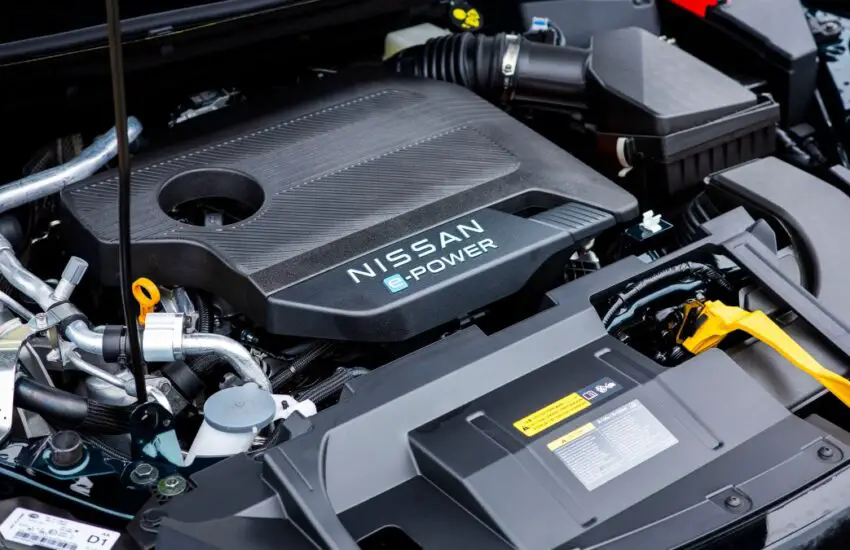
To understand Nissan’s hybrid philosophy, one must look at its existing e-Power technology. Unlike conventional hybrids, e-Power uses a gasoline engine solely as a generator to charge the battery, which then powers an electric motor driving the wheels. This creates a driving experience remarkably similar to a pure electric vehicle, with smooth, instant torque. This focus on an “EV-feel” has shaped the brand’s identity and informed its gradual approach to conventional hybrid powertrains.

A Multi-Pronged Electrification Vision

Nissan’s strategy is not an abandonment of electric vehicles but a broadening of its portfolio. The approach is multi-faceted: continue advancing pure EV technology with models like the Ariya, refine the unique e-Power system for global markets, and now, integrate plug-in hybrids to offer a practical bridge for consumers. This diversified tactic aims to meet varied customer needs, infrastructure realities, and regional regulations worldwide, ensuring there is a Nissan electrified option for different lifestyles and readiness levels.

This calculated expansion into plug-in hybrids, while later than some competitors, allows Nissan to enter the segment with mature technology and a clear understanding of consumer demands. It underscores a strategic vision where different electrified technologies coexist to advance the overarching goal of reduced emissions.