Cupra Tavascan’s EU Tax Hurdle and Sales Potential

The Cupra Tavascan’s European Roadblock

The eagerly awaited Cupra Tavascan, a stylish electric SUV born from Spanish design and Volkswagen Group engineering, faces an unexpected challenge on its road to European customers. Its sales trajectory is currently constrained not by demand, but by significant provisional tariffs imposed by the European Commission on electric vehicles manufactured in China. As the Tavascan is produced in Anhui, this policy directly impacts its final price and market accessibility.

A Pending Decision in Brussels

A critical review of these tariffs is underway in Brussels. The outcome of this reassessment could dramatically alter the landscape for models like the Tavascan. A reduction or removal of these duties would lower the vehicle’s retail price, making it a more competitive proposition in the crowded electric SUV segment. This potential shift is being closely watched by industry analysts and potential buyers alike, as it hinges on complex trade negotiations and definitions of economic ties.

Cupra Tavascan electric SUV side profile

Market Prospects and Competitive Edge

Should the fiscal conditions improve, the Cupra Tavascan is well-positioned for a sales boost. Its key strengths lie in its distinctive, aggressive design language that sets it apart from more conservative rivals, and its shared technological backbone with proven Volkswagen ID. models, ensuring capable performance and range. A more favorable price point would allow these attributes to shine, appealing directly to consumers seeking a dynamic and emotional electric vehicle choice over more mainstream options.

The final decision from European authorities will therefore be a decisive factor. It will determine whether the Tavascan can transition from a niche, premium offering to a more volume-oriented competitor, fulfilling its role in Cupra’s ambitious electrification strategy and expanding its presence on European roads.

BYD’s Sales Dip: A Strategic Pause, Not a Panic

Redefining Success in the EV Market

In a traditional automotive landscape obsessed with monthly delivery figures, BYD’s recent sales fluctuations stand out. Rather than signaling alarm, the Chinese electric vehicle giant frames this as a deliberate part of its long-term strategy. This perspective challenges conventional industry wisdom, suggesting that sustainable growth sometimes requires tactical recalibration beyond chasing quarterly records.

The Foundation of Strategic Resilience

BYD’s confidence stems from its unparalleled vertical integration. Unlike many competitors reliant on external suppliers, BYD manufactures its own batteries, semiconductors, and motors. This control provides a crucial buffer against supply chain volatility and allows for aggressive cost management. A temporary sales adjustment can thus be leveraged to optimize inventory, refine production processes, or prepare for the launch of next-generation technology without existential pressure.

BYD Seal electric sedan on city street

Models like the BYD Seal represent the technological depth enabling strategic flexibility.

Investing in the Next Growth Phase

Analysts observe that BYD is using this period to intensify its global expansion and R&D efforts. Resources are being channeled into establishing manufacturing hubs in key regions like Europe and Southeast Asia, and developing advanced platforms for its premium brands. This focus on future infrastructure and product pipelines indicates a company playing a multi-year game, where establishing a dominant global footprint outweighs short-term sales peaks.

Ultimately, BYD’s approach highlights a fundamental shift. For a vertically integrated powerhouse, a sales dip is not an indicator of weakness but a potential tool for strategic refinement. It allows for consolidation, innovation, and smarter global positioning, ensuring that growth, when it accelerates again, is built on a more solid and expansive foundation.

France’s Largest Solar Canopy to Cover Corrèze Highway

A New Era for Solar Energy on French Roads

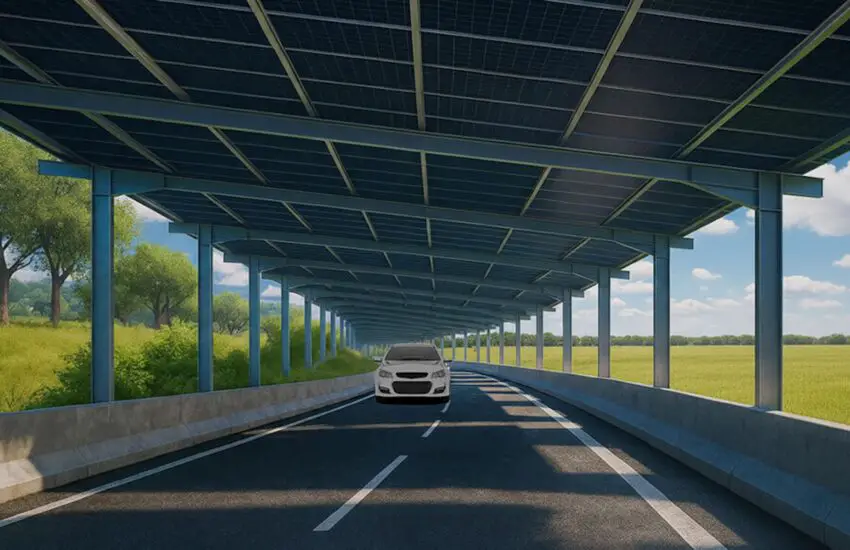
In a bold move for renewable energy infrastructure, the Corrèze department in France is set to become home to one of the most ambitious solar projects of its kind. Rather than embedding panels in the road surface, engineers will construct a vast photovoltaic canopy, stretching over 52,000 square meters to cover a section of highway. This innovative approach sidesteps the technical challenges faced by earlier road-integrated solar experiments, promising greater efficiency and durability.

Engineering a Sustainable Future

The project involves building a sturdy overhead structure that will shield the roadway while harnessing sunlight. This dual-purpose design generates clean electricity without consuming additional land, a key consideration in sustainable development. The canopy’s scale is unprecedented for this application in France, representing a major step in transforming transport corridors into active power generators. The energy produced will feed directly into the local grid, contributing to regional energy independence and carbon reduction goals.

Beyond Energy Generation

The benefits of the solar canopy extend beyond pure electricity production. The structure will provide shade for the road surface, potentially reducing the urban heat island effect and minimizing thermal degradation of the asphalt, which could lead to lower long-term maintenance costs. Furthermore, it opens discussions about the multifunctional use of public infrastructure, setting a precedent for future projects that integrate renewable technology seamlessly into our everyday environment.

This initiative in Corrèze is more than a local energy project; it is a significant test case for a scalable model of solar integration. Its success could pave the way for similar installations across France and Europe, demonstrating how existing infrastructure can be leveraged to accelerate the transition to a greener economy without compromising functionality or safety.

Renault’s Electric Future: R5 Revival and Clio Evolution

Renault’s Strategic Shift Under New Leadership

One year into his tenure as head of Renault France, Guillaume Sicard is steering the diamond brand through a period of profound transformation. The accelerating transition to electric mobility is reshaping the company’s core strategy, placing iconic nameplates and new technologies at the forefront of its future.

The Iconic Renault 5 Reborn for the Electric Era

The much-anticipated return of the Renault 5 is not merely a nostalgic exercise. It represents a cornerstone of Renault’s electric vehicle (EV) offensive. Reimagined as a fully electric, modern city car, the new R5 aims to blend its beloved heritage with cutting-edge technology and accessible pricing. This model is strategically positioned to make electric mobility desirable and attainable for a broad audience, serving as a spiritual and practical successor to popular combustion-engine city cars.

The Next Chapter for the Bestselling Clio

As Renault’s perennial bestseller, the Clio’s evolution is critical. The strategy points towards a significant electrification of the model, likely incorporating hybrid and fully electric powertrains. The focus will remain on retaining the Clio’s core strengths—practicality, efficiency, and style—while seamlessly integrating new electric technologies to meet stringent emissions regulations and changing consumer demand.

Electrification as the Central Pillar

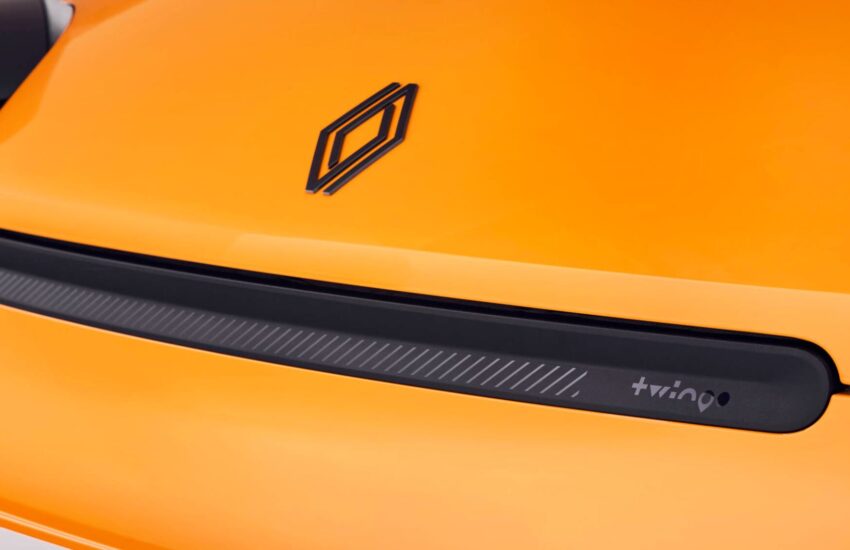
Beyond specific models, Renault is committing to electrification as its central growth pillar. The plan involves a comprehensive electric lineup, from affordable urban vehicles like the upcoming electric Twingo to the revived R5 and future electric crossovers. This shift is about building a sustainable and competitive product ecosystem, investing in battery technology, and developing a robust charging infrastructure to support customers.

The roadmap laid out by Renault France’s leadership signals a decisive turn. By leveraging emotional icons like the R5 and transforming workhorses like the Clio, the brand is crafting an electric future that aims to be both technologically compelling and deeply connected to its automotive legacy.

Range Extenders for Small EVs: Volkswagen’s Next Move?

Could Range Extenders Rescue Small Electric Volkswagens?

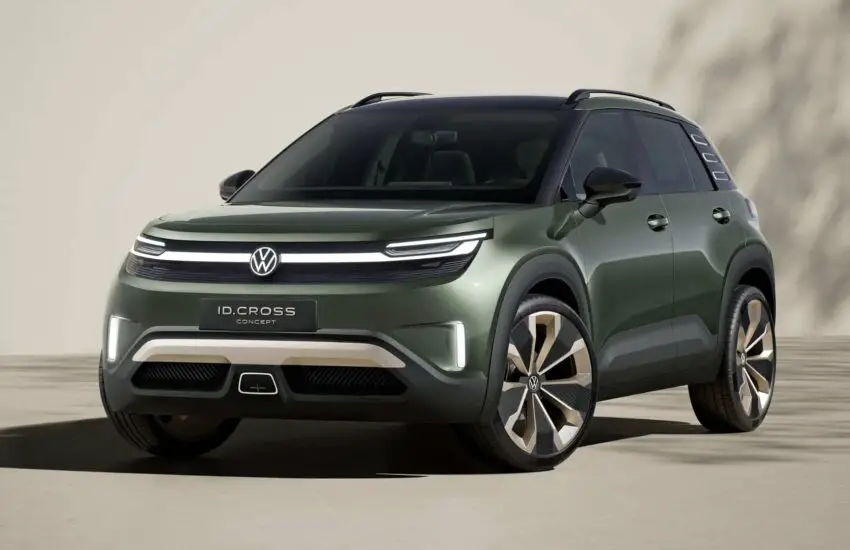
The future of affordable electric vehicles faces a critical challenge: balancing cost, weight, and driving range. For compact models like the anticipated Volkswagen ID.Polo, fitting a large, expensive battery is not feasible. A potential solution, gaining traction from Asian markets, is now under serious consideration at Volkswagen: the humble range extender.

What is a Range Extender?

Unlike a hybrid, a range extender does not directly drive the wheels. Instead, it is a small onboard gasoline generator that acts solely as a power bank. When the main battery depletes to a certain level, this generator automatically starts to produce electricity, charging the battery and extending the vehicle’s total range. This allows for a smaller, cheaper primary battery while eliminating range anxiety for longer trips.

The Strategic Advantage for Compact EVs

For city-focused small EVs, a range extender presents a compelling compromise. Drivers can complete their daily commutes on electric power alone, recharging at home. For occasional longer journeys, the extender provides a safety net without relying on a dense, fast-charging network that is still developing in many regions. This technology could make compact electric cars more practical and appealing to a mass market, especially for those without consistent home charging.

Volkswagen’s Calculated Gamble

Adopting this technology would mark a strategic pivot. While it adds complexity and maintenance associated with a combustion engine, it directly addresses the primary consumer barrier to EV adoption: range anxiety. By potentially offering it on future compact ID. models, Volkswagen could deliver an electric car that is both affordable for urban use and versatile enough for cross-country travel, bridging the gap until battery technology and infrastructure mature further.

The decision is not without controversy, as it partially retains fossil fuel dependency. However, as a transitional technology for smaller vehicle segments, the range extender may offer the pragmatic key to accelerating widespread electric mobility.

Lexus LFA Electric Revival Confirmed with Futuristic Concept

Electric Lexus LFA Successor Moves from Myth to Reality

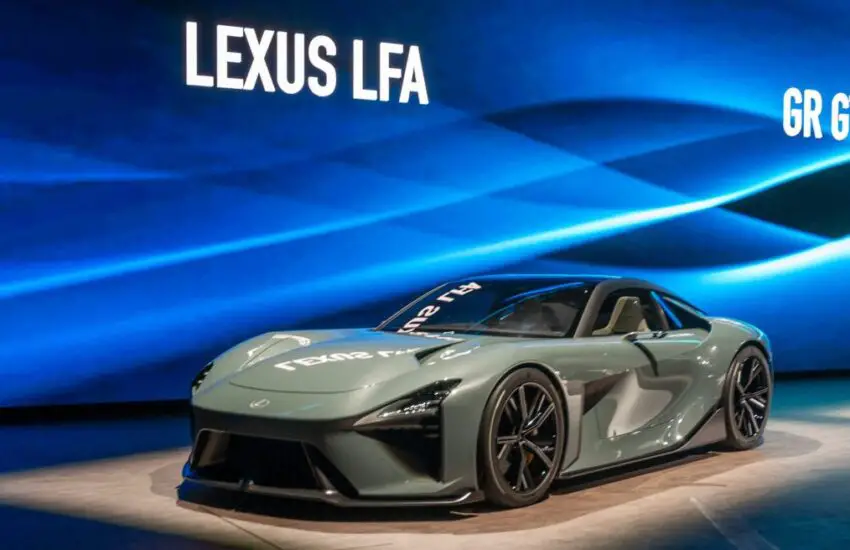
The long-rumored successor to the legendary Lexus LFA supercar is no longer a speculative dream. Lexus has officially confirmed the project’s development, showcasing a stunning concept vehicle that previews a future all-electric flagship. This move signals a bold new chapter, transitioning one of the greatest internal combustion engines into the era of high-performance electrification.

Unveiled at the Heart of Toyota’s Woven City

The dramatic Lexus Electrified Sport Concept made its public debut in Fuji, Japan, within the innovative environment of Toyota’s Woven City. This living laboratory for future mobility provides the perfect backdrop for a vehicle designed to redefine the supercar. The concept’s sleek, low-slung profile and aerodynamic sculpting pay clear homage to the original LFA’s design philosophy while aggressively pushing it into a new decade.

Performance Targets and Technological Vision

While specific technical details remain under wraps, Lexus has outlined ambitious targets for the production model. The brand promises acceleration from 0 to 60 mph in approximately 2 seconds, with a target driving range exceeding 430 miles. These figures suggest a groundbreaking advancement in battery density and power management. The concept also hints at next-generation vehicle dynamics, potentially incorporating advanced torque vectoring and steer-by-wire technology for unparalleled handling.

A New Legacy for an Iconic Nameplate

The original V10-powered LFA is revered for its engineering purity and exhilarating soundtrack. The electric successor faces the formidable challenge of forging an equally compelling identity without an internal combustion engine. Lexus appears focused on delivering a new kind of emotional experience, combining devastating instant torque with cutting-edge driver engagement and a focus on sustainable performance. This vehicle is poised to become the new technological and emotional pinnacle of the Lexus brand.

Could Wagon Cars Make a Surprising U.S. Comeback?

A Regulatory Shift Sparks Speculation

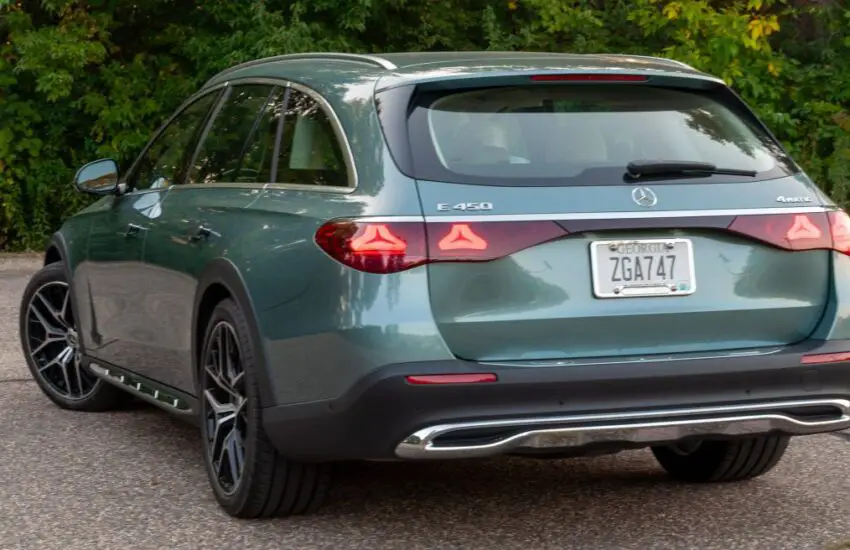
In a notable departure from recent automotive trends, discussions within the U.S. Department of Transportation have ignited speculation about the potential return of a beloved body style: the station wagon. Commentary from officials has suggested that a reconsideration of stringent national fuel economy standards could theoretically remove a key barrier, allowing manufacturers to reintroduce these practical vehicles to American showrooms.

From Regulatory Pressure to Market Niche

The near-extinction of the traditional wagon in the U.S. market is largely attributed to the previous Corporate Average Fuel Economy (CAFE) standards. These regulations incentivized automakers to prioritize more fuel-efficient crossovers and SUVs built on car platforms, which were classified differently. The potential regulatory shift raises a compelling question: if the compliance calculus changes, could wagons find a new niche? Proponents argue that modern wagons offer similar cargo space and driving dynamics as many popular crossovers but often with superior fuel efficiency and handling.

Consumer Sentiment and Modern Design

The success of any wagon resurgence would ultimately hinge on modern consumer tastes. Today’s buyers are accustomed to the commanding driving position and rugged styling of SUVs. For wagons to compete, manufacturers would need to emphasize their sleek aesthetics, lower center of gravity, and efficiency. The European market, where wagons remain popular, demonstrates a sustained demand for these versatile and often performance-oriented vehicles. Automakers might explore hybrid or fully electric wagon models to align with evolving environmental expectations while delivering the utility American families seek.

A Long Road from Theory to Reality

While the regulatory commentary provides a fascinating hypothetical, significant hurdles remain. Automotive development cycles are long and costly, meaning any shift in production strategy would take years to materialize. Furthermore, the market dominance of SUVs is deeply entrenched. Any return of the wagon would likely begin as a low-volume, premium offering from select European brands already producing such models, testing the waters of American demand before any large-scale revival could be contemplated.

Toyota GR GT: Chasing the 7-Minute Nürburgring Dream

The Ultimate Benchmark: A Sub-7-Minute Lap

The Nürburgring Nordschleife stands as the ultimate proving ground for performance cars, a 20.8-kilometer ribbon of tarmac that separates contenders from pretenders. For Toyota’s Gazoo Racing division, the target for its upcoming GR GT hypercar is unequivocal: to conquer the ‘Ring in under seven minutes. This mythical barrier, breached by only a handful of road-legal production cars, represents more than just a number. It is a statement of intent, a declaration that Toyota can compete at the absolute pinnacle of automotive engineering and motorsport-derived performance.

A Legacy of Performance Forging a New Path

The GR GT is not born in a vacuum. It is the culmination of lessons learned from the track-dominating GR010 Hybrid Hypercar and the visceral GR Yaris and GR Corolla hot hatches. However, this model represents a bold new direction. While specifics remain guarded, the GR GT is expected to leverage a hybrid powertrain combining a high-revving, force-inducted engine with potent electric motors, delivering not just staggering power but also the instant torque and traction needed for the Nürburgring’s treacherous corners.

Engineering Focused on a Singular Goal

Every aspect of the GR GT’s development is filtered through the lens of the Nürburgring challenge. Aerodynamics will be honed for high-speed stability and mechanical grip, with a focus on generating immense downforce without excessive drag. The chassis and suspension will need to be both brutally stiff for precision and surprisingly compliant to handle the circuit’s infamous bumps and crests. This car is being engineered from the ground up to translate electrical and mechanical energy into lap time with ruthless efficiency.

More Than Just a Lap Time

Achieving the sub-seven-minute goal would be a historic moment for Toyota, solidifying its Gazoo Racing brand as a true performance powerhouse. It would validate the company’s “road-to-circuit” philosophy, proving that technology developed in the crucible of endurance racing can create a transcendent road car. The Toyota GR GT aims to be more than just a stopwatch hero; it seeks to be a complete driver’s car, offering an immersive and electrifying experience that honors its singular, record-breaking mission.

Why Toyota’s GR GT Supercar Won’t Wear a Toyota Badge

The Mystery of the Missing Toyota Badge

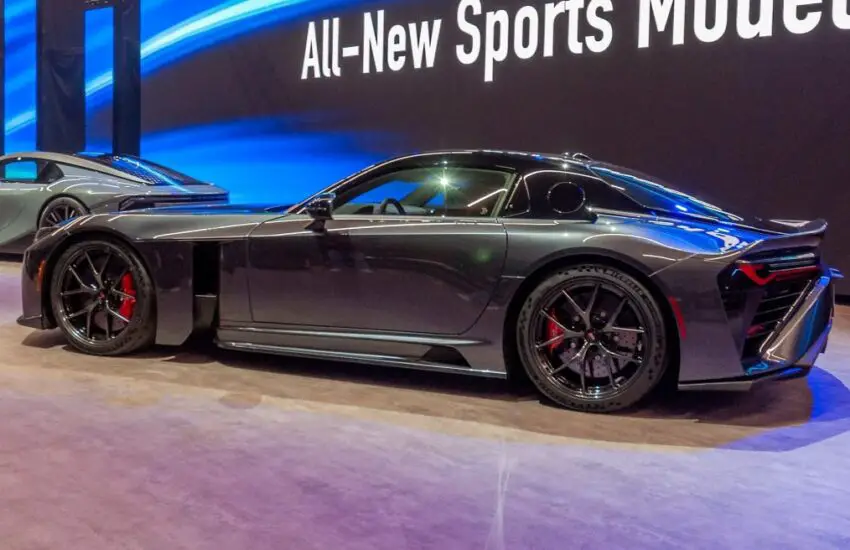
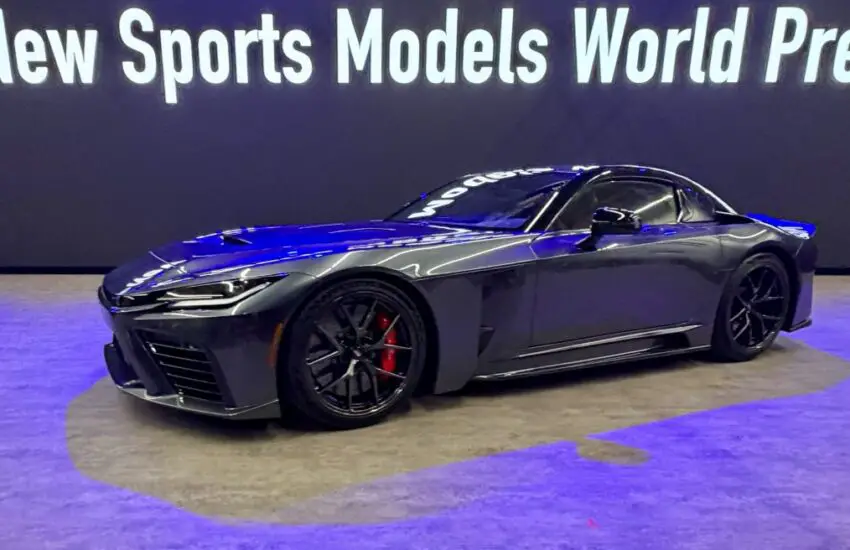
Toyota has unveiled a stunning new supercar, the GR GT concept, but enthusiasts will not find it at their local Toyota dealership. This high-performance machine exists in a unique space, developed by Toyota’s Gazoo Racing (GR) division but not destined to be sold as a traditional Toyota model. This strategic decision highlights a fascinating shift in how automakers manage flagship performance brands and market exclusivity.

The Gazoo Racing Brand Conundrum

The core issue lies in distribution. Gazoo Racing, while a powerhouse in motorsport and the force behind models like the GR Supra and GR Yaris, is not a standalone retail brand. There are no exclusive GR dealerships. Selling a hyper-exclusive, likely seven-figure supercar through standard Toyota showrooms presents significant logistical and brand-image challenges. The vehicle’s positioning, price, and clientele service requirements fall far outside the norm for Toyota’s extensive dealer network.

A Potential Path to Market

Industry analysts suggest several avenues for the GR GT. One strong possibility is a limited production run handled through a select network of flagship dealers or via direct, invitation-only sales, similar to other limited-edition hypercars. Another theory posits that the technology and platform may be leveraged for a future Lexus flagship, given that brand’s established presence in the luxury performance segment. The GR GT may also serve primarily as a rolling laboratory for next-generation racing technology, with a very limited street-legal production run to satisfy homologation rules.

More Than Just a Concept Car

Regardless of its final sales strategy, the GR GT is a critical statement piece. It solidifies Gazoo Racing’s technical prowess and ambition, pushing the brand further up the performance hierarchy. It acts as a halo vehicle for the entire GR lineup, boosting the cachet of more accessible models. This move allows Toyota to explore the extreme limits of performance and hybrid technology without directly altering the mainstream Toyota brand’s identity focused on reliability and accessibility.

Toyota GR GT: The Hybrid V8 Supercar Redefining Performance

The Dawn of a New Supercar Era

The automotive landscape is shifting, with performance icons from manufacturers like Toyota now commanding six-figure price tags and rivaling the most exclusive marques. The recent unveiling of the Toyota GR GT Concept marks a pivotal moment, signaling the brand’s most ambitious and expensive project since the legendary LFA. This hybrid V8 supercar is poised to enter a rarefied arena of luxury and power.

Engineering a Masterpiece

While full production is approximately a year away, key details have emerged that outline a formidable machine. The GR GT’s heart is a newly developed hybrid V8 powertrain, a combination that promises devastating acceleration paired with a new level of technological sophistication for a Toyota-badged supercar. This move represents a significant technical leap, blending raw internal combustion emotion with cutting-edge electric assist.

Positioning in the Performance Pantheon

With an expected price point well over $200,000, the GR GT is not merely a sports car; it is a statement. This pricing strategy places it in direct competition with established European exotics, challenging perceptions of what a Toyota can be. The vehicle’s development, closely tied to Toyota’s motorsport learnings, suggests a focus on track-capable performance that remains usable on the road.

A Vision for the Future

The GR GT’s debut at the Woven City, Toyota’s futuristic prototype city near Mount Fuji, is symbolic. It underscores the model’s role as a technological flagship, showcasing how high-performance engineering can evolve. This supercar is envisioned as more than just a speed machine; it is a testbed for advanced materials, hybrid efficiency, and driver-centric innovation that will filter down to future models.

The anticipation for the GR GT continues to build as it represents a bold return to the supercar segment for Toyota. It promises an unparalleled blend of Japanese engineering, hybrid prowess, and visceral V8 performance, setting a new benchmark for what a global automotive giant can achieve.