GMC P1469 Code: A/C Clutch Relay Control Circuit Diagnosis & Fix

Understanding the GMC P1469 Diagnostic Trouble Code

When your GMC Sierra, Yukon, or other model’s check engine light illuminates and a scan tool reveals code P1469, you’re dealing with a specific electrical fault within the climate control system. This is a manufacturer-specific code for General Motors vehicles, meaning its definition is tailored to GM’s engineering. In essence, P1469 stands for “A/C Clutch Relay Control Circuit.” This code is stored when the vehicle’s Powertrain Control Module (PCM) detects an irregular voltage or electrical condition in the circuit it uses to command the Air Conditioning compressor clutch relay on and off. It’s a circuit code, not necessarily a failure of the A/C components themselves, pointing directly to the control side of the system.

What Does the A/C Clutch Relay Do?

The A/C clutch relay is an electromagnetic switch controlled by the PCM. When you press the A/C button, the PCM sends a low-current signal to energize the relay. The relay then closes, allowing high battery current to flow to the A/C compressor’s electromagnetic clutch, engaging it and allowing the compressor to circulate refrigerant. Code P1469 indicates a problem in the PCM’s ability to properly command this relay.

Common GMC Models Affected by P1469

This code is prevalent in many GM trucks and SUVs from the late 1990s through the 2000s, including the:

  • GMC Sierra (1500, 2500, 3500)
  • GMC Yukon & Yukon XL
  • Chevrolet Silverado & Suburban (platform siblings)
  • GMC Envoy
  • Chevrolet Tahoe

The underlying electrical architecture is similar across these platforms, making the diagnostic approach consistent.

Symptoms and Causes of the P1469 Code

Ignoring a P1469 code will directly impact your driving comfort and can sometimes affect engine performance, as the PCM may alter idle strategies to compensate for the expected A/C load.

Primary Symptoms of a P1469 Fault

  • A/C Compressor Not Engaging: The most obvious sign. You may hear a click from the relay but the compressor clutch does not snap in, and no cold air is produced.
  • Illuminated Check Engine Light (MIL): The code will trigger the MIL. In some cases, the A/C may work intermittently before the light comes on.
  • Poor Engine Idle or Stalling: The PCM anticipates the A/C compressor load and adjusts the idle air control. A faulty signal can cause erratic idling when the A/C is commanded on.
  • No Power to A/C Clutch: Verified with a multimeter or test light at the compressor clutch connector.

Root Causes of the P1469 Code

The fault lies within the control circuit, which includes wiring, connectors, the relay, and the PCM itself.

  • Failed A/C Clutch Relay: A burnt, corroded, or stuck relay is the most common culprit.
  • Open or Shorted Wiring: Damaged, frayed, or corroded wires in the control circuit between the PCM and the relay, or in the power feed to the relay.
  • Poor Electrical Connections: Corrosion or looseness at the relay socket, PCM connectors, or ground points.
  • Faulty A/C Compressor Clutch: A shorted or open clutch coil can draw excessive current or show no load, confusing the PCM’s circuit monitoring.
  • Blown Fuse: Check the A/C clutch fuse in the underhood fuse block. This is often a high-amperage fuse (e.g., 15A or 20A).
  • Defective Powertrain Control Module (PCM): This is rare but possible if all other components and wiring check out perfectly.

Step-by-Step Diagnostic and Repair Procedure

Warning: Always disconnect the battery before performing electrical work. Have a digital multimeter (DMM), wiring diagram, and basic hand tools ready.

Step 1: Preliminary Checks and Visual Inspection

Begin with the simplest possibilities. Locate the underhood fuse box and identify the A/C clutch relay and fuse. Swap the A/C relay with an identical one from another circuit (like the horn or fuel pump relay). If the A/C starts working, you’ve found a bad relay. Visually inspect all related wiring for chafing, burns, or corrosion, especially near the compressor, relay box, and PCM.

Step 2: Testing the A/C Clutch Relay and Power Circuit

With the relay removed, use your DMM to test:

  • Power (B+): Check for constant battery voltage at one of the socket terminals (usually 30 or 87a) with the key off.
  • Control Circuit Ground: Check for continuity to ground on the designated socket terminal (usually 85 or 86).
  • PCM Control Signal: With the key ON and A/C commanded on, check for 12V on the control pin (terminal 85 or 86) from the PCM. If there is no signal here, the issue is upstream (wiring or PCM).

Step 3: Testing the A/C Compressor Clutch Coil

Disconnect the electrical connector at the A/C compressor. Measure the resistance across the clutch coil terminals. A typical reading should be between 2 and 5 ohms. A reading of 0 ohms indicates a short, while an infinite reading (OL) indicates an open coil—both require compressor clutch replacement or compressor replacement.

Step 4: Circuit Continuity and Voltage Drop Tests

Refer to a vehicle-specific wiring diagram. Perform a continuity test on the PCM control wire from the relay socket back to the corresponding PCM pin. Check for continuity to ground where there shouldn’t be (short). A voltage drop test on the power feed to the relay under load can reveal high resistance in a corroded connection.

Step 5: Clearing the Code and Final Verification

After repairs (replacing a relay, repairing a wire, etc.), clear the P1469 code with your scan tool. Start the engine, turn the A/C to max cool, and verify that the compressor clutch engages smoothly and cold air is produced. Operate the vehicle through several drive cycles to ensure the code does not return, confirming a successful repair.

Preventative Measures and Professional Help

While some failures are sudden, maintaining clean electrical connections can prevent many issues. Periodically inspecting the underhood relay and fuse box for moisture or corrosion is a good practice.

When to Seek a Professional Mechanic

If your diagnostic steps point toward a faulty PCM, if wiring repairs are extensive, or if you are uncomfortable with electrical diagnostics, consulting a certified technician is advised. They have advanced tools like bi-directional scanners to command the relay directly and access to proprietary wiring diagrams, ensuring an accurate and efficient repair for this technical GMC-specific fault code.


Ford P1469 Code: A/C Evaporator Temperature Sensor Circuit Low

Understanding the Ford P1469 Diagnostic Trouble Code

The OBD2 diagnostic trouble code P1469 is a manufacturer-specific code primarily associated with Ford, Lincoln, and Mercury vehicles. In technical terms, it is defined as **”A/C Evaporator Temperature Sensor Circuit Low Input.”** This code is stored in the Powertrain Control Module (PCM) when it detects a voltage signal from the A/C evaporator temperature sensor that is below the expected normal operating range. Unlike generic codes that affect all vehicles, P1469 is specific to Ford’s engine management and climate control systems. The sensor’s primary role is to prevent the evaporator core from freezing up, which is critical for efficient A/C operation and overall system protection.

Role of the A/C Evaporator Temperature Sensor

The A/C evaporator temperature sensor is a crucial component within the vehicle’s Heating, Ventilation, and Air Conditioning (HVAC) system. It is typically a thermistor (a resistor that changes resistance with temperature) mounted on or near the evaporator core inside the dashboard. Its key functions include:

  • Monitoring Evaporator Core Temperature: It constantly reads the temperature of the metal fins of the evaporator.
  • Preventing Freeze-Up: It signals the PCM to cycle the A/C compressor clutch off if the temperature drops too low (usually near 32°F/0°C), preventing ice from forming on the evaporator.
  • Optimizing A/C Performance: By maintaining an optimal temperature range, it ensures maximum cooling efficiency and dehumidification.

How the PCM Interprets the “Low Input” Signal

The PCM supplies a reference voltage (typically 5 volts) to the sensor and monitors the return signal on a separate circuit. As the evaporator temperature changes, the sensor’s resistance changes, altering the voltage signal back to the PCM. A “Circuit Low Input” condition means the PCM is seeing a voltage signal that is persistently too low—often close to 0 volts. This indicates a problem in the sensor’s circuit, such as a short to ground, a failed sensor, or wiring issues.

Common Symptoms and Causes of Code P1469

When code P1469 is set, it often triggers noticeable issues with the vehicle’s climate control system. Drivers should be alert to the following symptoms, which may be intermittent or constant.

Primary Symptoms of a P1469 Fault

  • Inoperative or Erratic Air Conditioning: The most common symptom. The A/C may blow warm air, cycle on and off abnormally, or fail to engage at all.
  • Check Engine Light Illuminated: The MIL (Malfunction Indicator Lamp) will be on with code P1469 stored.
  • Poor Cooling Performance: The system may not cool the cabin effectively, even when the compressor is running.
  • Potential for Evaporator Freeze-Up: If the sensor fails in a way that provides a falsely high temperature reading, the PCM may not cycle the compressor off, risking ice formation and a complete loss of airflow from the vents.

Root Causes of the P1469 Code

Diagnosing P1469 requires a systematic approach, starting with the most common and easily accessible culprits. The causes are typically electrical in nature.

  • Faulty A/C Evaporator Temperature Sensor: The sensor itself is the most frequent point of failure. The internal thermistor can degrade or short circuit.
  • Damaged Wiring or Connectors: Wires in the sensor circuit can become chafed, pinched, or corroded, causing a short to ground (low voltage) or an open circuit.
  • Poor Electrical Connections: Corrosion, bent pins, or loose terminals at the sensor or PCM connectors can disrupt the signal.
  • Failed or Faulty Powertrain Control Module (PCM): This is rare, but a malfunction within the PCM’s internal circuitry for processing this signal cannot be entirely ruled out after all other components are tested.

Step-by-Step Diagnostic and Repair Procedure

A proper diagnosis is essential to avoid unnecessary parts replacement. This procedure requires a digital multimeter (DMM) and, ideally, a scan tool capable of reading Ford-specific PID (Parameter ID) data.

Step 1: Preliminary Checks and Visual Inspection

Begin with the basics. Locate the A/C evaporator temperature sensor. Its position varies by model (e.g., Ford Focus, Escape, Fusion), but it is always on the HVAC housing, often behind the glove box or center console. Carefully inspect:

  • The sensor’s electrical connector for corrosion, moisture, or damaged pins.
  • The wiring harness leading to the sensor for any obvious damage, chafing, or burn marks.
  • Ensure the sensor is properly seated and secured.

Step 2: Testing the Sensor with a Multimeter

Disconnect the electrical connector from the sensor. Using the DMM set to measure resistance (Ohms Ω), test the sensor’s terminals. You will need to know the specific resistance specifications for your vehicle’s temperature, but generally, you can check for a plausible reading and for changes.

  • At room temperature (approx. 70°F/21°C), expect a resistance in the range of 2,000 to 3,000 Ohms.
  • Warm the sensor gently with your hand or a hairdryer. The resistance should decrease smoothly as temperature increases.
  • A reading of 0 Ohms indicates an internal short (consistent with a “Low Input” code). A reading of infinite resistance (OL) indicates an open circuit.

Step 3: Checking the Sensor Circuit Wiring

With the sensor still disconnected, probe the vehicle-side wiring harness connector. You will need a wiring diagram for your specific model to identify the reference voltage (Vref), signal return, and ground wires.

  • Check for Power: Turn the ignition to ON (engine off). Measure between the Vref wire and ground. You should see approximately 5 volts.
  • Check for Short to Ground: With the ignition OFF, set the DMM to continuity. Check between the signal wire and chassis ground. There should be NO continuity. If there is, you have found a short in the wiring.
  • Check Wiring Integrity: Check for continuity along the length of the signal and ground wires from the sensor connector back to the PCM connector.

Step 4: Clearing the Code and Final Verification

After repairing the fault (replacing the sensor or repairing wiring), clear the P1469 code using your scan tool. Perform a road test with the A/C operating at maximum cooling for at least 10-15 minutes. Monitor the system to ensure the code does not return and that normal, cold A/C operation is restored. Using a bi-directional scan tool to monitor the live data PID for the evaporator temperature sensor can confirm it is now reporting a plausible and dynamically changing value.

Important Technical Notes and Precautions

Always disconnect the vehicle’s battery before performing electrical repairs to avoid short circuits or accidental airbag deployment. When replacing the sensor, use only a high-quality OEM or equivalent part. The location often requires some dashboard disassembly; consult a vehicle-specific service manual for precise instructions to avoid damaging clips or components. Addressing a P1469 code promptly not only restores comfort but also protects the expensive A/C compressor from potential damage due to improper cycling.

Chevrolet P1469 Code: A/C Pressure Sensor Circuit Low Voltage Explained

Understanding the P1469 Diagnostic Trouble Code in Chevrolet Vehicles

The OBD2 diagnostic trouble code P1469 is a manufacturer-specific code primarily associated with General Motors (GM) vehicles, including Chevrolet models. This code is stored in the vehicle’s Powertrain Control Module (PCM) or Engine Control Module (ECM) when it detects an abnormally low voltage signal from the Air Conditioning (A/C) refrigerant pressure sensor circuit. In simpler terms, the computer sees a voltage reading from the A/C pressure sensor that is below the expected normal operating range. This sensor is critical for protecting the expensive A/C compressor and ensuring the HVAC system operates efficiently and safely. Ignoring this code can lead to a non-functional A/C system and potential compressor damage.

Primary Causes of the P1469 Code

Diagnosing a P1469 code requires a systematic approach, starting with the most common and easily accessible culprits before moving to more complex components. The issue almost always lies within the electrical circuit of the A/C pressure sensor or the sensor itself.

1. Faulty A/C Refrigerant Pressure Sensor

The sensor itself is the most frequent point of failure. Located on the high-pressure side of the A/C system, often near the receiver/drier or condenser, this sensor can fail internally. When it fails, it sends an incorrect, persistently low voltage signal (or no signal) back to the PCM, triggering the P1469 code.

2. Electrical Wiring and Connector Issues

The wiring harness connecting the sensor to the PCM is vulnerable to damage. Common problems include:

  • Open or Short Circuits: Wires can be pinched, chafed, or broken, creating an open circuit (infinite resistance) or a short to ground.
  • Corroded or Loose Connectors: The electrical connector at the sensor or PCM can become corroded from moisture or simply work loose, leading to a poor connection and low voltage.
  • High Resistance: Corrosion or damaged strands within a wire can create high resistance, causing a significant voltage drop in the signal circuit.

3. Low Refrigerant Charge (Secondary Cause)

While the P1469 specifically points to an electrical “circuit low voltage,” an extremely low refrigerant charge can cause the actual pressure in the system to be very low. A functioning sensor will correctly read this low pressure and output a corresponding low voltage signal, which the PCM may interpret as a circuit fault. Always check refrigerant pressure with gauges to rule this out.

4. Faulty Powertrain Control Module (PCM)

This is the least likely cause. A failure within the PCM’s internal circuitry that processes the sensor signal could theoretically cause a P1469 code. However, PCM failure should only be suspected after all other components and wiring have been thoroughly tested and verified as functional.

Symptoms and Diagnostic Procedure for P1469

When the P1469 code is set, the PCM will typically take defensive action to protect the A/C compressor, leading to noticeable symptoms. A proper diagnostic procedure is essential for an accurate and cost-effective repair.

Common Symptoms

  • A/C Compressor Will Not Engage: The most obvious symptom. The clutch on the A/C compressor will not receive the command to engage, so the system will blow warm or ambient air.
  • Illuminated Check Engine Light (CEL): The P1469 code will trigger the CEL. Some models may also have a separate “Service A/C” or similar message.
  • Poor HVAC System Performance: No cold air from the vents.
  • Code May Be Intermittent: If caused by a loose connection, the code and symptoms may come and go.

Step-by-Step Diagnostic Guide

Tools Needed: Digital Multimeter (DMM), scan tool, A/C manifold gauge set, vehicle service manual for wiring diagrams.

  1. Scan for Codes & Check Live Data: Use your scan tool to confirm P1469 and view live data. Look for the “A/C Pressure Sensor” PID (Parameter ID). With the engine and A/C off, a functioning sensor in a normal system should read a voltage typically between 0.5V and 1.5V, corresponding to static pressure.
  2. Visual Inspection: Locate the A/C pressure sensor. Inspect the connector for corrosion, bent pins, or damage. Follow the wiring harness back, looking for obvious chafing, cuts, or burn marks.
  3. Check Refrigerant Pressure: Connect A/C manifold gauges to verify the system has an adequate charge. Low pressure will cause low sensor voltage.
  4. Electrical Circuit Testing (Key On, Engine Off):
    • Reference Voltage (5V): Backprobe the sensor connector’s reference voltage wire (consult wiring diagram). You should measure approximately 5 volts from the PCM.
    • Ground Circuit: Check the ground wire for continuity to a good chassis ground. It should have less than 0.1 ohms of resistance.
    • Signal Voltage: Backprobe the signal wire. Compare the measured voltage to the scan tool reading and the expected value from the service manual.
  5. Sensor Bench Test: If wiring is good, test the sensor. With it disconnected, apply a known source of 5V and ground to the appropriate pins, and measure the signal output. It should change smoothly with applied pressure (using regulated air carefully).

Repair Solutions and Prevention

Once the root cause is identified, the repair is typically straightforward. The goal is to restore the proper voltage signal on the sensor circuit.

1. Replacing the A/C Pressure Sensor

If the sensor tests faulty, replacement is necessary.

  • Safety First: Recover the A/C refrigerant using an EPA-approved recovery machine before disconnecting the old sensor.
  • Disconnect the electrical connector, unscrew the old sensor, and replace it with a new OEM or high-quality aftermarket unit.
  • Install a new O-ring lubricated with refrigerant oil (PAG oil of the correct viscosity).
  • Reconnect the electrical plug, evacuate, and recharge the A/C system to the precise specification.

2. Repairing Wiring and Connectors

For damaged wiring:

  • Repair broken wires by soldering and sealing with heat-shrink tubing. Avoid butt connectors for critical sensor circuits.
  • Clean corroded connectors with electrical contact cleaner. In severe cases, replace the connector pigtail.
  • Secure the wiring harness away from hot or moving components to prevent future damage.

3. Recharging the A/C System

If low refrigerant was the culprit, you must find and repair the leak before evacuating and recharging the system. Simply adding refrigerant without fixing the leak is a temporary solution.

Clearing the Code and Final Verification

After repairs, clear the P1469 code with your scan tool. Start the engine, turn the A/C to max cold, and verify that the compressor clutch engages and cold air is produced. Use your scan tool to confirm that the A/C pressure sensor PID now shows a normal, dynamic voltage that increases as the system builds pressure.

Cadillac P1469 Code: A/C Pressure Sensor Circuit Low Voltage Explained

Understanding the Cadillac P1469 Diagnostic Trouble Code

The OBD2 trouble code P1469 is a manufacturer-specific code primarily associated with General Motors vehicles, including various Cadillac models like the DeVille, Seville, and Eldorado from the late 1990s and early 2000s. In precise technical terms, P1469 is defined as **”A/C Refrigerant Pressure Sensor Circuit Low Voltage.”** This code indicates that the Powertrain Control Module (PCM) has detected a voltage signal from the Air Conditioning refrigerant pressure sensor that is consistently below the expected normal operating range for an extended period. Unlike generic codes, P1469 is specific to the vehicle’s body and climate control systems interfacing with the engine computer for load management.

Core Function of the A/C Pressure Sensor

The A/C pressure sensor, also called a transducer, is a critical safety and efficiency component. It monitors the high-side pressure of the refrigerant within the A/C system. This data is sent as a variable voltage signal (typically ranging from 0.5V to 4.5V) to the PCM. The PCM uses this information to:

  • Protect the A/C Compressor: Disengage the compressor clutch if pressure is excessively high (risk of damage) or too low (indicative of a refrigerant leak).
  • Manage Engine Load: Adjust engine idle speed and ignition timing to compensate for the compressor engagement.
  • Control Cooling Fans: Command the radiator cooling fans to run at high speed when A/C system pressure and temperature are elevated.

Common Symptoms and Causes of P1469 in Cadillacs

When code P1469 sets, it often illuminates the Check Engine Light (CEL) and triggers noticeable issues with the vehicle’s climate control system. Accurate diagnosis requires understanding both the symptoms presented to the driver and the underlying technical failures.

Primary Symptoms of a P1469 Fault

  • A/C Compressor Inoperation: The most common symptom. The A/C clutch will not engage, resulting in no cold air from the vents.
  • Check Engine Light: The MIL is illuminated, with P1469 stored as a current or history code.
  • Poor Engine Performance at Idle: You may notice a rough or fluctuating idle, especially when the A/C is commanded on.
  • Cooling Fans Running Continuously: As a fail-safe, the PCM may command the radiator fans to run at high speed constantly.

Root Causes of the Low Voltage Circuit Condition

A “low voltage” diagnosis points to problems in the sensor’s 5-volt reference circuit, the ground circuit, or the sensor itself. The causes are typically electrical.

  • Faulty A/C Pressure Sensor: An internal failure within the sensor can cause it to output an incorrect, persistently low signal.
  • Open or Shorted Wiring: Damaged, corroded, or broken wires in the sensor’s harness (reference, signal, or ground wires) are a frequent culprit.
  • Poor Electrical Connections: Corrosion or looseness at the sensor connector or the PCM connector.
  • Low Refrigerant Charge (Secondary Cause): While P1469 is an electrical fault, an extremely low refrigerant level can cause pressure to drop, leading to a low voltage signal. However, this usually sets a different code (like P0530). A leak must be addressed after the electrical fix.
  • Defective PCM: Rare, but a failure within the PCM’s internal circuitry that provides the 5V reference or reads the signal cannot be entirely ruled out after all other tests.

Step-by-Step Diagnostic and Repair Procedure

Professional diagnosis follows a logical sequence from simple visual checks to precise electrical measurements. Warning: Always disconnect the battery before working on electrical connectors. The A/C system is under high pressure; only a certified technician should service refrigerant components.

Step 1: Preliminary Visual Inspection

Begin with a thorough visual check. Locate the A/C pressure sensor, typically found on the high-pressure line near the firewall or the receiver-drier. Inspect the wiring harness and connector for obvious damage, chafing, corrosion, or disconnection. Check the condition of related fuses.

Step 2: Live Data and Electrical Testing

Using a professional-grade OBD2 scan tool, monitor the live data parameter for “A/C Pressure” or “A/C PSI.” With the engine and A/C off, pressure should equalize and read between 70-120 PSI, depending on ambient temperature. A reading of 0 PSI or a voltage below 0.5V strongly indicates an electrical fault. Next, perform a multimeter test at the sensor connector (disconnected):

  • Check for **5V Reference** between the reference wire and ground.
  • Check for a **Good Ground** (less than 0.1 ohms) on the ground wire.
  • If power and ground are good, suspect the sensor. With the connector plugged back in and using a back-probe pin, measure the signal voltage. An implausibly low static voltage confirms the circuit fault.

Step 3: Sensor Replacement and System Verification

If the sensor is confirmed faulty, replacement is straightforward. Important: The system refrigerant must be properly recovered by a licensed technician before removing the old sensor. After installing the new sensor and recharging the system to the correct specification, clear the P1469 code. Perform a final verification by running the A/C at maximum cool and confirming stable compressor operation and normal live data readings that fluctuate with engine RPM and fan speed.

Technical Implications and Importance of Timely Repair

Ignoring a P1469 code goes beyond mere passenger discomfort. The PCM’s fail-safe strategies have direct impacts on other vehicle systems.

Impact on Engine Management and Cooling

With an invalid pressure signal, the PCM cannot accurately manage the engine load from the A/C compressor. This can lead to stalling, rough idle, or poor throttle response. Furthermore, the default action of running cooling fans continuously increases electrical load and can potentially lead to premature fan motor failure.

Preventing Compressor Damage

While the fail-safe protects the compressor from engagement under a fault, prolonged operation with a low refrigerant charge (if that is a contributing factor) can cause severe damage. The compressor relies on refrigerant for lubrication. Running it with a low charge can lead to catastrophic internal failure, resulting in a much more expensive repair.

In conclusion, Cadillac code P1469 is a specific but diagnosable electrical fault centered on the A/C pressure sensor circuit. A methodical approach—starting with live data, followed by circuit testing—will efficiently isolate the root cause, whether it’s a simple wiring issue, a corroded connector, or a failed sensor. Addressing this repair promptly restores climate control comfort and ensures the integrated vehicle systems operate as designed by Cadillac engineers.

Understanding and Fixing OBD2 Code P1469 on Buick Vehicles

What is OBD2 Code P1469 on a Buick?

OBD2 trouble code P1469 is a manufacturer-specific diagnostic trouble code (DTC) primarily associated with General Motors (GM) vehicles, including various Buick models. In simple terms, this code indicates a fault in the air conditioning (A/C) refrigerant pressure sensor circuit. The Powertrain Control Module (PCM) monitors the signal from this sensor. When the voltage reading falls outside a predetermined expected range for an extended period, the PCM illuminates the Check Engine Light and stores code P1469.

This code is directly related to the vehicle’s HVAC (Heating, Ventilation, and Air Conditioning) system. While it may not always cause immediate drivability issues, it can lead to the A/C compressor being disabled by the PCM as a protective measure, resulting in a lack of cold air from the vents. Accurate diagnosis is crucial, as the root cause can range from a simple electrical fault to a more complex refrigerant system problem.

Common Symptoms of Buick Code P1469

Recognizing the symptoms associated with P1469 is the first step in the diagnostic process. Drivers may experience one or more of the following signs:

Primary Indicator: Check Engine Light

The most obvious symptom is the illumination of the Malfunction Indicator Lamp (MIL), commonly known as the Check Engine Light. A generic OBD2 scanner will confirm the presence of code P1469.

A/C System Failure

The PCM may prevent the A/C compressor clutch from engaging to protect the system from potential damage due to incorrect pressure readings. This results in the air conditioning blowing warm or ambient-temperature air only.

Potential Engine Performance Issues

On some engine management systems, the PCM uses A/C pressure data to adjust engine load calculations. A faulty signal can, in rare cases, cause subtle issues like a slightly rough idle when the A/C is commanded on.

Secondary HVAC Codes

You may find other related codes stored alongside P1469, such as codes for the A/C compressor clutch circuit or other sensor faults, which can provide additional diagnostic clues.

Diagnosing the Root Causes of P1469

Code P1469 is set when the PCM detects an illogical voltage signal from the A/C pressure sensor. The causes can be categorized into electrical issues, sensor failure, and refrigerant system problems.

Electrical Circuit Faults

This is the most common category. Issues include:

  • Open or Shorted Wiring: Damaged, corroded, or broken wires in the sensor’s harness (power, ground, or signal wire).
  • Poor Electrical Connections: Corrosion or looseness at the sensor connector or the PCM connector.
  • Blown Fuse: A fuse supplying power to the sensor or the PCM’s sensor reference circuit.

Failed A/C Pressure Sensor

The sensor itself can fail internally. It is a transducer that converts refrigerant pressure into a variable voltage signal (typically 0.5V to 4.5V). Internal short circuits, open circuits, or mechanical failure will produce an out-of-range signal.

Refrigerant System Issues

While less common for triggering this specific circuit code, extreme pressure conditions might be a factor:

  • Severely Overcharged System: Excess refrigerant can cause pressures high enough to potentially max out the sensor’s reading.
  • Severely Undercharged System (Low Refrigerant): Very low pressure might cause a reading at the bottom of the sensor’s scale.

It’s critical to note that the code is for the *circuit*, not the pressure itself. However, real pressure faults can accompany circuit issues.

Step-by-Step Diagnostic Procedure

A methodical approach is key to efficiently fixing P1469. Always begin with a visual inspection and follow with electrical testing.

Step 1: Preliminary Checks & Visual Inspection

  • Check the refrigerant charge visually via the sight glass (if equipped) or with gauge manifolds. An extremely low or empty system is a red flag.
  • Perform a thorough visual inspection of the A/C pressure sensor, its wiring harness, and connectors. Look for obvious damage, chafing, corrosion, or disconnection.
  • Locate and check the relevant fuse in the under-hood fuse box.

Step 2: Scan Tool Data Analysis

Connect a professional-grade scan tool capable of reading PCM live data. Navigate to the A/C pressure sensor PID (Parameter Identification). With the engine and A/C turned on, observe the pressure reading. Compare it to the expected pressure for the ambient temperature. A reading of 0 psi, 500+ psi, or a completely static value indicates a sensor or circuit fault.

Step 3: Electrical Testing of the Sensor and Circuit

This requires a digital multimeter (DMM):

  • Reference Voltage: With the connector disconnected and ignition ON, check for approximately 5 volts between the sensor reference wire and ground.
  • Ground Circuit: Check for continuity between the sensor ground wire and a known good engine ground.
  • Sensor Signal: Reconnect the connector and use a back-probe pin to measure the signal voltage on the third wire. It should vary with A/C system pressure.
  • Sensor Resistance: Disconnect the sensor and measure its resistance across its terminals. Consult a service manual for specifications; it should not be open or shorted.

Repair Solutions and Final Verification

Once the root cause is identified, proceed with the appropriate repair.

Repairing Wiring and Connectors

Repair any damaged wires using solder and heat shrink tubing. Clean corroded connector terminals with electrical contact cleaner. Ensure all connections are secure.

Replacing the A/C Pressure Sensor

If the sensor tests bad, replacement is necessary. Important: The A/C system must be properly recovered of refrigerant by a certified technician using an EPA-approved machine before disconnecting the sensor. The new sensor often requires a new O-ring, lubricated with PAG oil specific to your vehicle.

Addressing Refrigerant Charge Issues

If the system charge is incorrect, a full recovery, vacuum evacuation (to remove moisture and air), and precise recharge to the factory specification by weight are required.

Clearing the Code and System Test

After repairs, clear the P1469 code with your scan tool. Start the engine, turn the A/C to maximum cold, and verify that the compressor clutch engages and cold air is produced. Use your scan tool to confirm that the A/C pressure sensor PID now shows a normal, dynamic reading that corresponds to system operation. A successful test drive with the A/C cycling should conclude with the Check Engine Light remaining off.

Understanding and Fixing OBD2 Code P1469 in Audi Vehicles

What is OBD2 Code P1469 on an Audi?

OBD2 code P1469 is a manufacturer-specific diagnostic trouble code (DTC) for Audi (and other Volkswagen Group vehicles like VW and Porsche). Its generic definition is “Evaporative Emission System Leak Detected – Very Small Leak.” This code is part of the vehicle’s sophisticated Onboard Refueling Vapor Recovery (ORVR) and evaporative emission control (EVAP) system. The primary function of this system is to prevent fuel vapors from the gas tank from escaping into the atmosphere, instead storing them in a charcoal canister and later purging them into the engine to be burned. Code P1469 specifically indicates that the vehicle’s engine control module (ECM) has detected a leak in this sealed system that is smaller than the leak threshold for a generic “large leak” code (like P0455), typically equivalent to a hole smaller than 0.020 inches (0.5mm) in diameter.

Technical Definition and System Operation

The EVAP system is a closed network of hoses, valves, and a sealed fuel tank. During a self-test, usually after a cold start under specific driving conditions, the ECM commands the EVAP purge valve (N80) to close and the EVAP vent valve (usually near the charcoal canister) to close, sealing the entire system. It then uses the fuel tank pressure sensor (FTPS) to monitor the pressure or vacuum within the system. If the pressure/vacuum does not hold stable and changes at a rate that corresponds to a “very small leak,” the ECM will set code P1469 and illuminate the check engine light (MIL).

Common Symptoms of Audi P1469 Code

Unlike a major engine fault, a P1469 code often presents with subtle or even no drivability symptoms. The car may run perfectly normally. However, there are key indicators that point toward this EVAP system issue.

Primary Symptoms

  • Illuminated Check Engine Light (MIL): This is the most common and often the only symptom. The light may be steady, indicating the need for service.
  • Failed Emissions Test: Since the code directly relates to the vehicle’s emission control system, it will cause an automatic failure during a state or local emissions inspection.
  • Fuel Odor: In some cases, especially if the leak is near the fuel tank or filler neck, you may smell gasoline vapors, particularly after refueling.
  • Difficulty Refueling: A malfunctioning EVAP system can sometimes cause the fuel pump nozzle to click off repeatedly during refueling, as vapors are not being properly vented from the tank.

What Does NOT Happen with P1469

It’s crucial to understand that code P1469 typically does not cause poor engine performance, rough idle, stalling, or reduced fuel economy. If these symptoms are present alongside P1469, there is likely an additional fault, such as a stuck-open purge valve introducing unmetered fuel vapor at the wrong time.

Diagnosing the Root Cause of P1469 in Your Audi

Diagnosing a “very small leak” requires a methodical approach. Due to the tiny size of the leak, visual inspection alone is often insufficient. A proper diagnosis involves a combination of visual checks, component testing, and smoke machine testing.

Step-by-Step Diagnostic Procedure

  1. Code Verification & Live Data: Use a professional-grade OBD2 scanner capable of reading Audi-specific codes and live data. Clear the code and perform an EVAP system monitor drive cycle to see if it returns. Monitor the Fuel Tank Pressure Sensor (FTPS) live data for proper readings.
  2. Visual Inspection: Carefully inspect all visible EVAP system components. This is a critical first step.
    • Check the gas cap for cracks, damaged seal, or improper installation. A loose or faulty gas cap is a frequent culprit.
    • Trace all EVAP vacuum/purge hoses from the intake manifold to the purge valve (N80), to the charcoal canister, and to the fuel tank. Look for cracks, brittleness, disconnections, or signs of rodent damage.
    • Inspect the charcoal canister (often located under the vehicle near the fuel tank) for physical damage.
    • Check the area around the fuel tank sending unit/pump seal and fuel filler neck for signs of leakage or corrosion.
  3. Smoke Machine Test (The Gold Standard): For a definitive diagnosis of a very small leak, a professional smoke machine is essential. The machine introduces a dense, non-toxic smoke into the sealed EVAP system. Any leak, no matter how small, will allow the white smoke to escape, visually pinpointing the exact location of the fault.

Most Common Culprits for Audi P1469

Based on common failure points across Audi models (A4, A6, Q5, Q7, etc.), the following components are the most likely causes, listed in order of probability:

  • Faulty, Loose, or Incorrect Gas Cap: Always start here. Ensure it is an OEM or high-quality aftermarket cap that clicks securely multiple times.
  • Cracked or Degraded EVAP Hoses: Rubber hoses deteriorate over time due to heat and engine bay chemicals.
  • Leaking EVAP Purge Valve (Solenoid Valve N80): This valve can fail in a slightly open position, creating a permanent small leak path to the intake manifold.
  • Leaking EVAP Vent Valve (at Canister): This valve seals the system to the atmosphere. A faulty seal inside can cause a leak.
  • Faulty Fuel Tank Pressure Sensor (FTPS): While less common, a sensor providing inaccurate data can trick the ECM into thinking a leak exists.
  • Pinhole Leak in Fuel Tank or Filler Neck: Corrosion or physical damage can create a very small leak.
  • Faulty Charcoal Canister: Cracks or a damaged internal filter can be the source.

Repair and Prevention Strategies

Once the source of the very small leak is identified, the repair is typically straightforward: replace the faulty component. After repair, clear the DTCs with your scanner and perform a complete drive cycle to allow the ECM to run all its self-tests, including the EVAP monitor. A successful test will turn off the check engine light and set the monitor status to “ready.”

Professional vs. DIY Repair

Replacing a gas cap or an easily accessible hose is a simple DIY task. However, diagnosing the leak without a smoke machine can be guesswork. Replacing components like the purge valve or vent valve requires some mechanical skill. Using a smoke machine is a professional technique, so if the simple fixes don’t work, seeking a qualified Audi technician or independent specialist with the proper tools is the most efficient and cost-effective path.

Preventing Future EVAP System Issues

  • Always tighten the fuel cap until it clicks multiple times.
  • Use high-quality fuel from reputable stations to minimize contaminant buildup in the charcoal canister.
  • Avoid “topping off” the fuel tank after the pump automatically shuts off, as this can flood the liquid fuel into the charcoal canister, ruining it.
  • During routine maintenance, ask your mechanic to visually inspect the EVAP lines and components for early signs of wear.

In summary, while OBD2 code P1469 on your Audi may not hinder daily driving, it is a critical emission-related fault that requires attention. A systematic diagnosis focusing on the gas cap, hoses, and key valves, ideally culminating in a smoke test, will reliably identify the very small leak and allow for a precise repair, ensuring your Audi meets emission standards and remains trouble-free.

Is the Electric Car Truly Ready for Prime Time?

Tesla Model 3 Long Range All-Wheel Drive 2023 Highland

The Electric Vehicle Maturity Debate

Declaring the electric car “mature” is a deliberately provocative starting point for a crucial discussion. It forces us to move beyond simplistic narratives and examine the current state of EV technology with a critical, yet forward-looking eye. While significant hurdles remain, the core proposition of electric mobility has proven itself viable and is evolving at a remarkable pace.

Beyond Early Adoption

The era of the electric vehicle as a mere prototype or niche product is over. Today’s models offer ranges that comfortably exceed the daily needs of most drivers, with rapid charging networks expanding globally. Performance is no longer a question, with instant torque delivering acceleration that rivals supercars. From this perspective, the technology has matured to a point of mainstream competence and consumer acceptance.

The Path to Full Maturation

True maturity, however, involves overcoming persistent challenges. The next phase of development focuses on three key technical frontiers:

Battery Innovation: The quest continues for batteries with higher energy density, faster charging cycles, and reduced reliance on scarce materials. Solid-state batteries represent a promising horizon for a major leap forward.

Charging Infrastructure & Grid Integration: Ubiquitous, reliable, and ultra-fast charging is essential. Future progress hinges on standardizing networks and developing smart grid solutions to manage energy demand effectively.

Sustainability & Cost: Full lifecycle sustainability, from ethical material sourcing to efficient recycling, is critical. Simultaneously, achieving cost parity with internal combustion vehicles through manufacturing scale and new battery chemistries remains a primary goal.

A Maturing Ecosystem

Ultimately, the maturity of the electric car is not just about the vehicle itself, but the ecosystem that supports it. We are witnessing the simultaneous evolution of energy storage, renewable energy generation, and smart software integration. The journey is ongoing, but the foundation is solid. The question is no longer if electric mobility will become the norm, but how quickly and efficiently we can navigate the final steps toward its complete, sustainable integration.

Electric Vehicle Charging Cable Theft Plagues French Infrastructure

A Costly Crime Wave Targets EV Charging Stations

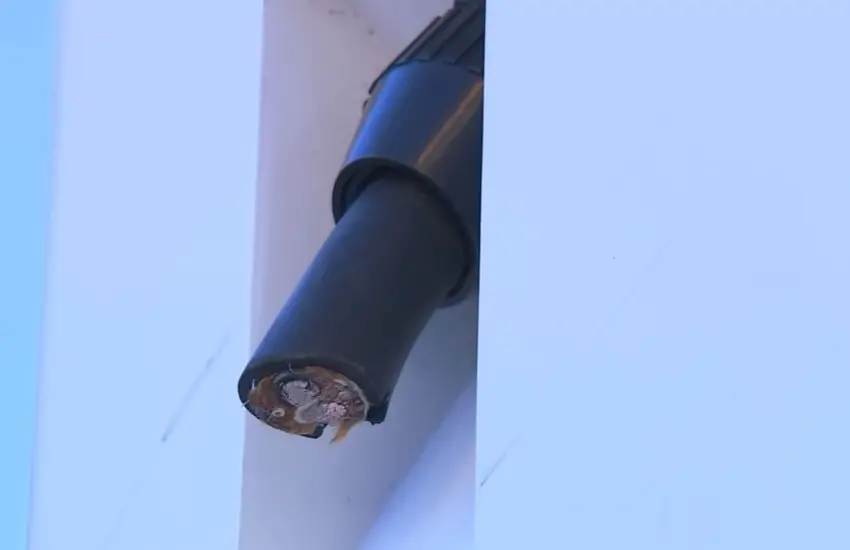
A surge in thefts is crippling electric vehicle (EV) charging infrastructure across France. Criminals are systematically targeting charging stations, not for the expensive hardware itself, but for the high-value copper contained within the cables. This specific form of delinquency is creating a major operational and financial headache for network operators and severely inconveniencing EV drivers.

The Lucrative Lure of Copper

The primary driver behind this epidemic is the soaring market price of copper. Thieves sever the heavy-duty cables from public charging points, often using bolt cutters, to strip and sell the metal as scrap. While the stolen copper may fetch a relatively small sum on the black market, the damage inflicted is disproportionately large. Each incident results in the temporary loss of a critical charging point, undermining public confidence in the reliability of the EV network.

Operational and Financial Fallout

For charging operators, the consequences are severe. The cost of replacing a single high-power charging cable can run into thousands of euros, far exceeding the value of the raw material stolen. This expense is compounded by labor costs for urgent repairs and lost revenue from out-of-service stations. The logistical challenge of securing replacement parts and deploying technicians across widespread networks further strains operations, slowing the essential expansion of charging infrastructure.

Undermining the Electric Transition

Beyond the immediate financial impact, this crime wave poses a direct threat to national and European green mobility goals. A reliable and ubiquitous public charging network is fundamental to encouraging widespread EV adoption. When drivers encounter vandalized and inoperable stations, it fuels “range anxiety” and skepticism about the practicality of electric vehicles. The thefts effectively sabotage a key pillar of the energy transition, creating a tangible barrier to reducing transportation emissions.

Operators are now forced to invest significant resources into security measures, from enhanced surveillance and improved lighting to the exploration of cable-retraction systems and tamper-proof designs. These necessary investments, however, ultimately divert funds that could have been used for network growth and innovation, highlighting the profound ripple effects of this targeted crime.

Electric Vehicle Charger Drama: Police Issue Reality Check

When a Charging Cable Won’t Let Go

Electric vehicle ownership comes with a new set of challenges, and one driver in England recently learned a hard lesson about problem-solving priorities. After finishing a charging session, the motorist found themselves in a frustrating predicament: the charging cable was stuck and refused to disconnect from their car’s port. Faced with this modern inconvenience, the driver made a decision that would soon be questioned—they dialed the emergency police number.

The Police Response: A Lesson in Priorities

The authorities arrived at the scene, but not with the assistance the driver likely expected. Instead of tools to free the cable, the police provided a firm reminder about the appropriate use of emergency services. They clarified that a malfunctioning charging cable, while undoubtedly annoying and potentially costly, does not constitute a genuine emergency. Incidents requiring immediate police intervention typically involve imminent danger to life, serious injury, or active crime. This situation, they emphasized, was a technical issue best handled by the vehicle manufacturer’s roadside assistance, the charging network operator, or a qualified mechanic.

A close-up of an electric vehicle charging cable connected to a car's port

Understanding Common Charging Cable Issues

This incident highlights a common concern for EV owners. Cables can become locked due to software glitches, communication errors between the car and the charger, or simple mechanical faults. The standard protocol is to first attempt a reset by unlocking the vehicle’s doors or using the car’s key fob, as the cable lock is often electronically linked to the car’s security system. If that fails, consulting the vehicle’s manual or using a dedicated emergency release cord, if fitted, are the recommended next steps.

A Broader Takeaway for EV Drivers

This story serves as a broader reminder for all electric vehicle users. Familiarity with your vehicle’s specific charging procedures and troubleshooting steps is essential. While being stranded due to a stuck cable is stressful, it is a logistical and technical problem. Relying on manufacturer support or specialized technicians is the correct and safest course of action, preserving vital emergency service lines for true crises. The encounter ultimately provided a clear, if embarrassing, public service announcement about the boundaries of emergency assistance.

Spain’s €1.28 Billion Electric Vehicle Acceleration Plan

Spain’s Major Investment in Electric Mobility

The Spanish government has launched a substantial strategic initiative, committing €1.28 billion to accelerate the nation’s transition to electric vehicles. This funding represents a decisive step in Spain’s sustainable mobility policy, aiming to close the adoption gap with other European leaders and establish a robust EV ecosystem for the future.

Strategic Objectives of the Funding

The core mission of this investment is to address two critical barriers to EV adoption: infrastructure and affordability. A significant portion of the funds is dedicated to a rapid expansion of the public charging network, targeting the installation of thousands of new points across the country, including high-power charging hubs on major highways. Concurrently, the plan reinforces purchase incentive programs, making electric cars more financially accessible to a broader range of consumers and businesses.

Broader Economic and Environmental Impact

Beyond immediate consumer benefits, this initiative is a calculated economic stimulus. It is designed to bolster the domestic automotive industry, encourage technological innovation, and generate skilled employment in green sectors. Environmentally, the push for electrification is integral to Spain’s national decarbonization strategy, aiming to significantly reduce greenhouse gas emissions and urban pollution from the transport sector, which is a major contributor to carbon footprints.

This comprehensive plan signals Spain’s serious commitment to aligning with European Union climate targets. By investing heavily in both the demand and supply sides of the electric vehicle equation, Spain is not just catching up but positioning itself as a proactive player in the future of European transport. The success of this initiative will be closely watched as a model for national electrification strategies.