OBD2 Code P1472 Audi: Leak Detection Pump Circuit Explained

Understanding the P1472 Fault Code in Your Audi

When your Audi’s check engine light illuminates and a scan tool reveals the generic OBD2 diagnostic trouble code (DTC) P1472, you are dealing with a specific fault within the vehicle’s Evaporative Emission Control (EVAP) system. Specifically, P1472 is defined as “Leak Detection Pump Circuit Malfunction”. This system is critical for preventing fuel vapors from escaping into the atmosphere and for ensuring your vehicle meets stringent emission standards. On Audi and Volkswagen Group vehicles, the Leak Detection Pump (LDP) is a key component that actively tests the integrity of the fuel vapor system for leaks. A P1472 code indicates the Engine Control Module (ECM) has detected an electrical problem within the LDP’s circuit, which could involve the pump motor, its wiring, or the control signal from the ECM itself.

Role of the Leak Detection Pump (LDP) in the EVAP System

The EVAP system captures fuel vapors from the fuel tank and temporarily stores them in the charcoal canister. The LDP’s job is to create a slight vacuum or pressure within the sealed system during specific driving conditions (usually after a cold start). The ECM then monitors pressure/vacuum sensors to see if this state holds. If the pressure changes too quickly, it indicates a leak, triggering a different code (like a P0442 small leak). The P1472 code, however, faults the pump’s ability to even perform this test due to an electrical circuit issue.

Common Audi Models Affected by P1472

Code P1472 is prevalent across many Audi models from the late 1990s through the 2000s that utilize this style of active leak detection. You will commonly encounter it on popular platforms such as:

  • Audi A4 (B5, B6, B7 chassis)
  • Audi A6 (C5, C6 chassis)
  • Audi TT (8N chassis)
  • Audi Allroad
  • Volkswagen and Škoda models sharing the same platform (e.g., Passat, Golf)

Symptoms and Causes of Audi P1472 Code

A P1472 code often presents with subtle symptoms, as it is primarily an electrical monitoring fault rather than one that causes immediate driveability problems. However, it prevents the vehicle from completing its self-diagnostics for emissions, which can lead to a failed state inspection.

Primary Symptoms of a P1472 Malfunction

  • Illuminated Check Engine Light (MIL): This is the most common and often the only noticeable symptom.
  • Failed Emissions Test: The vehicle will not complete its EVAP monitor, resulting in a “not ready” status, which typically causes an automatic test failure.
  • Possible Rough Idle or Slight Fuel Smell: In rare cases where the LDP is stuck or a large vacuum leak is present due to related failure, you might notice minor idle fluctuations or a faint fuel odor.
  • No Other Driveability Issues: The car will usually drive, start, and accelerate normally.

Root Causes of the P1472 Circuit Malfunction

Diagnosing P1472 requires a methodical approach, starting with the most common and simple causes. The fault can originate from several points in the circuit:

  • Faulty Leak Detection Pump (LDP): The electric motor inside the pump can fail, or its internal diaphragm can rupture. This is a very common culprit.
  • Damaged Wiring or Connectors: Corrosion, chafing, or rodent damage to the wiring harness connecting the LDP to the ECM can cause open or short circuits.
  • Poor Electrical Connections: Loose, corroded, or oxidized pins at the LDP connector or the ECM connector.
  • Blown Fuse: The LDP circuit is protected by a fuse. A blown fuse will immediately cause this code.
  • Faulty Engine Control Module (ECM): This is the least likely cause, but a failure in the ECM’s driver circuit for the LDP cannot be completely ruled out after all other components are tested.

Step-by-Step Diagnostic and Repair Guide for P1472

Proper diagnosis is key to avoiding unnecessary parts replacement. Follow this technical procedure to accurately pinpoint the cause of the P1472 code on your Audi.

Step 1: Preliminary Checks and Visual Inspection

Begin with the simplest and most cost-effective checks. Locate the Leak Detection Pump. On most Audis, it is mounted near the charcoal canister, often under the vehicle near the rear or in the right rear wheel well area.

  • Check the Fuse: Consult your owner’s manual or repair information to find the specific fuse for the EVAP system or LDP and verify it is intact.
  • Inspect Wiring and Connectors: Visually trace the wiring from the LDP forward, looking for any obvious damage, cuts, or corrosion. Unplug the connector at the LDP and check for green corrosion or bent pins.
  • Listen for Pump Operation: With a scan tool that has bidirectional controls, you can often command the LDP to activate. You should hear a distinct humming or buzzing sound from the pump for a few seconds. No sound suggests a faulty pump, open circuit, or lack of command.

Step 2: Electrical Testing of the LDP Circuit

If visual inspection reveals nothing, proceed with a multimeter. You will need wiring diagrams for your specific Audi model.

  • Test Power and Ground: With the connector disconnected and the ignition ON, check for battery voltage (typically 12V) at the power pin. Check the ground pin for continuity to a known good chassis ground.
  • Test Pump Motor Resistance: Disconnect the pump and measure the resistance across its two terminals. A functioning LDP motor typically shows a resistance between 10 and 30 ohms. A reading of infinite resistance (open) or zero (short) confirms a failed pump.
  • Check for Control Signal: Using a digital multimeter or a noid light, back-probe the control wire from the ECM while commanding the pump on with a scan tool. You should see voltage pulse or the light flash.

Step 3: Replacement and Final Procedures

Once the faulty component is identified, replacement is generally straightforward.

  • Replacing the LDP: The pump is usually held by a few bolts or clips. Disconnect the electrical connector and vacuum lines (note their orientation!), remove the old pump, and install the new one. Use new sealing rings for vacuum lines if provided.
  • Repairing Wiring: If damaged wires are found, solder and seal them properly. Do not use twist connectors.
  • Clearing the Code and Monitor Readiness: After repair, clear the DTCs with your scan tool. To verify the fix, the vehicle must complete a full drive cycle to run the EVAP monitor. This often requires a mix of city and highway driving under specific conditions (fuel level between 15-85%, cold start, etc.). Use your scan tool to check the I/M monitor status until the EVAP monitor shows “Ready” or “Complete.”

Conclusion: Ensuring a Lasting Repair

Code P1472 on your Audi is a manageable repair for a technically inclined DIYer or any professional technician. The key to success is systematic diagnosis—never assume the pump is bad without checking the fuse, wiring, and connectors first. A quality OEM or reputable aftermarket replacement part is recommended for longevity. Successfully repairing this fault will extinguish the check engine light, allow your Audi to pass emissions testing, and ensure the EVAP system is functioning as designed to protect the environment. Always remember to perform a final check of the system’s integrity by ensuring all vacuum lines are securely reconnected and the EVAP monitor resets to a “Ready” state after a proper drive cycle.

Kia EV4: Maximizing Your Electric Car Purchase Incentives

Unlocking Savings on the Kia EV4

The arrival of the Kia EV4 in the European market represents a significant step towards accessible electric mobility. Beyond its modern design and promised efficiency, a key factor in its appeal is the potential for substantial financial support at the point of purchase. Government incentives are designed to lower the initial cost barrier, making the transition to electric vehicles more feasible for a wider audience.

Understanding the Ecological Bonus

The ecological bonus is a direct financial incentive offered for the purchase of new, low-emission vehicles. For a fully electric model like the Kia EV4, which meets strict environmental criteria, this bonus can represent a significant deduction from the vehicle’s list price. The exact amount is subject to government regulations and price ceilings, but it directly reduces the upfront investment required by the buyer, placing advanced electric technology within closer reach.

Leveraging the Conversion Grant

For many buyers, an additional layer of savings is available through the conversion grant. This incentive is specifically aimed at encouraging the retirement of older, more polluting vehicles in exchange for a cleaner new or used model. To qualify, one must typically scrap an older diesel or petrol vehicle that has been owned for a minimum period. When combined with the ecological bonus for a new EV like the Kia EV4, the cumulative financial benefit can be considerable, dramatically altering the total cost of ownership equation.

Making an Informed Decision

Prospective buyers of the Kia EV4 are advised to consult the latest official government portals for the most current information on incentive amounts and eligibility criteria. These regulations can be updated, and precise vehicle pricing must be confirmed. By thoroughly understanding these two key incentives—the ecological bonus and the conversion grant—consumers can accurately calculate their final investment and fully appreciate the value proposition of new-generation electric vehicles.

Electra+ Boost: One Subscription for Cheaper EV Fast Charging

Simplifying Electric Vehicle Charging Across Europe

For electric vehicle drivers, managing multiple charging network accounts has long been a common frustration. The landscape often requires separate subscriptions, various RFID cards, and different pricing structures, complicating longer journeys. A new service model is emerging to consolidate access, promising both convenience and significant cost savings at high-power stations.

Unified Access to Major Charging Networks

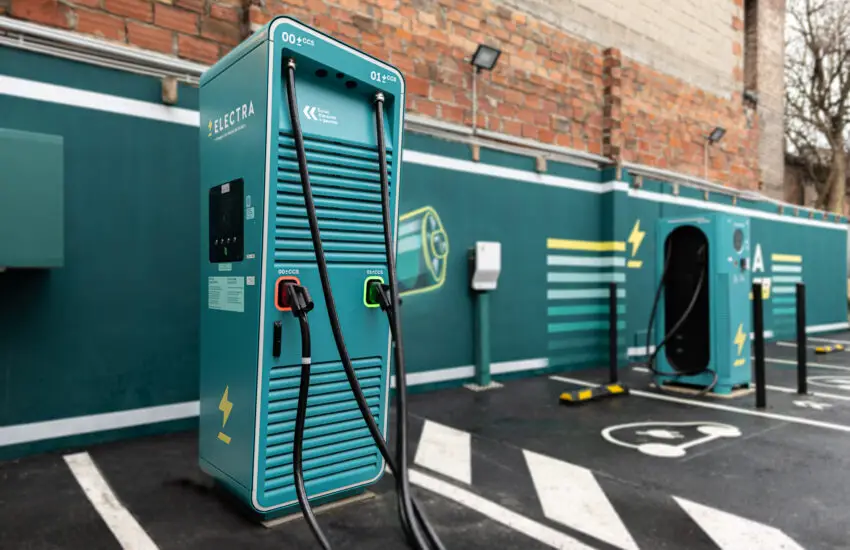
The core proposition of a unified subscription is straightforward. Instead of maintaining individual memberships, drivers gain streamlined access to a combined network of thousands of fast-charging points. This typically includes major operators along key highway corridors and within urban centers. The goal is to eliminate the need for multiple apps and accounts, allowing for a seamless charging experience whether on a domestic trip or a cross-European tour.

Direct Impact on Charging Costs

Beyond sheer convenience, the most compelling advantage is financial. These bundled subscriptions often provide members with a preferential kilowatt-hour rate, substantially lower than standard pay-as-you-go pricing. For drivers who regularly use public fast chargers, the monthly subscription fee can be quickly offset by the reduced cost per charging session. This model makes the total cost of EV ownership more predictable and manageable, especially for those without access to home charging.

The Future of EV Mobility

The move towards subscription aggregation signals a maturation of the electric vehicle ecosystem. It addresses a key barrier to adoption by reducing “charge anxiety” related to cost and accessibility. As the network of compatible chargers expands, such services enhance the practicality of electric vehicles for all types of drivers. This evolution points towards a more integrated and user-friendly future for sustainable mobility, where the infrastructure keeps pace with the growing fleet of electric cars.

OBD2 Code P1472 Explained: EVAP System Leak Detection Pump Circuit Malfunction

Understanding OBD2 Code P1472: A Deep Dive into EVAP Systems

When the check engine light illuminates and a scan tool reveals the diagnostic trouble code (DTC) P1472, your vehicle’s computer has identified a specific electrical fault within its Evaporative Emission Control (EVAP) system. Unlike generic leak codes (like P0442), P1472 is a manufacturer-specific code, most commonly associated with Chrysler, Dodge, Jeep, and Ram vehicles. This code directly points to a malfunction in the circuit of the Leak Detection Pump (LDP). The EVAP system’s primary role is to capture and recycle fuel vapors from the fuel tank, preventing them from escaping into the atmosphere. The LDP is a critical self-test component that creates a vacuum to check the integrity of the entire EVAP system for leaks. A P1472 code indicates this self-check mechanism has failed its electrical validation.

What is the Leak Detection Pump (LDP)?

The Leak Detection Pump is an electrically-operated pump and solenoid valve assembly, typically mounted near the fuel tank or EVAP canister. During a key-off engine cycle, the Powertrain Control Module (PCM) activates the LDP. It performs two key functions:

  • Vacuum Creation: It pumps air out of the EVAP system to create a specific vacuum level.
  • Leak Monitoring: It then seals the system and monitors the vacuum hold. A rapid drop indicates a leak, triggering a different DTC.

Code P1472 is set when the PCM detects an unexpected voltage value in the LDP’s control circuit—such as an open, short to ground, or short to power—meaning it cannot properly command the pump.

Common Symptoms and Causes of a P1472 Diagnostic Trouble Code

Often, a P1472 code may not cause noticeable drivability issues like stalling or poor acceleration, as it doesn’t directly affect the air-fuel mixture. However, it will prevent the vehicle from completing its EVAP self-test, causing a persistent check engine light and a potential emissions test failure.

Primary Symptoms of Code P1472

  • Illuminated Check Engine Light (MIL): The most common and often only symptom.
  • Failed Emissions Inspection: The vehicle will not pass smog or emissions testing with an active EVAP fault.
  • Other EVAP Codes: May appear alongside P1472, such as P0442 (small leak) or P0455 (large leak), as the system cannot perform its leak check.
  • Possible Fuel Odor: In rare cases if related to a stuck vent, a faint gasoline smell may be present.

Root Causes of a P1472 Malfunction

The fault lies within the electrical pathway controlling the Leak Detection Pump. Common culprits include:

  • Faulty Leak Detection Pump: The internal solenoid or motor has failed.
  • Damaged Wiring or Connectors: Corroded, broken, or chafed wires in the LDP circuit. The connector at the pump is a common failure point due to road debris and moisture.
  • Blown Fuse: A fuse supplying power to the EVAP system or PCM.
  • Poor Electrical Ground: A corroded or loose ground connection for the LDP or PCM.
  • Faulty Powertrain Control Module (PCM): Rare, but a malfunctioning PCM that cannot supply the proper signal is a possibility after all other causes are ruled out.

Step-by-Step Diagnostic and Repair Guide for P1472

Diagnosing P1472 requires a systematic approach, starting with the simplest checks. You will need a quality digital multimeter (DMM) and a wiring diagram for your specific vehicle.

Step 1: Preliminary Visual Inspection

Before electrical testing, perform a thorough visual check. Locate the Leak Detection Pump (consult a service manual). Inspect:

  • The LDP electrical connector for corrosion, bent pins, or moisture.
  • The wiring harness from the connector back for obvious damage, cuts, or chafing.
  • The LDP itself for physical damage or severe corrosion.
  • Relevant fuses in the power distribution center.

Step 2: Electrical Circuit Testing

With the connector disconnected from the LDP, use your multimeter to test the vehicle-side harness.

  • Power Circuit Check: With the ignition ON (engine off), check for battery voltage (typically 12V) at the designated power wire.
  • Ground Circuit Check: Test the ground wire for continuity to a known good chassis ground.
  • Control Signal Check: This requires an advanced scanner that can command the LDP on/off or a multimeter set to duty cycle. The PCM provides a pulsed signal to activate the pump.

If power, ground, and signal are present at the connector, the LDP itself is likely faulty. If any are missing, you must trace the circuit back to the source (fuse, PCM, ground point).

Step 3: Component Testing and Replacement

If the wiring checks out, test the LDP. You can often perform a bench test by applying battery voltage and ground directly to its terminals (check polarity); a clicking or humming sound should be heard. No sound indicates a failed pump. Replacement is straightforward:

  1. Disconnect the negative battery cable.
  2. Unplug the electrical connector.
  3. Remove the mounting bolts and vacuum hoses (note their positions).
  4. Install the new LDP, reconnect hoses and wiring.
  5. Reconnect the battery, clear the code, and perform a drive cycle to verify repair.

Professional Insights and Cost Considerations

While a skilled DIYer can diagnose P1472, the location of the LDP (often under the vehicle) and the need for electrical diagnostics can make this a job for a professional technician. They have access to factory service information and advanced scan tools that can actively command the LDP, speeding up diagnosis significantly.

Estimated Repair Costs for P1472

Costs vary by vehicle and labor rates. A typical breakdown is:

  • Diagnostic Fee: $80 – $150.
  • Leak Detection Pump Part: $80 – $250 (OE vs. aftermarket).
  • Labor (1-1.5 hours): $100 – $200.
  • Total Estimated Range: $200 – $600.

Ignoring a P1472 code is not advised. While it may not strand you, it will cause a failed emissions test and leaves a potential fuel vapor leak undetected. By following a logical diagnostic path—inspection, electrical testing, component verification—you can effectively resolve this specific EVAP system circuit fault and restore your vehicle’s emissions compliance.

Volkswagen’s 800V Electric Sedan Emerges from Xpeng Partnership

A New High-Voltage Era for Volkswagen EVs

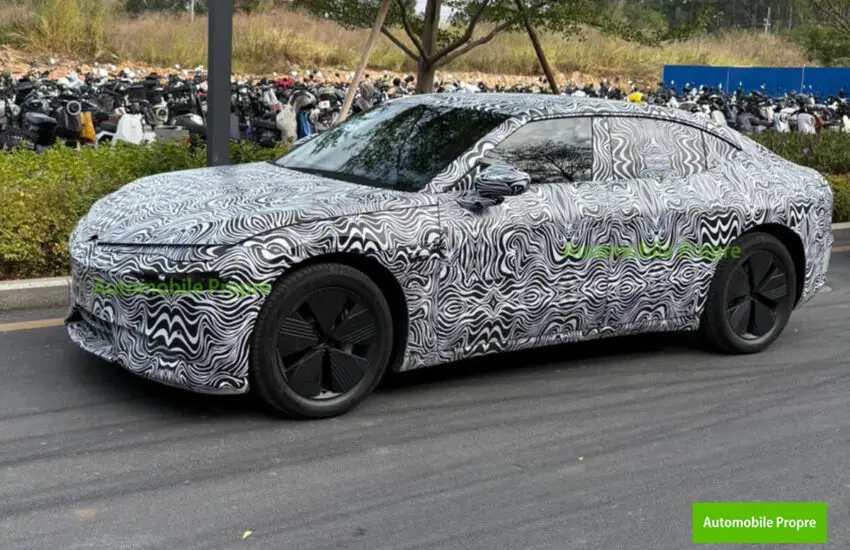
Following the recent unveiling of the ID. Unyx 08, attention is shifting to Volkswagen’s next major electric vehicle project. This upcoming sedan, currently in the prototype phase under heavy camouflage, represents a significant technological leap. Its defining feature is the adoption of an 800-volt battery architecture, a move poised to redefine charging performance and efficiency for the brand.

Leveraging Xpeng’s Technical Expertise

The development of this model is a direct result of Volkswagen’s strategic partnership with Chinese EV maker Xpeng. This collaboration allows Volkswagen to integrate Xpeng’s proven advanced electric vehicle technology and software expertise at an accelerated pace. The joint effort focuses on creating a vehicle tailored for the global market, combining German engineering with cutting-edge electric powertrain solutions. This sedan is the first tangible product of this alliance, signaling a new chapter in Volkswagen’s electrification strategy.

The 800V Architecture Advantage

The shift to an 800V system is a game-changer. This high-voltage platform enables significantly faster charging times compared to conventional 400V systems, potentially adding hundreds of kilometers of range in just minutes at compatible ultra-fast charging stations. Beyond rapid charging, the architecture often leads to improvements in overall efficiency, reduced weight due to thinner wiring, and enhanced performance. This technology positions Volkswagen to compete directly with other premium EVs that already utilize similar high-voltage systems.

Design and Market Positioning

While camouflaged prototypes reveal a classic sedan silhouette, the final design is expected to embody Volkswagen’s modern electric identity with aerodynamic efficiency. This model is anticipated to slot into the brand’s portfolio as a premium, technology-focused offering, potentially bridging the gap between mainstream ID. models and Audi’s premium EVs. Its success will hinge on seamlessly integrating the 800V hardware with Volkswagen’s signature driving dynamics and interior quality, creating a compelling package for the international market.

Audi E7X: A New Electric SUV Forged in China for Global Ambitions

Audi E7X: A Strategic Electric SUV Enters the Arena

Audi has unveiled a new all-electric SUV, the E7X, marking a pivotal step in its electrification strategy. Developed specifically for the Chinese market in partnership with local automotive giant SAIC, this vehicle represents more than just a new model; it is a strategic tool designed to reclaim momentum in the world’s largest car market. However, industry observers note its potential to spearhead a broader offensive, with Europe being a likely next target for this Sino-German collaboration.

Born from a Key Partnership

The Audi E7X is the first tangible fruit of the joint project between Audi and SAIC Motor. This partnership allows Audi to leverage SAIC’s advanced electric vehicle architecture and deep understanding of local consumer preferences. The move is a direct response to the intense competition in China’s EV sector, where domestic brands have gained significant ground. By co-developing the E7X, Audi aims to deliver a product that is both technologically competitive and perfectly tailored to Chinese buyers’ expectations for connectivity, digital features, and spacious interior design.

Designed for China, Engineered for More

While its initial focus is China, the E7X’s underlying platform and specifications suggest it is engineered with global standards in mind. This opens a credible pathway for a European introduction. For Audi, bringing a cost-competitive, China-developed EV to Europe could be a strategic masterstroke, allowing it to compete more aggressively in the growing market for affordable electric family cars. The model is expected to slot into Audi’s Q6 e-tron series, offering a compelling blend of premium Audi styling and efficient electric mobility.

A New Chapter in Global EV Strategy

The emergence of the Audi E7X signals a shift in how traditional premium automakers approach electrification. It underscores the increasing importance of Chinese technology and market agility in the global automotive landscape. If successful, the E7X could establish a blueprint for future models developed through international collaborations, challenging the conventional flow of automotive innovation and setting the stage for a new era of globally-developed electric vehicles.

Decoding Volkswagen P1471: A Technical Guide to the Secondary Air Injection System Code

Understanding the Volkswagen P1471 OBD2 Code

The OBD2 diagnostic trouble code P1471 is a manufacturer-specific code, primarily associated with Volkswagen (VW), Audi, and other vehicles within the Volkswagen Group. In simple terms, this code indicates a malfunction within the vehicle’s Secondary Air Injection (AIR) System. This system is a critical component of the vehicle’s emissions control strategy, specifically designed to reduce harmful exhaust emissions during a cold engine start. When the P1471 code is stored in the Engine Control Module (ECM), it signifies that the ECM has detected an electrical or functional fault in the secondary air injection pump circuit or its associated components. Ignoring this code can lead to increased emissions, potential damage to the catalytic converter, and failed emissions tests.

What is the Secondary Air Injection System?

The Secondary Air Injection (AIR) System is an emissions control device. Its sole purpose is to introduce fresh, ambient air into the exhaust manifold or cylinder head exhaust ports immediately after a cold engine start. When the engine is cold, the fuel mixture is richer, and combustion is less complete, leading to higher levels of unburned hydrocarbons (HC) and carbon monoxide (CO) in the exhaust. The secondary air pump injects oxygen-rich air into the hot exhaust stream. This causes a secondary combustion event in the exhaust manifold, burning off these excess pollutants before they reach the catalytic converter. This process rapidly increases the exhaust temperature, helping the catalytic converter reach its optimal operating temperature (light-off temperature) much faster, thereby reducing cold-start emissions significantly.

How the P1471 Code is Triggered

The Engine Control Module (ECM) monitors the Secondary Air Injection System during a specific operating window (typically for about 90 seconds after a cold start). It checks for expected electrical current draw from the air pump motor and may also use downstream oxygen sensor signals to infer system operation. A P1471 code is set when the ECM detects one of the following conditions:

  • The current flow to the secondary air pump is outside the expected range (too high, too low, or open circuit).
  • The pump does not activate when commanded.
  • The pump runs but does not create the expected airflow (often inferred from sensor data).
  • A fault is detected in the control circuit, such as a short to ground or voltage.

Common Causes and Symptoms of P1471 in Volkswagen Vehicles

Diagnosing a P1471 code requires a systematic approach, as the fault can originate from several components within the AIR system or its control circuits. Volkswagen models like the Golf, Jetta, Passat, and Beetle (especially those with 1.8T, 2.0L, and TDI engines from the late 1990s to 2010s) are common candidates for this issue due to the age and exposure of these components.

Primary Causes of Code P1471

  • Failed Secondary Air Pump: The electric motor inside the pump can wear out, seize, or suffer from internal electrical failure. Corrosion from water and road salt is a major killer of these pumps, often mounted low in the engine bay.
  • Faulty Secondary Air Injection Valve (Combi Valve): This valve directs the airflow from the pump to the exhaust manifold. It can become stuck closed, stuck open, or leak. A stuck-closed valve will block airflow; a stuck-open valve can allow hot exhaust gases to backflow and destroy the air pump.
  • Blown Fuse or Faulty Relay: The secondary air pump circuit is protected by a fuse and controlled by a relay. A blown fuse or a failed relay will prevent the pump from receiving power.
  • Damaged Wiring or Connectors: The wiring harness to the air pump, valve, or relay can suffer from chafing, corrosion, or rodent damage, creating an open or short circuit.
  • Blocked Air Hoses or Filter: The hoses connecting the pump to the valve and the valve to the engine can crack, collapse, or become clogged. Some systems have an intake filter for the pump that can become blocked.

Recognizable Symptoms of a P1471 Fault

While sometimes the only symptom is the illuminated Check Engine Light (MIL), drivers may notice:

  • Illuminated Check Engine Light: This is the most common and often the only initial symptom.
  • Abnormal Noise on Cold Start: A failing air pump may whine, screech, or rattle loudly for the first minute or two after starting. Complete silence when you expect to hear the pump is also a symptom.
  • Reduced Engine Performance (Rare): The ECM may alter fuel trims slightly due to the emissions system fault, but significant drivability issues are uncommon with P1471 alone.
  • Failed Emissions Test: The vehicle will likely fail a state or local emissions inspection due to the active emissions-related fault code.

Step-by-Step Diagnosis and Repair for P1471

Proper diagnosis is key to an effective and cost-efficient repair. Replacing the most expensive part (often the pump) without testing can lead to a recurring code.

Initial Diagnostic Steps

Begin with a visual and basic electrical inspection:

  • Scan for Codes: Use an OBD2 scanner to confirm P1471 is present and check for any accompanying codes (like P0411) that may point to a specific sub-system.
  • Visual Inspection: Check all related fuses in the engine bay fuse box. Inspect the air pump, valve, hoses, and wiring for obvious damage, cracks, or disconnections. Listen for the pump to activate on a cold start (a distinct humming/buzzing sound).
  • Test the Pump Manually: With the vehicle off, you can apply direct battery voltage (using fused jumper wires) to the pump’s electrical connector. If it doesn’t run, the pump is likely faulty. If it runs, the issue may be in the control circuit.

Advanced Electrical Testing

If the pump operates manually, the fault lies in the control side. You will need a multimeter and possibly a wiring diagram.

  • Check Power and Ground: With the pump connector disconnected and the ignition on (or during a cold start), check for battery voltage at the power wire when the system is commanded on. Verify a good ground connection.
  • Test the Relay: Locate the secondary air pump relay. You can swap it with an identical relay (like the horn or fan relay) to see if the fault moves. Test the relay’s coil and contacts with a multimeter.
  • Check the Air Injection Valve: The combi valve can often be tested by applying vacuum (if vacuum-operated) or checking for free movement. Listen for air leaks or check for exhaust blockage.

Common Repair Solutions and Cost Estimates

Based on the diagnostic outcome, repairs typically involve:

  • Replacing the Secondary Air Pump: This is the most common repair. Cost: Part costs range from $150 to $400+ for OEM-quality units. Labor adds 1-2 hours.
  • Replacing the Combi Valve: If the valve is stuck or leaking. Cost: Part costs $80-$250. Labor is similar to the pump.
  • Repairing Wiring or Replacing a Relay/Fuse: The least expensive fix. A new relay may cost $15-$40.
  • Secondary Air System Delete (Advanced/Off-Road Only): Some owners, particularly in regions without emissions testing, opt for a software tune that disables the system and codes, combined with blocking plates for the hardware. This is not legal for street-driven vehicles in areas with emissions laws and should only be considered for off-road or competition use.

Conclusion: Addressing P1471 Proactively

The P1471 code is a clear message from your Volkswagen’s engine management system that a key emissions component has failed. While the vehicle may still drive normally, addressing the issue promptly is important for environmental compliance and to prevent potential collateral damage. A methodical diagnosis—starting with simple checks of fuses, relays, and listening for the pump—can save significant time and money. For many DIY enthusiasts, testing and replacing the secondary air pump or valve is a manageable project. For complex electrical faults, seeking a professional technician with Volkswagen-specific diagnostic tools is recommended to ensure an accurate and lasting repair, keeping your VW’s emissions system functioning as designed.

Subaru STI’s Crossroads: Electrification or Evolution?

Subaru STI’s Performance Future at a Crossroads

Subaru’s iconic STI performance division stands at a pivotal moment. With tightening global emissions regulations and a shifting automotive landscape, the brand faces a critical strategic decision regarding the powertrains that will define its future high-performance models. This internal debate has become so significant that Subaru is actively gauging sentiment from enthusiasts and industry observers to help chart its course.

The Heart of the Debate: Preserving a Legacy

The core question is whether future STI models will continue to evolve the beloved turbocharged boxer engine or pivot towards full electrification. The Subaru boxer engine, with its distinctive sound and low center of gravity, is deeply intertwined with the STI identity. For many purists, the raw, mechanical feedback of the internal combustion engine is non-negotiable. However, the instant torque and new performance potential offered by electric powertrains present an undeniable, if different, future.

Potential Paths Forward for STI Engineering

Subaru is likely evaluating several avenues. One is a hybrid transition, potentially utilizing a performance-oriented version of its e-Boxer technology to augment a turbocharged engine, offering both a power boost and improved efficiency. Another, more radical path is a dedicated electric STI model, which would represent a complete reinvention of the brand’s performance ethos. A third possibility is a continued focus on refining the existing combustion engine for as long as regulations allow, while developing electric technology in parallel.

The decision will ultimately define STI’s character for the next decade. Will it remain the rally-bred, combustion-powered champion, or transform into a high-tech electric performance leader? Subaru’s challenge is to balance its rich heritage with the imperative to innovate, ensuring the STI badge continues to excite drivers in a new era.

Land Rover P1471 Code: Secondary Air Injection System Fault Explained

Understanding the P1471 OBD2 Code in Your Land Rover

The P1471 diagnostic trouble code (DTC) is a manufacturer-specific code primarily associated with Land Rover and Jaguar vehicles. It is defined as “Secondary Air Injection System – Bank 1”. This system is a critical part of the vehicle’s emissions control strategy, designed to reduce harmful exhaust emissions during the initial moments after a cold engine start. When the P1471 code is stored in your Land Rover’s Engine Control Module (ECM), it indicates a malfunction within this system’s circuit or components for one side of the engine (Bank 1). Ignoring this fault can lead to increased emissions, potential damage to the catalytic converter, and failed emissions tests.

What is the Secondary Air Injection System?

The Secondary Air Injection (AIR) system is an emissions control device. Its sole purpose is to introduce fresh air into the exhaust stream immediately after a cold start. When the engine is cold, it runs in a rich fuel mixture mode for driveability. This unburned fuel would normally pass into the exhaust. The AIR system pumps air into the exhaust manifold, providing oxygen that allows this excess fuel to combust before it reaches the catalytic converter. This process:

  • Rapidly increases exhaust temperature to bring the catalytic converter to operating efficiency faster.
  • Burns off excess hydrocarbons (HC) and carbon monoxide (CO), significantly reducing cold-start emissions.
  • Protects the catalytic converter from being overloaded with unburned fuel, which can cause premature failure.

How the System Works and Triggers P1471

The system is typically active for only 30-90 seconds after a cold start. It consists of an electric air pump, a control valve (often a combination valve or solenoid), vacuum lines (on some models), and associated wiring. The ECM monitors the system’s operation, often by using an air flow sensor or by inferring its function through pre- and post-catalytic converter oxygen sensor signals. A P1471 code is set when the ECM detects an electrical fault (like an open or short circuit) or a functional failure (insufficient airflow) in the Bank 1 circuit. “Bank 1” refers to the side of the engine containing cylinder number one.

Common Causes of the P1471 Code in Land Rovers

Diagnosing a P1471 code requires a systematic approach, as the fault can originate from simple electrical issues or more complex mechanical failures. The following are the most prevalent causes, listed from the most common to the less frequent.

1. Failed Secondary Air Injection Pump

The electric air pump is the heart of the system and a very common point of failure. Located in the engine bay, often near the front fender, it is exposed to moisture, road debris, and heat. Over time, the pump motor can wear out, seize, or its internal brushes can fail. A dead pump will draw excessive current (causing a circuit fault) or provide no airflow at all, immediately triggering the P1471 code.

2. Faulty Air Injection Valve or Solenoid

This valve controls the flow of air from the pump to the exhaust manifold. It can be a vacuum-operated valve controlled by a solenoid or an electrically operated valve. These valves can stick shut or open, become clogged with carbon deposits, or fail electrically. A stuck-closed valve will block airflow, while a stuck-open valve can allow hot exhaust gases to backflow and destroy the air pump.

3. Electrical Issues: Relay, Wiring, and Connectors

The AIR system relies on a dedicated power relay, typically found in the under-hood fuse box. A faulty relay is a very common and inexpensive culprit. Additionally, the wiring harness to the pump and valve can suffer from chafing, corrosion, or broken wires, especially in older Land Rovers. Always inspect connectors for green corrosion or loose pins.

4. Compromised Vacuum Lines (on Applicable Models)

On models that use a vacuum-operated air injection valve, small-diameter rubber vacuum lines are used to actuate it. These lines can become brittle, crack, or disconnect, leading to a loss of vacuum and preventing the valve from opening. A visual inspection of all associated vacuum hoses is a crucial early step.

5. ECM Software Glitch or Rare Internal Fault

While less common, a software anomaly in the Engine Control Module can sometimes cause a false P1471 code. In very rare instances, the driver circuit within the ECM that controls the AIR system relay or valve can fail. This is typically a last-resort diagnosis after all physical components have been verified.

Step-by-Step Diagnostic and Repair Guide for P1471

Proper diagnosis saves time and money. Follow this logical sequence to pinpoint the cause of the P1471 code in your Land Rover. You will need a basic set of tools and a quality OBD2 scanner capable of reading manufacturer-specific codes and live data.

Step 1: Initial Inspection and Code Verification

Begin with a thorough visual inspection. Look for obvious issues like disconnected electrical connectors at the air pump (often a large, round connector) and the control valve. Check all visible vacuum lines for cracks or disconnections. Listen carefully when you first turn the ignition to “ON” (without starting the engine); you should hear the secondary air pump run for a brief 2-3 second self-test. If it’s silent, the pump, its fuse, or its relay is likely the problem.

Step 2: Testing the Secondary Air Pump

If the pump doesn’t run during the self-test, check its power and ground.

  1. Locate the pump’s power relay in the fuse box and swap it with an identical relay (e.g., horn or fan relay) to test.
  2. Use a multimeter to check for battery voltage at the pump’s electrical connector when the ignition is on (or during the self-test cycle).
  3. If power and ground are present but the pump doesn’t run, the pump is faulty and must be replaced.

You can also apply direct 12V power and ground to the pump terminals (briefly) to confirm it operates.

Step 3: Checking the Air Control Valve and Vacuum System

For vacuum-operated valves:

  • Use a hand-held vacuum pump to apply vacuum directly to the valve’s actuator port. You should feel the valve open and be able to blow air through it.
  • Trace the vacuum line back to its source (often a solenoid or manifold) and ensure vacuum is present when the engine is running and the system is commanded on.

For electric valves, check for power and ground at the connector when the system is activated using your scanner’s bidirectional controls or during a cold start.

Step 4: Circuit and ECM Verification

If all components test good, the issue may lie in the wiring. Consult a Land Rover-specific wiring diagram. Use your multimeter to perform continuity tests on the wires between the ECM connectors and the pump/valve, checking for opens or shorts to ground/power. Resistance in the circuit should be very low. If all wiring checks out, and you can command the system on with a scanner but see no voltage at the component, an internal ECM fault is a possibility.

Potential Consequences of Ignoring P1471

While your Land Rover may seem to drive normally with a P1471 code, neglecting the repair can have negative long-term effects.

Increased Emissions and Catalytic Converter Damage

The primary risk is to the expensive catalytic converters. Without the secondary air injection, unburned fuel from cold starts will saturate the catalyst. This can cause the catalyst to overheat internally and melt, leading to a blockage in the exhaust system, severe power loss, and a very costly replacement bill.

Reduced Engine Performance and Fuel Economy

A failed system can sometimes cause the ECM to adjust fuel trims in a suboptimal manner to compensate, potentially leading to a slight decrease in fuel efficiency and throttle response. Furthermore, a seized air pump can place a constant parasitic drag on the electrical system.

Failed State Emissions Inspection

In regions with mandatory emissions testing (like SMOG checks), an illuminated Check Engine Light and stored P1471 code will result in an automatic failure, preventing you from legally registering your vehicle until it is repaired.

Conclusion: The P1471 code in your Land Rover points directly to a fault in the critical Secondary Air Injection System for Bank 1. Diagnosis is generally straightforward, focusing on the air pump, its relay, the control valve, and associated wiring/vacuum lines. Addressing this issue promptly not only ensures your vehicle meets emissions standards but also protects your catalytic converters from premature, expensive failure. For complex electrical diagnosis, consulting a specialist with Land Rover-specific diagnostic software is always recommended.

2026 Nissan Rogue Plug-In Hybrid: A Familiar SUV Recharged

2026 Nissan Rogue Plug-In Hybrid: Shared Foundations, New Badge

The automotive landscape has long seen platforms and technologies shared between brands. The 2026 Nissan Rogue Plug-In Hybrid is a prime modern example, representing a strategic collaboration rather than a ground-up redesign. This model is fundamentally based on the proven Mitsubishi Outlander PHEV platform, bringing established plug-in hybrid technology to Nissan’s popular SUV lineup with distinct styling and tuning.

What to Expect from the Powertrain and Performance

Borrowing the acclaimed plug-in hybrid system from its sibling, the Rogue PHEV is expected to feature a 2.4-liter gasoline engine paired with twin electric motors. This setup typically delivers impressive all-electric range for daily commutes, often exceeding 30 miles, alongside the flexibility of a gasoline engine for longer journeys. Drivers can anticipate selectable driving modes to prioritize electric efficiency or combined power, along with standard all-wheel drive providing confidence in various conditions.

Design and Interior Distinctions

While the mechanical heart is shared, Nissan will impart its own visual identity. The exterior will adopt Nissan’s signature V-Motion grille, updated lighting signatures, and unique wheel designs to align with the Rogue family look. Inside, the cabin will feature Nissan-specific upholstery, trim materials, and the latest iteration of the NissanConnect infotainment system. The focus will remain on spaciousness and practicality, offering versatile cargo space and comfortable seating for five.

Market Position and Considerations

This model fills a crucial gap for Nissan, offering a plug-in hybrid option in the competitive compact SUV segment. For consumers, it presents a compelling choice: access to a refined and capable PHEV powertrain wrapped in the familiar, stylish package of a Nissan Rogue. It eliminates range anxiety while providing significant electric-only driving potential. The primary consideration is understanding its shared engineering heritage, which translates to proven reliability but less brand-exclusive innovation.