
P00A7, Intake Air Temperature Sensor 2 Circuit Low Input, Bank 2

Fault Code P00A7: Definition and Explanation

Fault code P00A7 is a generic powertrain code (OBD-II). It indicates a low input in the Intake Air Temperature (IAT) Sensor 2 circuit on Bank 2. Although generic, specific diagnostic procedures can vary depending on the vehicle’s make and model.

Role of the IAT (Intake Air Temperature) Sensor

The IAT sensor’s function is to measure the temperature of the air entering the engine. This data is crucial for the Powertrain Control Module (PCM) because it directly influences the calculation of the air-fuel mixture and ignition timing. Warmer air decreases its density, which can lead to higher combustion temperatures and an increase in nitrogen oxide (NOx) emissions.

Technical Operation of the Sensor

The IAT sensor is a thermistor. Its principle is simple: its electrical resistance changes with temperature. The PCM sends a 5-volt reference voltage to the thermistor and monitors the return voltage. When the air is cold, the resistance is high and the return voltage is high. Conversely, when the air is hot, the resistance drops and the return voltage decreases. Code P00A7 is triggered when the PCM detects an abnormally low voltage (indicating too low resistance) on the IAT sensor 2 circuit of Bank 2, which corresponds to the side of the engine that does not contain cylinder number 1.

Related Codes

  • P00A5: Intake Air Temperature Sensor 2 Circuit, Bank 2
  • P00A6: Range/Performance of Intake Air Temperature Sensor 2 Circuit, Bank 2
  • P00A8: High Value of Intake Air Temperature Sensor 2 Circuit, Bank 2
  • P00A9: Intermittent/Erratic Intake Air Temperature Sensor 2 Circuit, Bank 2

Symptoms of Fault P00A7

  • Illumination of the Malfunction Indicator Lamp (MIL) on the dashboard.
  • Possible increase in NOx emissions, which may lead to failure in an emissions test.
  • Engine hesitation or “knocking” (detonation) under load, due to inappropriate ignition timing.
  • In some cases, a slight drop in performance or increased fuel consumption.

Possible Causes of Code P00A7

  • Faulty IAT Sensor #2 (most common cause): internal short circuit, open circuit, or damaged component.
  • Wiring Problem: signal wire shorted to ground, open 5V reference wire, or faulty connector.
  • Actual and excessively high intake temperatures (intake circuit leak issue).
  • PCM Failure (rare): the control module itself is faulty.

Diagnosis and Solutions for Resolving P00A7

Step 1: Data Reading
Using an OBD2 scanner, observe the live value of IAT sensor #2. With a cold engine, this value should be close to that of the engine coolant temperature sensor and the ambient temperature.

Step 2: Disconnection Test
If the displayed value is abnormally low (e.g., -40°C) or high, disconnect the IAT sensor connector. The scanner reading should now show a very low value (open circuit). If this is the case, the sensor is very likely faulty and needs to be replaced.

Step 3: Circuit Check
If the reading remains abnormal after disconnecting the sensor, the problem lies with the wiring or the PCM. Use a multimeter to:

  • Check for the presence of the 5V reference voltage on the appropriate wire.
  • Check for the absence of a short circuit between the signal wire and ground.
  • Visually inspect the connector and wiring for any signs of damage, corrosion, or loose wires.

Step 4: Replacement
After identifying the source of the problem, proceed to replace the faulty IAT sensor or repair the wiring. Then, clear the fault codes with your scanner and perform a road test to ensure the fault does not reappear.

Call to Action

Diagnosing a P00A7 code requires a step-by-step method. If you do not have the necessary tools or expertise, it is highly recommended to entrust the diagnosis to a professional mechanic. An incorrect diagnosis can lead to unnecessary part replacement and fail to resolve the underlying issue.
P00A8 Intake Air Temperature Sensor 2 Circuit High Bank 2

What is the P00A8 Code?

The P00A8 error code is a generic powertrain (OBD-II) code. It indicates a problem with the Intake Air Temperature (IAT) Sensor 2 Circuit High on engine bank 2. Although generic, specific diagnostic procedures can vary depending on the vehicle’s make and model.

IAT Sensor Operation and Fault Causes

The Powertrain Control Module (PCM) continuously monitors the temperature of the air entering the engine via the IAT sensor. This sensor is a thermistor: its electrical resistance varies with temperature. The PCM sends it a 5-volt reference voltage.

  • When the air temperature is low, the resistance is high and the signal voltage is high.
  • When the temperature increases, the resistance decreases and the voltage drops.

The P00A8 code is triggered when the PCM detects an abnormally high signal voltage (above 4.5-5V) coming from the IAT sensor #2 on bank 2 (the engine side that does not contain cylinder #1).

Symptoms of the P00A8 Code

This code is often accompanied by minor symptoms, but the most visible will be:

  • Illumination of the Malfunction Indicator Lamp (MIL – “Check Engine” / “Service Engine Soon”).
  • In some cases, a slight drop in performance or an increase in fuel consumption may be observed.

Possible Causes of the P00A8 Code

Several malfunctions can be the cause of this code:

  • Faulty IAT Sensor #2 (most common cause).
  • Poor electrical connection or oxidized/faulty connector at the sensor.
  • Wiring problem: short circuit to voltage in the signal circuit or open ground circuit.
  • IAT sensor harness routed too close to a component causing interference (spark plug wires, alternator).
  • PCM failure (rare, but possible).

How to Diagnose and Fix the Problem?

Here is a step-by-step diagnostic procedure to identify the cause of the P00A8 code.

1. Verification with a Diagnostic Tool

Using an OBD2 diagnostic tool, check the live data from IAT sensor #2.

  • If the reading is plausible (e.g., 20°C on a temperate day): the problem is likely intermittent. Visually inspect the wiring for chafing or wear.
  • If the reading is abnormally low (e.g., -40°C) or erratic: proceed to the next step.

2. Testing the Sensor and Wiring

  1. Disconnect the electrical connector from the IAT sensor.
  2. Using a jumper wire, short the signal pin (from the harness) to the ground pin.
  3. Observe the reading on the diagnostic tool. If it goes to its maximum value (e.g., > 130°C), the wiring is correct and the IAT sensor is most likely faulty.
  4. If the reading does not change, the problem lies with the wiring or the PCM. Use a multimeter (DVOM) to check for the presence of the 5V reference voltage on the appropriate circuit. If it is absent, check the condition of the wiring (continuity, short circuit) between the sensor and the PCM.

3. Replacement and Reset

Once the faulty component is identified (sensor, wiring, connector), proceed with its replacement or repair. After the work, clear the error codes with your diagnostic tool and perform a drive cycle to verify that the fault does not reappear.

Related Codes

Other codes related to the same sensor may appear:

  • P00A5: IAT Sensor 2 Circuit, Bank 2
  • P00A6: IAT Sensor 2 Circuit Range/Performance, Bank 2
  • P00A7: IAT Sensor 2 Circuit Low, Bank 2
  • P00A9: IAT Sensor 2 Circuit Intermittent, Bank 2

Conclusion and Call to Action

The P00A8 code often points to a simple faulty IAT sensor, a relatively simple and inexpensive repair. However, an accurate diagnosis is essential to avoid replacing parts unnecessarily.

Don’t have a diagnostic tool or don’t feel comfortable with these procedures? Entrust the diagnosis and repair of your vehicle to a professional mechanic. They will have the expertise and necessary equipment to resolve the problem effectively and guarantee you a lasting repair.

P00A9 IAT Circuit Sensor 2 Intermittent Bank 2

Code P00A9: Intermittent IAT Sensor 2 Circuit (Bank 2)

The generic diagnostic trouble code P00A9 indicates that the powertrain control module (PCM) has detected an intermittent signal from the Intake Air Temperature (IAT) sensor #2 circuit on the engine’s bank 2. This issue, common to many brands (Ford, Mazda, Mercedes-Benz, etc.), affects the air-fuel mixture and requires intervention.

IAT Sensor Role and Symptoms

The PCM uses data from the IAT sensor and the Mass Air Flow (MAF) sensor to calculate the correct air-fuel ratio (typically 14:1). An intermittent signal causes malfunctions.

Common Symptoms:

  • Decreased performance and acceleration
  • Rough idle or hesitation
  • Increased fuel consumption
  • Possible illumination of the check engine light

Probable Causes of Code P00A9

Several elements can be the source of this fault:

  • Electrical Problem: Damaged wiring, corroded or disconnected connector
  • Faulty Sensor: Defective IAT sensor #2 (Bank 2)
  • Air Intake Problem: Clogged air filter, cracked air duct
  • Associated Failure: Faulty MAF sensor (less common)

Tip: If the air filter was recently changed, check that the IAT sensor connector was not forgotten! This is a frequent cause.

Diagnosis and Repair Procedures

Diagnosis requires an OBD2 scanner, a digital multimeter (DVOM), and possibly an infrared thermometer.

  1. Visual Inspection: Check the condition of the air filter, the intake duct, and especially the electrical connector of the IAT sensor #2 (bank 2) for any corrosion, breakage, or poor contact.
  2. Sensor Test: Using a multimeter, measure the resistance or voltage of the IAT sensor and compare the values to the manufacturer’s specifications. An inconsistent value indicates a faulty sensor.
  3. Circuit Test: Check for the presence of the reference voltage (5V) and ground at the sensor connector. Its absence indicates a wiring problem.
  4. Replacement: If the sensor or wiring is faulty, replace the defective component. Clear the codes and perform a road test to confirm the repair.

Warning: In rare cases, a faulty PCM may be the cause. Always diagnose the simple causes first.

Conclusion

Code P00A9 is a serious fault that should not be ignored, at the risk of damaging the catalytic converter or the engine. Although often simple to resolve (poor connection, faulty sensor), a methodical diagnosis is essential.

Don’t have the diagnostic equipment? Entrust the resolution of this code to a professional to avoid any risk of incomplete repair.

P00AA Circuit de dysfonctionnement du capteur IAT 1 Banque 2

Code P00AA: Definition, Causes, Symptoms, and Solutions

The error code P00AA is a generic OBD-II code that indicates a malfunction in the Bank 2 Intake Air Temperature (IAT) sensor circuit. When this fault appears, the Powertrain Control Module (PCM) detects an abnormal voltage in the IAT sensor circuit located on the engine side that does not contain cylinder number 1.

Role and Operation of the IAT Sensor

The IAT (Intake Air Temperature) sensor measures the temperature of the air entering the engine. This data is essential for the PCM to adjust the air-fuel mixture and optimize performance and emissions.

  • ✅ The IAT sensor is a thermistor: its electrical resistance varies with temperature.
  • ✅ The PCM sends a 5-volt reference voltage and measures the voltage drop to determine the temperature.
  • ✅ Cold Air = High Resistance → High Voltage Signal.
  • ✅ Hot Air = Low Resistance → Low Voltage Signal.

Symptoms of Code P00AA

  • 🔸 Check Engine Light On (MIL – Malfunction Indicator Lamp)
  • 🔸 Poor Engine Performance: hard starting, hesitant acceleration, power loss
  • 🔸 Increased Fuel Consumption
  • 🔸 Unstable or Irregular Idle
  • 🔸 Frequent Related Codes: P00AB, P00AC, P00AD, P00AE

Possible Causes of Code P00AA

  1. Electrical Problems
    • Faulty or Mispositioned IAT Sensor
    • Short Circuit or Open Circuit in Wiring
    • Oxidized, Loose, or Damaged Connector
    • Poor Ground Connection
  2. Mechanical Failures
    • Dislodged or Improperly Installed IAT Sensor
    • Air Leak in the Intake System
  3. Electronic Failures
    • Problem with the PCM (rare)

Diagnosis of Code P00AA

Preliminary Steps

  1. Visual Inspection
    • Check the physical condition and positioning of the sensor
    • Inspect the connector and wiring for damage or corrosion
  2. Real-Time Data Reading
    • Use an OBD2 scanner to read IAT sensor values (engine off, ignition on)
    • Compare with coolant temperature: values should be similar on a cold engine
    • An abnormal reading (-40°C or +300°C) indicates a problem

Detailed Electrical Tests

IAT Sensor Resistance Test:

  1. Disconnect the sensor connector
  2. Measure the resistance between the two terminals with a multimeter
  3. Compare with manufacturer specifications (typically 2000-3000 Ω at 20°C)
  4. Infinite resistance or out-of-spec values indicate a faulty sensor

Electrical Circuit Test:

  • Scenario 1 (very high KOEO reading): Disconnect the sensor. If the reading drops to -50°C, replace the sensor. Otherwise, check the wiring and PCM.
  • Scenario 2 (very low KOEO reading): Check for 5V and a good ground at the connector. Short the terminals: if the reading changes, the sensor is faulty.

Repair Solutions

  • 🔧 Replace the IAT Sensor if faulty
  • 🔌 Repair Damaged Wiring and restore connections
  • 🛠️ Clean or Replace Corroded Connectors
  • 💻 Update or Replace the PCM as a last resort

Practical Tips and Prevention

  • 📚 Always consult your vehicle’s specific repair manual for exact resistance values
  • 🔄 Clear codes after repair and test the vehicle to ensure the fault does not reappear
  • ⚠️ Always disconnect power before working on the electrical circuit
  • 🔍 Check for air leaks in the intake system

Conclusion

Code P00AA indicates a problem in the Bank 2 IAT sensor circuit, usually caused by a faulty sensor or wiring issues. A methodical diagnosis including electrical tests and visual inspection is essential to identify and resolve the root cause. If you are not comfortable with these procedures, consult a professional mechanic to avoid damaging your vehicle’s electronic components.

💡 Need Additional Help? Consult our complete guide on IAT sensor diagnosis or contact our community of mechanical experts.

P00AB IAT Sensor Circuit Malfunction, Bank 2

What is the P00AB Code? Definition

The P00AB error code is a generic OBD-II code related to the powertrain. It indicates a malfunction in the IAT (Intake Air Temperature) sensor 1 circuit, bank 2. Although generic, specific diagnostic steps may vary depending on the vehicle’s make and model.

How the IAT Sensor Works

The Intake Air Temperature (IAT) sensor is a thermistor. Its electrical resistance changes based on the temperature of the air drawn into the engine. It is typically located in the intake manifold and has two wires:

  • A 5-volt power supply wire from the PCM (Powertrain Control Module).
  • A ground wire.

The PCM monitors the voltage drop across this circuit to calculate the air temperature. This data is crucial for optimizing the air-fuel mixture and engine efficiency.

Reading Principle:

  • Cold Air: High resistance = High signal voltage.
  • Hot Air: Low resistance = Low signal voltage.

The P00AB code is triggered when the PCM detects an abnormally rapid and significant voltage variation in the IAT sensor circuit of bank 2 (the side of the engine that does not contain cylinder number 1).

Related Codes for IAT Sensor Bank 2

  • P00AA: IAT Sensor 1 Circuit, Bank 2
  • P00AC: Low Value in IAT Sensor 1 Circuit, Bank 2
  • P00AD: High Value in IAT Sensor 1 Circuit, Bank 2
  • P00AE: Intermittent/Erratic IAT Sensor 1 Circuit, Bank 2

Symptoms of the P00AB Code

Since this code often indicates an intermittent issue, symptoms may be absent or subtle:

  • Malfunction Indicator Lamp (MIL) illuminated on the dashboard.
  • Frequent absence of visible symptoms for the driver.
  • Slight disruption in the air-fuel mixture richness.
  • Possible slight performance drops or increased fuel consumption.

Possible Causes of the Failure

Several factors can cause the P00AB code:

  • Faulty IAT sensor (bank 2).
  • Wiring issue: open or short circuit in the signal or ground circuit.
  • Faulty connector: corrosion or poor contact at the sensor or PCM.
  • Internal PCM failure (less common).

Diagnosis and Solutions for Resolving P00AB

Note: First diagnose any other related IAT codes before addressing P00AB.

Step 1: Data Reading

Using a diagnostic tool (OBD-II scanner), check the IAT sensor voltage with the engine off but ignition on (KOEO). Compare it with the reading from the Coolant Temperature Sensor (CTS) on a cold engine. If the values are the same, the issue is intermittent. If they differ, refer to procedures for code P0110.

Step 2: Use Freeze Frame Data

If your tool allows, use the “freeze frame failure record” function to see the IAT value at the exact moment the code was recorded.

  • Extremely low reading (e.g., -30°F): Indicates intermittent high resistance. Check the signal and ground circuits for a possible open.
  • Extremely high reading (e.g., >250°F): Indicates intermittent low resistance. Check the signal circuit for a short to ground.

Step 3: IAT Sensor Test

Disconnect the sensor and test it with a multimeter (ohmmeter).

  1. Place the sensor in a freezer, then measure its resistance.
  2. Gently warm it with a heat gun (without melting it).
  3. The resistance should change gradually and steadily. If it jumps erratically, the sensor is faulty and must be replaced.

Step 4: Wiring Harness Test

If the problem is intermittent and cannot be reproduced, use a voltmeter to monitor the signal voltage while gently shaking the wiring harness between the sensor and PCM. A sudden voltage change confirms a wiring issue (short circuit or break).

Conclusion

The P00AB code is often caused by a faulty IAT sensor. On very old vehicles, prioritize inspecting the harness for signs of wear or corrosion. For accurate diagnosis, using a scan tool is highly recommended.

Call to Action: Not equipped to diagnose this issue yourself? Entrust the diagnosis to a professional to avoid any risk of error and optimize your engine’s performance.

P00AC Circuit du capteur IAT 1 Entrée basse Banc 2

What is the P00AC Code?

The P00AC trouble code is a generic powertrain (OBD-II) code that indicates a problem with the Intake Air Temperature (IAT) Sensor 1 Circuit, Bank 2. Specifically, the Powertrain Control Module (PCM) has detected an abnormally low input voltage in this sensor’s circuit.

Role of the IAT Sensor

The IAT sensor measures the temperature of the air entering the engine. This information is crucial for the PCM, which uses it to:

  • Adjust the air-fuel mixture.
  • Control ignition timing.
  • Manage the Exhaust Gas Recirculation (EGR) rate.
  • Prevent overheating and excessive Nitrogen Oxide (NOx) emissions.

The sensor operates with a thermistor: its electrical resistance changes with temperature. The PCM sends a 5V reference voltage and measures the returned voltage to determine the temperature.

Related Codes

  • P00AA: IAT Sensor 1 Circuit, Bank 2
  • P00AB: IAT Sensor 1 Circuit Range/Performance, Bank 2
  • P00AD: IAT Sensor 1 Circuit High, Bank 2
  • P00AE: IAT Sensor 1 Circuit Intermittent, Bank 2

Symptoms of the P00AC Code

Symptoms can be subtle but often include:

  • Illumination of the Malfunction Indicator Lamp (MIL).
  • Decreased engine performance or engine hesitation.
  • Increased fuel consumption.
  • Failure of emissions tests (high NOx emissions).
  • Hard starting in cold weather.

Possible Causes of the P00AC Fault

Several issues can trigger this code:

  1. Faulty IAT Sensor (most common cause).
  2. Wiring Problem: open wire, short to ground, or damaged connector in the Bank 2 sensor circuit.
  3. Loss of the 5V reference voltage or ground.
  4. Obstructed air intake or excessively high intake temperatures.
  5. PCM failure (rare).

Diagnosis and Solutions for Resolving P00AC

Here is a step-by-step diagnostic procedure:

1. Visual Inspection

Inspect the IAT sensor connector and wiring on bank 2. Look for signs of corrosion, damage, or loose wires.

2. Live Data Reading

Using an OBD2 scanner, observe the temperature value displayed by the bank 2 IAT sensor. On a cold engine, it should be close to the ambient temperature and the engine coolant temperature sensor reading.

3. Sensor Test

If the reading is abnormally low (e.g., -40°C):

  1. Disconnect the IAT sensor connector.
  2. If the reading changes to an even lower value or “open circuit,” the problem is likely in the wiring (short to ground).
  3. If the reading becomes very high (e.g., +140°C), the sensor itself is most likely faulty and needs to be replaced.

4. Electrical Test

Using a multimeter, check for the presence of the 5V reference voltage and ground at the sensor connector (with the connector disconnected). If either of these is missing, check the wiring back to the PCM.

Conclusion and Call to Action

The P00AC code is often resolved by replacing the faulty Bank 2 IAT sensor. However, checking the wiring beforehand is essential to avoid unnecessary part replacement.

Not comfortable performing these steps yourself? Leave the diagnosis to a professional. Use our online tool to get a personalized quote for your vehicle’s repair.

P00AD IAT Sensor 1 Circuit High Bank 2

What is the P00AD Code?

The P00AD trouble code is a generic powertrain code (OBD-II). It indicates that the Powertrain Control Module (PCM) has detected an abnormally high signal voltage (> 5 volts) from the Intake Air Temperature (IAT) sensor on the engine’s Bank 2. Bank 2 refers to the side of the engine that does not contain cylinder number 1.

IAT Sensor Operation

The PCM sends a 5-volt reference voltage to the IAT sensor. This sensor is a thermistor: its electrical resistance varies with the air temperature. The lower the temperature, the higher the resistance and signal voltage. A voltage above 5 volts is physically impossible and signals an anomaly to the PCM, which then triggers the P00AD code.

Symptoms of the P00AD Code

This code is often accompanied by the illumination of the Malfunction Indicator Lamp (MIL) on the dashboard. In most cases, there are no other noticeable symptoms (loss of power, stalling). The engine may enter a limp mode to protect itself.

Possible Causes of the Fault

  • 📛 Faulty IAT Sensor: Internal failure of the thermistor (most common cause).
  • 🔌 Connection Problem: Loose, corroded, or oxidized sensor connector.
  • Wiring Problem: Short to voltage in the signal circuit or an open ground circuit.
  • 🧵 Electrical Interference: The sensor harness is routed too close to high-voltage cables (spark plugs, alternator).
  • 🖥️ PCM Failure: Rare, but should not be ruled out after checking all other components.

Related Codes

Other codes related to the Bank 2 IAT sensor circuit may appear:

  • P00AA: Circuit Low
  • P00AB: Range/Performance Problem
  • P00AC: Value Low
  • P00AE: Intermittent/Erratic Circuit

Diagnosis and Solutions

⚠️ Warning: These procedures require knowledge of automotive mechanics and the use of a diagnostic tool (scan tool) and a multimeter (DVOM). If you are not comfortable, consult a professional mechanic.

  1. Diagnostic Tool Check: Observe the live data from the IAT sensor. A reading below -30°C indicates a problem (open circuit).
  2. Wiring Test:
    • Disconnect the IAT sensor connector.
    • Place a jumper wire between the signal pin and the ground pin on the harness side of the connector.
    • If the reading on the diagnostic tool shows a very high value (e.g., > 140°C), the wiring is healthy and the sensor is most likely faulty.
    • If the reading does not change, check the continuity of the wires (signal and ground) and the presence of the 5V reference voltage using a multimeter.
  3. Replacement: If the wiring and reference voltage are correct, replace the Bank 2 IAT sensor. After replacement, clear the codes and perform a drive cycle to verify that the fault does not return.

Conclusion

The P00AD code is often resolved by replacing the faulty IAT sensor. However, a thorough check of the connector and wiring is essential to avoid an unnecessary replacement. For an accurate diagnosis and a reliable repair, do not hesitate to contact a partner garage to get a personalized quote.

P00AE Circuit du capteur IAT 1 intermittent de la banque 2

Meaning of Code P00AE

The error code P00AE indicates that the onboard computer (PCM) has detected an intermittent or erratic signal from the Intake Air Temperature (IAT) sensor of Bank 2. This sensor is essential for:

  • Calculating the air/fuel mixture (optimal ratio 14.7:1)
  • Adjusting ignition timing
  • 🌡️ Adapting the engine to temperature variations

A fault can lead to increased fuel consumption and a noticeable drop in performance.


How the IAT Sensor Works

  • 🔌 Type: Thermistor (variable resistance with temperature)
  • 📍 Location:
    • In the intake manifold or intake duct
    • Sometimes integrated into the Mass Air Flow (MAF) sensor
  • Voltage: 5V (variable return signal sent to the PCM)

Symptoms of Code P00AE

  • 🚨 Illuminated check engine light
  • Abnormally high fuel consumption
  • 🐌 Loss of power and sluggish acceleration
  • 🔄 Unstable idle or hesitation during acceleration
  • 🌡️ Hard starting, especially in cold weather

Possible Causes of Code P00AE

1. Electrical Problems (most common)

  • 🔌 Damaged wiring (cut, chafed, short-circuited wires)
  • 🛠️ Oxidized, loose, or corroded connectors
  • 💻 Connection issue or PCM failure

2. Component Failure

  • 🌡️ Faulty IAT sensor (Bank 2)
  • 🌬️ Failing MAF sensor (if the IAT sensor is integrated into it)

3. Mechanical Problems

  • 🌀 Unmetered air leak in the intake system
  • 🔧 Cracked or poorly secured intake duct
  • 🚗 Very dirty or clogged air filter

Diagnosis and Repair

🔧 Necessary Tools:

  • OBD2 diagnostic scanner (to read live data)
  • Digital multimeter (to measure resistance and voltage)
  • Electrical contact cleaner

📋 Troubleshooting Procedure:

1. Visual Inspection

  • Inspect the Bank 2 IAT sensor, its connector, and wiring.
  • Look for signs of corrosion, physical damage, or debris.
  • Check the condition of the air filter and the tightness of the intake ducts.

2. Electrical Test of the Sensor

  1. Measure the sensor’s resistance. It should change with temperature (typically high value when cold, low when hot).
  2. Measure the signal voltage (signal pin of the connector) with the ignition on. It should be between 0.5V and 4.5V depending on temperature.
  3. Compare your measurements with the manufacturer’s technical specifications.

3. Circuit Check

  • Check the continuity of the wires between the sensor and the PCM.
  • Test for the absence of a short circuit to ground or to +12V.

4. Corrective Solutions

  • Clean the connectors with a suitable product.
  • Repair or replace damaged wiring.
  • Replace the faulty IAT sensor.
  • Replace the air filter and seal any air leaks.

Risks if Not Repaired

  • Overly rich mixture: fouling of spark plugs and engine.
  • 💸 Premature damage to the catalytic converter (high repair cost).
  • 🚗 Deterioration of the driving experience and loss of reliability.

Conclusion and Advice

The P00AE code indicates an intermittent electrical problem in the Bank 2 IAT sensor circuit. Prompt repair is recommended to:

  • 🔧 Restore original performance and fuel consumption
  • Avoid costly collateral damage
  • 🌿 Ensure controlled pollutant emissions

⚠️ Pro Tip: After replacement, clear the codes with your OBD2 scanner and perform a road test to verify the fault does not return. If the code reappears, suspect a wiring issue or a PCM problem.

➡️ Need help diagnosing this code? Describe your problem in the comments!

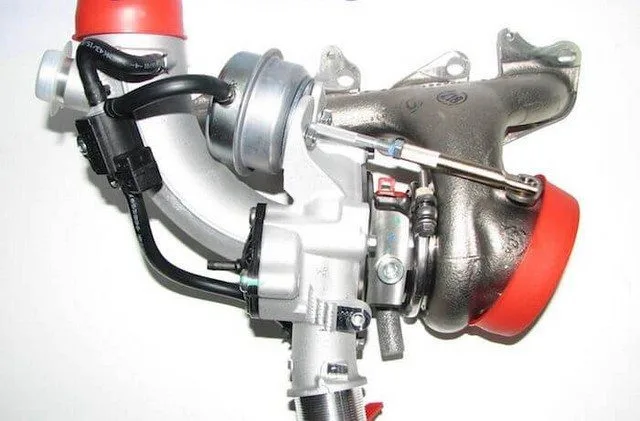
P00AF Turbocharger / Supercharger Boost Control A Module Performance

What is the P00AF Code?

The P00AF fault code is a generic OBD-II powertrain code that indicates a performance issue within the “A” boost control module. It relates to the boost pressure management system of turbochargers or superchargers. This code is likely to appear on many brands such as Chevrolet, GMC Duramax, Dodge, Ram Cummins, Isuzu, Ford, Vauxhall, or Volkswagen. Precise diagnostic procedures vary depending on the model, year, and engine configuration.

Operation of the Boost System

Forced induction systems (turbocharger, supercharger) use energy from exhaust gases or the engine to compress the air entering the cylinders, thereby increasing power. To precisely regulate boost pressure, the engine control module (ECM) controls an actuator, often a solenoid or wastegate valve. The latter mechanically adjusts the turbocharger vanes. If the ECM detects that the “A” control module is operating outside its intended parameters, it logs the P00AF code and illuminates the malfunction indicator lamp (check engine). The vehicle may then enter a reduced performance mode (limp mode) to protect the engine.

Severity of the P00AF Code

The severity of this code is moderate to high. A fault in the boost control system can lead to a non-stoichiometric air-fuel mixture (too rich or too lean), eventually causing excessive fuel consumption, significant power loss, and potentially internal engine damage. It is recommended to perform diagnostics promptly.

Symptoms of the P00AF Code

  • Significant engine power loss
  • Abnormal or weak throttle response
  • Irregular engine operation
  • Difficulty maintaining speed or climbing hills
  • Activation of safety mode (reduced performance or limp mode)
  • Check engine light illuminated

Possible Causes of the Fault

  • Faulty solenoid or wastegate valve (stuck, broken, or seized lever)
  • Failed Boost Control Module
  • Wiring problem (short circuit, open circuit, frayed or burnt wires)
  • Corrosion or poor contact at electrical connectors
  • Soot clogging of the turbocharger vanes
  • Leak in the exhaust or intake circuit
  • Rare internal ECM failure

How to Diagnose and Resolve the P00AF Code?

⛑️ Safety Precautions

Warning: Boost system components become extremely hot. Only work on a cold engine to avoid any risk of burns.

Step 1: Visual Inspection

Locate the boost control solenoid (usually mounted on the turbocharger). Check its physical condition and electrical connector. Look for any obvious signs of damage, corrosion, or water intrusion.

Step 2: Mechanical Check

If possible, manually verify that the actuator (wastegate) lever moves freely without being seized, broken, or bent. On some models, the lever may be adjustable. Be very careful not to damage these expensive parts.

Step 3: Wiring Inspection

Carefully inspect the wiring harness going to the solenoid. It is often exposed to high heat. Look for melted, frayed wires, or signs of burning.

Step 4: Professional Diagnosis

The steps above are basic checks. A thorough diagnosis with a professional automotive scanner is essential to measure solenoid values, test circuits, and confirm the exact source of the problem before replacing any part.

🔧 Need Help?

The P00AF code can be complex to diagnose. If you are unsure of your diagnosis, consult a professional mechanic to avoid damaging your vehicle. Use the data from your specific repair manual for more details.

P00B0 Turbocharger/Supercharger Boost Control B Module Performance

What is the P00B0 Code?

The P00B0 fault code is a generic diagnostic trouble code (DTC) related to the powertrain, applicable to vehicles equipped with the OBD-II standard. It indicates a performance anomaly within the “B” Boost Control Module. This code frequently concerns brands like Chevrolet, GMC (Duramax), Dodge, Ram (Cummins), Ford, VW, and others. Precise repair procedures vary depending on the model, year, and engine configuration.

How the Boost System Works

Forced induction systems, such as turbochargers, use exhaust gas energy to compress the intake air entering the combustion chambers, thereby increasing engine power. To regulate the boost pressure according to demand, a module controlled by the engine control module (ECM) operates a wastegate or variable geometry vanes. The P00B0 code illuminates when the ECM detects that this “B” module is operating outside its normal parameters, often leading to a switch to a reduced power mode (“limp mode”) to protect the engine.

Severity of the P00B0 Code

The severity is moderate to high. A fault in boost control can cause an unbalanced air-fuel mixture (too rich or too lean), risking engine damage over time and leading to increased fuel consumption. Prompt repair is recommended.

Symptoms of the P00B0 Code

  • Loss of power and overall poor performance
  • Abnormal response during acceleration
  • Difficulty climbing hills
  • Activation of fail-safe mode (“limp mode”)
  • Intermittent drivability symptoms

Possible Causes of the Fault

  • Faulty boost control solenoid or module
  • Corrosion or poor connection in electrical connectors
  • Wiring issue (break, short circuit)
  • Clogging of turbocharger vanes (soot)
  • Exhaust leak
  • Internal ECM failure (less common)

Diagnostic Steps

Step 1: Visual and Mechanical Inspection

WARNING: The exhaust system and turbocharger become extremely hot. Only perform work on a cold, switched-off engine.

Locate the boost control solenoid or module (often mounted on the turbocharger). Check that the actuation lever is not stuck, broken, or bent and that it can be moved manually (if the design allows).

Step 2: Checking Adjustments and Condition

Some systems have adjustable levers. Consult the specific technical documentation for your vehicle before any adjustment to avoid damaging expensive components.

Step 3: Checking for Signs of Corrosion or Infiltration

Inspect the module and its connectors for any signs of corrosion, water infiltration, or physical damage. The presence of oxidation usually requires replacement.

Step 4: Wiring Inspection

Follow the wiring harness connecting the module to the computer. Wires are often exposed to high temperatures. Look for any signs of burning, frayed insulation, broken wires, or short circuits.

Conclusion and Call to Action

Accurate diagnosis of the P00B0 code can be complex due to the diversity of systems. If basic checks have not identified the cause of the problem, it is highly recommended to consult a professional equipped with an advanced diagnostic tool to analyze live data from the boost control module.

Need help diagnosing or repairing this fault code? Consult a specialized garage for an accurate diagnosis and to avoid any risk of further damage to your engine.