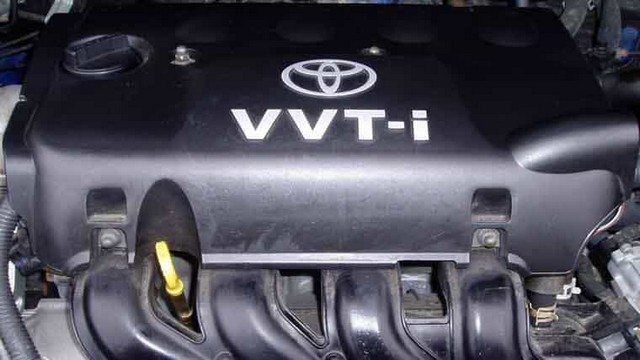
There is a modern technology for car engines called variable valve timing. It helps increase the efficiency and overall performance of your engine.
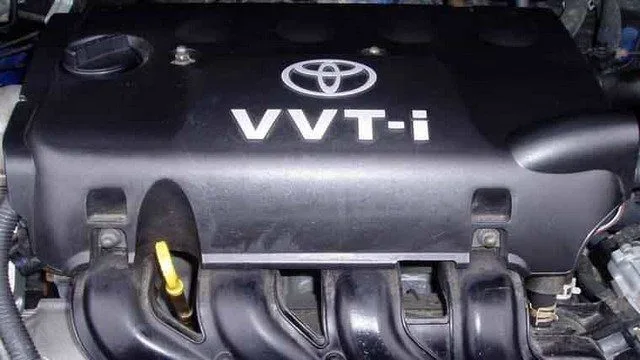
There is a modern technology for car engines called variable valve timing. It helps increase the efficiency and overall performance of your engine.
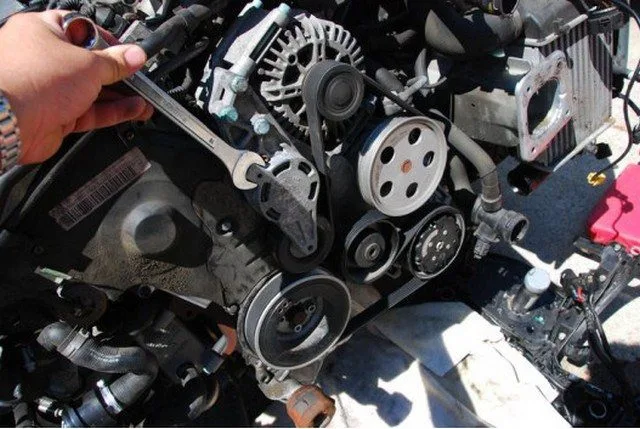

The timing chain is an important component because it keeps the camshaft and crankshaft connected and synchronized as they rotate. If you have ever seen a bicycle chain before, the timing chain is very similar.
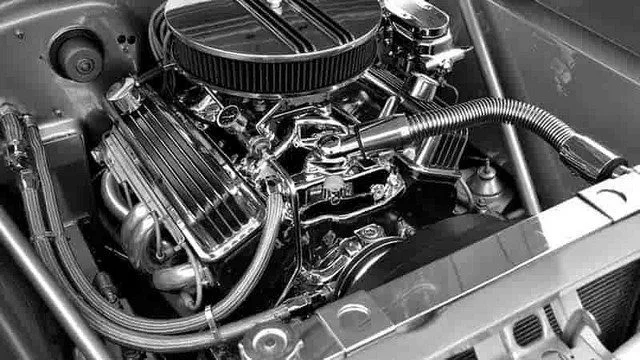

The engine is the heart of the automobile. It is the machine that generates mechanical energy from another energy source. When you press the accelerator pedal, you are essentially placing a greater demand on your engine to produce more power.
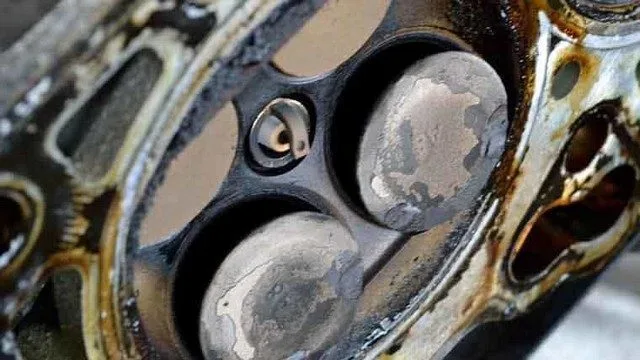
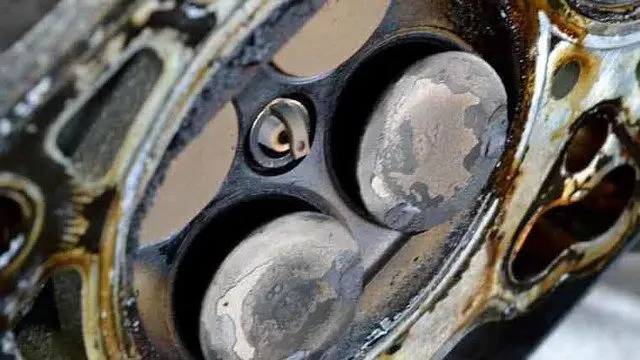
Every vehicle equipped with an internal combustion engine has an intake valve and an exhaust valve. The intake valve is located in the cylinder head.
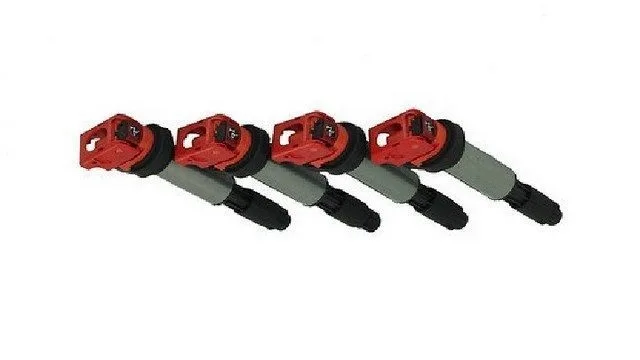
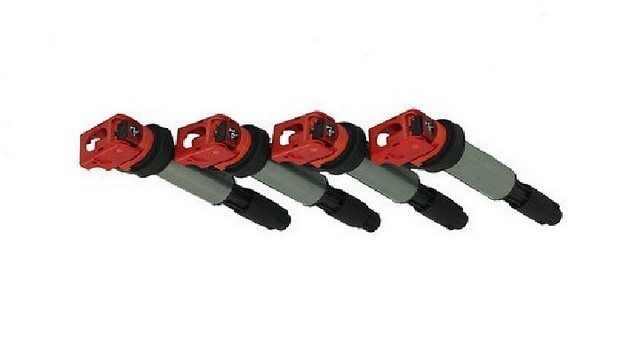
Every car has at least one ignition coil. The purpose of an ignition coil is to increase the voltage generated by the car’s battery to ignite the fuel and start the engine. A car battery typically produces a current of 12 volts.
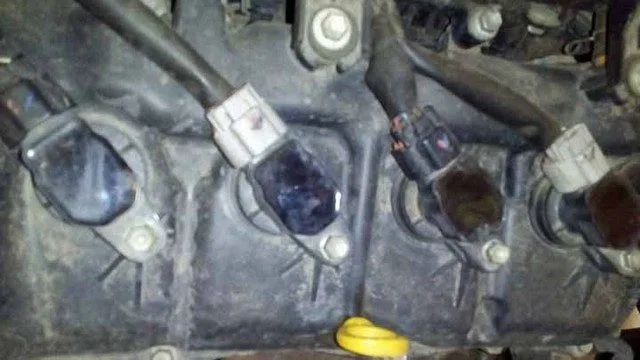
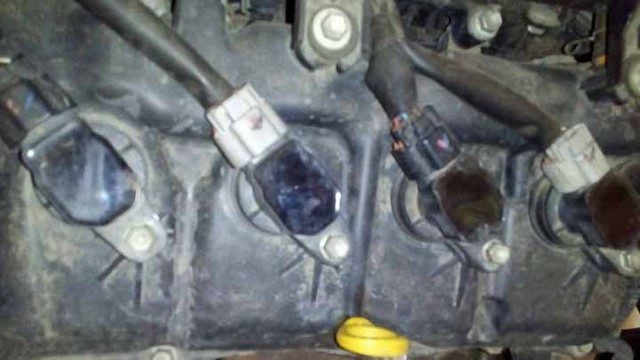
An ignition coil in a vehicle essentially serves as a compact electrical transformer. In other words, an ignition coil has the ability to convert the 12-volt electrical current from a car battery into at least 15,000 volts of electricity for the spark plug.
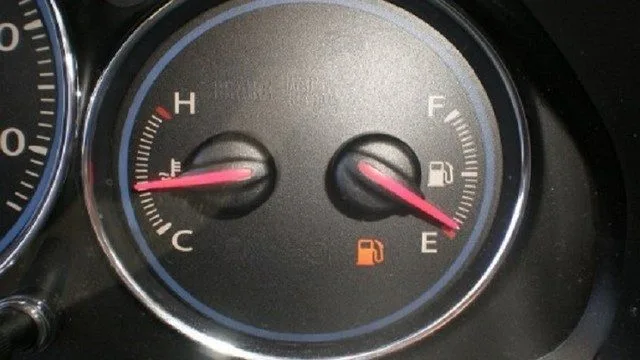
It is important that the coolant temperature sensor is functional at all times, otherwise it will not be able to correctly determine the temperature of the coolant inside an internal combustion engine.
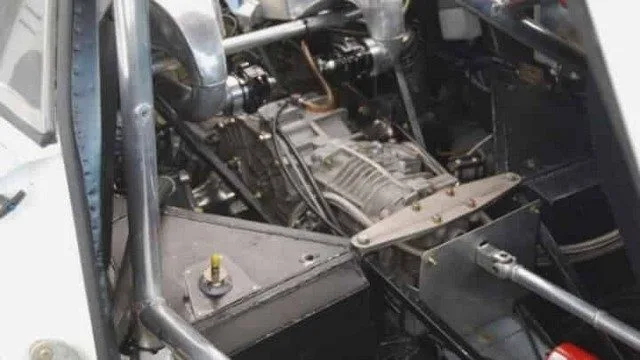
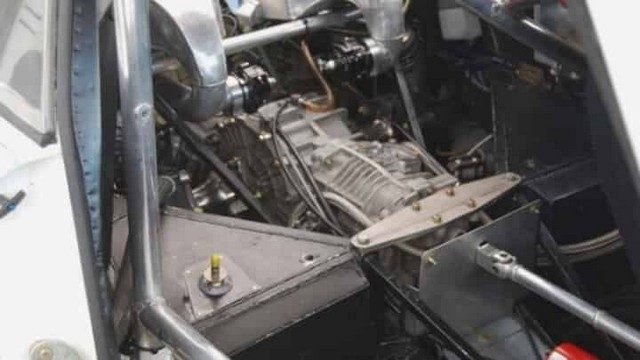
Many people take their vehicle’s gear changes for granted. But every time your automatic transmission needs to shift to a different gear, there is a vacuum modulator inside that ensures the gear change can be accomplished.
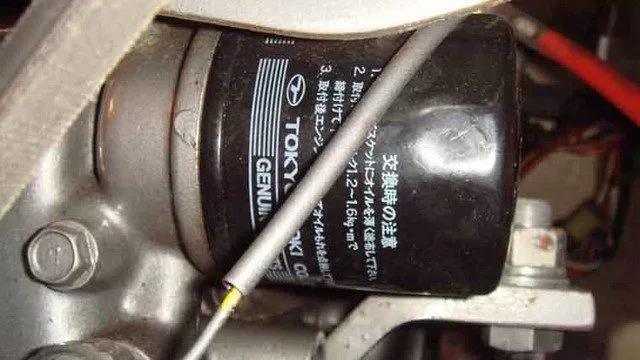
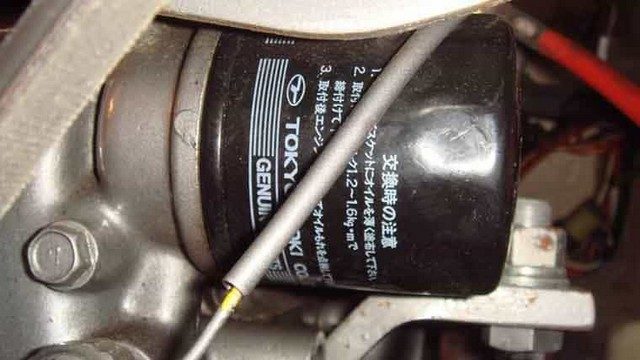
The oil filter has the crucial task of filtering the oil that lubricates your engine components. As oil circulates through the engine, it picks up contaminants and debris along the way. You’ll want to keep these contaminants out of the engine to preserve its lifespan.
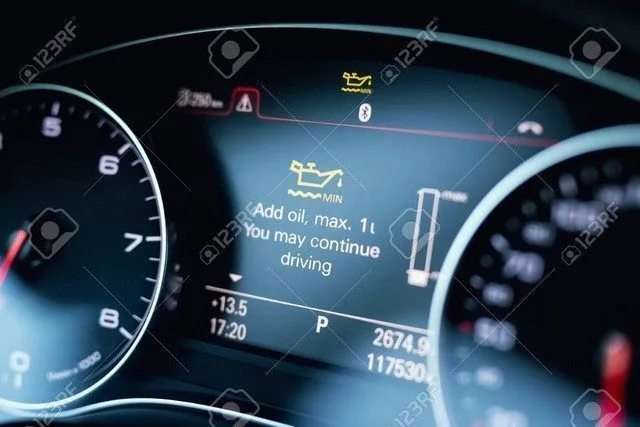
There is an old saying that oil is the blood of any vehicle. In a way, this is true because the vehicle’s engine depends on oil to lubricate its components and make them run smoothly.
Since the engine is the heart of the vehicle, this heart must constantly pump “blood” to stay strong and healthy.
If the engine were to run out of oil, it would not be good for the health of the engine or the car itself. In fact, it could end up permanently damaging the engine if the oil levels are not raised quickly.
To solve this problem, you simply need to add oil to your engine or go to your local quick lubrication shop or repair shop and have them perform an oil change. It is very inexpensive and only takes 10 to 15 minutes. So, there is really no reason for anyone not to do it.
Of course, if there is an underlying issue causing an oil leak, you will need to pay to repair or replace the components causing the leak. Otherwise, adding oil is very cheap.
**Symptoms of Low Oil in Your Car**
Below are the 5 main symptoms you can expect when your engine has low oil levels.
**1) Oil Warning Light**
The first symptom you may notice is a warning light on your dashboard that comes on. This indicates that your oil pressure is low because there is not enough oil in your engine.
Inside your vehicle, there is a sensor that can detect the oil pressure you have. Low oil levels in the engine will cause the sensor to detect low oil pressure. Therefore, the oil pressure warning light illuminates on the dashboard.
You should take this warning seriously and add more oil to your vehicle before the symptoms worsen.
**2) Knocking Noises**
You will only notice this symptom if you have had a low amount of oil in your engine for some time now. When the components and parts of your engine experience increased friction and lack of lubrication, it will significantly loosen the engine rods.
As you may know, the rods are what keep the pistons firmly in place. So, when the rods become loose, they are thrown around inside the engine and cause knocking noises. In cases where you have enough engine oil, a good oil additive can be a simple remedy.
**3) Burning Smell**
Your engine contains many moving components. Many of these components are metal, and they regularly come into contact with other metal components. All this metal contacting other metal will create a lot of heat in the engine.
Oil is the lubricant that normally keeps this heat to a minimum by cooling the components. Therefore, if there is a low oil level in the engine, these components will not be cooled.
The result will be a burning smell that makes its way into the cabin.
**4) Dipstick Test**
If you want to know for sure if your oil level is low, use the oil dipstick to check your oil level. Make sure your engine has been turned off and your car is parked on level ground for an accurate reading.
If the dipstick shows that you have less oil than the minimum mark, it means you need to add more oil.
**5) Engine Failure**
This will be the worst-case scenario when the engine oil level is low. However, most people should be able to avoid this symptom because you would likely have already experienced the previous four symptoms.
But, if you continued to ignore these warning signs, you can expect your engine to eventually fail. Then, you are looking at buying a brand new engine for your vehicle, which can cost thousands of dollars.