The 11 Sources of Engine Rattling and How to Fix Them
1. Broken Belt Tensioner or Chain Tensioner
Drive belts, timing belts, and timing chains need a certain degree of tension to function properly. The belt tensioner is usually spring-loaded with some kind of hydraulic or elastomer damper. If the spring breaks or the damper fails, the tensioner can bounce, causing engine rattling. In this case, you should replace the broken tensioner as soon as possible.
2. Cracked Catalytic Converter
The catalytic converter is an exhaust emission control device. Inside, a matrix made of steel or ceramic coated with inert rare earth metals converts harmful emissions so they are less toxic. In the case of ceramic-based catalysts, thermal shock or impact can cause the matrix to crack. If a piece breaks off, you might hear a noise in the exhaust. A cracked catalytic converter should not cause any collateral damage and its replacement is simple, although costly.
3. Collapsed Valve Lifter
The camshaft drives the intake and exhaust valves. Mechanical valve lifters can be adjusted with shims or an adjustment screw. Hydraulic lifters use oil pressure to maintain proper clearance. If the lifter collapses or cannot maintain pressure, the clearance will be too great, causing a rattle. By itself, a collapsed lifter may not cause any damage, although it can cause cylinder misfires. Replacing the lifter and adjusting the valve clearance will eliminate the rattle.
4. Cracked Flexplate
On automatic transmission vehicles, the flexplate connects the engine to the transmission. In the center of the plate, bolts connect to the crankshaft. Near the edge of the plate, bolts connect to the torque converter. Cracks can sometimes appear around the bolts at the crankshaft. Diagnosing and replacing the flexplate requires removing the transmission, which can be costly.
5. Low Oil Pressure
Oil pressure components include variable valve timing (VVT) actuators and hydraulic valve lifters. When oil pressure is insufficient, these parts may not function, causing rattling in the valves or VVT actuators. First, check the oil level and top it up if necessary. If the oil level is low, the leakage or burning issue must be resolved before bearings are damaged or emissions become critical. Otherwise, you might have another problem in the oil pump system.
6. Rusted Heat Shield
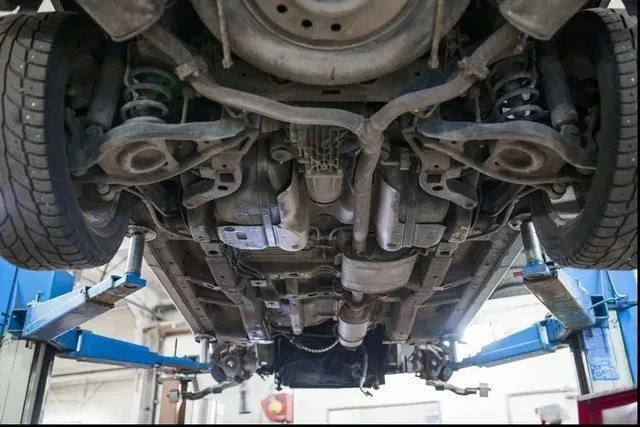
Older passenger vehicles may encounter age-related issues, such as debilitating corrosion. In certain places, like on the catalytic converter or the muffler, heat shields provide protection from the heat of the exhaust gases. On and around the exhaust system, heat accelerates corrosion. A rusted heat shield could fall off, producing a noise similar to an engine rattle. In this case, the heat shield must be replaced.
7. Engine Ping
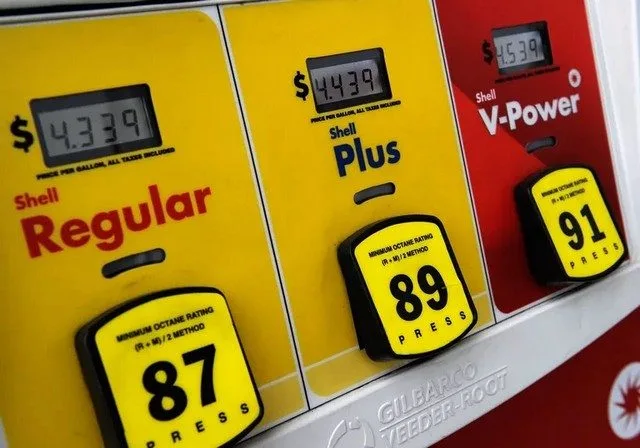
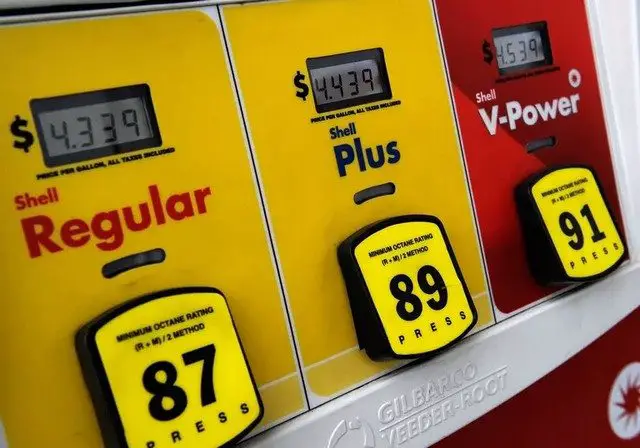
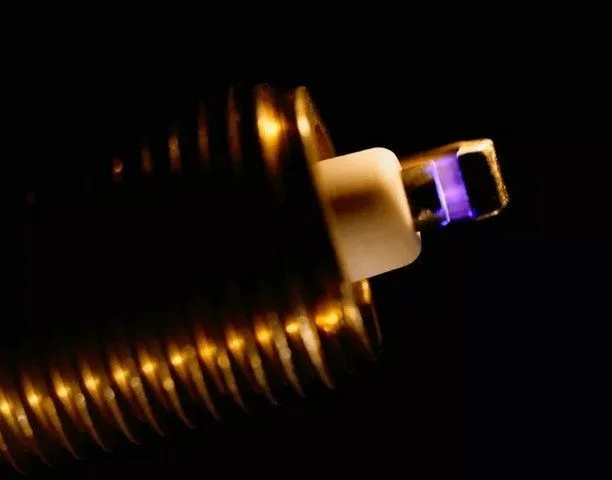
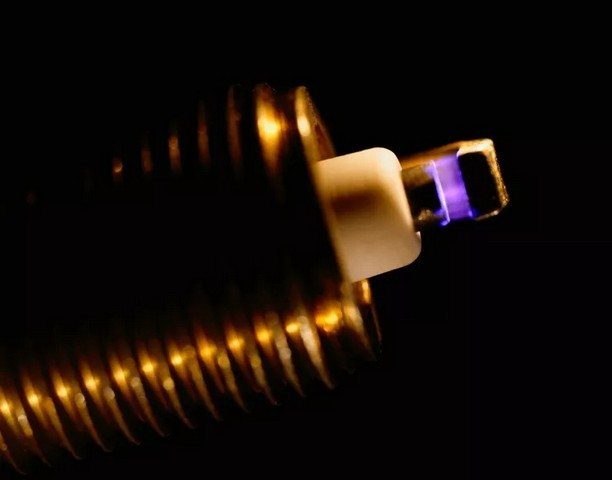
Engine ping or pre-ignition is caused by hot spots in the cylinder that ignite the air-fuel mixture before the spark plug. The two flames collide, increasing pressure. This is usually due to low-octane fuel in a high-compression engine, but it can also be caused by carbon deposits, incorrect spark plugs, or overheating. Most people find the solution by going up one grade at the pump. Deeper issues may require professional attention.
8. Piston Slap
In high-mileage vehicles, wear on the pistons and cylinders can be so significant that the piston no longer fits properly. When the engine is cold, the piston may produce a rattling noise. The noise usually disappears once the engine reaches operating temperature and the piston expands. Piston slap is more of a nuisance than a real problem, and a permanent repair would require an overhaul with oversized pistons, costing up to thousands of dollars.
9. Rod Knock
Between the connecting rod and the crankshaft, a film of high-pressure engine oil, less than half the thickness of a human hair, prevents moving parts from contacting each other. Over time, due to wear, neglect, or abuse, this clearance can increase, leading to rod knock. This can eventually damage the crankshaft, connecting rod, or the entire engine block. Replacing the bearings may solve the problem, but a rebuild can be costly.
10. Worn Drive Belt
Drive belts are a flexible construction of rubber over fiber and metal cords. After many miles, as the belt begins to wear and degrade, it can collapse. If a loose piece of an old drive belt flaps around the engine at high speed, it can sound like an engine rattle. With the engine off, inspect the drive belts for tension, wear, and cracks. Replacement is an easy do-it-yourself job and will prevent you from getting stranded.
11. Missing Insulation
Most modern engines are hidden under plastic covers and sound-deadening insulation. After years of use, wear, neglect, and degradation can result. To an untrained ear, noisy engine parts such as direct fuel injectors may sound unpleasant, but they are fine. Installing the factory sound-deadening materials will solve this issue.