OBD2 Code P1476: EVAP Leak Detection Pump Control Circuit Explained

Understanding the P1476 Diagnostic Trouble Code

The OBD-II diagnostic trouble code (DTC) P1476 is a manufacturer-specific code, most commonly associated with Chrysler, Dodge, Jeep, and Ram vehicles, though it can appear in others. It is defined as “EVAP Leak Detection Pump Control Circuit”. This code indicates a malfunction within the electrical control circuit of the vehicle’s Evaporative Emission Control (EVAP) system, specifically the component responsible for actively testing the system for leaks: the Leak Detection Pump (LDP). Unlike codes pointing to a physical leak (like a small or large leak), P1476 focuses on the computer’s ability to command and monitor the pump itself.

Role of the EVAP System and Leak Detection Pump

The EVAP system is a critical emissions component designed to prevent fuel vapors from the gas tank from escaping into the atmosphere. It captures these vapors in a charcoal canister and later purges them into the engine to be burned. The Leak Detection Pump is the system’s self-diagnostic tool. During specific drive cycles, the Powertrain Control Module (PCM) activates the LDP. The pump pressurizes the EVAP system with air and then monitors the pressure decay to determine if a leak is present. A fault in its control circuit prevents this test from occurring or being interpreted correctly.

How the PCM Triggers Code P1476

The PCM monitors the Leak Detection Pump circuit for expected voltage values and electrical continuity. When it sends a command to activate or deactivate the LDP (via a solenoid inside the pump), it expects to see a corresponding change in the circuit’s state. If the PCM detects an open circuit, short to ground, short to power, or an unexpected voltage reading that does not align with its command, it will log code P1476 and illuminate the Check Engine Light (MIL). The code is set when the fault is detected in two consecutive drive cycles.

Symptoms, Causes, and Diagnosis of P1476

A vehicle with a stored P1476 code may exhibit subtle symptoms or none at all related to drivability, as the issue is primarily electrical and diagnostic. However, the underlying cause will prevent the EVAP system from completing its self-check, which can lead to failed emissions tests.

Common Symptoms of a P1476 Fault

  • Illuminated Check Engine Light (MIL): This is the most frequent and often the only symptom.
  • Failed Emissions Inspection: The vehicle will not pass a state emissions test due to an incomplete EVAP monitor.
  • Other EVAP Codes: Possible presence of secondary codes like P0442 (small leak) if the diagnostic test cannot run.
  • Rough Idle (Less Common): In some cases, a stuck-open LDP solenoid could potentially affect engine vacuum.

Primary Causes of the P1476 Code

  • Faulty Leak Detection Pump (LDP): The internal solenoid or pump mechanism has failed. This is a very common cause.
  • Damaged Wiring or Connectors: Corroded, broken, frayed, or shorted wires in the LDP control circuit harness.
  • Poor Electrical Connections: A loose or corroded connector at the LDP or PCM.
  • Blown Fuse: A fuse supplying power to the EVAP system or PCM may be blown.
  • Defective Powertrain Control Module (PCM): Rare, but a failed PCM driver circuit for the LDP is possible.

Step-by-Step Diagnostic Procedure

Warning: Always consult vehicle-specific service information for wiring diagrams, connector locations, and test values. Safety first: ensure the engine is cool and the vehicle is securely supported.

  • Step 1: Visual Inspection. Locate the Leak Detection Pump (often near the charcoal canister or fuel tank). Inspect the wiring harness and connector for obvious damage, corrosion, or disconnection.
  • Step 2: Check the Fuse. Verify the fuse for the EVAP system or PCM (refer to the owner’s manual) is intact.
  • Step 3: Test the LDP Solenoid. Using a digital multimeter (DMM), check the resistance of the LDP solenoid across its two electrical terminals. Compare the reading to the manufacturer’s specification (often between 10-30 ohms). An open (infinite resistance) or short (near 0 ohms) indicates a bad pump.
  • Step 4: Circuit Voltage Tests. With the connector disconnected and the ignition ON, check for reference voltage (typically 12V) at the harness side. Check for continuity of the ground and control wires back to the PCM.
  • Step 5: Actuation Test. Using a bidirectional scan tool, command the LDP ON and OFF. You should hear/feel a distinct click from the pump. No click suggests a faulty pump or a wiring issue preventing the command.

Repair Solutions and Technical Considerations

Once the root cause is identified through methodical diagnosis, the repair can be targeted and effective. Avoid the common mistake of replacing the Leak Detection Pump without first verifying the integrity of the wiring and power supply.

Repairing Wiring and Connector Issues

If the diagnosis points to a wiring fault, repair is mandatory. Solder and heat-shrink tubing are the preferred methods for splicing wires. Never use “twist and tape” connections in automotive environments, as they are prone to corrosion and failure. For corroded connectors, specialized electrical contact cleaner and dielectric grease are essential. Ensure all repairs are sealed from moisture.

Replacing the Leak Detection Pump

If the LDP is confirmed faulty, replacement is straightforward. The pump is usually held by one or two bolts and has a vacuum hose and an electrical connector.

  • Disconnect the negative battery cable as a safety precaution.
  • Disconnect the electrical connector and vacuum hose(s).
  • Unbolt the pump and remove it.
  • Install the new pump, reconnect the hose and connector, and secure the bolts.
  • Reconnect the battery.

Important: After any repair for P1476, you must clear the code with an OBD2 scanner. The vehicle will then need to complete a specific “drive cycle” for the EVAP monitor to run and pass. This may involve a mix of city and highway driving under certain fuel level and temperature conditions.

When to Suspect a PCM Issue

PCM failure is a last-resort diagnosis. Only consider it if:

  • All wiring tests confirm perfect continuity and correct voltage to/from the PCM connectors.
  • The LDP tests good for resistance and can be actuated with direct 12V power.
  • All fuses and grounds are confirmed good.
  • The scan tool cannot communicate with the PCM’s LDP driver circuit during an actuation test.

Reprogramming or replacing a PCM is a complex task often requiring professional equipment and vehicle-specific programming.

Conclusion

Code P1476 is a circuit-specific fault that disables your vehicle’s ability to self-diagnose fuel vapor leaks. While it rarely causes performance problems, it will keep the Check Engine Light on and cause an emissions test failure. Successful repair hinges on a logical diagnostic approach: start with a thorough visual inspection, then proceed to electrical testing of the Leak Detection Pump and its associated wiring before condemning any components. By following the technical steps outlined, DIY mechanics and technicians can efficiently resolve this common EVAP system electrical fault and restore full system functionality.
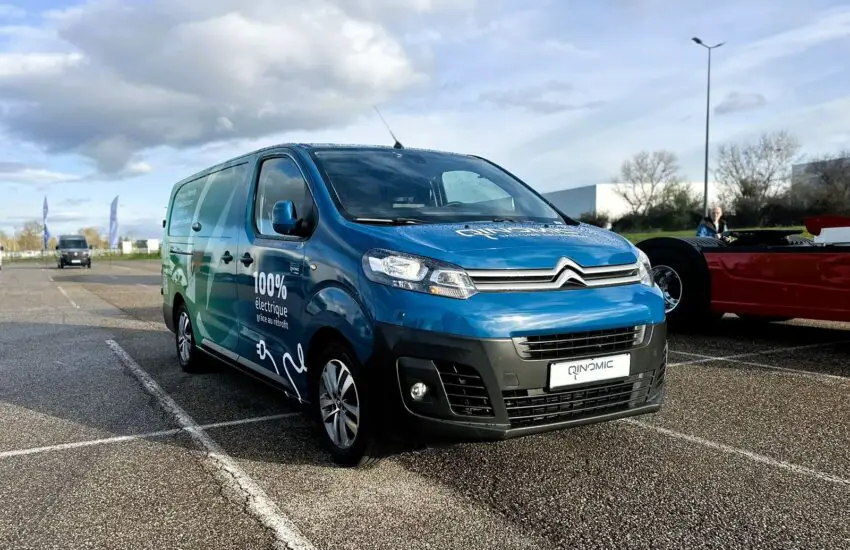
Commercial Van Retrofitting: A Second Life for Work Vehicles

Electrifying the Fleet: The Rise of Commercial Van Retrofitting

The transition to electric mobility is no longer exclusive to new vehicles. A growing trend, known as retrofitting, is offering a sustainable and cost-effective pathway for commercial fleets. This process involves replacing a traditional combustion engine with a fully electric powertrain, extending the operational life of existing vans and trucks.

Technical and Economic Viability for Businesses

For businesses, the appeal is multifaceted. Retrofitting can represent a significant capital investment saving compared to purchasing new electric vehicles. It allows companies to maintain their familiar, proven vehicle models while eliminating tailpipe emissions and reducing operating costs through cheaper electricity versus diesel or petrol. This approach also aligns with circular economy principles by maximizing the use of existing assets and materials.

Overcoming Challenges in the Market

Despite its promise, the retrofit market faces hurdles. Regulatory approval processes for converted vehicles must be rigorous to ensure safety and reliability. Furthermore, the initial conversion cost, while often lower than a new EV, requires careful financial analysis. The range and payload capacity of a retrofitted van are critical factors that conversion specialists must optimize to meet the demanding needs of professional users.

The development of standardized conversion kits and growing expertise from specialized firms are making this solution increasingly accessible. As infrastructure expands and technology costs decrease, retrofitting is poised to become a crucial tool for businesses seeking a pragmatic route to electrification.

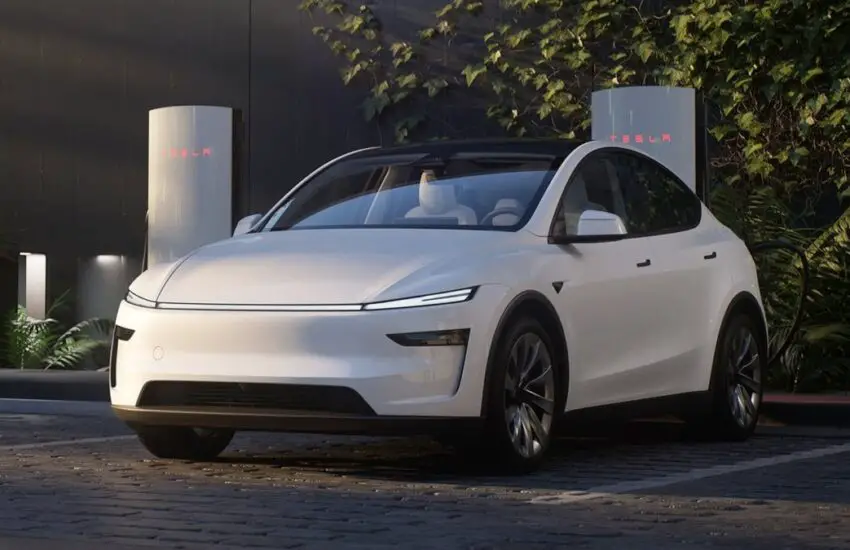
Tesla’s US Sales Hit Four-Year Low in November

A Significant Downturn for Tesla in the US Market

New sales figures reveal a concerning trend for Tesla in the United States. November deliveries for the electric vehicle (EV) pioneer plummeted to their lowest point in nearly four years. This persistent decline comes despite the company’s implementation of aggressive price cuts and promotional strategies throughout the year, indicating deeper market challenges.

Analyzing the Factors Behind the Sales Slump

Several converging factors are likely contributing to this sustained drop in demand. Increased competition is a primary headwind, as legacy automakers and new EV startups flood the market with compelling electric models, eroding Tesla’s once-dominant market share. Furthermore, consumer appetite appears to be softening in certain segments, particularly for older Tesla models like the Model 3 and Model Y, which have seen minimal updates. Economic uncertainty and higher interest rates may also be causing potential buyers to postpone large purchases.

Strategic Shifts and Future Outlook

This sales report underscores a critical transition phase for Tesla. The company’s growth strategy, which long relied on the volume of its existing lineup, now faces pressure from a more crowded and competitive landscape. Investor and analyst attention is increasingly focused on Tesla’s ability to stimulate demand for its current vehicles while accelerating the launch of next-generation products, such as the anticipated Cybertruck and a more affordable future model. The company’s performance in the coming quarters will be a key test of its market resilience and innovation pipeline.

The November data serves as a clear signal that Tesla’s market dynamics in the US are shifting. Maintaining growth will require navigating heightened competition, evolving consumer preferences, and executing a successful product refresh cycle to reignite buyer interest.

2026 Honda F1 Engine Sound Teased for Aston Martin

Honda’s 2026 F1 Power Unit Breaks Its Silence

Honda Racing Corporation (HRC) has released the first official audio teaser of its next-generation Formula 1 power unit, destined for the Aston Martin Aramco Formula One Team in 2026. This brief but significant sound clip offers the first glimpse into the acoustic character of the radically new hybrid engines that will define the next era of the sport. The development marks a pivotal moment for Honda as it prepares for F1’s major regulatory overhaul.

A Sonic Preview of New Regulations

The 2026 F1 regulations mandate a significant shift towards electrification and sustainable fuels. The new power units will feature a near-50/50 split between internal combustion and electrical power, with the MGU-K harvesting significantly more energy. The released sound provides an early indication of how these complex technical changes will translate into an auditory experience for fans, blending traditional mechanical fury with advanced hybrid technology.

Strategic Reveal Builds Anticipation

By choosing to debut the engine sound through a focused digital campaign, Honda has effectively generated global buzz ahead of the 2026 season. This strategic move not only showcases confidence in their ongoing development but also strengthens the partnership narrative with Aston Martin. For the Silverstone-based team, securing a proven, works-level power unit supplier is considered a major coup in its quest for championship contention.

The Road to 2026 and Beyond

While the sound clip is a tantalizing preview, it represents just the surface of a massive technical undertaking. Engineers at HRC are deep into the integration and reliability phases of the new power unit, which must be homologated ahead of the 2026 campaign. This early reveal underscores Honda’s long-term commitment to Formula 1 and its belief that the 2026 regulations align perfectly with its broader automotive sustainability goals.

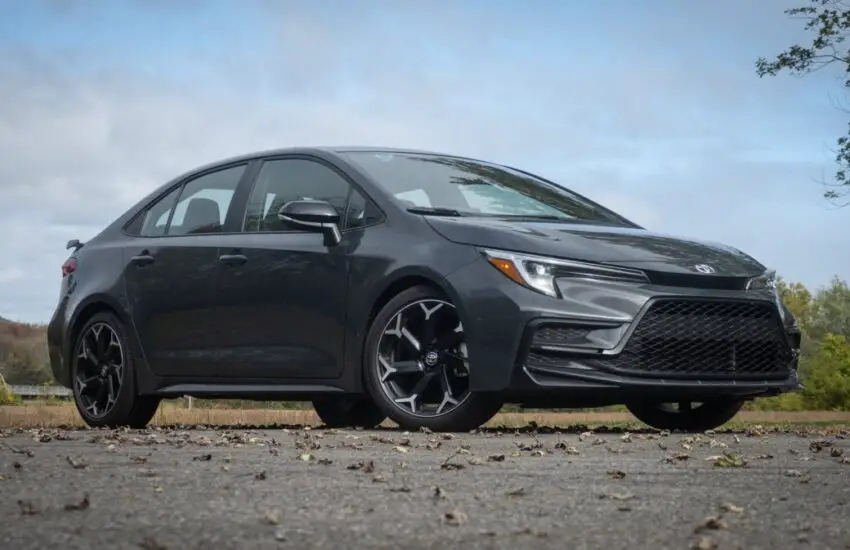
2025 Toyota Corolla FX: Style Meets Sensible Motoring

The 2025 Toyota Corolla FX: Affordable Elegance

The 2025 Toyota Corolla solidifies its reputation as a benchmark for economical and reliable transportation. The new FX trim level carves out a distinct niche, offering drivers an appealing blend of sensible Toyota values with a sharper, more personalized aesthetic. It is designed for those who prioritize smart spending but refuse to settle for a bland or anonymous-looking vehicle.

Design and Styling Focus

The defining characteristic of the Corolla FX is its visual upgrade. Toyota has equipped this model with a bespoke body kit and lowered suspension, giving it a noticeably more planted and assertive stance compared to the standard Corolla. This focus on style does not transform it into a performance machine, but it successfully injects a dose of elegance and sporty flair into the compact segment. The result is a car that looks purposefully tailored, standing out for its design without shouting for attention.

Driving Experience and Practicality

Behind the wheel, the Corolla FX remains true to its core mission: efficient and comfortable commuting. The driving experience is smooth, predictable, and focused on low running costs. It is not engineered to deliver thrilling performance or razor-sharp handling; instead, it rewards the driver with impeccable reliability and excellent fuel economy. The interior maintains a straightforward approach to equipment, emphasizing durability and user-friendly controls over high-tech extravagance.

Who Is the Corolla FX For?

This model is an ideal choice for cost-conscious buyers who see their car as both a practical tool and a reflection of their personal style. It is perfect for urban professionals, young families, or anyone seeking a dependable vehicle that offers more visual personality than the base model. The 2025 Toyota Corolla FX proves that economical motoring does not have to be boring, providing an elegant and affordable package for everyday life.

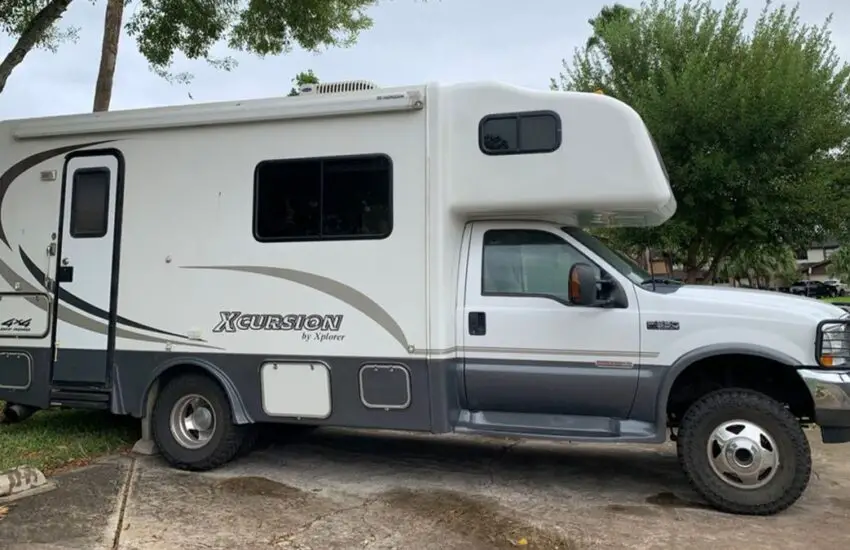
Rare 2003 Ford Super Duty 4×4 RV with Manual Transmission

A Rare Find: The Manual Transmission RV

In the world of recreational vehicles, true durability is a rare commodity. Many modern RVs are built with cost-saving measures that can lead to premature wear. This makes the discovery of a robust, well-engineered model from a bygone era particularly exciting. The 2003 Xplorer Xcursion, built on a Ford F-350 Super Duty chassis, represents a peak of solid construction, especially in its highly desirable manual transmission configuration.

Built on a Legendary Ford Super Duty Platform

The foundation of this RV is its 2003 Ford F-350 Super Duty 4×4 chassis. This platform is renowned for its incredible strength and off-road capability, providing a stable and trustworthy base for the Xplorer coach. The inclusion of four-wheel drive transforms this motorhome from a highway cruiser into a vehicle capable of exploring more remote and rugged destinations, offering true freedom to its owners.

The Coveted ZF6 Manual Transmission

The most distinctive feature of this specific Xplorer Xcursion is its ZF6 six-speed manual transmission. In an era dominated by automatics, a manual gearbox in a large RV is an extreme rarity. It offers a more engaged driving experience, provides greater direct control over the powertrain, and is often praised by enthusiasts for its robustness and reliability compared to some contemporary automatic options.

Power and Practicality of the 6.0L Diesel

Under the hood lies Ford’s 6.0-liter Power Stroke diesel V8 engine. This powerplant delivers the substantial torque necessary to move the large RV with authority. When properly maintained, it provides a balance of power and fuel efficiency crucial for long-distance travel. The living quarters, crafted by Xplorer, are known for their thoughtful layouts and quality materials, designed for comfort on extended journeys.

This vehicle stands as a compelling option for the adventurer seeking a no-compromise, driver-focused RV. It combines the ruggedness of a heavy-duty truck with the comforts of a home, all controlled through the unique interface of a manual shifter.

Toyota GR: A Driving Passion Reignited

Toyota GR: A Driving Passion Reignited

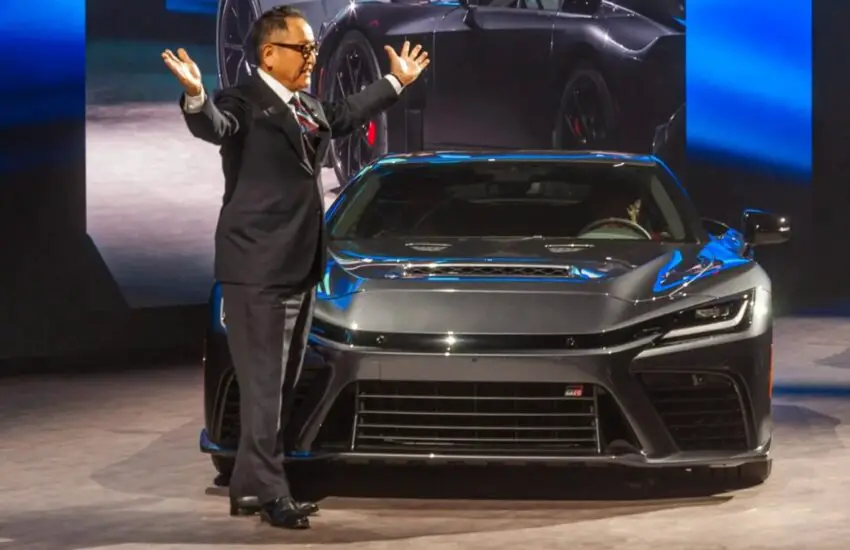
In 2017, Akio Toyoda, then CEO and now Chairman of the Board, made a powerful declaration: Toyota would no longer build boring cars. This statement was a direct challenge to the industry trend and a personal mission to reignite the brand’s sporting spirit for enthusiasts like himself.

The GR Promise Fulfilled

Fast forward to today, and that promise has not only been kept but has fundamentally reshaped Toyota’s identity. The Gazoo Racing (GR) sub-brand stands as a vibrant testament to pure driving enjoyment. From the rally-bred GR Yaris to the eagerly anticipated GR Corolla and the iconic GR Supra, each model is engineered with a singular focus: to deliver an authentic, engaging, and thrilling connection between driver and machine.

Engineering for Emotion

The philosophy behind every GR vehicle extends beyond mere horsepower figures. It encompasses precise chassis tuning, responsive steering systems, and driver-centric interiors designed for engagement. This commitment is evident in the meticulous development process, often involving rigorous testing on some of the world’s most demanding circuits and rally stages. The goal is to create vehicles that are accessible yet capable, offering a dynamic driving experience that resonates on both daily roads and specialized tracks.

A Legacy for the Future

The success of the GR lineup demonstrates a crucial revival of the driver’s car within a mainstream manufacturer. By channeling expertise from its World Rally and endurance racing programs into production vehicles, Toyota has successfully bridged the gap between competition and showroom. This strategic move has cultivated a new generation of enthusiasts and reaffirmed the brand’s commitment to automotive passion, ensuring that the joy of driving remains at the heart of Toyota’s journey forward.

F1 2025: A Season of Unforgettable Drama and Thrills

F1 2025: A Season of Unforgettable Drama

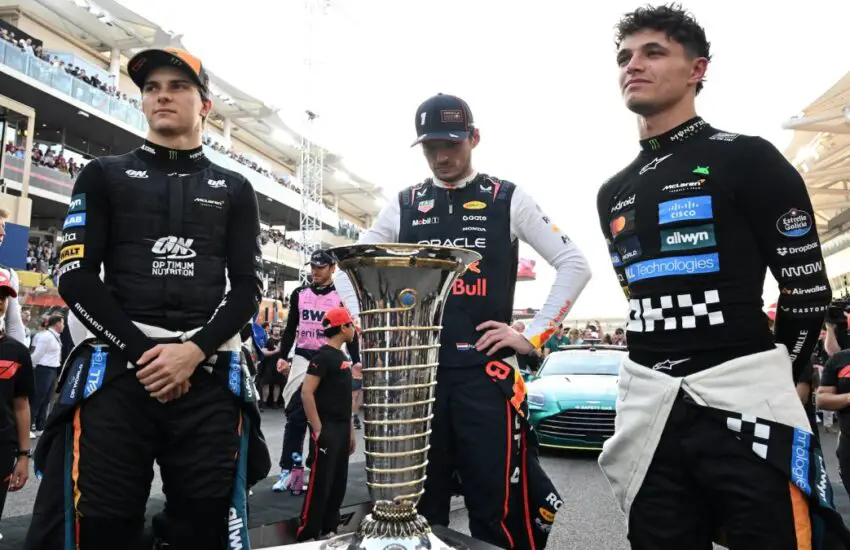
The 2025 Formula 1 season will be remembered as a masterclass in sporting spectacle. Celebrating the championship’s 75th anniversary, the year was defined by unprecedented access, cinematic storytelling, and a title fight that went down to the final corner of the final race.

A New Era of Entertainment

The season was ushered in with a glamorous, award-show style launch event in London, setting the tone for a year where sport and entertainment merged seamlessly. The release of the major motion picture F1, starring Brad Pitt, brought a new wave of global fans to the sport. Furthermore, a landmark media rights deal signaled F1’s massive growth in the digital age, making races and behind-the-scenes content more accessible than ever before.

On-Track Battles and Technical Twists

On the circuit, the competition was fiercer than predicted. While one team established early dominance, a dramatic mid-season regulatory clarification on aerodynamic components shook the order. This allowed several chasing teams to close the performance gap, transforming the second half of the calendar into a multi-team chess match. Rivalries intensified, with wheel-to-wheel duels becoming the standard at every Grand Prix.

The Ultimate Suspenseful Finale

The championship battle culminated in a finale for the ages. Two drivers arrived at the last race separated by a handful of points. Strategy, weather, and sheer nerve played their part in a tense Grand Prix. The title was only decided in the closing laps, with a daring overtake and a mechanical scare creating a heart-stopping climax that captivated the world. The 2025 season proved that Formula 1, at its best, delivers pure, unscripted drama.

Honda Heritage Works Revives Classic Car Parts and Restoration

Honda Launches Official Program for Classic Car Revival

Honda has taken a definitive step to safeguard its automotive legacy with the official launch of Honda Heritage Works. This dedicated initiative marks a significant commitment from the manufacturer to support owners of its most iconic vehicles, beginning with the revered first-generation NSX. The program is designed to ensure these classic machines can be preserved and enjoyed for generations to come.

The Mission of Honda Heritage Works

The core mission of Honda Heritage Works is twofold: authentic parts reproduction and expert restoration services. For years, owners of classic Hondas have faced challenges sourcing genuine components that are no longer in production. This new program systematically identifies and reproduces essential parts using original specifications and, where possible, the same manufacturing techniques. This approach guarantees that replacements meet the precise quality and performance standards of the original components.

Beyond Parts: Comprehensive Restoration

Honda Heritage Works extends beyond a simple parts service. It operates as a center of excellence for full-scale vehicle restoration. Specialists within the program will perform complete overhauls, from mechanical and electrical systems to bodywork and interior refurbishment. The focus is on meticulous craftsmanship and historical accuracy, ensuring each restored vehicle retains its authentic character and driving dynamics. This official channel provides a trusted solution for preservation that was previously difficult to achieve.

A Lasting Legacy for Iconic Models

By establishing Honda Heritage Works, the company is formally recognizing the cultural and historical value of its classic models. This initiative not only supports the existing community of enthusiasts but also reinforces the long-term collectibility and value of these automobiles. It signals a future where other iconic models from Honda’s history may receive similar dedicated support, preserving a crucial chapter in automotive history through official channels.

Leapmotor T03: A Well-Equipped Electric City Car

Leapmotor T03: An Affordable and Feature-Packed Electric Contender

The electric city car segment is fiercely competitive, but the Leapmotor T03 manages to stand out by offering an impressive combination of value, equipment, and practicality. This compact vehicle is designed to meet the daily urban mobility needs of a wide audience, challenging established players with its compelling proposition.

Competitive Pricing and Attractive Offers

A primary strength of the Leapmotor T03 is its accessible entry point into electric mobility. The model is frequently associated with aggressive promotional pricing and attractive long-term leasing options, making monthly costs remarkably low. This financial accessibility removes a significant barrier for many drivers considering the switch to an electric vehicle, positioning the T03 as a smart economic choice without major compromises.

Surprising Standard Equipment for the Category

Where the Leapmotor T03 truly shines is in its generous standard features. Unlike many basic city cars, it often comes equipped with a large central touchscreen infotainment system, digital instrument cluster, and advanced driver-assistance systems (ADAS) such as lane departure warning and automatic emergency braking. This level of technology, typically reserved for higher segments, provides a modern and safe driving experience that belies the car’s affordable price tag.

Practicality and Performance for Urban Life

With its compact dimensions, the T03 is perfectly suited for navigating tight city streets and easy parking. Inside, it offers a surprisingly spacious cabin for its class, with seating for four. Its electric powertrain delivers adequate power for city commuting, with a driving range sufficient for daily errands and urban travel. The combination of zero local emissions, low running costs, and hassle-free charging makes it a rational choice for eco-conscious urban drivers.

In summary, the Leapmotor T03 presents a balanced package that prioritizes value and equipment. It is a compelling option for anyone seeking an affordable, well-equipped, and practical electric vehicle for city driving.