
P0538 High A/C Evaporator Temperature Sensor Circuit

What does it mean?

This is a generic diagnostic trouble code (DTC) and applies to OBD-II vehicles. This may include, but is not limited to, vehicles from Ford, Chevrolet, Dodge, Ram, etc. Although generic, the exact repair steps may vary depending on the year, make, model, and powertrain configuration.

Essentially, the air conditioning evaporator works in the opposite way as a condenser. The condenser converts gas into fluid, and the evaporator converts fluid into gas while absorbing heat from the fan air passing through it during the process.

Its purpose is to remove heat from the air inside the cabin, thereby reducing the temperature inside the car. The functionality of the A/C evaporator temperature sensor is crucial for the proper operation of your HVAC (heating, ventilation, and air conditioning) system. The ECM (Engine Control Module) uses the electrical values from this sensor to adjust the interior temperature according to your needs, in coordination with your evaporator among other A/C components.

The ECM triggers P0538 and related codes (P0535, P0536, P0537, and P0539) when it detects a condition outside the desired electrical range in the A/C evaporator temperature sensor or its circuits. This could also be a mechanical or electrical issue. Always keep in mind the sensor’s environment (any sensor, for that matter), as it might be subjected to an environment with unique problems.

P0538 High Circuit in the A/C Evaporator Temperature Sensor is set when the ECM detects an unexpected high electrical condition in the A/C evaporator temperature sensor or its circuits.

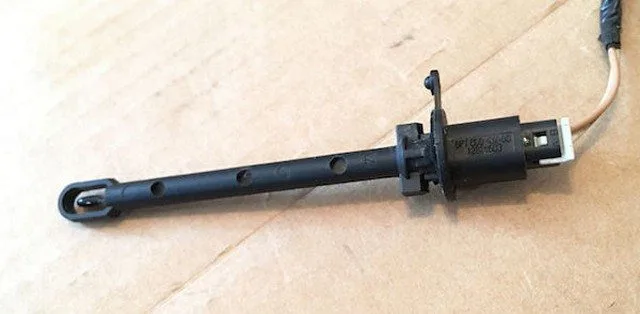
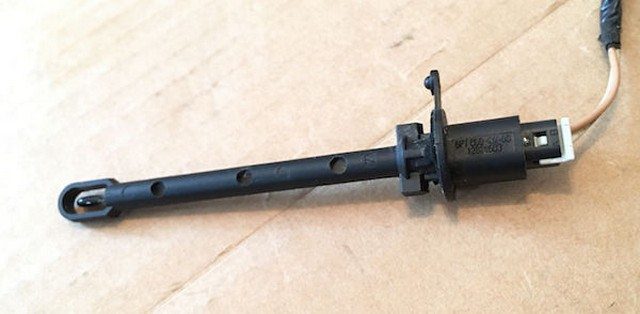
Photo of an evaporator temperature sensor style:
How severe is this DTC?

Since your entire HVAC system was designed with the sole purpose of keeping humans more comfortable, the severity here is set at the lowest possible level. A complete HVAC system malfunction would pose virtually no threat to your safety. That being said, if you value comfort like I do, you’ll need to address this issue immediately.
What are some of the symptoms of the code?

Symptoms of a P0538 trouble code may include:

No cold air blown from the vents
Erratic/fluctuating fan air temperature
A/C compressor clutch not engaging
HVAC system not operating as desired

What are some common causes of the code?

Causes

of this P0538 code may include:

Faulty or damaged A/C evaporator core
Faulty A/C evaporator temperature sensor
Faulty ECM (Engine Control Module)
Wiring issue in the sensor circuit
Wiring harness connector problem
Intermittent electrical connection
Internal resistance (corrosion, damaged harness, overheated circuit, etc.)

What are the troubleshooting steps for P0538?

Make sure to check the Technical Service Bulletins (TSBs) for your vehicle. Access to a known fix can save you time and money during diagnosis.
Basic Step #1

Locate and visually inspect the A/C evaporator temperature sensor. Generally, the evaporator core is located inside the HVAC air box (heating, ventilation, and air conditioning). The A/C evaporator temperature sensor is usually mounted on the evaporator itself or very close to it. You may be able to access it by looking under the dashboard fairly easily. It’s also possible that you’ll need to remove many plastic panels and/or the radio, so always refer to your service manual for the specific location. Keep an eye out for any signs of overheating and/or corrosion on the sensor itself. This could indicate your problem. If it proves faulty, replace the sensor.

TIP: Ensure your interior is at a reasonable temperature. Start prying on cold plastic and it will break, so be careful.
Basic Step #2

Test the temperature sensor. Most of the time, these sensors are resistance-type sensors. In other words, the resistance inside the sensor changes in direct relation to the temperature. Understanding how this works probably gives you an idea of how to diagnose the sensor itself. Usually, the manufacturer will have a desired resistance at certain temperatures. Using your multimeter, you can record the resistance in the sensor and compare it to the desired values specified by your manufacturer. If an open is present, you may have internal resistance in the sensor itself and it will need to be replaced.

NOTE: Your manufacturer may have a specific diagnostic strategy depending on the sensor type, make, model, etc., so always refer to your service manual. If you are not comfortable with electrical testing and/or working around refrigeration systems, take your vehicle to a reputable shop.
Basic Step #3

Check the wiring. Given the location of the evaporator temperature sensor, it may be easy to locate and trace the harness to check for any obvious signs of damage. Especially where the driver’s and passengers’ feet might interfere with the wiring (if possible).
P0539 Intermittent A/C Evaporator Temperature Sensor

What Does It Mean?

This is a generic diagnostic trouble code (DTC) that applies to OBD-II vehicles. This may include, but is not limited to, vehicles from Ford, Chevrolet, Dodge, Ram, etc. Although generic, the exact repair steps may vary depending on the year, make, model, and powertrain configuration.

Essentially, the A/C evaporator works in the opposite way as a condenser. The condenser converts gas into fluid, and the evaporator converts fluid into gas while absorbing heat from the fan air passing through it during the process.

Its purpose is to remove heat from the air inside the cabin, thereby reducing the temperature inside the car. The functionality of the A/C evaporator temperature sensor is crucial for the proper operation of your HVAC (heating, ventilation, and air conditioning) system. The ECM (Engine Control Module) uses the electrical values from this sensor to adjust the interior temperature according to your needs, in coordination with your evaporator among other A/C components.

The ECM triggers P0539 and related codes (P0535, P0536, P0537, and P0538) when it detects a condition outside the desired electrical range in the A/C evaporator temperature sensor or its circuits. This could also be a mechanical or electrical issue. Always keep in mind the sensor’s environment (any sensor, for that matter), as it might be subjected to an environment with unique problems.

P0539 A/C Evaporator Temperature Sensor Circuit Intermittent is defined when the ECM detects an intermittent malfunction within the A/C evaporator temperature sensor or its circuits.

Photo of an evaporator temperature sensor style:

How Severe Is This DTC?

Since your entire HVAC system was designed with the sole purpose of keeping humans more comfortable, the severity here is set at the lowest possible level. A complete HVAC system malfunction would pose virtually no threat to your safety. That being said, if you value comfort like I do, you’ll need to address this issue immediately.
What are some of the symptoms of the code?

Symptoms of a P0539 trouble code may include:

No cold air blown from the vents
Erratic/fluctuating fan air temperature
A/C compressor clutch does not engage
HVAC system not operating as desired

What are some common causes of the code?

Causes

of this P0539 code may include:

Faulty or damaged A/C evaporator core
Faulty A/C evaporator temperature sensor
Faulty ECM (Engine Control Module)
Wiring issue in the sensor circuit
Wiring harness connector problem
Intermittent electrical connection
Internal resistance (corrosion, damaged harness, overheated circuit, etc.)

What are the troubleshooting steps for P0539?

Make sure to check the Technical Service Bulletins (TSBs) for your vehicle. Access to a known fix can save you time and money during diagnosis.
Basic Step #1

Locate and visually inspect the A/C evaporator temperature sensor. Generally, the evaporator core is located inside the HVAC air box (heating, ventilation, and air conditioning). The A/C evaporator temperature sensor is typically mounted on the evaporator itself or very close to it. You may be able to access it by looking under the dashboard fairly easily. It is also possible that you will need to remove many plastic panels and/or the radio, so always refer to your service manual for the specific location. Keep an eye out for any signs of overheating and/or corrosion on the sensor itself. This may indicate your problem. If it proves faulty, replace the sensor.

TIP: Make sure your interior is at a reasonable temperature. Start prying on cold plastic and it will break, so be careful.
Basic Step #2

Test the temperature sensor. Most of the time, these sensors are resistance-type sensors. In other words, the resistance inside the sensor changes in direct relation to the temperature. Understanding how this works probably gives you an idea of how to diagnose the sensor itself. Usually, the manufacturer will have a desired resistance at certain temperatures. Using your multimeter, you can record the resistance in the sensor and compare it to the desired values specified by your manufacturer. If an open is present, you may have internal resistance in the sensor itself and it will need to be replaced.

NOTE: Your manufacturer may have a specific diagnostic strategy depending on the sensor type, make, model, etc., so always refer to your service manual. If you are not comfortable with electrical testing and/or working around refrigeration systems, take your vehicle to a reputable shop.
Basic Step #3

Check the wiring. Given the location of the evaporator temperature sensor, it may be easy to locate and trace the harness to check for any obvious signs of damage. Especially where the driver’s and passengers’ feet might interfere with the wiring (if possible).
P053A Positive Crankcase Ventilation Heater Control Circuit / Open

What Does It Mean?

This is a generic diagnostic trouble code (DTC) for the powertrain and generally applies to OBD-II vehicles. Vehicle makes may include, but are not limited to, BMW, Mini, Jeep, Chrysler, Ford, etc.

The PCV (Positive Crankcase Ventilation) is technically a system designed to remove harmful vapors from the engine and also to prevent said vapors from being ejected into the atmosphere. It is also capable of doing this by using the manifold vacuum to draw the vapors from the crankcase into the intake manifold. The crankcase vapors are channeled through the combustion chambers with the fuel-air mixture to be burned. The PCV valve controls the flow within the system, making it an effective ventilation system for the crankcase and also a pollution control device.

This PCV system has become standard for all new vehicles since the 1960s, and a variety of systems have been created over the years, but its main function remains the same. There are two main types of PCV systems, which are open and closed systems. Technically, both operate similarly; however, since the closed system was introduced in 1968, it has proven more effective for atmospheric pollution control.

Using a heating system/element, the PCV system is able to remove moisture, which is considered one of the main contaminants in the engine. When the engine is running, it typically generates heat capable of burning off most of the moisture in the system. However, when it cools down, condensation occurs. There are specific additives in engine oils that suspend the water molecule caused by moisture. But over time, it eventually exceeds its capacity, and the water corrodes the metal parts of the engine, damaging it to some extent.

The ECM (Engine Control Module) is responsible for monitoring and adjusting the positive crankcase ventilation heater control circuit. If the P053A code is active, the ECM has detected a general malfunction in the PCV heater control circuit and/or an open circuit in said system.

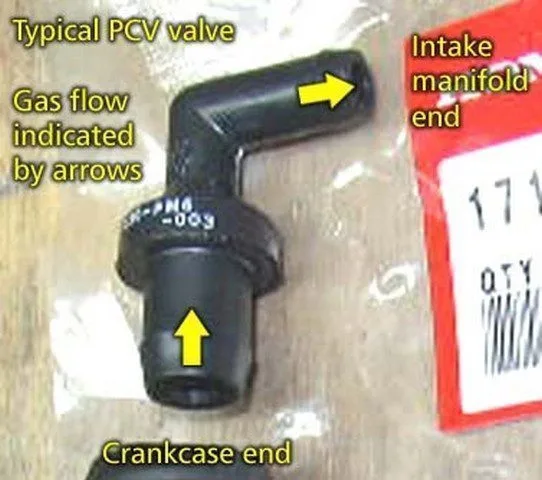
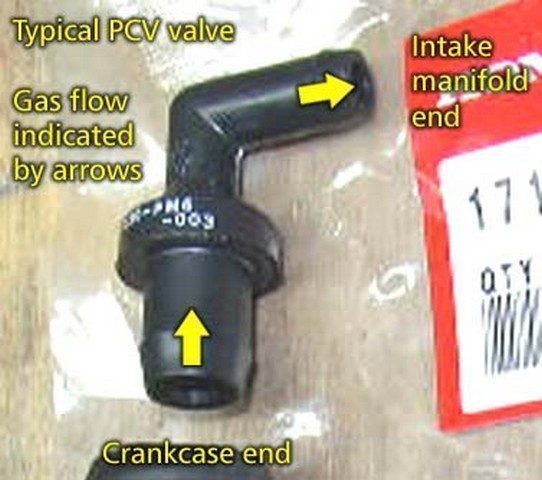
Example of a PCV Valve:

How Severe Is This DTC?

In this case, it is of medium to high severity, which is why addressing the issue is crucial, as once the PCV system fails due to sludge buildup and oil leaks, it can damage your engine to some extent. A clogged PCV valve due to sludge will cause many other potential engine problems. Pressure will start to build up, which could lead to the failure of gaskets and oil seals.
What are some of the symptoms of the code?

Symptoms of a P053A diagnostic trouble code may include:

Excessive oil consumption
Sludge in the engine oil
Engine misfires
Reduced fuel economy
Engine oil leak
A faulty PCV valve can cause noises such as hissing, whining, or other faint sounds.

What are some common causes of the code?

Causes

of this P053A positive crankcase ventilation code may include:

PCV valve stuck open
Wiring issue causing an open/short/out-of-range condition in the positive crankcase ventilation heater control circuit
ECM (Engine Control Module) problem (e.g., internal short, open circuit, etc.)
Contaminated inline PCV air filter (possibly internal)
Oil contamination on the electrical connector and/or wiring harnesses leading to an electrical connection issue
Faulty PCV heater

What are the diagnostic and troubleshooting steps for P053A?

The first step in the troubleshooting process for any malfunction is to check the Technical Service Bulletins (TSBs) for known issues with the specific vehicle.

Advanced diagnostic steps become very vehicle-specific and may require appropriate advanced equipment and knowledge to perform accurately. We include the basic steps below but refer to a repair guide specific to the year/make/model/powertrain for steps tailored to your vehicle.
Basic Step #1

There are several ways to check if the PCV valve is functioning correctly, and you can decide which method is easiest for you; however, it is important that the engine is idling regardless of the method you use. Here are two methods to check if the valve is functional:

Method 1: Detach the PCV valve from the valve cover with the hose still intact, then carefully place your finger over the open end of the hose. If your valve is working properly, you will feel a strong suction sensation. Then try shaking the valve; if it rattles, it means nothing is obstructing its path. However, if there is no rattling noise, it indicates it is damaged.

Method 2: Remove the oil filler cap on the valve cover, then place a piece of stiff paper over the top of the opening. The paper should be sucked against the hole within a few seconds if your valve is functioning correctly.

If you find that the valve is not working properly, you should not immediately buy a replacement. Instead, try cleaning it using a bit of carburetor cleaner, sparingly, especially in heavily contaminated areas. Be sure to check for discoloration and/or gummy deposits, which would be a sign that the valve is clean.
Basic Step #2

Check the wiring harness involved in the PCV system circuit(s). Since PCV systems are exposed to oil in the system, one possible cause is oil contamination. If oil is leaking onto the wiring harnesses, wires, and/or connectors, it can cause electrical issues, as oil can and will eat away at the important wire insulation. So if you see anything of this nature, be sure to repair it properly to ensure a good electrical connection in the positive crankcase ventilation heater control circuit.

This article is strictly for informational purposes only, and technical data and service bulletins for your specific vehicle should always take precedence.

P053B Positive Crankcase Ventilation Heater Control Circuit Low

What Does It Mean?

This is a generic powertrain diagnostic trouble code (DTC) and generally applies to OBD-II vehicles. Vehicle makes may include, but are not limited to, BMW, Mini, Jeep, Chrysler, Ford, etc.

The PCV (Positive Crankcase Ventilation) is technically a system designed to remove harmful vapors from the engine and also to prevent said vapors from being ejected into the atmosphere. It is also capable of doing so by using the manifold vacuum to draw the vapors from the crankcase into the intake manifold. The crankcase vapors are channeled through the combustion chambers with the air-fuel mixture to be burned. The PCV valve controls the flow within the system, making it an effective ventilation system for the crankcase and also a pollution control device.

This PCV system has become standard for all new vehicles since the 1960s, and a variety of systems have been created over the years, but its main function remains the same. There are two main types of PCV systems, which are open and closed systems. Technically, both operate similarly; however, since the use of the closed system in 1968, it has proven more effective for atmospheric pollution control.

Using a heating system/element, the PCV system is capable of removing moisture, which is considered one of the main contaminants in the engine. When the engine is running, it generally creates heat capable of burning off most of the moisture in the system. However, when it cools down, that’s when condensation occurs. There are specific additives in engine oils that suspend the water molecule caused by moisture. However, in time, it eventually exceeds its capacity, and the water corrodes the metal parts of the engine, damaging it to some extent.

The ECM (Engine Control Module) is responsible for monitoring and adjusting the positive crankcase ventilation heater control circuit. If the P053B code is active, the ECM has detected a low voltage electrical condition in the PCV heater control circuit.

Example of a PCV Valve:

How Severe Is This DTC?

In this case, it is of medium to high severity, which is why addressing the issue is crucial, as once the PCV system fails due to sludge buildup and oil leaks, you can damage your engine to some extent. A clogged PCV valve due to sludge will cause many other possible engine problems. Pressure will start to build up, which could lead to the failure of gaskets and the oil seal.
What Are Some of the Symptoms of the Code?

Symptoms of a P053B diagnostic code may include:

Excessive oil consumption
Sludge in the engine oil
Engine misfires
Reduced fuel economy
Engine oil leak
A faulty PCV valve can cause noises such as whistling, whining, or other faint sounds.

What Are Some of the Common Causes of the Code?

Causes

of this P053B positive crankcase ventilation code may include:

PCV valve stuck open
Wiring issue causing an open/short/out-of-range condition in the positive crankcase ventilation heater control circuit
ECM (Engine Control Module) problem (i.e., internal short, open, etc.)
Contaminated inline PCV air filter (possibly internal)
Oil contamination on the electrical connector and/or harnesses causing an electrical connection issue
Faulty PCV heater

What Are the Diagnostic and Troubleshooting Steps for P053B?

The first step in the troubleshooting process for any malfunction is to check the Technical Service Bulletins (TSB) for known issues with the specific vehicle.

Advanced diagnostic steps become very vehicle-specific and may require the appropriate equipment and advanced knowledge to operate accurately. We include the basic steps below but refer to a repair guide specific to the year/make/model/powertrain for steps tailored to your vehicle.
Basic Step #1

There are several ways to check if the PCV valve is working correctly, and you will decide which method is easiest for you; however, it is important that the engine is idling regardless of the method you use. Here are two methods to check if the valve is functional:

Method 1: Loosen the PCV valve from the valve cover with the hose still intact, then carefully place your finger over the open end of the hose. If your valve is working properly, you will feel a strong suction sensation. Then try shaking the valve, and if it rattles, it means there is nothing obstructing its path. However, if there is no rattling noise coming from it, it means it has been damaged.

Method 2: Remove the oil filler cap from the valve corner, then place a piece of stiff paper over the top of the opening. The paper should be sucked against the hole within seconds if your valve is working correctly.

If you find that the valve is not working properly, you should not immediately buy a replacement. Instead, try cleaning it using a bit of carburetor cleaner, sparingly, especially in heavily contaminated areas. Be sure to check for discoloration and/or gummy deposits, which would be a sign that the valve is well cleaned.
Basic Step #2

Check the harness involved in the PCV system circuit(s). Since PCV systems are subject to the presence of oil in the system, one of the possible causes is oil contamination. If oil is leaking onto the harnesses, wires, and/or connectors, it can cause electrical problems, as oil can and will continue to eat away at the important wire insulation. So, if you see anything of this nature, be sure to repair it properly to ensure a good electrical connection in the positive crankcase ventilation heater control circuit.

This article is strictly for informational purposes only, and technical data and service bulletins for your specific vehicle should always take priority.

P053C High Crankcase Ventilation Heater Control Circuit

What does it mean?

This is a generic powertrain diagnostic trouble code (DTC) and generally applies to OBD-II vehicles. Vehicle makes may include, but are not limited to, BMW, Mini, Jeep, Chrysler, Ford, etc.

The PCV (Positive Crankcase Ventilation) is technically a system designed to remove harmful vapors from the engine and also to prevent said vapors from being ejected into the atmosphere. It is also capable of doing this by using the manifold vacuum to draw the vapors from the crankcase into the intake manifold. The crankcase vapors are channeled through the combustion chambers with the air-fuel mixture to be burned. The PCV valve controls the flow within the system, making it an effective ventilation system for the crankcase and also a pollution control device.

This PCV system has become standard for all new vehicles since the 1960s, and a variety of systems have been created over the years, but its main function remains the same. There are two main types of PCV systems, which are open and closed systems. Technically, both operate similarly; however, since the use of the closed system in 1968, it has proven more effective for atmospheric pollution control.

Using a heating system/element, the PCV system is able to remove moisture, which is considered one of the main contaminants in the engine. When the engine is running, it typically generates heat capable of burning off most of the moisture in the system. However, when it cools down, that’s when condensation occurs. There are specific additives in engine oils that suspend the water molecule caused by moisture. But in time, it eventually exceeds its capacity, and the water corrodes the metal parts of the engine, damaging it to some extent.

The ECM (Engine Control Module) is responsible for monitoring and adjusting the positive crankcase ventilation heater control circuit. If code P053C is set, it means the ECM has detected an electrical condition of excessively high voltage in the PCV heater control circuit.

Example of a PCV Valve:

How severe is this DTC?

In this case, it is of medium to high severity, which is why addressing the issue is crucial, as once the PCV system fails due to sludge buildup and oil leaks, you can damage your engine to some extent. A PCV valve clogged by sludge will cause many other possible engine problems. Pressure will start to build up, which could lead to the failure of gaskets and the oil seal.
What are some of the symptoms of the code?

Symptoms of a P053C diagnostic code may include:

Excessive oil consumption
Sludge in the engine oil
Engine misfires
Reduced fuel economy
Engine oil leak
A faulty PCV valve can cause noises such as hissing, whining, or other faint sounds.

What are some common causes of the code?

Causes

of this P053C positive crankcase ventilation code may include:

PCV valve stuck open
Wiring issue causing an open/short/out-of-range condition in the positive crankcase ventilation heater control circuit
ECM (Engine Control Module) problem (i.e., internal short, open, etc.)
Contaminated inline PCV air filter (possibly internal)
Oil contamination on the electrical connector and/or harnesses leading to an electrical connection problem
Faulty PCV heater

What are the diagnostic and troubleshooting steps for P053C?

The first step in the troubleshooting process for any malfunction is to check the Technical Service Bulletins (TSBs) for known issues with the specific vehicle.

Advanced diagnostic steps become very vehicle-specific and may require the appropriate advanced equipment and knowledge to operate accurately. We include the basic steps below but refer to a repair guide specific to the year/make/model/powertrain for steps tailored to your vehicle.
Basic Step #1

There are several ways to check if the PCV valve is working correctly, and you will decide which method is easiest for you; however, it is important that the engine is idling regardless of the method you use. Here are two methods to check if the valve is functional:

Method 1: Detach the PCV valve from the valve cover with the hose still intact, then carefully place your finger over the open end of the hose. If your valve is working properly, you will feel a strong suction sensation. Then try shaking the valve, and if it rattles, it means nothing is obstructing its path. However, if there is no rattling noise coming from it, it means it has been damaged.

Method 2: Remove the oil filler cap on the valve corner, then place a piece of stiff paper over the top of the opening. The paper should be sucked against the hole within a few seconds if your valve is working correctly.

If you find that the valve is not working properly, you should not immediately buy a replacement. Instead, try cleaning it using a bit of carburetor cleaner, sparingly, especially in heavily contaminated areas. Be sure to check for discoloration and/or gummy deposits, which would be a sign that the valve is well cleaned.
Basic Step #2

Check the harness involved in the PCV system circuit(s). Since PCV systems are subject to the presence of oil in the system, one possible cause is oil contamination. If oil is leaking onto the harnesses, wires, and/or connectors, it can cause electrical problems, as oil can and will continue to eat away at the important wire insulation. So if you see anything of this nature, be sure to repair it properly to ensure a good electrical connection in the positive crankcase ventilation heater control circuit.

This article is strictly for informational purposes only, and the technical data and service bulletins for your specific vehicle should always take precedence.

P053D, P053E, P053F ISO/SAE Reserved

P011E, P011F ISO/SAE reserved

P0540 Intake Air Heater A Circuit

What Does It Mean?

This generic powertrain diagnostic trouble code (DTC) generally applies to all OBD-II equipped vehicles that have an air intake heater, including but not limited to Chevrolet GMC (Duramax), Ford (Powerstroke), Honda, Nissan, Dodge, etc.

This code is one of several possible codes associated with a malfunction in the air intake heater circuit. An air intake heater is a critical component for a diesel engine to assist the starting process. The five codes that the Powertrain Control Module (PCM) can set for issues with the “A” air intake heater circuit are P0540, P0541, P0542, P0543, and P2604.

What is an Air Intake Heater For?

The “A” air intake heater circuit is designed to operate the components that provide hot air to facilitate the starting and idling of the diesel engine at various temperatures. The typical air intake heater circuit includes a heating element, relays, a temperature sensor, and at least one fan. Air ducts are also required to route the hot air to the intake connections, and electrical wiring controls the operation of these components.

The P0540 fault code is triggered by the PCM when it receives an abnormal signal from the “A” air intake heater circuit. The circuit may be out of range, contain a faulty component, or have poor airflow. Various circuit malfunctions may be present and can be physical, mechanical, or electrical.

The P0540 code is set when the PCM detects a malfunction in the “A” air intake heater circuit.

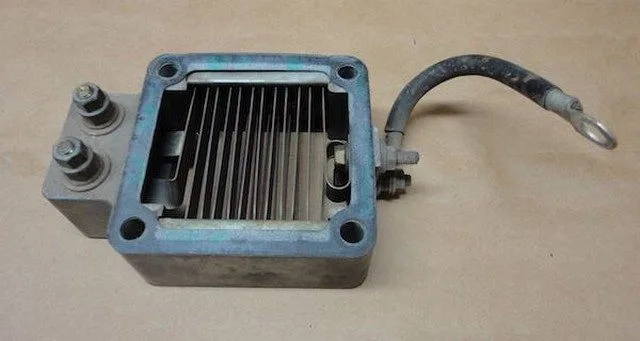
Here is an example of an air intake heater:

Code Severity and Symptoms

The severity of this code is normally moderate but can be severe depending on the specific malfunction.

Symptoms of a P0540 diagnostic trouble code may include:

Engine does not start
Longer than normal starting time
Check Engine Light illuminated
Rough idle in cold weather
Engine stalls

Causes

Typically, potential causes of this code include:

Faulty heating element relay
Defective heating element
Faulty temperature sensor
Corroded or damaged connector
Damaged or restricted air duct
Faulty or damaged wiring
Faulty blower motor
Faulty PCM

Another style of air intake heater:

What are the most common repairs?

Replacing the heating element
Replacing the temperature sensor
Replacing the heating element relay
Cleaning corrosion from connectors
Repairing or replacing wiring
Replacing damaged air ducts
Replacing the fan motor
Flashing or replacing the PCM

Diagnostic and Repair Procedures

The first step in the troubleshooting process for any malfunction is to search for Technical Service Bulletins (TSBs) for the specific vehicle by year, model, and powertrain. In some circumstances, this can save you a lot of time in the long run by pointing you in the right direction.

The air intake heater circuit may not operate automatically if the ambient air or engine temperature is above the limit set by the manufacturer. The circuit should activate if it is commanded “ON” with a scan tool, or if power is applied manually.
Basic Steps

Check the heating element, does it turn “ON”
NOTE: Do not touch the heating element or heat shield
Check the blower motor, does it turn “ON”
Visually inspect the circuit connections and wiring for defects
Visually inspect the condition of the air ducts for obvious defects
Check electrical connections for security and corrosion

Advanced Steps

Advanced steps become very vehicle-specific and require appropriate advanced equipment to perform accurately. These procedures require a digital multimeter and vehicle-specific technical references. Voltage requirements will be highly dependent on the specific year, model, and diesel engine of the vehicle.
Specific Checks:

Note: On applications equipped with mass air flow sensors, the intake air temperature sensor is integrated into the sensor body. Consult technical data to determine the correct pins associated with the sensor.

Specific checks should be performed using the troubleshooting guidelines for the specific vehicle, using the technical manual or online reference material. These steps will guide you through the process of checking the power and ground for each component in the air intake heater circuit in the correct order. If the voltage is correct for a component that is not operating, that component is likely faulty and needs replacement. If power is not available to operate the circuit, continuity checks may be necessary to identify faulty wiring or components.

I hope the information in this article has helped point you in the right direction to correct your air intake heater circuit malfunction issue. This article is strictly informational, and the technical data and service bulletins specific to your vehicle should always take priority.

P0541 Intake Air Heater A, Low Circuit

What Does It Mean?

This generic powertrain diagnostic trouble code (DTC) generally applies to all OBD-II equipped vehicles that have an air intake heater, including but not limited to Chevrolet GMC (Duramax), Ford (Powerstroke), Honda, Nissan, Dodge, etc.

This code is one of several possible codes associated with a malfunction in the intake air heater circuit. An intake air heater is a crucial component for a diesel engine to assist the starting process. The five codes that the Powertrain Control Module (PCM) can set for issues with the “A” intake air heater circuit are P0540, P0541, P0542, P0543, and P2604.

What is the Purpose of an Air Intake Heater?

The “A” intake air heater circuit is designed to operate the components that provide hot air to facilitate the starting and idling of the diesel engine at various temperatures. The typical intake air heater circuit includes a heating element, relays, a temperature sensor, and at least one fan. Air ducts are also required to route the hot air to the intake connections, and electrical wiring controls the operation of these components.

The P0541 fault code is triggered by the PCM when it receives a low signal from the “A” intake air heater circuit. The circuit may be out of range, contain a faulty component, or have poor airflow. Various circuit malfunctions can be present and may be physical, mechanical, or electrical.

Here is an example of an air intake heater:

Code Severity and Symptoms

The severity of this code is normally moderate but can be severe depending on the specific malfunction.

Symptoms of a P0541 diagnostic trouble code may include:

Engine does not start
Longer than normal starting time
Check engine light illuminated
Rough idle in cold weather
Engine stalls

Causes

Typically, potential causes of this code include:

Faulty heater element relay
Defective heating element
Faulty temperature sensor
Corroded or damaged connector
Damaged or restricted air duct
Faulty or damaged wiring
Faulty blower motor
Faulty PCM

Another style of air intake heater:

What are the Most Common Repairs?

Replacement of the heating element
Replacement of the temperature sensor
Replacement of the heater element relay
Cleaning corrosion from connectors
Repairing or replacing wiring
Replacement of damaged air ducts
Replacement of the fan motor
Flashing or replacing the PCM

Diagnostic and Repair Procedures

The first step in the troubleshooting process for any malfunction is to search for Technical Service Bulletins (TSBs) for the specific vehicle by year, model, and powertrain. In some circumstances, this can save you significant time in the long run by pointing you in the right direction.

The intake air heater circuit may not operate automatically if the ambient air or engine temperature is above the manufacturer’s set limit. The circuit should activate if it is commanded “ON” with a scan tool, or if power is applied manually.
Basic Steps

Check the heating element, does it turn “ON”
NOTE: Do not touch the element or heat shield
Check the blower motor, does it turn “ON”
Visually inspect the circuit connections and wiring for obvious defects
Visually inspect the condition of the air ducts for obvious defects
Check electrical connections for security and corrosion

Advanced Steps

Advanced steps become very vehicle-specific and require appropriate advanced equipment to perform accurately. These procedures require a digital multimeter and vehicle-specific technical references. Voltage requirements will be highly dependent on the specific vehicle year, model, and diesel engine.
Specific Checks:

Note: On applications equipped with mass air flow sensors, the intake air temperature sensor is integrated into the sensor body. Consult technical data to determine the correct pins associated with the sensor.

Specific checks should be performed using the troubleshooting guidelines for the specific vehicle, using the technical manual or online reference material. These steps will guide you through the process of checking the power and ground for each component in the intake air heater circuit in the correct order. If voltage is correct for a component that is not functioning, that component is likely faulty and needs replacement. If power is not available to operate the circuit, continuity checks may be necessary to identify faulty wiring or components.

I hope the information in this article has helped point you in the right direction to correct your intake air heater circuit malfunction issue. This article is strictly informational, and the technical data and service bulletins specific to your vehicle should always take priority.

P0542 Intake Air Heater A Circuit High

What Does It Mean?

This generic powertrain diagnostic trouble code (DTC) generally applies to all OBD-II equipped vehicles that have an air intake heater, including but not limited to Chevrolet GMC (Duramax), Ford (Powerstroke), Honda, Nissan, Dodge, etc.

This code is one of several possible codes associated with a malfunction in the intake air heater circuit. An intake air heater is a crucial component for a diesel engine to assist the starting process. The five codes that the Powertrain Control Module (PCM) can set for issues with the “A” intake air heater circuit are P0540, P0541, P0542, P0543, and P2604.

What is the Purpose of an Air Intake Heater?

The “A” intake air heater circuit is designed to operate the components that provide hot air to facilitate the starting and idling of the diesel engine at various temperatures. The typical intake air heater circuit includes a heating element, relays, a temperature sensor, and at least one fan. Air ducts are also required to route the hot air to the intake connections, and electrical wiring controls the operation of these components.

The P0542 fault code is triggered by the PCM when it receives a high signal from the “A” intake air heater circuit. The circuit may be out of range, contain a faulty component, or have poor air circulation. Various circuit malfunctions can be present and may be physical, mechanical, or electrical.

Here is an example of an air intake heater:

Code Severity and Symptoms

The severity of this code is normally moderate but can be severe depending on the specific malfunction.

Symptoms of a P0542 diagnostic trouble code may include:

Engine does not start
Longer than normal starting time
Check Engine Light illuminated
Rough idle in cold weather
Engine stalls

Causes

Typically, potential causes of this code include:

Faulty heater element relay
Defective heating element
Faulty temperature sensor
Corroded or damaged connector
Damaged or restricted air duct
Faulty or damaged wiring
Faulty blower motor
Faulty PCM

Another style of air intake heater:

What are the Most Common Repairs?

Replacing the heating element
Replacing the temperature sensor
Replacing the heater element relay
Cleaning corrosion from connectors
Repairing or replacing wiring
Replacing damaged air ducts
Replacing the fan motor
Flashing or replacing the PCM

Diagnostic and Repair Procedures

The first step in the troubleshooting process for any malfunction is to search for Technical Service Bulletins (TSBs) for the specific vehicle by year, model, and powertrain. In some circumstances, this can save a lot of time in the long run by pointing you in the right direction.

The intake air heater circuit may not operate automatically if the ambient air or engine temperature is above the manufacturer’s set limit. The circuit should activate if it is commanded “ON” with a scan tool, or if power is applied manually.
Basic Steps

Check the heating element, does it turn “ON”
NOTE: Do not touch the heating element or heat shield
Check the blower motor, does it turn “ON”
Visually inspect the circuit connections and wiring for obvious faults
Visually inspect the condition of the air ducts for obvious defects
Check electrical connections for security and corrosion

Advanced Steps

Advanced steps become very vehicle-specific and require appropriate advanced equipment to perform accurately. These procedures require a digital multimeter and vehicle-specific technical references. Voltage requirements will be highly dependent on the specific vehicle year, model, and diesel engine.
Specific Checks:

Note: On applications equipped with mass air flow sensors, the intake air temperature sensor is integrated into the sensor body. Consult technical data to determine the correct pins associated with the sensor.

Specific checks should be performed using the troubleshooting guidelines for the specific vehicle, using the technical manual or online reference material. These steps will guide you through the process of checking the power and ground for each component in the intake air heater circuit in the correct order. If the voltage is correct for a component that is not functioning, that component is likely faulty and needs replacement. If power is not available to operate the circuit, continuity checks may be necessary to identify faulty wiring or components.

I hope the information in this article has helped point you in the right direction to correct your intake air heater circuit malfunction issue. This article is strictly informational, and the technical data and service bulletins specific to your vehicle should always take priority.

P0543 Intake Air Heater A Circuit Open

What Does It Mean?

This generic powertrain diagnostic trouble code (DTC) generally applies to all OBD-II equipped vehicles that have an air intake heater, including but not limited to Chevrolet GMC (Duramax), Ford (Powerstroke), Honda, Nissan, Dodge, etc.

This code is one of several possible codes associated with a malfunction in the air intake heater circuit. An air intake heater is a crucial component for a diesel engine to assist the starting process. The five codes that the Powertrain Control Module (PCM) can set for issues with the “A” air intake heater circuit are P0540, P0541, P0542, P0543, and P2604.

What is the Purpose of an Air Intake Heater?

The “A” air intake heater circuit is designed to operate components that provide hot air to facilitate the starting and idling of a diesel engine at various temperatures. The typical air intake heater circuit includes a heating element, relays, a temperature sensor, and at least one fan. Air ducts are also required to route the hot air to the intake connections, and electrical wiring controls the operation of these components.

The P0543 fault code is triggered by the PCM when it detects an open circuit in the “A” air intake heater circuit.

Code Severity and Symptoms

The severity of this code is normally moderate but can be severe depending on the specific malfunction.

Symptoms of a P0543 diagnostic trouble code may include:

Engine does not start
Longer than normal starting time
Check engine light illuminated
Rough idle in cold weather
Engine stalls

Causes

Typically, potential causes of this code include:

Faulty heating element relay
Defective heating element
Faulty temperature sensor
Corroded or damaged connector
Damaged or restricted air duct
Faulty or damaged wiring
Faulty blower motor
Faulty PCM

Another Style of Air Intake Heater:

What Are the Most Common Repairs?

Replacing the heating element
Replacing the temperature sensor
Replacing the heating element relay
Cleaning corrosion from connectors
Repairing or replacing wiring
Replacing damaged air ducts
Replacing the fan motor
Flashing or replacing the PCM

Diagnostic and Repair Procedures

The first step in the troubleshooting process for any malfunction is to search for Technical Service Bulletins (TSBs) for the specific vehicle by year, model, and powertrain. In some circumstances, this can save a lot of time in the long run by pointing you in the right direction.

The air intake heater circuit may not operate automatically if the ambient air or engine temperature is above the limit set by the manufacturer. The circuit should activate if it is commanded “ON” with a scanner, or if power is applied manually.
Basic Steps

Check the heating element, does it turn “ON”
NOTE: Do not touch the element or heat shield
Check the blower motor, does it turn “ON”
Visually inspect the circuit connections and wiring for defects
Visually inspect the condition of the air ducts for obvious defects
Check electrical connections for security and corrosion

Advanced Steps

Advanced steps become very vehicle-specific and require appropriate advanced equipment to perform accurately. These procedures require a digital multimeter and vehicle-specific technical references. Voltage requirements will be highly dependent on the specific year, model, and diesel engine of the vehicle.
Specific Checks:

Note: On applications equipped with mass air flow sensors, the intake air temperature sensor is integrated into the sensor body. Consult technical data to determine the correct pins associated with the sensor.

Specific checks should be performed using the troubleshooting guidelines for the specific vehicle, using the technical manual or online reference material. These steps will guide you through the process of checking the power and ground for each component in the air intake heater circuit in the correct order. If voltage is correct for a component that is not operating, that component is likely faulty and needs replacement. If power is not available to operate the circuit, continuity checks may be necessary to identify faulty wiring or components.

I hope the information in this article has helped point you in the right direction to correct the malfunction in your air intake heater circuit. This article is strictly informational, and the technical data and service bulletins specific to your vehicle should always take priority.