P00AF Turbocharger / Supercharger Boost Control A Module Performance

What is the P00AF Code?

The P00AF fault code is a generic OBD-II powertrain code that indicates a performance issue within the “A” boost control module. It relates to the boost pressure management system of turbochargers or superchargers. This code is likely to appear on many brands such as Chevrolet, GMC Duramax, Dodge, Ram Cummins, Isuzu, Ford, Vauxhall, or Volkswagen. Precise diagnostic procedures vary depending on the model, year, and engine configuration.

Operation of the Boost System

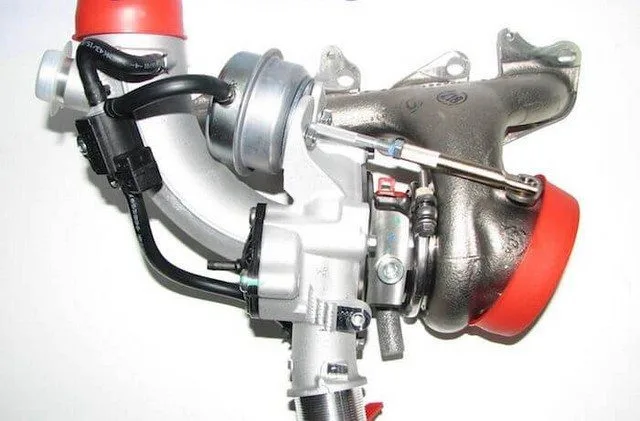
Forced induction systems (turbocharger, supercharger) use energy from exhaust gases or the engine to compress the air entering the cylinders, thereby increasing power. To precisely regulate boost pressure, the engine control module (ECM) controls an actuator, often a solenoid or wastegate valve. The latter mechanically adjusts the turbocharger vanes. If the ECM detects that the “A” control module is operating outside its intended parameters, it logs the P00AF code and illuminates the malfunction indicator lamp (check engine). The vehicle may then enter a reduced performance mode (limp mode) to protect the engine.

Severity of the P00AF Code

The severity of this code is moderate to high. A fault in the boost control system can lead to a non-stoichiometric air-fuel mixture (too rich or too lean), eventually causing excessive fuel consumption, significant power loss, and potentially internal engine damage. It is recommended to perform diagnostics promptly.

Symptoms of the P00AF Code

  • Significant engine power loss
  • Abnormal or weak throttle response
  • Irregular engine operation
  • Difficulty maintaining speed or climbing hills
  • Activation of safety mode (reduced performance or limp mode)
  • Check engine light illuminated

Possible Causes of the Fault

  • Faulty solenoid or wastegate valve (stuck, broken, or seized lever)
  • Failed Boost Control Module
  • Wiring problem (short circuit, open circuit, frayed or burnt wires)
  • Corrosion or poor contact at electrical connectors
  • Soot clogging of the turbocharger vanes
  • Leak in the exhaust or intake circuit
  • Rare internal ECM failure

How to Diagnose and Resolve the P00AF Code?

⛑️ Safety Precautions

Warning: Boost system components become extremely hot. Only work on a cold engine to avoid any risk of burns.

Step 1: Visual Inspection

Locate the boost control solenoid (usually mounted on the turbocharger). Check its physical condition and electrical connector. Look for any obvious signs of damage, corrosion, or water intrusion.

Step 2: Mechanical Check

If possible, manually verify that the actuator (wastegate) lever moves freely without being seized, broken, or bent. On some models, the lever may be adjustable. Be very careful not to damage these expensive parts.

Step 3: Wiring Inspection

Carefully inspect the wiring harness going to the solenoid. It is often exposed to high heat. Look for melted, frayed wires, or signs of burning.

Step 4: Professional Diagnosis

The steps above are basic checks. A thorough diagnosis with a professional automotive scanner is essential to measure solenoid values, test circuits, and confirm the exact source of the problem before replacing any part.

🔧 Need Help?

The P00AF code can be complex to diagnose. If you are unsure of your diagnosis, consult a professional mechanic to avoid damaging your vehicle. Use the data from your specific repair manual for more details.
P00B0 Turbocharger/Supercharger Boost Control B Module Performance

What is the P00B0 Code?

The P00B0 fault code is a generic diagnostic trouble code (DTC) related to the powertrain, applicable to vehicles equipped with the OBD-II standard. It indicates a performance anomaly within the “B” Boost Control Module. This code frequently concerns brands like Chevrolet, GMC (Duramax), Dodge, Ram (Cummins), Ford, VW, and others. Precise repair procedures vary depending on the model, year, and engine configuration.

How the Boost System Works

Forced induction systems, such as turbochargers, use exhaust gas energy to compress the intake air entering the combustion chambers, thereby increasing engine power. To regulate the boost pressure according to demand, a module controlled by the engine control module (ECM) operates a wastegate or variable geometry vanes. The P00B0 code illuminates when the ECM detects that this “B” module is operating outside its normal parameters, often leading to a switch to a reduced power mode (“limp mode”) to protect the engine.

Severity of the P00B0 Code

The severity is moderate to high. A fault in boost control can cause an unbalanced air-fuel mixture (too rich or too lean), risking engine damage over time and leading to increased fuel consumption. Prompt repair is recommended.

Symptoms of the P00B0 Code

  • Loss of power and overall poor performance
  • Abnormal response during acceleration
  • Difficulty climbing hills
  • Activation of fail-safe mode (“limp mode”)
  • Intermittent drivability symptoms

Possible Causes of the Fault

  • Faulty boost control solenoid or module
  • Corrosion or poor connection in electrical connectors
  • Wiring issue (break, short circuit)
  • Clogging of turbocharger vanes (soot)
  • Exhaust leak
  • Internal ECM failure (less common)

Diagnostic Steps

Step 1: Visual and Mechanical Inspection

WARNING: The exhaust system and turbocharger become extremely hot. Only perform work on a cold, switched-off engine.

Locate the boost control solenoid or module (often mounted on the turbocharger). Check that the actuation lever is not stuck, broken, or bent and that it can be moved manually (if the design allows).

Step 2: Checking Adjustments and Condition

Some systems have adjustable levers. Consult the specific technical documentation for your vehicle before any adjustment to avoid damaging expensive components.

Step 3: Checking for Signs of Corrosion or Infiltration

Inspect the module and its connectors for any signs of corrosion, water infiltration, or physical damage. The presence of oxidation usually requires replacement.

Step 4: Wiring Inspection

Follow the wiring harness connecting the module to the computer. Wires are often exposed to high temperatures. Look for any signs of burning, frayed insulation, broken wires, or short circuits.

Conclusion and Call to Action

Accurate diagnosis of the P00B0 code can be complex due to the diversity of systems. If basic checks have not identified the cause of the problem, it is highly recommended to consult a professional equipped with an advanced diagnostic tool to analyze live data from the boost control module.

Need help diagnosing or repairing this fault code? Consult a specialized garage for an accurate diagnosis and to avoid any risk of further damage to your engine.

Radiator Coolant Temperature Sensor Circuit P00B1

What is the P00B1 Code?

The P00B1 diagnostic trouble code is a generic powertrain code related to the radiator coolant temperature sensor circuit. It applies to most OBD-II vehicles, including Mercedes, BMW, Nissan, Ford, Honda, Chevrolet, and many others.

Role of the Cooling System and Sensor

The cooling system is crucial for the proper functioning of the engine. It regulates temperature through several components, including the coolant temperature sensor (CTS), radiator, water pump, and thermostat.

The engine control module (ECM) uses data from the CTS to adjust the air/fuel mixture. Most CTS operate with a negative temperature coefficient: their internal resistance decreases as temperature increases. The P00B1 code is triggered when the ECM detects an inconsistent electrical value in the CTS circuit.

Severity of the P00B1 Code

This code is considered moderately severe. A faulty CTS can lead to increased fuel consumption, premature engine wear, or even serious damage if not addressed. It is recommended to perform diagnostics promptly.

Symptoms of the P00B1 Code

  • Hard cold starts
  • Rough idle or stalling
  • Poor fuel economy
  • Smoke or gasoline smell from the exhaust
  • Erratic temperature readings on the dashboard
  • Decreased engine performance

Possible Causes

  • Faulty coolant temperature sensor (CTS)
  • Clogged or obstructed sensor
  • Leak at the sensor seal
  • Damaged or corroded wiring
  • Connector or fuse issue
  • ECM failure (rare)

Tools Needed for Diagnosis

  • OBD2 scanner
  • Multimeter
  • Set of wrenches and sockets
  • Electrical contact cleaner
  • Vehicle-specific repair manual

Safety Tips

  • ⚠️ Always let the engine cool down before any intervention.
  • ⛑️ Wear protective equipment (gloves, safety glasses).
  • 🔋 Check the battery and charging system condition.

Diagnostic Procedure

Step 1: Visual Inspection

Inspect the sensor and its connector for obvious signs of damage, corrosion, or leaks. Consult the manual to precisely locate the CTS.

Step 2: Sensor Testing

Using a multimeter, measure the sensor’s resistance and compare it to the specific values indicated in the manual. A deviation means the sensor is faulty.

Step 3: Checking for Leaks and Wiring

Check the seal’s integrity and the condition of the wiring harness. Melted wiring or exposed wires are common in this circuit due to heat.

Step 4: Cleaning and Replacement

Clean the sensor and its connector. If necessary, replace the sensor using the coolant type recommended by the manufacturer.

💡 Pro tip: Check your vehicle’s technical service bulletins (TSB) for any known fixes.

Conclusion

A P00B1 code should not be ignored. Accurate diagnosis helps avoid costly repairs and ensures your engine’s longevity. If you are not comfortable with these procedures, consult a qualified mechanic.

📞 Need help? Share the error codes and symptoms in the comments or consult a professional for an in-depth diagnosis.

Radiator Coolant Temperature Sensor Circuit Range P00B2

What is the P00B2 Code?

The P00B2 trouble code is a generic OBD-II code related to the Radiator Coolant Temperature Sensor Circuit Performance Range. It applies to many vehicles, including Mercedes, BMW, Nissan, Ford, Honda, and many others.

Role of the Cooling System and the Sensor

The cooling system is vital for the engine. It regulates its temperature using components like the Coolant Temperature Sensor (CTS), radiator, water pump, and thermostat.

The Engine Control Module (ECM) uses data from the CTS to adjust the air/fuel mixture. Most CTSs have a negative temperature coefficient: their internal resistance decreases as the temperature increases. The P00B2 code is triggered when the ECM detects that the CTS is operating outside its normal performance range. It is part of a family of codes including P00B1, P00B3, P00B4, and P00B5.

Severity of the P00B2 Code

This fault is considered moderately severe. Since the CTS directly influences engine performance and fuel economy, it should not be ignored. An unresolved issue can lead to more significant engine damage and costly repairs.

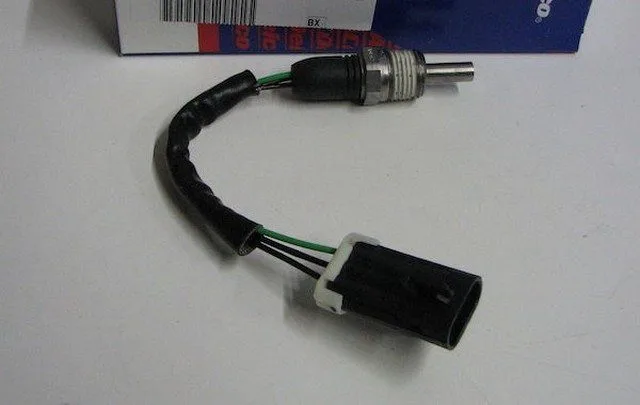
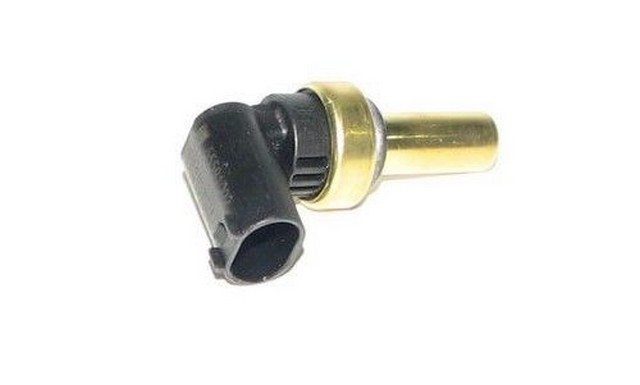
Example of a radiator coolant temperature sensor

Symptoms of the P00B2 Code

  • Hard cold starting
  • Rough idle
  • Engine stalling
  • Poor fuel consumption
  • Exhaust smoke
  • Fuel smell
  • Erratic temperature readings on the dashboard
  • Poor engine performance

Possible Causes of the Fault

  • Faulty temperature sensor (CTS)
  • Sensor dirty or clogged with debris
  • Leak at the sensor O-ring
  • Damaged or cut wiring harness
  • Blown fuse
  • Connector issue (corrosion, loose pin)
  • ECM module failure (rare)

Tools Needed for Diagnosis

  • OBD2 scanner
  • Digital multimeter
  • Socket and wrench set
  • Screwdriver
  • Electrical contact cleaner
  • Vehicle repair manual

🔧 Consult a Professional if You Are Unsure!

Electrical diagnosis can be complex. Our network of partner garages is available for accurate diagnosis and reliable repairs. for assistance.

Diagnostic Procedure for the P00B2 Code

📋 Safety Tip

ALWAYS let the engine cool down completely before any work. Check the battery and charging system integrity. Use personal protective equipment (PPE).

Step 1: Check Technical Service Bulletins (TSBs)

Before starting, check for any TSBs for your vehicle. A known fix can save you valuable time.

Step 2: Visual Inspection

Locate the sensor (usually on the radiator, cylinder head, or a hose). Inspect it for obvious signs of damage, corrosion, or coolant leaks around the seal.

Step 3: Electrical Testing of the Sensor

Using a multimeter, measure the resistance between the CTS pins. Compare the obtained value with the resistance range specified in the repair manual for the current engine temperature. A value outside the range indicates a faulty sensor that needs replacement.

Step 4: Checking Wiring and Connectors

Carefully inspect the sensor wiring harness along its entire length, looking for burns, cuts, or punctures. Check the connector for corrosion, loose pins, or a broken locking tab. Clean the contacts if necessary.

Step 5: Cleaning and Replacing the Seal

If the sensor is removed, clean its housing of any debris. Take the opportunity to replace the O-ring, an inexpensive component that can cause leaks and erratic readings.

⚠️ Important Note on Coolant

Always use the type of coolant specified by the manufacturer. An unsuitable product can cause corrosion and damage the system.

Need Quality Parts?

Use our to find the temperature sensor and seals suitable for your vehicle model. Fast delivery and warranty included.

Low Value of Radiator Coolant Temperature Sensor Circuit P00B3

Code P00B3: Low Radiator Coolant Temperature Sensor Circuit Value

The P00B3 fault code is a generic OBD-II code related to the powertrain. It indicates that the Engine Control Module (ECM) has detected an abnormally low electrical value in the radiator coolant temperature sensor (CTS) circuit. This issue can affect many brands such as Mercedes, BMW, Nissan, Ford, Honda, Chevrolet, etc.

Role of the Cooling System

The cooling system is crucial for your engine’s health. It regulates its temperature using key components like the temperature sensor (CTS), radiator, water pump, and thermostat. The ECM uses data from the CTS to adjust the air/fuel mixture, which is essential for engine performance and efficiency. Most CTSs have a negative temperature coefficient: their internal resistance decreases as the temperature increases.

Severity of Code P00B3

This code is considered moderately severe. A faulty CTS can lead to poor combustion, increased fuel consumption, and potentially engine damage. It is highly recommended not to ignore this fault to avoid more costly repairs.

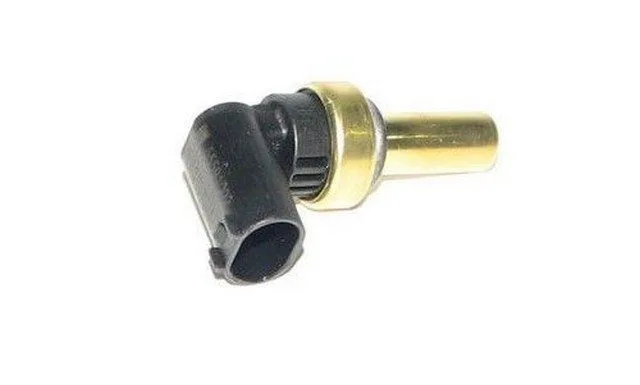
Example of a radiator coolant temperature sensor

Symptoms of Code P00B3

  • Hard cold starts
  • Rough idle or engine stalling
  • Poor fuel consumption
  • Smoke or gasoline smell from the exhaust
  • Erratic temperature readings on the dashboard
  • Decreased engine performance

Possible Causes

  • Faulty temperature sensor (CTS)
  • Dirty or clogged sensor due to debris
  • Leak at the sensor gasket or O-ring
  • Damaged wiring harness or blown fuse
  • Connector issue (corrosion, loose pin)
  • Rare ECM failure

Tools Needed for Diagnosis

  • OBD2 scanner
  • Digital multimeter
  • Wrench and socket set
  • Electrical contact cleaner
  • Vehicle-specific repair manual

Important Safety Tips

  • Always let the engine cool down completely before working on the cooling system.
  • Wear personal protective equipment (safety glasses, gloves).
  • Chock the vehicle’s wheels.
  • Check the battery and charging system condition first.

5-Step Diagnostic Procedure

Step 1: Visual Inspection

Locate the sensor (usually on the radiator, cylinder head, or a coolant hose) and inspect it for any physical damage, corrosion, or coolant leaks. Consult the service manual for its exact location.

Step 2: Sensor Electrical Test

Using a multimeter, measure the resistance between the CTS pins. Compare the obtained value, both cold and hot, with the manufacturer’s specifications. An out-of-range resistance confirms a faulty sensor that needs replacement.

Step 3: Leak and Seal Check

Carefully inspect the sensor gasket. A leak introduces air into the system and distorts measurements. Replace the O-ring even if it only appears worn.

Step 4: Wiring and Connector Inspection

Follow the sensor’s wiring harness. Look for melted, broken wires, or oxidized/corroded connectors, often caused by engine heat. Clean the terminals or repair the wiring if necessary.

Step 5: Cleaning and Reassembly

If the sensor is accessible, remove it and clean it thoroughly to remove any deposits that could affect its reading. Always use the type of coolant recommended by the manufacturer during reassembly.

💡 Pro tip: Before starting, check your vehicle’s Technical Service Bulletins (TSBs). A known fix could save you valuable time.

Need Help?

If the diagnostic steps are beyond your mechanical skills, consult a partner garage for a professional diagnosis. Avoid risks and ensure your vehicle is repaired correctly.

Radiator Coolant Temperature Sensor Circuit P00B4 High

What is the P00B4 Code?

The generic fault code P00B4 indicates a circuit problem with the radiator coolant temperature sensor. This code is specific to vehicles equipped with the OBD-II standard, particularly models from Mercedes, BMW, Nissan, Ford, Honda, Chevrolet, Mazda, Vauxhall, Mini, and Acura.

Role of the Cooling System

The cooling system is essential for the proper functioning of the engine. It regulates the engine temperature through various components, including the coolant temperature sensor (CTS), radiator, water pump, and thermostat.

Operation of the Temperature Sensor

The engine control module (ECM) uses data from the sensor to adjust the air/fuel mixture. The sensor is typically a negative temperature coefficient (NTC) type: its internal resistance decreases as the temperature increases. The P00B4 code is triggered when the ECM detects an abnormally high electrical value in the sensor circuit.

Severity of the P00B4 Fault

This fault is considered moderately severe. Ignoring this issue can lead to engine overheating, premature wear, or costly engine failure. It is recommended to address it promptly.

Example of a coolant temperature sensor

Symptoms of the P00B4 Code

  • Hard cold starting
  • Irregular idle
  • Engine stalling
  • Poor fuel consumption
  • Exhaust smoke
  • Fuel odor
  • Erratic temperature readings
  • Decreased engine performance

Possible Causes of the Fault

  • Faulty temperature sensor
  • Dirty or clogged sensor
  • O-ring leaks
  • Damaged or cut electrical wires
  • Blown fuse
  • ECM problem
  • Oxidized, melted, or broken connector

Tools Needed for Diagnosis

  • OBD2 diagnostic tool
  • Multimeter
  • Wrench and socket set
  • Electrical contact cleaner
  • Suitable coolant
  • Drain pan
  • Repair manual

Safety Tips

  • Allow the engine to cool completely before any intervention.
  • Chock the vehicle’s wheels.
  • Wear personal protective equipment (glasses, gloves).
  • Always check the battery condition before starting diagnosis.

Diagnostic Procedure for the P00B4 Code

Step 1: Consultation of Technical Bulletins

Consult your vehicle’s technical service bulletins (TSBs) to identify any known fixes.

Step 2: Visual Inspection of the Sensor

Locate the sensor (usually on the radiator, cylinder head, or cooling circuit) and inspect it for any signs of physical damage or corrosion.

Step 3: Testing the Sensor

Using a multimeter, measure the sensor’s resistance and compare it to the reference values in the manual. A value outside the specification confirms a faulty sensor that needs replacement.

Step 4: Checking for Leaks

Check the seal of the sensor’s gasket. A leak can introduce air into the circuit and distort measurements. Replace the gasket if necessary.

Step 5: Inspection of the Wiring

Thoroughly inspect the sensor’s electrical harness and connector, which are often exposed to heat and the elements. Look for melted, broken wires, or corroded pins.

Step 6: Cleaning the Sensor

If possible, remove the sensor and clean it of any deposits that could affect its accuracy.

Need Help?

If the diagnosis seems complex, do not hesitate to consult a professional mechanic for reliable repair and to ensure your engine’s longevity.

P00B5 Intermittent Radiator Coolant Temperature Sensor Circuit

What is the P00B5 Code?

The P00B5 diagnostic trouble code (DTC) is a generic powertrain code. It indicates an intermittent issue in the radiator coolant temperature sensor circuit. This code applies to many OBD-II compliant vehicles, including those from Mercedes, BMW, Nissan, Ford, Honda, Chevrolet, and many others.

Role of the Cooling System and the Sensor

The cooling system is vital for the engine. It regulates its temperature through several components: the radiator, water pump, thermostat, and the coolant temperature sensor (CTS).

The engine control module (ECM) uses data from the CTS to adjust the air/fuel mixture in real-time. Most CTSs are Negative Temperature Coefficient (NTC) type: their internal resistance decreases as the temperature increases.

The P00B5 code is triggered when the ECM detects an intermittent (coming and going) malfunction in the CTS electrical circuit. It is part of a family of codes including P00B1, P00B2, P00B3, and P00B4.

Severity of the P00B5 Code

This code is considered moderate to severe in severity. A faulty CTS can lead to incorrect air/fuel mixture calculations, potentially causing engine overheating or costly damage. It is recommended not to ignore this fault.

Example of a radiator coolant temperature sensor

Symptoms of the P00B5 Code

  • Hard cold starting
  • Rough idle or stalling
  • Poor fuel economy
  • Smoke or gasoline smell from the exhaust
  • Erratic temperature gauge reading on the dashboard
  • Decreased engine performance

Possible Causes of the Fault

  • Faulty or dirty coolant temperature sensor (CTS)
  • Leaks at the sensor O-ring
  • Damaged, melted, or corroded wiring harness
  • Oxidized, loose, or broken connector
  • Fuse problem
  • Rare ECM failure

Tools Needed for Diagnosis

  • OBD2 diagnostic scanner
  • Digital multimeter
  • Wrench and socket set
  • Electrical contact cleaner
  • Suitable coolant (refer to the manual)
  • Vehicle repair manual

🔧 Important Safety Instructions

  • Always allow the engine to cool down completely before performing any work on the cooling system.
  • Wear personal protective equipment (PPE).
  • Chock the vehicle’s wheels.
  • Always check the battery and charging system condition first.

5-Step Diagnostic Procedure

1. Visual Inspection

Inspect the sensor (usually located on the radiator, cylinder head, or a hose) and its electrical harness for any obvious signs of damage, corrosion, or coolant leakage. Consult the manual to precisely locate the CTS on your model.

2. Sensor Electrical Test

Using a multimeter, measure the resistance between the sensor pins. Compare the obtained value, both cold and hot, to the manufacturer’s specifications (available in the manual). A value outside the specified range indicates a faulty sensor that needs replacement.

3. Leak and Seal Check

Check the sensor seal for leaks. A leak introduces air into the system and distorts the readings. Replace the O-ring, an inexpensive component, if it is worn.

4. Wiring and Connector Inspection

The CTS harness is often exposed to high heat. Meticulously check the condition of the wires (cracked, melted) and connectors (oxidized or broken pins). Clean the contacts and repair any damaged wiring.

5. Sensor Cleaning

If possible, remove the sensor and clean it thoroughly to remove any deposits or debris that could affect its reading.

💡 Pro Tip

Before starting, always check your manufacturer’s Technical Service Bulletins (TSBs). A known fix might exist for this specific problem, saving you valuable time.

⚠️ Warning

Use only the type of coolant recommended by the manufacturer. An unsuitable product can cause internal corrosion and severely damage the engine.

Need Help?

Does electrical diagnosis seem complex? Entrust your vehicle’s assessment to a certified professional for an accurate diagnosis and guaranteed repair.

Correlation between P00B6 Radiator Coolant Temperature and Engine Coolant Temperature

Code P00B6: Definition and Explanation

The error code P00B6 is a generic powertrain group Diagnostic Trouble Code (DTC) found on many vehicles equipped with the OBD-II standard. It indicates that the Powertrain Control Module (PCM) has detected an abnormal correlation between the signals from the radiator coolant temperature sensor and the engine coolant temperature (ECT) sensor. This code is frequently encountered on Chevrolet, Chevy, and Vauxhall models.

Temperature Sensor Operation

The cooling system uses two essential sensors:

  • The ECT (Engine Coolant Temperature) Sensor: Typically installed on the intake manifold, cylinder head, or engine block, it measures the engine coolant temperature. Its principle is based on a thermistor whose resistance varies with temperature, thereby changing the voltage of the signal sent to the PCM.
  • The Radiator Temperature Sensor: Located on a radiator tank or the expansion tank, it monitors the coolant temperature after it passes through the radiator.

The PCM continuously compares these two signals. If the temperature difference exceeds a predefined threshold for a specific duration, code P00B6 is stored and the Malfunction Indicator Lamp (MIL) may illuminate.

Severity of Code P00B6

This fault is considered serious. Data from the ECT sensor is crucial for calculating the air-fuel mixture and ignition timing. Prolonged operation with this code can damage the catalytic converter and increase fuel consumption.

Symptoms of Code P00B6

  • Irregular or unstable idle
  • Poor engine performance and hesitation during acceleration
  • Abnormally high fuel consumption
  • Excessive pollutant emissions (overly rich mixture)
  • Illumination of the check engine light

Possible Causes of the Fault

  • Failure of one of the two temperature sensors (ECT or radiator)
  • Low coolant level or air in the circuit
  • Wiring problem (short circuit, open circuit, corroded or loose connector)
  • Faulty thermostat (stuck open or closed)
  • PCM failure or need for an update

How to Diagnose and Resolve Code P00B6?

Required Equipment

  • OBD2 scanner to read codes and live data
  • Digital multimeter (DVOM)
  • Vehicle-specific technical documentation (wiring diagrams, reference values)
  • Non-contact infrared thermometer

Diagnostic Procedure

  1. Preliminary Checks: Check and correct if necessary the coolant level and condition. Check for leaks and bleed the circuit if it contains air.
  2. Visual Inspection: Carefully inspect the wiring and connectors of both sensors for damage, corrosion, or poor connections.
  3. Data Reading: Using the scanner, read the temperature values sent by both sensors (live data). Compare them with each other and with the actual temperature measured with the infrared thermometer.
  4. Electrical Testing of Sensors:
    • Disconnect a sensor and measure its resistance with a multimeter. Compare the measured value to the value specified by the manufacturer for the ambient temperature.
    • With the ignition on (engine off), check for the presence of the reference voltage (usually 5V) and a good ground at the sensor connector.
  5. Circuit Testing: Check the continuity and absence of short circuits in the wires connecting the sensors to the PCM using the wiring diagrams.

Pro Tip: Consult your manufacturer’s Technical Service Bulletins (TSB). A known issue with a sensor or a PCM software update may exist for your model.

Conclusion and Call to Action

Diagnosing code P00B6 requires a methodical approach. Although replacing a faulty sensor is often the solution, it is imperative to check the entire circuit before concluding.

Don’t have the diagnostic equipment or want to entrust this repair to an expert? Contact a partner garage for an accurate diagnosis and reliable repair of your cooling system.

Engine Coolant Flow Low / Performance P00B7

Code P00B7: Low Coolant Flow – Diagnosis and Solutions

The generic fault code P00B7 indicates that the Powertrain Control Module (PCM) has detected an abnormal difference between the signals from the Engine Coolant Temperature (ECT) sensor and the Radiator Temperature Sensor. The PCM infers that the coolant flow is insufficient. This code is common in many brands (Chevrolet, Audi, Ford, VW) and particularly on certain Chevrolet models (Sonic, Aveo, Malibu, Spark).

Symptoms of Code P00B7

  • Air-fuel mixture too rich (black smoke from the exhaust)
  • Driving issues (jerking, loss of power)
  • Irregular or rough idle
  • Engine overheating
  • Excessive fuel consumption
  • Malfunction Indicator Lamp (MIL) illuminated

Possible Causes of the Fault

  • Low coolant level
  • Faulty or stuck thermostat
  • Defective ECT sensor or radiator sensor
  • Circuit problem (short circuit, open circuit, poor connector)
  • Programming error or PCM failure

Diagnosis and Troubleshooting of Code P00B7

⚠️ Warning: Only proceed with diagnosis if the engine is cold and the coolant level is correct. Overheating can severely damage the engine.

1. Preliminary Inspection

  • Check and correct the coolant level if necessary.
  • Visually inspect the cooling circuit for leaks.
  • Check the condition of the wiring and connectors for both temperature sensors.

2. Using an OBD2 Scanner and Multimeter

  • Connect a scanner to read fault codes and live data. Note the values from both temperature sensors.
  • During a cold start, observe the temperature changes via the scanner. A persistent divergence confirms the fault.
  • Using a multimeter (DVOM) and wiring diagrams, test:
    • The reference voltage (usually 5V) and ground at the sensor connectors (engine off, ignition on).
    • The resistance of each sensor (disconnected), comparing it to the manufacturer’s specifications for a given temperature.
    • The signal voltage of each sensor (connected) during operation, which should vary with temperature.
  • Use an infrared thermometer to measure the actual temperature at the sensors and compare it with the value read by the scanner.

3. Interpreting Results and Corrective Actions

  • If a sensor shows an inconsistent value or resistance out of specification, replace it.
  • If the supply or signal voltages are abnormal, check the wiring and connectors for a short circuit or break.
  • If all circuits and sensors are compliant, the problem may lie with the PCM. Check for a Technical Service Bulletin (TSB) for your vehicle before considering its replacement.

Conclusion

Code P00B7 is a serious fault that should not be ignored, as it directly affects the air-fuel mixture and can cause overheating. A methodical approach, from checking the fluid to electrical testing of the sensors, is essential to identify and resolve the root cause.

Call to Action: Electrical diagnosis requires experience. If you are not comfortable with these procedures, consult a professional mechanic for an accurate diagnosis and reliable repair.

P00B8 MAP – Mass or Volumetric Air Flow Correlation Bank 2

What is the P00B8 Code?

The error code P00B8 is a generic powertrain group diagnostic trouble code (DTC) related to the correlation between the MAP sensor (Manifold Absolute Pressure) and the MAF (Mass Air Flow) or VAF (Volume Air Flow) sensor for engine bank 2. It indicates that the powertrain control module (PCM) has detected an abnormal discrepancy between the signals from these two critical sensors.

Operation of MAP and MAF/VAF Sensors

Proper engine operation relies on a precise air-fuel mixture. The MAP sensor measures the pressure (or vacuum) in the intake manifold, providing data in kPa or Hg. The MAF or VAF sensor, located upstream, measures the amount of air drawn into the engine.

The PCM continuously cross-references this data to calculate fuel dosage and ignition timing. A discrepancy between these signals, beyond a programmed threshold, triggers the P00B8 code and illuminates the malfunction indicator lamp (MIL).

Symptoms of the P00B8 Code

  • Hesitation or stalling during acceleration
  • Air-fuel mixture too rich or too lean
  • Noticeable decrease in engine performance
  • Reduced energy efficiency (increased fuel consumption)
  • Illumination of the check engine light

Possible Causes of the P00B8 Code

  • Faulty or dirty MAP sensor
  • Faulty or contaminated MAF/VAF sensor (oil, dirt)
  • Air leaks (cracked intake duct, loose hose)
  • Engine vacuum problem (insufficient vacuum)
  • Wiring issue (short circuit, open circuit, corroded connector)
  • PCM failure or programming error

How to Diagnose and Fix a P00B8 Code?

Diagnosis requires an OBD2 scanner, a digital multimeter (DVOM), a vacuum gauge, and the vehicle’s technical data.

  1. Check intake system integrity: Visually inspect all ducts and hoses for cracks or disconnections. An unmeasured air leak (“unmetered air”) is a common cause.
  2. Test engine vacuum: Using the vacuum gauge, ensure the engine produces sufficient vacuum at idle. Low vacuum may indicate an underlying mechanical issue.
  3. Inspect wiring: Check the condition of the connectors and wiring for the MAP and MAF/VAF sensors (bank 2) for any signs of corrosion, damage, or poor contact.
  4. Use an OBD2 scanner: Read the fault codes and observe the live data from the MAP and MAF sensors. Compare their values with the manufacturer’s specifications.
  5. Test the sensors: Using the multimeter, check the supply voltage (ref. 5V) and ground at the connectors. Test the output signal of each sensor and compare it to the expected values.
  6. Clean or replace: A dirty MAF sensor is often the culprit. Use a specific cleaner. If the values remain out of specification, replace the faulty sensor.
  7. Check the PCM: If all components and circuits are intact, a PCM software update or replacement may be necessary (rare cases).

⚠️ Important Tip

This code often appears after routine maintenance (e.g., air filter replacement). Ensure the MAF/VAF sensor connector is properly reconnected.

Conclusion

The P00B8 code is a serious issue that directly affects your vehicle’s performance and emissions. A methodical diagnosis is essential to identify the root cause, whether it’s a simple air leak or a faulty sensor.

Need help diagnosing this code? Consult a qualified mechanic or share your scanner data on our specialized forums for personalized advice.