
P068F Cylinder 8 Glow Plug Circuit High

What does it mean?


This generic powertrain diagnostic trouble code (DTC) generally applies to many OBD-II vehicles. This may include, but is not limited to, vehicles from Jeep, Chrysler, BMW, Toyota, Volkswagen, Dodge, Ram, Ford, Chevrolet, Mazda, etc.

When a P068F code is set, it means the Powertrain Control Module (PCM) has detected a high voltage situation in the glow plug control circuit for cylinder #8. Consult a reliable vehicle service resource to determine the location of said cylinder in the code description for your specific vehicle year, make, model, and engine configuration.

Diesel engines use high compression instead of spark to initiate piston movement. Since no spark is involved, the cylinder temperature must be increased to maximize compression. Glow plugs are used in each cylinder to achieve this increase.

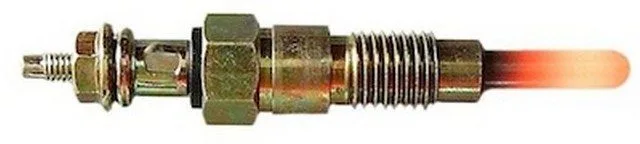
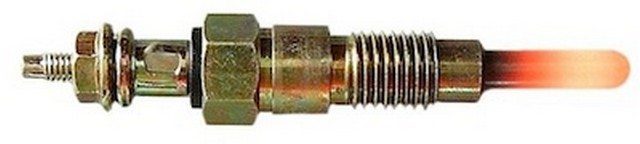
Often confused with spark plugs, a glow plug for each individual cylinder is screwed into the cylinder head. Battery voltage is applied to the glow plug element via a glow plug timer (sometimes called a glow plug controller or glow plug module) and/or the PCM. When voltage is properly applied to the glow plug, it will literally become red-hot and help increase the cylinder temperature. Once the cylinder temperature reaches the desired level, the voltage is limited by the control unit and the glow plug returns to its normal state.

If the PCM detects a voltage level for the glow plug control circuit of cylinder #8 that is higher than expected, a P068F code will be stored and a Malfunction Indicator Lamp (MIL) may be illuminated.

Example photo of a glow plug:


P068F Glow Plug
How severe is this DTC?

Any code related to the glow plug will likely be accompanied by driving issues. A stored P068F code should be addressed urgently.
What are some of the symptoms of the code?


Symptoms of a P068F fault code may include:

Excessive black smoke from the exhaust
Engine running problems
Delayed engine starting
Reduced fuel efficiency
Engine misfire codes may be stored

What are some common causes of the code?

Causes

of this code may include:

Faulty glow plug
Open or shorted glow plug control circuit
Loose or faulty glow plug connector
Faulty glow plug timer

What are the P068F troubleshooting steps?


A diagnostic scanner, a reliable source of vehicle information, and a digital volt/ohmmeter (DVOM) will be needed to reach an accurate diagnosis for a P068F code. Use the vehicle information source to look up applicable Technical Service Bulletins (TSBs). If you find a TSB that matches the vehicle’s make and model, the symptoms presented, and the stored code, it will help you make a diagnosis.

You may also need to obtain diagnostic flowcharts, wiring diagrams, connector face views, connector pinout diagrams, component locations, and component testing procedures/specifications from the vehicle information source. All of this information will be necessary to correctly diagnose the stored P068F code.

After performing a careful visual inspection of all glow plug and glow plug control wiring and connectors, connect the diagnostic scanner to the vehicle’s diagnostic port. Now, retrieve all stored codes and freeze frame data and record them for later (in case you need them). Next, I would test drive the vehicle to see if the P068F code resets. Drive until one of two things happens: either the PCM enters readiness mode, or the code resets. If the code resets, proceed with the diagnosis. If not, you are dealing with an intermittent condition that may need to worsen before an accurate diagnosis can be made.

Here’s a tip the service manual won’t give you. A sure way to test glow plugs is to remove them and apply battery voltage. If the glow plug becomes bright red, it is good. If the glow plug does not heat up and you wish to take the time to test it with your DVOM, you will likely find that it does not meet the manufacturer’s resistance specifications. Be careful not to burn yourself or start a fire when performing this test.

If the glow plugs appear to be working correctly, use the scanner to activate the glow plug timer and test for battery voltage (and ground) at the glow plug connector (use the DVOM). If no voltage is present, test the power supply for the glow plug timer or glow plug controller. Test all associated fuses and relays according to the manufacturer’s recommendations. Typically, I have found it preferable to test system fuses and fuse links with the circuit under load. A fuse in a circuit that is not under load may appear functional (when it is not) and lead you down the wrong diagnostic path.

If all fuses and relays appear functional, use the DVOM to test the output voltage at the glow plug timer or PCM (wherever they originate from). If voltage is detected at the glow plug timer or PCM, suspect that you have an open or shorted circuit. You can search for the cause of the discrepancy or simply replace the circuit.
ECM/PCM Power Relay Sense Circuit High

What does it mean?


This is a generic diagnostic trouble code (DTC) and applies to many OBD-II vehicles (1996-newer). This may include, but is not limited to, vehicles from Chevrolet, Ford, VW, Jeep, Audi, Chrysler, Dodge, Cadillac, etc. Although generic, the specific repair steps may vary depending on the year, make, model, and powertrain configuration.

When a P0690 code is stored, it means that the Powertrain Control Module (PCM) has detected an anomaly in the relay that supplies it with voltage. This particular code will be stored if the voltage of the power relay sensor circuit exceeds the maximum allowed parameter.

The PCM power relay is used to safely apply battery voltage to the appropriate PCM circuits. It is a contact-type relay that is activated with a signal wire from the ignition switch. This type of relay typically uses a five-wire design. A constant battery voltage is applied to one wire; ground to another. A third circuit carries a signal from the ignition switch, and a fourth provides voltage to the PCM. The fifth wire is the power relay sense circuit. It is used by the PCM to monitor the power relay voltage.

If the PCM detects a high voltage condition on the power relay sense circuit, a P0690 code will be stored, and a Malfunction Indicator Lamp (MIL) may be illuminated.

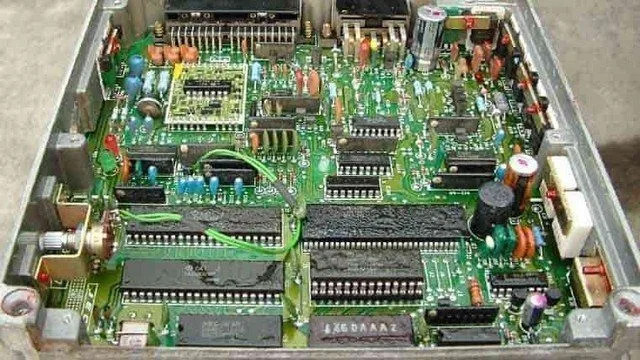
A typical Powertrain Control Module PCM, opened:


Powertrain Control Module P0690

How severe is this DTC?

A P0690 should be classified as severe and treated accordingly. It can result in a no-start condition and/or a variety of driving issues.
What are some of the symptoms of the code?


Symptoms of a P0690 fault code may include:

Delayed or no start
Electrical accessories may not work
Engine driving problems
What are some of the common causes of the code?

Causes

of this code may include:

Faulty PCM power relay
Blown fuse or fusible link
Open or shorted circuit between the power relay and the PCM

What are the P0690 troubleshooting steps?


A diagnostic scanner and a digital volt/ohmmeter (DVOM) will be needed to diagnose a P0690 code.

A reliable source of vehicle information will also be required. From it, you will gather diagnostic flowcharts, wiring diagrams, connector face views, connector pinout diagrams, and component locators. You will also find the testing procedures and specifications for components and circuits. All of this information will be necessary to successfully diagnose a P0690 code.

Connect the scanner to the vehicle’s diagnostic port and retrieve all stored codes and freeze frame data. Note this information as it may prove useful if the code turns out to be intermittent.

After recording all relevant information, clear the codes and test the vehicle (if possible) until the code resets or the PCM enters readiness mode.

If the PCM enters readiness mode, the code is intermittent and will be even more difficult to diagnose. The condition that caused the P0690 to be stored may need to worsen before an accurate diagnosis can be reached. On the other hand, if the code does not reset and no driving symptoms manifest, the vehicle may be operating normally.

Consult your vehicle information source for Technical Service Bulletins (TSBs) that match the stored code, the vehicle (year, make, model, and engine), and the symptoms presented. If you find the appropriate TSB, it may provide helpful diagnostic information.

If the P0690 code resets immediately, proceed with a visual inspection of the wiring and connectors related to the system. Harnesses that have been broken or disconnected should be repaired or replaced as necessary.

If the wiring and connectors appear functional, use your vehicle information source to obtain the appropriate wiring diagrams, connector face views, connector pinout diagrams, and diagnostic flowcharts.

Once you have the relevant information, test all fuses and relays in the system to ensure that the PCM power relay is supplied with battery voltage.

If no constant (or switched) voltage is present at the power relay connector, trace the appropriate circuit back to the fuse or relay it originates from. Repair or replace faulty fuses or fusible links as needed.

If the power relay’s input voltage and ground are present (on all appropriate terminals), use your DVOM to test the relay’s output performance at the appropriate connector pins. If the power relay output circuit voltage is not adequate, suspect a faulty relay.

If the PCM power relay output voltage meets specifications (on all terminals), test the corresponding relay output circuits at the PCM.

If a relay output voltage signal is found at the PCM connector, suspect a faulty PCM or a PCM programming error.

If an excessive relay output voltage signal is found at the PCM connector, you have a short to voltage.

Fuses and fusible links should be tested with the circuit loaded to avoid misdiagnosis

P0691 Cooling Fan Relay 1 Control Circuit Low

What does it mean?

This is a generic powertrain diagnostic trouble code (DTC) applicable to all vehicles newer than 1996. Specific repair steps may vary by brand/model.

The fans used to cool engine radiators are powered by electric motors. These motors are turned on and off by the Powertrain Control Module (PCM) based on readings from the Engine Coolant Temperature (ECT) sensor. In other words, when the ECT reaches a predetermined temperature, the PCM turns on the fans. Then, when the ECT cools to a predetermined temperature, the PCM turns off the fans.

The PCM controls the cooling fans by sending a ground signal to the cooling fan relay. The voltage on the signal circuit is high, around battery voltage, when not commanded (not grounded). The opposite is true when commanded on (grounded); the voltage is somewhere near zero. DTC P0691 is set when the PCM detects low voltage when cooling fan 1 is off.

Symptoms and Severity of the Code

Symptoms of a P0691 code may include:

  • Engine overheating
  • Check engine light on

The possibility of engine overheating due to inoperative cooling fans is very likely, so caution is needed if driving the vehicle when conditions for setting this DTC are present. It should be repaired as soon as possible.

Possible causes for setting this code are:

  • Faulty cooling fan relay 1
  • Blown cooling fan 1 fuse
  • Faulty PCM (rarely)

Diagnostic and Repair Procedures


Based on my experience, a blown cooling fan fuse is the most common cause of this DTC. Checking the fuse is as simple as locating it, pulling it out, and looking at it. You can usually tell by visual inspection if a fuse is good or not. If the fuse is indeed blown, try replacing it with the correct fuse amperage. If the fuse blows again, the next question would be when did it blow?

If the fuse failed immediately after replacement, there is a direct short somewhere between the fuse and the relay. If it failed when the engine reached operating temperature, the most likely cause is the cooling fan motor itself. With the engine and ignition key off, carefully try to rotate the fan blades by hand. They should spin freely; if not, the fan motor is seized and will need to be replaced. If the fuse is good, the problem is likely with the cooling fan relay. If replacing the relay doesn’t solve the issue, suspect a faulty PCM.

Be cautious when working around components that are not only hot but also moving.

P0692 High Cooling Fan 1 Relay Control Circuit

What does it mean?


This is a generic diagnostic trouble code (DTC) applicable to most vehicles from 1996. Specific repair steps may vary by make/model.

The fans used to cool engine radiators are powered by electric motors. These motors are turned on and off by the Powertrain Control Module (PCM) based on readings from the Engine Coolant Temperature (ECT) sensor. In other words, when the ECT reaches a predetermined temperature, the PCM turns on the fans. Then, when the ECT cools to a predetermined temperature, the PCM turns off the fans.

The PCM controls the cooling fans by sending a ground signal to the cooling fan relay. The voltage on the signal circuit is high, around battery voltage, when not commanded (not grounded). The opposite is true when commanded on (grounded), the voltage is somewhere near zero. DTC P0692 is set when the PCM detects that the voltage remains high when the cooling fans are activated.

Symptoms

and code severity


Symptoms of a P0692 code may include:

  • Engine overheating
  • Check engine light illuminated

The possibility of engine overheating due to inoperative cooling fans is very likely, so caution is advised if driving the vehicle when conditions for setting this DTC are present. It should be repaired as soon as possible.

Possible causes for setting this code are:


  1. Faulty cooling fan relay
  2. Blown cooling fan fuse
  3. Faulty PCM (rarely)

Diagnostic and Repair Procedures


Based on my experience, a faulty cooling fan relay is the most common cause of this DTC. A simple way to check the relay is to locate it and visually inspect other relays identical to it, then swap the two relays. Clear the codes and operate the vehicle. If the code does not return, replace the relay. If it returns, suspect a possible PCM issue.

Note: Absolutely ensure the relay you are swapping is identical in every way. Installing an incorrect relay could damage the PCM. Nissan in particular has relays that appear the same in color and plug into the same socket but are different and will damage the PCM.

P0693 Low Cooling Fan 2 Control Relay Circuit

What does it mean?


This is a generic powertrain diagnostic trouble code (DTC) applicable to all vehicles newer than 1996. Specific repair steps may vary by make/model.

The fans used to cool engine radiators are powered by electric motors. These motors are turned on and off by the Powertrain Control Module (PCM) based on readings from the Engine Coolant Temperature (ECT) sensor. In other words, when the ECT reaches a predetermined temperature, the PCM turns on the fans. Then, when the ECT cools to a predetermined temperature, the PCM turns off the fans.

The PCM controls the cooling fans by sending a ground signal to the cooling fan relay. The voltage on the signal circuit is high, around battery voltage, when not commanded (not grounded). The opposite is true when commanded on (grounded), the voltage is somewhere near zero. DTC P0693 is set when the PCM detects low voltage when cooling fan 2 is off.

Symptoms

and severity of the code


Symptoms of a P0693 code may include:

Engine overheating
Check Engine Light on

The possibility of engine overheating due to inoperative cooling fans is very likely, so caution is advised if driving the vehicle when conditions for setting this DTC are present. It should be repaired as soon as possible.

Causes


Possible causes for setting this code are:

Faulty cooling fan relay 2
Blown cooling fan 2 fuse
Faulty PCM (rarely)

Diagnostic and Repair Procedures


In my experience, a blown cooling fan fuse is the most common cause of this DTC. Checking the fuse is as simple as locating it, pulling it out, and looking at it. You can usually tell by visual inspection whether a fuse is good or not. If the fuse is indeed blown, try replacing it with the correct fuse amperage. If the fuse blows again, the next question would be when did it blow?

If the fuse failed immediately after replacement, there is a direct short somewhere between the fuse and the relay. If it failed when the engine reached operating temperature, the most likely cause is the cooling fan motor itself. With the engine and ignition key off, carefully try to spin the fan blades by hand. They should spin freely; if not, the fan motor is seized and will need to be replaced. If the fuse is good, the problem is likely with the cooling fan relay. If replacing the relay does not solve the problem, suspect a faulty PCM.

Be cautious when working around components that are not only hot but also moving.

P0694 High Cooling Fan 2 Relay Control Circuit

What does it mean?


This is a generic diagnostic trouble code (DTC) applicable to most 1996 vehicles. Specific repair steps may vary by make/model.

The fans used to cool engine radiators are powered by electric motors. These motors are turned on and off by the Powertrain Control Module (PCM) based on readings from the Engine Coolant Temperature (ECT) sensor. In other words, when the ECT reaches a predetermined temperature, the PCM turns on the fans. Then, when the ECT cools to a predetermined temperature, the PCM stops the fans.

The PCM controls the cooling fans by sending a ground signal to the cooling fan relay. The voltage on the signal circuit is high, around battery voltage, when not commanded (not grounded). The opposite is true when commanded on (grounded), the voltage is somewhere near zero. DTC P0694 is set when the PCM detects that the voltage remains high when cooling fan 2 is activated.

Symptoms

and code severity


Symptoms of a P0694 code may include:

Engine overheating
Check engine light illuminated

The possibility of engine overheating due to inoperative cooling fans is very likely, so caution is advised if driving the vehicle when conditions for setting this DTC are present. It should be repaired as soon as possible.

Causes


Possible causes for setting this code are as follows:

Faulty cooling fan 2 relay
Blown cooling fan 2 fuse
Faulty PCM (rarely)

Diagnostic and repair procedures


Based on my experience, a faulty cooling fan relay is the most common cause of this DTC. A simple way to check the relay is to locate it and visually inspect other relays identical to it, then swap the two relays. Clear the codes and operate the vehicle. If the code doesn’t return, replace the relay. If it returns, suspect a possible PCM issue.

Note: Absolutely ensure the relay you’re swapping is identical in every way. Installing an incorrect relay could damage the PCM. Nissan in particular has relays that appear the same in color and plug into the same socket but are different and will damage the PCM

P0695 Low Cooling Fan 3 Control Relay Circuit

What does it mean?


This is a generic powertrain diagnostic trouble code (DTC) applicable to all vehicles newer than 1996. Specific repair steps may vary by make/model.

The fans used to cool engine radiators are powered by electric motors. These motors are turned on and off by the Powertrain Control Module (PCM) based on readings from the Engine Coolant Temperature (ECT) sensor. In other words, when the ECT reaches a predetermined temperature, the PCM turns the fans on. Then, when the ECT cools to a predetermined temperature, the PCM turns the fans off.

The PCM controls the cooling fans by sending a ground signal to the cooling fan relay. The voltage on the signal circuit is high, around battery voltage, when it is not commanded (not grounded). The opposite is true when commanded on (grounded); the voltage is somewhere near zero. DTC P0695 is set when the PCM detects low voltage when cooling fan 3 is off.

Symptoms

and code severity


Symptoms of a P0695 code may include:

Engine overheating
Check Engine Light illuminated

The possibility of engine overheating due to inoperative cooling fans is very high, so caution is advised if driving the vehicle when conditions for setting this DTC are present. It should be repaired as soon as possible.

Causes


Possible causes for setting this code are as follows:

Faulty cooling fan relay 3
Blown cooling fan fuse 3
Faulty PCM (rarely)

Diagnostic and Repair Procedures


In my experience, a blown cooling fan fuse is the most common cause of this DTC. Checking the fuse is as simple as locating it, pulling it out, and looking at it. You can usually tell by visual inspection whether a fuse is good or not. If the fuse is indeed blown, try replacing it with the correct fuse amperage. If the fuse blows again, the next question would be when did it blow?

If the fuse failed immediately after replacement, there is a direct short somewhere between the fuse and the relay. If it failed when the engine reached operating temperature, the most likely cause is the cooling fan motor itself. With the engine and ignition key off, carefully try to spin the fan blades by hand. They should spin freely; if not, the fan motor is seized and will need to be replaced. If the fuse is good, the problem is likely the cooling fan relay. If replacing the relay does not solve the problem, suspect a faulty PCM.

Be cautious when working around components that are not only hot but also moving.

P0696 High Cooling Fan 3 Control Relay Circuit

What does it mean?


This is a generic diagnostic trouble code (DTC) applicable to most 1996 and newer vehicles. Specific repair steps may vary by make/model.

The fans used to cool engine radiators are powered by electric motors. These motors are turned on and off by the Powertrain Control Module (PCM) based on readings from the Engine Coolant Temperature (ECT) sensor. In other words, when the ECT reaches a predetermined temperature, the PCM turns on the fans. Then, when the ECT cools to a predetermined temperature, the PCM turns off the fans.

The PCM controls the cooling fans by sending a ground signal to the cooling fan relay. The voltage on the signal circuit is high, around battery voltage, when not commanded (not grounded). The opposite is true when commanded on (grounded), the voltage is somewhere near zero. DTC P0696 is set when the PCM detects that the voltage remains high when cooling fan 3 is activated.

Symptoms

and code severity


Symptoms of a P0696 code may include:

Engine overheating
Check Engine Light illuminated

The possibility of engine overheating due to inoperative cooling fans is very likely, so caution is advised if driving the vehicle when conditions for setting this DTC are present. It should be repaired as soon as possible.

Causes


Possible causes

for setting this code are as follows:

Faulty cooling fan relay 3
Blown cooling fan fuse 3
Faulty PCM (rarely)

Diagnostic and Repair Procedures


Based on my experience, a faulty cooling fan relay is the most common cause of this DTC. A simple way to check the relay is to locate it and visually inspect other relays identical to it, then swap the two relays. Clear the codes and operate the vehicle. If the code does not return, replace the relay. If it returns, suspect a possible PCM issue.

Note: Absolutely ensure the relay you are swapping is identical in every way. Installing an incorrect relay could damage the PCM. Nissan in particular has relays that may appear the same in color and plug into the same socket but are different.

P0697 Sensor Reference Voltage C Circuit Open

What Does It Mean?

This diagnostic trouble code (DTC) is a generic powertrain code, meaning it applies to vehicles equipped with OBD-II. Although generic, specific repair steps may vary by make/model.

When I find a stored P0697 code, it means the Powertrain Control Module (PCM) has detected an open circuit for a particular sensor; designated in this case as “C”. When diagnosing an OBD-II code, the term open can be replaced with absent.

The sensor in question is typically associated with the automatic transmission, transfer case, or one of the differentials. This code will almost always be accompanied by a more specific sensor code. The P0697 adds that the circuit is open. Consult a reliable vehicle information source (All Data DIY is a great choice) to determine the location (and function) of the sensor regarding the vehicle in question. If P0697 is stored alone, suspect a PCM programming error has occurred. Obviously, you’ll need to diagnose and repair any other sensor codes before diagnosing and repairing P0697 – but keep the open “C” circuit in mind.

A reference voltage (usually five volts) is applied to the sensor in question via a switched circuit (powered with the key on). There should also be a ground signal. The sensor is likely a variable resistance or electromagnetic type and completes a particular circuit. The sensor’s resistance decreases as pressure, temperature, or speed increases and vice versa. As the sensor’s resistance changes with conditions, it provides the PCM with an input voltage signal. If this input voltage signal is not received by the PCM, the circuit is considered open and a P0697 will be stored.

A Malfunction Indicator Lamp (MIL) may also illuminate, but keep in mind that some vehicles require multiple drive cycles (with a failure) for an MIL to illuminate. For this reason, you should allow the PCM to enter readiness mode before considering a repair successful. Simply clear the code, once repairs are made, and drive the vehicle normally. If the PCM enters readiness mode, the repair was successful. If the code resets, the PCM will not enter readiness mode and you’ll know you still have a problem.

Severity and Symptoms


The severity of a stored P0697 depends on which sensor circuit is experiencing an open condition. Other stored codes must be considered before severity can be determined.

Symptoms of a P0697 code may include:

  • Transmission failure to switch between sport and economy modes
  • Transmission shifting malfunctions
  • Delayed (or no) transmission engagement
  • Transmission failure to switch between four-wheel drive and two-wheel drive modes
  • Transfer case failure to shift from low to high range
  • Lack of front differential engagement
  • Lack of front hub engagement
  • Erratic or inoperative speedometer/odometer

Possible causes of this engine code include:

  • Open circuits and/or connectors
  • Faulty or blown fuses and/or fuse links
  • Faulty system power relay
  • Bad sensor

Diagnostic and Repair Procedures


To diagnose a stored P0697 code, I would need access to a diagnostic scanner, a digital volt/ohmmeter (DVOM), and a reliable vehicle information source (like All Data DIY). A portable oscilloscope may also be helpful in some circumstances.

Use your vehicle information source to determine the location and function of the sensor in question, regarding your specific vehicle. Check system fuses and fuse links with the circuit under full load. Fuses that may seem normal when there is very little load on the circuit often fail when the circuit is fully loaded. Blown fuses should be replaced, keeping in mind that a short circuit is likely the cause of the blown fuse.

Perform a visual inspection of wiring harnesses and connectors related to the sensor system. Repair or replace damaged or burnt wiring, connectors, and components as needed.

Next, I would connect the scanner to the vehicle’s diagnostic connector and retrieve all stored trouble codes. I like to note them down, along with any associated freeze frame data, as this information can prove useful if the code proves intermittent. After that, I would proceed and clear the code and test drive the vehicle to see if it immediately reset.

If all system fuses are intact and the code immediately resets, use the DVOM to test the reference voltage and ground signals at the sensor in question. Typically, you should expect to find five volts and a common ground at the sensor connector.

If voltage and ground signals are present at the sensor connector, continue by testing the sensor’s resistance and continuity levels. Use your vehicle information source for test specifications and compare your actual results with them. Sensors that do not meet these specifications should be replaced.

Disconnect all associated controllers from the system circuits before testing resistance with the DVOM. If there is no reference voltage signal at the sensor, disconnect all associated controllers and use the DVOM to check circuit resistance and continuity between the sensor and the PCM. Replace open or shorted circuits as necessary. If an electromagnetic sensor is used, with an alternating signal, use the oscilloscope to monitor live data; paying close attention to glitches and completely open circuits.

Additional Diagnostic Notes:

This type of code is usually provided as support for a more specific code
A stored P0697 code is normally associated with the transmission

P0698 Sensor Reference Voltage C Circuit Low

What does it mean?

This diagnostic trouble code (DTC) is a generic powertrain code, meaning it applies to OBD-II equipped vehicles. Although generic, specific repair steps may vary by make/model.

If your OBD II equipped vehicle has a stored P0698, it means the Powertrain Control Module (PCM) has detected a low reference voltage signal for a specific sensor designated “C”. The sensor in question is typically associated with automatic transmission, transfer case, or one of the differentials.

A more specific sensor code will almost always accompany this code. P0698 adds that the sensor reference circuit voltage is low. To determine the location (and function) of the sensor regarding the vehicle in question, consult a reliable vehicle information source (All Data DIY is an excellent source). Suspect a PCM programming error if P0698 is stored alone. You’ll need to diagnose and repair any other sensor codes before diagnosing and repairing P0698 – but keep the low reference voltage condition in mind.

The sensor in question receives reference voltage (typically five volts) through a switched circuit (powered with ignition on). There will also be a ground signal. The sensor will be either variable resistance or electromagnetic type and will complete the circuit. Sensor resistance should decrease as pressure, temperature, or speed increases and vice versa. When sensor resistance changes (under varying conditions), it provides the PCM with an input voltage signal.

If the input voltage signal received by the PCM is below a programmed threshold, a P0698 will be stored. A Malfunction Indicator Lamp (MIL) may also illuminate. Some vehicles require multiple drive cycles (with failure) for MIL illumination. Allow the PCM to enter readiness mode before considering repair successful. Simply clear the code after repairs and drive the vehicle normally. If the PCM enters readiness mode, the repair succeeded. If the code resets, the PCM won’t enter readiness mode and you know a malfunction still exists.
Severity and Symptoms

The severity of a stored P0698 depends on which sensor circuit is experiencing low voltage condition. Other stored codes must be considered before determining severity.

Symptoms of a P0698 code may include:

  • Transmission failure to switch between sport and economy modes
  • Transmission shifting malfunctions
  • Delayed (or no) transmission engagement
  • Transmission failure to switch between four-wheel drive and two-wheel drive modes
  • Transfer case failure to shift from low to high range
  • Lack of front differential engagement
  • Lack of front hub engagement
  • Erratic or inoperative speedometer/odometer

Possible causes of this engine code include:

  • Faulty sensor
  • Defective or blown fuses and/or fuse links
  • Faulty system power relay
  • Open circuits and/or connectors

Diagnostic and Repair Procedures

A diagnostic scanner, digital volt/ohmmeter (DVOM), and reliable vehicle information source (such as All Data DIY) will be needed to diagnose a stored P0698 code. A portable oscilloscope may also prove useful in your diagnosis.

First, consult your vehicle information source to determine the location and function of the sensor in question regarding your specific vehicle. Perform visual inspection of wiring harnesses and connectors related to the sensor system. Repair or replace damaged or burned wiring, connectors, and components as needed. Second, connect the scanner to the vehicle’s diagnostic port and retrieve all stored trouble codes and freeze frame data. Document the codes, the order they were stored, and any associated freeze frame data, as this information may prove useful if the code proves intermittent. You may now proceed to clear the code; then test drive the vehicle to see if it immediately resets.

If the code immediately resets, use the DVOM to test reference voltage and ground signals at the sensor in question. You would normally expect to find five volts and ground at the sensor connector.

Continue by testing sensor resistance and continuity levels if voltage and ground signals are present at the sensor connector. Obtain test specifications from your vehicle information source and compare your actual results to them. Sensors not conforming to these specifications should be replaced.

Disconnect all associated controllers from system circuits before testing resistance with the DVOM. Failure to do so may result in PCM damage. If reference voltage is low (at sensor level), use the DVOM to check circuit resistance and continuity between sensor and PCM. Replace open or shorted circuits as needed. If the sensor in question is electromagnetic with alternating signal, use the oscilloscope to monitor data. Focus on completely open circuits and issues.

Additional Diagnostic Notes:

This type of code is typically provided as support for a more specific code
A stored P0698 code is normally associated with transmission