
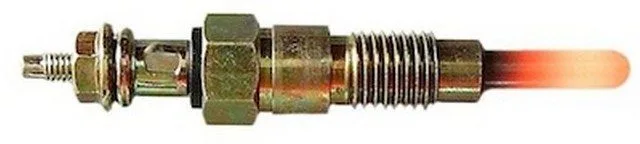
P0673 Cylinder No. 3 Glow Plug Circuit

What does it mean?


This diagnostic code (DTC) is a generic powertrain code. It is considered generic because it applies to all makes and models of vehicles (1996-newer), although specific repair steps may vary slightly by model.

This code relates to the device used by diesel engines to heat the cylinder head for a few seconds when attempting to start a cold engine, called a glow plug. A diesel relies entirely on the momentary high level of heat from compression to spontaneously ignite the fuel. The glow plug in cylinder No. 3 is faulty.

When a diesel engine is cold, the extremely high air temperature produced when the piston rises and compresses the air is quickly lost through heat transfer to the cold cylinder head. The solution comes in the form of a pencil-shaped preheater called a “glow plug.”

The glow plug is installed in the cylinder head very close to the point that initiates combustion, or the “hot spot.” This could be in the main chamber or the pre-chamber. When the engine management computer detects that the engine is cold using its oil and transmission sensors, it decides to assist the engine in starting by using the glow plugs.

A typical diesel engine glow plug:
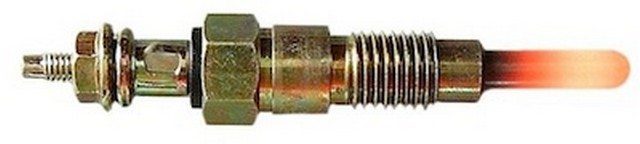


Diesel engine glow plug

It grounds the glow plug timer module, which in turn grounds the glow plug relay that sends power to the glow plugs. The module powers the glow plugs. The module is usually integrated into the engine management computer, although some vehicles have it separately.

Activating it for too long will melt the glow plugs because they produce heat through high resistance and glow red when activated. This intense heat is quickly transferred to the cylinder head, allowing the combustion heat to maintain its temperature for the fraction of a second needed to ignite the incoming fuel for starting.

The code P0673 tells you that something in the glow plug circuit is faulty and that the glow plug in cylinder No. 3 is not heating up. The entire circuit must be checked to locate the fault.

Note: If a P0670 anomaly code is present with this DTC, diagnose P0670 before diagnosing this code.

Symptoms

With a single glow plug failure other than the check engine light coming on, symptoms will be minimal because the engine will start normally with a bad plug. In freezing conditions, you would be more likely to experience issues. The code is the primary way to identify such a problem.

    The engine management computer (PCM) will set the code P0673
    The engine will be hard to start or may not start at all in cold weather or when it has been sitting long enough for the block to cool down.
    Lack of power until the engine warms up sufficiently.
    The engine may misfire due to the cylinder head temperature being colder than normal
    The engine may hesitate during acceleration
    No preheating period, i.e., the glow plug light does not go out.

Potential Causes


Causes

of this DTC may include:

    Faulty glow plug in cylinder No. 3
    Open or shorted glow plug circuit
    Damaged wiring connector
    Faulty glow plug control module

Diagnostic Steps

and Possible Solutions


You will need a digital volt ohmmeter (DVOM) for the full test. Continue testing until the problem is confirmed. You will also need a basic OBD code scanner to reset the computer and clear the code.

Check the glow plug in cylinder No. 3 by disconnecting the wire connector on the plug. Set the DVOM to ohms and place the red lead on the glow plug terminal and the black lead on a good ground. The range is 0.5 to 3.0 ohms (check your application’s specification by referring to a factory service manual). If it is out of range, replace the glow plug.

Check the resistance of the glow plug wire to the glow plug relay bus bar on the valve cover. Note that the relay (looks like a starter relay) has a large gauge wire leading to a bus bar where all the glow plug wires are attached. Test the number one glow plug wire by placing the red lead on the number one wire at the bus bar and the black lead on the glow plug side. Again, 0.5 to 3.0 ohms, with 3 ohms being the highest resistance. If it is higher, replace the glow plug wire from the bus bar. Also note that these wires from the bus bar to the plugs are fuse links. Reconnect the wires.

Check the same wires for looseness, cracks, or missing insulation. Connect the code scanner to the OBD port under the dashboard and turn the key to the “on” position with the engine off. Clear the codes.

P0672 Cylinder No. 2 Glow Plug Circuit

What does it mean?


This diagnostic trouble code (DTC) is a generic powertrain code. It is considered generic because it applies to all makes and models of vehicles (1996-newer), although specific repair steps may vary slightly by model.

This code relates to the device used by diesel engines to heat the cylinder head for a few seconds when attempting to start a cold engine, called a glow plug. A diesel engine relies entirely on the momentary high level of heat from compression to spontaneously ignite the fuel. The glow plug in cylinder #2 is faulty.

When a diesel engine is cold, the extremely high air temperature produced when the piston rises and compresses the air is quickly lost through heat transfer to the cold cylinder head. The solution comes in the form of a pencil-shaped preheater called a “glow plug.”

The glow plug is installed in the cylinder head very close to the point that initiates combustion, or the “hot spot.” This could be in the main chamber or the pre-chamber. When the engine management computer detects that the engine is cold through its oil and transmission sensors, it decides to assist the engine in starting by using the glow plugs.

A typical diesel engine glow plug:


Diesel engine glow plug

It grounds the glow plug timer module, which in turn grounds the glow plug relay that sends power to the glow plugs. The module powers the glow plugs. The module is usually integrated into the engine management computer, although some vehicles have it separately.

Activating it for too long will melt the glow plugs because they produce heat through high resistance and glow red when activated. This intense heat is quickly transferred to the cylinder head, allowing the combustion heat to maintain its temperature for the split second needed to ignite the incoming fuel for starting.

The P0672 code tells you that something in the glow plug circuit is faulty and that the glow plug in cylinder #2 is not heating up. The entire circuit must be checked to locate the fault.

Note: If a P0670 abnormality code is present with this DTC, perform the P0670 diagnosis before diagnosing this code.

Symptoms

With a single glow plug failure, aside from the check engine light illuminating, symptoms will be minimal because the engine will start normally with one bad plug. In freezing conditions, you would be more likely to experience issues. The code is the primary way to identify such a problem.

  •     The engine management computer (PCM) will set the P0672 code
  •     The engine will be hard to start or may not start at all in cold weather or after sitting long enough for the block to cool down.
  •     Lack of power until the engine warms up sufficiently.
  •     The engine may misfire due to the cylinder head temperature being colder than normal
  •     The engine may hesitate during acceleration
  •     No preheating period, i.e., the glow plug light does not go off.

Potential Causes

Causes of this DTC may include:

  •     Faulty glow plug in cylinder #2
  •     Open or shorted glow plug circuit
  •     Damaged wiring connector
  •     Faulty glow plug control module

Diagnostic Steps and Possible Solutions

You will need a digital volt-ohmmeter (DVOM) for a complete test. Continue testing until the problem is confirmed. You will also need a basic OBD code scanner to reset the computer and clear the code.

Check the glow plug in cylinder #2 by disconnecting the wire connector from the plug. Set the DVOM to ohms and place the red lead on the glow plug terminal and the black lead on a good ground. The range is 0.5 to 2.0 ohms (check your application’s specification by referring to a factory service manual). If it is out of range, replace the glow plug.

Check the resistance of the glow plug wire to the glow plug relay bus bar on the valve cover. Note that the relay (looks like a starter relay) has a large-gauge wire leading to a bus bar where all the glow plug wires are attached. Test the number one glow plug wire by placing the red lead on the number one wire at the bus bar and the black lead on the glow plug side. Again, 0.5 to 2.0 ohms, with 2 ohms being the highest resistance. If it is higher, replace the glow plug wire from the bus bar. Also note that these wires from the bus bar to the plugs are fused links. Reconnect the wires.

Check the same wires for looseness, cracks, or missing insulation. Connect the code scanner to the OBD port under the dashboard and turn the key to the “on” position with the engine off. Clear the codes.

P0679 Cylinder No. 9 Glow Plug Circuit

What does it mean?


This diagnostic code (DTC) is a generic powertrain code. It is considered generic because it applies to all makes and models of vehicles (1999-newer), although specific repair steps may vary slightly by model.

This code pertains to the device used by diesel engines to heat the cylinder head for a few seconds when attempting to start a cold engine, called a glow plug. A diesel engine relies entirely on the momentary high level of heat from compression to spontaneously ignite the fuel. The glow plug in cylinder #9 is faulty.

When a diesel engine is cold, the extremely high air temperature produced when the piston rises and compresses the air is quickly lost through heat transfer to the cold cylinder head. The solution comes in the form of a pencil-shaped preheater called a “glow plug.”

The glow plug is installed in the cylinder head very close to the point that initiates combustion, or the “hot spot.” This could be in the main chamber or the pre-chamber. When the engine management computer detects that the engine is cold using its oil and transmission sensors, it decides to assist the engine in starting by using the glow plugs.

A typical diesel engine glow plug:


Diesel engine glow plug

It grounds the glow plug timer module, which in turn grounds the glow plug relay that sends power to the glow plugs. The module powers the glow plugs. The module is usually integrated into the engine management computer, although some vehicles may have it separately.

Activating it for too long will melt the glow plugs, as they produce heat through high resistance and glow red when activated. This intense heat is quickly transferred to the cylinder head, allowing the combustion heat to maintain its temperature for the split second needed to ignite the incoming fuel for starting.

The code P0679 tells you that something in the glow plug circuit is faulty and that the glow plug in cylinder #9 is not heating up. The entire circuit must be checked to locate the fault.

Note: If an anomaly code P0770 is present with this DTC, diagnose P0770 before diagnosing this code.

Symptoms

With a single glow plug failure, aside from the check engine light illuminating, symptoms will be minimal because the engine will start normally with one bad plug. In freezing conditions, you would be more likely to experience issues. The code is the primary way to identify such a problem.

    The engine management computer (PCM) will set code P0679
    The engine will be hard to start or may not start at all in cold weather or when it has been sitting long enough for the block to cool.
    Lack of power until the engine warms up sufficiently.
    The engine may misfire due to the cylinder head temperature being colder than normal
    The engine may hesitate during acceleration
    No preheating period, i.e., the glow plug light does not turn off.

Potential Causes


Causes

of this DTC may include:

    Faulty glow plug in cylinder #9
    Open or shorted glow plug circuit
    Damaged wiring connector
    Faulty glow plug control module

Diagnostic Steps

and Possible Solutions


You will need a digital volt-ohmmeter (DVOM) for a complete test. Continue testing until the problem is confirmed. You will also need a basic OBD code scanner to reset the computer and clear the code.

Check the glow plug in cylinder #9 by disconnecting the wire connector on the plug. Set the DVOM to ohms and place the red lead on the glow plug terminal and the black lead on a good ground. The range is 0.5 to 5.0 ohms (check your application’s specification by referring to a factory service manual). If it is out of range, replace the glow plug.

Check the resistance of the glow plug wire to the glow plug relay bus bar on the valve cover. Note that the relay (looks like a starter relay) has a large-gauge wire leading to a bus bar where all the glow plug wires are attached. Test the glow plug wire for number one by placing the red lead on the number one wire at the bus bar and the black lead on the glow plug side. Again, 0.5 to 5.0 ohms, with 5 ohms being the highest resistance. If it is higher, replace the glow plug wire from the bus bar. Also note that these wires from the bus bar to the plugs are fuse links. Reconnect the wires.

Check the same wires for looseness, cracks, or missing insulation. Connect the code scanner to the OBD port under the dashboard and turn the key to the “on” position with the engine off. Clear the codes.

P0678 Cylinder No. 8 Glow Plug Circuit

What does it mean?


This diagnostic code (DTC) is a generic powertrain code. It is considered generic because it applies to all makes and models of vehicles (1998 and newer), although specific repair steps may vary slightly by model.

This code pertains to the device used by diesel engines to heat the cylinder head for a few seconds when attempting to start a cold engine, called a glow plug. A diesel engine relies entirely on the momentary high level of heat from compression to spontaneously ignite the fuel. The glow plug in cylinder #8 is faulty.

When a diesel engine is cold, the extremely high air temperature produced when the piston rises and compresses the air is quickly lost through heat transfer to the cold cylinder head. The solution comes in the form of a pencil-shaped preheater called a “glow plug.”

The glow plug is installed in the cylinder head very close to the point that initiates combustion, or the “hot spot.” This could be in the main chamber or the pre-chamber. When the engine management computer detects that the engine is cold using its oil and transmission sensors, it decides to assist the engine in starting by using the glow plugs.

A typical diesel engine glow plug:


Diesel engine glow plug

It grounds the glow plug timer module, which in turn grounds the glow plug relay that sends power to the glow plugs. The module powers the glow plugs. The module is usually integrated into the engine management computer, although some vehicles may have it separately.

Activating it for too long will melt the glow plugs because they produce heat through high resistance and glow red when activated. This intense heat is quickly transferred to the cylinder head, allowing the combustion heat to maintain its temperature for the fraction of a second needed to ignite the incoming fuel for starting.

The code P0678 tells you that something in the glow plug circuit is faulty and that the glow plug in cylinder #8 is not heating. The entire circuit must be checked to locate the fault.

Note: If a P0770 anomaly code is present with this DTC, diagnose P0770 before diagnosing this code.

Symptoms

With a single glow plug failure, aside from the check engine light illuminating, symptoms will be minimal because the engine will start normally with one bad plug. In freezing conditions, you would be more likely to experience issues. The code is the primary way to identify such a problem.

    The engine management computer (PCM) will set the code P0678
    The engine will be hard to start or may not start at all in cold weather or after sitting long enough for the block to cool.
    Lack of power until the engine warms up sufficiently.
    The engine may misfire due to the cylinder head temperature being colder than normal
    The engine may hesitate during acceleration
    No preheating period, i.e., the glow plug light does not go off.

Potential Causes


Causes

of this DTC may include:

    Faulty glow plug in cylinder #8
    Open or shorted glow plug circuit
    Damaged wiring connector
    Faulty glow plug control module

Diagnostic Steps

and Possible Solutions


You will need a digital volt-ohmmeter (DVOM) for a complete test. Continue testing until the problem is confirmed. You will also need a basic OBD code scanner to reset the computer and clear the code.

Check the glow plug in cylinder #8 by disconnecting the wire connector on the plug. Set the DVOM to ohms and place the red lead on the glow plug terminal and the black lead on a good ground. The range is 0.5 to 5.0 ohms (check your application’s specification by referring to a factory service manual). If it is out of range, replace the glow plug.

Check the resistance of the glow plug wire to the glow plug relay bus bar on the valve cover. Note that the relay (looks like a starter relay) has a large gauge wire leading to a bus bar where all the glow plug wires are attached. Test the glow plug wire for number one by placing the red lead on the number one wire at the bus bar and the black lead on the glow plug side. Again, 0.5 to 5.0 ohms, with 5 ohms being the highest resistance. If it is higher, replace the glow plug wire from the bus bar. Also note that these wires from the bus bar to the plugs are fuse links. Reconnect the wires.

Check the same wires for looseness, cracks, or missing insulation. Connect the code scanner to the OBD port under the dashboard and turn the key to the “on” position with the engine off. Clear the codes.

P0677 Cylinder 7 Glow Plug Circuit

What does it mean?


This diagnostic code (DTC) is a generic powertrain code. It is considered generic because it applies to all makes and models of vehicles (1997 and newer), although specific repair steps may vary slightly by model.

This code relates to the device used by diesel engines to heat the cylinder head for a few seconds when attempting to start a cold engine, called a glow plug. A diesel engine relies entirely on the momentary high level of heat from compression to spontaneously ignite the fuel. The glow plug in cylinder #7 is faulty.

When a diesel engine is cold, the extremely high air temperature produced when the piston rises and compresses the air is quickly lost through heat transfer to the cold cylinder head. The solution comes in the form of a pencil-shaped preheater called a “glow plug.”

The glow plug is installed in the cylinder head very close to the point that initiates combustion, or the “hot spot.” This could be in the main chamber or the pre-chamber. When the engine management computer detects that the engine is cold using its oil and transmission sensors, it decides to assist the engine in starting by using the glow plugs.

A typical diesel engine glow plug:


Diesel engine glow plug

It grounds the glow plug timer module, which in turn grounds the glow plug relay that sends power to the glow plugs. The module powers the glow plugs. The module is usually integrated into the engine management computer, although some vehicles have it separately.

Activating it for too long will melt the glow plugs because they produce heat through high resistance and glow red when activated. This intense heat is quickly transferred to the cylinder head, allowing the combustion heat to maintain its temperature for the fraction of a second needed to ignite the incoming fuel for starting.

The code P0677 tells you that something in the glow plug circuit is faulty and that the glow plug in cylinder #7 is not heating. The entire circuit must be checked to locate the fault.

Note: If a P0770 anomaly code is present with this DTC, diagnose P0770 before diagnosing this code.

Symptoms

With a single glow plug failure, other than the check engine light coming on, symptoms will be minimal because the engine will start normally with a bad plug. In freezing conditions, you would be more likely to experience issues. The code is the primary way to identify such a problem.

    The engine management computer (PCM) will set the code P0677
    The engine will be hard to start or may not start at all in cold weather or when it has been sitting long enough for the block to cool.
    Lack of power until the engine warms up sufficiently.
    The engine may misfire due to the cylinder head temperature being colder than normal
    The engine may hesitate during acceleration
    No preheating period, i.e., the glow plug light does not go off.

Potential Causes


Causes

of this DTC may include:

    Faulty glow plug in cylinder #7
    Open or shorted glow plug circuit
    Damaged wiring connector
    Faulty glow plug control module

Diagnostic Steps

and Possible Solutions


You will need a digital volt ohmmeter (DVOM) for the full test. Continue testing until the problem is confirmed. You will also need a basic OBD code scanner to reset the computer and clear the code.

Check the glow plug in cylinder #7 by disconnecting the wire connector from the plug. Set the DVOM to ohms and place the red lead on the glow plug terminal and the black lead on a good ground. The range is 0.5 to 5.0 ohms (check your application’s specification by referring to a factory service manual). If it is out of range, replace the glow plug.

Check the resistance of the glow plug wire to the glow plug relay bus bar on the valve cover. Note that the relay (looks like a starter relay) has a large gauge wire leading to a bus bar where all the glow plug wires are attached. Test the glow plug wire for number one by placing the red lead on the number one wire at the bus bar and the black lead on the glow plug side. Again, 0.5 to 5.0 ohms, with 5 ohms being the highest resistance. If it is higher, replace the glow plug wire from the bus bar. Also note that these wires from the bus bar to the plugs are fuse links. Reconnect the wires.

Check the same wires for looseness, cracks, or missing insulation. Connect the code scanner to the OBD port under the dashboard and turn the key to the “on” position with the engine off. Clear the codes.

P0676 Cylinder 6 Glow Plug Circuit

What does it mean?


This diagnostic code (DTC) is a generic powertrain code. It is considered generic because it applies to all makes and models of vehicles (1996-newer), although specific repair steps may vary slightly by model.

This code relates to the device used by diesel engines to heat the cylinder head for a few seconds when attempting to start a cold engine, called a glow plug. A diesel relies entirely on the momentary high level of heat from compression to spontaneously ignite the fuel. The glow plug in cylinder #6 is faulty.

When a diesel engine is cold, the extremely high air temperature produced when the piston rises and compresses the air is quickly lost through heat transfer to the cold cylinder head. The solution comes in the form of a pencil-shaped preheater called a “glow plug.”

The glow plug is installed in the cylinder head very close to the point that initiates combustion, or the “hot spot.” This could be in the main chamber or the pre-chamber. When the engine management computer detects that the engine is cold using its oil and transmission sensors, it decides to assist the engine in starting by using the glow plugs.

A typical diesel engine glow plug:


Diesel engine glow plug

It grounds the glow plug timer module, which in turn grounds the glow plug relay that sends power to the glow plugs. The module powers the glow plugs. The module is usually integrated into the engine management computer, although some vehicles have it separately.

Activating it for too long will melt the glow plugs because they produce heat through high resistance and glow red when activated. This intense heat is quickly transferred to the cylinder head, allowing the combustion heat to maintain its temperature for the fraction of a second needed to ignite the incoming fuel for starting.

The code P0676 tells you that something in the glow plug circuit is faulty and that the glow plug in cylinder #6 is not heating. The entire circuit must be checked to locate the fault.

Note: If a P0670 anomaly code is present with this DTC, perform the P0670 diagnosis before diagnosing this code.

Symptoms

With a single glow plug failure other than the check engine light coming on, symptoms will be minimal because the engine will start normally with a bad plug. In freezing conditions, you would be more likely to experience issues. The code is the primary way to identify such a problem.

    The engine management computer (PCM) will set the code P0676
    The engine will be hard to start or may not start at all in cold weather or when it has been sitting long enough for the block to cool.
    Lack of power until the engine warms up sufficiently.
    The engine may misfire due to the cylinder head temperature being colder than normal
    The engine may hesitate during acceleration
    No preheating period, i.e., the glow plug light does not go off.

Potential Causes


Causes

of this DTC may include:

    Faulty glow plug in cylinder #6
    Open or shorted glow plug circuit
    Damaged wiring connector
    Faulty glow plug control module

Diagnostic Steps

and Possible Solutions


You will need a digital volt ohmmeter (DVOM) for the full test. Continue testing until the problem is confirmed. You will also need a basic OBD code scanner to reset the computer and clear the code.

Check the glow plug in cylinder #6 by disconnecting the wire connector on the plug. Set the DVOM to ohms and place the red lead on the glow plug terminal and the black lead on a good ground. The range is 0.5 to 5.0 ohms (check your application’s specification by referring to a factory service manual). If it is out of range, replace the glow plug.

Check the resistance of the glow plug wire to the glow plug relay bus bar on the valve cover. Note that the relay (looks like a starter relay) has a large gauge wire leading to a bus bar where all the glow plug wires are attached. Test the number one glow plug wire by placing the red lead on the number one wire at the bus bar and the black lead on the glow plug side. Again, 0.5 to 5.0 ohms, with 5 ohms being the highest resistance. If it is higher, replace the glow plug wire from the bus bar. Also note that these wires from the bus bar to the plugs are fuse links. Reconnect the wires.

Check the same wires for looseness, cracks, or missing insulation. Connect the code scanner to the OBD port under the dashboard and turn the key to the “on” position with the engine off. Clear the codes.

P067A Cylinder 4 Glow Plug Circuit Low

What does it mean?


This generic powertrain diagnostic trouble code (DTC) generally applies to many OBD-II vehicles. This may include, but is not limited to, vehicles from VW, Porsche, Ford, Toyota, GM, Chevrolet, Jeep, Chrysler, Dodge, Ram, etc.

When a P067A code is stored, it means the Powertrain Control Module (PCM) has detected a low voltage condition for the glow plug control circuit of cylinder #4. Consult a reliable vehicle information source to determine the location of cylinder #4 for your specific year/make/model/engine combination.

Diesel engines use high compression instead of spark to initiate piston movement. Since no spark is involved, the cylinder temperature must be increased to maximize compression. Glow plugs are used in each cylinder to achieve this increase.

Often confused with spark plugs, a glow plug for each individual cylinder is screwed into the cylinder head. Battery voltage is applied to the glow plug element via a glow plug timer (sometimes called a glow plug controller or glow plug module) and/or the PCM. When voltage is properly applied to the glow plug, it will literally become red-hot and help increase the cylinder temperature. Once the cylinder temperature reaches the desired level, the voltage is limited by the control unit and the glow plug returns to its normal state.

If the PCM detects a voltage level for the glow plug control circuit of cylinder #4 that is lower than expected, a P067A code will be stored and a Malfunction Indicator Lamp (MIL) may be illuminated.

Example photo of a glow plug:


P067A Glow Plug
How severe is this DTC?


Any code related to the glow plug will likely be accompanied by driving issues. A stored P067A code should be addressed urgently.
What are some of the symptoms of the code?


Symptoms of a P067A trouble code may include:

Excessive black smoke from the exhaust
Engine running issues
Delayed engine starting
Reduced fuel efficiency
Engine misfire codes may be stored

What are some common causes of the code?


Causes

of this code may include:

Faulty glow plug(s)
Open or shorted glow plug control circuit
Loose or faulty glow plug connector
Faulty glow plug timer

What are the P067A troubleshooting steps?


A diagnostic scanner, a reliable vehicle information source, and a digital volt/ohmmeter (DVOM) will be needed to reach an accurate diagnosis of a P067A code. Use the vehicle information source to research applicable Technical Service Bulletins (TSBs). If you find a TSB that matches the vehicle’s make and model, the symptoms presented, and the stored code, it will help you make a diagnosis.

You may also need to obtain diagnostic flowcharts, wiring diagrams, connector face views, connector pinout diagrams, component locations, and component testing procedures/specifications from the vehicle information source. All this information will be necessary to properly diagnose the stored P067A code.

After performing a careful visual inspection of all glow plug and glow plug control wiring and connectors, connect the diagnostic scanner to the vehicle’s diagnostic port. Now, retrieve all stored codes and freeze frame data and record them for later (in case you need them). Next, I would test drive the vehicle to see if the P067A code resets. Drive until one of two things happens: either the PCM enters readiness mode, or the code resets. If the code resets, proceed with the diagnosis. If not, you are dealing with an intermittent condition that may need to worsen before an accurate diagnosis can be made.

Here’s a tip the service manual won’t give you. A sure way to test glow plugs is to remove them and apply battery voltage. If the glow plug becomes bright red, it’s good. If the glow plug doesn’t heat up and you want to take the time to test it with your DVOM, you will likely find that it does not meet the manufacturer’s resistance specifications. Be careful not to burn yourself or start a fire when performing this test.

If the glow plugs appear to be working correctly, use the scanner to activate the glow plug timer and test for battery voltage (and a ground) at the glow plug connector (use the DVOM). If no voltage is present, test the power supply to the glow plug timer or glow plug controller. Test all associated fuses and relays according to the manufacturer’s recommendations. Typically, I have found it preferable to test system fuses and fuse links with the circuit loaded. The fuse of an unloaded circuit may appear functional (when it’s not) and lead you down the wrong diagnostic path.

If all fuses and relays appear functional, use the DVOM to test the output voltage at the glow plug timer or PCM (wherever they originate from). If voltage is detected at the glow plug timer or PCM, suspect that you have an open or shorted circuit. You can search for the cause of the discrepancy or simply replace the circuit.

It is sometimes thought that a P067A cannot be caused by a faulty glow plug because it is a control circuit code. Don’t be mistaken; a faulty glow plug can cause a variation in the control circuit that results in such a code.
Attempting to diagnose the wrong cylinder is more common than you think. Save yourself a big headache and make sure you are addressing the correct cylinder before starting your diagnosis.

P067B Cylinder 4 Glow Plug Circuit High

What does it mean?


This generic powertrain diagnostic trouble code (DTC) generally applies to many OBD-II vehicles. This may include, but is not limited to, vehicles from Jeep, Chrysler, BMW, Toyota, Volkswagen, Dodge, Ram, Ford, Chevrolet, Mazda, etc.

When a P067B code is set, it means the Powertrain Control Module (PCM) has detected a high voltage situation in the glow plug control circuit for cylinder #4. Consult a reliable vehicle service resource to determine the location of said cylinder in the code description for your specific year, make, model, and engine configuration.

Diesel engines use high compression instead of spark to initiate piston movement. Since no spark is involved, the cylinder temperature must be increased to maximize compression. Glow plugs are used in each cylinder to achieve this increase.

Often confused with spark plugs, a glow plug for each individual cylinder is screwed into the cylinder head. Battery voltage is applied to the glow plug element via a glow plug timer (sometimes called a glow plug controller or glow plug module) and/or the PCM. When voltage is properly applied to the glow plug, it will literally become red-hot and help raise the cylinder temperature. Once the cylinder temperature reaches the desired level, the voltage is limited by the control unit and the glow plug returns to its normal state.

If the PCM detects a voltage level for the glow plug control circuit of cylinder #4 that is higher than expected, a P067B code will be stored and a Malfunction Indicator Lamp (MIL) may be illuminated.

Example photo of a glow plug:


P067B Glow Plug
How severe is this DTC?


Any code related to the glow plug will likely be accompanied by driving issues. A stored P067B code should be addressed urgently.
What are some of the symptoms of the code?

Symptoms of a P067B trouble code may include:


Excessive black smoke from the exhaust
Engine running problems
Delayed engine starting
Reduced fuel efficiency
Engine misfire codes may be stored

What are some common causes of the code?


Causes

of this code may include:

Faulty glow plug(s)
Open or shorted glow plug control circuit
Loose or faulty glow plug connector
Defective glow plug timer

What are the troubleshooting steps for P067B?


A diagnostic scanner, a reliable vehicle information source, and a digital volt/ohmmeter (DVOM) will be needed to arrive at an accurate diagnosis of a P067B code. Use the vehicle information source to look up applicable Technical Service Bulletins (TSBs). If you find a TSB that matches the vehicle’s make and model, the symptoms presented, and the stored code, it will help you make a diagnosis.

You may also need to obtain diagnostic flowcharts, wiring diagrams, connector end views, connector pinout diagrams, component locations, and component testing procedures/specifications from the vehicle information source. All of this information will be necessary to properly diagnose the stored P067B code.

After performing a careful visual inspection of all glow plug and glow plug control cables and connectors, connect the diagnostic scanner to the vehicle’s diagnostic port. Now, retrieve all stored codes and freeze frame data and record them for later (in case you need them). Next, I would test drive the vehicle to see if the P067B code resets. Drive until one of two things happens: either the PCM enters readiness mode, or the code resets. If the code resets, proceed with the diagnosis. If not, you are dealing with an intermittent condition that may need to worsen before an accurate diagnosis can be made.

Here’s a tip the service manual won’t give you. A sure way to test glow plugs is to remove them and apply battery voltage. If the glow plug becomes bright red, it’s good. If the glow doesn’t heat up and you want to take the time to test it with your DVOM, you will likely find that it does not meet the manufacturer’s resistance specifications. Be careful not to burn yourself or start a fire when performing this test.

If the glow plugs appear to be working correctly, use the scanner to activate the glow plug timer and test for battery voltage (and ground) at the glow plug connector (use the DVOM). If no voltage is present, test the power supply to the glow plug timer or glow plug controller. Test all associated fuses and relays according to the manufacturer’s recommendations. Typically, I have found it preferable to test system fuses and fuse links with the circuit loaded. The fuse of an unloaded circuit may appear functional (when it is not) and lead you down the wrong diagnostic path.

If all fuses and relays appear functional, use the DVOM to test the output voltage at the glow plug timer or PCM (whichever is the point of origin). If voltage is detected at the glow plug timer or PCM, suspect that you have an open or shorted circuit. You can search for the cause of the discrepancy or simply replace the circuit.

It is sometimes thought that a P067B cannot be caused by a faulty glow plug because it is a control circuit code. Don’t be mistaken; a bad glow plug can cause a variation in the control circuit that results in such a code.
Attempting to diagnose the wrong cylinder is more common than you think. Save yourself a big headache and make sure you are addressing the correct cylinder before starting your diagnosis.

P0683 Glow Plug Control Module PCM Communication Circuit

What Does It Mean?


This diagnostic code (DTC) is a generic powertrain code. It is considered generic because it applies to all makes and models of vehicles (1996 and newer), although specific repair steps may vary slightly by model.

The P0683 code indicates that the glow plug control module to PCM communication circuit has lost communication. An error has occurred that prevents the powertrain control module (PCM) from communicating commands to the glow plug control module. The command is essentially an “on/off” signal.

Codes do not indicate a specific part of the system, just the area of failure. The glow plug circuit is relatively simple and can be diagnosed and repaired with little automotive knowledge, aside from a basic understanding of using a volt/ohmmeter.
What are glow plugs for?

Understanding their function requires a basic understanding of diesel engine operating principles.

Unlike a gasoline engine that needs a spark to ignite the fuel, a diesel engine relies on extremely high compression. When highly compressed, the air creates extreme heat. Diesel compresses the air in its cylinders to the point that the air reaches temperatures high enough for spontaneous fuel ignition.

When a diesel engine block is cold, it is difficult to generate enough heat through compression to ignite the fuel. The reason is that the cold engine block cools the air, causing a slower rise in temperature sufficient for starting.

When the vehicle’s powertrain control module (PCM) detects that the engine is cold via signals from oil and transmission temperature sensors, it activates the glow plugs. The glow plugs heat to red-hot and transfer heat to the combustion chamber to assist in starting the engine. They are on a timer and only operate for a few seconds. Any longer and they would burn out quickly.
How do they work?


When the PCM detects that the engine is cold, it signals a glow plug control module (GPCM). Once grounded, the GPCM grounds a glow plug solenoid (similar to a starter solenoid) on the valve cover.

The solenoid, in turn, sends power to a glow plug bus bar. The bus bar has a separate wire for each glow plug. The power travels to the glow plugs where they heat the cylinder to facilitate starting.

The GPCM acts as a timer and remains active for only a few seconds. This is enough to start the engine, while also protecting the glow plugs from overheating due to prolonged activation.

Symptoms

Symptoms of a P0683 code may include:


The check engine light will be on, and the above codes will be set.
Little or no indication will be present if only one or two glow plugs have failed. If the engine is very cold, it may be slightly harder to start.
The engine may misfire until it has warmed up sufficiently.
If more than two glow plugs are malfunctioning, the engine will be very difficult to start.

Potential Causes

Causes

of this DTC may include:


Open or shorted wiring from the PCM to the GPCM, to the bus bar, or from the bus bar to the glow plug.
Faulty glow plug
Loose or corroded connections
GPCM failure
Loose or corroded connections on the glow plug solenoid
Glow plug solenoid failure
Insufficient battery power to the solenoid
Code P0670 may accompany this code. This code indicates that the wiring harness from the GPCM to the solenoid is a problem.

Diagnostic and Repair Steps


Over the years, I have found this to be a common issue with diesel engines regardless of the manufacturer. Due to the high amperage required to operate glow plugs and their tendency to burn out, I suggest starting with the most common problems.

The GPCM uses low amperage and, although possible, it is the least likely to fail. The solenoid is also rarely replaced. When dealing with high amperage, even the slightest play in a connection creates arcing and burns the connector.

Visually inspect the wiring between the PCM and the GPCM. Continue to the solenoid on the valve cover, and from the solenoid to the bus bar and on to the glow plugs. Look for loose or corroded connectors.
Disconnect the black and green electrical connector from the GPCM. Inspect the connector for bent pins and corrosion.
With the ohmmeter, check that each terminal is not shorted to ground. Repair the short if necessary.
Apply dielectric grease to the pins and reconnect the harness to the GPCM.
Inspect the battery positive connection and the GPCM connection on the glow plug solenoid. Ensure all wires are clean and tight.
Inspect the glow plug bus bar. Check the connection of each wire on the bus bar and ensure they are also clean and tight.
Remove the glow plug wire and check that it is not shorted.
Using the ohmmeter, probe the glow plug terminal with one lead and place the other on a ground. The glow plug is faulty if the resistance is not between 0.5 and 2.0 ohms.
Check the resistance of the glow plug wiring to the bus bar. The resistance should also be between 0.5 and 2.0 ohms. If not, replace the wire.

If the above steps do not resolve the issue, obtain a service manual and refer to the page illustrating the glow plug circuit. Look for the color and pin number for the GPCM power supply and its output to the solenoid. Probe these terminals as indicated using the voltmeter.

If there is no power to the GPCM, the PCM has failed. If there is voltage to the GPCM, check the voltage between the GPCM and the solenoid. If there is no voltage at the solenoid, replace the GPCM.

P0684 GPCM to PCM Communication Circuit Range/Performance

What Does It Mean?


This diagnostic trouble code (DTC) is a generic powertrain code. It is considered generic because it applies to all makes and models of vehicles (1996-newer), although specific repair steps may vary slightly by model.

P0684 indicates that the glow plug control module to PCM communication circuit has a problem in the range/performance aspect of communications. An error has occurred that prevents the powertrain control module (PCM) from communicating commands to the glow plug control module. The command is essentially an “on/off” signal.

Codes do not indicate a specific part of the system, just the area of failure. The glow plug circuit is relatively simple and can be diagnosed and repaired with little automotive knowledge, apart from a basic understanding of using a volt/ohmmeter.
What are glow plugs for?

Understanding their function requires a basic understanding of diesel engine operating principles.

Unlike a gasoline engine that needs a spark to ignite the fuel, a diesel engine relies on extremely high compression. When highly compressed, the air creates extreme heat. Diesel compresses the air in its cylinders to the point that the air reaches temperatures high enough to allow for spontaneous fuel ignition.

When a diesel engine block is cold, it is difficult to create enough heat through compression to ignite the fuel. The reason is that the cold engine block cools the air, causing a slower rise in temperature sufficient for starting.

When the vehicle’s powertrain control module (PCM) detects that the engine is cold via signals from oil and transmission temperature sensors, it turns on the glow plugs. The glow plugs heat to red-hot and transfer heat to the combustion chamber to assist in engine starting. They are on a timer and only operate for a few seconds. Any longer and they would burn out quickly.
How do they work?


When the PCM detects that the engine is cold, it signals a glow plug control module (GPCM). Once grounded, the GPCM grounds a glow plug solenoid (similar to a starter solenoid) on the valve cover.

The solenoid, in turn, sends power to a glow plug bus bar. The bus bar has a separate wire for each glow plug. The power travels to the glow plugs where they heat the cylinder to facilitate starting.

The GPCM is a timer and only stays activated for a few seconds. This is enough to start the engine, but at the same time, it protects the glow plugs from overheating due to prolonged activation.

Symptoms


Symptoms of a P0684 code can include:

The check engine light will be illuminated and the above codes will be set.
Little or no indication will be present if only one or two glow plugs have failed. If the engine is very cold, it may be slightly harder to start.
The engine may misfire until it has warmed up sufficiently.
If more than two glow plugs are malfunctioning, the engine will be very difficult to start.

Potential Causes


Causes

of this DTC can include:

Open or shorted wiring from the PCM to the GPCM, to the bus bar, or from the bus bar to the glow plug.
Faulty glow plug
Loose or corroded connections
GPCM has failed
Loose or corroded connections on the glow plug solenoid
Glow plug solenoid failure
Insufficient battery power to the solenoid
Code P0670 may accompany this code. This code indicates that the wiring harness from the GPCM to the solenoid is a problem.

Diagnostic and Repair Steps


Over the years, I have found this to be a common problem with diesel engines regardless of the manufacturer. Due to the high amperage required to operate the glow plugs and their tendency to burn out, I suggest starting with the most common issues.

The GPCM uses low amperage and, while possible, it is the least likely to fail. The solenoid is also rarely replaced. When dealing with high amperage, even the slightest play in a connection creates and sustains an arc, burning the connector.

Visually inspect the wiring between the PCM and the GPCM. Continue to the solenoid on the valve cover, and from the solenoid to the bus bar and on to the glow plugs. Look for loose or corroded connectors.
Disconnect the black and green electrical connector from the GPCM. Inspect the connector for bent pins and corrosion.
With the ohmmeter, check that each of the terminals is not shorted to ground. Repair the short if necessary.
Apply dielectric grease to the pins and reconnect the harness to the GPCM.
Inspect the positive battery connection and the GPCM connection on the glow plug solenoid. Ensure all wires are clean and tight.
Inspect the glow plug bus bar. Check the connection of each wire on the bus bar and ensure they are also clean and tight.
Remove the wire from the glow plug and check that it is not shorted.
Using the ohmmeter, probe the glow plug terminal with one lead and place the other on a ground. The glow plug is faulty if the resistance is not between 0.5 and 2.0 ohms. Check the resistance of the glow plug wiring to the bus bar. The resistance should also be between 0.5 and 2.0 ohms. If not, replace the wire.

If the above fails to resolve the issue, obtain a service manual and consult the page illustrating the glow plug circuit. Look at the color and pin number for the GPCM power supply and its power supply to the solenoid. Probe these terminals as indicated using the voltmeter.

If there is no power to the GPCM, the PCM has failed. If there is voltage to the GPCM, check the voltage between the GPCM and the solenoid. If there is no voltage at the solenoid, replace the GPCM.