
P0096 Intake Air Temperature Sensor 2 Circuit Malfunction

What is the P0096 code?

The P0096 error code is a generic OBD-II code related to the powertrain. It indicates a malfunction in the Intake Air Temperature (IAT) sensor 2 circuit. This sensor measures the temperature of the air entering the engine, a crucial piece of data for the Powertrain Control Module (PCM), which uses it to regulate the air-fuel mixture.

How the IAT Sensor Works

The IAT sensor is a thermistor. Its electrical resistance varies with the air temperature:

  • Cold Air: High resistance → High signal voltage.
  • Hot Air: Low resistance → Low signal voltage.

The PCM sends a 5-volt reference voltage and monitors the return voltage on the signal circuit to calculate the temperature. The P0096 code is triggered when the PCM detects an abnormally rapid and significant change in this voltage on the second IAT sensor’s circuit.

Symptoms of the P0096 Code

This code often indicates an intermittent problem. Symptoms may be absent or subtle:

  • Malfunction Indicator Lamp (MIL) illuminated on the dashboard.
  • Possible reduction in engine performance.
  • Potential increase in fuel consumption.
  • In most cases, no noticeable symptoms are perceived by the driver.

Possible Causes of the Fault

Several factors can cause the P0096 code:

  • Faulty IAT Sensor #2 (most common cause).
  • Wiring Problem: Open signal or ground circuit, short to ground.
  • Faulty Electrical Connections at the sensor connector or PCM.
  • Damaged Harness (especially on older vehicles).

Diagnosis and Solutions

Preliminary Steps

Start by checking for other fault codes related to the IAT system and address them first. Use an OBD-II diagnostic tool to observe live data from IAT sensor #2 with the engine cold and key on, engine off (KOEO). Compare the reading with that of the Coolant Temperature Sensor (CTS); they should be similar.

Diagnostic Procedure

If the reading is abnormally low (e.g., -30°F): This indicates high and intermittent resistance.

  • Check for an open circuit or poor ground.
  • Test the sensor: Remove it and measure its resistance with a multimeter while cooling it (freezer) and then gently heating it (heat gun, with caution). The resistance should change progressively, without jumps. Replace the sensor if the reading is erratic.

If the reading is abnormally high (e.g., >250°F): This indicates low and intermittent resistance.

  • Look for a short to ground on the signal circuit.
  • Perform the thermal resistance test described above and replace the sensor if necessary.

If the problem is intermittent and cannot be reproduced:

  • Using a voltmeter, monitor the signal voltage while gently shaking the sensor’s wiring harness. A sudden change in voltage confirms a wiring problem.
  • Visually inspect the harness and connectors for damage, corrosion, or loose wires.

Resolution

The most common cause of the P0096 code is a faulty IAT sensor. Replacing it usually solves the problem. On very old vehicles, carefully inspect the wiring harness before replacing the sensor.

Related Codes

Other codes related to the intake air temperature system include: P0095, P0097, P0098, P0099, P0110, P0111, P0112, P0113, P0114.

Conclusion and Call to Action

The P0096 code generally points to a faulty IAT sensor #2. Although often intermittent, it should not be ignored because an incorrect air temperature calculation can affect performance and fuel economy.

Need help diagnosing or replacing your IAT sensor? Consult a certified mechanic for an accurate diagnosis and reliable repair of your vehicle.
P0097 Low Input of IAT Sensor 2 Circuit

What is the P0097 code?

The P0097 error code is a generic OBD-II code related to the powertrain. It indicates a low input from the Intake Air Temperature (IAT) Sensor 2 circuit. Although generic, diagnostic procedures can vary depending on the vehicle’s make and model.

Role of the IAT Sensor

The IAT (Intake Air Temperature) sensor measures the temperature of the air entering the engine. This data is crucial for the Powertrain Control Module (PCM), as it influences ignition timing, the air-fuel mixture, and emission control. High air temperature increases combustion temperatures and nitrogen oxide (NOx) emissions.

The sensor operates with a thermistor. The PCM sends it a 5-volt reference voltage. The thermistor’s resistance varies with temperature: it is high when the air is cold and low when the air is hot. This variation changes the voltage signal sent back to the PCM. The P0097 code is triggered when the PCM detects an abnormally low temperature (or an abnormally high voltage) from the IAT sensor 2 circuit.

Symptoms of the P0097 Code

  • The engine warning light (MIL) illuminates on the dashboard.
  • Decreased engine performance or rough idle.
  • Increased fuel consumption.
  • Failure in the emissions test (high NOx emissions).
  • In some cases, no noticeable symptoms other than the warning light are present.

Possible Causes of the Fault

  • Faulty IAT Sensor 2 (most common internal failure).
  • Wiring issue: short to ground on the signal circuit, open wire, damaged or corroded connector.
  • Lack of reference voltage (5V) or ground at the sensor.
  • Rare PCM failure itself.

Diagnosis and Solutions

Step 1: Data Reading
Using an OBD2 scanner, check the live data from the IAT sensor 2. On a cold engine, the indicated temperature should be close to the ambient temperature and the Engine Coolant Temperature (ECT) sensor reading.

Step 2: Sensor Test
If the reading is abnormally low (e.g., -40°C), disconnect the IAT sensor connector. The scanner reading should now drop to its minimum value. If this happens, the IAT sensor is very likely faulty and needs to be replaced.

Step 3: Circuit Test
If the reading remains abnormally low even after disconnecting the sensor, the problem lies in the circuit. Use a multimeter to:
– Check for continuity and the absence of a short to ground on the signal wire.
– Verify the presence of the 5V reference voltage and ground at the sensor connector (ignition on).

Step 4: Repair
Repair or replace any damaged wiring. If all wiring is intact and the voltages are correct, a PCM failure, although rare, is possible.

Related Codes

DTC codes related to IAT sensors: P0095, P0096, P0098, P0099, P0110, P0111, P0112, P0113.

Need Help?

Electrical diagnosis can be complex. If you are not equipped or confident, consult a professional mechanic for an accurate diagnosis and reliable repair.

P0098 Intake Air Temperature Sensor 2 Circuit High

Code P0098: Intake Air Temperature Sensor 2 Circuit High

Meaning of Error Code P0098

The generic code P0098 is a Diagnostic Trouble Code (DTC) related to the powertrain, applicable to most OBD-II equipped vehicles. It indicates that the Powertrain Control Module (PCM) has detected an abnormally high voltage (above 5 volts) in the Intake Air Temperature (IAT) sensor #2 circuit.

The PCM sends a 5-volt reference voltage to the IAT sensor, a thermistor whose resistance varies with temperature. A low resistance (due to high temperature) generates a low signal voltage, and vice versa. Code P0098 is triggered when the PCM receives a signal voltage that is too high, indicating excessive resistance in the circuit.

Symptoms of Code P0098

This code is often asymptomatic, but you may observe:

  • The Malfunction Indicator Lamp (MIL) illuminated on the dashboard.
  • A slight drop in performance or an increase in fuel consumption.
  • In rare cases, the vehicle may enter a reduced power mode (“limp mode”).

Possible Causes of Code P0098

Several failures can cause this code:

  • Faulty IAT Sensor #2: Internal failure of the thermistor.
  • Connection Issues: Oxidized, loose, or corroded sensor connector.
  • Wiring Problems: Short to voltage in the signal circuit or an open ground circuit.
  • Electrical Interference: Wiring routed too close to high-voltage components (alternator, spark plugs).
  • Faulty PCM: A rare, but possible cause.

Diagnosis and Solutions for Repairing Code P0098

Here is a step-by-step diagnostic procedure:

  1. Diagnostic Tool Check: Connect an OBD2 scanner. Observe the live data for the IAT sensor #2. A constantly low reading (e.g., -40°C) or erratic reading indicates a problem.
  2. Sensor and Wiring Test:
    • Disconnect the IAT sensor connector.
    • Using a jumper wire, short the signal pin to the ground pin on the harness connector.
    • The reading on the scanner should immediately reach its maximum value (e.g., > 140°C). If it does, the wiring is healthy and the sensor is most likely faulty. If not, the problem lies with the wiring or the PCM.
  3. Electrical Test: Use a digital multimeter (DVOM) to check for the presence of the 5-volt reference voltage and the integrity of the circuits (no short circuits, ground continuity).
  4. Visual Inspection: Carefully inspect the connector, wiring, and sensor for any signs of damage, corrosion, or burning.

Common Repairs: Replacing the faulty IAT sensor #2 or repairing the wiring/open circuit usually resolves the issue.

Related IAT Sensor Codes

P0095, P0096, P0097, P0099, P0110, P0111, P0112, P0113, P0114

Need Help?

Does electrical diagnosis seem complex? Entrust the diagnosis and repair of your vehicle to a professional mechanic equipped with the right tools for a quick and reliable solution.

P0099 IAT Circuit Sensor 2 Intermittent

What is the P0099 Code?

The P0099 error code is a generic OBD-II code related to the powertrain. It indicates that the Powertrain Control Module (PCM) has detected an intermittent or erratic signal from the Intake Air Temperature (IAT) sensor circuit #2. This issue can affect various brands (Ford, Mazda, Mercedes-Benz, etc.), although specific diagnostic procedures may vary.

Role of the IAT Sensor and Symptoms

The IAT (Intake Air Temperature) sensor is crucial for the proper functioning of the engine. The PCM uses its data, together with that from the Mass Air Flow (MAF) sensor, to calculate the optimal air-fuel ratio (typically 14.7:1) and ignition timing. A faulty signal disrupts these calculations, leading to:

  • Decreased engine performance
  • Increased fuel consumption
  • Jerking or hesitation during acceleration
  • Irregular idle
  • Possible illumination of the Malfunction Indicator Lamp (MIL)

Due to its impact on the air-fuel mixture, a P0099 code should be considered serious and diagnosed promptly.

How the IAT Sensor Works

The IAT sensor is a thermistor whose electrical resistance varies with the temperature of the intake air. It is often located in the intake duct, the air filter housing, or integrated into the MAF sensor. The PCM sends it a reference voltage (usually 5V) and measures the returned voltage, which it then converts into temperature. An intermittent signal is interpreted as a fault, triggering the P0099 code.

Possible Causes of the P0099 Code

  • Electrical Problems: Frayed wires, loose, oxidized, or corroded connector on the IAT sensor #2.
  • Faulty Sensor: The IAT sensor #2 itself is malfunctioning.
  • Air Intake Problems: A clogged air filter or a cracked air duct can distort readings.
  • Problem with the MAF Sensor: A faulty MAF sensor can sometimes be related.
  • Faulty PCM: More rarely, the Powertrain Control Module may be the cause.

How to Diagnose and Repair a P0099 Code?

⚠️ Safety Tip: Before starting, check your manufacturer’s Technical Service Bulletins (TSBs) to see if this issue is subject to a recall or specific procedure.

1. Visual Inspection

  • Check that the IAT sensor #2 connector is properly plugged in. This is a very common cause after work on the air filter.
  • Inspect the wiring and connector for signs of corrosion, damage, or loose wires.
  • Check the condition of the air filter and intake duct for possible cracks or obstructions.

2. Testing with an OBD2 Scanner and Multimeter

  • Using an OBD2 scanner, read the live data from the IAT sensor. The value should be plausible and change slowly when the engine is cold and then warms up.
  • Use a multimeter to measure the sensor’s resistance (out of circuit) and compare it to the reference values provided by the manufacturer at different temperatures.
  • Check for the presence of the reference voltage (5V) and ground at the sensor connector.

3. Corrective Actions

  • Clean or tighten the electrical connector if necessary.
  • Repair or replace any damaged wiring.
  • If the sensor is out of specifications, replace the IAT sensor #2.
  • Replace the air filter if it is dirty and repair any damaged air duct.

💡 Pro Tip

If all the wiring and the sensor are in perfect condition, the problem may come from a faulty PCM, but this is extremely rare. Check the simple causes first.

Related Codes

Codes related to temperature and air sensors: P0095, P0096, P0097, P0098, P0110, P0111, P0112, P0113.

Conclusion

The P0099 code indicates an intermittent problem with the intake air temperature sensor circuit #2. Although often simple to resolve (an unplugged connector), it should not be ignored as it affects fuel consumption and performance. A thorough visual inspection is the first step towards a successful repair.

Not comfortable with these procedures? Entrust the diagnosis to a professional mechanic for a quick and guaranteed resolution.

P009A Correlation between Intake Air Temperature and Ambient Air Temperature

Diagnostic Code P009A: Definition and Meaning

Diagnostic Trouble Code P009A is a generic OBD-II code related to the powertrain. It indicates an abnormal correlation or inconsistency detected by the Powertrain Control Module (PCM) between the data from the Intake Air Temperature (IAT) sensor and the Ambient Air Temperature sensor (often located near the grille). This error code is common on many brands, including Mercedes-Benz, Jeep, Mazda, Ford, Volkswagen, and BMW.

System Operation and Sensor Roles

The PCM continuously monitors the signals from both temperature sensors. Under normal conditions (cold engine and vehicle stationary for several hours), their readings should be very similar. A significant and persistent divergence between these two values triggers the P009A code and illuminates the Malfunction Indicator Lamp (MIL).

  • IAT Sensor (Intake Air Temperature): Measures the temperature of the air entering the intake manifold.
  • Ambient Temperature Sensor: Measures the temperature of the air outside the vehicle.

Both sensors are Negative Temperature Coefficient (NTC) thermistors: their electrical resistance decreases as the temperature increases.

Severity and Symptoms of Code P009A

This code is considered moderate to severe. Although the vehicle may remain drivable, an untreated fault can disrupt the air-fuel mixture calculation, leading to:

  • Increased fuel consumption
  • Loss of power and hesitation during acceleration
  • Hard cold starting
  • Excessive pollutant emissions
  • Sometimes, no visible symptoms other than the illuminated MIL

Possible Causes of Fault P009A

Several elements can be the source of this measurement inconsistency:

  • Electrical Problems: Damaged, corroded wiring, or a disconnected/improperly seated connector on one of the sensors.
  • Faulty Sensors: IAT sensor or ambient sensor out of specification or completely failed.
  • Air-Related Problems: A very dirty air filter or a blocked air duct can distort the IAT sensor reading.
  • PCM Failure: (Rare) An internal failure of the Powertrain Control Module that misinterprets the signals.

Step-by-Step Diagnostic Procedure

Required Tools

  • OBD2 scanner to read and clear codes
  • Digital Multimeter (DVOM) to measure resistance and voltage
  • Technical documentation (wiring diagram) for manufacturer reference values

1. Preliminary Visual Inspection

Start with a thorough inspection. Check the condition and connection of the IAT and ambient sensors. Visually inspect the wiring for burns, cuts, or rodent damage. Ensure the air filter is clean and correctly installed.

2. Sensor Testing with a Multimeter

Disconnect the electrical connector from the suspected sensor. Using the multimeter in ohmmeter mode, measure the sensor’s resistance and compare it to the reference values provided by the manufacturer for the current ambient temperature. An infinite value (open circuit) or zero value (short circuit) indicates a faulty sensor.

3. Power and Ground Test

Reconnect the connector and turn the ignition on (without starting the engine). Using the multimeter, check for the presence of the reference voltage supply (usually 5 Volts) and a good ground at the connector pins.

4. Signal and Live Correlation Test

Use your advanced OBD2 scanner to observe the live data from both temperature sensors. Compare the displayed values. If the vehicle is cold, both temperatures should be very close. A significant discrepancy confirms the fault and indicates which sensor is providing an erroneous value.

5. Wiring Check to the PCM

If the sensors seem functional but the error persists, use the wiring diagram to check for continuity and the absence of short circuits between the sensors and the PCM.

Conclusion and Call to Action

Code P009A is often resolved by replacing a faulty sensor or repairing a loose connector. Before concluding a rare and costly PCM failure, eliminate all other possible causes. Always consult the Technical Service Bulletins (TSBs) specific to your vehicle model, as some manufacturers have released software updates to resolve this issue.

Don’t feel comfortable with these diagnostic procedures? Entrust your vehicle to a certified mechanic for professional diagnosis and reliable repair.

P009B Fuel Decompression Control Circuit / Open

What is the P009B Code?

The generic diagnostic trouble code P009B indicates that the Powertrain Control Module (PCM) has detected an open circuit in the fuel pressure relief control system. This code applies to OBD-II vehicles (Dodge, Ram, Chevy, Ford, GMC, Saturn, etc.), but diagnostic steps may vary by make and model.

Symptoms of the P009B Code

Common symptoms include:

  • Engine hard to start or no start
  • Poor engine performance and misfires
  • Check Engine light illuminated
  • Black smoke or fuel smell from the exhaust
  • Abnormally high fuel consumption

Possible Causes of the Fault

A P009B code can be triggered by several failures:

  • Faulty fuel pump
  • Failed fuel pressure relief valve
  • Malfunctioning fuel pressure regulator
  • Corroded, loose, or damaged electrical connector
  • Cut, chafed, or shorted wiring
  • Internal PCM failure (less common)

How to Diagnose the P009B Code

1. Check Technical Service Bulletins (TSBs)

Always start by checking for TSBs for your vehicle (year, model, engine). This can provide known fixes and save valuable time.

2. Visual Inspection

Locate and visually inspect all components of the circuit: fuel pump, regulator, relief valve, and PCM. Look for obvious signs of damage to wires and connectors (chafing, corrosion, bare or burnt wires).

3. Fuel Pressure Test

Connect a pressure gauge to the fuel rail Schrader valve and compare the readings with the specific pressure range recommended by the manufacturer (consult technical data). Abnormal pressure often indicates a pump or regulator problem.

4. Advanced Electrical Tests

Using a digital multimeter and vehicle-specific wiring diagrams, check the voltage and continuity of the control circuit. Always perform continuity tests with the power off. Abnormal resistance or lack of continuity indicates a wiring or connector issue.

Common Repairs for the P009B Code

  • Replacing the fuel pump
  • Replacing the fuel pressure relief valve
  • Replacing the fuel pressure regulator
  • Cleaning corroded electrical connectors
  • Repairing or replacing damaged wiring harness
  • Resetting, updating, or replacing the PCM

Conclusion and Call to Action

The P009B code is a medium severity fault that should not be ignored, as it can lead to vehicle breakdown and damage the catalytic converter. This guide is for informational purposes. For an accurate diagnosis, always consult the specific technical data for your vehicle and seek help from a professional mechanic if you are not proficient with advanced procedures.

Need help diagnosing your vehicle? Consult our online community or find a certified partner garage for a professional diagnosis.

P009C Low Fuel Decompression Control Circuit

What is the P009C Code?

The generic diagnostic trouble code P009C indicates a low voltage problem in the fuel pressure relief control circuit. This OBD-II code applies to many vehicles, including Dodge, Ram, Chevy, Ford, GMC, and Saturn. Although generic, specific repair procedures may vary by make and model.

Symptoms of the P009C Code

When this fault occurs, you may observe one or more of the following symptoms:

  • ⛽ Engine hard to start or not starting
  • ⚡ Poor engine performance (loss of power, stalling)
  • ⚠️ Check engine light illuminated on the dashboard
  • 🔥 Noticeable increase in fuel consumption
  • 💧 Black smoke from the exhaust (overly rich mixture)

Possible Causes of the Fault

Several components can cause the P009C code:

  • Faulty fuel pump
  • Defective fuel pressure relief valve
  • Failing fuel pressure regulator
  • Damaged, corroded, or shorted wiring
  • Oxidized or loose electrical connector
  • Powertrain Control Module (PCM) failure

Diagnostic Procedure for the P009C Code

To effectively diagnose this code, follow these structured steps:

1. Check Technical Service Bulletins (TSBs)

Always start by consulting your manufacturer’s TSBs for your specific vehicle (year, model, engine). This can quickly point you to a known cause and solution.

2. Thorough Visual Inspection

Locate and visually inspect all components of the circuit: fuel pump, pressure regulator, relief valve, and PCM. Look for any signs of rubbed, bare, or burnt wires, as well as corroded or damaged connectors.

3. Fuel Pressure Test

Connect a pressure gauge to the fuel rail and measure the fuel pressure. Compare the readings with the values specified by the manufacturer in the technical documentation. Abnormal pressure often indicates a problem with the pump or regulator.

4. Advanced Electrical Tests

Using a digital multimeter, check the supply voltages and grounds of the fuel pressure relief control circuit. Refer to the vehicle’s technical data for the expected voltage values. Perform continuity tests on the wiring (with power off) to identify any breaks.

Common Repairs for the P009C Code

Depending on the root cause identified, the most frequent repairs are:

  • Replacing the fuel pump
  • Replacing the fuel pressure relief valve
  • Replacing the fuel pressure regulator
  • Cleaning electrical connector terminals and applying dielectric grease
  • Repairing or replacing the damaged wiring harness
  • Reprogramming or replacing the PCM (as a last resort)

Conclusion and Call to Action

The P009C code, while of moderate severity, should not be ignored as it can lead to vehicle breakdown and damage other components. This guide is an informative basis. For an accurate diagnosis and reliable repair, always consult the specific technical data for your vehicle and do not hesitate to seek help from a certified professional mechanic.

Do you have questions about diagnosing this code? Share your experience or questions in the comments below.

P009D High Fuel Decompression Control Circuit

What is the P009D Code?

The generic diagnostic trouble code P009D is an OBD-II code related to the powertrain. It applies to many vehicles (Dodge, Ram, Chevy, Ford, GMC, Saturn, etc.), but specific repair steps may vary by make and model.

This code indicates that the Powertrain Control Module (PCM) has detected a high voltage condition in the fuel pressure relief control circuit. This circuit is crucial for regulating the amount and pressure of fuel sent to the engine.

Symptoms of the P009D Code

Symptoms associated with this code may include:

  • ❌ Engine does not start
  • ⚠️ Poor engine performance
  • 🔧 Check engine light illuminated
  • ⛽ Increased fuel consumption
  • 🛢️ Fuel leak (rare symptom)

Possible Causes of the Fault

Several failures can trigger the P009D code:

  • Faulty fuel pump
  • Defective fuel pressure relief valve
  • Failed fuel pressure regulator
  • Damaged wiring or corroded connector
  • Faulty PCM module

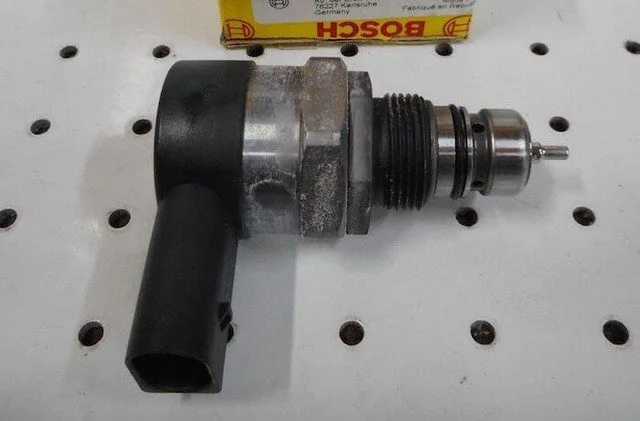
Example of a fuel pressure relief valve

How to Diagnose the P009D Code?

1. Consult Technical Service Bulletins (TSBs)

Before any intervention, consult the TSBs for your specific vehicle (year, model, engine). This can quickly guide you to a known solution.

2. Visual Inspection

Locate and visually inspect all components of the circuit (fuel pump, regulator, relief valve, PCM). Check the wiring and connectors for any signs of wear, corrosion, bare, or burnt wires.

3. Fuel Pressure Test

Using a pressure gauge, test the fuel pressure. Correct values vary by engine. Always refer to the manufacturer’s technical data to interpret the results.

4. Advanced Electrical Tests

Using a digital multimeter and vehicle-specific technical data, test the circuit’s voltages and continuity. A lack of continuity (resistance > 0 ohms) indicates faulty wiring or a connector that needs repair.

Common Repairs for the P009D Code

  • Replace the fuel pump
  • Replace the fuel pressure relief valve
  • Replace the fuel pressure regulator
  • Clean corroded connectors
  • Repair or replace damaged wiring
  • Update or replace the PCM

Conclusion and Call to Action

The P009D code is a moderately severe issue that should not be ignored. Accurate diagnosis is essential to avoid unnecessary repairs.

⚠️ Warning: This article is for informational purposes only. The technical data and specific service bulletins for your vehicle should always take precedence. If you are not comfortable with these procedures, consult a professional mechanic for a guaranteed diagnosis and repair.

P009E Fuel Decompression Control Circuit Performance / Blocked

What is the P009E Code?

The generic diagnostic trouble code P009E is an OBD-II code related to the powertrain. It indicates that the Powertrain Control Module (PCM) has detected a performance malfunction or blockage in the fuel pressure relief control circuit. This code applies to many vehicles (Dodge, Ram, Chevy, Ford, GMC, Saturn, etc.), but specific diagnostic steps may vary by make and model.

Symptoms of the P009E Code

Common symptoms associated with this code include:

  • Poor engine performance
  • Check Engine Light illuminated
  • Hard starting or engine not starting
  • Increased fuel consumption
  • Fuel leak (especially from the exhaust in severe cases)

Possible Causes of the P009E Code

Several failures can trigger this code:

  • Faulty fuel pump
  • Stuck or defective fuel pressure relief valve
  • Failed fuel pressure regulator
  • Damaged, corroded, or shorted wiring
  • Oxidized or damaged electrical connector
  • Rare PCM failure

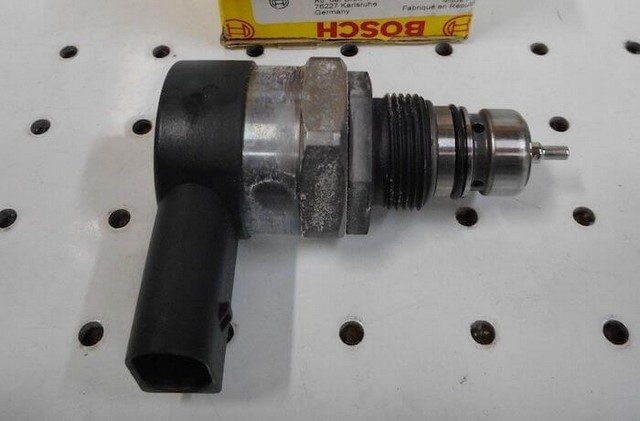
Fuel pressure relief valve

How to Diagnose the P009E Code?

1. Check Technical Service Bulletins (TSBs)

Before any intervention, consult the TSBs for your vehicle (year, model, engine). This can quickly guide you to a known solution.

2. Visual Inspection

Locate and visually inspect all components of the relief circuit: fuel pump, pressure regulator, relief valve, and PCM. Look for obvious signs of damage: exposed wires, corroded connectors, burn marks.

3. Fuel Pressure Test

Using a pressure gauge, measure the fuel pressure. Compare the obtained values with those specified by the manufacturer for your engine. Abnormal pressure often indicates a problem with the pump or regulator.

4. Advanced Electrical Tests

Using a digital multimeter, test the electrical circuits of the relevant components (voltage, continuity, resistance). Always refer to the manufacturer’s technical data for expected values.

Common Repairs for the P009E Code

  • Replace the faulty fuel pump
  • Replace the stuck fuel pressure relief valve
  • Replace the fuel pressure regulator
  • Clean or replace corroded electrical connectors
  • Repair or replace damaged wiring
  • Update or replace the PCM (as a last resort)

Conclusion and Call to Action

The P009E code is a medium-severity issue that should not be ignored, as it risks damaging other components. If the diagnostic steps exceed your skills, consult a professional mechanic for an accurate diagnosis. This article is for informational purposes; always prioritize the specific technical data for your vehicle.

Need help diagnosing your vehicle? Use our online diagnostic tool or find a partner garage near you.

P009F Fuel Decompression Control Circuit Stuck

What is the P009F Code?

The generic diagnostic trouble code P009F is an OBD-II code related to the powertrain. It indicates that the Powertrain Control Module (PCM) has detected a malfunction in the fuel pressure relief control circuit, which is stuck in the open position. This issue can affect many vehicles, including Dodge, Ram, Chevy, Ford, GMC, and Saturn, although specific repair procedures vary by make and model.

Symptoms of the P009F Code

The most common symptoms associated with this code are:

  • Engine hard to start or fails to start
  • Poor engine performance and misfires
  • Check Engine Light illuminated on the dashboard
  • Fuel leak or strong gasoline odor
  • Abnormally high fuel consumption

Possible Causes of the P009F Code

Several failures can cause this code:

  • Faulty fuel pump
  • Stuck or defective fuel pressure relief valve
  • Failed fuel pressure regulator
  • Corroded, loose, or damaged electrical connector
  • Faulty wiring, short circuit, or open circuit
  • Internal PCM failure (less common)

How to Diagnose the P009F Code

1. Check Technical Service Bulletins (TSB)

Before any intervention, check the Technical Service Bulletins (TSB) for your specific vehicle (year, model, engine). This may reveal known issues and direct solutions.

2. Visual Inspection

Locate and visually inspect all components of the circuit: fuel pump, pressure regulator, relief valve, and PCM. Check connectors, cables, and wiring harness for signs of corrosion, damage, rubbing, or exposed wires.

3. Fuel Pressure Test

Using a pressure gauge, measure the fuel pressure. Compare the readings with the specific ranges recommended by the manufacturer for your engine. Abnormal pressure may indicate a failure of the pump, regulator, or valve.

4. Advanced Electrical Tests

Using a digital multimeter and vehicle-specific wiring diagrams, test the voltage and continuity of the control circuit. Check the power and ground for each component. Abnormal resistance or lack of continuity indicates a wiring or connector problem.

Common Repairs for the P009F Code

Depending on the root cause identified, repairs may include:

  • Replacing the fuel pump
  • Replacing the fuel pressure relief valve
  • Replacing the fuel pressure regulator
  • Cleaning corroded electrical terminals and connectors
  • Repairing or replacing damaged wiring
  • Reprogramming or replacing the PCM (as a last resort)

Conclusion and Call to Action

The P009F code is a moderate severity issue that should not be ignored, as it can lead to vehicle breakdown and damage other components. If basic troubleshooting steps are beyond your skills, consult a professional mechanic for an accurate diagnosis. Always use technical data specific to your vehicle to ensure correct repairs.

Have questions about diagnosis or repair? Leave a comment below to share your experience or get help.