Automatic Transmission Fluid Maintenance

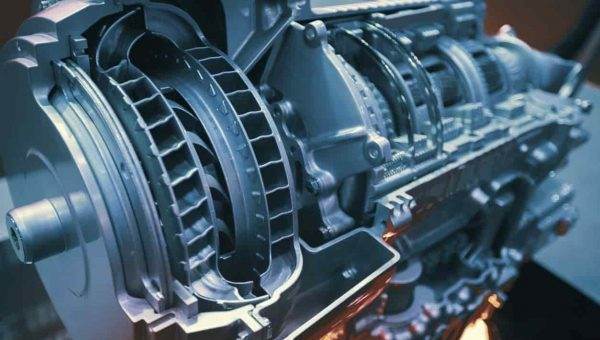
After the engine, an automatic transmission is the most complex and expensive mechanical component in your car. To function properly, an automatic transmission must be filled with a specific fluid that is maintained at a precise level. Automatic transmission fluids serve several purposes. They transmit power, operate hydraulic systems, provide lubrication, preserve seal flexibility, protect internal transmission components, and act as cooling fluids. To maintain these capabilities, the automatic transmission fluid level must be checked regularly, and the fluid may need to be replaced periodically at the intervals recommended by the vehicle manufacturer.

Modern automatic transmission fluids are carefully formulated chemical compounds and are often developed for specific transmission designs. While some companies market “universal” transmission fluids, most car manufacturers have proprietary specifications for the fluids used in their automatic transmissions. Failure to use the appropriate fluid can affect shift quality, reduce transmission lifespan, and void your car’s warranty. When refilling or changing transmission fluid, ensure that the product used by the auto repair shop meets the requirements outlined in your owner’s manual.

Automatic transmissions have become marvels of precision and durability in recent years. Many recent model cars use “lifetime” synthetic transmission fluids and have sealed transmissions without a dipstick to check the fluid level. As long as the transmission does not leak, the fluid will remain at the correct level. Even some cars with dipsticks use “lifetime” fluids that never need changing or are only changed at extended intervals that may exceed 100,000 miles.

Checking Transmission Fluid Level

On vehicles equipped with dipsticks, the automatic transmission fluid level should be checked monthly with the transmission at full operating temperature and the engine idling. Approximately 15 minutes of driving is usually needed to fully warm up the transmission. You can check the fluid level in six easy steps:

1. Stop the vehicle on a level surface, set the parking brake, and let the engine idle.

2. Press the brake pedal and move the gear selector through all gear positions, pausing for a few seconds in each. Then place the transmission in park or neutral as specified in your owner’s manual.

3. Open the hood, locate the transmission dipstick, and carefully remove it, making sure to avoid any hot or moving engine parts.

4. Wipe the dipstick with a cloth and note the level marks near its end. Some dipsticks have a mark for FULL and another for ADD, some have small holes indicating maximum and minimum oil levels, and some have crosshatched marks to designate the acceptable fluid range.

5. Insert the dipstick fully into its tube, then remove it and read the level.

6. If the fluid level is at or below the ADD mark, add enough fluid to bring the level up to the FULL mark. Do not overfill. Typically, the distance between the ADD and FULL marks equals one pint of fluid.

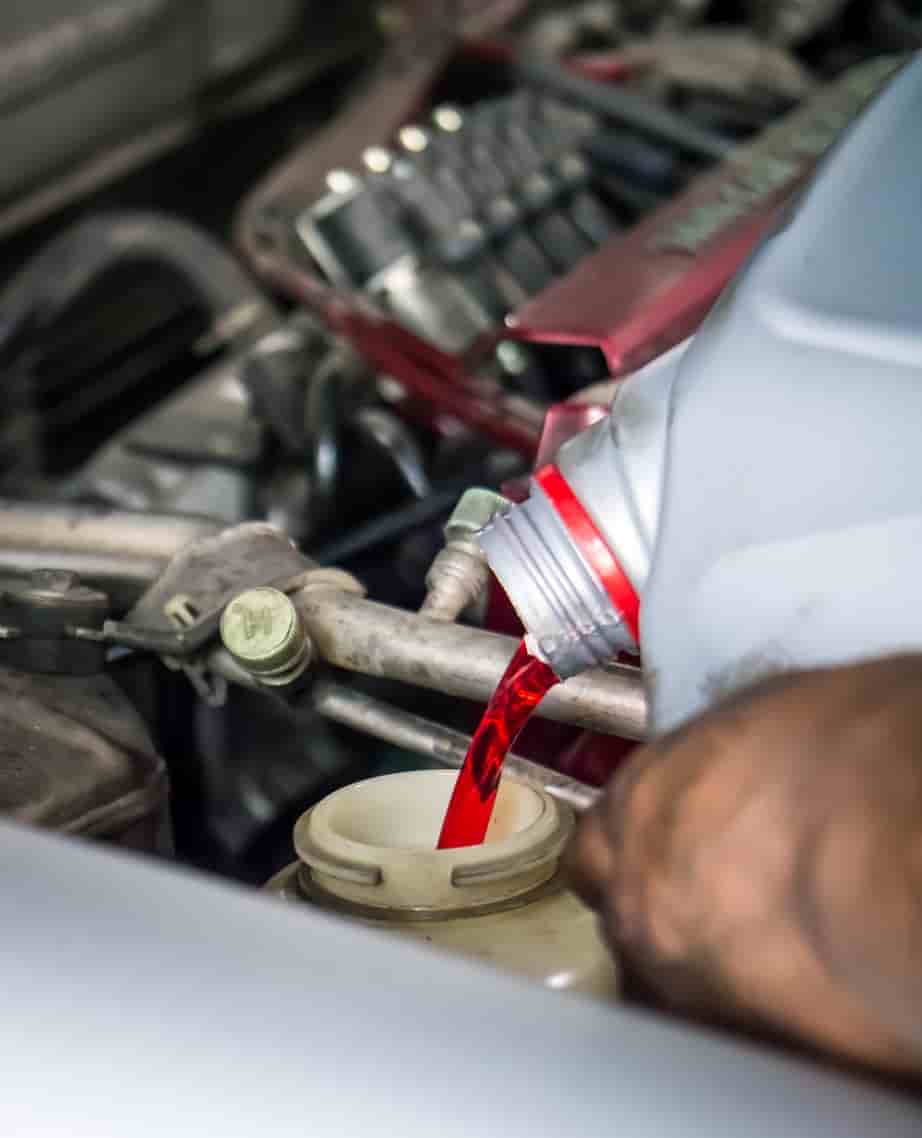
When checking the fluid level, also inspect its color. New automatic transmission fluid has a red or pink tint. Red-amber to medium brown fluid has been in service for some time, but such color change is normal and is not a reason for immediate fluid replacement. However, dark brown or black color is a sign of deteriorated fluid that should be changed. Fluids that appear milky or have a burnt smell indicate more serious transmission problems that require diagnosis by a qualified auto mechanic as soon as possible.

Changing Transmission Fluid

As mentioned earlier, many newer cars never need transmission fluid changes, or changes are only needed at extended intervals. However, millions of cars on the road still require regular transmission fluid replacement. The recommended intervals for this maintenance vary depending on the car’s factory maintenance schedule and whether the vehicle is used in normal or severe service. In some cases, the transmission contains a filter that is changed along with the fluid. Consult your owner’s manual to identify the appropriate intervals for your car and the type of driving you do.

When having transmission fluid changed, ensure that the auto repair shop uses replacement fluid that meets the car manufacturer’s specifications. It is also very important that the transmission is not overfilled, as this would cause fluid foaming that could lead to further transmission problems.

Most common transmission problems (and how to fix them)

Problems with your transmission are often very expensive and something you want to avoid. Here are the most common issues and problems you might encounter with your automatic transmission.

The most important and expensive components of your vehicle are the engine and the transmission. But while many people know what to look for to diagnose an engine problem, the transmission doesn’t always get the same attention.

In this guide, we will break down the ten most common transmission problems before explaining how to troubleshoot and fix some of the simpler ones.

The most common transmission problems are leaking seals, a worn-out clutch, or old transmission fluid. Faulty components inside the transmission, such as bad shift solenoids, broken transmission bands, or a faulty torque converter, are also very common.

Here is a more detailed list of the most common transmission issues and problems:

10 Most Common Transmission Problems

1. Leaking Seals

Car Oil Leak

Just like your engine, oil fills your transmission to keep everything running smoothly. This transmission fluid is held inside by seals and gaskets, and as your transmission ages, these seals and gaskets can wear out. If this happens, you will have a leak and will need to perform repairs.

2. Worn Out Clutch

If you drive a vehicle with a manual transmission, one of the most common problems you will encounter is a worn-out clutch. Replacing a clutch is neither easy nor cheap, but it is necessary to get things working as they should.

3. Old Transmission Fluid/Filter

Although you don’t need to change your transmission fluid as often as your engine oil, it doesn’t last forever. Check your vehicle’s owner’s manual to see how often you should change your transmission fluid.

4. Broken Sensor

Modern vehicles have sensors everywhere, and that includes the transmission. A common issue is that as a vehicle ages, these sensors start to wear out and fail. When this happens, you will need to replace them.

5. Slipping Gears

Whether you drive a transmission

6. Worn Torque Converter

If you have an automatic transmission, you have a torque converter. Although a torque converter has a fairly decent lifespan, it is not uncommon for it to wear out. If this happens, you will hear grinding noises when your transmission shifts gears, and your transmission will need to be rebuilt.

7. Faulty Shift Solenoids

Solenoids usually last longer than sensors, but if your transmission is old enough or you are simply unlucky, you might find that your transmission has a faulty solenoid. Solenoids are more expensive than sensors, so be prepared to spend a bit more on repairs.

8. Overheating Transmission

Although an overheating transmission is a sign of a deeper problem, it might be the only thing you notice. There are tons of reasons why your transmission might overheat. From stuck gears to old transmission fluid, you will need to troubleshoot your transmission carefully to find out what is going on.

9. Broken Transmission Bands

Transmission bands hold different gears together to provide the correct output ratio. But when these bands start to break, you will find that your transmission simply doesn’t have the gears it should have.

This is a problem with automatic transmissions, so what you will notice is a transmission that stays stuck at higher or lower RPMs and doesn’t accelerate as it should.

10. Rough Shifting

Rough shifting is another one of those problems that can be caused by a litany of issues. There could be stuck gears, worn bands, or a dozen other problems. The only way to know for sure is to take apart your transmission and rebuild it.

Basic Transmission Troubleshooting

Mechanics Diagnose Car

Although there are many problems that can lead to a faulty transmission, if you know what to look for, you can catch issues early and save a ton of money.

That’s why we’ve taken the time to help you troubleshoot three of the common problems here. This way, you can fix issues while they are still small.

Leaks

Troubleshooting a leak is one of the simplest tasks. Look for the highest point of a leak; gravity pulls the fluid downward, so once you find the top, you have located the leak. If it’s coming from the bottom, it’s likely the transmission pan, but it’s probably a front seal if it’s coming from the front.

Find the leak, then assess how complicated and expensive the repairs will be.

Rough Shifting/Slipping Out of Gear

When you notice that your transmission is having trouble engaging and disengaging gears, the best thing to do is flush the transmission fluid and add some anti-slip additive to get things working like new.

Although this doesn’t always work, if you catch the problem early enough, it might be all you need to get another 40,000 to 50,000 miles out of your transmission before needing a rebuild.

Unable to Get Into Gear

When your transmission can’t engage or disengage a specific gear, it could be due to a litany of problems. Start by connecting an OBD II scanner to your vehicle and see if the TCM is generating any codes. If so, your problem might be as simple as a faulty sensor or solenoid.

However, if you don’t have any TCM codes, there is likely something serious wrong with your transmission. It could be broken bands or stuck gears. In any case, you will need a rebuild. Transmission rebuilds are not cheap, so you might want to start saving now.

Summary

There are few components as critical as your transmission. That’s why you need to have a thorough understanding of how it works and keep an eye out for when things aren’t working as they should.

Because even though transmission repairs can be expensive, you can often catch problems early if you know what to look for. I hope this guide has given you everything you need to know to diagnose your transmission and get things working as they should.

This way, the next time you hit the road, you can have peace of mind knowing that your vehicle will perform as it’s supposed to.

What is an electric turbo? Advantages and disadvantages

The modern internal combustion engine car is equipped with a turbocharger or even a supercharger. These are intended to improve the energy efficiency and performance of standard gasoline or diesel cars. With the advent of modern technology, the automotive industry is beginning to introduce electric turbos. But what are these strange new devices? Read on and find out what ingenious technology lies behind this name.

  • 1 What is a conventional turbocharger?
  • 2 What is an electric turbocharger?
  • 3 Advantages of electric turbochargers
  • 4 Disadvantages of electric turbochargers
  • 5 Installing an electric turbocharger

WHAT IS A CONVENTIONAL TURBOCHARGER?

The standard turbocharger, or turbo, is a device that increases the power of an internal combustion engine through the forced induction of compressed air. Since an internal combustion engine generates locomotion by burning a fuel-air mixture, the rate at which this mixture is burned is a major factor in determining the engine’s power. A faster burn rate results in a more powerful operation. To achieve this, the turbo is powered by hot exhaust gases. This results in the rotation of a turbine that compresses the air which is ultimately delivered to the engine.

A supercharger works in a similar way, but the method by which it is powered is different. While a turbo is powered by hot exhaust gases, the supercharger is driven directly by the engine. This results in distinct advantages and disadvantages for both variants: turbochargers take time to start, as they depend on exhaust gases to operate, while superchargers are less fuel-efficient but increase engine power from the moment the engine starts. This tendency of turbos to take time before becoming fully functional is called turbo lag.

WHAT IS AN ELECTRIC TURBOCHARGER?

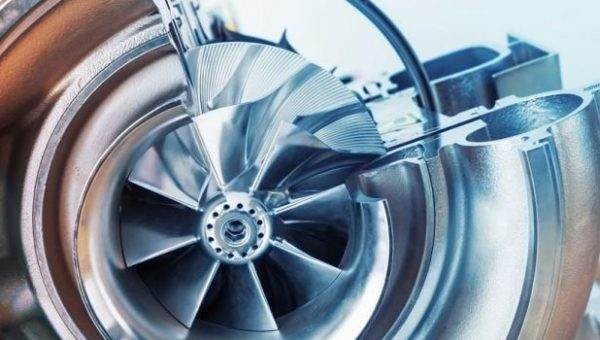
An electric turbo attempts to offer the best of both worlds: the brutal efficiency of a fully active turbocharger coupled with the elimination of the annoying turbo lag that a supercharger brings to the table. Unsurprisingly, their basic functionality is essentially identical to that of a standard turbo: just like its non-electric counterpart, the E-turbo is powered by hot exhaust gases generated by the engine while the vehicle is being driven. Unlike the conventional turbo, however, it also includes either a small air compressor which in turn is powered by an electric motor, or an electric motor to spin the turbines when there is not enough exhaust gas available. This provides the necessary compressed air to boost engine power before the traditional turbocharger is warmed up and functional.

ADVANTAGES OF ELECTRIC TURBOCHARGERS

The advantages of an E-turbo are clearly visible: it eliminates turbo lag by providing the air input normally supplied by a turbocharger once it is warmed up. Unlike a supercharger, electric turbos are not active all the time and therefore do not reduce engine power at all while providing the same level of torque regardless of engine speed. While the power increase gained from using a supercharger outweighs the cost of engine power to keep it running, an electric turbocharger can avoid undermining the engine’s power to stay active in the first place, thus increasing the power gained by activating the device. They also have the advantage of being able to be deactivated when not needed, for example during long journeys at constant speed. This allows the engine to operate at a higher efficiency and save fuel in the long run. By now, one could argue that the advantages of an electric turbo can just as well be achieved with a twin-charging system, i.e., a combination of turbo and supercharging. While this may be the case, an E-turbo takes up much less space and achieves the effect of the supercharger part of the system without any power loss. Electric turbos also reduce overall emissions and have the potential to use exhaust gases to power generators when they are not needed.

DISADVANTAGES OF ELECTRIC TURBOCHARGERS

Electric turbos are still very new, and not all the flaws of this cutting-edge technology have been resolved. For one, the electric turbo still aims to increase a vehicle’s performance. A reduction in fuel consumption or emissions is not its primary goal, so it will likely lead to an increase in both, even if not as much as with a conventional turbo or supercharger. Furthermore, given its status as an emerging technology, electric supercharging will remain relatively expensive for some time. Its reliability is also largely untested, given the lack of data, which in turn is the result of limited application. It could also be argued that electric turbochargers are increasingly unnecessary given that the writing is on the wall for fossil fuels and thus for internal combustion engines that use gasoline or diesel.

INSTALLING AN ELECTRIC TURBOCHARGER

If you are wondering how to install an electric turbocharger, you should be wary of the nature of many private offers online. In many cases, these electric turbos are little more than fans that provide little or no extra power. Instead, rely on trusted manufacturers and opt for the installation of these devices by experts in a garage sufficiently equipped to maintain this type of technology. If you intend to install the device yourself, make sure you have the necessary experience and read the manufacturer’s instructions carefully to avoid any mistakes.

Distribution Chains VS Timing Belts: Which One Is More Reliable?

WHY IS TIMING IMPORTANT?

  • 1 Why is timing important?
  • 2 What does the timing belt or chain do?
  • 3 Timing belts vs timing chains
  • 4 How often do they need to be replaced?
  • 5 Signs of a bad timing belt or chain
  • 6 Can you drive a car with a bad timing chain or belt?

There are several moving components in an engine that are all precisely timed and synchronized with each other to ensure the proper operation of the unit. If the camshaft or crankshaft is misaligned or if the timing of the valves and pistons is off, the entire ignition process could be disrupted, causing engine misfires, overheating, and other issues.

WHAT DOES THE TIMING BELT OR CHAIN DO?

Timing belt

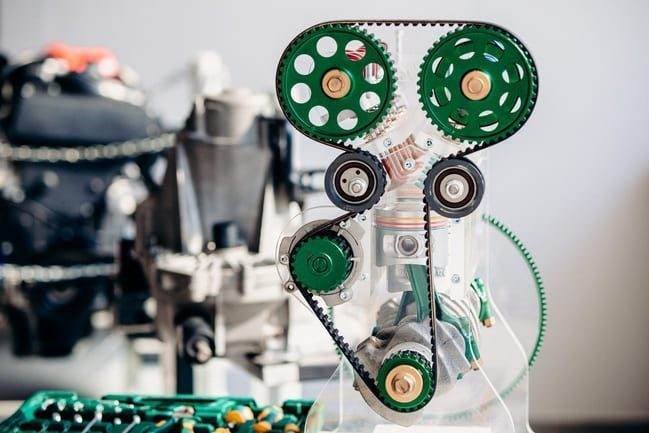
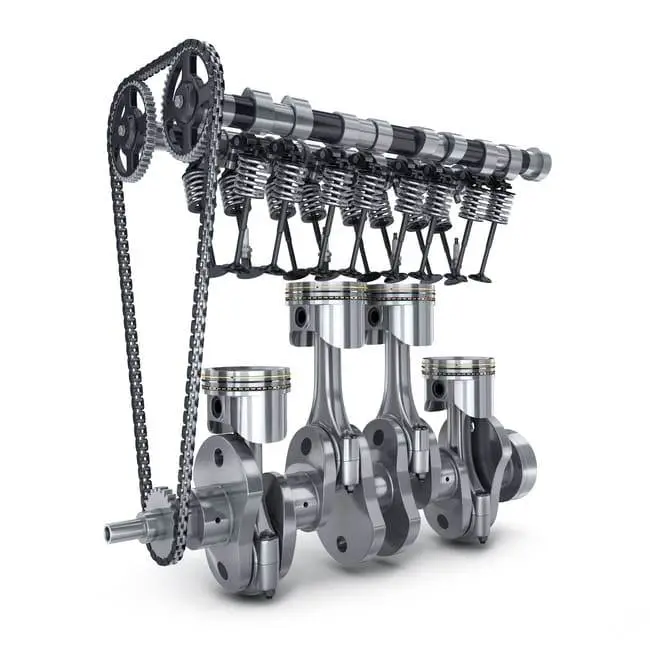
The timing belt, also called the cam belt, connects the camshaft and the crankshaft and synchronizes their movements. The camshaft rotates to open and close the engine valves by letting fuel and air pass through. This must be perfectly synchronized with the movement of the pistons, which is controlled by the crankshaft. If the timing belt or chain is damaged or slips, it could lead to severe engine damage or failure.

TIMING BELTS VS TIMING CHAINS

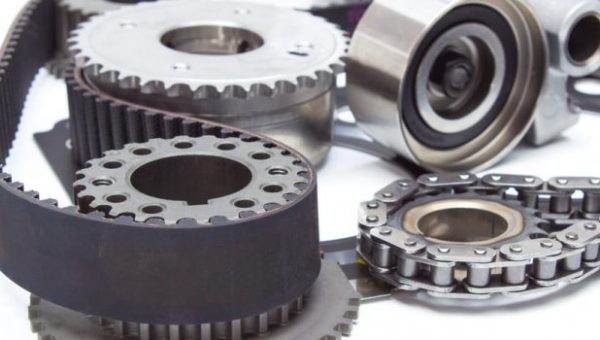
These two types of timing components follow the same operating principles, but there are two key differences. First, belts are typically made of reinforced rubber, while chains are made of metal, often resembling bicycle chains. The second difference is the location of the components. Cam chains are normally housed inside the engine itself and lubricated with oil, and belts are often installed outside the engine. However, some car manufacturers use toothed belts that are internal components and also use engine oil for lubrication.

Timing chain

Due to their material, chains tend to be much more durable than timing belts. Rubber is much more vulnerable to cracking, stretching, and mechanical wear, requiring regular replacement intervals. On the other hand, in general, these external belts are easier and sometimes cheaper to replace. Their other major advantage is that they are quieter than metal chains.

HOW OFTEN DO THEY NEED TO BE REPLACED?

How often should timing belts be replaced

A high-quality timing chain can last as long as the car it is installed in; however, experts advise people to have the component serviced every 100,000 miles to avoid tension-related issues. Several factors can contribute to chain damage. For example, if you use the wrong type of engine oil or if the oil is not changed regularly, it can lead to wear on the plates and pins, as well as stretching.

As mentioned earlier, you need to change the timing belt at regular intervals. Many manufacturers recommend changing the belt and tensioners every 60,000 miles to maintain engine performance. However, some advanced products can last up to 100,000 miles or 7 to 10 years.

SIGNS OF A BAD TIMING BELT OR CHAIN

Regardless of the type of component your car uses, here are some of the most common symptoms to watch for:

  • Misfires are detected
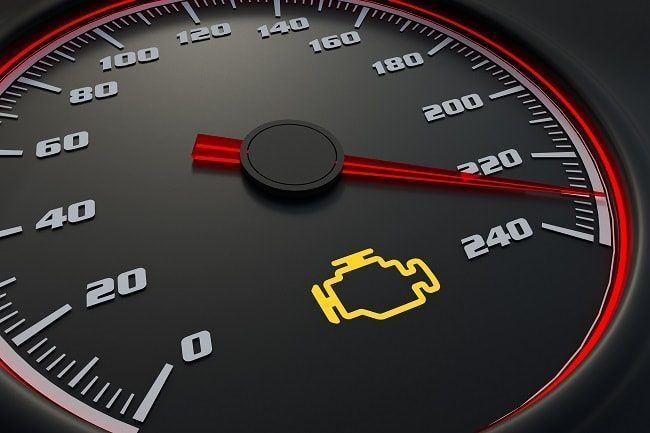
  • The check engine light is on
    Signs of a bad timing belt or chain
  • The engine is hard to start or won’t start at all
  • Visible damage to the valves

CAN YOU DRIVE A CAR WITH A BAD TIMING CHAIN OR BELT?

If the component is faulty, it can make the car very difficult to drive. Even if you can drive it, it is highly discouraged because the risk of engine failure or severe damage is too high. If you suspect there is a problem with the engine timing system, you should seek professional help as soon as possible.

What Happens When You Overfill Your Car with Oil?

When an engine has too little oil, bad things can happen: friction between moving parts increases, the engine may overheat, and in the worst-case scenario, moving parts seize due to lack of lubrication.

Bad things can also occur when there is too much oil. Overfilling with oil can cause foaming, which turns a slippery lubricant into a frothy liquid with air bubbles that reduce lubrication and cooling properties. Foamy oil is also harder for the oil pump to distribute throughout the engine, so some moving parts may not receive as much oil as they need, increasing wear and the risk of engine damage.

How much oil does a car need? It depends. Check the details in your vehicle’s owner’s manual, but many engines require between 4 and 6 quarts. Typically, oil flows into a pan at the bottom of the engine, below the crankshaft. If the pan is overfilled, the crankshaft can act like a high-speed mixer that churns the oil and creates foam.

The crankshaft is where engine speed is measured, and it rotates rapidly whenever the engine is running. For example, if the tachometer reads 2,500 rpm at 75 mph, that means the crankshaft makes a full rotation 2,500 times per minute; flooring the accelerator can bring it to 5,000 rpm or more.

Overfilling also increases oil pressure, putting more strain on the gaskets and seals that prevent oil from leaking out of the engine or going where it shouldn’t inside. Over time, the extra stress accelerates the wear on these gaskets and seals. Overfilling often happens because repair shops pump fresh oil from bulk containers instead of pouring it from quart or gallon containers. Holding the pump trigger too long can easily add extra oil, and the technician may not check the dipstick—and even if they do, oil takes time to drain into the pan, so they might get a false reading of the oil level after adding fresh oil.

Checking the dipstick when the vehicle is on level ground and the engine is cold will give an accurate reading of the level. If the oil level is slightly above the full mark, it shouldn’t cause problems. If it’s overfilled by half a quart or more, or if foam appears on the dipstick, the best solution is to drain the oil and refill it to the appropriate level.

What to do when your engine overheats

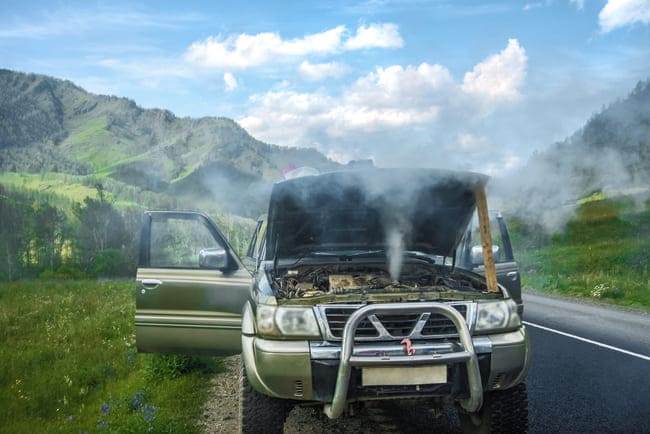
Seeing steam escaping from under your car’s hood can be deeply troubling at best, but we’re here to help! It’s essential that you can spot the signs of an overheating car engine and react quickly and calmly to ensure your safety, as well as that of your car. This guide will give you everything you need to know to protect your vehicle from heat damage, providing advice on how to extend your engine’s lifespan.

SYMPTOMS OF AN OVERHEATING CAR

Spotting the signs early will help you avoid irreversible damage to your car’s engine. Here are some of the most common overheating symptoms:

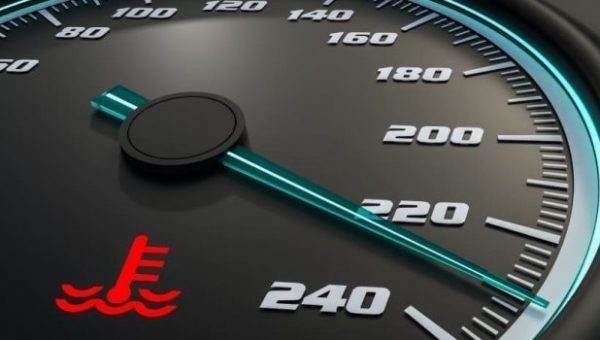
  • !A temperature warning light illuminated on the dashboard. You can usually confirm if there’s a problem by checking the vehicle’s temperature gauge. If the needle is in the red zone or the temperature points to “H,” the engine is getting too hot.
  • !Steam coming out from under the hood. This happens when the coolant starts to boil and can be the result of a faulty radiator.
Symptoms of engine damage due to overheating
  • !Strange smells coming from the engine compartment. It might start to smell like burnt oil or rubber. If there’s a coolant leak, you might notice a sweet smell.
  • !Engine performance issues, such as poor acceleration.

WHY IS MY CAR OVERHEATING?

Although most modern cars are equipped with advanced cooling systems, they are not immune to failures. There are many possible causes of an overheating car engine. Vehicles typically overheat when heat cannot dissipate properly in the engine compartment. For example, this could be due to a blockage in the coolant hose or a car coolant leak, or a faulty radiator fan or water pump. It can also occur due to stifling summer weather conditions or a serious issue with the ignition system.

5 SIMPLE STEPS TO FOLLOW

  1. Make sure the air conditioning is off and turn on the heater

Turning off the air conditioning will reduce stress on your engine. Increasing the heat might go against your natural instincts, but it will help redirect heat from the engine to the interior. This might be a bit uncomfortable for the driver and passengers, but it should help.

  1. Pull over in a safe place

Driving an overheated car should be avoided at all costs. The best thing to do is to move away from oncoming traffic and turn off the engine to let it cool down. If you consider opening the hood, make sure to do so from inside the car, as the hood surface and internal components can be extremely hot. Please note that boiling fluids or steam may escape from the engine when the hood is opened.

  1. Let the engine cool for 30 minutes

Never open the radiator cap or expansion tank cap before the engine has cooled down. This could result in serious burns.

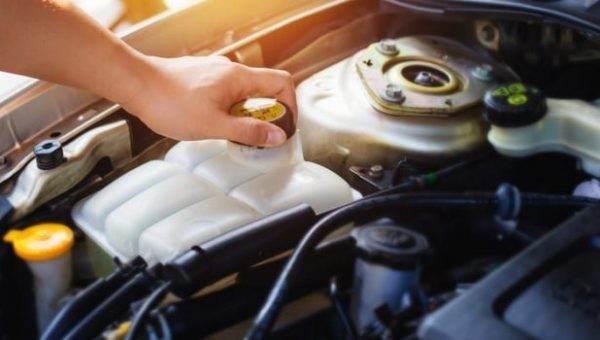
  1. Once the unit has cooled, check the coolant reservoir

If the coolant levels are low or the reservoir is empty, there might be a leak. Check under the vehicle for puddles of water or spots of smelly fluid. If the coolant is low but no leak is detected, you can top it up if you have a bottle of antifreeze and water on hand.

What to do with an overheating car
  1. If necessary, call a breakdown service or a mechanic for help

It would be a good idea to have the cooling system and engine components inspected by a professional at a service station to find the root of the problem as soon as possible.

HOW TO PREVENT YOUR CAR ENGINE FROM OVERHEATING

Tip 1: Regularly inspect the cooling system and coolant

Checking antifreeze and water levels is essential to maintaining a healthy operating temperature. The cooling system flush interval depends on the vehicle’s make and model. Some newer coolants can last up to 5 years or 100,000 miles; however, experts generally recommend changing fluids every 40,000 miles. If you notice discoloration or debris, it’s time to have the system repaired.

Tip 2: Be prepared

It might be wise to keep a bottle of fresh antifreeze on hand in case you need it while traveling. Please note that it will need to be mixed with water in the correct mixing ratio.

Tip 3: Park in shaded areas in summer or on sunny days

This will help keep your car and its interior cool. You can also invest in quality car sunshades.

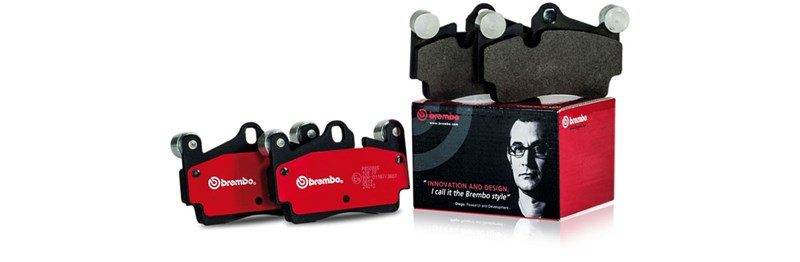
Brake pads: how to avoid making the wrong choice

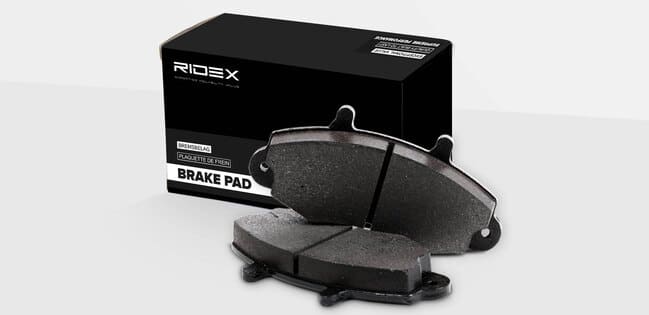
Brake pads are important components of the braking system, on which the safety of all road users depends. Therefore, their selection requires a responsible approach. We will tell you what to look for when purchasing.

TYPES OF BRAKE PADS

  • isemi-metallic;
  • ilow steel;
  • iorganic;
  • iceramic

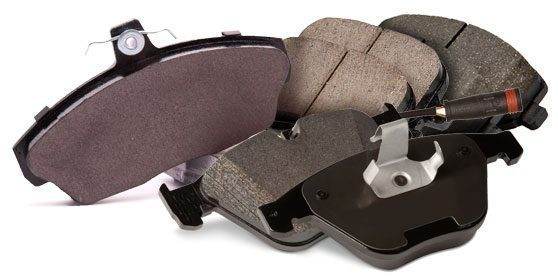
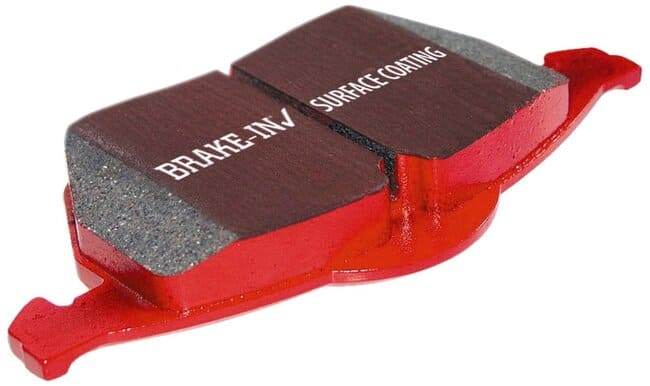
Brake pads consist of a backing plate and a friction lining, for the production of which more than ten components can be used.

The composition of semi-metallic brake pads includes at least 65% metal. The remaining 35% is a mixture of graphite and inorganic materials. The advantage of this type of pad is the ability to effectively dissipate heat, the disadvantage is their excessive hardness, which leads to premature wear of the brake disc.

Low steel brake pads are made from organic materials with the addition of metal (no more than 30%). They have good thermal conductivity and ensure more effective braking. They cost almost twice as much as semi-metallic pads.

Kevlar, glass, and carbon are the base materials for the production of organic brake pads. The composition of these components includes no more than 15% metal. They are soft and quiet in operation but are more prone to wear than other types of pads, so they are not suitable for fans of aggressive driving.

The composition of ceramic brake pads includes ceramic fibers, synthetic rubber, and non-ferrous metals. Such pads provide a constant friction coefficient and are less abrasive. They are the best choice for sporty driving styles. They are more expensive than other types of brake pads.

CATEGORIES OF BRAKE PADS

All pads can belong to two categories:

  1. original;
  2. analogues.

The advantages of original brake pads are obvious, but they cost twice as much as analogues. They are sold in their original packaging, manufactured by a trusted manufacturer.

High-quality analogues are only slightly inferior to original spare parts in their characteristics. These pads are cheaper while offering quite sufficient braking performance. However, there are analogues made from lower quality materials. Usually, these pads are not properly tested and do not meet generally accepted standards. It is important to avoid a mistake when choosing parts: a price that is too low should alert you.

THE MAIN PARAMETERS OF BRAKE PADS

The main parameters of brake pads

1. Operating temperature. Brake pads resistant to a temperature of 300-350°C should be sufficient for city driving and moderately fast driving. Sports cars are equipped with brake pads that operate at a temperature of 900°C, but they ensure effective braking only when heated above 100°C.

2. The friction coefficient. Pads with a friction coefficient of 0.25 to 0.35 are sufficient to stop the vehicle during moderate driving. These are the values that non-original components usually have. The friction coefficient of original brake pads is slightly higher, about 0.3-0.5. Sports brake pads at an operating temperature of 150°C have a low friction coefficient – 0.2. When heated, it can increase up to 0.5.

3. Service life. The wear resistance of the part depends on the material it is made of. A soft friction lining wears out faster, but a too hard lining leads to premature abrasion of the brake disc.

TIPS FOR CHOOSING BRAKE PADS

  • ichoose pads of a composition similar to the brake discs and produced under the same brand;
  • iwhen purchasing components, be guided by the operating conditions and driving style;
  • ibuy pads only from trusted manufacturers.
Tips for choosing brake pads

HOW TO DISTINGUISH AN ORIGINAL PART FROM A FAKE

1. Pay attention to the presence of the certification mark. If you do not see R90 or 90R written on the label, it is a fake.

2. The package must contain a product passport, a warranty certificate, a quality certificate, and an installation guide.

3. The surface of the original brake pads must be smooth and even.

4. Check the unique part code number on the manufacturer’s website.

Original brake pads

THE BEST MANUFACTURERS OF BRAKE PADS

The main manufacturers of brake pads are:

  • Brembo;
  • Ferodo;
  • Bosch;
  • ATE;
  • TRW;
  • STARK;
  • Textar;
  • Lucas;
  • Jurid;
  • Remsa;
  • PAGID.

The products of these companies vary in terms of price and operating characteristics. Brembo and Ferodo companies produce brake pads for sports cars. Parts from the ATE company are also capable of withstanding operating temperatures up to 800°C.

The best manufacturers of brake pads

TRW, Lucas, Bosch, Remsa, and STARK brake pads are more suitable for daily city driving. They have slightly lower parameters but are significantly cheaper. The PAGID company manufactures products for luxury cars.

The American company Jurid produces pads that are used as original parts by car manufacturers but can also be supplied as analogues for vehicles of other brands. The products of this company are also known under the brands BendixR, FRAMR, and PrestoneR.

Note: when choosing brake pads, it is important to consider not only the popularity of a brand but also specific characteristics such as your driving style and the vehicle’s operating conditions. Only by taking all these details into account will you be able to choose components that ensure long and reliable operation of your car.

How to Change Your Brake Pads (Step by Step)

Although they may be in good condition today, in a few weeks or months, they will need to be replaced. And if you are a moderately skilled DIYer, you can do this job yourself.

Waiting too long for a brake job can cause serious damage to the brake discs, which can significantly increase the overall expense for this job.

Editor’s Note:
While many descriptions on “how to change brake pads” can be found online, the step-by-step procedure below goes into much more detail and offers various tips not found elsewhere.

The procedure below will apply to braking systems that use disc brakes with floating brake calipers. This arrangement is most common for passenger cars, SUVs, and light trucks. The alternative to floating calipers is the fixed caliper design typically found on high-performance and racing automobiles.

A floating caliper will only have one or two pistons on one side of the disc while a fixed caliper may have one to three symmetrically opposed pistons on each side of the rotor (disc). The floating caliper is attached to a fixed mount by lubricated pins and is free to move in a direction perpendicular to the brake rotor.

Benefits of Changing Your Own Brake Pads

Now, why do the job yourself? Mainly for this reason: you can save money (especially if you already own a few tools), but not a lot. An average brake job (for front or rear brakes) will have a labor charge of about $150 to $300. That’s what you might save, but you will still pay for the parts.

A second, less tangible but important benefit will be the learning experience. That and a new understanding of how your brakes work. Knowing this, you might save repair dollars in the future by allowing you to know what nearly worn-out brakes look like.

How Difficult is it to Replace Brake Pads?

It is a moderately difficult job, but most people can do it if they own a shop manual and follow the process below. If you have already changed your own oil, you will probably not have too much difficulty changing the brake pads on a vehicle equipped with disc (rotor) brakes (compared to drum brakes).

It can be a dirty job so the use of mechanic’s gloves is advised. In some cases, a dust-filtering face mask may be beneficial. Additionally, you will need a shop manual, a reasonably good set of tools, and a number of consumables. See the Required Tools and Required Materials sections below.

Some hand and arm strength will be needed to loosen and tighten fasteners as well as to remove and reinstall the wheels.

How Long Does it Take to Change Brake Pads?

Unless you do it for a living, you will need about one Saturday morning (say, 3-4 hours) to replace the front or rear brake pads. After performing the procedure once, it should take you less time to replace them in the future.

Do I Need to Change All Four Pads?

In the life of your car, the front pads will usually need to be replaced first. They do most of the work to stop the car and will wear out faster than the rears.

That being said, you should periodically check the pad thickness and signs of uneven wear at all four wheel locations.

Note that pad replacement should be done by axle sets. That is why, when you buy pads, you get either a front axle set, a rear axle set, or both, depending on your specific needs.

Where to Buy Brake Pads

You can get a set of brake pads from your local auto parts store or car dealer or buy them online. The advantage of buying locally is that you will get them faster and the seller will make sure you find ones that fit you. Buy them online if you want a certain brand and the convenience of having them delivered to your door.

For more information on the type of brake pad that would be best for you, a little research here will prove beneficial. Although OEM (Original Equipment Manufacturer) pads work well for your car, they can be expensive. This article covers five of the best brake pad manufacturers.

What About the Brake Rotors?

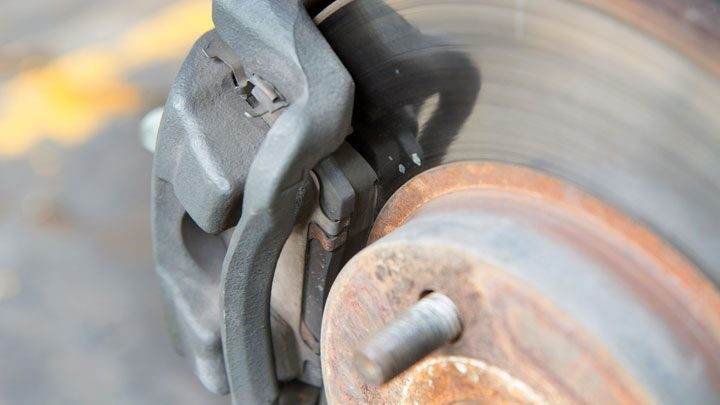
best brake pads

In some cases, when replacing the pads, the old brake rotors can be reused. But the truth is that most auto repair shops will recommend either resurfacing the rotors (i.e., turning or refinishing them) or replacing them with new parts. Here’s why:

Like the pads, rotors will wear out over time. They can be warped and have thickness variations that will impact braking performance. Resurfaced rotors will have ground surfaces (flat and parallel) that will provide good braking performance and good pad life. New rotors will, of course, be new.

The only downside of refinished rotors is that they will come off the brake lathe thinner than when new. Thinner rotors are neither as strong nor as heat resistant as new parts would be.

Keeping this in mind, here are your options:

  1. Buy a new set of rotors. This is the safest bet for long pad life and the best braking performance (see note below). Or…
  2. Remove the rotors and have them resurfaced. Most auto parts store specialists can refinish rotors for a minimal fee. Ask them to confirm for you that a sufficient amount of material can be removed without going below the minimum thickness limit. It will take them about a day to do this job. And it will provide you with the basic equivalent of new rotors at about one-fifth the cost.
  3. Ignore the rotors. This is generally not recommended, but if you are replacing the pads simply due to wear and the rest of your brake system is working as it should and there is no visible damage to the rotor (cracks, grooves, heat spots), you can probably get away without rotor resurfacing (this time).
Tip:
If you decide to buy new rotors, you will want to get quality parts. I strongly recommend avoiding the cheapest rotors your parts store sells. Get your money’s worth.

Buy a set of OEM rotors if the store has them or rotors from one of the quality brands such as Wagner, ACDelco, Brembo, Centric, EBC, Raybestos, or Bosch.

Tools Required

  • Shop Repair Manual (for your specific vehicle make and model)
    • The manual will provide specific instructions for pad and rotor replacement. Essential bolt torques are also provided with this resource.
    • Haynes or Chilton manuals for most cars, SUVs, and light trucks are available online or at your auto parts store. Instead of a paper manual, a CD-ROM manual may be available for your specific vehicle. Online manuals are also gaining popularity.
  • Floor Jack such as:
    • Arcan XL2T 2-Ton Floor Jack (for most vehicles)
    • JEGS 3-Ton Floor Jack (for full-size vans and SUVs)
  • (2) Jack Stands (3-ton capacity per pair)
    • Big Red T43002A 3-Ton Jack Stands
    • With jacks and jack stands, cheaper is not better. Look for quality in these devices. Your life may depend on it.
  • Socket Set (3/8″ and 1/2″ drive) such as:
    • DeWalt 192-Piece Mechanic’s Tool Set
  • Breaker Bar (or 1/2″ drive breaker bar) such as:
    • Tekton 20-Inch 4-Way Breaker Bar
  • 1/2″ Drive Click-Type Torque Wrench such as:
    • Tekton 1/2″ Drive (25-250 ft-lb)
    • Husky 1/2″ Drive (50-250 ft-lb)
  • 3/8″ Drive Hex Socket2
    • Lexivon Master Hex Socket Set
    • Consult the repair manual to see if SAE or metric fasteners were used 1
    • Hex sockets are often called “Allen” keys, but you won’t get enough leverage with a normal L-shaped Allen key.
  • Flat Head Screwdrivers such as:
    • Klein Tools 7-Piece Screwdriver Set (the best)
    • Craftsman 8-Piece Screwdriver Set (good)
  • C-clamp (capable of opening to at least 6″) such as:
    • Tekton 6″ C-Clamp
  • Wheel Chocks such as:
    • MaxxHaul 2-Pack Solid Rubber Wheel Chocks
  • Piece of flat wood (for caliper retraction; 5″ long x 2″ wide by 3/8″ thick)
  • 4″ length of 2 x 4 wood (for rotor removal)
  • Wire Brush such as:
    • Lisle 13410 Disc Brake Caliper Brush
  • Work Light such as:
    • Olafus 60 W LED Work Light
  • Old toothbrush or paintbrush
  • Q-Tips
  • Shop Vacuum such as:
    • Vacmaster 12-Gallon Shop Vacuum
    • Ridgid 12-Gallon Shop Vacuum

1 “Made in USA” no longer means that your car’s fasteners will be in standard American SAE sizes. Socket sets that include both SAE and metric sizes are common and not too expensive. Having such a set can be useful well beyond simple car repair jobs.

2 Many brake calipers require the use of a hex socket to allow the piston assembly to be detached from the piston housing. Your shop manual may provide relevant information in this regard.

Materials Required

  • High-Quality DOT 3 or DOT 4 Brake Fluid
    • Consult your shop or owner’s manual to determine the type of fluid to use
  • High-Temperature Brake Lubricant such as:
    • Ate 700015 PlastiLube; or
    • Permatex 24125 Ceramic Extreme Brake Parts Lubricant
  • Anti-Seize Lubricant such as:
    • Permatex 80078 Anti-Seize Lubricant
  • Non-Chlorinated Brake Cleaner such as:
    • CRC Brakleen Brake Parts Cleaner
  • Metal Coat Hanger
  • 2 ft. of small diameter hose or tubing (or turkey baster)
    • UTSAUTO Washer Hose Kit
  • Shop Towels (or paper towels)
  • Mechanic’s Gloves such as:
    • Mechanix Wear Original Work Gloves
  • Dust Mask
  • Thermos Cup of Hot Coffee

Brake Pad Replacement (Step by Step)

Before getting into the details, let me mention that your personal safety when working on your car or whatever else you do in life is important. Taking unnecessary risks can get your adrenaline pumping, but mostly has no place in your garage when performing car repairs.

For a comprehensive overview of safe repair procedures, please refer to this article.

#1 – Before Starting

Get the necessary parts. Yes, you may need to take the rotors back to the parts store for machining, but not if you are going to buy new ones. So get the necessary parts and materials.

First and foremost, update your shop with the essential tools listed above. My rule for tools is: if some are good, others are better. Keep this concept in balance with marital harmony.

To protect your hands and/or keep them clean, you can wear mechanic’s gloves. Before any process that raises dust into the air, you should always put on a protective dust mask.

Let’s go now…

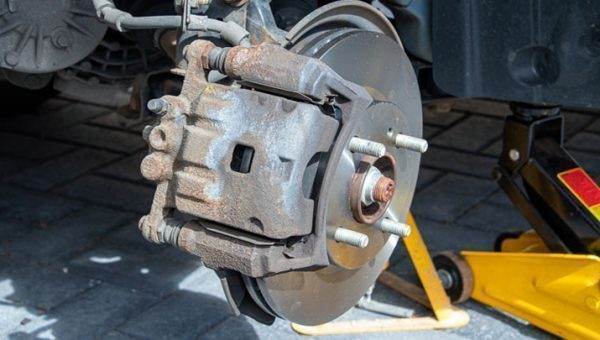
#2 – Jack Up the Vehicle and Remove Wheels

Before lifting your car, place wheel chocks behind the tires of the opposite axle. Think about the direction the car would roll if you lifted the front or rear. This is especially important when working on the rear brakes because there is no parking brake on the front wheels.

Loosen the wheel nuts using a breaker bar or a pry bar (NOT a torque wrench). If you wait until the car is no longer touching the ground, the wheels will want to spin when you try to loosen these nuts.

If you are replacing the front brake pads, firmly engage the car’s parking brake. Do not tighten the parking brake when replacing the rear pads; the engaged brake will prevent the calipers from being disassembled.

While observing safe lifting practices, use your hydraulic jack to lift the front or rear of your car to a comfortable working height. Your shop manual will indicate the optimal jacking points for lifting the car.

Now place two jack stands at symmetrical locations on the right and left and lower the jack slightly so that most of the car’s weight is supported by the jack stands.

Warning:
DO NOT lift your car using the scissor jack supplied with your car. This jack is reserved for flat tires and is not safe for any repair work.

Suitable

How to Remove Air from the Engine Cooling System

If the engine temperature rises for no apparent reason while driving, there is likely a malfunction in the cooling system. If you can rule out a leak, the most probable cause is air entering the cooling circuit.

The solution: Bleed the radiator!

Bleeding the radiator must always be done correctly. We will show you what you need to consider to restore the smooth circulation of the coolant.

WHY DO YOU NEED TO REMOVE THE AIR?

Heating and cooling systems operate on the same principle: water is designed to circulate in a self-contained system. If air enters, this circulation is compromised and can lead to reduced efficiency as well as potential damage. In a heating system, the problem can be resolved by bleeding the radiators. The same applies to the vehicle’s cooling mechanism. Here too, air that has entered can be removed by bleeding. Otherwise, tiny air bubbles prevent the proper circulation of the coolant. The result is a decrease in cooling capacity and a subsequent rise in temperature, which can lead to overheating. This is why you should bleed the radiator after every refill of coolant or antifreeze.

HOW TO BLEED A RADIATOR

First, you need to drain the coolant and dispose of it in accordance with legal requirements. Please note that it must be disposed of in the same way as used oil. Then, you will need to mix the coolant in a clean container following the ratio specified in the instructions. If there are bleed valves, you can now proceed by opening the expansion tank and filling it up to the maximum mark with the new coolant. Then close it and start the engine, letting it run. Now, you can open the bleed valves slightly. Check if any bubbles are coming out. If only liquid without bubbles emerges, you can proceed and close the bleed valves. Start the engine, let it warm up, and monitor the temperature gauge. Set the fan to the lowest setting and the heater to maximum. You can now close the expansion tank and shut the hood. At this point, it’s a good idea to take a quick test drive and top up the coolant if necessary.

Basically, you can use these instructions for any vehicle model. Some vehicles do not have bleed valves, others have one or more. The position of the bleeders also varies depending on the vehicle. If you are unsure or not confident enough to do it yourself, we recommend entrusting the bleeding of the cooling system to a trusted mechanic.

BLEEDING THE COOLING SYSTEM WITH NEGATIVE PRESSURE

For some car manufacturers, the bleeding process is a bit more complicated. Some BMW or Porsche models cannot be properly bled using the previous instructions. That’s why we will show you another way to bleed the cooling system—with negative pressure.

Tip: To bleed the cooling system with negative pressure, you need a special tool—a so-called cooling system fill and bleed device. This device first creates a vacuum in the empty cooling circuit. You can then pump new, bubble-free coolant into the system via a suction hose. At the same time, you can check the circuit to ensure it is sealed and free of any leaks.

To begin, screw on the coolant reservoir and install and secure the universal adapter. Connect compressed air with a maximum of 8 bars to the bleeding unit. Open the compressed air valve and create negative pressure. As soon as the system has been bled and a vacuum has been created, close the valve. Have suitable coolant ready in a separate container. Fill the suction hose with coolant so that no air bubbles are drawn in. Now place the suction hose into the container you have on hand. Open the valve on the intake hose and let the coolant enter the system without air bubbles. As soon as the cooling system circuit is full, close the intake valve. Remove the unit again and screw the sealing cap onto the coolant reservoir.

WHEN SHOULD I BLEED THE AIR FROM THE COOLING SYSTEM?

You should bleed the radiator after every refill of coolant or antifreeze. Before going on vacation, it is also advisable to bleed the radiator as part of a thorough general check to avoid unpleasant surprises during your trip.

Signs of a faulty or clogged radiator

Radiators: Essential for Engine Performance

Radiators play a key role in maintaining optimal engine temperature. When a radiator is faulty or clogged, the risk of vehicle overheating increases significantly.

An overheating engine can quickly fail, turning an economical repair into a much higher repair cost.

What is the role of a radiator in a car?

In the past, cars used an air-cooling system. However, with the evolution of engines, which are larger and more complex, almost all are now water-cooled. Although the term “water” is commonly used, it also refers to coolant, radiator fluid, or antifreeze.

How does a radiator work?

Water cooling relies on the circulation of coolant through narrow passages in the engine block. Once heated, this fluid is directed to the radiator through hoses.

Air passes through the radiator fins while the fluid flows from one side to the other. The resulting heat exchange allows the air to absorb heat from the radiator, thus cooling the coolant.

Once the thermostat opens, the cooled fluid returns to the engine block. This process repeats until the engine is turned off.

Radiator Location

Most radiators are located at the front of the engine, behind the grille. While driving, air passes through the grille to cool the radiator.

Your vehicle is also equipped with one or more fans that activate when you are stationary, such as in traffic jams or at a drive-through.


Signs of a Clogged or Faulty Radiator

  1. Overheating
    Overheating is a clear sign of a radiator problem. Once the engine has cooled, check the coolant level and inspect other components such as cylinder head gaskets or intake manifold gaskets. Repeated overheating can also damage the engine block.
  2. Coolant Leaks
    Faulty radiators often leak. If you spot a leak at the front of the engine, consider a replacement. Sometimes these leaks are only visible under pressure, which you can test with a radiator pressure kit.
  3. Low Coolant Level Warning Light
    In modern vehicles, a warning light alerts you to a drop in coolant level. Even without overheating, stop to check and prevent any engine damage.
  4. Sludge Buildup
    Green, blue, or orange coolant that turns dark brown or black indicates that a replacement is needed. A clogged radiator may also show sticky deposits or solid particles.
  5. Water Pump Failure
    Poor coolant circulation can damage the water pump. If it starts to leak or makes unusual noises, inspect the entire cooling system.

Common Causes of Radiator Failure

Although the radiator core is metal, the end tanks are often made of plastic, a material that degrades over time.

Corrosion is also a threat, especially in coastal areas or in winter when roads are salted. Regular maintenance, such as replacing the coolant, helps limit these issues.


Should You Drive with a Faulty Radiator?

It is technically possible to drive with a damaged radiator, but it is strongly discouraged. Overheating can cause serious damage, such as a warped cylinder head or a blown head gasket, leading to costly repairs.


Radiator Lifespan

Radiators are designed to last the life of the vehicle, typically between 8 and 10 years or 160,000 kilometers. However, impacts or wear can damage their fins, compromising their efficiency.

If you perform a replacement yourself, make sure to bleed the air from the system after filling the radiator. If transmission fluid is lost during the procedure, also check its level and make the necessary adjustments.