
What Does It Mean?
This is a generic powertrain diagnostic trouble code (DTC) that applies to OBD-II vehicles. This may include, but is not limited to, vehicles from VW, BMW, Mercedes, Chevrolet, GMC, Allison, Duramax, Dodge, Ram, Ford, Honda, Hyundai, Audi, etc. Although generic, the exact repair steps may vary depending on the year, make, model, and powertrain configuration.
The OBD-II trouble code P0721 is associated with the transmission output speed sensor.
When the powertrain control module (PCM) detects a malfunction in the output speed sensor circuit, a wide variety of codes can be triggered depending on the specific vehicle and automatic transmission.
Some of the most common code responses associated with transmission output speed sensor issues are codes P0720, P0721, P0722, and P0723, depending on the specific malfunction that alerts the PCM to set the code and activate the Check Engine light.
The purpose of the transmission output speed sensor is to provide the PCM with a signal indicating the rotational speed of the transmission output shaft. The PCM uses these readings to control the shift solenoids. The solenoids direct fluid between different hydraulic circuits and change the gear ratio at the appropriate time. Depending on the vehicle and transmission configuration, the output speed sensor may also control the speedometer reading. An automatic transmission is controlled by bands and clutches that shift gears by having fluid pressure in the right place at the right time. This process begins with the transmission output speed sensor.
Code P0721 is set by the PCM when the output speed sensor is out of range or not functioning properly.
How severe is this DTC?

The severity of this code normally starts as moderate, but it can escalate to a more severe level quickly if not corrected in a timely manner.
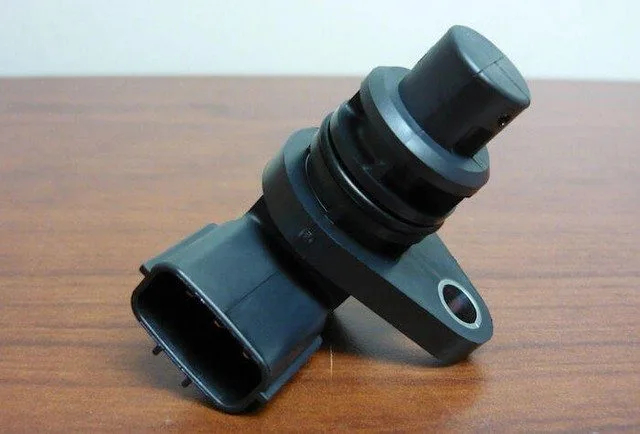
Photo of a transmission speed sensor:
P0721 Transmission Speed Sensor
What are some of the symptoms of the code?
Symptoms of a P0721 trouble code may include:
Poor fuel economy
Check Engine light on
Transmission not shifting
Transmission shifting roughly
Symptoms
Potential misfires
PCM puts the engine in limp mode
Speedometer displays an incorrect or erratic reading
What are some of the common causes of the code?
Causes
of this P0721 transmission code may include:
Faulty output speed sensor
Dirty or contaminated fluid
Dirty or clogged transmission filter
Faulty coolant temperature sensor
Faulty transmission valve body
Restricted hydraulic passages
Faulty shift solenoid
Corroded or damaged connector
Faulty or damaged wiring
Faulty PCM
What are the troubleshooting steps for P0721?
Before starting the troubleshooting process for any malfunction, you should research the technical service bulletins (TSBs) for the specific vehicle by year, model, and transmission. In some situations, this can save you a lot of time in the long run by pointing you in the right direction.
The first step is to ensure the fluid level is correct and inspect the condition of the fluid for any contamination. You should also check the vehicle records to verify the last time the filter and fluid were changed, if possible. A thorough visual inspection to check the associated wiring for obvious defects such as scraping, rubbing, bare wires, or burn spots is next. Check the connectors and connections for security, corrosion, and damaged pins. This should include all wiring and connectors for the output speed sensor, transmission solenoids, transmission pump, and PCM. Depending on the configuration, the transmission linkage should be inspected for security and freedom of movement.
Advanced Steps
Advanced steps become very vehicle-specific and require appropriate advanced equipment to perform correctly. These procedures require a digital multimeter and vehicle-specific technical references. You must follow the troubleshooting guidelines and sequence specific to your vehicle. Voltage requirements can vary greatly depending on the specific vehicle model and transmission configuration.
Continuity Checks
Continuity checks are always performed with the power disconnected from the circuit to avoid short-circuiting and causing more damage. Unless otherwise indicated in the technical data, normal readings for wiring and connections should be 0 ohms of resistance. Resistance or lack of continuity indicates faulty wiring that is open or short-circuited and must be repaired or replaced.
Common Repairs
Replacing fluid and filter
Replacing a faulty output speed sensor
Repairing or replacing a faulty shift solenoid
Repairing or replacing a faulty transmission valve body
Flushing the transmission to clean passages
Cleaning corrosion from connectors
Repairing or replacing wiring
Flashing or replacing PCM
Common Misdiagnosis
Engine misfire issue
Internal transmission problem
Transmission problem
I hope the information in this article has helped point you in the right direction to correct the issue with your transmission output speed sensor trouble code. This article is strictly informational, and the technical data and service bulletins specific to your vehicle should always take precedence.