
What does it mean?
This is a generic diagnostic trouble code (DTC) and applies to many OBD-II vehicles (1996-newer). This may include, but is not limited to, vehicles from Hyundai, Mercedes-Benz, Buick, Ford, GMC, Chevrolet, Jeep, Cadillac, etc. Although generic, the specific repair steps may vary depending on the year, make, model, and powertrain configuration.
A stored P0620 code means that the Powertrain Control Module (PCM) has detected a malfunction in the generator control circuit.
The PCM typically powers up and monitors the generator control circuit whenever the engine is running.
Whenever the ignition is turned on and the PCM is powered up, several controller self-tests are performed. In addition to running internal controller self-tests, the Controller Area Network (CAN) is used to compare signals from each individual module to ensure that the various controllers interact correctly.
If a problem is detected in the monitoring of the generator control circuit, a P0620 code will be stored and a Malfunction Indicator Lamp (MIL) may be illuminated. Depending on the perceived severity of the malfunction, several failure cycles may be required for the MIL to light up.
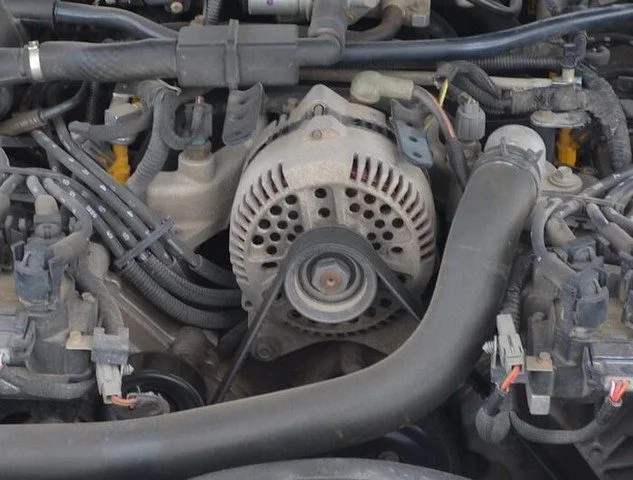
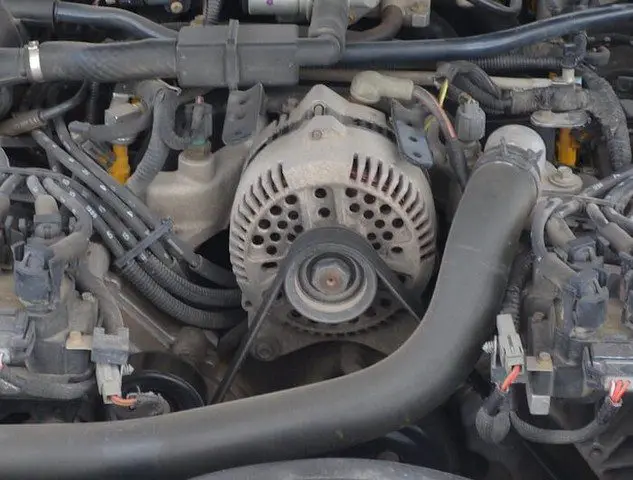
A typical alternator:
P0620 Alternator
How serious is this DTC?
Internal control module codes should always be taken seriously. A stored P0620 code can lead to various driving issues, including a no-start condition and/or a dead battery.
What are some of the symptoms of the code?
Symptoms of a P0620 fault code may include:
Engine driving issues
Engine stalling at idle
Delayed engine starting (especially when cold)
Other stored codes
What are some common causes of the code?
Causes
of this code may include:
Faulty PCM
PCM programming error
Open or shorted generator control circuit
Faulty generator assembly
Insufficient control module ground
What are the troubleshooting steps for P0620?
A diagnostic scanner, a battery/alternator tester, a digital volt/ohmmeter (DVOM), and a reliable source of vehicle information will be needed to diagnose a P0620 code.
Check your vehicle information source for Technical Service Bulletins (TSBs) that relate to the stored code, the vehicle (year, make, model, and engine), and the symptoms presented. If you find the relevant TSB, it may provide diagnostic information that will significantly assist you.
Start by connecting the scanner to the vehicle’s diagnostic port and retrieving all stored codes and freeze frame data. You’ll want to note this information, just in case the code proves to be intermittent. After recording all relevant information, clear the codes and test-drive the vehicle until the code resets or the PCM enters readiness mode. If the PCM enters readiness mode, the code is intermittent and will be more difficult to diagnose. The condition that caused the P0620 to be stored may even need to worsen before a diagnosis can be made. If the code resets, continue with your diagnosis.
Use the battery/alternator tester to test the battery and ensure it is sufficiently charged. If not, test the alternator/generator. Follow the manufacturer’s recommended specifications for minimum and maximum voltage output requirements for the battery and alternator. If the alternator/generator is not charging, proceed to the next step in your diagnosis.
Use your vehicle information source to obtain connector face views, connector pinout diagrams, component locators, wiring diagrams, and diagnostic flowcharts related to the code and the specific vehicle in question.
Check for battery voltage at the alternator/generator using the appropriate wiring diagram and your DVOM. If not present, check the system fuses and relays and replace faulty parts as needed. If all fuses and relays are functioning normally, suspect a faulty alternator/generator.
If the alternator is charging and the P0620 continues to reset, use the DVOM to test the controller power fuses and relays. Replace blown fuses as needed. Fuses should be tested under load.
If all fuses and relays appear to be functioning as expected, a visual inspection of the wiring and harnesses related to the controller is necessary. You will also want to check the chassis and engine ground connections. Use your vehicle information source to obtain ground locations for the related circuits. Use the DVOM to test ground integrity.
Visually inspect the system controllers for signs of water, heat, or collision damage. Any damaged controller, especially by water, should be considered faulty.
If the controller power and ground circuits are intact, suspect a faulty controller or a controller programming error. Replacing the controller will require reprogramming. In some cases, you can purchase pre-programmed controllers through aftermarket sources. Other vehicles/controllers will require on-board reprogramming that can only be performed by a dealer or another qualified source.