
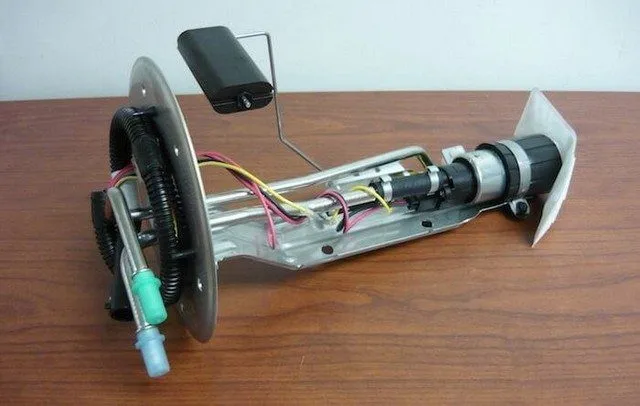
What is code P0628?
This is a generic OBD-II (powertrain) code applicable to most post-1996 vehicles (Ford, Dodge, Toyota, Chrysler, Jeep, Ram, Chevrolet, Nissan, Mitsubishi, Mercedes, etc.). It indicates a problem in the fuel pump control circuit “A”, specifically a low voltage situation detected.
Main Causes:
-
Damaged wires or connectors in the circuit or the CAN (Controller Area Network) bus.
-
Problem with the fuel pump itself.
-
Cut or damaged ground wire at the control module.
-
Unsecured ground strap in the control module.
-
Open, shorted, or corroded wiring in the CAN bus.
-
Faulty CAN bus.
-
Loose harness causing chafing or broken circuits.
-
High resistance in the circuit (melted/corroded connectors, internal wire corrosion).
Modules Likely to Trigger the Code:
-
Powertrain Control Module (PCM) or Engine Control Module (ECM).
-
Alternative Fuel Control Module.
-
Fuel Injection Control Module.
-
Turbo Control Module.
Common Symptoms:
-
Check Engine Light (CEL) illuminated.
-
Engine does not start.
-
Engine misfires/stalling.
-
Engine starts but stalls immediately.
-
Reduced fuel economy.
-
Engine cranks but does not start.
-
Engine stalls once at operating temperature.
Severity:
Moderately serious problem. Although the vehicle may sometimes run, it is strongly advised against using it. An erratic fuel supply can cause severe engine damage.
Associated Codes:
-
P0627: Fuel Pump Control Circuit “A” – Open
-
P0628: Fuel Pump Control Circuit “A” – Low (this code)
-
P0629: Fuel Pump Control Circuit “A” – High
-
P062A: Fuel Pump Control Circuit “A” Range/Performance
Diagnostic (Troubleshooting) Steps:
-
Consult Technical Service Bulletins (TSBs): Check TSBs specific to your vehicle’s year, model, and engine for known solutions or specific procedures.
-
Module Scan & Visual Inspection:
-
Use an OBD-II scanner to read codes from all modules and assess the general electrical state.
-
Visually inspect connectors and wiring related to the fuel pump, CAN bus, and relevant modules (often located near the fuel tank). Look for obvious damage, corrosion, or loose wires.
-
-
Check Grounds:
-
Thoroughly examine the ground circuits of the involved modules (fuel pump, etc.).
-
Test using a temporary auxiliary battery ground. If the problem disappears with the auxiliary ground but returns with the original ground, the OEM ground cable is faulty.
-
Inspect ground points for corrosion (e.g., green ring on the battery + terminal). Clean or replace corroded components.
-
-
Check Control Circuit “A”:
-
Identify the precise circuit using a wiring diagram from the service manual.
-
Look for breaks (open circuit) by physically tracing the wire or measuring its continuity/resistance with a multimeter.
-
Look for short circuits or abnormally high resistance in the circuit using the multimeter.
-
Use a power probe to inject current and locate internal faults in the circuit.
-
Repair damaged wires by soldering or using sealed butt connectors (with heat shrink tubing).
-
Important:
-
The code may activate after several drive cycles or immediately.
-
The absence of an immediate check engine light does not mean the problem is resolved; check after a few days of use.
-
This article is strictly informative. Vehicle-specific technical data and manufacturer service manual procedures should always take priority.
Concise Summary (optional):
P0628 = Fuel Pump Control Circuit “A” – Low Voltage.
Problem: Damaged wires/connectors (especially CAN bus), faulty pump, poor grounds.
Risk: Engine may stall or be damaged → Do not drive.
Diagnosis:
-
Check manufacturer TSBs.
-
Scan modules + visual inspection of cables/connectors.
-
Check grounds (corrosion, connection).
-
Test control circuit “A” (diagram, continuity, resistance).
ALWAYS consult the vehicle-specific service manual.