
What Does It Mean?
This is a generic diagnostic trouble code (DTC) for the powertrain and generally applies to OBD-II vehicles. Vehicle brands may include, but are not limited to, Dodge, Jeep, Honda, Chrysler, Ram, Hyundai, Chevrolet, etc.
Cruise control is a feature that makes driving your vehicle more convenient and provides a much smoother driving experience. While its main function is to control your vehicle’s speed, it also has other uses.
For example, it allows you to accelerate or slow down your car by one mile per hour (for instance) with a simple button press. It also protects you by disengaging as soon as you press the brake pedal. Additionally, you won’t be able to activate it if your car is traveling at speeds below 40 km/h.
Your vehicle’s cruise control is managed by the ECM (Engine Control Module) and/or potentially a cruise control module. The ECM uses a large amount of data to automatically control your vehicle’s speed. If it fails to automatically control the speed using cruise control, the ECM will run a test involving the entire cruise control system to determine if there are any internal issues.
Most of the time, the cruise control vent is used in cruise control systems to ensure the ECM can adjust the vacuum in the system. The vent’s functionality is integral, as it can sometimes directly affect the cruise control servo’s operation. The servo is responsible for mechanically adjusting and controlling your speed when cruise control is activated.
If the test reveals an ongoing problem, the ECM will trigger a cruise control code corresponding to the detected issue.
P0587 is a generic fault code that refers to “Cruise Control Vent Control Circuit Low.” It appears when the ECM’s test detects an electrical level lower than normal in the cruise control vent circuit.
Cruise Control Switches:
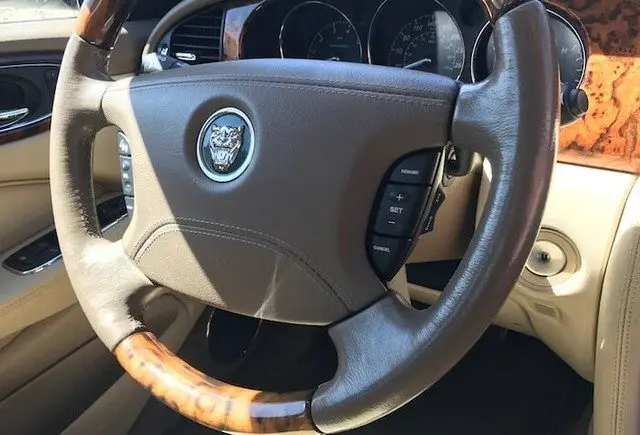
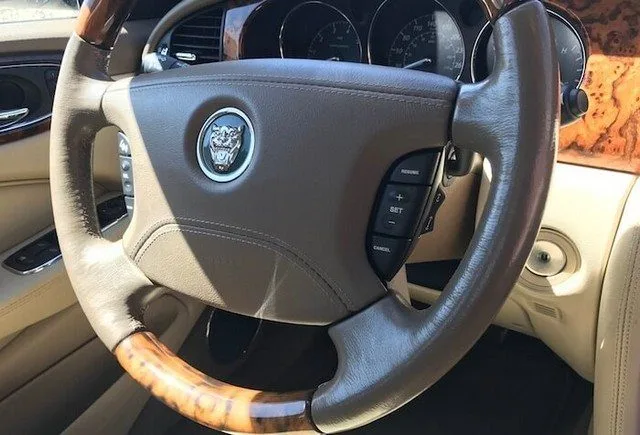
P0587 Cruise Control Steering Wheel Switches
How Severe Is This DTC?
The severity of this issue is low because you can still drive your car even if it encounters the P0587 fault code. However, it is very likely that your car’s cruise control will not function actively. It is advisable to address this problem as soon as possible, especially if you frequently rely on your car’s cruise control. This is to prevent the issue from worsening and to avoid causing other related problems.
What Are Some of the Symptoms of the Code?
Symptoms of a P0587 diagnostic code may include:
If the code is stored in the PCM, it is highly likely that the vehicle’s commanded speed will not adjust when using your cruise control
The Check Engine Soon light on the dashboard may be illuminated (in some cases, the problem must be identified three times by the ECM before the light turns on)
Blown fuses are likely to be present in some instances
One or more cruise control functions do not work
Erratic/intermittent general cruise control functionality
What Are Some of the Common Causes of the Code?
Causes
of this P0587 cruise control code may include:
Problematic or faulty cruise control switch
Poor electrical connection in the speed control/vent control solenoid
The speed control/vent control harness is open or a short circuit is present
Vacuum leak or obstruction in the cruise control system
Damaged or corroded connectors
Faulty vent control solenoid
Blown fuses (may be the result of an underlying electrical issue in the cruise control vent control circuit)
What Are the Diagnostic and Troubleshooting Steps for P0587?
The first step in the troubleshooting process for any malfunction is to check the Technical Service Bulletins (TSBs) for known issues with the specific vehicle.
Advanced diagnostic steps become very vehicle-specific and may require appropriate advanced equipment and knowledge to operate accurately. We include the basic steps below but refer to a repair guide specific to the year/make/model/powertrain for steps tailored to your vehicle.
Basic Step #1
To resolve P0587, one of the most common solutions is to replace the cruise control switch, so I will elaborate on that. However, before proceeding with this fix, it is important that you are sure the switch needs replacement. If you are certain the switch is faulty, following the diagnostic steps in your service manual, you can start by locating your car’s battery and disconnecting it. Then, remove the steering column bolt covers using a screwdriver or ratchet if necessary.
You may need to carefully remove the center airbag assembly from the center of the steering wheel by unlocking it from the back of the steering wheel. Next, detach the electrical connector attached to the airbag assembly by pressing the side clips and pulling them from the hard plastic side areas. Removing your steering wheel to access the switch may be necessary, for which a special puller might be required.
NOTE: Always consult the service manual for the proper steering wheel/AIRBAG removal procedures for your vehicle!
Once the electrical connector has been detached from the cruise control switch, detach the switch by removing the bolts that hold the switch to the steering column bracket. Replace the old cruise control switch with the new one and reinstall everything in reverse order. Reconnect the battery and test your vehicle, ensuring traffic isn’t too heavy when testing your cruise control to keep safety in mind here.
Basic Step #2
Another common issue regarding this code is a mechanical problem in the cruise control vacuum system. This could mean physical damage to the cruise control vacuum solenoid itself, a vacuum leak in the system, a bent or obstructed line, etc. All these mechanical issues are generally easy to spot during initial inspection once you’ve identified all the components involved in the system.
Repair or replace vacuum leaks immediately, as they can cause more problems down the road if left unchecked. Refer to your service manual for specific diagnostic procedures and component locations.
This article is strictly for informational purposes only, and technical data and service bulletins for your specific vehicle should always take precedence.