
What Does It Mean?
This is a generic diagnostic trouble code (DTC) and generally applies to OBD-II vehicles. Vehicle brands may include, but are not limited to, Chevrolet/Chevy, Ford, Volvo, Dodge, Hyundai, Vauxhall, Honda, Nissan, Renault, Alfa Romeo, etc.
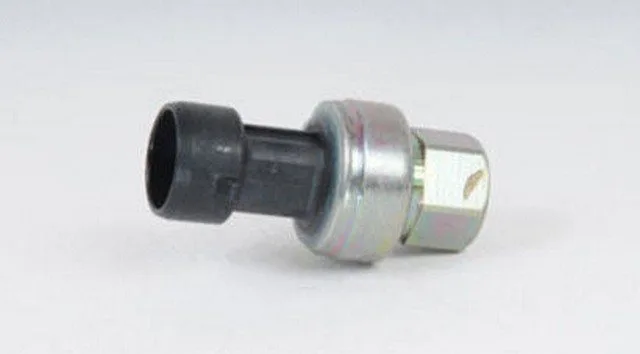
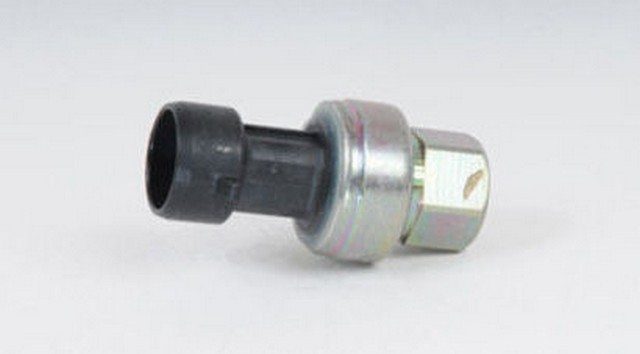
A/C Refrigerant Pressure Sensor
The A/C refrigerant pressure sensor helps the HVAC (heating, ventilation, and air conditioning) system regulate the temperature inside the vehicle according to your requirements.
- Operation:
The sensor converts the refrigerant system pressure into an analog electrical signal through its 3 wires: a 5-volt reference wire, a signal wire, and a ground wire. Vehicle modules compare the signal wire values to the reference to calculate the pressure. - Involved Modules:
The BCM (Body Control Module) or ECC (Electronic Climate Control) monitors this sensor to determine system pressures and engage/disengage the compressor as needed.
Code Signaling
The ECM (engine control module) activates the MIL (malfunction indicator lamp) by displaying code P0533 along with related codes (P0530, P0531, P0532, and P0533) when a fault is detected in the A/C refrigerant pressure sensor or its circuits.
Severity of the DTC
In my opinion, the severity of any code related to the HVAC (heating, ventilation, and air conditioning) system is often low. However, in this case, pressurized refrigerant is involved, which could indicate an urgent issue. A refrigerant leak, for example, poses a real danger. Make sure you have basic refrigerant safety knowledge before working on the system.
Symptoms of Code P0533
Symptoms that may accompany this code include:
- Inaccurate temperatures from the fan air
- Limited use of the HVAC system
- Erratic or fluctuating fan air temperature
- The A/C compressor not engaging when needed
- Abnormal HVAC system operation
- Additional Points:
- Increased fuel consumption due to inefficient A/C operation
- Unusual noises from the compressor or refrigerant lines
Common Causes of the Code
The most frequent causes of this P0533 code may be:
- Faulty or damaged A/C refrigerant pressure sensor
- Leak in the A/C refrigerant pressure sensor or circuit
- Low or incorrect refrigerant pressures or levels
- Damaged, open, or shorted wires (short to + or short to -)
- Damaged connector
- Issue with the ECC (Electronic Climate Control) or BCM (Body Control Module)
- Poor connections or grounding problems
- Software error in the control module
Diagnosis and Troubleshooting of P0533
Before any intervention, consult the technical service bulletins (TSBs) specific to the vehicle’s year, model, and transmission. This step can save you time and money.
Basic Step #1: Sensor Check
Depending on your tools and skills, you can check the operation of the A/C refrigerant pressure sensor in two ways:
a) Using an OBD Reader/Scan Tool
- Monitor refrigerant pressures and other values while the system is running to validate the sensor’s proper operation.
b) Using A/C Manifold Gauges
- Compare mechanically measured pressures to the manufacturer’s recommended reference values.
Tip: If you have no experience with refrigerant, avoid performing pressure tests yourself. Refrigerant poses an environmental hazard and can be risky.
Basic Step #2: Testing the Sensor
- Perform tests between the sensor pins to record values.
- Ensure your reference information (from the manufacturer) is accurate, as it may vary by model, temperature, and sensor type.
Basic Step #3: Wiring Check
- Inspect the sensor’s wiring and connections.
- Sometimes, the sensor is mounted on an A/C pressure line and may suffer mechanical damage (e.g., from moving parts under the hood).
- Ensure the sensor and line are in good condition and securely fastened.
In conclusion, even though code P0533 is not always critical, it can reveal a more significant malfunction in the air conditioning system. Regular inspection and proper maintenance of the system can prevent such error codes from occurring.