
What does it mean?
This diagnostic trouble code (DTC) is a generic powertrain code, meaning it applies to OBD-II equipped vehicles that have glow plugs (diesel engine vehicles). Vehicle makes may include, but are not limited to, Ford, Dodge, Mazda, VW, Ram, GMC, Chevy, etc. Although generic, specific repair steps may vary by make/model/engine. As a side note, this code seems more common on Ford vehicles.
Glow plugs and their associated wiring harnesses and circuits are part of a system that is responsible for generating heat in the combustion chamber prior to cold starts.
Essentially, the glow plug is similar to an element on a stove. These are incorporated into diesel engines because diesel engines do not use spark plugs to ignite the fuel/air mixture. Instead, they use compression to generate enough heat to ignite the mixture. For this reason, diesel engines need the help of glow plugs during cold starts.
The ECM sets P037E and related codes when it monitors a condition outside of a specific range in the glow plug circuit. Most of the time, I would say this would be an electrical issue, but some mechanical problems could affect your glow plug circuit on certain makes and models. P037E Glow Plug Sense Circuit Low code is set when the ECM monitors one or more low electrical values in the circuit.
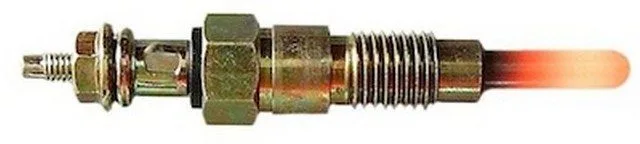
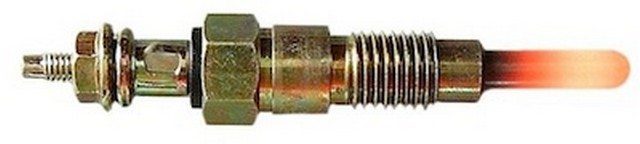
An example glow plug:
NOTE: If other dashboard warning lights are currently on (e.g., traction control, ABS, etc.), this could be a sign of another potentially more significant issue. In this case, you should take your vehicle to your reputable shop where it can be connected to a proper scan tool to avoid causing unnecessary damage.
This fault code is closely related to P037D and P037F.
How severe is this DTC?
Generally speaking, the severity of this code would be moderate, but depending on the scenario, it can be severe. For example, if you reside in moderate to extreme cold conditions, repetitive cold starts with faulty glow plugs will eventually unnecessarily damage internal components of your engine.
What are some of the symptoms of the code?
Symptoms of a P037E engine code may include:
Hard starting in the morning or when it’s cold
Abnormal engine noises during startup
Poor performance
Engine misfire
Poor fuel consumption
What are some of the common causes of the code?
Causes
of this code may include:
Broken or damaged wiring harness
Blown/faulty fuse link
Faulty glow plug
ECM problem
Pin/connector issue (e.g., corrosion, overheating, etc.)
What are the troubleshooting steps?
Be sure to check the Technical Service Bulletins (TSBs) for your vehicle. Accessing a known fix can save you time and money during diagnosis.
Tools
Whenever working with electrical systems, some of the basic tools that are a good idea are:
OBD code reader
Multimeter
Basic socket set
Ratchet and wrench sets
Basic screwdriver set
Rags/shop towels
Battery terminal cleaner
Service manual
Safety Tips
Let the engine cool down
Chock the wheels
Wear PPE (Personal Protective Equipment)
Basic Step #1
The first thing I would do in this situation is open the hood and smell for any kind of irregular burning scent. If present, this could be the trail to your problem. Most of the time, if there are excessive burning smells, it means something is overheating. Carefully follow the smell; if you see burnt wire coatings or melting plastic around fuse boxes, fuse links, etc., this will need to be addressed first.
NOTE: Visually inspect all ground straps and look for corroded or loose ground connections.
Basic Step #2
Locate and follow the glow plug circuit harness. These harnesses are exposed to extreme heat which can damage the looms that are there to protect your wires. In particular, keep an eye out for spots on the harness that may rub against the engine or other components. Repair any damaged wires or looms.
Basic Tip #3
If possible, unplug your glow plug harness from the plugs. In some cases, you might also disconnect it from the other side of the harness and remove it completely from the vehicle as an assembly. If that’s the case, you can use your multimeter to check for continuity in the individual wires of the circuit. This would rule out any kind of physical problem in that harness. On some vehicles, this may not be possible. If not, skip this step.
NOTE: Be sure to disconnect the battery before performing any electrical repairs.
Basic Step #4
Test your circuits. Consult the manufacturer for specific desired electrical values. Using your multimeter, you can perform many tests to check the integrity of the involved circuits.
Basic Step #5
Test your glow plugs. Disconnect the harness from the plugs. Using your multimeter set to Voltage, you will attach one end to the positive battery terminal and using the other end, you will touch the tip of each plug. The values should be the same as the battery voltage; if they are not, this would indicate a problem in the plug itself. This can vary depending on the make and model of your particular vehicle, so ALWAYS consult the manufacturer’s service information FIRST.