

What is the P0298 code?
The P0298 diagnostic trouble code is a generic powertrain code applicable to most OBD-II equipped vehicles (Ford, Nissan, Suzuki, Dodge, Chevrolet, Jeep, Subaru, etc.). It indicates that the Powertrain Control Module (PCM) has detected an abnormally high engine oil temperature, exceeding acceptable safety thresholds. The causes can be electrical or mechanical.
Monitoring System Operation
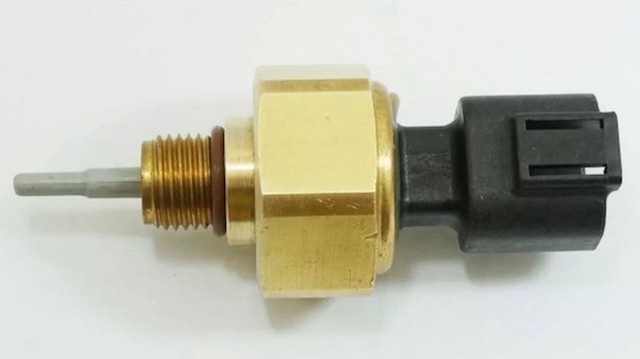
The engine oil temperature sensor, often a negative temperature coefficient thermistor, sees its resistance decrease as the temperature increases. The PCM sends a reference voltage (usually 5V) to the sensor. Cold oil provides high resistance, maintaining a low voltage (~0.5V). Hot oil reduces the resistance, causing the voltage to increase. The PCM interprets these voltage variations as temperature changes. If the voltage falls outside the programmed parameters, the P0298 code is stored and a warning light may illuminate.
Severity and Symptoms of Code P0298
This code is urgent. It is imperative not to use the vehicle and to perform an immediate diagnosis to avoid serious engine damage (piston seizure, engine failure).
Common symptoms:
- Abnormal noises (knocking, pinging) or burning smell from the engine
- Noticeable decrease in performance and engine power
- Presence of coolant leaks
- Appearance of other codes related to the cooling system
- Temperature warning light or check engine light illuminated
Possible Causes of Code P0298
Several malfunctions can trigger this code:
- Engine Overheating: Due to a coolant leak, faulty thermostat, head gasket failure, or air circulation problem (fan).
- Oil Level Too Low: An insufficient amount of oil reduces its ability to dissipate heat.
- Faulty Engine Oil Temperature Sensor: Provides an incorrect reading to the PCM.
- Electrical Problem: Open or short circuit, damaged wiring, or oxidized/corroded connectors.
- PCM Failure (less common): A programming error or internal module problem.
Diagnosis and Repair Procedures
Required Tools: OBD2 scanner, digital multimeter (DVOM), vehicle technical documentation.
Crucial Preliminary Steps:
- Check Fluid Levels: Ensure the engine contains the recommended quantity and type of oil and coolant specified by the manufacturer. A low level is a frequent cause.
- Visual Inspection: Examine the sensor wiring and connectors for any signs of damage, corrosion, or looseness.
- Check for Engine Overheating: Diagnosing a P0298 code on an overheating engine is pointless. The cause of the overheating (cooling system) must be resolved first.
Electrical Diagnostic Procedure (if the engine is not overheating):
- Connect the scanner, note the freeze frame data and codes, then clear the codes. Test drive the vehicle to see if the P0298 code returns.
- If the code returns, disconnect the connector of the oil temperature sensor.
- With the ignition on (engine not running), use the multimeter to check for the presence of the reference voltage (5V) and a good ground at the connector.
- If voltage and ground are OK: Test the sensor’s resistance out of circuit with the multimeter. Compare the measured value to the manufacturer’s specifications (it decreases with temperature). Replace the sensor if out of specification.
- If the 5V voltage is absent: Check the corresponding circuit back to the PCM. A broken wire or short circuit is suspected.
- If ground is absent: Check the integrity of the ground circuit and the ground connection point.
- If the PCM is not sending the reference voltage: A PCM failure or programming error is possible (rare case).
⚠️ Warning: It is highly recommended to entrust the complex diagnosis of a P0298 code to a professional mechanic. Working on a hot engine and handling its wiring requires expertise and proper equipment to avoid any risks.